TBI – Survivors, Caregivers, Family, and Friends

On The Air: Brain Injury Radio “Another Fork in the Road” 

with

Guest: Survivor and Caregiver, Sandra Williams

presented

by

Donna O’Donnell Figurski

images-1Sandra William’s was thrust into the role of brain injury survivor and caregiver when her whole family was involved in a motor accident with a drunk driver with multiple DUIs. Sandra spoke about the trials her family endured and still endures because of the negligence of a stranger.

As two teachers, Sandra and I delved into how schools 12200687_895719387130278_18176772_ncan better help students who are identified with brain injury or special needs. Federally mandated, 504 Plans and Individual Education Plans (IEP) were discussed.

If you missed this show with Sandra Williams on “Another Fork in the Road” on November 15th, 2015 don’t fret. You can listen to the archived show here. Click the link below.

See you “On the Air!”

On The Air: Brain Injury Radio “Another Fork in the Road” with Survivor and Caregiver, Sandra Williams

(Clip Art compliments of Bing.)

As I say after each post: Please leave a comment by clicking the blue words “Leave a Commentanim0014-1_e0-1 below this post.

Feel free to follow my blog. Click on “Follow” on the upper right sidebar.

If you like my blog, share it with your friends. It’s easy! Click the “Share” buttons below.

If you don’t like my blog, “Share” it with your enemies. I don’t care!

Feel free to “Like” my post.

On The Air: Brain Injury Radio “Another Fork in the Road” 

with

Panelists: Survivor, Lisa Dryer and Caregiver, Jeannette Davidson-Mayer

Topic: Daily Living & Organizational Skills

presented

by

Donna O’Donnell Figurski

images-1Living day by day with a brain injury can be an utmost challenge. Juggling fatigue, memory loss, or dealing with concentration issues, to name just a few, can be extremely overwhelming. So how does one overcome these problems while trying to get through the day? These are some of the topics that Lisa Dryer, Jeannette Davidson-Mayer, and I discussed. Some really good ideas came out of the discussion. Tips that be easily utilized to help folks make their lives a bit more simple and controlled. I hope you will listen to the show to find out.

Dryer, Lisa SurvivorPanelist and survivor, Lisa Dryer, talked about having structure in her life, which helps her to stay more organized. Structure adds a balance that helps to make things more predictable. A predictable life is easier to maneuver through.

03 Jeannette Davidson-Mayer 110115Panelist and caregiver, Jeannette Davidson-Mayer, elaborated on her “Central Command Center,” which is located in her kitchen. She said this method worked best for her husband, DeWayne, who received five brain injuries while serving in Iraq. Post-It notes and whiteboards help to keep Jeannette’s family more organized.

If you missed this show, “Daily Living & Organizational Skills” on “Another Fork in the Road” with Lisa Dryer and caregiver, Jeannette Davidson-Mayer on November 1, 2015 don’t fret. You can listen to the archived show here. Click the link below.

See you “On the Air!”

On The Air: Brain Injury Radio “Another Fork in the Road” with panelists: survivor, Lisa Dryer and caregiver, Jeannette Davidson-Mayer on “Daily Living & Organizational Skills”

(Clip Art compliments of Bing.)

As I say after each post: Please leave a comment by clicking the blue words “Leave a Commentanim0014-1_e0-1 below this post.

Feel free to follow my blog. Click on “Follow” on the upper right sidebar.

If you like my blog, share it with your friends. It’s easy! Click the “Share” buttons below.

If you don’t like my blog, “Share” it with your enemies. I don’t care!

Feel free to “Like” my post.

Survivors SPEAK OUT! Sandra Williams

presented

by

Donna O’Donnell Figurski

12200687_895719387130278_18176772_n1. What is your name? (last name optional)

Sandra Williams

2. Where do you live? (city and/or state and/or country) Email (optional)

Athol, Idaho, USA

3. On what date did you have your brain injury? At what age?

My injury was on May 28th, 2012, at 10:00 am. I was 38.

4. How did your brain injury occur?

A drunk driver crossed the center lane as we were turning a corner in our Ford F250 Power Stroke. We were pulling a 26-foot travel trailer. There was a cliff on the other side of us. We should have gone over the cliff, but instead we crossed all lanes of traffic and ended up in a ditch. We should have jackknifed, but we didn’t. The truck that hit us also went through the length of our travel trailer. He ended up in the lane opposite to the one he was traveling in and facing in the opposite direction. We all should have died. The details of the accident are many. It sounds like a made-for-TV movie. We are all alive, but we’re not OK.

5. When did you (or someone) first realize you had a problem?

I first learned of my son’s brain injury when I took him to a neurologist. His primary care physician wanted a follow-up because my son was sleeping so much and his balance was off a bit. We made him rest all summer. When he went back to school, he went from an A-B student to one who got Ds and Fs. I was really focused on my son, but the neurologist diagnosed me too. The diagnosis shocked my primary care provider and me. I didn’t really believe her until I lost my job as a Special Education teacher.

6. What kind of emergency treatment, if any, did you have?

I lost consciousness. I was taken to the Emergency Room. I don’t remember babbling to the sky, but that is what my kids said. They told me this several weeks after the accident. They didn’t know I didn’t know. That’s when my husband knew something wasn’t right. But he thought I would get over it. We all rested that summer. I seemed to be doing well – no headaches, etc. – until I went back to work.

7. Were you in a coma? If so, how long?

No

8. Did you do rehab? What kind of rehab (i.e., inpatient or outpatient and occupational and/or physical and/or speech and/or other)? How long were you in rehab?

I have been to two ten-day sessions of speech therapy, vestibular therapy, cognitive behavioral therapy, and exposure therapy. I also attended Carrick Brain Injury Center, a multidisciplinary brain rehab center.

9. What problems or disabilities, if any, resulted from your brain injury
(e.g., balance, perception, personality, etc.)?

I am still struggling to work. My memory is still affected to the point of frustration for my family members. I struggle with headaches, dizziness, and confusion when people speak to me. I have given up being a youth group-leader. I tried to go back to work, but, due to the fact that educational systems do not accommodate, I cannot work as a teacher – not even online. I really want to run and work out like I used to, but I don’t. That is the biggest change. I never used to drink coffee or alcohol. I don’t abuse either, but now I drink both. I never used to eat chips or anything unhealthy, but I eat those things now. I used to garden, but now I don’t. I do want to return to the way it was with those things, but it is hard while I’m keeping up with my kids and their needs since the accident.

10. How has your life changed? Is it better? Is it worse?

I think my life is worse, but can get better. It is worse because I can’t work in a job where I can get full-time benefits. My health care needs have increased, and my income has decreased. I am trying to help my husband start a new business in construction. He is being patient with me, but it is not easy. Our kids are different, and we really struggled with their behavior until we went to Carrick Brain Injury Center. We still struggle with one kiddo, but I think it is a grief process that he is going through.

11. What do you miss the most from your pre-brain-injury life?

I miss running. (I ran a half marathon and was training for a full marathon when we were hit.) I miss having the energy to do anything I wanted. I miss remembering everything. I miss being able to find a job whenever I wanted. (I have been working since I was eight. I started working for my dad and got my first out-of-family job at the age of fourteen. I paid for the first four years of college by working, and I sent myself to Europe – some people in my church helped me to play basketball internationally.)

12. What do you enjoy most in your post-brain-injury life?

Nothing really. I wish I could say something different. But, my life is so limited from what it once was, and I look so normal. People expect me “to do better,” “to not give up,” or “to stop making excuses.”

13. What do you like least about your brain injury?

I dislike that I cannot be independent and that people expect more from me than I can do. If a person had a broken leg, that person would receive accommodations until it healed. Accommodations are not given when one has an invisible traumatic brain injury (TBI). It doesn’t work that way. But I will not give up.

14. Has anything helped you to accept your brain injury?

I was actually helped by the fact that I can’t work no matter how hard I try. Working came easily to me, just like sports. Now, working and sports are the hardest things for me to do. I will keep trying though. I can’t do them now, but that doesn’t mean I won’t be able to do them forever. I won’t give up. I will do them someday.

15. Has your injury affected your home life and relationships and, if so, how?

Yes, immensely. My kids get really frustrated with me, and so does my husband. I used to be unorganized and forget things, but now it is ten times worse. I really have to rely on notebooks and repeat myself several times. That is what is so frustrating for my family. They also don’t understand my need for rest or my light-sensitivity to the TV. There are many things to list, but I will keep it short!

16. Has your social life been altered or changed and, if so, how?

I don’t visit with anyone anymore. I used to go to bible studies, but they scare me now. (I am afraid I will say the wrong thing.) I can’t go see my mom because I can’t drive that long at one time (it takes two days for me to get there), and it’s just too long to be gone. Plus, I have a huge family, which is hard to be around. My sisters don’t understand my brain injury. I just stay away. It’s better for all of us.

17. Who is your main caregiver? Do you understand what it takes to be a caregiver?12202566_895719670463583_794991146_n

Me. I am my own caregiver. My husband tries, but he is focused on the business. I submit insurance claims and speak to the doctors. I am even filing claims with Disability Rights of Idaho, so I know I can be organized and I can do something!

18. What are your plans? What do you expect/hope to be doing ten years from now?

I plan to be working in construction until I put myself through college again to finish my counseling degree and/or get a certification in TBI so I can educate teachers about it. There is the need for special education to have a different evaluation process. I also plan to use online settings to sell lessons that target students with TBI in the secondary school classroom.

19. Are you able to provide a helpful hint that may have taken you a long time to learn, but which you wished you had known earlier? If so, please state what it is to potentially help other survivors with your specific kind of brain injury.

I wish I knew more about Disability Rights of Idaho and more about the complaint process for educators. (Parents are at such a loss!) The biggest tip I can give other survivors is not to listen to negative comments or to employers who tell you that you can’t do the job. Listen to your heart and your soul. Fight for yourself and others. It will keep you going.

20. What advice would you offer to other brain-injury survivors? Do you have any other comments that you would like to add?

Never, ever give up! If you can’t realize your dream one way, find another way to do it. It may take you longer, but do it. Henry Winkler (the Fonz) applied to sixty-eight different colleges before one accepted him. He was not diagnosed with dyslexia until his son was. He never gave up. We can’t either!

(Disclaimer: The views or opinions in this post are solely that of the interviewee.)

If you would like to be a part of the SPEAK OUT! project, please go to TBI Survivor Interview Questionnaire for a copy of the questions and the release form.

(Clip Art compliments of Bing.)

(Photos compliments of contributor.)

As I say after each post: Please leave a comment by clicking the blue words “Leave a Commentanim0014-1_e0-1 below this post.

Feel free to follow my blog. Click on “Follow” on the upper right sidebar.

If you like my blog, share it with your friends. It’s easy! Click the “Share” buttons below.

If you don’t like my blog, “Share” it with your enemies. I don’t care!

Feel free to “Like” my post.

SPEAK OUT! Faces of Brain Injury – Jessica Taylor

presented by

Donna O’Donnell Figurski

 Brain Injury is NOT Discriminating!

bigstock-cartoon-face-vector-people-25671746-e1348136261718

It can happen to anyone, anytime, . . . and anywhere.

The Brain Trauma Foundation states that there are 5.3 million people in the United States living with some form of brain injury.

On “Faces of Brain Injury,” you will meet survivors living with brain injury. I hope that their stories will help you to understand the serious implications and complications of brain injury.

The stories on SPEAK OUT! Faces of Brain Injury are published with the permission of the survivor or designated caregiver.

If you would like your story to be published, please send a short account and two photos to me at neelyf@aol.com. I’d love to publish your story and raise awareness for Brain Injury.

Jessica Taylor (survivor)

One day in 1969, I was out on business for my Merle Norman Cosmetic Studio in Toronto, Canada, and I fell headfirst down an unlit flight of stairs. My head hit against a steel-plated door at the bottom. It caused me to become severely concussed, and I was put into a semi-comatose state. I also had a hemorrhage behind my right 581530_373670692710673_622315000_neye and a contusion of my back. My life hung on a thread. Later when I woke up, I did not recognize my husband or my two very young daughters. My personality change distanced me from everyone I previously knew.

Determined to survive, however, I activated my neurons by writing down sentences, as well as short poems, and memorizing them. I also made a journal of everyday events, as my recent recall was totally shot. I began to study various subjects by going to a research room at a library. The subjects Science and The Supernatural fascinated me, so I studied the works of many writers. I read writings of the Greek writers Plato and Aristotle. I also read Galileo, Einstein, and many others. Subsequently, I found myself to be on a different vibration. I now believe that intensive study activates the dormant neurons of brain-injured survivors so that these neurons then take over for the dead or injured ones. The studying, however, may need to be of a long duration for some survivors.

I have since written my life-story, which is entitled “From Tragedy to Triumph: Journey Back From the Edge.” 456164_373685366042539_2053049192_o(The information is on my website.) I have given talks at brain-injury conferences and at social gatherings in Ireland, UK, Canada, and the US. Also, I have been on many radio shows. Recently, I completed a manuscript based on my years of research. I have been told by many readers that, when it is published, the manuscript will go to universities as a teaching book about the science of religion and the supernatural.

I would like brain-injured survivors to know of my achievements, so that they can have hope and encouragement and think positive. It was, after all, positive thinking that got me to where I am today.

Jessica E. Taylor, author and activist

To learn more about Jessica Taylor, click the following links.

Jessica Taylor Website

Jessica Taylor Facebook

Jessica Taylor Twitter

Jessica Taylor LinkedIn

Jessica’s interview with George Lewis on his show, “Spiritual But Not Religious Show

(Clip Art compliments of Bing.)

(Photos compliments of contributor.)

As I say after each post: Please leave a comment by clicking the blue words “Leave a Commentanim0014-1_e0-1 below this post.

Feel free to follow my blog. Click on “Follow” on the upper right sidebar.

If you like my blog, share it with your friends. It’s easy! Click the “Share” buttons below.

If you don’t like my blog, “Share” it with your enemies. I don’t care!

Feel free to “Like” my post.

SPEAK OUT! Faces of Brain Injury – Melanie Goodman

presented by

Donna O’Donnell Figurski

 Brain Injury is NOT Discriminating!

bigstock-cartoon-face-vector-people-25671746-e1348136261718

It can happen to anyone, anytime, . . . and anywhere.

The Brain Trauma Foundation states that there are 5.3 million people in the United States living with some form of brain injury.

On “Faces of Brain Injury,” you will meet survivors living with brain injury. I hope that their stories will help you to understand the serious implications and complications of brain injury.

The stories on SPEAK OUT! Faces of Brain Injury are published with the permission of the survivor or designated caregiver.

If you would like your story to be published, please send a short account and two photos to me at neelyf@aol.com. I’d love to publish your story and raise awareness for Brain Injury.

Melanie Goodman (survivor)

I had an AVM (arteriovenous malformation), a birth defect. No one knows he or she has one until it ruptures. Mine was about having weak veins where an artery was supposed to be. The weak veins were under constant high pressure. AVMThe AVM finally exploded at home one night. My love and best friend rushed me to the hospital, where they life-flighted me to Missoula, Montana. They said to let her die because she’s just going to be a vegetable for the rest of her life. My boyfriend fought them to get me to the best hospital on the West Coast, which was all the way in Seattle, Washington. Harborview Medical Center saved my life.

(Clip Art compliments of Bing.)

(Photos compliments of contributor.)

As I say after each post: Please leave a comment by clicking the blue words “Leave a Commentanim0014-1_e0-1 below this post.

Feel free to follow my blog. Click on “Follow” on the upper right sidebar.

If you like my blog, share it with your friends. It’s easy! Click the “Share” buttons below.

If you don’t like my blog, “Share” it with your enemies. I don’t care!

Feel free to “Like” my post.

How To Make Your Life Better

by

Randy Terry

presented by

Donna O’Donnell Figurski

Boy Blogger thSo many times I hear, “I want my life back!” I’ve said it myself and made myself miserable. Now six years post stroke, I see that I will never get my old life back. It’s impossible. But the trials of my stroke and my recovery have changed my life forever – and for the good.

I am a survivor, and the things I have learned about life will Randy Terry 2 102615not allow me to return to the old life. Sure, some of the things I loved to do are no longer possible, but I have adapted to change. It wasn’t easy, but I really had no choice.

For the first few years, I played the “pity game.” I was mad at the world. I lamented, “Why me?” One day, I found that I was tired of this game. I thought that there has to be a better life after stroke. I put the wheelchair in a corner and picked up my walker. I started the hard work. Soon I was on the cane doing the same thing. It is by no means easy. Not only was I walking, but I also felt proud. That’s why you hear me say, “Stand tall and proud!”

Do not waste your time in that “pity place.” It’s very lonely there, Randy Terryand there is nothing to gain but misery. The ability to change your life is not a secret hidden from you. Instead, it’s about working to get what you want out of life.

I’m not smarter than you. You just have to get that brain thinking right, and get up and get it done. It takes time to heal, but time is on your side. You have plenty of it. Don’t think it’s all got to come at once. Work slowly and steadily. It will come.

Thank you, Randy Terry.

Disclaimer:
Any views and opinions of the Guest Blogger are purely his/her own.

(Clip Art compliments of Bing.)

(Photos compliments of Randy Terry.)

As I say after each post: Please leave a comment by clicking the blue words “Leave a Commentanim0014-1_e0-1 below this post.

Feel free to follow my blog. Click on “Follow” on the upper right sidebar.

If you like my blog, share it with your friends. It’s easy! Click the “Share” buttons below.

If you don’t like my blog, “Share” it with your enemies. I don’t care!

Feel free to “Like” my post.

On The Air

The Show That Wasn’t!

The Show That Was!

The Show That Will Be!

presented

by

Donna O’Donnell Figurski

Brain Injury Radio “Another Fork in the Road”

NFL Player, Kyle Turley, Brain Injury & Football

(The show that didn’t happen.)

Every once in a while, BlogTalkRadio throws a wrench into the “best laid plans.” They did it last night.Wrench

WriterI’d spent all week preparing my interview with football player and musician, Kyle Turley. Emails flew back and forth through cyberspace finessing each last detail. I arrived in the studio fourteen minutes before the show, as I always do, and I waited for Kyle. My guests always arrive early too, but when Kyle didn’t arrive at the designated time, I knew something was wrong. I texted him. He said that he had already called in to the studio twice and was put on hold both times. He said he wasn’t able to access a line to the studio.

The show-countdown began, “5, 4, 3, 2, 1 – You are ON THE AIR.” On-the-air-neon-sign-light-display-radio-stations-J013-imgMy pre-recorded musical show-identification played. I love it. It always relaxes me before a show, but its magic didn’t work last night as I crossed my fingers and hoped that Kyle would be able to get into the show in time. Its magic didn’t work as my mind raced to find a creative way to get him in. I had my doubts about my success because there were other things in the studio that weren’t operating properly either. The countdown clock was dark, and the chat room refused to open, yet I was still on the air. I had to talk, so I began my show introduction, which I had planned to cut short because my interview with Kyle was jam-packed and I didn’t want to lose a single second.

While I am usually pretty good at multitasking, it’s just darn hard to talk on the radio with poise while attempting to text and solve problems over the phone. The brain just doesn’t want to work that way. At least mine was balking at those tasks. Surprisingly, I figured out an innovative way to get Kyle into the studio, though unfortunately his voice sounded distant and not really suitable for the radio connections. And, we had already lost twenty minutes of show-time. So it was big-decision time, and Kyle made the decision for me. He said, “Let’s reschedule, so we can do this right.” And I agreed. I promised to contact him and set up a new date, though it will mean juggling some already-scheduled shows.

(The show that unexpectedly happened.)

With that decision made, I realized I had another big one to make. What was I going to talk about on the radio for the remaining “unprepared” hour? I couldn’t use my planned program with Kyle. That was impossible. So, with some more quick thinking, I decided to talk about this blog. I would explain the function and the categories of my blog. SurvivingTraumaticBrainInjury.com is a service blog. I write it to impart information to the brain-injured community. I discussed each category on the blog, explained its purpose, and told people how they can best get the most out of the information on the blog. I also provided anecdotal comments about each category on the blog and how each category evolved.

I was surprised to find that the hour flew by. Soon I was looking at almost 7:00 pm Pacific time, and it was time to wrap up the show. And it’s also time to wrap up this explanation of “the show that ALMOST wasn’t.”

Sorry

I offer my sincere apologies to Kyle Turley for the glitch in our program last night and my sincere appreciation for his understanding and for his graciousness in agreeing to reschedule the show at a date in the near future. He is a pretty remarkable and talented man.

(The show that would have been and will be someday soon.)

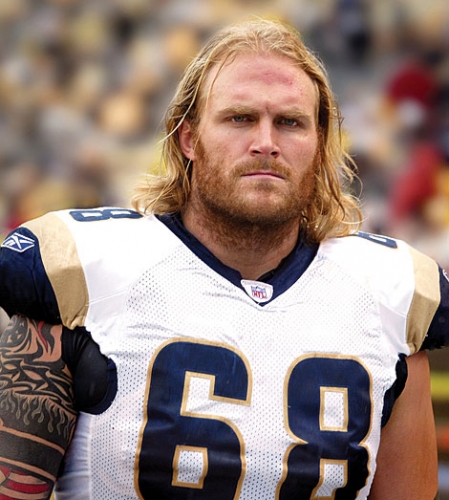
Kyle-TurleyKyle Turley, former football player for the New Orleans Saints, the Saint Louis Rams, and the Kansas City Chiefs, will join me to discuss life after football while living with brain injury. As an offensive tackle, Kyle has had more than his share of concussions – leading to seizures and various brain-injury complications, which have adversely affected his life. Kyle is picking up the pieces and assembling his life-puzzle by speaking out about brain injury. He does this through his music, (video 1, video 2) The Kyle Turley Band, and his recent documentary, “The United States of Football.”12821083-standard

See you “On the Air!”

(Clip Art compliments of Bing.)

As I say after each post: Please leave a comment by clicking the blue words “Leave a Commentanim0014-1_e0-1 below this post.

Feel free to follow my blog. Click on “Follow” on the upper right sidebar.

If you like my blog, share it with your friends. It’s easy! Click the “Share” buttons below.

If you don’t like my blog, “Share” it with your enemies. I don’t care!

Feel free to “Like” my post.

YOU ARE INVITED!

NFL Player, Kyle Turley, Brain Injury, Football, and Music

with host Donna O’Donnell Figurski

putthis_on_calendar_clip_artKyle Turley, former football player for the New Orleans Saints, the Saint Louis Rams, and the Kansas City Chiefs, will join me to discuss life after football while living with brain injury. As an offensive tackle, Kyle has had more than his share of concussions – leading to seizures and various Kyle-Turleybrain-injury complications, which have adversely affected his life. Kyle is picking up the pieces and assembling his life-puzzle by speaking out about brain injury. He does this through his music, The Kyle Turley Band, and his recent documentary, “The United States of Football.”12821083-standard

You can hear one of Kyle’s songs here. “Fortune and Pain.” It’s powerful!

Come One! Come ALL! 

What:        NFL Player, Kyle Turley, Brain Injury, Football, and Music

Why:        Kyle Turley SPEAKS OUT! about how brain injury affects his life.

Where:     Click: Brain Injury Radio Network

When:       Sunday, October 18th, 2015

Time:         5:30p PT (6:30p MT, 7:30p CT, and 8:30p ET) 80 minute show

How:         Click: Brain Injury Radio Network

Call In:    424-243-9540

Call In:     855-473-3711 toll free in USA

Call In:    202-559-7907 free outside USA

or SKYPE

If you miss the show, but would like to still hear the interview, you can access the archive on On Demand listening. The archived show will be available after the show both on the Brain Injury Radio Network site and on my blog in “On the Air” Show Menu.

(Clip Art compliments of Bing.)

SPEAK OUT! Itty-Bitty GIANT Steps

presented by

Donna O’Donnell Figurski

Itty-Bitty GIant Steps for BlogSPEAK OUT! Itty-Bitty Giant Steps will provide a venue for brain-injury survivors and caregivers to shout out their accomplishments of the week.

If you have an Itty-Bitty Giant Step and you would like to share it, just send an email to me at neelyf@aol.com.

If you are on Facebook, you can simply send a Private Message to me. It need only be a sentence or two. I’ll gather the accomplishments and post them with your name on my blog approximately once a week. (If you do not want your last name to be posted, please tell me in your email or Private Message.)

I hope we have millions of Itty-Bitty Giant Steps.

Here is this week’s Itty-Bitty GIANT Step

Dee Farrell 2 011415Dee Farrell (survivor)For the first time in a very long time, I am very proud of myself. I am two years post car accident, and I never thought it would be possible for me to ever get back on a horse after my injuries. Well, with a lot of hard work and encouragement from my family and caregivers, I recently achieved my dream of riding again. I still can’t believe it myself! I’m sure you know the roller coaster that comes with a traumatic brain injury, and there have been times I was close to just throwing the towel in because it was all too hard. For me, this is the moment when all my hard work paid off. A big “Thank You!” goes to Oliver for being a true gentleman the whole time.

YOU did it!

Congratulations to contributor!

(Clip Art compliments of Bing.)

As I say after each post:anim0014-1_e0-1

Please leave a comment by clicking the blue words “Leave a Comment” below this post.

Feel free to follow my blog. Click on “Follow” on the upper right sidebar.

If you like my blog, share it with your friends. It’s easy! Click the “Share” buttons below.

If you don’t like my blog, “Share” it with your enemies. I don’t care!

Feel free to “Like” my post.

Fork in the Road copy

“Another Fork in the Road”

This category is an extension of my radio show, “Another Fork in the Road,” which airs at 5:30 pm (Pacific Time) on the 1st and 3rd Sundays of each month on the Brain Injury Radio Network. (See the “On The Air Show Menu” category for a list – with links – of all my shows, which are archived and thus always available.)

On the 1st Sunday of each month, I host a panel of brain injury survivors, caregivers, and/or professionals in the field. On these shows, my panelists and I examine topics pertaining to brain injury.

On the 3rd Sunday of each month, I host guests – brain-injury survivors, caregivers, or professionals in the field.

Since I spend countless hours in preparation for each show, I decided to share the knowledge that I gather with my readers.

Another Fork in the Road

Depression, Suicidal Thoughts, & Brain Injury

by

Donna O’Donnell Figurski

canstock16714646Depression is a state of mind that can cause long-term mental mood disorders. Everyone experiences sadness and unhappiness at times. That’s normal. Those feelings happen when something sad enters people’s lives or they experience grave disappointments. Normal life-events, like a pet dying, being passed over for a promotion, going through a divorce, or experiencing money problems, can trigger feelings of sadness. Usually with time, those feelings pass, and people move on.

But when there are unrelenting feelings of despair, usually coupled to at least one of the many telltale signs and symptoms of depression, then drastic measures need to be taken. Depression is devastating and can affect every aspect of daily living. Depression is pure agony resulting from desperation and the need to escape. It is constant; there is no relief. Unlike sadness or unhappiness, depression settles in to stay. It can last weeks, months, or even years. If not treated, depression can be deadly. But if a person seeks treatment, there are ways to diminish, and possibly even cure, depression.

I have never been diagnosed with clinical depression. Technically, I have never been depressed. But I have occasionally complained that I am “depressed” – using that word. I think everybody does. It’s a term we throw around too easily. When I’m feeling blue or down, I might say, “I’m depressed.” But I’m only experiencing a feeling of unrest or unhappiness for a short time. I have learned that there are ways for me to alleviate these uncomfortable and unwanted feelings with a few easy activities. I find if I remove myself from the environment that I am in, I can change my emotions. For example, if I am home when these feelings overwhelm me, I often will go to the store or run errands. Sometimes I will turn on uplifting music or talk to a friend. Exercise can usually jar me out of my doldrums. While I can change my mood when I’m sad, a truly depressed person can do so only with great difficulty.

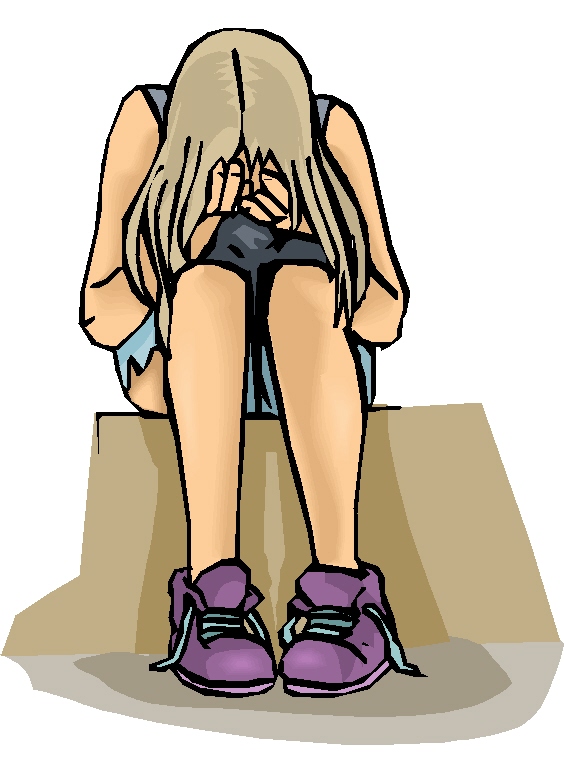
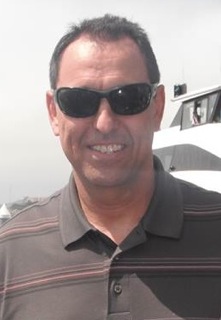
Depressed GirlSome signs and symptoms of depression are very intense feelings of unhappiness, anxiety, worthlessness, helplessness, lack of self-esteem, and/or lack of self-confidence. Depression can seriously impact sleep and eating habits. It can lead to a significant loss of energy, focus, or attention. A prolonged feeling of panic is also a sign of depression. A lack of interest in taking care of health needs may be indicative of depression. A person may start to withdraw from his or her family or friends or from the things he or she once enjoyed – essentially quitting the world. Defying fate (for example, doing things that are risky or death-defying, such as swimming too far out into the ocean or walking too close to the edge of a cliff) is a relatively obvious symptom, but what about overeating,Depressed Man overuse of alcohol, or drug use? If a person is talking about suicide or is making statements, such as “Everyone would be better off, if I weren’t here,” “I can’t take this anymore,” or even more blatantly, “I wish I were dead,” that person may be sending up a red flag. It may be the person’s way of begging for help.

Depression is not discriminating. It can happen to anyone. Actress Winona Ryder, Princess Diana, former Pittsburgh Steelers quarterback and four-time Super Bowl winner, Terry Bradshaw, and Barbara Bush, wife of a former United States President all suffered from depression. And the list goes on and on. Sometimes, people hide their depression, as with actor and comedian Robin Williams. I think we were all broadsided when Robin committed suicide in August 2014. Though Robin’s close friends saw signs of his depression, the rest of the world saw only a very accomplished actor who always had a smile on his face. His great acting skills spilled over into his personal life, and his greatest role was “the great deceiver.” I can’t imagine the pain his smile must have been covering up. Robin sought help and willingly admitted himself to treatment centers, but unfortunately that was not his salvation.th

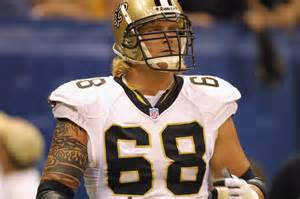
Former San Diego Chargers linebacker and Hall of Fame member, Junior Seau, was deeply affected by depression after years of collisions with other players. Years of playing football ultimately damaged Seau’s brain and led to his suicide in 2012. Chronic traumatic encephalopathy (CTE) was the unequivocal diagnosis by the National Visger, GeorgeInstitutes of Health (NIH) from the study of Seau’s brain. Former San Francisco 49er, George Visger, lives daily with the complications of brain injury. (You can hear George’s story on my August 16, 2015 show. You can also read more about George on this blog.) Another former football player, Kyle Turley, who played for the New Orleans Saints, the St. Louis Rams, and the Kansas City Chiefs is Kyle Turleysuffering the ravages of brain injury and depression. (Kyle will be a guest on my show on October 18, 2015. He will discuss his life with brain injury and how he is redefining his new world.)

Depression is not an unfamiliar state for those who live with brain injury. And it’s not surprising. Brain injury turns lives completely upside down. Usually it’s difficult, sometimes impossible, for survivors to realize the extent of the damage done to their brains. Many times they are not the same person they were before the injury, and they have to face their limitations – cognitive, behavioral, emotional, and/or physical. Thinking back on a pre-brain-injury life and being aware of what was stripped away can easily lead someone to depression – and even to suicidal thoughts.

One way to help deal with depression after brain injury is to accept the “new” person who a brain-injured person has become. I have noticed in the Survivor SPEAK OUT! interviews on this blog that many survivors have stated that, once they accept their “new” persona, they have found more happiness. That isn’t to say that everything is okay. That isn’t to say that the brain-injured persons have given up. It’s just that the survivors have become more accepting of the persons they have become, and they will take those new persons to the limit.

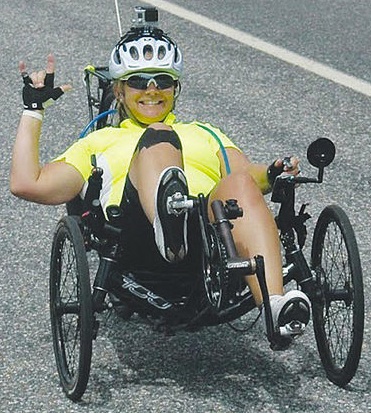
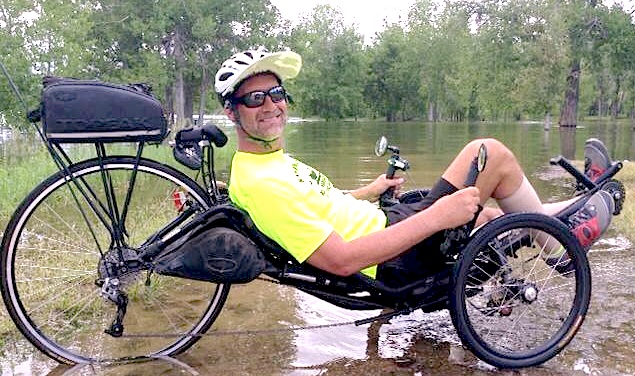
With her permission, I want to share the story of a friend of mine who used an additional method to help with her depression. Cat Brubaker was enjoying life as a young woman. She had completed college, and she was working in a position that she enjoyed. Then she became the victim of two brain injuries. These injuries left Cat feeling helpless and hopeless. With Cat confined to her home, the walls closed in on her, and she felt desperate. Cat’s loss of independence, the decline of her longtime relationships, and finally the death of her mother were too much, and she fell deeply into depression. She eventually entertained thoughts of suicide. But Cat found a way out of her trapped box when she discovered the joys of her recumbent cat-triketrike and met a new friend, Dan Zimmerman, a stroke survivor and also a recumbent trike rider. Cat and Dan set off last summer to cross the USA on their trikes. They rode their trikes from Anacortes, Washington, diagonally across the country to Key West, Florida – a trip that took them five months and was 5,400 miles. I’m not saying that everyone needs to get a trike and travel across the country, but I am pointing out that perhaps finding a new purpose in life can help shove depression into the background. The recumbent trike was the answer for Cat. Zimmerman, Dan Survivor 071015Riding her recumbent trike is something that Cat thoroughly enjoys and relies on for her mental health. Cat has made many new friends by riding her trike. She has even created a foundation, called “Hope for Trauma,” to help other brain-injury survivors. Cat’s story shows that, though people may feel the total helplessness and hopelessness that accompanies depression, it is sometimes possible to find a way to redirect their lives to find happiness.
There are other methods that may help alleviate the feelings of depression. Art Therapy also helps some folks connect with their inner selves. It usually also requires complete concentration, which can take the focus off the unwanted depressive feelings. Animal Therapy guarantees that one is never alone. Pets usually provide unconditional love, which a person suffering from depression could certainly use.

Technically depression is a chemical imbalance in the brain. It is not easy to turn off. So what can be done about depression? Two different types of health-care workers can help immensely: psychologists and psychiatrists.

PsychologistBoth psychologists and psychiatrists use psychotherapy, often referred to as “talk therapy” or “counseling.” Psychotherapy helps patients with mental health issues sort through their feelings, moods, and emotions. Through talk, a mental-health-care provider can guide or retrain a person’s mind to approach existing problems differently. The brain can actually change physically by talking about a problem. Psychotherapy can be effective with many different types of mental-health challenges, including anxiety, personality or mood disorders, problems with eating or sleeping, and various addictions. It can also address coping with life-altering situations, such as the ones that many brain-injury survivors live with daily. Realizing that they are not the persons they were before their brain injury is a major problem for many survivors. Not being able to return to the former life-style and having to redefine oneself can be devastating to a person who survives a brain injury. Often a brain-injured person wonders why he or she was saved. These kinds of thoughts can easily lead to depression.

Psychotherapy does not use medication. Both a psychologist (usually a Ph.D.) and a psychiatrist (an M.D.) use psychotherapy. A psychiatrist has been trained in the biology of the body and in neurochemistry, while psychologists focus more on the behavioral aspects of the person. Some patients may need stronger medical Doctor Womanassistance. Because a psychiatrist is a medical doctor, he or she can prescribe medication. Medications are getting better. The best ones are more targeted and thus have fewer side effects.

Research is very active and is greatly advancing our knowledge of depression. A recent NewsBit on this blog (“Depression Reversed in Mice”) reported that basic research has resulted in the curing of depression in mice. Memories are tagged with positive or negative feelings. Scientists have been able to activate specific neurons to induce a memory with its associated positive feeling to overcome depression. It will probably be a couple of decades before this kind of therapy will be ready for humans.

If you want to learn more about depression, the Internet is a marvelous tool for gathering information. There are countless sites, many very reputable, that examine this topic. Simply Google “brain injury” and “depression.” I can guarantee you will learn more than you could imagine.

Of course, if you or someone you know needs immediate help, don’t waste time on the web. Call 9-1-1 immediately.

There are also many depression and suicide hotlines. Here I name a few in the US that I found on the web. I really do not know anything about them, so I cannot endorse them. But I suggest that, if you have concerns about depression or suicide, you look into them in advance of any crisis.

Hotline-ICON-XS_optiHotlines

National Suicide Prevention Lifeline
800-273-8255
(suggested by the Mayo Clinic)

The Samaritans 24-Hour Crisis Hotline
212-673-3000

Crisis Call Center
775-784-8090

Most states in the US have mental health hotlines. Here is a site that has links to most state hotlines.

Suicide Hotlines

Depression is a common affliction of brain-injured survivors. It needs to be recognized as a serious and devastating illness, not as something one can “work through” himself or herself. The good news is that help is available. If you are suffering from depression or if you know someone showing signs of depression, I urge you to use it.

Listen to the October 4th show on depression.

(Clip Art compliments of Bing.)

As I say after each post: Please leave a comment by clicking the blue words “Leave a Commentanim0014-1_e0-1 below this post.

Feel free to follow my blog. Click on “Follow” on the upper right sidebar.

If you like my blog, share it with your friends. It’s easy! Click the “Share” buttons below.

If you don’t like my blog, “Share” it with your enemies. I don’t care!

Feel free to “Like” my post

diemodi jewelry

uniquely hand-crafted jewelry by donna

Welcome to Harmony Kent Online

The home of all things books

Pete Springer

Passionate Teacher and Future Children's Author

HOPE TBI

Helping Other People Excel - To Be Independent

For the Love of Books, Old and New

Katie Fischer, Writer and Reader of Stories

Charlie Bown

Children's Author

Jessica Hinrichs

“We write to taste life twice, in the moment and in retrospect.” ― Anais Nin

VIVIAN KIRKFIELD - Writer for Children

Picture Books Help Kids Soar

Mindy’s Writing Wonderland

For authors, parents, teachers & everyone who loves children’s books.

Kaitlyn Leann Sanchez

Literary Agent

Surviving Traumatic Brain Injury

TBI - Survivors, Caregivers, Family, and Friends

The Care Factor

Loving someone with a Traumatic Brain Injury

Brain Injury Support Group of Duluth-Extension

Brain Injury Information and SUPPORT

Brain Aneurysm Global Insight

Brain Aneurysm, cerebral hemorrhaging, hemorrhage stroke