TBI – Survivors, Caregivers, Family, and Friends

Posts tagged ‘TBI Survivor Interview’

On The Air: . . . . . . . . . . . . . . Brain Injury Radio . . . . . . . . “Another Fork in the Road” with Survivor & Caregiver, Sandra WIlliams

On The Air: Brain Injury Radio “Another Fork in the Road” 

with

Guest: Survivor and Caregiver, Sandra Williams

presented

by

Donna O’Donnell Figurski

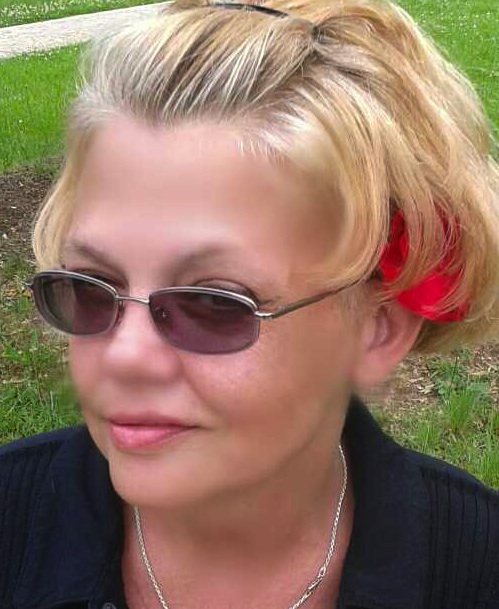
images-1Sandra William’s was thrust into the role of brain injury survivor and caregiver when her whole family was involved in a motor accident with a drunk driver with multiple DUIs. Sandra spoke about the trials her family endured and still endures because of the negligence of a stranger.

As two teachers, Sandra and I delved into how schools 12200687_895719387130278_18176772_ncan better help students who are identified with brain injury or special needs. Federally mandated, 504 Plans and Individual Education Plans (IEP) were discussed.

If you missed this show with Sandra Williams on “Another Fork in the Road” on November 15th, 2015 don’t fret. You can listen to the archived show here. Click the link below.

See you “On the Air!”

On The Air: Brain Injury Radio “Another Fork in the Road” with Survivor and Caregiver, Sandra Williams

(Clip Art compliments of Bing.)

As I say after each post: Please leave a comment by clicking the blue words “Leave a Commentanim0014-1_e0-1 below this post.

Feel free to follow my blog. Click on “Follow” on the upper right sidebar.

If you like my blog, share it with your friends. It’s easy! Click the “Share” buttons below.

If you don’t like my blog, “Share” it with your enemies. I don’t care!

Feel free to “Like” my post.

SPEAK OUT! On the Air with . . . Brain Injury Radio Show Menu “Another Fork in the Road”

Topic: Coping with Irritability After Brain Injury (II)On the Air

“Another Fork in the Road” Menu of Radio Shows

presented by

Donna O’Donnell Figurski

images-1

Finding the show you are looking for is easy. Just scroll through the list of shows below. There are interviews with brain injury survivors and caregivers. There are shows with therapists and authors. Discussions of pertinent topics relating to brain injury are also included. I hope you find something that interests you.

If there is a topic that you would like me to address on my show, please send me an email at neelyf@aol.com. In the subject area, please write “On the Air” Topic.


See you “On the Air”

October 6, 2024

Talk About It!

Panel: Dawn Corbelli & Kelly Tuttle

May 5, 2024   

Note: Technical problems at the network. This show is from May 17, 2020.

Guest: Mimi Hayes (survivor/author/comedienne)

Topic: Meet Mimi Hayes – Survivor, Author, Comedienne

April 21, 2024 

No show due to technical problems at the network

April 7, 2024  

Discussion: Host Donna O’Donnell Figurski

Topic: Talk About It!

March 17, 2024   

Panelist: Deb Brandon (survivor/author)

Topic: Coping with Irritability After Brain Injury (II)

March 3, 2024  

Panelist: Deb Brandon (survivor/author)

Topic: Coping with Irritability After Brain Injury (I)

February 18, 2024 

Panelist: Gail Waitkun (survivor/author)

Topic: Talk About It

February 4, 2024  

Panelist: Dawn Corbelli (survivor/caregiver/author)

Topic: Helping Survivors in the Hospital

January 21, 2024    

Panelist: Barbara Wilson (survivor)

Topic: What Does “Normal” Life After Brain Injury Look Like? (II)

January 7, 2024   

Panelist: Deb Brandon (survivor/author)

Topic: Another Year! Thoughts About Resolutions

Topic: Another Year! Thoughts About Resolutions

December 17, 2023   

No show due to technical problems

December 3, 2023

Panelist: Deb Brandon (Survivor/author)

Topic: ‘Tis the Season to be Jolly – Even with Brain Injury

November 19, 2023

Guest:  Deb Brandon (survivor/author)
Topic: Acceptance and What It Looks Like

November 5, 2023  

Panelist: Kelly Tuttle (survivor/author)
Topic: Talk About It

October 15, 2023       

Panelist:  Deb Brandon (survivor/author)
Topic:      Let’s Talk About It  (Not Available)

October 1, 2023 

Panelists: Deb Brandon (survivor/author) &
Dawn Corbelli (survivor/author)
Topic:      Changing Relationships After Brain Injury

September 17, 2023   

Guest: Kelly Tuttle (survivor/author)
Topic: Living with a Brain Injury “
After the Crash”

August 20, 2023

Panelist: Dawn Corbelli (survivor/author)
Topic:    What Survivors and Caregivers Want/Don’t Want to Hear

August 6, 2023

Panelists: Deb Brandon (survivor/author) and
Norma Myers (survivor/writer)
Topic:      Dealing with Emotional Changes After Brain Injury

July 16, 2023            

Guest: Bob Millsap (caregiver/author)
Topic: His Tragedy-filled Life, His Transformation, and His Book – Shake Yourself Free

July 2, 2023  

Panelist: Deb Brandon (survivor/author)
Topic:    Free-for-all – Talk About It!

June 18, 2023

Guest: Janna Leyde Hockenjos (survivor/caregiver/author)
Topic: Balancing Life After a Parent’s Brain Injury

June 4, 2023

Panelists: Meghan Beaudry (survivor/author)
                  Deb Brandon (survivor/author)

Topic:    Rehabilitation and Recovery After Brain Injury


May 21, 2023

Guest: Norma Myers (caregiver/author)
Topic: Part 2 – Grief and Ambiguous Loss

May 7, 2023 

Panelists:  Meghan Beaudry (survivor/author)
Deb Brandon (survivor/author)
Topic:        Dealing with Cognitive Disabilities After Brain Injury

April 16, 2023

Guest: Jeannette Davidson-Mayer (caregiver/author)
Topic: Please Don’t Judge Me

April 2, 2023  

Topic: What Brain Injury Survivors and Caregivers DO NOT Want to Hear

(Technical Difficulties – Will Be Rescheduled)

March 19, 2023
Guest: Tamar Rodney (PhD, RN, PMHNP-BC, CNE)
Topic: Neurofatigue

March 5, 2023

Panelists: Deb Brandon (survivor/author)

Karina Seda (survivor/author)

Topic:      Support Groups – Yes or No?

February 19, 2023

Guest: Norma Myers (caregiver/author)
Topic: Caregiver, Author, and Advocate

February 5, 2023

Panelists: Deb Brandon (survivor/author)
Jeannette Davidson-Mayer (caregiver/author)
Bob Millsap (caregiver/author)
Topic: Free for All – Talk About It! Talk About It!

January 15, 2023

Panelist: Dawn Corbelli (survivor/author)
Topic: Let’s Talk About IT!

January 1, 2023

Guest: Fruit (Grace) Mauzy (former caregiver for her daughter)
Topic: Natural Paths Towards Healing
(show originally broadcast on June 17, 2018)

December 18, 2022

Panel: Deb Brandon (survivor/author)
Fruit (Grace) Mauzy (former caregiver for her daughter)
Topic: Mish Mosh Revisited
(show originally broadcast on October 4, 2020)

December 4, 2022

Panelist: Gail Waitkun (survivor/author)
Topic: Emotional Issues and the Holidays After Brain Injury

November 20, 2022

Guest: Jenifer Fallert (caregiver for her daughter)
Topic: Caregiving

November 6, 2022

Panel: Meghan Beaudry (survivor/author)
Dawn Corbelli (survivor/author)
Topic: Coping with Memory Loss After Brain Injury

October 16, 2022

Guest: Jordan Fallert (survivor)
Topic: My Brain Injury

October 2, 2022   

Panel:  Meghan Beaudry (survivor/author)
Gail Waitkun (survivor/author)
Topic: What Does Recovery Look Like After Brain Injury?

September 18, 2022

Panel: Karina Seda (survivor/author/stroke coach)
Gail Waitkun (survivor/author/TBI coach)
Topic: Free-for-All (Freewheeling Chat – Let’s Talk About It)

September 4, 2022

Panel: Deb Brandon (survivor/author)
Karina Seda (survivor/author/stroke coach)
Topic: Who Am I? Where Did I Go? Finding Myself

August 21, 2022

Guest: Greg Payan (caregiver/author)
Topic: His Story

August 7, 2022

Panel: Meghan Beaudry (survivor/author)
Lisabeth Mackall Bonafede (former caregiver/author)
Topic: Help Folks Understand Living with a Brain Injury

July 17, 2022

Panel: Karina Seda (survivor/author/stroke coach)
Gail Waitkun (survivor/author/TBI coach)
Topic: Free-for-All (Freewheeling Chat – Let’s Talk About It

July 3, 2022

Panel: Meghan Beaudry (survivor/author)
Dawn Corbelli (survivor/caregiver/author)
Barbara Wilson – formerly Barbara Asby
(survivor/co-founder of Helping Hands Club)
Topic: Losing Family & Friends After Brain Injury

June 19, 2022

Guest: Bill Gasiamis (survivor/stroke podcaster)
Topic: Living with Stroke

June 5, 2022      

No show

May 15, 2022

Panel: Deb Brandon (survivor/author)
Karina Seda (survivor/author/stroke coach)
Topic: Free-for-All (Freewheeling Chat About Brain Injury)

May 1, 2022

Panel: Deb Brandon (survivor/author)
Karina Seda (survivor/author/stroke coach)
Topic: Returning to Work/School after Brain Injury

April 17, 2022

Panel: Lisabeth Mackall Bonafede (former caregiver/author),

Harriet Hodgson (former caregiver/author), and
Jeannette Davidson-Mayer (caregiver/author)
Topic: Self-care for Caregivers. They NEED IT!
(repeat show from June 6, 2021)

April 3, 2022

Panel: Lisabeth Mackall Bonafede (former caregiver/author),
Deb Brandon (survivor/author), and
Gail Waitkun (survivor/author)
Topic: Adjusting to Personality Changes after Brain Trauma

March 20, 2022

Guest: Casey Chaffey (survivor/author)
Topic: Chronic Illness and Pain

March 6, 2022

Panel: Meghan Beaudry (survivor/author), Gail Waitkun (survivor/author), and Barbara Wilson (survivor)
Topic: What Do You Miss Most About Yourself?

February 20, 2022

Guest: Karina Seda (survivor/author/Life & Health Stroke Coach)
Topic: Moving Forward After Stroke

February 6, 2022

Panel: Deb Brandon (survivor/author) and Lisabeth Mackall Bonafede (former caregiver/author)
Topic: Pros and Cons of New Year’s Resolutions

January 16, 2022

Guest: Dawn Wasserman Corbelli (survivor/author)
Topic: Another Fork in the Road: Survivor & Author – Dawn Wasserman Corbelli
How My Daughter and I Live with Our Brain Injuries

January 2, 2022

Panel: Gail Waitkun (survivor/author) and Barbara Wilson (survivor)
Topic: Getting Through the Holidays

December 19, 2021

Guest: Gail Waitkun (survivor/author)
Topic: Living with My Brain Injury

December 5, 2021

Panel: Jamie Crane-Mauzy (survivor) and Barbara Wilson (survivor)
Topic: What Good Has Come from Your Brain Injury?

November 21, 2021

Guest: Aaron Avila (survivor)
Topic: Creating a Satisfying Life After Stroke

November 7, 2021

Panel: Meghan Beaudry (survivor/author) and Deb Brandon (survivor/author)
Topic: Depression and Suicidal Thoughts After Brain Injury

October 17, 2021

Guests: Drew (caregiver) and Terry (survivor) Niemann
Topic: Spouses Living with Brain Injury

October 3, 2021

Panelist: Barbara Wilson (survivor)
Topic: What Does a “Normal” Life After Brain Injury Look Like?

September 19, 2021

Guests: Jamie (survivor) and Crystal (survivor) Fairles
Topic: Meeting Because of Their Brain Injuries and Living Their New “Normals” Together
(originally broadcast on February 15, 2015)

September 5, 2021

Panelist: Meghan Beaudry (survivor/author)
Topic: Expectations for Survivors and Caregivers After Brain Injury

August 15, 2021

Guest: Laura Miller (survivor/yoga instructor)
(Note: Laura starts at minute 28:00 due to technical difficulties.)

Topic: Dealing with Brain Injury, Years of Memory Loss, and Problems
with the Medical and Insurance Systems in Understanding and
Treating Brain Injuries

August 1, 2021

Panelist: Bob Millsap (caregiver for his wife)
Topic: Role Changes – Know Your Partner’s Jobs

July 18, 2021

Guest: Kate Washington (caregiver/author)
Topic: Caregiver Burnout

July 4, 2021

Panel: Meghan Beaudry (survivor/author) and Deb Brandon (survivor/author)
Topic: Support Groups – Yes? or No?

June 20, 2021

Guest: Marcia Pelletiere (survivor/author)
Topic: Moving Forward After Brain Injury

 June 6, 2021

Panel: Lisabeth (formerly Mackall) Evans (former caregiver), Harriet Hodgson (former
caregiver), and Jeannette Davidson-Mayer (caregiver)
Topic: Self-care for Caregivers. They NEED IT!

May 16, 2021

Guest: Danielle Skranak (survivor)
Topic: Soldier to Beauty Queen

May 2, 2021

Panel: Jamie Crane-Mauzy (survivor) and Barbara Wilson (survivor)
Topic: Good Attitude Coupled with Gratitude

April 18, 2021

Guest: Annie Ricketts (survivor)
Topic: Living with a TBI; the Global Picnic of her Global Brain Injury Awareness (GBIA) non-profit

April 4, 2021

Guest: Heather Sivori Floyd (caregiver for her son)
Topic: Caring for TJ

(repeat show originally broadcast on February 18, 2018)

March 21, 2021

Guest: Meghan Beaudry (survivor)
Topic: Living with Lupus

March 7, 2021

Panel: Jeannette Davidson-Mayer (caregiver)
Topic: The Unmet Needs of Caregivers

February 21, 2021

Guest: Ashley Bendiksen (caregiver/author)
Topic: Caring for My Mother, Who Had Early Onset Alzheimer’s

February 7, 2021

Panel: Deb Brandon (survivor) and Jamie Crane-Mauzy (survivor)
Topic: What Do You Want Your Caregiver or Survivor to Know?

January 17, 2021

Guests: Terry (survivor) and Drew (caregiver) Niemann
Topic: Our Life with Brain Injury

January 3, 2021

Panel: Deb Brandon (survivor) and Jeannette Davidson-Mayer (caregiver)
Topic: What’s New in the New Year?

December 20, 2020

Guest: Dr. Alauna (trauma psychiatrist/author)
Topic: The Invisible Ways That Trauma Can Affect the Brain

December 6, 2020

Panel: Deb Brandon (survivor)
Topic: Getting Ready for the Holidays COVID-19 Style

November 15, 2020

Guest: Harriet Hodgson (caregiver)
Topic: Life as a Caregiver, Advocate, and Author

November 1, 2020

Panelist: Deb Brandon (survivor)
Topic: Transition from Recovery to Living with Brain Injury

October 18, 2020

Guest: Craig J. Phillips (survivor/writer/speaker)
Topic: How to Live with Brain Injury

October 4, 2020

Panelists: Deb Brandon (survivor) & Grace (Fruit) Mauzy (former caregiver)
Topic: Mish Mosh

September 27, 2020

Donna Chit-Chats with Jamie on “Life Gets Mo’ Crazy,” Jamie Crane-Mauzy’s show

September 20, 2020

Guest: Abby Maslin (caregiver/author)
Topic: Caring for My Husband after His Brain Injury

September 6, 2020

Panelists: Fruit Mauzy (former caregiver for her daughter)
Barbara Wilson (survivor)
Topic: Faulty Cognitive Thinking and Brain Injury (Part 2)

August 16, 2020

Guest: Nolan McDonnell (survivor)
Topic: Nolan McDonnell – Survivor of Brain Injury

August 2, 2020

Panelists: Fruit Mauzy (former caregiver for her daughter)
Barbara Wilson (survivor)
Topic: Delayed Symptoms of Brain Injury

July 19, 2020

Panelists: Deb Brandon (survivor) & Fruit Mauzy (former caregiver for her daughter)
Topic: Brain Injury – A Little Bit of This – A Little Bit of That

July 5, 2020

Panelists: Deb Brandon (survivor) Fruit Mauzy (former caregiver for her daughter)
Topic: Going Back to Work/School after Brain Injury

June 21, 2020

Guest: Ken Collins (survivor and Executive Director of The Hozho Center for Personal Enhancement)
Topic: Ken Collins – Survivor of Brain Injury

June 7, 2020

Panelists: Fruit Mauzy (former caregiver for her daughter) & Barbara Wilson (survivor)
Topic: Faulty Cognitive Thinking after Brain Injury

May 17, 2020


Guest: Mimi Hayes (survivor/author/comedian/speaker)


Topic: Living with a Brain Injury

April 19, 2020

Guest: Dr. David Figurski (survivor/Prof. Emeritus in Microbiology & Immunology, Columbia University
Topic: Life with a Brain Injury and COVID-19

April 5, 2020

Guests: Carrie Collins-Fadell (Executive Director of the Brain Injury Alliance of Arizona – BIAAZ)
Paula Crockett (Shelter Manager of Central Arizona Shelter Services – CASS)
Topic: Correlation Between Brain Injury and Homelessness

March 15, 2020

Guest: Harriet Hodgson (caregiver/author of 36 books)
Topic: Caregiving

March 1, 2020  

Technical difficulties – no show

February 16, 2020    

Guests: Kristina (caregiver) & Tommy (survivor) Hopkins
Topic: Living with Brain Injury

February 2, 2020

Panelists: Deb Brandon (survivor), Jeannette Davidson-Mayer (caregiver for her husband), and Fruit (Grace) Mauzy (former caregiver for her daughter)
Topic: Gratitude & Attitude

January 19, 2020

Guest: Ronda Alcorn (caregiver)
Topic: We’re Moving Forward with Ronda Alcorn (caregiver)

January 5, 2020

Panelists: Barbara Wilson (survivor) & Fruit (Grace) Mauzy (caregiver for her daughter)
Topic: A New Year and New Resolutions

December 15, 2019  

Guest: Jeannette Davidson-Mayer (caregiver and author)
Topic: Her husband and survivor of brain injury, DeWayne, and her new book, “Our Military Family Home”

December 1, 2019

Panelists: Barbara Wilson Asby (survivor) and Bob Millsap (caregiver for his wife, Shelly)
Topic: Let’s Talk Turkey and the Holidays after Brain Injury

November 17, 2019

(a repeat show originally broadcast on November 16, 2014 – see below)

Another Fork in the Road: Melissa Cronin, author “Chicken Soup for the Soul

November 3, 2019

Panelist: Deb Brandon (survivor)
Topic: Emotional and Behavioral Problems after Brain Injury

October 20, 2019

(a repeat show originally broadcast on May 21, 2017 – see below)
Another Fork in the Road – Cyndy Feasel – NFL Wife – An Exorbitant Price to Pay

October 6, 2019

Panelists: Jeannette Davidson-Mayer (caregiver) and David Figurski (survivor)
Topic: Coping with Physical Disabilities after Brain Injury

September 15, 2019

Guest: Alisa Marie (survivor)
Topic: How a Newfound Creativity in Art after Brain Injury Is Helping Her to Accept Her “New Normal”

September 1, 2019

Panelists: Deb Brandon (survivor) and Jeannette Davidson-Mayer (caregiver)
Topic: Self-Perception after Brain Injury

August 5, 2018

Panelist: Jeannette Davidson-Mayer (caregiver for her husband)
Topic: Avoid Caregiver Burnout – Caregivers Need Care Too

July 21, 2019

Guest: Lynn McLaughlin (survivor)
Topic: Her book (Steering Through It: Navigating Life, Threatening Illness Acceptance Survival and Healing) and Living with a Brain Injury

July 7, 2019

Panelist: Deb Brandon (survivor)
Topic: Cognitive Dysfunction after Brain Injury (Part 1 of 2)

June 16, 2019 

Panelist: Deb Brandon (survivor)
Topic: Fatigue after Brain Injury

June 2, 2019

Guest: Kayce Stevens Hughlett (psychotherapist and life coach)
Topic: Her new book, SoulStroller, and brain injury

NOTE: There is an interruption from minute 7 to minute 9 as I became aware that the live feed was not being heard. I continued the show, and it became available as an archived show. The link gives the show in full.

May 19, 2019

Guest: Carrie Collins-Fadell (Executive Director of the Brain Injury Alliance of Arizona – BIAAZ)
Topic: Carrie Collins-Fadell discusses BIAAZ

May 5, 2019

Panelists: Deb Brandon (survivor) and Jeannette Davidson-Mayer (caregiver)


Topic: How to Handle Special Days after Brain Injury

April 21, 2019

(a repeat show originally broadcast on Sept. 16, 2018 – see below)

April 7, 2019  

Panelists: Deb Brandon (survivor) and Jeannette Davidson-Mayer (caregiver)
Topic: Support Groups After Brain Injury

March 17, 2019

Guest: Courtney Clark (survivor, motivational speaker, author)
Topic: Courtney Clark discusses her brain injury and her career as a motivational speaker

March 9, 2019

Interview of Donna: Brain Injury Radio Network host Lisa Dryer interviews Donna O’Donnell Figurski about her recently published book, Prisoners without Bars: A Caregiver’s Tale, which was released on November 1, 2018

March 3, 2019

(a repeat show originally broadcast on May 7, 2017 – see below)

February 17, 2019

Guest: Malissa Mallett (former caregiver for her son, Program Director of BIAAZ)
Topic: Malissa Mallett, Program Director of Brain Injury Alliance of Arizona (BIAAZ), on Opioids

February 3, 2019

Panelist: Lisa Dryer (survivor)
Topic: What NOT to Say to a Brain Injury Survivor

January 20, 2019

Guest: Deb Brandon (survivor/author)
Topic: Brain Injury Survivor and Author – “But My Brain Had Other Ideas”

December 16, 2018

Guest: Robb Anthony Filippes (survivor)
Topic: Life after Brain Injury

December 2, 2018 (a repeat show originally broadcast on September 3, 2017)

Panel:
Cyndy Feasel (wife of NFL Center Grant Feasel, who died at 52 from the effects of CTE)
Mary Seau (sister of Hall of Fame NFL linebacker, Junior Seau, who had CTE and committed suicide at age 43)
Debra Pyka (mother of Joseph, who played football through high school, had CTE, and committed suicide at 24)
Topic: Youth Football and the Brain Disease CTE

November 18, 2018

Guest: Kuna Williams (survivor)
Topic: Life after Brain Injury

November 7, 2018

Radio interview (110718): Brain Injury Radio Network host Kim Jefferson Justus interviews Donna O’Donnell Figurski about her book, Prisoners without Bars: A Caregiver’s Tale, which was released on November 1, 2018

November 4, 2018

Panelists: Deb Brandon (survivor), Lisa Dryer (survivor), and Bob Millsap (caregiver)
Topic: Sensory Overload after Brain Injury

October 21, 2018

Guest: Julie Rake (meditation advocate, former fellow at Dr. Andrew Weil’s University
of Arizona Center for Integrative Medicine)
Topic: Physician Assistant Speaking on Meditation

October 7, 2018

Panelist: Bob Millsap (caregiver)
Topic: What Is “New Normal” after Brain Injury?

 September 16, 2018

Guest: Su Meck (survivor)
Topic: Author of I Forgot to Remember: A Memoir of Amnesia

September 2, 2018    

Panelist: Lisa Dryer (survivor)
Topic: Survivor Needs – Caregiver Needs (from Each Other)

August 19, 2018

Guest: Carole Starr (survivor – author and speaker)
Topic: Living with a Brain Injury – Part 2/2 (Note: Part 1 was on May 20, 2018.)

August 5, 2018 

Panelist: Jeannette Davidson-Mayer (caregiver for her husband)
Topic: Avoid Caregiver Burnout – Caregivers Need Care Too  

July 15, 2018 

Guest: Jim Ledgewood (survivor)
Topic: Genesis of and Living with My Brain Injury

July 1, 2018

Panelist: Jeannette Davidson-Mayer (caregiver for her husband)
Topic: Dealing with Anger and Denial post Brain Injury (Part 4)
(Part 1 was the 030418 show.)

June 17, 2018

Guest: Grace (Fruit) Mauzy (former caregiver for her daughter)
Topic: Natural Paths Towards Healing

June 3, 2018 

Panelists: Lisa Dryer (survivor) and Bob Millsap (caregiver for his wife)
Topic: Dealing with Anger and Denial post Brain Injury (Part 3)
(Part 1 was the 030418 show.)

May 27, 2018

Interview of Donna O’Donnell Figurski by Jamie Crane-Mauzy of Life Gets Mo-Crazy on the Brain Injury Radio Network

May 20, 2018 

Guest: Carole Starr (survivor – author and speaker)

Topic: Living with a Brain Injury

May 6, 2018

Panelists: Jeannette Davidson-Mayer (caregiver for her husband)
Lisa Dryer (survivor)
Bob Millsap (caregiver for his wife)
Topic: Dealing with Anger and Denial post Brain Injury (Part 2)
(Part 1 was the 030418 show.)

April 15, 2018

Guest: Michelle Bartlett (survivor)
Topic: Living with a Brain Injury

March 4, 2018

Panelists: Jeannette Davidson-Mayer (caregiver for her husband),
Lisa Dryer (survivor), and Bob Millsap (caregiver for his wife)
Topic: Dealing with Anger and Denial post Brain Injury

February 18, 2018   

Guest: Heather Sivori Floyd (caregiver for her son)
Topic: Caring for TJ

February 4, 2018

Panelists: Lisabeth Mackall (caregiver for her husband) and
Grace (Fruit) Mauzy (caregiver for her daughter)
Topic: How to Help Your Hospitalized Survivor

January 21, 2018

Guest: Pattie Welek Hall (former caregiver for her son, author)
Topic: Her experience and her memoir, A Mother’s Dance: One Step Back, Two Steps Forward, Full Circle

January 7, 2018

Panelists: Jeannette Davidson-Mayer (caregiver for her husband) and Bob Millsap (caregiver for his wife)
Topic: Flooding and Brain Injury

December 17, 2017

Guests: Jason Westhoff (survivor) and his parents, Sheria and Darryl Eubanks
Topic: Survivor Jason Westhoff and His Parents Share Their Story

December 3, 2017

Panelist: Grace (Fruit) Mauzy (caregiver for her daughter)
Topic: Can Massage, Meditation, or Oils Help Brain Injury?

 Disclaimer: Neither the host or guest are medical practioners. The information shared in the show is what has worked for us. Please consult your physician.

(Time ran out before we could discuss Meditation. A new show with Fruit Mauzy is scheduled for May 6th, 2018. Hope to see you there.)

November 19, 2017

Guest: Jeff Sebell (survivor/author/speaker)
Topic: Jeff Sebell – Brain Injury Survivor & Author – “Learning to Live With Yourself After Brain Injury”

November 5, 2017

Panel: Juliet Madsen (survivor) with daughter Erin and Bob Millsap (caregiver for his wife) 
                                                                                                                                                Topic: How Do Children Deal with the Brain Injury of a Parent?

October 1, 2017

Panel:
Barbara Asby (survivor)
Lisabeth Mackall (caregiver for her husband)
Grace (Fruit) Mauzy (caregiver for her daughter)
Topic: Role Changes After Brain Injury

September 17, 2017

Guests: Richard Schooping (survivor/musician/author) and Cal Kalaf (caregiver)
Topic: Brain Injury from an HIV Infection

September 3, 2017    
 
Panel:
Cyndy Feasel (wife of NFL Center Grant Feasel, who died at 52 from the effects of CTE)
Mary Seau (sister of Hall of Fame NFL linebacker, Junior Seau, who had CTE and committed suicide at age 43)
Debra Pyka (mother of Joseph, who played football through high school, had CTE, and committed suicide at 24)
Topic: Youth Football and the Brain Disease CTE

August 20, 2017

Guest: Bonnie Nish (survivor/author)
Topic: Concussion and Mild Brain Injury

August 6, 2017   

Panel: Karen Dickerson and Juliet Madsen (survivors)
Topic: College After Brain Injury

July 16, 2017

Panel: GeorgeAnna Bell, Frank Mackall, Daniel Mollino (survivors), and Bob Millsap (caregiver)
Topic: Free-for-all Discussion on Brain Injury

July 2, 2017   

Panel: Dan Zimmerman (stroke survivor) and his partner, Lise Neer
Topic: Recumbent Trikes for Brain-injury Survivors – The Benefits of Adaptive Cycling

June 18, 2017 

Guest: Karen Leavitt (survivor/author)
Topic: Living with Brain Injury; her book, The Resilient Soul – stories by survivors of brain injury and caregivers

June 4, 2017   

Panel: Jamie Crane-Mauzy (professional skier/survivor) and her sister, Jænee
Topic: Recovering from Brain Injury

May 21, 2017

Guest: Cyndy Feasel (caregiver/NFL wife/author)
Topic: CTE: An Exorbitant Price to Pay

May 7, 2017   

Panel: Barbara Asby, Shelley Taylor, Taylor Trammell (survivors)
Topic: Anoxic Brain Injury

April 16, 2017 (repeat of December 18, 2016 show)

Guest: Freya Perry (survivor/artist)
Topic:  Art after Brain Injury

April 2, 2017          

Panel: Frank Mackall (survivor); Jeannette Davidson-Mayer and Bob Millsap (caregivers)
Topic: Roles of Caregivers After Brain Injury

March 19, 2017         (repeat of August 16, 2015 show)

Guest: George Visger (survivor and ex-NFL player)
Guest: Kendra Brittain (caregiver for her son who acquired a TBI at age 13 from football)
Topic:  Football and Brain Injury

March 5, 2017   

Panel: Cam Compton and Lisa Dryer (survivors)
Topic: Finding Purpose After Brain Injury

February 19, 2017  

Guest: Amy Zellmer (survivor/author)
Topic: Living with a Brain Injury

February 5, 2017        

Panel: Cam Compton and Frank Mackall (survivors)
Topic: Employment-related Challenges After Brain Injury

January 15, 2017    

Guest: Daniel (survivor and cross-country bicyclist) & Amber (wife and caregiver) Mollino
Topic: Living with Brain Injury and Advocacy for the Brain Injured

January 1, 2017

Guest: Craig Sicillia (survivor/owner and head of the Brain Injury Radio Network)
Topic: Expectations for the New Year

December 18, 2016

Guest: Freya Perry (Survivor/Artist)
Topic: Art after Brain Injury

December 4, 2016

Another Fork in the Road – It’s All About David – That’s Why I’m Here

November 20, 2016
Guest: Jamie Crane-Mauzy (champion freeskier and survivor)
Topic: Life after TBI
November 6, 2016
Panel: Lisa Dryer (survivor) and Jeannette Davidson-Mayer (caregiver)
Topic: Cognitive Disabilities After Brain Injury

October 16, 2016

Guests: Shelly Millsap (survivor, writer) and Bob Millsap (caregiver)
Topic: Meet the Millsaps

October 2, 2016

Panel: GeorgeAnna Bell (survivor), Lisa Dryer (survivor), and Jeannette Davidson-Mayer (caregiver)
Topic: Do Support-Groups Help After Brain Injury?

September 18, 2016   

Guests: David Grant (survivor, author, publisher) and Sarah Grant (caregiver, publisher) – Topic: TBI Hope and Inspiration

September 4, 2016

Panel: GeorgeAnna Bell (survivor), Lisa Dryer (survivor), and Daniel Mollino (survivor) Topic: Impulse vs. Logic After Brain Injury

August 21, 2016        

Guests: Raine Turner (caregiver) and her son, Ryan Pohle (survivor) – Topic: Mother and Son Talk About Brain Injury

August 7, 2016       

Panel: GeorgeAnna Bell (survivor), Juliet Madsen (survivor), and Mike Dalton (service-dog trainer) – Topic: Benefit of Service Animals After Brain Injury

July 27, 2016

Substitute host, Cam Compton Interviews Avi – Another Stroke Survivor

July 3, 2016  

Panel: Cam Compton, Juliet Madsen, and Chris Morris (survivors)
Topic: Recovery and Rehabilitation After Brain Injury

June 19, 2016      

Guests: Joel (caregiver) and Bart (survivor) Goldstein – Topic: Father and Son Tackle Brain Injury

June 5, 2016  

Panel: GeorgeAnna Bell (survivor) and Lisabeth Mackall (caregiver) – Topic: Cognitive and Memory Deficits

May 15, 2016 

Substitute hosts: Cam Compton and Lisa Dryer – Topic: MS Meets Stroke

May 1, 2016   

Panel: GeorgeAnna Bell (survivor) and Lisa Dryer (survivor) -Topic: Behavioral and Emotional Changes and Brain Injury

April 17, 2016  

Guest: Julie Kintz on Clubhouses for the Brain-Injured with Fly-By with Zachary Stilwell

April 3, 2016 

Panel: Lisa Dryer (survivor) and Julie Kintz (survivor) – Topic: Living and coping with PTSD

March 20, 2016    

Guest: Jim Proebstle, author of “Unintended Impact: One Athlete’s Journey from Concussions in Amateur Football to CTE Dementia” discusses his brother and CTE

March 6, 2016   

Panel: Lisabeth Mackall (caregiver), Sandra Williams (survivor and caregiver), and David Figurski (survivor) – Topic: Grief After Brain Injury

February 21, 2016

Guest: Jessica E. Taylor – Brain Injury Survivor & Author of “From Tragedy to Triumph: Journey Back from the Edge”

February 7, 2016 

Panel: Cam Compton and Lisa Dryer – Topic: Reasonable, Responsible, and Realistic Resolutions

January 17, 2016 

Guest: Ann Boriskie, survivor and award-winning director of the Brain Injury Peer Visitor Association

January 3, 2016

Show canceled due to illness – to be rescheduled

December 20, 2015    

Party Night with caregiver, Lisabeth Mackall and survivor, Daniel Mollino

December 6, 2015     

Panel: Lisa Dryer and Lisabeth Mackall – Topic: Holidays – Less Stress – More Fun

November 15, 2015  

Guest: Sandra Williams, survivor and caregiver for her sons, special education teacher and advocate for brain-injured students

November 1, 2015

Panel: Jeannette Davidson-Mayer and Lisa Dryer – Topic: Daily Living, Organization, and Brain Injury

October 18, 2015  

Guest: Kyle Turley, retired NFL player and musician talks about his life with brain disease
(postponed due to technical difficulties)
(Instead, I explained each category of my blog, survivingtraumaticbraininjury.com.)

October 4, 2015 

Panel: Melissa Cronin and Juliet Madsen – Topic: Depression

September 20, 2015 

Guest: Janiece Naber Martindale, a two-time caregiver – first for her husband, James, who eventually succumbed to MSA (multiple system atrophy), and then for an elderly friend

September 6, 2015

Panel: Lisabeth Mackall and Juliet Madsen – Topic: Where Have All My Friends Gone?

August 16, 2015

Guests:

George Visger, advocate for former and current football players, a San Francisco 49er who had to quit after two years in the NFL because of a brain injury (1st 40 minutes of show)

Kendra Brittain, mother of a son who had to quit sports because, at age 13, he sustained a brain injury from football (2nd 40 minutes of show)

August 2, 2015

Panel: Melissa Cronin and Juliet Madsen – Topic: Learning Accommodations After Brain Injury

July 19, 2015

Guest: Tatiana Puckett, young mother of three boys and caregiver for her husband, Joshua

July 5, 2015

Panel: Catherine Brubaker, Julie Kintz, and Juliet Madsen – Topic: All Disabilities Are Not Visible

June 21, 2015

Guest: Daniel Mollino, survivor and cross-country bicyclist

June 7, 2015

Guest: Lisa Dryer, survivor of brain injury, multiple sclerosis, lupus, epilepsy, and Sjögren’s syndrome

May 17, 2015

Guest: Juliet Madsen, survivor, troop, quilter, author

May 3, 2015

Guest: Lisabeth Mackall, caregiver, therapist, author

April 19, 2015

Guest: Jeannette Davidson-Mayer, caregiver and military spouse

April 11, 2015

Interview of Donna O’Donnell Figurski by Shannon Marie of the Brain Injury Radio Network

March 15, 2015

Guests: Joshua Puckett, survivor, and his wife, Tatiana

March 1, 2015

Guest: Deb Angus, survivor and author

February 15, 2015

Guests: Jamie and Crystal Fairles, survivors

February 1, 2015

Guests: Bob Calvert (radio host for US troops), Jeannette Davidson-Mayer (spouse of a brain-injured troop), and Juliet Madsen (brain-injured troop)

January 18, 2015 

Guest: Rosemary Rawlins, caregiver for her husband and author

January 4, 2015

Guest: Allan Bateman – Preventive and Rehabilitative Therapist

December 21, 2014

Guests: Catherine (Cat) Brubaker, TBI survivor, and Dan Zimmerman, stroke survivor Reflections on Triking Across America

December 7, 2014

Guest: Christian Jungersen, author of You Disappear

November 30, 2014

Co-host: Julie Kintz – Holiday Stressors

November 16, 2014

Guest: Melissa Cronin, survivor – author of Invisible Bruise in Chicken Soup for the Soul: Recovering From Traumatic Brain Injuries

November 2, 2014

Guest: Dr. David Figurski, survivor – Segment 4 of Prisoners Without Bars: A Caregiver’s Story

October 5, 2014

Guest: Catherine (Cat) Brubaker, survivor – Triking Across America – diagonally

September 21, 2014

Segment 3 and Epilogue of Prisoners Without Bars: A Caregiver’s Story

September 7, 2014

Segment 2 of Prisoners Without Bars: A Caregiver’s Story

August 31, 2014

Co-host: Julie Kintz – Life Changes After TBI

August 4, 2014

Segment 1 of Prisoners Without Bars: A Caregiver’s Story

July 9, 2014

Interview of Donna O’Donnell Figurski by Kim Jefferson Justus of the Brain Injury Radio Network

(Clip Art compliments of Bing.)

As I say after each post: Please leave a comment by clicking the blue words “Leave a Commentanim0014-1_e0-1 below this post.

Feel free to follow my blog. Click on “Follow” on the upper right sidebar.

If you like my blog, share it with your friends. It’s easy! Click the “Share” buttons below.

If you don’t like my blog, “Share” it with your enemies. I don’t care!

Feel free to “Like” my post.

“Another Fork in the Road” . . . Brain Injury Radio Network . . . Interview: Daniel Mollino

YOU ARE INVITED!

Daniel Mollino – TBI Survivor & Cross-Country Cyclist

Meet Daniel Mollino

putthis_on_calendar_clip_art

When Daniel fell from the top of a telephone pole while running cable for a New Jersey cable company, his life changed forever. His fall resulted in a TBI (Traumatic Brain Injury). Daniel now deals with fatigue, memory loss, balance issues, and daily pain, but he won’t let these health problems get in his way of his living life to its fullest.

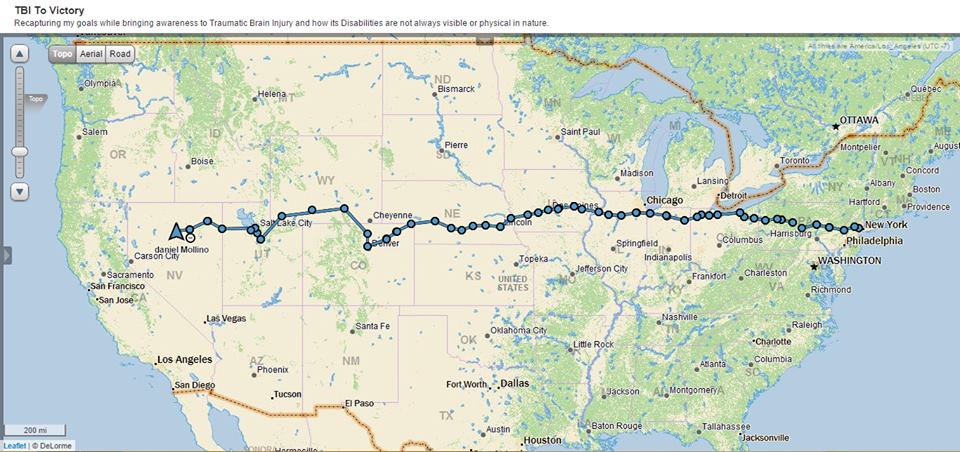
Daniel plans to make a difference in this TBI world for all survivors. At the end of March 2015, Daniel set out to cycle solo across the USA from New Jersey to California to raise awareness of Brain Injury.

Come One! Come ALL! 

What:        Interview with Daniel Mollino – TBI Survivor & Cross-Country Cyclist

Daniel Mollino - TBI Survivor & Cyclist

Daniel Mollino – TBI Survivor & Cyclist

Why:        Daniel will share his story of Brain Injury and how he plans to make a difference in the Brain Injury world.

Where:     Brain Injury Radio Network

When:       Sunday, June  21st, 2015

Time:         5:30p PT (6:30p MT, 7:30p CT, and 8:30p ET) 90 minute show

How:         Click: Brain Injury Radio Network

Call In:    424-243-9540

Call In:     855-473-3711 toll free in USA

Call In:    202-559-7907 free outside USA

or SKYPE

11427224_10153095515624215_7323889775533761154_nIf you miss the show, but would like to still hear the interview, you can access the archive on On Demand listening. The archived show will be available after the show both on the Brain Injury Radio Network site and on my blog in “On the Air.”

(Clip Art compliments of Bing.)

(Photo compliments of Daniel Mollino.)

On The Air: Brain Injury Radio “Another Fork in the Road” with Juliet Madsen, TBI Survivor, US Troop, Quilter, Author

On The Air: Brain Injury Radio “Another Fork in the Road”

with

Juliet Madsen, TBI Survivor, US Troop, Quilter, Author

presented by

Donna O’Donnell Figurski

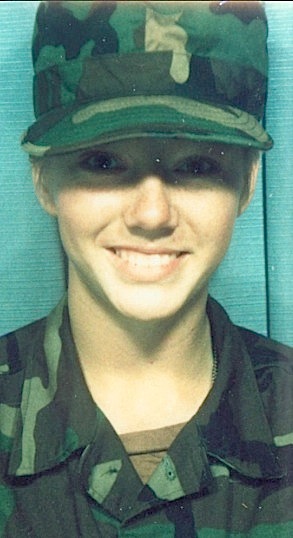
Juliet Madsen UniformJuliet Madsen has served in the US Army since she was 17-years old. She was involved in Operations Desert Storm and Desert Shield. While serving her country, Juliet suffered a Traumatic Brain Injury, at least one stroke, and numerous other medical issues, which changed her life #7 10610754_10203491518354714_4796635925244510505_nforever. On “Another Fork in the Road,” Juliet talked about how she copes with her new life and how she and her family make this new life work for them. I hope you won’t miss her show.

You can learn more about Juliet and read her book at Veterans Book Project. Scroll down the page to find Juliet’s book.

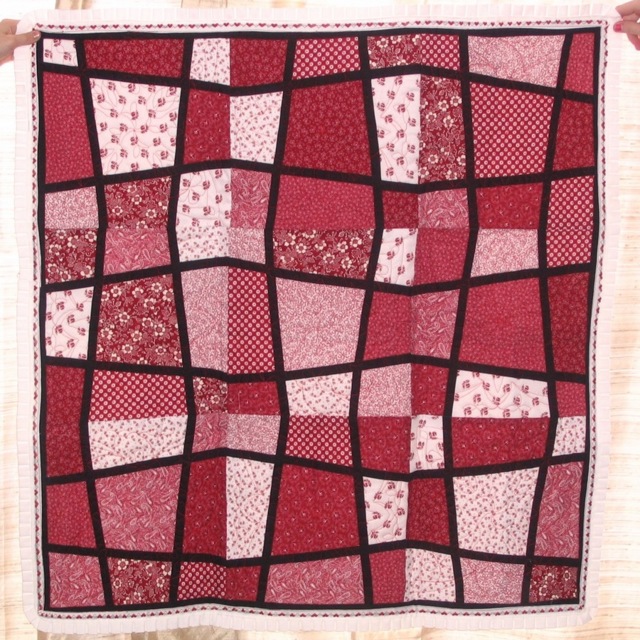
You can also see her collections of more than 50 quilts at Stroke of Luck Quilting.

Here are two of my favorites.

6Madsen092011

If you missed her interview on “Another Fork in the Road” on May 17th, you are in luck. You can listen to the archived show here.

Click the link below to listen to Juliet Madsen and me.

See you “On the Air!”

On the Air: Brain Injury Radio – Another Fork in the Road”

with Juliet Madsen – TBI Survivor, US Troop, Quilter, Author

Click here for a list of all “Another Fork in the Road” shows on the Brain Injury Radio Network.

Survivors SPEAK OUT! Juliet Madsen

Survivors  SPEAK OUT!  Juliet Madsen

presented by

Donna O’Donnell Figurski

#4 Juliet Madsen 21. What is your name? (last name optional)

Juliet Madsen

2. Where do you live? (city and/or state and/or country) Email (optional)

Parker, Colorado, USA     juliet@strokeofluckquilting.com

3. On what date did you have your brain injury? At what age?

I had three strokes (2004, 2009, and 2010), and I have a traumatic brain injury (TBI). I was 33 in 2004.

4. How did your brain injury occur?

My brain injuries are complex: heat strokes complicated by a traumatic brain injury in Iraq in 2004. I was being moved to a secondary location because of a heat injury, when there was a series of explosions on the highway. So, I have the illustrious honor of having both a brain injury as a result of heat injury and then a traumatic brain injury. This creates a problem for the doctors because I do not fall into any one category. I have very complicated neurological issues.

5. When did you (or someone) first realize you had a problem?

My family and the people I was stationed with in Iraq realized there was a problem. I was not making much sense when I wrote patient notes and when I wrote letters home. Then my speech was becoming garbled. I exhibited a halting speech pattern, in which I had trouble “spitting out” words. I also had tremors, which made even the simplest tasks difficult. #3 1454864_10200875275550279_968652467_n Manual dexterity issues, massive migraines, and balance problems caused my unit to put me on night shift and to adjust how and where I was living in Iraq. Then I was being transferred north where I could work in a more controlled environment when we were involved in a series of vehicle explosions. After that event, I was sitting with a few of the guys at the chow hall, and I said that “I didn’t feel well.” I suffered a seizure in the chow hall, and that started my slow trip home.

6. What kind of emergency treatment, if any, did you have?

I had emergency care to stabilize me in Iraq, then in a C-130 flying from Iraq to Kuwait, then again from Kuwait to Germany, and again to Walter Reed, and then to Ft. Bragg.  Although I know I had care to treat seizures and stroke, I only have very few bits and pieces of my memory from that time.

7. Were you in a coma? If so, how long?

No, I was not.

8. Did you do rehab? What kind of rehab (i.e., inpatient or outpatient and occupational and/or physical and/or speech and/or other)? How long were you in rehab?

I have had rehab both as an inpatient and as an outpatient. I am in and out of occupational, speech, physical, and recreational therapies even today. I have gone in and out of these therapies, as my TBI symptoms change over the years. I have often described my TBI as causing “rolling blackouts.” The polytrauma team that treats me has been really good about getting me in to see the appropriate team.

9. What problems or disabilities, if any, resulted from your brain injury
(e.g., balance, perception, personality, etc.)?

That is such a loaded question…. Initially I had left-sided weakness from the stroke, difficulty talking, balance issues, drop foot, short-term memory loss, major time perception problems, migraines all the time, and ringing in my ears. I was sound-sensitive. I have constant neck and head pain. I have hearing and vision changes (which the doctors tell me are a direct result of the TBI). I absolutely have personality changes. I was someone who always got along with people, worked as a paramedic, and did research. Now I have no concentration, I am angry with everyone, I am short with people, I cry easily, and I feel very defeated. Even with all of the incredible accomplishments in my life, I am disappointed in the perceived failures in my day-to-day life. I have had times since my brain injury when it is like I forgot who I was or what I have always stood for, and I hurt the ones who have always cared for me. I have major learning disabilities. I can’t do anything with numbers or time, and learning new information is extremely difficult – this from someone who graduated from college with honors. Concentration and accomplishing simple tasks are often very difficult.

10. How has your life changed? Is it better? Is it worse?

My life has changed 100%, but I can’t say that it is worse because I am still here. So, that is a good thing, but it is very different. I was a paramedic in the United States Army. I was always busy working, and now I am retired. I become tired and overwhelmed far too easily. I quilt for a living, and I make quilts for programs across the country. I am on the Board of Directors of a national non-profit organization that works with programs for the families of military and veteran personnel with TBI/PTSD (post-traumatic stress disorder). The organization provides other programs through recreational and activity-based services. This is a very different place from being a paramedic and saving lives.

11. What do you miss the most from your pre-brain-injury life?

I admit that I miss who I was before I was hurt. I miss being able to go to the store alone. I miss being able to be trusted with my own finances or being able to read a recipe and understand it the first time I read it. I had a very definite plan for my life, and my injuries changed all of those plans. I miss feeling like I really contribute to my family and to the world around me.

12. What do you enjoy most in your post-brain-injury life?

I try to enjoy simple things: butterflies, the pure joy of my dogs lying with me, my kids telling me that they love me, etc. I like learning new recipes, listening to music, or holding hands with my husband in case I can’t tomorrow. Basically, I try to enjoy this moment because I know that tomorrow isn’t promised.

13. What do you like least about your brain injury?

I would give anything to trust my memory and my body again. But, if I could have one wish, it would be to have my memory back. I have no memory of any of my kid’s proms, their birthdays, their graduations, etc. I wish I could just remember these events for their sakes.

14. Has anything helped you to accept your brain injury?

#8 Juliet & Peter MadsenMy family has helped me to accept my injuries because, although we joke around, they accept me for all that has happened. I was so angry and really emotionally crushed when I first came home. The only thing that I can always count on is my family, no matter what. The only other thing that has probably helped is time.

15. Has your injury affected your home life and relationships and, if so, how?

My husband, Peter, and I are so lucky to have each other. After twenty-three years together, I am thankful that this injury has not torn us apart, but it came very close. A TBI is exhausting for everyone involved, and I think that the first few years are spent in emergency mode – performing triage. Then as we started to get comfortable with how things were going, my brain “kicked us” – I suffered another stroke. We had a whole new series of issues and rules to learn. Peter and the kids have been incredible at supporting me. Although it has been a really rough road, we have been through it together. We are stronger because we are always together, and that part I am thankful for.

16. Has your social life been altered or changed and, if so, how?

Yes, I have actually lost friendships because of my TBI. I describe myself as a “golden retriever.” (I am excited to see you, but if you leave the room and come back in, I don’t know how long you were gone, but I am still really excited to see you.) It is because of this lack of the concept of time that I have lost friends. Also I wasn’t good enough at keeping in contact. I had a friend call me and tell me that I wasn’t an attentive enough friend. So now, I tell every potential friend this cautionary story. But to be honest, I don’t really try to make friends any more. Most people don’t understand me – or our family. Because of that, we are very private people. We don’t do a whole lot with others. It’s just easier that way. We would prefer to have lots of friends, but it just isn’t that easy.

17. Who is your main caregiver? Do you understand what it takes to be a caregiver?

My husband, Peter, is my main caregiver. I am so very thankful to him, in love with him, indebted to him, sorry, and every other adjective I can think of. I have moments of clarity when I see how terribly hard all of this is. It kills me that I have become a burden, and yet I am still his wife. I’d also like to say that I have had to watch my kids become my caregivers. They have taken care of me on too many occasions to count. It is incredibly hard on the entire family. They all suffer from PTSD as we go through this process. They all deserve so much more credit than they get for surviving this experience.

18. What are your plans? What do you expect/hope to be doing ten years from now?

I am ten years out from my injuries, but I am light years from my initial injuries. I hope to continue my physical improvements, and I would like to recover better in terms of my learning disabilities and mental health. I would like to go back to school and get a degree in Art Therapy to help other veterans and their families with TBI and PTSD. In ten years, I would really like to be working with military families through art in my own program. I would also like to have published my own quilting book.

19. Are you able to provide a helpful hint that may have taken you a long time to learn, but which you wished you had known earlier? If so, please state what it is to potentially help other survivors with your specific kind of brain injury.

There are so many setbacks during the recovery process. I never seem to be where I am supposed to be. But, I never stop because there are no set rules and no one is saying where you have to be. So, just keep going – never give up.

20. What advice would you offer to other brain-injury survivors? Do you have any other comments that you would like to add?

I think the worst thing I do to myself is to constantly beat myself up about what I could have or should have done to either prevent this or to change it now. It kills me to know where my family is and how my family has been changed forever because of all of the things that happened since 2004. I would give anything to change it, but I can’t. On good days, I can accept it and move past it, but on bad days, I can’t. It hangs over me and suffocates me. It is my wish that others out there like me hold on and cherish the life you have because no one can live it like you can.

Thank you, Juliet, for taking part in this interview. I hope that your experience will offer some hope, comfort, and #6 Juliet Madsen Snowinspiration to my readers.

(Disclaimer: The views or opinions in this post are solely that of the interviewee.)

If you would like to be a part of the SPEAK OUT! project, please go to TBI Survivor Interview Questionnaire for a copy of the questions and the release form.

(Photos compliments of Juliet.)

As I say after each post:

Please leave a comment by clicking the blue words “Leave a Comment” below this post.

Feel free to follow my blog. Click on “Follow” on the lower right corner of your screen.

If you like my blog, share it with your friends. It’s easy! Click the “Share” buttons below.

If you don’t like my blog, “Share” it with your enemies. I don’t care!

Feel free to “Like” my post.
 

Survivors SPEAK OUT! Kristin Russo

Survivors  SPEAK OUT!  Kristin Russo

by

Donna O’Donnell Figurski

Russo, Kristin December 2014 After

Kristin Russo – Post-TBI Dec. 2014

1. What is your name? (last name optional)

Kristin Russo

2. Where do you live? (city and/or state and/or country) Email (optional)

Annandale, Virginia, USA

3. When did you have your TBI? At what age?

July 22, 2013 – I was 28.

4. How did your TBI occur?

My TBI was caused by a collision with a tractor-trailer. Read about it. “Kristin Russo accident.”

5. When did you (or someone) first realize you had a problem?

It was realized about 2-3 days into my stay in the ICU (Intensive Care Unit).

6. What kind of emergency treatment, if any, did you have?

I have no memory of the accident, the month in the hospital, and even the first 5-6 months at home under 24-hour care.

7. Were you in a coma? If so, how long?

Yes. My coma was induced.

8. Did you do rehab? What kind of rehab (i.e., inpatient or outpatient and occupational and/or physical and/or speech and/or other)? How long were you in rehab?

I had occupational, physical, speech, and recreational therapies for a month as an inpatient. I had therapy as an outpatient until May 2014 when all but physical therapy ended. I’m still in physical therapy for physical injuries.

9. What problems or disabilities, if any, resulted from your TBI
(e.g., balance, perception, personality, etc.)?

I have moderate to severe diminished visual memory, mild to moderate decreased attention span, diminished executive function, and mildly diminished speech and language function. Those are the significant findings as per my neurological addendum. It was also noted that I am likely to have significant permanent neurocognitive dysfunction due to the TBI. This problem with the physical brain injury is further complicated due the fact that I have significant PTSD (post-traumatic stress disorder). I have a college degree, yet I had to learn how to do things as simple as double-digit subtraction. My entire education has been wiped away. Since I graduated with honors, it was easy to get accepted to Liberty University. But, I can’t retain information anymore, so I’m not sure if I’m going to go back to try and learn everything all over again. My neurologist has diagnosed me with ADD (attention deficit disorder) due to the TBI. I’m not allowed to use anything hot without supervision, etc.

10. How has your life changed? Is it better? Is it worse?

Some things are better because I now have an excuse for being directionally challenged or for when I mess up (haha). 😉 Things are worse because I am dependent and I HATE IT! (I am an independent girl.) I was such an intelligent woman. I was still paying off my degree when the accident happened. Not being able to use ANY of the knowledge really made me unhappy. Not being able to work has been horrible because that is all I have ever known. I have been working since the day I turned 14. (My first day of work was on my 14th birthday). I worked at the same place until I graduated high school and went to college. I hate that I can no longer drive. I miss being able to do what I want to do when I want to do it. 😦 I live about eighty miles from where I grew up, so it’s not often that someone comes to visit me. The accident caused me to lose my family because my own father was stealing my pain pills for his sick addiction. I’ve lost some of my friends because I’m a totally different person personality-wise. I’m 100% honest, and I have dedicated my life to Jesus Christ. The girl in the accident died. She wasn’t the best wife. (I’d give more details, but those things are better kept between husband and wife. 😉 ) But, that’s why my accident happened, and I know it. God was showing me what was in front of me, and the same, for my husband. God was bringing us closer together, and that’s exactly what my accident did. So, that’s what I do like about the TBI. Another thing that I like about the TBI is that I don’t remember the accident or being in the hospital or even the 5-6 months after it. I also don’t remember my surgeries up to July. I remember the ones on Black Friday and December 1st. But, yeah, the girl I was before was a girl who drank a lot and went to clubs and acted like she was a single 21-year-old female. Since I’m not her anymore, I’ve lost a couple friends who were just like that girl. I don’t need those girls anyway!

11. What do you miss the most from your pre-TBI life?

I miss being able to drink alcohol sometimes – at least to drink socially. I miss being able to drive. I miss being able to do what I want when I want. I miss working. What I do now is to constantly go to appointments – it’s nuts! I am still in physical therapy – several months post accident. I just got yet another MRI scan (magnetic resonance imaging). I had surgery number eight on January 27th. I began speech therapy in January since insurance started paying again. I miss sleeping like a normal person. I miss being skinny. (I was a size 2 when I was married on July 7th, 2011, and I’m not that size anymore.) I hate being on so many damn medications. I loathe people’s not understanding invisible disabilities. I also have CRPS (complex regional pain syndrome) that was caused by the accident. It’s a chronic pain disease that has no cure.

12. What do you enjoy most in your post-TBI life?

I enjoy the fact that the Trauma Survivors Network Next Steps program taught me to find the positive in everything, so I do. When my legs hurt, I remind myself that I shouldn’t have any, so I thank God for letting me keep my legs! When I have my chronic headaches, I thank God for not making the swelling be so bad that I need to have surgery!

13. What do you like least about your TBI?

I don’t like that I sleep every other day sometimes. I dislike the chronic headaches and the fact that a headache is invisible. I don’t like having memory issues and being confused so often.

14. Has anything helped you to accept your TBI?

God

15. Has your injury affected your home life and relationships and, if so, how?

My husband gets rather upset when I forget that I’m not supposed to use a curling iron, and I fail to remember to turn it off. I no longer speak to my parents – my father makes fun of my TBI and acts like I’m making it up. (A*^#@~! ! I guess that’s what drugs do to ya.)

16. Has your social life been altered or changed and, if so, how?

I don’t really have a social life anymore. Things are so much louder now. People annoy me more. 😦 I have NO filter. I just want to be home with my husband or alone with my dogs. I haven’t watched TV since the accident.

17. Who is your main caregiver? Do you understand what it takes to be a caregiver?

My husband is my main caregiver.

18. What are your future plans? What do you expect/hope to be doing ten years from now?

I’ll be running a photography business. 🙂 And, I better be a mommy to more than just my fur babies!

Russo, Kristin Before Accident

Kristin Russo Pre-TBI

19. Are you able to provide a helpful hint that may have taken you a long time to learn, but which you wished you had known earlier? If so, please state what it is to potentially help other TBI survivors with your specific kind of TBI.

I urge people to try to make a positive out of everything. Depression is so ugly. I wish that I never hit that stage. Having a positive attitude has helped me SOOO much.

20. What advice would you offer to other TBI survivors? Do you have any other comments that you would like to add?

I give back now by volunteering at the hospital where I did my outpatient therapy. I got one of my dogs certified as a therapy dog, and we visit patients. I also visit patients in the trauma unit. My visits help others, and they also help me!


Thank you, Kristin, for taking part in this interview. I hope that your experience will offer some hope, comfort, and inspiration to my readers.

(Disclaimer: The views or opinions in this post are solely that of the interviewee.)

If you would like to be a part of the SPEAK OUT! project, please go to TBI Survivor Interview Questionnaire for a copy of the questions and the release form.

(Photos compliments of Kristin.)

As I say after each post:

Please leave a comment by clicking the blue words “Leave a Comment” below this post.

Feel free to follow my blog. Click on “Follow” on the lower right corner of your screen.

If you like my blog, share it with your friends. It’s easy! Click the “Share” buttons below.

If you don’t like my blog, “Share” it with your enemies. I don’t care!

Feel free to “Like” my post.


Survivors SPEAK OUT! . . . . . DeWayne Banner

Survivors SPEAK OUT! . . . . . DeWayne Banner

by

Donna O’Donnell Figurski

DeWayne Banner  TBI Survivor

DeWayne Banner
TBI Survivor


1. What is your name? (last name optional)

DeWayne Banner

2. Where do you live? (city and/or state and/or country) Email (optional)

Morganton, Georgia, USA

3. When did you have your TBI? At what age?

Age 42

4. How did your TBI occur?

My head was crushed between the rear of a tractor-trailer and a concrete wall.

5. When did you (or someone) first realize you had a problem?

Immediately

6. What kind of emergency treatment, if any, did you have?

I was life-flighted to Grady Memorial Hospital in Atlanta, Georgia, where I was placed on life-support. I cannot really give a great number of details about these days because my mind was in another place. After I was declared stable, I was moved to The Shepherd Center to begin rehab, which continued for about four years.

7. Were you in a coma? If so, how long?

I was in a coma for two weeks.

8. Did you do rehab? What kind of rehab (i.e., inpatient or outpatient and occupational and/or physical and/or speech and/or other)? How long were you in rehab?

I did every kind of rehab in the books. In the beginning, I dealt with a lot of problems, and I worked with a whole team of therapists. Also, I had a counselor, and I participated in a group-therapy session.

9. What problems or disabilities, if any, resulted from your TBI
(e.g., balance, perception, personality, etc.)?

I am almost blind in my right eye. I am deaf in my right ear. My left side is partially paralyzed. I have completely lost sensation on the right side of my face. My balance was bad in the beginning, but it has gotten better over time. My short-term memory is poor; my long-term memory is like Swiss cheese (i.e., full of holes). I also have fatigue and sleep issues.

10. How has your life changed? Is it better? Is it worse?

Tough question. I cannot say that my life is better or worse – just much different. My life is not what I had planned, but I have adapted to create the best life I possibly can.

11. What do you miss the most from your pre-TBI life?

I miss my friends. It’s no secret that, in most cases, friends, and sometimes family, disappear from your life. I believe that after a catastrophic injury, such as a TBI, a person has to face his or her own mortality. (This may have happened to me!) It is very scary, and most people pull away from this constant reminder.

12. What do you enjoy most in your post-TBI life?

I like that I get to decide what my days will be. I get to choose my direction.

13. What do you like least about your TBI?

I dislike the things that have become difficult for me to do alone. I was once very independent and loved the great outdoors.

14. Has anything helped you to accept your TBI?

I did not die! I will never give up!

15. Has your injury affected your home life and relationships and, if so, how?

I have lost friends, but I feel fortunate that my wife and I still have a great relationship. So many families that are faced with TBI end up broken and divorced.

16. Has your social life been altered or changed and, if so, how?

I still like to spend time with friends and family, but it is a little difficult to do long stretches. I have many, many new friends.

17. Who is your main caregiver? Do you understand what it takes to be a caregiver?

My wife is my main caregiver, but I do my best to take good care of her too!

18. What are your future plans? What do you expect/hope to be doing ten years from now?

It is hard to say. I plan to travel a little. I help others like myself when I can. I hope to continue to improve my quality of life.

19. Are you able to provide a helpful hint that may have taken you a long time to learn, but which you wished you had known earlier? If so, please state what it is to potentially help other TBI survivors with your specific kind of TBI.

I want people to know that time does heal. Also, TBI is a journey that we have to travel one step at a time.

20. What advice would you offer to other TBI survivors? Do you have any other comments that you would like to add?

NEVER GIVE UP!! Get out of bed every day, put your feet on the ground, and take a step down the path to a better life. IT can happen if you want it to.

DeWayne Banner  TBI Survivor

DeWayne Banner
TBI Survivor


Thank you, DeWayne, for taking part in this interview. I hope that your experience will offer some hope, comfort, and inspiration to my readers.

(Disclaimer: The views or opinions in this post are solely that of the interviewee.)

If you would like to be a part of the SPEAK OUT! project, please go to TBI Survivor Interview Questionnaire for a copy of the questions and the release form.

(Photos compliments of DeWayne.)


Survivors SPEAK OUT! . . . Doris

Survivors SPEAK OUT! . . . . . Doris

by

Donna O’Donnell Figurski

Doris 1 year after TBI 2007

Doris 1 year after TBI 2007

1. What is your name? (last name optional)

Doris F.

2. Where do you live? (city and/or state and/or country) Email (optional)

Tampa, Florida, USA

3. When did you have your TBI? At what age?

October 31, 2006     Age 46

4. How did your TBI occur?

I was parking my vehicle in the post office parking lot, and I passed out.

5. When did you (or someone) first realize you had a problem?

Post office employees found me unconscious behind the steering wheel.

6. What kind of emergency treatment, if any, did you have?

Doris - 1 day after the craniotomy - 2006

Doris – 1 day after the craniotomy – 2006

Craniotomy; clipping and coiling of a ruptured brain aneurysm

7. Were you in a coma? If so, how long?

Yes. 5 days

8. Did you do rehab? What kind of rehab (i.e., inpatient or outpatient and occupational and/or physical and/or speech and/or other)? How long were you in rehab?

I did not do rehab, but I saw a neuropsychologist after a few months of recovery.

9. What problems or disabilities, if any, resulted from your TBI
(e.g., balance, perception, personality, etc.)?

I am afflicted with anxiety, a severely bad memory, dizziness, and headaches, but I mostly have psychological problems
(e.g., balance, perception, personality, etc.).

10. How has your life changed? Is it better? Is it worse?

It’s worse. I lost my job as a veterinary manager; I lost my home; I lost my husband of 26 years (he wanted a divorce); and I lost many friends. My daughter has turned her back on me and does not associate with me – because, according to her, I am “weird” and “boring.”

11. What do you miss the most from your pre-TBI life?

I miss the ability to be productive and to socialize. I miss feeling healthy and strong.

12. What do you enjoy most in your post-TBI life?

I enjoy my pets – it seems like they understand. I feel close to them. I’ve also learned to play the guitar and sing. It brings me great pleasure and a feeling of accomplishment, especially when I practice a new song and it sounds good. (At least my animals think so! LOL.)

13. What do you like least about your TBI?

I hate what my brain injury has done to my life.

14. Has anything helped you to accept your TBI?

My friend, a neuropsychologist, has helped a great deal. He talked to me twice a week for almost a year. I am also grateful to my two long-time girlfriends. They were there through it all and still love me today.

15. Has your injury affected your home life and relationships and, if so, how?

Basically I lost all the people I thought were closest to me.

16. Has your social life been altered or changed and, if so, how?

I don’t really feel comfortable socializing. I feel like most people are fake.

17. Who is your main caregiver? Do you understand what it takes to be a caregiver?

I’m my own caregiver. Being a caregiver takes a lot of effort and discipline.

18. What are your future plans? What do you expect/hope to be doing ten years from now?

I would like to be married again. I miss a man in my life. I’ve always enjoyed taking care of him, keeping a lovely home, cooking, and having a close relationship.

19. Are you able to provide a helpful hint that may have taken you a long time to learn, but which you wished you had known earlier? If so, please state what it is to potentially help other TBI survivors with your specific kind of TBI.

I wish it would not have taken years for me to accept my TBI and my altered abilities. I wasted a lot of time being angry and depressed.

20. What advice would you offer to other TBI survivors? Do you have any other comments that you would like to add?

My advice to other survivors follows. 1. Take it easy – one step at a time. 2. Don’t disconnect from the world – you are not alone. Find a support group. 3. Do something that you feel passionate about (e.g., helping others, animal activism, crafting, volunteering, performing or visual arts, etc.). 4. Find a fun activity that requires repetition (e.g., learning to play an instrument, knitting, gardening, etc.). This will help in the recovery process and will improve the brain. 5. Be kind to yourself, and be a little selfish. You have survived a major trauma. There is a reason you are still here on this earth. God bless you all!Hope

Thank you, Doris, for taking part in this interview. I hope that your experience will offer some hope, comfort, and inspiration to my readers.

(Disclaimer: The views or opinions in this post are solely that of the interviewee.)

If you would like to be a part of the SPEAK OUT! project, please go to TBI Survivor Interview Questionnaire for a copy of the questions and the release form.

(Photos compliments of Doris.)

(Clip Art compliments of Bing.)

Survivors SPEAK OUT! . . . . . Tracy Johnson

SPEAK OUT! – Tracy Johnson

by

Donna O’Donnell Figurski

Tracy Johnson Pre-TBI

Tracy Johnson
Pre-TBI

1. What is your name? (last name optional)

Tracy Johnson

2. Where do you live? (city and/or state and/or country) Email (optional)

Hogansville, Georgia, USA    lacigurl1@gmail.com

3. When did you have your TBI? At what age?

November 18, 1990    Age 20

4. How did your TBI occur?

Motor vehicle accident

5. When did you (or someone) first realize you had a problem?

It was noticed that I had a problem as I was slowly coming out of my coma. From then on, it was noticed daily.

6. What kind of emergency treatment, if any, did you have?

I was life-flighted to the trauma center at Georgia Baptist Medical Hospital, which is now Atlanta Medical Center. The life-flight EMTs (emergency medical technicians) performed a tracheostomy. As they arrived, I was hanging outside the driver’s door having seizures, with lots of blood coming out of my mouth due to a busted spleen and a lacerated liver. At the trauma center, I received 37 pints of blood. Mom stopped asking about me after this because the situation looked grim. I even had docs (twelve of them) telling my mom there was nothing else they could do. They even made her sign some documents to this effect. On top of all the blood loss and trauma, I developed a bleeding stomach ulcer and required a PPI drip (proton-pump inhibitor). I had severely bruised my heart. My brain swelled to where my ears were set two inches deep within the swelling. The steering wheel had broken and jammed my front teeth up into my gums. My top teeth bit through my lower gums, so stitches were required. I had emergency surgery to my legs. I had broken my left hip. Three screws were required. (It healed, but at 23, I had to have a left hip replacement due to the dying of the blood vessel to the femur head.) My left femur was repaired (a rod was put in). It had also ripped through the skin. I had a left pelvic fracture. My left knee was broken in three places and required three screws. My left tibia and fibula were broken, but they’re okay now. My right knee was broken in four places. It was thought it may have been crushed, but an Emory specialist was able to save it. However, right knee arthroscopy a year ago yielded no good results, so I’m waiting for right knee replacement.

7. Were you in a coma? If so, how long?

Yes. I was in a coma for five and a half weeks. I was on a breathing machine for four weeks. My heart stopped at the scene of the accident due to all the trauma my body was already in, but drugs were used to restart it.

8. Did you do rehab? What kind of rehab (i.e., inpatient or outpatient and occupational and/or physical and/or speech and/or other)? How long were you in rehab?

I had rehab as an outpatient because my mother refused to let me go and stay at the Shepherd Center in Atlanta. I can’t remember how long I was at Georgia Baptist’s physical therapy. I know my mother was busy working at the time. This rehabilitation was for my multiple lower broken extremities, pelvis, and left hip. Nobody cared about the injury to my brain, except for me. And, I have just found my fellow sister and brother survivors via the Brain Injury Network. Praise God! 😉

Tracy Johnson - TBI Survivor

Tracy Johnson – TBI Survivor

9. What problems or disabilities, if any, resulted from your TBI
(e.g., balance, perception, personality, etc.)?

I had a problem with all my memory at first, but the doctors said I would remember as my life took place. I had just given birth to my one and only child not even a month before my accident, and I know he belonged to me because this is what my family told me. Today he is 24, and I am 43. Our relationship has always been as “best friends” since my accident. My family often spoke of my deficits and of my inability to raise a child. My memory has greatly improved over the years. I repeated myself continuously, and I still do to this day. My emotions are all out of whack – I feel too happy, too sad, or too mad. I’ve been told by physicians that I am called a cycling bipolar manic depressive. But, I never knew a day of depression until I started being prescribed drugs. My anger goes to extremes. I guess it has something to do with growing up with a violent, alcoholic father and two brothers older than I. Hence, it was suggested that I was suffering from being left behind and of being deprived of parental love. My dad chased us around with shotguns. He beat my mom and brothers. He would point and shoot guns all the time. Oh yeah, I would be noticed and would be told to run and hide. My dad was always damaging things, causing me to have PTSD (post-traumatic stress disorder) along with the PTSD I already had from the auto accident. I also have PTSD from a carjacking and kidnapping/rape back in 2005, due to my being too trusting. Now it leads me not to trust anyone and to be very suspicious. I walk with a limp, due to one hip replacement and worn out right knee. I’m beginning to be aphasic in speech and can’t deliver my thoughts into the proper wording.

10. How has your life changed? Is it better? Is it worse?

I feel my life is better because I was very judgmental. Having this injury occur and being out of this world for that length of time made me realize that the world keeps spinning around and people go on with their lives whether you’re here or not. Jeez, I was naïve. I now know that one’s life and recovery is what that person makes of it – NO ONE else. After the accident, I was, by the grace of God, very compassionate, nonjudgmental, and indeed touched by an Angel.

11. What do you miss the most from your pre-TBI life?

I miss the ability to think cognitively. I miss my memory. I only remember bits and pieces from my early childhood and preteen years. I don’t have much memory of my high school years – I guess because those memories were made so close to my coma days. (I was in high school from ages 16 to 19.) I guess as I’m thinking this through now, my traumatic dysfunctional childhood explains my issues with anger.

12. What do you enjoy most in your post-TBI life?

I like having the ability of not staying angry at someone for long, having the ability to forgive easily, and being able to experience things (always) as though they are the first experiences. Some of the learned knowledge of first experiences can lead to better outcomes, like relationships.

13. What do you like least about your TBI?

I can no longer think cognitively or remember as I did before. Oh, and almost all people have trouble relating. For example, people sometimes say I am making up my injury and symptoms, or I use it as an excuse.

14. Has anything helped you to accept your TBI?

I have been helped by my belief that Jesus Christ died on the cross for me. That is the gift of Grace from my heavenly Father above.

15. Has your injury affected your home life and relationships and, if so, how?

Yes, oh yes! It has caused distrust, dishonesty, and fighting. It has broken some of my most meaningful, close family relations to where I know they still love me, but they feel they have to love me from a distance.

16. Has your social life been altered or changed and, if so, how?

I had friends, but they could not cope with such a tragic event happening so close to them, so they are not around anymore. I try to isolate myself now because I am rather paranoid of people and their motives.

17. Who is your main caregiver? Do you understand what it takes to be a caregiver?

My caregiver is my fiancé. I have been engaged for 7 years. Please don’t laugh – I just find it hard to trust anyone after being hurt by people time and time again, including my own mother. I know what is entailed in being the caregiver of someone with Alzheimer’s, as I, just this week, have made arrangements for my dad to go to a nursing home. I cared and assisted him for three years.

18. What are your future plans? What do you expect/hope to be doing ten years from now?

I stopped chemical prescription drug therapy, except for 1200 mg of a medicine for mental seizures until I can become part of protein therapy at Emory University Hospital in Atlanta, 53 miles from where I live. I would like to help others. I want to devote my time to helping motivate others by decreasing the negativity in their lives, even if it is just one person. I want to find a way to counsel young folks. I want to transform their lives if their parents feel they are too busy with work or if their parents just didn’t have anyone in their lives to show or explain to them.

19. Are you able to provide a helpful hint that may have taken you a long time to learn, but which you wished you had known earlier? If so, please state what it is to potentially help other TBI survivors with your specific kind of TBI.

To control my emotions, I had to learn, study, and meditate on the Word of God. In doing so, I realized there are no set rules for being a child of God or to be loved by God. We all walk different paths with different hurdles, and all sins are different because of such. Therefore, our Father in Heaven does not judge each of us to the same measure or degree. We are CHILDREN of God, and we are learning each and every day. So, unlike the legal system, we shall not be punished for NOT knowing something.

20. What advice would you offer to other TBI survivors? Do you have any other comments that you would like to add?

Be your own unique, strong self – the one who made you a survivor. Do not be too hard on yourself. Take each step in stride knowing Jesus walks right there beside you. Know that family and friends do not intentionally mean to shift blame by calling you names or cutting you down – it’s just their way, however, of dealing with an injury of such scope and magnitude to their loved one. Learn to laugh it off, and if you can’t laugh it off, well then, smile it off. Humor and inner peace are always the best medicine. Sorry, docs. 🙂

Tracy Johnson, Tbi-Survivor

Tracy Johnson, Tbi-Survivor


Thank you, Tracy, for taking part in this interview. I hope that your experience will offer some hope, comfort, and inspiration to my readers.

(Disclaimer: The views or opinions in this post are solely that of the interviewee.)

If you would like to be a part of the SPEAK OUT! project, please go to TBI Survivor Interview Questionnaire for a copy of the questions and the release form.

(Clip Art compliments of Tracy.)

Survivors SPEAK OUT! . . . . . William

SPEAK OUT! – William

by

Donna O’Donnell Figurski

th-2

1. What is your name? (last name optional)

William

2. Where do you live? (city and/or state and/or country) Email (optional)

Eastern Tennessee, USA

3. When did you have your ABI? At what age?

Age 43

4. How did your ABI occur?

I was subjected to 334 ppm (parts per million) of carbon monoxide for six days.

5. When did you (or someone) first realize you had a problem?

At 6:00 am on the seventh day, I was found unconscious outside my apartment door.

6. What kind of emergency treatment, if any, did you have?

A hyperbaric chamber was used on three occasions while I was in a coma.

7. Were you in a coma? If so, how long?

I was in a coma 32 days.

8. Did you do rehab? What kind of rehab (i.e., inpatient or outpatient and occupational and/or physical and/or speech and/or other)? How long were you in rehab?

I had physical and speech therapies for two years – first, inpatient; then outpatient.

9. What problems or disabilities, if any, resulted from your ABI
(e.g., balance, perception, personality, etc.)?marineCrop

Pre-injury, I was a retired Marine Colonel on discharge leave. After my injury, I developed a pronounced hyperkinetic motion disorder, with severe spasticity, a short-term memory disorder, and slow-awakening problems. I cannot walk, type, write, or do anything requiring either fine-motor control or large muscle use.

10. How has your life changed? Is it better? Is it worse?

I went from an active Marine to an inactive thinker. From one perspective, my life got significantly worse – about the worst it could. In another perspective, it became rather better. I have a better logical process; I am more understanding of others; and I have the dubious privilege to be unable to use any pharmaceutical drug. To combat this odd aspect of my disability, I studied to be an herbalist, and I live quite well. I cannot have many food chemicals, so I eat better too.

11. What do you miss the most from your pre-ABI life?

I miss being a Marine Corps Colonel.

What do you enjoy most in your post-ABI life?

12. I enjoy knowing how to help people who cannot yet cope with their disability. I help anyone who asks.

13. What do you like least about your ABI?

My brain injury turned me into a burden on everyone in my circle. I can do very little. Whenever I try to use my muscles, hyperkinesia starts up, followed by severe spasticity. It makes doing most things impossible.

14. Has anything helped you to accept your ABI?

I eventually realized that this was what I had left in my life. I could either mope about lost opportunity, or I could grasp any opportunity that came my way. I chose the latter – I cannot change anything, so I willingly accept it.

15. Has your injury affected your home life and relationships and, if so, how?

My life has been affected in every conceivable way. Everything is different. Relationships are far harder – people do not wish to know the twitching cripple in the fancy wheelchair. Physical relationships are completely different – I cannot be an active partner, so I must be passive. It takes a special person to be able to cope with that.

16. Has your social life been altered or changed and, if so, how?

Able-bodied people do not like to see severely disabled people. It embarrasses them. This makes socializing rather difficult. People will say “Call me” and give me the wrong number. Or, they will shudder at the thought of seeing me again. In stores, I am apparently invisible.

17. Who is your main caregiver? Do you understand what it takes to be a caregiver?

Caregivers come and go. Some are good; some are perverts; some are thieves. They are necessary, so I lose things, get humiliated, or get assaulted. I have a friend who takes time to look after me once or twice a month. My friend works away and is home infrequently.

18. What are your future plans? What do you expect/hope to be doing ten years from now?

It would be nice to still be breathing. I have lived as I do now for twenty years. I hope to live for longer.

19. Are you able to provide a helpful hint that may have taken you a long time to learn, but which you wished you had known earlier? If so, please state what it is to potentially help other ABI survivors with your specific kind of ABI.

Accept it as it develops. It takes time to reach the level you will live at. Accept that, and it will be easier.

20. What advice would you offer to other brain-injury survivors? Do you have any other comments that you would like to add?

It is easy to be angry at the condition you find yourself in. You were not supposed to get disabled in any way, and you probably think that it is horrifically unfair. That is completely true in every case, but it does not help you go on with living. To do that, you have to look at what you have been given, what you still have, and what you can do. Take that inventory slowly and carefully because it is important. When you know what you have to work with and what you can do, don’t try getting anything else. Just accept what you have and adapt to live at that level. When you have done that and you can live calmly at that level, you could try to do more, but not until you are calm with your disability. So many people spend all of their time trying to fight the un-fightable. They are constantly miserable because it does not seem fair. I know it isn’t. I lost nearly everything three months after I retired from the Marines. All my dreams, hopes, and expectations died along with some of my brain. I really do not need to make worse what I have left by being miserable about it. That is foolish. I have to go on living. I had, and still have, no alternative, so I must make the very best of what I have. You will enjoy a better standard of living if you do the same.


Thank you, William, for taking part in this interview. I hope that your experience will offer some hope, comfort, and inspiration to my readers.

(Disclaimer: The views or opinions in this post are solely that of the interviewee.)

If you would like to be a part of the SPEAK OUT! project, please go to TBI Survivor Interview Questionnaire for a copy of the questions and the release form.

(Clip Art compliments of Bing.)

diemodi jewelry

uniquely hand-crafted jewelry by donna

Welcome to Harmony Kent Online

The home of all things books

Pete Springer

Passionate Teacher and Future Children's Author

HOPE TBI

Helping Other People Excel - To Be Independent

For the Love of Books, Old and New

Katie Fischer, Writer and Reader of Stories

Charlie Bown

Children's Author

Jessica Hinrichs

“We write to taste life twice, in the moment and in retrospect.” ― Anais Nin

VIVIAN KIRKFIELD - Writer for Children

Picture Books Help Kids Soar

Mindy’s Writing Wonderland

For authors, parents, teachers & everyone who loves children’s books.

Kaitlyn Leann Sanchez

Literary Agent

Surviving Traumatic Brain Injury

TBI - Survivors, Caregivers, Family, and Friends

The Care Factor

Loving someone with a Traumatic Brain Injury

Brain Injury Support Group of Duluth-Extension

Brain Injury Information and SUPPORT

Brain Aneurysm Global Insight

Brain Aneurysm, cerebral hemorrhaging, hemorrhage stroke