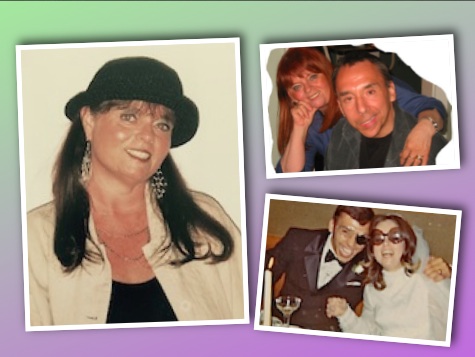
TBI – Survivors, Caregivers, Family, and Friends

Posts tagged ‘Brain Injury Radio Network’

Survivors SPEAK OUT! Sandra Williams

Survivors SPEAK OUT! Sandra Williams

presented

by

Donna O’Donnell Figurski

12200687_895719387130278_18176772_n1. What is your name? (last name optional)

Sandra Williams

2. Where do you live? (city and/or state and/or country) Email (optional)

Athol, Idaho, USA

3. On what date did you have your brain injury? At what age?

My injury was on May 28th, 2012, at 10:00 am. I was 38.

4. How did your brain injury occur?

A drunk driver crossed the center lane as we were turning a corner in our Ford F250 Power Stroke. We were pulling a 26-foot travel trailer. There was a cliff on the other side of us. We should have gone over the cliff, but instead we crossed all lanes of traffic and ended up in a ditch. We should have jackknifed, but we didn’t. The truck that hit us also went through the length of our travel trailer. He ended up in the lane opposite to the one he was traveling in and facing in the opposite direction. We all should have died. The details of the accident are many. It sounds like a made-for-TV movie. We are all alive, but we’re not OK.

5. When did you (or someone) first realize you had a problem?

I first learned of my son’s brain injury when I took him to a neurologist. His primary care physician wanted a follow-up because my son was sleeping so much and his balance was off a bit. We made him rest all summer. When he went back to school, he went from an A-B student to one who got Ds and Fs. I was really focused on my son, but the neurologist diagnosed me too. The diagnosis shocked my primary care provider and me. I didn’t really believe her until I lost my job as a Special Education teacher.

6. What kind of emergency treatment, if any, did you have?

I lost consciousness. I was taken to the Emergency Room. I don’t remember babbling to the sky, but that is what my kids said. They told me this several weeks after the accident. They didn’t know I didn’t know. That’s when my husband knew something wasn’t right. But he thought I would get over it. We all rested that summer. I seemed to be doing well – no headaches, etc. – until I went back to work.

7. Were you in a coma? If so, how long?

No

8. Did you do rehab? What kind of rehab (i.e., inpatient or outpatient and occupational and/or physical and/or speech and/or other)? How long were you in rehab?

I have been to two ten-day sessions of speech therapy, vestibular therapy, cognitive behavioral therapy, and exposure therapy. I also attended Carrick Brain Injury Center, a multidisciplinary brain rehab center.

9. What problems or disabilities, if any, resulted from your brain injury
(e.g., balance, perception, personality, etc.)?

I am still struggling to work. My memory is still affected to the point of frustration for my family members. I struggle with headaches, dizziness, and confusion when people speak to me. I have given up being a youth group-leader. I tried to go back to work, but, due to the fact that educational systems do not accommodate, I cannot work as a teacher – not even online. I really want to run and work out like I used to, but I don’t. That is the biggest change. I never used to drink coffee or alcohol. I don’t abuse either, but now I drink both. I never used to eat chips or anything unhealthy, but I eat those things now. I used to garden, but now I don’t. I do want to return to the way it was with those things, but it is hard while I’m keeping up with my kids and their needs since the accident.

10. How has your life changed? Is it better? Is it worse?

I think my life is worse, but can get better. It is worse because I can’t work in a job where I can get full-time benefits. My health care needs have increased, and my income has decreased. I am trying to help my husband start a new business in construction. He is being patient with me, but it is not easy. Our kids are different, and we really struggled with their behavior until we went to Carrick Brain Injury Center. We still struggle with one kiddo, but I think it is a grief process that he is going through.

11. What do you miss the most from your pre-brain-injury life?

I miss running. (I ran a half marathon and was training for a full marathon when we were hit.) I miss having the energy to do anything I wanted. I miss remembering everything. I miss being able to find a job whenever I wanted. (I have been working since I was eight. I started working for my dad and got my first out-of-family job at the age of fourteen. I paid for the first four years of college by working, and I sent myself to Europe – some people in my church helped me to play basketball internationally.)

12. What do you enjoy most in your post-brain-injury life?

Nothing really. I wish I could say something different. But, my life is so limited from what it once was, and I look so normal. People expect me “to do better,” “to not give up,” or “to stop making excuses.”

13. What do you like least about your brain injury?

I dislike that I cannot be independent and that people expect more from me than I can do. If a person had a broken leg, that person would receive accommodations until it healed. Accommodations are not given when one has an invisible traumatic brain injury (TBI). It doesn’t work that way. But I will not give up.

14. Has anything helped you to accept your brain injury?

I was actually helped by the fact that I can’t work no matter how hard I try. Working came easily to me, just like sports. Now, working and sports are the hardest things for me to do. I will keep trying though. I can’t do them now, but that doesn’t mean I won’t be able to do them forever. I won’t give up. I will do them someday.

15. Has your injury affected your home life and relationships and, if so, how?

Yes, immensely. My kids get really frustrated with me, and so does my husband. I used to be unorganized and forget things, but now it is ten times worse. I really have to rely on notebooks and repeat myself several times. That is what is so frustrating for my family. They also don’t understand my need for rest or my light-sensitivity to the TV. There are many things to list, but I will keep it short!

16. Has your social life been altered or changed and, if so, how?

I don’t visit with anyone anymore. I used to go to bible studies, but they scare me now. (I am afraid I will say the wrong thing.) I can’t go see my mom because I can’t drive that long at one time (it takes two days for me to get there), and it’s just too long to be gone. Plus, I have a huge family, which is hard to be around. My sisters don’t understand my brain injury. I just stay away. It’s better for all of us.

17. Who is your main caregiver? Do you understand what it takes to be a caregiver?12202566_895719670463583_794991146_n

Me. I am my own caregiver. My husband tries, but he is focused on the business. I submit insurance claims and speak to the doctors. I am even filing claims with Disability Rights of Idaho, so I know I can be organized and I can do something!

18. What are your plans? What do you expect/hope to be doing ten years from now?

I plan to be working in construction until I put myself through college again to finish my counseling degree and/or get a certification in TBI so I can educate teachers about it. There is the need for special education to have a different evaluation process. I also plan to use online settings to sell lessons that target students with TBI in the secondary school classroom.

19. Are you able to provide a helpful hint that may have taken you a long time to learn, but which you wished you had known earlier? If so, please state what it is to potentially help other survivors with your specific kind of brain injury.

I wish I knew more about Disability Rights of Idaho and more about the complaint process for educators. (Parents are at such a loss!) The biggest tip I can give other survivors is not to listen to negative comments or to employers who tell you that you can’t do the job. Listen to your heart and your soul. Fight for yourself and others. It will keep you going.

20. What advice would you offer to other brain-injury survivors? Do you have any other comments that you would like to add?

Never, ever give up! If you can’t realize your dream one way, find another way to do it. It may take you longer, but do it. Henry Winkler (the Fonz) applied to sixty-eight different colleges before one accepted him. He was not diagnosed with dyslexia until his son was. He never gave up. We can’t either!

(Disclaimer: The views or opinions in this post are solely that of the interviewee.)

If you would like to be a part of the SPEAK OUT! project, please go to TBI Survivor Interview Questionnaire for a copy of the questions and the release form.

(Clip Art compliments of Bing.)

(Photos compliments of contributor.)

As I say after each post: Please leave a comment by clicking the blue words “Leave a Commentanim0014-1_e0-1 below this post.

Feel free to follow my blog. Click on “Follow” on the upper right sidebar.

If you like my blog, share it with your friends. It’s easy! Click the “Share” buttons below.

If you don’t like my blog, “Share” it with your enemies. I don’t care!

Feel free to “Like” my post.

SPEAK OUT! . . . . . . . . . . . . . . . . . Faces of Brain Injury Melanie Goodman

SPEAK OUT! Faces of Brain Injury – Melanie Goodman

presented by

Donna O’Donnell Figurski

 Brain Injury is NOT Discriminating!

bigstock-cartoon-face-vector-people-25671746-e1348136261718

It can happen to anyone, anytime, . . . and anywhere.

The Brain Trauma Foundation states that there are 5.3 million people in the United States living with some form of brain injury.

On “Faces of Brain Injury,” you will meet survivors living with brain injury. I hope that their stories will help you to understand the serious implications and complications of brain injury.

The stories on SPEAK OUT! Faces of Brain Injury are published with the permission of the survivor or designated caregiver.

If you would like your story to be published, please send a short account and two photos to me at neelyf@aol.com. I’d love to publish your story and raise awareness for Brain Injury.

Melanie Goodman (survivor)

I had an AVM (arteriovenous malformation), a birth defect. No one knows he or she has one until it ruptures. Mine was about having weak veins where an artery was supposed to be. The weak veins were under constant high pressure. AVMThe AVM finally exploded at home one night. My love and best friend rushed me to the hospital, where they life-flighted me to Missoula, Montana. They said to let her die because she’s just going to be a vegetable for the rest of her life. My boyfriend fought them to get me to the best hospital on the West Coast, which was all the way in Seattle, Washington. Harborview Medical Center saved my life.

(Clip Art compliments of Bing.)

(Photos compliments of contributor.)

As I say after each post: Please leave a comment by clicking the blue words “Leave a Commentanim0014-1_e0-1 below this post.

Feel free to follow my blog. Click on “Follow” on the upper right sidebar.

If you like my blog, share it with your friends. It’s easy! Click the “Share” buttons below.

If you don’t like my blog, “Share” it with your enemies. I don’t care!

Feel free to “Like” my post.

Another Fork in the Road . . . . . . NFL Player, Kyle Turley, Brain Injury, Football, and Music

YOU ARE INVITED!

NFL Player, Kyle Turley, Brain Injury, Football, and Music

with host Donna O’Donnell Figurski

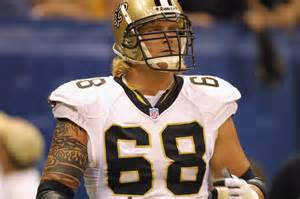
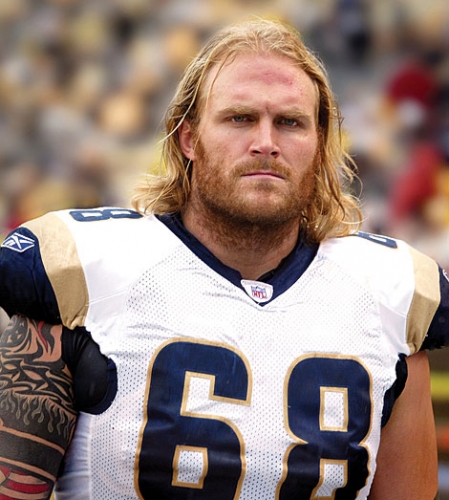
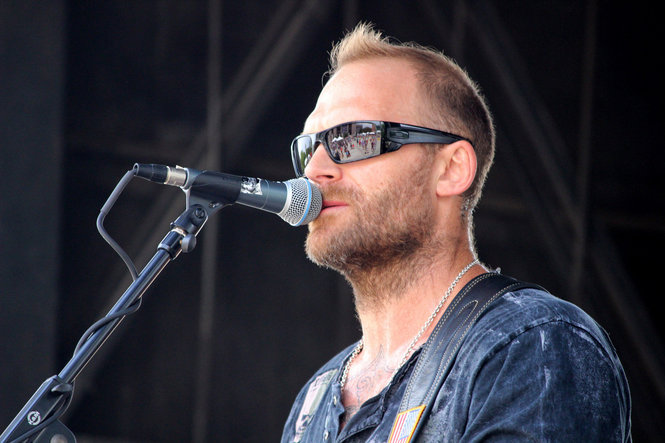
putthis_on_calendar_clip_artKyle Turley, former football player for the New Orleans Saints, the Saint Louis Rams, and the Kansas City Chiefs, will join me to discuss life after football while living with brain injury. As an offensive tackle, Kyle has had more than his share of concussions – leading to seizures and various Kyle-Turleybrain-injury complications, which have adversely affected his life. Kyle is picking up the pieces and assembling his life-puzzle by speaking out about brain injury. He does this through his music, The Kyle Turley Band, and his recent documentary, “The United States of Football.”12821083-standard

You can hear one of Kyle’s songs here. “Fortune and Pain.” It’s powerful!

Come One! Come ALL! 

What:        NFL Player, Kyle Turley, Brain Injury, Football, and Music

Why:        Kyle Turley SPEAKS OUT! about how brain injury affects his life.

Where:     Click: Brain Injury Radio Network

When:       Sunday, October 18th, 2015

Time:         5:30p PT (6:30p MT, 7:30p CT, and 8:30p ET) 80 minute show

How:         Click: Brain Injury Radio Network

Call In:    424-243-9540

Call In:     855-473-3711 toll free in USA

Call In:    202-559-7907 free outside USA

or SKYPE

If you miss the show, but would like to still hear the interview, you can access the archive on On Demand listening. The archived show will be available after the show both on the Brain Injury Radio Network site and on my blog in “On the Air” Show Menu.

(Clip Art compliments of Bing.)

SPEAK OUT! . . . . . . . . . . . . . . . . . Itty-Bitty GIANT Steps

SPEAK OUT! Itty-Bitty GIANT Steps

presented by

Donna O’Donnell Figurski

Itty-Bitty GIant Steps for BlogSPEAK OUT! Itty-Bitty Giant Steps will provide a venue for brain-injury survivors and caregivers to shout out their accomplishments of the week.

If you have an Itty-Bitty Giant Step and you would like to share it, just send an email to me at neelyf@aol.com.

If you are on Facebook, you can simply send a Private Message to me. It need only be a sentence or two. I’ll gather the accomplishments and post them with your name on my blog approximately once a week. (If you do not want your last name to be posted, please tell me in your email or Private Message.)

I hope we have millions of Itty-Bitty Giant Steps.

Here is this week’s Itty-Bitty GIANT Step

Dee Farrell 2 011415Dee Farrell (survivor)For the first time in a very long time, I am very proud of myself. I am two years post car accident, and I never thought it would be possible for me to ever get back on a horse after my injuries. Well, with a lot of hard work and encouragement from my family and caregivers, I recently achieved my dream of riding again. I still can’t believe it myself! I’m sure you know the roller coaster that comes with a traumatic brain injury, and there have been times I was close to just throwing the towel in because it was all too hard. For me, this is the moment when all my hard work paid off. A big “Thank You!” goes to Oliver for being a true gentleman the whole time.

YOU did it!

Congratulations to contributor!

(Clip Art compliments of Bing.)

As I say after each post:anim0014-1_e0-1

Please leave a comment by clicking the blue words “Leave a Comment” below this post.

Feel free to follow my blog. Click on “Follow” on the upper right sidebar.

If you like my blog, share it with your friends. It’s easy! Click the “Share” buttons below.

If you don’t like my blog, “Share” it with your enemies. I don’t care!

Feel free to “Like” my post.

Another Fork in the Road: Depression, Suicidal Thoughts, & Brain Injury

Fork in the Road copy

“Another Fork in the Road”

This category is an extension of my radio show, “Another Fork in the Road,” which airs at 5:30 pm (Pacific Time) on the 1st and 3rd Sundays of each month on the Brain Injury Radio Network. (See the “On The Air Show Menu” category for a list – with links – of all my shows, which are archived and thus always available.)

On the 1st Sunday of each month, I host a panel of brain injury survivors, caregivers, and/or professionals in the field. On these shows, my panelists and I examine topics pertaining to brain injury.

On the 3rd Sunday of each month, I host guests – brain-injury survivors, caregivers, or professionals in the field.

Since I spend countless hours in preparation for each show, I decided to share the knowledge that I gather with my readers.

Another Fork in the Road

Depression, Suicidal Thoughts, & Brain Injury

by

Donna O’Donnell Figurski

canstock16714646Depression is a state of mind that can cause long-term mental mood disorders. Everyone experiences sadness and unhappiness at times. That’s normal. Those feelings happen when something sad enters people’s lives or they experience grave disappointments. Normal life-events, like a pet dying, being passed over for a promotion, going through a divorce, or experiencing money problems, can trigger feelings of sadness. Usually with time, those feelings pass, and people move on.

But when there are unrelenting feelings of despair, usually coupled to at least one of the many telltale signs and symptoms of depression, then drastic measures need to be taken. Depression is devastating and can affect every aspect of daily living. Depression is pure agony resulting from desperation and the need to escape. It is constant; there is no relief. Unlike sadness or unhappiness, depression settles in to stay. It can last weeks, months, or even years. If not treated, depression can be deadly. But if a person seeks treatment, there are ways to diminish, and possibly even cure, depression.

I have never been diagnosed with clinical depression. Technically, I have never been depressed. But I have occasionally complained that I am “depressed” – using that word. I think everybody does. It’s a term we throw around too easily. When I’m feeling blue or down, I might say, “I’m depressed.” But I’m only experiencing a feeling of unrest or unhappiness for a short time. I have learned that there are ways for me to alleviate these uncomfortable and unwanted feelings with a few easy activities. I find if I remove myself from the environment that I am in, I can change my emotions. For example, if I am home when these feelings overwhelm me, I often will go to the store or run errands. Sometimes I will turn on uplifting music or talk to a friend. Exercise can usually jar me out of my doldrums. While I can change my mood when I’m sad, a truly depressed person can do so only with great difficulty.

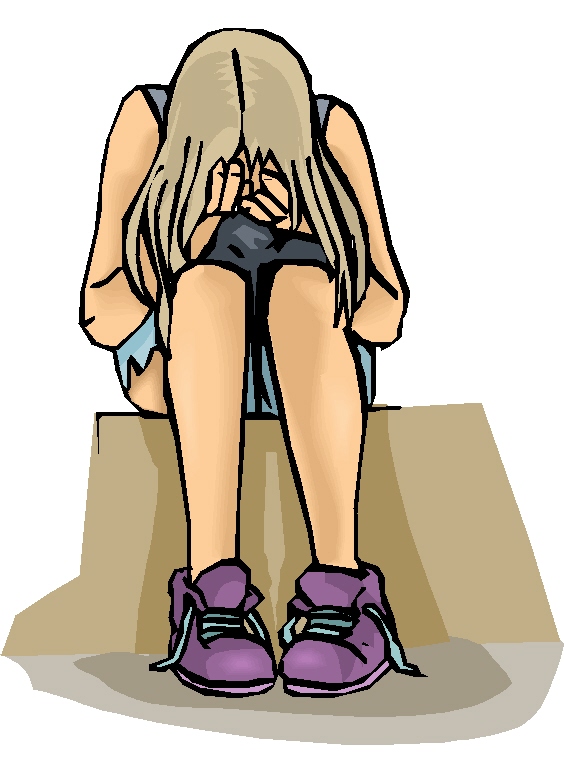
Depressed GirlSome signs and symptoms of depression are very intense feelings of unhappiness, anxiety, worthlessness, helplessness, lack of self-esteem, and/or lack of self-confidence. Depression can seriously impact sleep and eating habits. It can lead to a significant loss of energy, focus, or attention. A prolonged feeling of panic is also a sign of depression. A lack of interest in taking care of health needs may be indicative of depression. A person may start to withdraw from his or her family or friends or from the things he or she once enjoyed – essentially quitting the world. Defying fate (for example, doing things that are risky or death-defying, such as swimming too far out into the ocean or walking too close to the edge of a cliff) is a relatively obvious symptom, but what about overeating,Depressed Man overuse of alcohol, or drug use? If a person is talking about suicide or is making statements, such as “Everyone would be better off, if I weren’t here,” “I can’t take this anymore,” or even more blatantly, “I wish I were dead,” that person may be sending up a red flag. It may be the person’s way of begging for help.

Depression is not discriminating. It can happen to anyone. Actress Winona Ryder, Princess Diana, former Pittsburgh Steelers quarterback and four-time Super Bowl winner, Terry Bradshaw, and Barbara Bush, wife of a former United States President all suffered from depression. And the list goes on and on. Sometimes, people hide their depression, as with actor and comedian Robin Williams. I think we were all broadsided when Robin committed suicide in August 2014. Though Robin’s close friends saw signs of his depression, the rest of the world saw only a very accomplished actor who always had a smile on his face. His great acting skills spilled over into his personal life, and his greatest role was “the great deceiver.” I can’t imagine the pain his smile must have been covering up. Robin sought help and willingly admitted himself to treatment centers, but unfortunately that was not his salvation.th

Former San Diego Chargers linebacker and Hall of Fame member, Junior Seau, was deeply affected by depression after years of collisions with other players. Years of playing football ultimately damaged Seau’s brain and led to his suicide in 2012. Chronic traumatic encephalopathy (CTE) was the unequivocal diagnosis by the National Visger, GeorgeInstitutes of Health (NIH) from the study of Seau’s brain. Former San Francisco 49er, George Visger, lives daily with the complications of brain injury. (You can hear George’s story on my August 16, 2015 show. You can also read more about George on this blog.) Another former football player, Kyle Turley, who played for the New Orleans Saints, the St. Louis Rams, and the Kansas City Chiefs is Kyle Turleysuffering the ravages of brain injury and depression. (Kyle will be a guest on my show on October 18, 2015. He will discuss his life with brain injury and how he is redefining his new world.)

Depression is not an unfamiliar state for those who live with brain injury. And it’s not surprising. Brain injury turns lives completely upside down. Usually it’s difficult, sometimes impossible, for survivors to realize the extent of the damage done to their brains. Many times they are not the same person they were before the injury, and they have to face their limitations – cognitive, behavioral, emotional, and/or physical. Thinking back on a pre-brain-injury life and being aware of what was stripped away can easily lead someone to depression – and even to suicidal thoughts.

One way to help deal with depression after brain injury is to accept the “new” person who a brain-injured person has become. I have noticed in the Survivor SPEAK OUT! interviews on this blog that many survivors have stated that, once they accept their “new” persona, they have found more happiness. That isn’t to say that everything is okay. That isn’t to say that the brain-injured persons have given up. It’s just that the survivors have become more accepting of the persons they have become, and they will take those new persons to the limit.

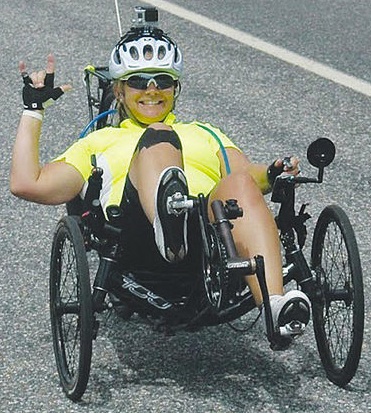
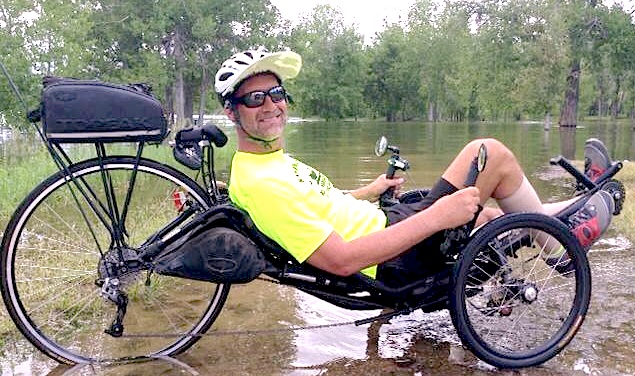
With her permission, I want to share the story of a friend of mine who used an additional method to help with her depression. Cat Brubaker was enjoying life as a young woman. She had completed college, and she was working in a position that she enjoyed. Then she became the victim of two brain injuries. These injuries left Cat feeling helpless and hopeless. With Cat confined to her home, the walls closed in on her, and she felt desperate. Cat’s loss of independence, the decline of her longtime relationships, and finally the death of her mother were too much, and she fell deeply into depression. She eventually entertained thoughts of suicide. But Cat found a way out of her trapped box when she discovered the joys of her recumbent cat-triketrike and met a new friend, Dan Zimmerman, a stroke survivor and also a recumbent trike rider. Cat and Dan set off last summer to cross the USA on their trikes. They rode their trikes from Anacortes, Washington, diagonally across the country to Key West, Florida – a trip that took them five months and was 5,400 miles. I’m not saying that everyone needs to get a trike and travel across the country, but I am pointing out that perhaps finding a new purpose in life can help shove depression into the background. The recumbent trike was the answer for Cat. Zimmerman, Dan Survivor 071015Riding her recumbent trike is something that Cat thoroughly enjoys and relies on for her mental health. Cat has made many new friends by riding her trike. She has even created a foundation, called “Hope for Trauma,” to help other brain-injury survivors. Cat’s story shows that, though people may feel the total helplessness and hopelessness that accompanies depression, it is sometimes possible to find a way to redirect their lives to find happiness.

There are other methods that may help alleviate the feelings of depression. Art Therapy also helps some folks connect with their inner selves. It usually also requires complete concentration, which can take the focus off the unwanted depressive feelings. Animal Therapy guarantees that one is never alone. Pets usually provide unconditional love, which a person suffering from depression could certainly use.

Technically depression is a chemical imbalance in the brain. It is not easy to turn off. So what can be done about depression? Two different types of health-care workers can help immensely: psychologists and psychiatrists.

PsychologistBoth psychologists and psychiatrists use psychotherapy, often referred to as “talk therapy” or “counseling.” Psychotherapy helps patients with mental health issues sort through their feelings, moods, and emotions. Through talk, a mental-health-care provider can guide or retrain a person’s mind to approach existing problems differently. The brain can actually change physically by talking about a problem. Psychotherapy can be effective with many different types of mental-health challenges, including anxiety, personality or mood disorders, problems with eating or sleeping, and various addictions. It can also address coping with life-altering situations, such as the ones that many brain-injury survivors live with daily. Realizing that they are not the persons they were before their brain injury is a major problem for many survivors. Not being able to return to the former life-style and having to redefine oneself can be devastating to a person who survives a brain injury. Often a brain-injured person wonders why he or she was saved. These kinds of thoughts can easily lead to depression.

Psychotherapy does not use medication. Both a psychologist (usually a Ph.D.) and a psychiatrist (an M.D.) use psychotherapy. A psychiatrist has been trained in the biology of the body and in neurochemistry, while psychologists focus more on the behavioral aspects of the person. Some patients may need stronger medical Doctor Womanassistance. Because a psychiatrist is a medical doctor, he or she can prescribe medication. Medications are getting better. The best ones are more targeted and thus have fewer side effects.

Research is very active and is greatly advancing our knowledge of depression. A recent NewsBit on this blog (“Depression Reversed in Mice”) reported that basic research has resulted in the curing of depression in mice. Memories are tagged with positive or negative feelings. Scientists have been able to activate specific neurons to induce a memory with its associated positive feeling to overcome depression. It will probably be a couple of decades before this kind of therapy will be ready for humans.

If you want to learn more about depression, the Internet is a marvelous tool for gathering information. There are countless sites, many very reputable, that examine this topic. Simply Google “brain injury” and “depression.” I can guarantee you will learn more than you could imagine.

Of course, if you or someone you know needs immediate help, don’t waste time on the web. Call 9-1-1 immediately.

There are also many depression and suicide hotlines. Here I name a few in the US that I found on the web. I really do not know anything about them, so I cannot endorse them. But I suggest that, if you have concerns about depression or suicide, you look into them in advance of any crisis.

Hotline-ICON-XS_optiHotlines

National Suicide Prevention Lifeline
800-273-8255
(suggested by the Mayo Clinic)

The Samaritans 24-Hour Crisis Hotline
212-673-3000

Crisis Call Center
775-784-8090

Most states in the US have mental health hotlines. Here is a site that has links to most state hotlines.

Suicide Hotlines

Depression is a common affliction of brain-injured survivors. It needs to be recognized as a serious and devastating illness, not as something one can “work through” himself or herself. The good news is that help is available. If you are suffering from depression or if you know someone showing signs of depression, I urge you to use it.

Listen to the October 4th show on depression.

(Clip Art compliments of Bing.)

As I say after each post: Please leave a comment by clicking the blue words “Leave a Commentanim0014-1_e0-1 below this post.

Feel free to follow my blog. Click on “Follow” on the upper right sidebar.

If you like my blog, share it with your friends. It’s easy! Click the “Share” buttons below.

If you don’t like my blog, “Share” it with your enemies. I don’t care!

Feel free to “Like” my post

Survivors SPEAK OUT! Brandy Hunter

Survivors SPEAK OUT! Brandy Hunter

presented

by

Donna O’Donnell Figurski

1 Brandy Hunter1. What is your name? (last name optional)

Brandy (Denise) Hunter

2. Where do you live? (city and/or state and/or country)

Blountsville, Alabama, USA (about an hour north of Birmingham and an hour south of Huntsville)

Email (optional)

BrandyDHunter@Gmail.com

3. On what date did you have your brain injury?

January 13, 2004

At what age?

I had just turned 24 years old. (My 24th birthday was November 20, 2003.)

4. How did your brain injury occur?

I was driving to work to a local restaurant (Ruby Tuesday). The highway on which I was driving is a four-lane. I was in the left (“fast”) lane. (I was driving a four-door Plymouth Neon.) The driver of a full-size pickup truck moved in front of me. He then slammed on his brakes, stopping his truck abruptly in front of my car. I swerved into the right (slow) lane so I could avoid hitting his pickup truck. I assume that I panicked – I either did not see the 18-wheeler driving in the lane I was “escaping” into or I thought I would be able to “beat” the truck. The pickup-truck driver did not stop or even look behind at the devastation he had caused. Witnesses say that that he sped up and went through the next 4-way stop.

5. When did you (or someone) first realize you had a problem?

The driver of the 18-wheeler truck ​climbed out of his rig ​to check on me. I was unresponsive, so he climbed into the car with me. (I “remember” seeing him cradling me – but I’m not sure that is possible because he THANKFULLY did not move me.) ​He began praying audibly. I recall this happening. I remember seeing it from above. I refer to it as an “out of body experience.” (DISCLAIMER: I believe in God, but I am not religious.)

6. What kind of emergency treatment, if any, did you have?4 Brandy Hunter

Paramedics and fire fighters were quickly on the scene. (The accident happened close to where a volunteer firefighter lived – thankfully.) I had a chest tube inserted for a collapsed lung. A “Life-Saver” helicopter transported me to UAB Hospital in Birmingham, Alabama (at the University of Alabama). The accident occurred around an hour (driving time) away from the hospital. When I was admitted into the hospital, it was determined that I had a traumatic brain injury (TBI). (The first responders had thought I had a TBI, as we were told months later, because I had what is referred to as “doll’s eyes” at the scene.) In the Emergency Room and in the hospital, a breathing tube was inserted, and two tubes were inserted into my right frontal lobe to drain fluid. I had a C2 fracture of the spine. Therefore, I had a brace placed around my neck to keep me from breaking the vertebrae. I wore the neck-brace for about six months.

7. Were you in a coma? If so, how long?

I was medically induced into a coma, and, of course, I fell into one soon after. I remained comatose for approximately five weeks. My score on the Glasgow Coma Scale was 7 or 8, if I am recalling correctly. I know it was a dangerous score.

8. Did you do rehab? What kind of rehab (i.e., inpatient or outpatient and occupational and/or physical and/or speech and/or other)? How long were you in rehab?

As a patient, I had occupational, physical, and speech rehab for about two months. After I was released from the hospital, the therapies then continued at an outpatient facility for around two years. I also had a couple of months of voluntary speech therapy about three ​years after my outpatient therapies ended.

9. What problems or disabilities, if any, resulted from your brain injury
(e.g., balance, perception, personality, etc.)?

My memory was impaired for several years after the injury occurred. I would forget the things that happened two minutes prior. Then it was five minutes prior – then fifteen minutes – then hours – and then days. Slowly, I began to recall things more easily. I still get days mixed up. I might believe something occurred several weeks ago, when in reality it happened one or two days ago. I wasn’t able to remember much of the 3-6 years prior to the accident because my brain injury was so severe. It’s now hazy, but I can remember those incidents when my memory is triggered by a smell, a sound, or something else that is considered minor. (The brain is an amazingly complex, yet simple thing.)

Although it has been eleven years since I sustained brain damage, I still have trouble with my balance. I almost always have to hold onto a handrail when climbing and, especially, descending a set of stairs. My balance isn’t nearly as troublesome for me as it was, though. When I am shaky, when I run into things (due to a problem in spatial reasoning), when my speech is slurred, or when dysplasia occurs (saying one thing, but meaning another – usually substituting for the correct word another word that has absolutely nothing to do with what is being said), it is because I am tired. Mom says my brain is overworked and needs to rest. Dad compares my brain to a computer and says that it needs to “reboot.”

My perception is altered a bit (but not enough to hinder my ability to drive a vehicle legally).

My personality is sometimes dramatically changed. I express anger differently. I no longer find certain things humorous like I did before. However, when I do find something funny, it is difficult for me stop giggling. Before the TBI, I would cry “at the drop of a hat.” I rarely cry now. I believe it is because I unintentionally “taught” myself to hold back emotions like that because my speech is very difficult to understand if I am crying when I talk. My always-short patience seems to have been negatively affected. I would once say, “I don’t want (it) yesterday; I want (it) the day before yesterday!” Since the accident, I want (it) three days before yesterday!

10. How has your life changed? Is it better? Is it worse?

My life has changed for the better in some ways. (Maybe the reason is also due to maturing.) I have done things I never would have done before. I moved to Long Island for three years. I’ve learned who my TRUE friends are. I’ve accepted and admitted (to myself and others) romantic feelings for “old” friends. I’ve given one man “a chance” that I never did before (and now we are planning to marry one another).

My life is also worse in some ways because I have a hard time controlling my emotions. (For example, I succumb to anger much more easily.) I hate that I am able to control my once-considered “soft heart” where other people are concerned. Also, I am now much more sensitive. I take things personally more often than I once did – I no longer let things “roll off of my back.”

11. What do you miss the most from your pre-brain-injury life?5 Brandy Hunter

I miss my voice.

I miss being able to multitask.

I miss being able to work as a “deejay” and have a radio show (sort of the same as my previous answers).

I miss being able to accomplish more than one thing per day. It is tiring for me if I try to go to the store AND go see my grandparent. Add another task in there, and I am spent!

I miss the way I didn’t have such a “wild-eyed” look in photos.

12. What do you enjoy most in your post-brain-injury life?

I enjoy that I am more willing to accept that I am wrong. Honestly, I like the feeling I get when I admit that I’m wrong. I like that I’m more apt to say, “I’m sorry,” as opposed to allowing my pride to win.

I am grateful that I no longer take little things for granted.

I am grateful that I now enjoy the company of dogs. I was once a “cat person.” I still love cats, but I truly do not know how I would have gotten through the past several years (finishing my college degree, etc.) without the love of my “babies,” Coco and Whiskey. I am not as keen on having children as I once was. I used to say that I wanted a house FULL of kids. Now I am happy with my “chi-weenies” as my only children.

13. What do you like least about your brain injury?

As previously mentioned, I dislike how much my voice has changed. I do not like that, due to dexterity issues, my handwriting is sloppy. I don’t really enjoy having to wear glasses for more than reading. But, it is what it is. At least I’m here and able to complain (and understand why I am complaining).

14. Has anything helped you to accept your brain injury?

I now accept the differences in my life since the TBI. I have learned to accept the difficulties I have now (and will always experience). I finally (and regrettably) accepted that my life will never again become the life I had before the TBI. Knowing that other people (some of them, anyway) understand how my personality is NEVER going to be the same allowed me to learn to accept my new personality too. I was always a proud, strong girl and having my plans (or really “lack of plans” – remember, I expected things to just “fall into my lap”​) altered so severely fueled my desire to become a prouder, stronger WOMAN.

15. Has your injury affected your home life and relationships and, if so, how?

My home life is different, since I no longer live with my parents (partly due to an angry outburst I had). My relationship with my mom has been forever changed. My inability to have a strong hold over my reactions/words when I’m angry enabled Mom to see a side of me that I always kept to myself. I regret the reasons things have changed, but I think the ways in which they did are for the better – in BOTH our lives. I am unable to “think before I speak.” Therefore, I often say words I do not mean to people I love, so that I can be “heard.”

16. Has your social life been altered or changed and, if so, how?

Yes, my social life was altered greatly. I was once a very popular person with multiple invites to different places, often happening at the same time. I would have to turn off the ringer on my phone in order to take a nap, or even to get a little sleep. People would show up at my house unannounced at any hour.

When I got out of the hospital, people only wanted to visit me out of curiosity. They were curious as to how a brain-injured person looked. I don’t have any scars from the accident. I look exactly the same – luckily. I only have scars from the people who worked so diligently to save my life. Those scars are minor, too. My visitors assumed that, because I was home and looked the same, I was completely “normal” again or that I was the same person they so fondly remembered.

3 Brandy Hunter17. Who is your main caregiver?

My mom was my primary caregiver, with help from my (step)dad when he wasn’t at work. I have lived with a roommate since September 2006, including my current boyfriend since August 2011. The two of us traveled to England, where we lived together for three months.

Do you understand what it takes to be a caregiver?

Yes. I understand that my parents had to halt their own lives so I could have a semi-“normal” one myself. I will never be able to aptly express my gratitude to either of them for their unwavering love.

18. What are your plans? What do you expect/hope to be doing ten years from now?

I would like to begin writing on a regular basis.

I do not wish to work outside the home; I am no longer able to prioritize my time. [I have tried to disprove doctors and family and actually work with the public. At one job, I was a cashier at the busiest grocery store on Long Island. The store worked with me and allowed me to have four-hour shifts because my brain would tire out. I worked for almost one year before I was fired for my cash-register drawer coming up short a few times. I had a caseworker come in and fight for me to at least still have a job with the company. I tried working in the floral department (no cash was handled), but I had to quit after about one month. Also, while on Long Island, I worked at Macy’s. I ran a register for three days. I informed the woman who hired me that the job was far too “fast-paced” for me, and regrettably I would have to quit. (I sincerely thanked her for her giving me a chance. She understood because her husband was a TBI survivor.) She gave me a job as a “recovery specialist.” I moved items from the storage rooms to the sales floor. I would put products that were moved by customers back into the correct places. I did that for four hours a day. In both aforementioned jobs, I would work Mondays and Tuesdays for four hours a day. I would have Wednesdays off and then work four hours a day on the following Thursday and Friday. I moved back home to Alabama after I finished my degree online. (I began it while living in New York.) I got a job working as a “pizza maker” at Papa John’s. (I had that job years before the accident.) Apparently, I was not working quickly enough, so I was fired from that job. I had never been fired from a job until the grocery store in New York and later Papa John’s in Alabama. A few months later, I began to look after a 3-year-old boy while his parents worked. That little boy was rambunctious! But for some reason, I was very patient with him. For example, he would tell me he needed to go to the bathroom. So, I would get him situated and walk outside the room to give him privacy. He normally would go without a problem. One particular day, he refused to go after telling me that he needed to. I would not allow him to leave the bathroom until he used the toilet. He got so tired that I made him sit down until he decided to go. My tenacity proved to be a positive thing with this child. We also went through the same thing after he got up and I told him to wash his hands. It wasn’t nearly as difficult because he KNEW I was not giving up. I mostly despise how my brain gets focused on something, but with this child, my focus was a good thing. I also worked at Babies-R-Us for five months. Again, I worked in BOH (back of house). I would run a register occasionally. I quit that job after five months because my now-fiancé took me to Bristol, England, for three months. That was an opportunity that I could not pass up.] When we returned to the States after living in England, my boyfriend said I could be a housewife if I did not wish to work outside of our home. I once never would have imagined that sort of thing bringing me happiness. Now, I am so uberly happy and oh-so-lucky to have his love and understanding.

19. Are you able to provide a helpful hint that may have taken you a long time to learn, but which you wished you had known earlier? If so, please state what it is to potentially help other survivors with your specific kind of brain injury.

Accept the challenges you now face daily. Don’t think you will become who you were pre TBI. (As one of my doctors in the hospital would constantly say, “THIS IS NOT TV.”) Difficult as it is, strive to acknowledge that you are no longer exactly like the person you were. You have differences. Learn how it is best for you to handle them and share what you’ve learned with those who are in your everyday life. Acceptance of the “new you” is crucial to being happy in your future. Also, allow the help that people offer. At the same time, do as much independently as you are able.

20. What advice would you offer to other brain-injury survivors?

Don’t dwell on the way life WAS; make the best of the life you still have. Create what is “normal” for you – a survivor. Never accept the “normal” for other survivors. Admit it when you realize that you are wrong. “I’m sorry” is a phrase that will help you with your relationships (be they familial, romantic, or even friendly).

Do you have any other comments that you would like to add?2 Brandy Hunter

Pre TBI, I took life for granted. Even though I was grateful for the life I was given/chosen, I did not actively pursue the things that I wanted. Rather, I expected everything to just “fall into my lap.” Post TBI, it’s taken me almost ten years to realize that there’s no shame in having to work harder at something that WAS simple pre TBI. [I have since attended a traditional university – thanks to my mom and dad, who drove me to classes taught at a university that is ​25 minutes from our home. I made As and Bs studying Broadcast Communication. (Before the injury severely affected my speech, I was an on-air personality for a large-market FM radio station. I was also a producer for a popular morning-show team. My on-air name for that show was “1/2 Pint.”) I finished my degree online through Ashford University, and I obtained a Bachelor of Arts degree in Communication Studies when I finished my education online at Ashford. (I lacked one semester and an internship in order to graduate from the original university.) I made the Dean’s List each semester I was enrolled at Ashford, and I graduated college with a 3.79 GPA.​]

Read Brandy’s Guest Blog post on my blog at, “I Am Blessed.”

Click here to learn more about Brandy Hunter.

Click here to read Brandy’s blog, Brandy’s Brain.

For the sweetest video about Brandy and her Mom, click here. Because She Loved Me . . .

(Disclaimer: The views or opinions in this post are solely that of the interviewee.)

If you would like to be a part of the SPEAK OUT! project, please go to TBI Survivor Interview Questionnaire for a copy of the questions and the release form.

(Clip Art compliments of Bing.)

(Photos compliments of contributor.)

As I say after each post: Please leave a comment by clicking the blue words “Leave a Commentanim0014-1_e0-1 below this post.

Feel free to follow my blog. Click on “Follow” on the upper right sidebar.

If you like my blog, share it with your friends. It’s easy! Click the “Share” buttons below.

If you don’t like my blog, “Share” it with your enemies. I don’t care!

Feel free to “Like” my post.

On The Air: . . . . . . . . . . . . . . . . . . Brain Injury Radio “Another Fork in the Road” Janiece Naber Martindale “Caregivers Need Care Too”

On The Air: Brain Injury Radio “Another Fork in the Road” 

with

Janiece Naber Martindale

Topic: Caregivers Need Care Too

presented

by

Donna O’Donnell Figurski

Martindale, Janiece NaberJaniece Naber Martindale knows a lot about caregiving. She is a two-time caregiver – first for her husband, then for an elderly friend. Janiece says that her caregiving responsibilities were very different for each person. Janiece and I examined what it takes to be a good caregiver.

If you missed this show, “Caregivers Need Care Too” on “Another Fork in the Road” with Janiece Naber Martindale anoon September 20, 2015 don’t fret. You can listen to the archived show here. Click the link below.

See you “On the Air!”

On The Air: Brain Injury Radio “Another Fork in the Road” with Janiece Naber Martindale: “Caregivers Need Care Too”

(Clip Art compliments of Bing.)

As I say after each post: Please leave a comment by clicking the blue words “Leave a Commentanim0014-1_e0-1 below this post.

Feel free to follow my blog. Click on “Follow” on the upper right sidebar.

If you like my blog, share it with your friends. It’s easy! Click the “Share” buttons below.

If you don’t like my blog, “Share” it with your enemies. I don’t care!

Feel free to “Like” my post.

Survivors SPEAK OUT! . . . . . Debra Cody

Survivors SPEAK OUT! Debra Cody

presented

by

Donna O’Donnell Figurski

Deb Cody Post accident1. What is your name? (last name optional)

Debra Cody

2. Where do you live? (city and/or state and/or country) Email (optional)

Ailsa Craig, Ontario, Canada     debcody63@gmail.com

3. On what date did you have your brain injury? At what age?

I was 47 when I was diagnosed, but I was 42 when I had my first concussion.

4. How did your brain injury occur?

I suffered four concussions over a five-year span.

5. When did you (or someone) first realize you had a problem?

It was clear I had a problem about four months after my last concussion in 2010, but my mother and my husband say they noticed a difference in me about two years before that.

6. What kind of emergency treatment, if any, did you have?

I was assessed in the Emergency Room after the first, second, and fourth concussions. I was always told to go home and rest for a couple weeks for the concussion. I opted not to go to the hospital after the third one because I knew I would just be told to go home and rest. For the fourth one (after the car accident), I was taken to the hospital by ambulance, as the concussion (according to the doctor) was “the least of my worries.” I had other injuries that needed surgery, a tracheotomy, and a G-PEG (gastric tube that leads directly to the stomach for feeding).

7. Were you in a coma? If so, how long?

No

8. Did you do rehab? What kind of rehab (i.e., inpatient or outpatient and occupational and/or physical and/or speech and/or other)?

Yes. I was in an outpatient treatment program.

How long were you in rehab?

I have been in the program for three years now.

9. What problems or disabilities, if any, resulted from your brain injury
(e.g., balance, perception, personality, etc.)?

I have headaches. I tire easily. My personality was affected. I have issues with perception, hearing, anxiety, depression, confusion, and vertigo.

10. How has your life changed? Is it better? Is it worse?

I like to say that “life is my oyster and my brain injury is the pearl.” My life started out as worse, but it has slowly gotten better. My life is quieter now. I am less socially active than I was before, but I am finding (TBI). I am careful about how I choose to spend my time, as I have so little “functioning” time to spend.

11. What do you miss the most from your pre-brain-injury life?

“Me”

12. What do you enjoy most in your post-brain-injury life?

I enjoy having the awareness of how valuable time truly is.

13. What do you like least about your brain injury?

My limitations

14. Has anything helped you to accept your brain injury?

Counseling and the love and support of my husband and children have helped me to accept my TBI.

15. Has your injury affected your home life and relationships and, if so, how?

My home is quieter, and we have gotten rid of a lot of things. I get over-stimulated easily, so we streamlined our home. My relationships have changed greatly. There are fewer people in my life – I found that family and friends stopped coming around and calling. Slowly, over that past eight months, I am seeing some of “The Lost” coming back. Over all, people found the changes in me hard to understand and accept.

16. Has your social life been altered or changed and, if so, how?

I go out less, and I am careful about the events I attend. It takes a lot of planning and preparation for me to go somewhere. The spontaneity is gone from my life.

17. Who is your main caregiver? Do you understand what it takes to be a caregiver?

My husband is my main caregiver. I don’t go far without him. I truly do understand what it takes to be a caregiver. (It helps the understanding that I am the mother of four children.)

18. What are your plans? What do you expect/hope to be doing ten years from now?

My plans are to keep moving forward. I look back to where I was four years ago, and I know that I never want to go back there. The only way to prevent that is to keep “getting better.” As for ten years from now, I don’t know. I have become a “one-day-at-a-time” person. What I can say is that I hope to see that I have been able to reclaim some of my independence.

19. Are you able to provide a helpful hint that may have taken you a long time to learn, but which you wished you had known earlier? If so, please state what it is to potentially help other survivors with your specific kind of brain injury.

My advice is to be gentle with yourself. I lost a lot of time trying to “force” myself to be who I once was.

20. What advice would you offer to other brain-injury survivors? Do you have any other comments that you would like to add?Deb Cody Pre accident

Planning, preparation, and pacing are huge in my life now. On days when I think I am “Superman” and can “fly” by the seat of my pants, the “kryptonite” (my brain injury) “defeats” me every time! The three things above will make your life so much easier. Look for something good in every day. Remember to celebrate your accomplishments, no matter how small they may seem to others. And, be gentle with yourself. It takes time to create something as amazing as you are going to be!


(Disclaimer: The views or opinions in this post are solely that of the interviewee.)

If you would like to be a part of the SPEAK OUT! project, please go to TBI Survivor Interview Questionnaire for a copy of the questions and the release form.

(Clip Art compliments of Bing.)

(Photos compliments of contributor.)

As I say after each post: Please leave a comment by clicking the blue words “Leave a Commentanim0014-1_e0-1 below this post.

Feel free to follow my blog. Click on “Follow” on the upper right sidebar.

If you like my blog, share it with your friends. It’s easy! Click the “Share” buttons below.

If you don’t like my blog, “Share” it with your enemies. I don’t care!

Feel free to “Like” my post.
About Me and My Blog!

SPEAK OUT! for Brain Injury 

Donna O’Donnell Figurski

Writer, Blogger, Radio Host, Speaker

1 Donna Featured PhotoWRITER

My completed memoir, “Prisoners Without Bars: A Caregiver’s Story,” starts the minute my husband, David, had his brain injury. He was exercising. He did one more chin-up than his normal twelve. That dreaded thirteenth changed our lives forever. The story carries the reader through three unwanted brain surgeries – none of which David was expected to survive and which reduced him to an infantile state. “Prisoners Without Bars: A Caregiver’s Story” portrays David’s first eighteen months of struggles through recovery, therapy, and rehabilitation, while heralding his strength and persistence. I have included an epilogue to bring the reader up to date on David’s recovery and David added his flair to the story and his personal touch by writing the afterword. “Prisoners Without Bars: A Caregiver’s Story,” documents my dedication to helping David recover and details how we picked up the pieces and glued our lives back together. The story will make you laugh. No – brain injury is not funny, but life without humor during recovery from brain injury would be unbearable. It will also make you cry. No doubt! But, mostly it will offer hope to brain-injured survivors, their caregivers, and their family and friends. “Prisoners Without Bars: A Caregiver’s Story” is my completed memoir currently searching for an agent

I have four stories published for children in three books with Scholastic in their Education Department. Also, three biographies about notable Native Americans are scheduled for publication in two anthologies in early 2016.

BLOGGER2 Donna Collage

My blog, Surviving Traumatic Brain Injury, was the brainchild born from my realizing how many people are living with brain injury. At least 5.3 million people, just in the United States alone, are affected by brain injury. That is an astounding number! After being a part of this huge community for almost ten years, I knew I had to raise my voice, and I realized I could use my writing skills to reach a large audience.  Social media was not yet a part of folks’ lives when David had his brain injury, so we invented our own wheel. But now, with so many social media sites where brain-injury survivors, their caregivers, and their family and friends can search for information, I felt it was senseless for them to invent their own wheels. I wanted to help. The blog began with the Survivors SPEAK OUT! interviews, which gave survivors a voice, using my blog as their stage. That venue became hugely successful, and soon the Caregivers SPEAK OUT! interviews evolved. Soon after, many more categories followed as I saw a demand for them. The categories are listed below with a brief description.

BLOG CATEGORY DESCRIPTIONS3 Donna Collage

Brain Injury Resources

The Brain Injury Resources category houses various informational topics, including books, movies, documentaries, facts, and research about brain injury.

Caregivers SPEAK OUT! Interviews

Read interviews from caregivers of brain-injured survivors. If you are a caregiver, this is where you can tell your side of the story. Look for the Caregivers SPEAK OUT! Questionnaire below.

 Caregivers SPEAK OUT! Questionnaire

This is the Caregiver Questionnaire. It’s easy – just fill out the 20-question template. (All the directions are on the page.)4 Donna Collage

SPEAK OUT! Faces of Brain Injury

Meet brain-injured survivors and their caregivers on “Faces of Brain Injury.” Their candid and heart-wrenching stories will help readers understand the serious implications and complications of living with brain injury.

 If you’d like to share your story on “Faces of Brain Injury,” please send it to me at neelyf@aol.com. I’d be happy to consider it. (Please put “Faces of Brain Injury” in the subject line.)

 SPEAK OUT! Guest Bloggers

Everyone has a story. In this section, Guest Bloggers can SPEAK OUT! about topics relevant to brain injury and special to them.

 If you have a Guest Blog you’d like to share, please contact me at neelyf@aol.com. I’d be happy to consider it. (Please put Guest Blogger in the subject line.)

SPEAK OUT! Itty-Bitty GIANT Steps

When you are living with a brain injury, no accomplishment is too small. ibGs provides a platform for brain-injury survivors and their caregivers to shout out their BIGGEST (or smallest) recent accomplishment. Share yours now!

Send it to me at neelyf@aol.com. I’d be happy to consider it. (Please put Itty-Bitty GIANT Step in the subject line.)

My Book: “Prisoners Without Bars: A Caregiver’s Story”

You can read about my book under “Writer” above.

SPEAK OUT! NewsBits

NewsBits is the place to go to find out the latest in the news about brain injury. 5 Donna Collage(Well, it was the “latest” when I published it. I’m sure it’s still interesting, though.)

On The Air: Brain Injury Radio “Another Fork in the Road” 

My radio show, “Another Fork in the Road,” airs the first and third Sundays of each month at 5:30pm Pacific Time. The show features brain-injury survivors and/or their caregivers. It also delves into the problems and issues that survivors and caregivers live with each day. Professionals, including therapists, are also interviewed on the show. If you can’t tune in to the live show, don’t fret. You can listen to the show anytime. It’s archived. Just find the show you want to hear and click the link. (“On The Air Show Menu” in the sidebar of my blog has a list of all my shows and provides their links.)

On the Air! Show Menu

This is the place to go if you are looking for a great show about brain injury. All of my shows are listed here with a link that will carry you directly to the station to listen. So, sit back, relax, and learn.6 Donna Collage

So, Whaddya Think?

Is there something you are passionate about in this brain-injury world? Do you want to be heard? Your opinion matters! You can SPEAK OUT! on “So, Whaddya Think?

Send your opinion piece to me at neelyf@aol.com. I’d be happy to consider it. (Please put So, Whaddya Think? in the subject line.)

Survivors SPEAK OUT! Interviews

Read interviews from brain-injured survivors from all walks of life. Brain injury is NOT discriminating. If you are a brain-injured survivor, this is where you can tell your side of the story. I’d be happy to consider it. Look for the Questionnaire Template below.

Survivors SPEAK OUT! Questionnaire

This is the Survivor Questionnaire. It’s easy! Just fill out the 20-question template. (All the directions are on the page.)

TBI Tales7 Donna Collage

The stories that are shared here by a variety of survivors and caregivers will make you laugh and cry – sometimes at the same time. They may delight you or they may shock you, but I can guarantee that the stories will offer you courage and hope.

If you have a TBI Tale you’d like to share, please contact me at neelyf@aol.com. I’d be happy to consider it. (Please put TBI Tale in the subject line.)

and Explore More …
You’re just going to have to click to find out. Go ahead! You know you want to.

RADIO HOST

Becoming a radio host had never entered my mind and may be just about the biggest surprise in my life. When I was approached to join the Brain Injury Radio Network on blogtalk radio, I was hesitant. Probably more like…are you kidding me? It took some convincing and a lot of soul-searching before I said, “Yes.”

I wondered what skills I had for this job, and I began to think – always dangerous. I had been a teacher for more than three decades, entertaining my audience of more than four hundred six- to eight-year-olds – teasing them into learning to “read, ‘rite, and do ‘rithmetic.” Believe me, teachers nearly stand on their heads to keep their little “twerpsters” entertained – a must, if you are going to keep their attention.8 Donna Collage

I am also in the theater and periodically climb onto the stage to cavort with other actors in front of hundreds of play-goers, so I thought maybe this radio-host thing might work. After all, if I can speak in front of hundreds of people who are directly in front of me, speaking to thousands of invisible listeners should be a cinch. So, yes, I decided to join the network.

Well, it’s not a cinch, and I still get the butterflies before each show, but as soon as my intro music plays, I am in the zone. My 80-minute show flies by, and when I invite my audience to tune in again in two weeks and the mics shut down, I savor the satisfaction of a job well done.

Since I’ve lived in the brain-injury world for more than ten years as the caregiver for my husband, David, I’ve learned a lot and was eager to share my knowledge with others. I’ve been with the network for more than a year now, and I have hosted more than twenty-seven shows.

You can listen to my radio show, “Another Fork in the Road,” on the Brain Injury Radio Network. My show airs the first and third Sundays of each month at 5:30pm Pacific Time. On my 80-minute show, I interview guests in the brain-injury world, including survivors and/or their caregivers, delving into their lives to better understand how they cope with daily living after brain injury. I invite folks from the medical professions, such as therapists, who are willing to offer suggestions and hope to survivors. I talk with folks in brain-injury communities, such as troops from the combat zones of recent wars and athletes from the battlegrounds of the playing fields. I address many topics pertinent to brain injury with my panel of brain-injury survivors and caregivers.

Tune in! Click on Brain Injury Radio and look for “Upcoming Broadcasts.” (My show will be advertised about two days before the first or third Sunday of each month.)

You can listen to the shows anytime. They’re archived. Just click on On the Air! Show Menu on my blog. See you “On the Air!”

SPEAKER9 Donna Collage

If you’ve read the section above about my being a radio host, you will already understand why I have chosen to become a spokesperson for brain injury. Though brain injury has been around for forever, it seems that it is finally coming to the forefront as our troops arrive home with traumatic brain injury – what the world is calling the “signature” wound of the Iraq and Afghanistan wars. Recently too, there is a lot of attention to the head traumas that many football players have received, resulting in serious repercussions for them, such as memory loss, unrestrained anger, and even early dementia. Sadly, many players have completely lost hope and have resorted to suicide. Of course, with the baby boomers reaching their “golden” years (and some not so golden), they are finding that many of them and their loved ones are requiring caregivers in their lives simply to manage day-to-day living. And that’s where I come in. With my knowledge and experience of being a caregiver for my husband, David, for more than ten years, I have learned a fair bit and would like to share my knowledge to help others.

Need a speaker? My 90-minute PowerPoint Presentation, “What Caregivers Need to Know,” is for anyone with a brain injury, anyone who is caring for a brain-injured person, or anyone with any interest in learning more about brain injury. For details or to schedule me for your event, please contact me at neelyf@aol.com.

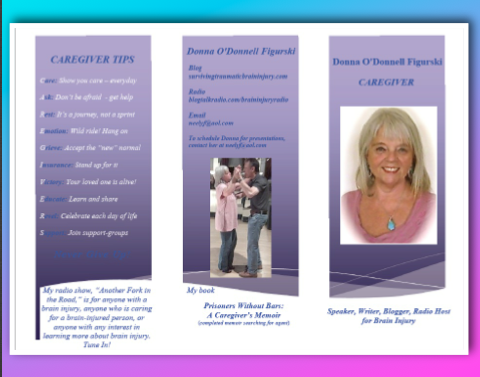
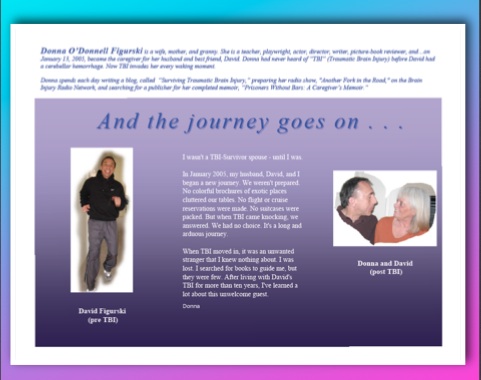
Below is my brochure.

Click on photos to enlarge.

10 Brochure 111 Brochure 2

Survivors SPEAK OUT! . . . . . . Anonymous

Survivors  SPEAK OUT! – Anonymous

(survivor requested anonymity for personal reasons)

presented by

Donna O’Donnell Figurski

th-11. What is your name? (last name optional)

Anonymous

2. Where do you live? (city and/or state and/or country) Email (optional)

Ohio, USA

3. On what date did you have your brain injury? At what age?

I was 28 years old.

4. How did your brain injury occur?

My ex-boyfriend pushed me over a balcony, and I hit my head on concrete.

5. When did you (or someone) first realize you had a problem?

People called 9-1-1, so it was within a few minutes.

6. What kind of emergency treatment, if any, did you have?

I had two craniotomies (removal of part of the skull to expose the brain). A pic line (also “picc line,” peripherally inserted central catheter) was added in my arm. I had a G-PEG (gastric tube inserted by percutaneous endoscopic gastrostomy; the tube leads directly to the stomach and allows direct feeding).

7. Were you in a coma? If so, how long?

I was in a coma for four days. The coma was medically induced.

8. Did you do rehab? What kind of rehab (i.e., inpatient or outpatient and occupational and/or physical and/or speech and/or other)?

I had occupational, physical, and speech therapies.

How long were you in rehab?

I did six weeks of inpatient therapy, followed by ten months of outpatient therapy.

9. What problems or disabilities, if any, resulted from your brain injury
(e.g., balance, perception, personality, etc.)?

I’m half deaf. I have problems with muscle weakness, memory loss, double vision, balance, discoordination, and loss of the brain’s executive function.

10. How has your life changed? Is it better? Is it worse?

My life is better now. I’m more loving to my family and my son. It seemed impossible at the time – I thought I’d be crippled.

11. What do you miss the most from your pre-brain-injury life?

I was in college to be an RN. At the time, I already had a good job helping people with their everyday needs.

12. What do you enjoy most in your post-brain-injury life?

I have a new appreciation for life. I know that life can end at any time, so I cherish each day. I don’t drink anymore. Therefore, I can now provide my son with whatever he needs.

13. What do you like least about your brain injury?Brain Street Sign th

I dislike forgetting words and names. I have a hard time with what I want to say to people. Often, I have short-term and long-term memory loss. Those things can be the hardest.

14. Has anything helped you to accept your brain injury?

My son and my family have helped me to accept my new changes by being caring and patient.

15. Has your injury affected your home life and relationships and, if so, how?

My brain injury has affected my home life by my having to find new ways to get around things. I have also learned that, while a relationship would be nice, I don’t have to be in one.

16. Has your social life been altered or changed and, if so, how?

My social life is now limited to walking in my small town and the occasional visit to the grocery store or department store to get only what I need

17. Who is your main caregiver? Do you understand what it takes to be a caregiver?

My mom is my main caregiver. She handles all of my finances, plus she’s been an Occupational Therapist for over twenty years.

18. What are your plans? What do you expect/hope to be doing ten years from now?

I would like to continue talking to people about the effects of alcohol, the effects of abuse, and how we can change all of that.

19. Are you able to provide a helpful hint that may have taken you a long time to learn, but which you wished you had known earlier? If so, please state what it is to potentially help other survivors with your specific kind of brain injury.

I wish I would’ve known what real abuse is – not only the physical aspects, but emotional and psychological abuses as well. Had I been aware of those, I would not have been injured in a way that completely altered my life.

Plus, let it be noted that no two traumatic brain injuries (TBIs) are ever the same.

20. What advice would you offer to other brain-injury survivors? Do you have any other comments that you would like to add?

I am a TBI survivor. We are all TBI survivors in our own ways. We don’t need to be in abusive relationships; we deserve all of the care in the world. My advice – don’t become a statistic of horrible abuse that could harm you. Everyone has the capacity to be stronger. I realize that now, and I hope that everyone does.


(Disclaimer: The views or opinions in this post are solely that of the interviewee.)

If you would like to be a part of the SPEAK OUT! project, please go to TBI Survivor Interview Questionnaire for a copy of the questions and the release form.

(Clip Art compliments of Bing.)

As I say after each post: Please leave a comment by clicking the blue words “Leave a Commentanim0014-1_e0-1 below this post.

Feel free to follow my blog. Click on “Follow” on the upper right sidebar.

If you like my blog, share it with your friends. It’s easy! Click the “Share” buttons below.

If you don’t like my blog, “Share” it with your enemies. I don’t care!

Feel free to “Like” my post.
diemodi jewelry

uniquely hand-crafted jewelry by donna

Welcome to Harmony Kent Online

The home of all things books

Pete Springer

Passionate Teacher and Future Children's Author

HOPE TBI

Helping Other People Excel - To Be Independent

For the Love of Books, Old and New

Katie Fischer, Writer and Reader of Stories

Charlie Bown

Children's Author

Jessica Hinrichs

“We write to taste life twice, in the moment and in retrospect.” ― Anais Nin

VIVIAN KIRKFIELD - Writer for Children

Picture Books Help Kids Soar

Mindy’s Writing Wonderland

For authors, parents, teachers & everyone who loves children’s books.

Kaitlyn Leann Sanchez

Literary Agent

Surviving Traumatic Brain Injury

TBI - Survivors, Caregivers, Family, and Friends

The Care Factor

Loving someone with a Traumatic Brain Injury

Brain Injury Support Group of Duluth-Extension

Brain Injury Information and SUPPORT

Brain Aneurysm Global Insight

Brain Aneurysm, cerebral hemorrhaging, hemorrhage stroke