TBI – Survivors, Caregivers, Family, and Friends

Posts tagged ‘Prisoners Without Bars: A Caregiver’s Story’

Survivors SPEAK OUT! Ventura Manzanares

Survivors SPEAK OUT! Ventura Manzanares

presented

by

Donna O’Donnell Figurski


Manzanares, Ventura Survivor 070515 1

Ventura Manzanares – Brain Injury Survivor

1. What is your name? (last name optional)

Ventura Manzanares

2. Where do you live? (city and/or state and/or country) Email (optional)

Denver, Colorado, USA     venzar2238@gmail.com

3. On what date did you have your brain injury? At what age?

I was poisoned by carbon monoxide between the ages of 4 and 9. The poisoning was from low-level dosages over time (five winters in Colorado). The rest of the year, I often played in the basement – near the pile of coal. Coal dust has arsenic. Furthermore, the heat pipes were wrapped in asbestos paper. I remember that, when the furnace was hot, little silver specks would pop off into the air. So, I got a triple whammy – carbon monoxide gas, arsenic dust, and asbestos dust.

4. How did your brain injury occur?

When I was one month old, I was abandoned by my parents. I was raised by my step-grandmother. I was sometimes beaten and sent to the basement to shovel coal to warm the house.

5. When did you (or someone) first realize you had a problem?

All through school, I remember being on-edge, fighting, and having rage blackouts. My brain would “spin.” (When you drive down the road and look at the wheels of the car next to you, every once in awhile, you get a glimpse of the hubcap. That was how my brain functioned.) I didn’t know at the time that I had brain injury. After many years, I just ignored it and tried to fake it until it passed. My brain injury wasn’t diagnosed until 2010 – during a check-up when I was living in a homeless shelter in San Francisco. Then I found the carbonmonoxidesurvivor.com website.

6. What kind of emergency treatment, if any, did you have?

I was never treated until 2011, fifty-nine years after I was poisoned. I was given an experimental drug – Depakote (a mood stabilizer) – for one year. It worked immediately and had a lasting effect. I still feel good to this day.

7. Were you in a coma? If so, how long?

No, but at times I did fall asleep. I remember waking up on the dirt in the basement. I also had the most painful headaches – cluster headaches on the right side of my head. My headache would last for days and take days to go away. (Cluster headaches last for periods of time. They are among the most painful types of headache known. Typically, they occur on one side of the head.). The headaches lasted from my teens into my mid-30s. I lost my life – my wife and daughter and also jobs – from those days.

8. Did you do rehab? What kind of rehab (i.e., inpatient or outpatient and occupational and/or physical and/or speech and/or other)? How long were you in rehab?

I have gone to a psychologist for most of my adult life, but the carbon monoxide poisoning was never addressed. My therapy now is EMDR (Eye Movement Desensitization Reprocessing) as well as binaural beats (non-musical sounds that can get your brain into a variety of desired states) and Hemi-Sync (an audio-guidance process that results in the left and right hemispheres working together) brain entertainment programs that I have installed on my smartphone. I can use them anytime I need throughout the day.

9. What problems or disabilities, if any, resulted from your brain injury
(e.g., balance, perception, personality, etc.)?

Tinnitus is a major issue in both ears – the ringing in each ear having a different frequency and volume. I suffer from throbbing and a sudden high-pitched ring that makes me deaf. I have to create a vacuum with my hands and pump out my ears to make it stop. I also experience nausea, dry heaves and a bubbling belly, and diarrhea – sometimes daily and several times a day. I get a feeling like I have an attached entity – like a heavy darkness – on the top of my head and on my face, throat, and chest. All these come in waves and last hours to days. I had always felt overwhelmed and stressed out. I could never keep a job for very long. Violence in my relationships and at work was my way of life.

10.How has your life changed? Is it better? Is it worse?

As I’ve gotten older, I have eliminated as much stress as possible. But, my family (three ex-wives and two daughters) all hate me. In the 90s, I was a lot worse. I would wake up sick for hours at a time. It is not as bad now after the Depakote treatment.

Manzanares, Ventura Survivor 070515 3

Ventura Mazanares – Brain Injury Survivor

11. What do you miss the most from your pre-brain-injury life?

I missed out on everything. I don’t have many good memories of my childhood. I don’t remember Christmases, my birthdays, or Thanksgivings. School was a blur of time. I do remember getting beat up by bullies. My second marriage was horrible. I was out of control and violent. I was stressed to the maximum of my mind.

12. What do you enjoy most in your post-brain-injury life?

I like that I have gotten smarter and more calmed-down. I want to live now. Before, I just wanted to be dead. I’m happy for the first time in my life.

13. What do you like least about your brain injury?

I dislike the tinnitus for sure. I get really tired of the throbbing and hearing the ringing. It wears me down. I also don’t like the nausea and the dry heaves, which have me gagging all the time.

14. Has anything helped you to accept your brain injury?

Yes. It has helped to know what caused it – carbon monoxide gas. I’ve also been helped by the carbonmonoxidesurvivor.com website. I thought I was insane, and so did everyone else. I finally have a reason why I have had so many problems all my life. I was a bad person with a bad brain. But, I knew I was a good person. I just didn’t know how to do life, until now.

15. Has your injury affected your home life and relationships and, if so, how?

Yes. Everybody hates me. They won’t accept the truth about carbon monoxide poisoning. My family life is destroyed. I haven’t seen my youngest daughter for sixteen years.

16. Has your social life been altered or changed and, if so, how?

I had no social life before because I was overwhelmed. I was like a leaf in the breeze – drifting and lost. Now I feel like getting out more. Also, I have met many wonderful, supportive people in the TBI (traumatic brain injury) networks on Facebook.

17. Who is your main caregiver? Do you understand what it takes to be a caregiver?

I have myself as a caregiver. I was employed as such when I was going to massage school in the early 90s. I did massage for twenty years. It gave some balance to my spinning brain.

18. What are your plans? What do you expect/hope to be doing ten years from now?

I am in the process of writing a book about my life with TBI. I hope to enjoy my retirement and my pathetic social security money. Maybe I’ll be living on a friend’s ranch and be at peace.

Manzanares, Ventura Survivor 070515 2

Ventura Manzanares – Brain Injury Survivor

19. Are you able to provide a helpful hint that may have taken you a long time to learn, but which you wished you had known earlier? If so, please state what it is to potentially help other survivors with your specific kind of brain injury.

Seek help immediately – no matter how little something may seem. Don’t take the “You’ll get over it” answer from anyone. You know what you need. Go get the answers, and save yourself.

20. What advice would you offer to other brain-injury survivors? Do you have any other comments that you would like to add?

Be gentle with yourself. Surround yourself with gentle, supportive people. It’s okay to do it alone sometimes. In not talking and dealing with others, we can hear ourselves. Go with your cravings – eat when you’re hungry and rest when you’re tired. Sometimes your body knows better than your mind.


(Disclaimer: The views or opinions in this post are solely that of the interviewee.)

If you would like to be a part of the SPEAK OUT! project, please go to TBI Survivor Interview Questionnaire for a copy of the questions and the release form.

(Clip Art compliments of Bing.)

(Photos compliments of contributor.)


As I say after each post:

Feel free to leave a comment by clicking the blue words “Leave a Comment” below this post.

Please follow my blog. Click on “Follow Me Via eMail” on the right sidebar of your screen.anim0014-1_e0-1

If you like my blog, click the “Like” button under this post.

If you REALLY like my blog, share it intact with your friends. It’s easy! Click the “Share” buttons below.

If you don’t like my blog, “Share” it intact with your enemies. That works for me too!

On The Air: Brain Injury Radio “Another Fork in the Road” . . . . . Grief After Brain Injury

On The Air: Brain Injury Radio “Another Fork in the Road”

Grief After Brain Injury

presented

by

Donna O’Donnell Figurski


images-1Grief is often an after effect of brain injury. It is experienced not only by the survivor, who may have lost his or her “old” self and is trying to adjust to his or her new world, but also by those who have frequent contact with the survivor. As we know, brain injury affects ALL members of the family, who are often the caregivers.

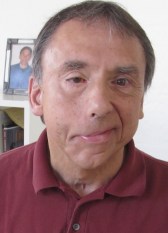
Lisabeth Mackall Book 061215

Lisabeth Mackall caregiver & author

Panelists, Sandra Williams (both survivor and caregiver), Dr. David Figurski (survivor), and Lisabeth Mackall (caregiver) joined me to discuss the topic of GRIEF. We examined the feelings of the family as they adjust to their loved one’s change, as well as discussed the stages of grief as outlined by Dr. Elisabeth Kübler-Ross in her book entitled, “On Death and Dying.”

12200687_895719387130278_18176772_n

Sandra Williams survivor & caregiver


David

David Figurski survivor


If you missed this show about “Grief After Brain Injury” with Lisabeth Mackall (caregiver), Sandra Williams (survivor and caregiver), and David Figurski (survivor) on March 6th, 2016, don’t fret. You can listen to the archived show here. Click the link below.

See you “On the Air!”

On The Air: Brain Injury Radio “Another Fork in the Road” Grief After Brain Injury

(Clip Art compliments of Bing.)

(Photos compliments of guests.)

As I say after each post: Please leave a comment by clicking the blue words “Leave a Commentanim0014-1_e0-1 below this post.

Feel free to follow my blog. Click on “Follow” on the upper right sidebar.

If you like my blog, share it intact with your friends. It’s easy! Click the “Share” buttons below.

If you don’t like my blog, “Share” it intact with your enemies. I don’t care!

Feel free to “Like” my post.

Survivors SPEAK OUT! Chelsea Rolph

Survivors SPEAK OUT! Chelsea Rolph

presented

by

Donna O’Donnell Figurski


chelsea rolph

Chelsea Rolph – Brain Injury Survivor

1. What is your name? (last name optional)

Chelsea Rolph

2. Where do you live? (city and/or state and/or country) Email (optional)

Toronto, Ontario, Canada

3. On what date did you have your brain injury? At what age?

I have unfortunately had many traumatic brain injuries (TBIs). My first one happened when I was roughly 5. I have also had a concussion at 17 and two more at 18.

4. How did your brain injury occur?

My first TBI happened because I wasn’t wearing my seatbelt properly. Somebody hit my dad in a parking lot, and I flew out of my seat and hit my head on the seat in front of me. My later TBIs happened because of my favourite sport – basketball. You see, sometimes I get competitive. Sports were also my way of releasing any built-up anger I might have. I would let it all out on the court. One day, I was going for a ball, and I got an elbow in my temple. I blacked out for a minute, but I convinced my coach and the refs that I was okay. I kept playing until my coach noticed that something about me wasn’t right, and he took me off the court. After the game, I was taken to the hospital to get checked out. That was where they told me that I have a TBI and that I should relax – take time off from school and sports.08172116cc812061b05e6a42350f7002

My later TBIs were the ones that really affected me. I remember being in a basketball game (the second of the season), and we were down by 1 point with 44 seconds on the clock. I had a lane. I drove to the net, went up for my layup, and then darkness. I was out. I woke up lying underneath the net and feeling so confused. My coach and the ref were standing by me. I was immediately taken to the hospital. I remember that my eyes were doing weird things, such that the doctor called other doctors to take a look. I actually took time off from school that time. However, I was banned from sports for the rest of my life. I was told that, even with a helmet, I would still suffer from concussions.

5. When did you (or someone) first realize you had a problem?

I knew the injury was serious when I started blacking out. I was also really sensitive to light. I remember that the day after I hit my head, I woke up and I was blind. I opened my eyes, but all I could see was darkness. It was a really scary feeling. I called for my mom, and she took me back to the hospital.

6. What kind of emergency treatment, if any, did you have?

I never had any emergency treatment. However, I was tested for anything and everything. I was given an MRI (magnetic resonance imaging), a CT (computerized tomography) scan, ECGs (electrocardiograms), an EEG (electroencephalogram), and a stress test. I had ECT (electroconvulsive therapy). I wore a heart monitor for a week. They did a sleep study on me, and I was given a neuropsychological test. Some of these tests gave me answers, and some did not.

7. Were you in a coma? If so, how long?

I was never in a coma. I just had seizures and random blackouts.

8. Did you do rehab? What kind of rehab (i.e., inpatient or outpatient and occupational and/or physical and/or speech and/or other)? How long were you in rehab?

I was in outpatient rehab in Hamilton, Ontario. That hospital is the reason why I had answers. I went there for roughly one year. I was on a fast track because my goal was to discover if I was able to go to school. Basically I spent my summer in the hospital to do the tests and to get the results.

Chelsea Rolph 2 Survivor 061415

Chelsea Rolph – Brain Injury Survivor

9. What problems or disabilities, if any, resulted from your brain injury
(e.g., balance, perception, personality, etc.)?

I had a lot of problems. The one that affected me the most was the fact that I would pass out if I got my heart rate up. I was no longer able to play sports with my athlete-friends. I also noticed a huge shift in my personality. I used to be a very happy-go-lucky person. I wanted to be a Social Worker and help others. After my TBI, I became a huge jerk! I was always moody, I stopped caring about things, and I altered my personality so I wouldn’t let things affect me. I kept myself from getting attached to things I care about. I loved basketball, and in one second all of that was taken away from me. I still suffer from this. I have made myself an emotionless robot. I also stopped wanting to be Social Worker because I realized that if I couldn’t help myself, then I couldn’t possibly help others. I had to get bifocals. (I was having a hard time adjusting from up-close visuals to things far away.) I also had a hard time with my memory. I used to be in acting, and I could memorize a script easily. However, I was not able to remember what I read. My short-term memory was severely affected. My doctor referred to me as “an old computer.” (I had the information needed, but it took a while to get to me. I kept buffering.) I lost my abilities to multitask, to focus, and to sit still. My fine-motor skills suffered. Sometimes I have a hard time understanding what has been said to me and how to answer. I also had difficulty sleeping because I was having mini-seizures in my sleep.

10. How has your life changed? Is it better? Is it worse?

Has my life changed? Of course! Is it better or worse? Who knows? I have suffered, and I have dealt with things on my own that people shouldn’t. I remember coming home from school crying to my mom because all of a sudden I was unable to do the things I used to do. In contrast to the thoughts of many people, I was still able to complete University. I might have just gone to college (like I should have), but now I can proudly say I have my degree! That might not have happened without my TBIs because back then I wasn’t out to prove anything. Do I now have a bigger debt than what I should have? ABSOLUTELY! However, I will never regret it. My life isn’t “better” or “worse” than it originally was, but I feel I have been very fortunate.

11. What do you miss the most from your pre-brain-injury life?

I miss my friends. All of my friends are athletes. Taking away my ability to be active took me from my friends. I was no longer able to do the things that I normally did. My friends kept playing sports, and I kept sitting on the sidelines. It wasn’t easy, but I found the ones who are able to understand that part and still be by my side. I really cherish that.

I also miss my ability to always be willing to go out and meet new people. I get exhausted a lot more easily than I used to. Before, I would never be home. I would always be working. If not, I would be playing a sport, and if I weren’t doing that, I would be with my friends doing fun, crazy things! My fiancé is a DJ, and a part of being the DJ’s significant other is going to his gigs and socializing with the other significant others. I still love doing that, but now I find it more exhausting than what it should be/used to be!

I would like to be able to go back and play sports the way I used to, but now I am a coward. I am scared of playing. I am scared of taking two steps backwards. I have moved on from what I wasn’t able to do, and I am now trying to find other things that I enjoy. I am slowly trying to get back into the shape I used to be in five years ago.

12. What do you enjoy most in your post-brain-injury life?

I enjoy the fact that I got to start over with a blank slate. I was able to take a step back and really see what and who made me happy. I love that my fiancé was in my life when I was first dealing with my issues. He has never left my side. I love that I was able to prove to doctors, friends, family, and the faculty at McMaster University that, despite what they thought, I could graduate without the accommodations I should have had. I am now out living my life. I am doing what every recent graduate does – looking for a full-time job, hopefully buying a car, and looking for an apartment. I am doing everything that most people do, except with an invisible problem.

13. What do you like least about your brain injury?

I don’t like the fact that I lost something that I loved, which, I previously mentioned, was my love for basketball. I faced loss, even though nobody had passed away. I felt as though something I had strongly cared about was taken away from me. I also don’t like the fact that I have an invisible illness. I don’t want to make excuses. When I am having a problem with something, I don’t like to say, “I have had a concussion.” I don’t promote that about myself. I hated that I was so close to potentially receiving the grade 12 Athlete of the Year award and that it was taken away from me without a fighting chance.

14. Has anything helped you to accept your brain injury?

A couple things have helped me on my journey to success. My rehab clinic helped me a lot! It helped me by giving me answers to the problems I was having. I don’t normally like talking about my feelings, but I do enjoy talking to one of my pets. My mom, my sister, and my fiancé have also helped me. The one thought that I always have is “My TBI happened. I can’t dwell in the past, and I can’t make excuses. What I can do is do what I love. If I have a challenge, problem solve. What can I do to make this work for me?” I realized that I shouldn’t have to give up on something because it is tough. I have to come up with my own solutions to deal with that problem.

15. Has your injury affected your home life and relationships and, if so, how?

Besides the fact that I am moody, my TBIs haven’t affected my relationships too much. It was tough dealing with my changed memory. If my parents asked me to do something for them, there is a good chance I would forget. When my boyfriend and I were originally dating, I hated that I had to ask him personal questions multiple times because I couldn’t remember. Other than that, not much has changed.

16. Has your social life been altered or changed and, if so, how?

I have mentioned before about my social life. I felt like I had lost my friends because of my inability to play sports alongside them. I have become more of an introvert. I like coming home and relaxing. I get overwhelmed socializing for a long period of time. I need breaks from people – I need “me” time.

17. Who is your main caregiver? Do you understand what it takes to be a caregiver?

My mom was my main caregiver. It must have been really tough on her to have her baby daughter come home crying every day because of frustration. My mom has been my rock. She has been by my side every step of them way. I don’t know what I would have done without her. She was the one who supported me when I decided to go to University without any help, and she was there to see me walk across that stage.

Chelsea Rolph 1 Survivor 061415

Chelsea Rolph – TBI Survivor – Graduate McMaster University

18. What are your plans? What do you expect/hope to be doing ten years from now?

I am always wondering what I want to do with my future. I would love to inspire some people. I have always thought about working at a juvenile detention centre. I would love to talk to the kids and show them that they can prove others wrong – “Don’t let others tell you who you are or who you’re not, and don’t let them control your future.” I want to write about the power of “Yes” and “No.” Other than that, I would love to get married to the love of my life and maybe start our own family!

19. Are you able to provide a helpful hint that may have taken you a long time to learn, but which you wished you had known earlier? If so, please state what it is to potentially help other survivors with your specific kind of brain injury.

I want others to know that something good can come out of this situation. I really had a hard time with this. I ran into one of my former high school gym teachers, and I was told that, because of me, the rules around brain trauma have been altered at the school level. The School Board has created guidelines with steps to follow if a student has a brain injury. I work at a recreation centre teaching sports to kids, and I walked out of the gym and saw the guidelines posted. A student must have time off, and when the student returns, he or she is to have a private room with no distractions. Even though I had to go through my TBIs with no support from my high school, except for some of my teachers, my journey helped create change for others.

20. What advice would you offer to other brain-injury survivors? Do you have any other comments that you would like to add?

Never lose hope! You are only as strong as you feel. Keep pushing forward, and make the best of every day. Seize the moment and life with no regrets. Things happen. If we dwell on the problems, we will never give ourselves room to grow and improve. If I decided not to go to University and just take the year off, I might not be in the state of mind that I am in today. I also might not have met the people who took me “across the ocean.” You are the main character in your life-story. You get to choose the paths you take. Don’t let barriers get in the way of your happiness. If something doesn’t work for you, make it!


(Disclaimer: The views or opinions in this post are solely that of the interviewee.)

If you would like to be a part of the SPEAK OUT! project, please go to TBI Survivor Interview Questionnaire for a copy of the questions and the release form.

(Clip Art compliments of Bing.)

(Photos compliments of contributor.)


As I say after each post:

Feel free to leave a comment by clicking the blue words “Leave a Comment” below this post.

Please follow my blog. Click on “Follow Me Via eMail” on the right sidebar of your screen.anim0014-1_e0-1

If you like my blog, click the “Like” button under this post.

If you REALLY like my blog, share it intact with your friends. It’s easy! Click the “Share” buttons below.

If you don’t like my blog, “Share” it intact with your enemies. That works for me too!

SPEAK OUT! . . . . . . . . . . . . Itty-Bitty Giant Steps

SPEAK OUT! Itty-Bitty GIANT Steps

presented by

Donna O’Donnell Figurski

Itty-Bitty GIant Steps for BlogSPEAK OUT! Itty-Bitty Giant Steps will provide a venue for brain-injury survivors and caregivers to shout out their accomplishments of the week.

If you have an Itty-Bitty Giant Step and you would like to share it, just send an email to me at neelyf@aol.com.

If you are on Facebook, you can simply send a Private Message to me. It need only be a sentence or two. I’ll gather the accomplishments and post them with your name on my blog approximately once a week. (If you do not want your last name to be posted, please tell me in your email or Private Message.)

I hope we have millions of Itty-Bitty Giant Steps.


Here is this week’s Itty-Bitty GIANT Steps


shaveBarbara Dan (caregiver)My husband came out of the bedroom with th-1his shaving kit and cell phone, and he gave me the biggest smile. He said, “My mind is getting better. Do you know why? I wanted to get my cell phone, but when I went into the bedroom, I couldn’t remember what I went in for. Then I started doing my shaving stuff, and when I saw your cell phone on the night stand, I remembered what I went into the room for – my cell phone.” He was so excited. The little stuff counts so much!
12674091_940851459283737_1880330839_nCarmen Gaarder Kumm (survivor)…Yesterday I left to go to the Mall of America, which is about a three-hour drive from my home, with a 16-year-old, a 15-year-old, and a 10-year-old. (My 15-year-old family+cardrove 80% of the way, and my 16-year-old was a Peruvian exchange student.) Halfway there I realized I forgot my pill for sleeping and my “happy” pill. I was concerned Mallbecause we were spending the night in a hotel, and then the next day would be spent shopping and driving home. Not only was I able to do it all with no anxiety, no bursts of anger, and no frantic rushing, but I also came home and attended my husband’s fire department banquet. (Note: I planned to sleep all the next day if I needed to.) Yay me!

 

Evan Joseph Powers (survivor)I just got incredible newcollege-student-studying-clipart-good-student-clipart-196s :), and I have to share the joy. College_Clip_ArtI got approval to go to a university – covered (thanks in part to my test scores ;). I get to fulfill my dream of working with TBI survivors. I’ve had this dream since my accident in August 2014. I am beyond happy right now!

 

YOU did it!

Congratulations to contributors!


As I say after each post:anim0014-1_e0-1

Please leave a comment by clicking the blue words “Leave a Comment” below this post.

Feel free to follow my blog. Click on “Follow” on the upper right sidebar.

If you like my blog, share it intact with your friends. It’s easy! Click the “Share” buttons below.

If you don’t like my blog, “Share” it intact with your enemies. I don’t care!

Feel free to “Like” my post.


(Clip Art compliments of Bing.)

(Photo compliments of contributor.)

On The Air: . . . . . . . . . . . . . . Brain Injury Radio . . . . . . . . “Another Fork in the Road” with Jessica E. Taylor – Brain Injury Survivor & Author

On The Air: Brain Injury Radio “Another Fork in the Road”

with

Jessica E. Taylor – Brain Injury Survivor & Author

presented

by

Donna O’Donnell Figurski

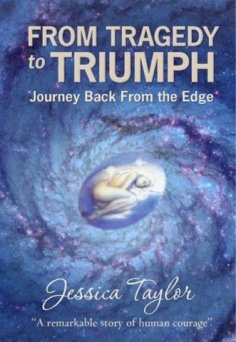
images-1Jessica E. Taylor learned about brain injury the hard way when she fell down a flight of concrete stairs. That event changed her life forever. Jessica had to pick up the pieces and glue them back together. She details her life with brain injury in her book, “From Tragedy to Triumph: Journey Back from the Edge.”

03 Taylor, Jessica 1 copy

Jessica E. Taylor – Brain Injury Survivor & Author

She will share her story and tell of how she advocates for brain injury survivors now.

If you missed this show with Jessica E. Taylor on “Another Fork in the Road” on February 21st, 2016, don’t fret. You can listen to the archived show here. Click the link below.

See you “On the Air!”

On The Air: Brain Injury Radio “Another Fork in the Road” with Jessica Taylor – Brain Injury Survivor & Author

(Clip Art compliments of Bing.)

As I say after each post: Please leave a comment by clicking the blue words “Leave a Commentanim0014-1_e0-1 below this post.

Feel free to follow my blog. Click on “Follow” on the upper right sidebar.

If you like my blog, share it intact with your friends. It’s easy! Click the “Share” buttons below.

If you don’t like my blog, “Share” it intact with your enemies. I don’t care!

Feel free to “Like” my post.


Survivors SPEAK OUT! Jessica Taylor

Survivors SPEAK OUT! Jessica Taylor

presented

by

Donna O’Donnell Figurski


03 Taylor, Jessica 1 copy

Jessica Taylor – Brain Injury Survivor and Author

1. What is your name? (last name optional)

Jessica Elizabeth Taylor

2. Where do you live? (city and/or state and/or country) Email (optional)

Vancouver Island, British Columbia, Canada

3. On what date did you have your brain injury? At what age?

Age 31

4. How did your brain injury occur?

A fall down a steep staircase head first into a steel-plated door

5. When did you (or someone) first realize you had a problem?

My husband knew I was sick, but he did not know I had a brain injury. (I was not told that I had brain injury until six years after the injury!) I didn’t know who I was, who my husband was, and who my children were. I became a child again. I had to relearn everything. My personality was greatly changed. My balance was off for some time. My left hand curled inwards, but I trained it to straighten. I also had contusion of the back, a hemorrhage behind my right eye, and scalp laceration.

6. What kind of emergency treatment, if any, did you have?

Intensive care

7. Were you in a coma? If so, how long?

I was in a semi-coma for several weeks.

8. Did you do rehab? What kind of rehab (i.e., inpatient or outpatient and occupational and/or physical and/or speech and/or other)?

I had rehab only in a psychiatric ward as a day patient for some months at a time in two different countries. I trained myself by learning again and also by becoming positive and never giving in to depression or my disabilities.

How long were you in rehab?

I had no proper rehab. I was just given many IQ tests and psychiatric care. This did not help matters!

9. What problems or disabilities, if any, resulted from your brain injury
(e.g., balance, perception, personality, etc.)?

Recent recall was and still is a problem. I cannot take on too may projects at a time. I have to avoid stress at all times.

10. How has your life changed? Is it better? Is it worse?

My life has been enhanced through training my dormant brain neurons myself and by having spiritual knowledge. As a result, I am a happier person.

06 Taylor, Jessica 2 copy

Jessica Taylor – Brain Injury Survivor and Author

11. What do you miss the most from your pre-brain-injury life?

I do not look back.

12. What do you enjoy most in your post-brain-injury life?

I enjoy being who I am.

13. What do you like least about your brain injury?

I don’t think about the past. I just put up with my disability as a part of my life.

14. Has anything helped you to accept your brain injury?

No

15. Has your injury affected your home life and relationships and, if so, how?

I had distant relationships with my husband and my children, as well as with all who knew me.

16. Has your social life been altered or changed and, if so, how?

My new and holistic view of life has changed all that I do and think.

17. Who is your main caregiver?

ME

Do you understand what it takes to be a caregiver?

I know what caregivers should be aware of with regards to brain injury.

18. What are your plans? What do you expect/hope to be doing ten years from now?

I hope to keep sharing my knowledge through the publication of my books and by giving talks.

19. Are you able to provide a helpful hint that may have taken you a long time to learn, but which you wished you had known earlier?

11 Taylor, Jessica Book Cover copy

From Tragedy to Triumph: Journey Back From the Edge by Jessica Taylor

I only wish that I had been taught by specialists how to retrain my brain in the early years, as opposed to doing so later.

If so, please state what it is to potentially help other survivors with your specific kind of brain injury.

Know that we can train and activate dormant neurons through studying a subject that is of interest. This has to be done frequently.

20. What advice would you offer to other brain-injury survivors? Do you have any other comments that you would like to add?

My advice is to study spirituality and to read as much as possible about the subject. I do not mean in the religious sense – study people like Deepak Chopra and watch Super Soul Sunday on TV. Stay positive and learn not to give in to negative thoughts. Try hard to rise above fear, jealousy, hatred, greed, envy, etc., and your vibration will increase in frequency. All this happened to me through my self-rehab.

To learn more about Jessica Taylor, click on the following links.

Jessica Elizabeth Taylor website
Jessica E. Taylor Facebook
Jessica E. Taylor Twitter
Jessica Elizabeth Taylor Linked in

Jessica’s book

“From Tragedy to Triumph: Journey Back From the Edge”


(Disclaimer: The views or opinions in this post are solely that of the interviewee.)

If you would like to be a part of the SPEAK OUT! project, please go to TBI Survivor Interview Questionnaire for a copy of the questions and the release form.

(Clip Art compliments of Bing.)

(Photos compliments of contributor.)


As I say after each post:

Feel free to leave a comment by clicking the blue words “Leave a Comment” below this post.

Please follow my blog. Click on “Follow Me Via eMail” on the right sidebar of your screen.anim0014-1_e0-1

If you like my blog, click the “Like” button under this post.

If you REALLY like my blog, share it intact with your friends. It’s easy! Click the “Share” buttons below.

If you don’t like my blog, “Share” it intact with your enemies. That works for me too!

On The Air: . . . . . . . . . . . . . . Brain Injury Radio . . . . . . . . “Another Fork in the Road” with Ann Boriskie, Director of Brain Injury Peer Visitor Assn.

On The Air: Brain Injury Radio “Another Fork in the Road” 

with

Guest: Ann Boriskie, Director of Brain Injury Peer Visitor Assn.

presented

by

Donna O’Donnell Figurski

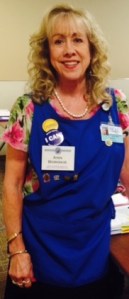
Boriskie, Ann Training in Florida Survivor 011116Ann Boriskie, a TBI survivor of more than 17-years says, “Get involved. Volunteer.” “By helping others with a brain injury, you truly help yourself in so many ways.” Ann is the Brain Injury Peer Visitor Association Director and her motto is “YOU CAN!”Peer Visitation BannerBoriskie, Ann Survivor 011116
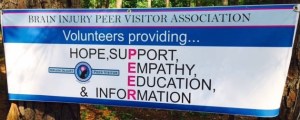
 If you missed this show with Ann Boriskie on “Another Fork in the Road” on January 17th, 2016 don’t fret. You can listen to the archived show here. Click the link below.

See you “On the Air!”

On The Air: Brain Injury Radio “Another Fork in the Road” with Ann Boriskie, Director of Brain Injury Peer Visitor Assn.

(Clip Art compliments of Bing.)
As I say after each post: Please leave a comment by clicking the blue words “Leave a Comment” below this post.
Feel free to follow my blog. Click on “Follow” on the upper right sidebar.
 If you like my blog, share it intact with your friends. It’s easy! Click the “Share” buttons below.
 If you don’t like my blog, “Share” it intact with your enemies. I don’t care!
 Feel free to “Like” my post.


Survivors SPEAK OUT! Ann Boriskie

Survivors SPEAK OUT! Ann Boriskie

presented

by

Donna O’Donnell Figurski


Boriskie, Ann Survivor 011116

Ann Boriskie – Survivor: Brain Injury Peer Visitor Association Director


1. What is your name? (last name optional)

Ann Boriskie

2. Where do you live? (city and/or state and/or country) Email (optional)

Alpharetta, Georgia, USA (a suburb of Atlanta, Georgia) aboriskie@braininjurypeervisitor.org

3. On what date did you have your brain injury? At what age?

November 12, 1998, at age 48

4. How did your brain injury occur?

My brain injury occurred in a car wreck less than five miles from home. I was headed to a regular dental checkup.

A woman was talking on her phone while driving, and she obviously missed her turn. She stopped suddenly, but I was able to stop my car and not hit her at all. She just sat there at the bottom of a hill on the two-lane road. She did not move. A young student (16 years old) came down the hill. He said he was messing with his radio and just did not see us. He hit my car going 50 mph and pushed my car into the woman’s car.

5. When did you (or someone) first realize you had a problem?

About 48 hours after my wreck, I started having concussion symptoms. I experienced dizziness and mental “fogginess.” I could not walk. There was bruising under my eyes. The toes on my right foot went numb. My left eye was out of focus.

6. What kind of emergency treatment, if any, did you have?

None. I walked away from the wreck thinking I was just fine. After 48 hours, I went to a 24-hour clinic, but they just sent me home. They told me I had no real problems and I would be fine. I also went to an eye doctor right away, but again, I was told there that nothing was wrong physically with my eye. Several months after my wreck, one neurologist told me that I had “post-concussion syndrome” and to go home – that I would be just fine. No one else mentioned my having a brain injury for one year. Then a dental TMJ specialist told me that I had a brain injury. That was what was causing my mental symptoms. (TMJ = temporomandibular joint)Peer Visitation Banner

7. Were you in a coma? If so, how long?

No

8. Did you do rehab? What kind of rehab (i.e., inpatient or outpatient and occupational and/or physical and/or speech and/or other)? How long were you in rehab?

My brain injury went undiagnosed for over a year. The physical therapy that I received was in relation to each of my physical injuries (see #9), especially to help after the surgeries that I had to have to repair the parts of my body that were injured.

9. What problems or disabilities, if any, resulted from your brain injury
(e.g., balance, perception, personality, etc.)?

a. My brain injury caused depression, anxiety, and anger (more so in the first several years). I had lots of memory issues. (I could not remember friends or faces. I got lost. I could not write. Then once I could write, I couldn’t write in cursive – I still can’t.) Some memory issues remain today. I permanently lost many of my past memories. (I can’t remember family events or experiences or places where we had lived. I lost memory of cities and our time there.) I lost a lot of my math skills (I was an A+ math student, and I was in advanced math classes), but I have regained many of these math skills.

b. My neck was injured. (The C4, C5, C6, and C7 vertebrae were knocked out of line.) I had to have neck surgery (for fusion and a metal plate holding these four levels together). My neck is in CONSTANT PAIN.

c. I had an injury to the L5 and S1 levels of my spine. (The last two vertebrae are not attached now to my spinal cord). Surgery was recommended, but my neck did not fuse properly, so I decided not to have back surgery. I am in CONSTANT PAIN in my lower back. The pain often radiates to my hips and legs.

d. I popped a tendon from its bone in my right elbow. (I braced my body on the steering wheel in the wreck.) It required surgery. The doctor said it was one of the worst tears he had ever seen.

e. Permanent nerve damage was created in various body areas.

f. The left part of my jaw was knocked out of line. It literally took years of appliance therapy to get the bone back into its correct place.

g. A valve was torn on the left side of my heart. This caused irregular heartbeats for a while. It repaired itself.

h. My left side remains weaker than my right side.

i. Numbness remains in my hands (which makes it harder to use my hands). I also have numbness in my feet, down my arms, and down my legs.

j. Sometimes my left eye will not focus or work well with my right eye.

k. I have a shorter attention span.

l. All of these physical injuries caused me to have fibromyalgia and constant body pains.

Boriskie, Ann Podium

Ann Boriskie – Survivor

10. How has your life changed? Is it better? Is it worse?

In the long run, I have to say my life is truly better. All three of our children are in the medical field. (My husband and I have raised one daughter, now a neonatologist who takes care of premature babies and helps the moms; raised a son, now a doctor of internal medicine who works as a hospitalist; and raised another daughter, now a Registered Nurse in a mental-illness hospital unit.)

My priorities changed in my life. I went from being a “work-oholic” and a person who was very competitive to a person who lives to help other people, including my family and friends.

I slowed down my life’s pace. I had to learn that I could no longer work at a full-time outside-the-home job. (For years, I could not work at all.) I also had to learn to take care of myself – due to all of the physical and mental problems that the wreck created.

I was at home, and thus I was “there” more for my children and husband. I was able to give them more help and more attention.

11. What do you miss the most from your pre-brain-injury life?

I miss my higher energy level. I miss many of my memories. I miss all of the physical sports and activities that I can no longer do (water skiing, snow skiing, kayaking, swimming, playing golf, etc.).

12. What do you enjoy most in your post-brain-injury life?Peer Visitor Banner

I enjoy running the Brain Injury Peer Visitor Association and being able to help thousands of brain-injury and stroke survivors throughout the United States and the world. I’ve done this each year since 2006.

13. What do you like least about your brain injury?

I dislike being in constant pain (which also affects my brain). I also dislike having to push myself more and having to work much harder to accomplish my goals and to do my work than I did prior to my wreck.

14. Has anything helped you to accept your brain injury?

  1. Helping other people helps me also.
  2. Sharing my experiences with others and listening to each brain-injury survivor’s problems (This helps me to better understand my own brain injury.)
  3. Attending support-groups (and being very open to sharing my own problems, experiences, successes, and methodologies)
  4. In the past, gaining the help of neuropsychologists
  5. Going to medical doctors who treat brain injury (e.g., a psychiatrist)

15. Has your injury affected your home life and relationships and, if so, how?

Yes. I am much more dedicated to my husband and three children. I treasure our relationships. I also treasure my friendships more. You really better understand that life is way too short and can change in a second.

16. Has your social life been altered or changed and, if so, how?

Yes. I no longer like to be in big crowds or in a noisy environment. Going to a party is now a struggle and sometimes a chore. I just avoid noisy places and huge crowds. This requirement definitely limits the activities in which I can participate.

17. Who is your main caregiver? Do you understand what it takes to be a caregiver?

My wonderful husband is my main caregiver. I am blessed that he “stuck it out” with me and helped me go through all of my physical and mental recoveries. He is also one of my biggest supporters – even financially supporting my association and approving of all of the volunteer hours that I dedicate to the Brain Injury Peer Visitor Association.

Boriskie, Ann Training in Florida Survivor 011116

Annn Boriskie – Survivor

18. What are your plans? What do you expect/hope to be doing ten years from now?

I plan to continue running the Brain Injury Peer Visitor Association as long as I possibly can. My dream is to continue to grow the association throughout the United States and even internationally.

I also plan to continue to enjoy and spend time with my immediate family and their families.

19. Are you able to provide a helpful hint that may have taken you a long time to learn, but which you wished you had known earlier? If so, please state what it is to potentially help other survivors with your specific kind of brain injury.

Accept your limitations, but continue to “push yourself” to improve. Realize that, even though you are different from the pre-TBI you, you are still a valuable person in the world. Let your “old self” go. Realize that person won’t be back. Embrace the “new you,” and learn to love yourself for who you now are. Remember that YOU CAN. Don’t defeat yourself by focusing on all of the things you can no longer do.

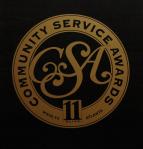
2011 Community Service Awards from WXIA 11

20. What advice would you offer to other brain-injury survivors? Do you have any other comments that you would like to add?

Help others. Get involved. Volunteer. By helping others with a brain injury, you truly help yourself in so many ways. You will help yourself get better, and you will gain confidence.


You can hear Ann Boriskie on my radio show, “Another Fork in the Road” at 5:30pm PT (6:30MT, 7:30CT, 8:30ET) on Sunday, January 17th on the Brain Injury Radio Network (BIRN)

Click here on Sunday 5:30pm Pacific Time. Another Fork in the Road: Ann Boriskie – Director of Brain Injury Peer Visitor 

You can call in to listen to the show or talk to the host by dialing this number. 424-243-9540

(Disclaimer: The views or opinions in this post are solely that of the interviewee.)

If you would like to be a part of the SPEAK OUT! project, please go to TBI Survivor Interview Questionnaire for a copy of the questions and the release form.

(Clip Art compliments of Bing.)

(Photos compliments of contributor.)

As I say after each post: Please leave a comment by clicking the blue words “Leave a Commentanim0014-1_e0-1 below this post.

Feel free to follow my blog. Click on “Follow” on the upper right sidebar.

If you like my blog, share it intact with your friends. It’s easy! Click the “Share” buttons below.

If you don’t like my blog, “Share” it intact with your enemies. I don’t care!

Feel free to “Like” my post.


SPEAK OUT! . . . . . . . . . . . . . Faces of Brain Injury – Amy Zellmer

SPEAK OUT! Faces of Brain Injury – Amy Zellmer

presented by

Donna O’Donnell Figurski

 Brain Injury is NOT Discriminating!

bigstock-cartoon-face-vector-people-25671746-e1348136261718It can happen to anyone, anytime, . . . and anywhere.

The Brain Trauma Foundation states that there are 5.3 million people in the United States living with some form of brain injury.

On “Faces of Brain Injury,” you will meet survivors living with brain injury. I hope that their stories will help you to understand the serious implications and complications of brain injury.

The stories on SPEAK OUT! Faces of Brain Injury are published with the permission of the survivor or designated caregiver.

If you would like your story to be published, please send a short account and two photos to me at neelyf@aol.com. I’d love to publish your story and raise awareness for Brain Injury.

Amy Zellmer (survivor)

Amy Zellmer 3 Survivor 101015They say a picture says a thousand words. It’s been nineteen months since I fell on a patch of ice and landed full-force on the back of my skull. I suffered a traumatic brain injury (TBI) plus whiplash, torn muscles in my neck, shoulder, and chest, and I also dislocated my sternum. What the photo doesn’t show is how I wasn’t able to do any exercise – even mild – for the first year. Just walking around the grocery store was enough to leave me spent for the rest of the day – let alone carrying in the bags of groceries. I am not exaggerating when I tell you that I lived pretty much in my bed or on the couch for over a year. I would do photography sessions a few times a week (because that’s my only form of income, and I had bills to pay) and pay the price for two days – icing my body and popping ibuprofen like it was candy. Even just six months ago, I couldn’t properly stand up straight – let alone do strength training. And let’s not forget about the horrible vertigo and balance issues that came with the TBI. But I finally decided that ENOUGH IS ENOUGH! It was time to DO SOMETHING – anything! So I started doing yoga for 10-15 minutes a day. At first it was hard – really hard. I could do only very basic, simple stretching poses. I would hold onto a chair for any pose that required standing so that I didn’t lose my balance. But you know what? IT HELPED! It started me on a path to gaining back my strength and endurance.Amy Zellmer Survivor 1 101015

AND NOW LOOK AT ME! I am working with a fab trainer. We are using weights and resistance to get my body back to pre-injury status. It feels so good to be able to walk standing fully upright, and have the strength to carry my groceries into the house. I feel absolutely amazing, and my symptoms are subsiding (the physical ones; Amy Zellmer 2 Survivor 101015the neurological ones are still present). I know it seems impossible when you’re in the darkest days after a TBI. I’ve completely been there. But, man, you take back control of your life when you finally start to step out of it and say, “F… Y.., TBI!” If I can do this, I know you can too!
(Clip Art compliments of Bing.)

(Photos compliments of contributor.)

As I say after each post: Please leave a comment by clicking the blue words “Leave a Commentanim0014-1_e0-1 below this post.

Feel free to follow my blog. Click on “Follow” on the upper right sidebar.

If you like my blog, share it intact with your friends. It’s easy! Click the “Share” buttons below.

If you don’t like my blog, “Share” it intact with your enemies. I don’t care!

Feel free to “Like” my post.

So, Whaddya Think? “Concussion” Now in Theaters

So, Whaddya Think?

“Concussion” Now in Theaters

by

David Figurski and Donna O’Donnell Figurski


(Note: This is our second opinion essay about Dr. Bennet Omalu and his research with brain trauma. The first was published on this blog on December 17th.)

So Whaddya Think Brain th-4The much-anticipated movie, Concussion (trailer), is making current and former players of American football, their families, parents, fans, and coaches think about what is really happening in a sport that has become a large part of American culture. The movie has the same goal as we in the brain-injury community have – greater awareness of the delicate Concussion Movie 2.jpgnature of the brain and the ramifications of brain damage. The movie was released on Christmas Day, but it has made much news before its release.
The movie, which unsurprisingly is not sanctioned by the National Football League (NFL), tells the true story of the Nigerian pathologist, Dr. Bennet Omalu, and his discovery of the relationship of a neurodegenerative disease, which Dr. Omalu named “chronic traumatic encephalopathy” (CTE), and American football. Dr. Omalu studied the brain of Hall-of-Fame center, Mike Webster,

MikeWebsternfl

Mike Webster – Pittsburgh Steeler Pro Football Hall of Fame

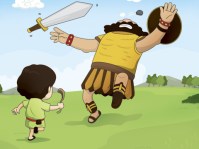
who died at age 50 homeless and with dementia. As shown in the Frontline documentary, League of Denial: The NFL’s Concussion Crisis (available free online), the movie shows how the multibillion-dollar NFL didn’t want to hear of Dr. Omalu’s discovery. The league’s questionable committee on concussions immediately attacked Dr. Omalu. It is a classic “David-vs.-Goliath” story.

David & Goliath.jpg

David & Goliath

(Dr. Omalu said in his Frontline interview, “You can’t go against the NFL. They’ll squash you.”) Former players have sued the NFL, arguing that the NFL knew of the dangers to the brain, but didn’t inform the players. In a class-action lawsuit, the NFL has recently settled for approximately $1 billion in medical expenses, but that settlement is being appealed by former players as inadequate.

Concussion Movie

Dr. Bennet Omalu – pathologist – discovered CTE with Actor, Will Smith

Will Smith plays Dr. Omalu in Concussion. Will Smith, a former football fan whose son played high school football, recently admitted that he has not watched a full game of football since he made this movie. Peter Landesman, the movie’s director, played football into his sophomore year of college, but, knowing what he knows now, he would not let his children play the game.

The movie is a “must-see.” (video)


So, Whaddya Think?

Let’s get a dialogue going. Post your comments in the Comment Section. Directions are below.

So . . . what do you think? Is there something you are passionate about in this Brain Injury (BI) world? Do you want to be heard? Your opinion matters! You can SPEAK OUT! on “So Whaddya Think?”

Simply send me your opinion, and I will format it for publication. Posts may be short, but please send no more than 500 words. Send to Neelyf@aol.com

I hope to HEAR from you soon.

As I say after each post:

Feel free to leave a comment by clicking the blue words “Leave a Comment” below this post.

Please follow my blog. Click on “Follow Me Via eMail” on the right sidebar of your screen.anim0014-1_e0-1

If you like my blog, click the “Like” button under this post.

If you REALLY like my blog, share it intact with your friends. It’s easy! Click the “Share” buttons below.

If you don’t like my blog, “Share” it intact with your enemies. That works for me too!

(Clip Art compliments of Bing.)

diemodi jewelry

uniquely hand-crafted jewelry by donna

Welcome to Harmony Kent Online

The home of all things books

Pete Springer

Passionate Teacher and Future Children's Author

HOPE TBI

Helping Other People Excel - To Be Independent

For the Love of Books, Old and New

Katie Fischer, Writer and Reader of Stories

Charlie Bown

Children's Author

Jessica Hinrichs

“We write to taste life twice, in the moment and in retrospect.” ― Anais Nin

VIVIAN KIRKFIELD - Writer for Children

Picture Books Help Kids Soar

Mindy’s Writing Wonderland

For authors, parents, teachers & everyone who loves children’s books.

Kaitlyn Leann Sanchez

Literary Agent

Surviving Traumatic Brain Injury

TBI - Survivors, Caregivers, Family, and Friends

The Care Factor

Loving someone with a Traumatic Brain Injury

Brain Injury Support Group of Duluth-Extension

Brain Injury Information and SUPPORT

Brain Aneurysm Global Insight

Brain Aneurysm, cerebral hemorrhaging, hemorrhage stroke