TBI – Survivors, Caregivers, Family, and Friends

Posts tagged ‘blogtalkradio.com/braininjuryradio’

Brain Injury Resources CTE & Football (chronic traumatic encephalopathy )

Brain Injury Resources . . . CTE & Football

presented

by

Donna O’Donnell Figurski


Brain th-2The regular season of the NFL (National Football League) begins this week. Although American football can be exciting, we in the brain-injury community are very aware of the havoc that both concussive and sub-concussive head impacts play not only on the brain health of the pros, but also on the brain health of college and high school players (1). We are especially sensitive to the high risk of the trusting and still-developing young players in Pop Warner leagues (2, 3).th

There has been a growing public awareness of the brain disease CTE (chronic traumatic encephalopathy), which can develop from hits to the ctehead and lead to “memory loss, confusion, impaired judgement, impulse control problems, aggression, depression and progressive dementia.” Some players have retired early (4, 5). Former players have sued or are suing the NFL (6). There is still a great deal of ignorance about CTE, but much research has been done and is being continued vigorously. This article tells us some basic facts that we should know.

Here is a brief outline from the article:

“Concussions in the NFL are more widespread than we thought

“An estimated 96 percent of deceased NFL players had CTE

“Researchers are working on a test for living players

“The NFL has donated $0 to this important new brain injury study”

I urge you to read the article for the details.


(Clip Art compliments of Bing.)


As I say after each post:

Feel free to leave a comment by clicking the blue words “Leave a Comment” below this post.

Please follow my blog. Click on “Follow Me Via eMail” on the right sidebar of your screen.anim0014-1_e0-1

If you like my blog, click the “Like” button under this post.

If you REALLY like my blog, share it with your friends. It’s easy! Click the “Share” buttons below.

If you don’t like my blog, “Share” it with your enemies. That works for me too!


SPEAK OUT! . . . . . . . . . . . . . Faces of Brain Injury . . . . . . . . Lisa Wickenden, Survivor

SPEAK OUT! Faces of Brain Injury – Lisa Wickenden (survivor)

presented

by

Donna O’Donnell Figurski

Brain Injury is NOT Discriminating!

bigstock-cartoon-face-vector-people-25671746-e1348136261718It can happen to anyone, anytime, . . . and anywhere.

The Brain Trauma Foundation states that there are 5.3 million people in the United States living with some form of brain injury.

On “Faces of Brain Injury,” you will meet survivors living with brain injury. I hope that their stories will help you to understand the serious implications and complications of brain injury.

The stories on SPEAK OUT! Faces of Brain Injury are published with the permission of the survivor or designated caregiver.

If you would like your story to be published, please send a short account and two photos to me at neelyf@aol.com. I’d love to publish your story and raise awareness for Brain Injury.


Lisa Wickenden (survivor)

Lisa Wickenden

Lisa Wickenden – Brain Injury Survivor

Three years ago, my life changed forever. I now have some challenges that no one can see, but I am reminded of them every day. Three years ago, I had my accident. I will forever have a TBI (traumatic brain injury). You cannot tell I have one by looking at me. Three years ago, relationships changed between friends and me. Some friends stuck around and are still a very, very big part of my life. Some friends faded away. gg66084897Three years ago, I had to start loving a new me. It’s still a struggle. But with all the support I have from family and friends, I know it’s possible.


Thank you Lisa Wickenden for sharing your story.


(Clip Art compliments of Bing.)

(Photos compliments of contributor.)

As I say after each post: Please leave a comment by clicking the blue words “Leave a Commentanim0014-1_e0-1 below this post.

Feel free to follow my blog. Click on “Follow” on the upper right sidebar.

If you like my blog, share it intact with your friends. It’s easy! Click the “Share” buttons below.

If you don’t like my blog, “Share” it intact with your enemies. I don’t care!

Feel free to “Like” my post.

SPEAK OUT! NewsBit . . . . . . Repair of Neural Circuits in Stroke-damaged Mouse Brains

SPEAK OUT! NewsBit

Repair of Neural Circuits in Stroke-damaged Mouse Brains

presented by

Donna O’Donnell Figurski


newsboy-thBasic research on the repair of damaged mouse brains has again produced a potential breakthrough for human therapy. The research may accelerate our ability to repair damaged human brains. A trial study for using this therapy in humans is now being designed.

I’ve already written about the extraordinary promise of cell therapy in eliminating or greatly reducing the effects of brain damage. Much of this promise has to do with the discovery of stem cells, which have the stunning ability to develop into virtually any kind of cell. (The previous NewsBit, however, showed that scientists found a way to cause a common cell type to develop into functional neurons directly without going through a stem-cell stage.) In a study earlier this year, scientists showed that stem cells surgically implanted into damaged human brains reduced the severity of symptoms. But in that study, the scientists were surprised to find that the added stem cells themselves did not become new neurons and form new circuits, but they somehow revved up the brain’s natural ability to heal itself.animal-cell-hi

Now scientists at the University of Southern California (USC) with help from scientists at the National Institutes of Health (NIH) have found a way to activate the implanted stem cells so they develop into neurons and become part of new neural circuits. The direct involvement of the added stem cells resulted in enhanced repair and a much greater loss of symptoms. One NIH scientist said, “If the therapy works in humans, it could markedly accelerate the recovery of these patients.”

CellScientists had previously shown that an FDA (Food and Drug Administration)-approved reagent, the engineered protein 3K3A-APC, caused stem cells in culture to become neurons. The USC scientists wanted to see if 3K3A-APC would help the recovery of a brain-injured animal. The model used for brain damage was mice that were induced to have a stroke. The scientists implanted human stem cells and then treated the mice with 3K3A-APC or a placebo (mock-3K3A-APC). Mice that were treated with stem cells + 3K3A-APC did markedly better (some were almost normal) in tests of sensory perception and motor skills than did mice that were treated with stem cells + the placebo. Unlike the earlier study in which the added stem cells did not become neurons, these stem cells did become neurons if the mouse had been treated with 3K3A-APC.

ScientistThe human stem cells not only became neurons, but they also formed normal connections with mouse neurons. Because the implanted cells were human, the scientists were able to use a human-specific toxin to kill only the implanted cells (the mouse cells were resistant to the toxin). When scientists killed the new neurons, the mice lost the signs of recovery. The scientists concluded that 3K3A-APC caused the cells to develop into neurons that then formed functional neural circuits, ultimately leading to recovery.Brain Cell

USC physician-scientist Berislav Zlokovic, M.D., Ph.D., who directed the research, said, “When you give these mice 3K3A-APC, it works much better than stem cells alone. We showed that 3K3A-APC helps the cells convert into neurons and make structural and functional connections with the host’s nervous system.” (Full story)


(Clip Art compliments of Bing.)

As I say after each post: Please leave a comment by clicking the blue words “Leave a Commentanim0014-1_e0-1 below this post.

Feel free to follow my blog. Click on “Follow” on the upper right sidebar.

If you like my blog, share it (intact) with your friends. It’s easy! Click the “Share” buttons below.

If you don’t like my blog, “Share” it (intact) with your enemies. I don’t care!

Feel free to “Like” my post.

Survivors SPEAK OUT! . . . . . . Rogan Grant

Survivors SPEAK OUT! Rogan Grant

presented

by

Donna O’Donnell Figurski
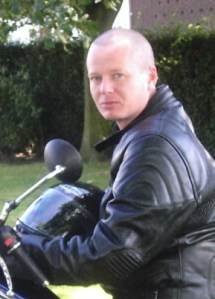


Rogan Grant - Brain Injury Survivor

Rogan Grant – Brain Injury Survivor

1. What is your name? (last name optional)

Rogan Grant

2. Where do you live? (city and/or state and/or country) Email (optional)

Edinburgh, Scotland     rogan_g@hotmail.com

3. On what date did you have your brain injury? At what age?

I acquired my brain injury in 2006. I was 35.

4. How did your brain injury occur?

I was attacked outside a nightclub by some customers I had thrown out of my pub the previous week.

5. When did you (or someone) first realize you had a problem?

I knew something was wrong when I woke up the next day. I was admitted to the hospital and then released the next morning. A friend found me unconscious and in a pool of blood and vomit. I was rushed back to the hospital. A few weeks later when I was released, I thought I was OK, but I kept forgetting things. I set the kitchen on fire three times in one week because I forgot I was cooking. Once I even went to bed and left a full meal cooking. I knew then I needed to be around family “for a week or two, until I cleared my head.”

Rogan Grant – Survivor of brain injury

6. What kind of emergency treatment, if any, did you have?

In the first hospital, I theoretically had a CT (computerized tomography) scan. After I was released from that hospital and went to stay with family, I had an X-ray. That’s when I was told of the multiple fractures of my skull and around my face. So I don’t think I had a scan done.

7. Were you in a coma? If so, how long?

I was lucky – I didn’t go into a coma. I just went in and out of consciousness for a few hours.

8. Did you do rehab? What kind of rehab (i.e., inpatient or outpatient and occupational and/or physical and/or speech and/or other)?

I went to a head-injury service and to the Neurology Department at a hospital. Rehab just seemed to be a social event. But it became more useful as time went on and I struggled more and more.

How long were you in rehab?

Six years

9. What problems or disabilities, if any, resulted from your brain injury
(e.g., balance, perception, personality, etc.)?

I had no sense of smell or taste for two-three years. For about three years, I dreamt every night that I died. My balance went all to hell. My vision had a problem with focus. My hearing became strange. (I hear everything at once and can’t isolate specifics, so I struggle to hear people with a lot of noise around.) I lost family contact and friends because I was emotional and aggressive, I couldn’t focus mentally, and my memory was erratic. I still have no concept of time in regards to the memory of anything since the injury. Facial recognition is gone, unless the person speaks or is where I would expect that person to be. I have to work every day to keep calm and controlled. My panic attacks and anxiety are now under control (my agoraphobia was the result of anxiety). My self-confidence was shot – I doubted everything I said and what I remembered, and I wondered whether or not I had done things I shouldn’t have. My personality went from being the life and soul and centre of every party (and there were a few) to sitting on a sofa with a blanket trying to avoid anybody and everybody. Self-loathing and a feeling of hopelessness and loss were incredibly strong. I felt people would be better off without me around. My mood was so low that I had very, very dark thoughts. Now I work on my mood. I use my techniques to stay “normal.”

10. How has your life changed? Is it better? Is it worse?

I was happy with work, I was back at University doing a double degree (I had completed three years in two), I was working full-time, I had great friends, and I was always busy. Now, after a lot of work, I realize I can’t work for other people because I can’t keep their schedules. So I am trying to work for myself. I also have a new partner; we have a baby and a nice home.

Rogan Grant – Survivor of brain injury

My life’s not “better” or “worse,” but it is different. I always try to remember it is important not to compare my current life to what it was before. Life changes day to day, and, yes, my brain injury caused a major change with massive problems. But I am here, and I have things I didn’t before.

11. What do you miss the most from your pre-brain-injury life?

I miss the self-confidence and the feeling of self-assurance I had. I knew what I was doing, what I had done, and where I wanted to go. People could come along for the ride or not. I was me, and I did well.

12. What do you enjoy most in your post-brain-injury life?

I learned from mistakes I didn’t know I was making. I am much more aware of others, and I can now help them because I trained as a therapist to do just that. I have a new family, and we are happy.

13. What do you like least about your brain injury?

I dislike the loss of memory and recognition. I hate having to fake that I remember someone or that I remember things he or she told me. But, if I say I had a head injury, people often treat me like I lost 80 points off my IQ. And the headache … the constant headache … never left; it just eased a bit. At least the sudden “brain-freeze” attacks are down to every couple of months and only last a day. They used to be three days long and twice a week.

14. Has anything helped you to accept your brain injury?Hypnotherapy

Yes. I was helped by hypnotherapy. After years of being pumped full of drugs, I got more results in six weeks with hypnotherapy. It made a massive difference. I can now focus, stay calm, recall information, and even read books again.

15. Has your injury affected your home life and relationships and, if so, how?

I lost a lot of my old friends. Family are only just now coming around to understanding that I have a problem. It took a decade, but at least it has started. Of course, they are there now that I no longer need their help or their understanding. It has been very hard not to throw that back at them, but it is their issue, not mine. I got through my problems; they still have theirs.

16. Has your social life been altered or changed and, if so, how?

I was always out. I was the one people called when they wanted things to get lively and fun. I ran pubs. It was my job to make people enjoy themselves, and I enjoyed doing it. I loved being in a crowd – laughing, singing, music pumping – everything busy. Now I don’t like going into a supermarket at peak times. Although I am generally better, I still have my moments. I don’t get anxious, but I am wary of how I could react.

17. Who is your main caregiver? Do you understand what it takes to be a caregiver?

My main caregiver is my partner, Jane. She understands a lot, but not everything. We try to have a “normal” relationship, but she knows I can react differently – and quickly. Now, instead of getting angry with myself and blowing things out of proportion, I can take a moment, calm down, apologize for acting out, and start again. She reminds me of pretty much everything. She also has to keep pushing me on those days when it all gets to be too much.

18. What are your plans? What do you expect/hope to be doing ten years from now?

I hope that in ten years’ time, I will have a business running that pays the bills. Jane and I will have moved to a bigger house because there will be another baby or two. I will have found a way to fix my remaining problems and will have shared the solutions with those who are trying to regain control of their own lives.

19. Are you able to provide a helpful hint that may have taken you a long time to learn, but which you wished you had known earlier? If so, please state what it is to potentially help other survivors with your specific kind of brain injury.

Sudden change is very hard to deal with or understand, but, if you spend your time comparing yourself to who you were or to what you could do, you will never move forward. We ALWAYS change; it is the only constant. Look back before your injury – were you the same person every year then? No, of course not. So look forward; find what you want to do with who you are now and go ahead. All human beings compare themselves to others, and we hate ourselves for it! Why do we do it? If someone has wavy hair, he or she looks at someone with straight hair and feels jealous. If we are big, we want to be smaller; those who are small want to be bigger. It is never ending! With a head injury – no matter how you got it or how it affected you – look forward and stay away from comparing yourself to the past.

20. What advice would you offer to other brain-injury survivors? Do you have any other comments that you would like to add?

Rogan Grant - Brain Injury Survivor

Rogan Grant – Brain Injury Survivor

As I said before, look forward, stay away from comparisons, and be honest to those around you. No one will ever understand your feelings, unless that person has been there. (I know none of us would wish that knowledge on anyone.) When it gets too much, say so, and when you feel that frustration and anger build, find a way to let it out sensibly. Let it out any way you can, but let it out before you hurt those whom you care for and love.


If you would like to be a part of the SPEAK OUT! project, please go to TBI Survivor Interview Questionnaire for a copy of the questions and the release form.

(Clip Art compliments of Bing.)

(Photos compliments of contributor.)


As I say after each post:

Feel free to leave a comment by clicking the blue words “Leave a Comment” below this post.

Please follow my blog. Click on “Follow Me Via eMail” on the right sidebar of your screen.anim0014-1_e0-1

If you like my blog, click the “Like” button under this post.

If you REALLY like my blog, share it intact with your friends. It’s easy! Click the “Share” buttons below.

If you don’t like my blog, “Share” it intact with your enemies. That works for me too!


SPEAK OUT! NewsBit . . . . . . Common Mouse Cell Type Converted to Neurons

SPEAK OUT! NewsBit

Common Mouse Cell Type Converted to Neurons

presented by

Donna O’Donnell Figurski


newsboy-thCommon Mouse Cell Type Converted to Neurons

You’ve probably heard of the promising future of cell therapy. The excitement comes from the fact that injuries might be treated by implanting fresh, healthy cells. Stem cells, which can mature to many different cell types, have been discovered in almost every organ in the body. They hold enormous potential for helping to heal injured organs. Already, scientists are devising methods to add new muscle to damaged hearts and to add insulin-producing cells to the body to cure Type I diabetes. The brain also has stem cells, and much of the natural recovery from brain injury is due to stem cells, which rebuild the damaged part of the brain. The beauty of stem cells from the brain is that they can develop into healthy neurons and replace damaged circuits. But the natural healing of the brain is often insufficient. Scientists have been looking for ways to make more stem cells and to activate them so that implanting them is practical and they can result in more healing.scientist

I want to tell you about exciting basic research on cell therapy that may make possible or speed up the development of new therapies for brain injury. Scientists at Duke University have found a way to make neurons from common mouse cells, called “fibroblasts,” without resorting to stem cells. The scientists made a modified protein and put it into fibroblasts. The modified protein found and activated the master regulator genes needed to turn on the genes for the cell to become a neuron.

In the past, a cell’s change into a neuron required that extra copies of the master regulator genes be introduced into the cell. The cell maintained its neuron-like properties only if the extra activators were present. If the extra copies were lost, the cell reverted to its original form. Scientists said that the neurons were “unstable.” Still, it was a breakthrough. To help stabilize the neurons, extra copies of genes for the master regulators were added to its chromosomes. The neurons still weren’t perfectly stable, and the presence of extra copies in the chromosomes was unnatural.

In the new method, activation of the neuron genes is natural. The neurons are “stable,” even when the modified activator protein is gone. As far as the scientists can tell, the neurons formed this way appear to be like natural neurons.

MouseOf course, these studies need to be done with human cells. But, because the mouse is similar enough to humans genetically, new neurons are likely to be made from human cells. If so, cell therapy to treat brain injury will become common in the foreseeable future. One benefit is that therapy can be personalized. It’s not practical to get your neurons from a brain biopsy, but your easy-to-get fibroblasts can be converted to neurons. Those neurons can then be tested with therapeutic drugs to see what works best with your genetic background. Also, the implanted cells would not be rejected by your body (prevention of rejection is the reason for immunosuppressive drugs today) because the neurons would be made from cells of your own body. (Full story)


(Clip Art compliments of Bing.)

As I say after each post: Please leave a comment by clicking the blue words “Leave a Commentanim0014-1_e0-1 below this post.

Feel free to follow my blog. Click on “Follow” on the upper right sidebar.

If you like my blog, share it (intact) with your friends. It’s easy! Click the “Share” buttons below.

If you don’t like my blog, “Share” it (intact) with your enemies. I don’t care!

Feel free to “Like” my post.

Caregivers SPEAK OUT! …… Raine Turner

Caregivers  SPEAK OUT!  Raine Turner,

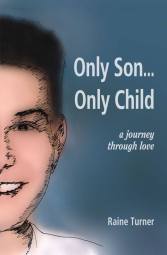
(mother of survivor, Ryan, and author of “Only Son…Only Child”)

presented by

Donna O’Donnell Figurski


Raine Turner - Caregiver & Author: Only Son...Only Child

Raine Turner – Caregiver & Author: Only Son… Only Child

1. What is your name? (last name optional)

Raine Turner

2. Where do you live? (city and/or state and/or country) Email? (optional)

Edmonton, Alberta, Canada

3. What is the brain-injury survivor’s relationship to you? How old was the survivor when he/she had the brain injury? What caused your survivor’s brain injury?

The brain-injury survivor is my son. At 16, he was in a car accident.

4. On what date did you begin care for your brain-injury survivor? Were you the main caregiver? Are you now? How old were you when you began care?

I began care August 13, 2003.

5. Were you caring for anyone else at that time (e.g., children, parents, etc.)?

No

6. Were you employed at the time of your survivor’s brain injury? If so, were you able to continue working?

I was self-employed and unable to manage my business.

7. Did you have any help? If so, what kind and for how long?

Not really

Raine Turner Caregiver & Author

Raine Turner Caregiver & Author


8. When did your support of the survivor begin (e.g., immediately – in the hospital; when the survivor returned home; etc.)?

In the hospital

9. Was your survivor in a coma? If so, what did you do during that time?

Yes. I sat beside my son’s bed and read to him.

10. Did your survivor have rehab? If so, what kind of rehab (i.e., inpatient and/or outpatient and occupational, physical, speech, and/or other)? How long was the rehab? Where were you when your survivor was getting therapy?

Yes. My son had rehab both as an inpatient and an outpatient.

11. What problems or disabilities of your brain-injury survivor required your care, if any?

At first, self-care. Also eating, walking, etc.

12. How has your life changed since you became a caregiver? Is it better? Is it worse?

Trick question. It made me realize what is important in life. It taught me patience, which I did not know I had.

13. What do you miss the most from pre-brain-injury life?

I dislike my son’s loss of the chance for a normal life. I miss having a relationship for myself.

14. What do you enjoy most in post-brain-injury life?

Nothing!

15. What do you like least about brain injury?

Only Son...Only Child by Raine Turner

Only Son…Only Child by Raine Turner

My son’s daily struggles

16. Has anything helped you to accept your survivor’s brain injury?

There is no choice but to accept.

17. Has your survivor’s injury affected your home life and relationships and, if so, how?

Yes. I did not have a relationship at all for ten years. The one I had at the time ended due to stress. It’s now hard to find someone who wants to be involved with this situation.

18. Has your social life been altered or changed and, if so, how?

Yes. But it’s getting better now with my son in school and his not living with me.

19. What are your plans? What do you expect/hope to be doing ten years from now?

I hope to be on a beach!

20. What advice would you offer other caregivers of brain-injury survivors? Do you have any other comments that you would like to add?

Buckle up! It is going to be a long, tough ride.


 To learn more about Raine Turner, check out her website, “Only Son Only Child: a journey through love.” Look for her book on Amazon.


(Disclaimer: The views or opinions in this post are solely that of the interviewee.)

If you would like to be a part of the SPEAK OUT! project, please go to TBI SPEAK OUT! Caregiver Interview Questionnaire for a copy of the questions and the release form.

(Clip Art compliments of Bing.)


As I say after each post: Please leave a comment by clicking the blue words “Leave a Commentanim0014-1_e0-1 below this post.

Feel free to follow my blog. Click on “Follow” on the upper right sidebar.

If you like my blog, share it with your friends. It’s easy! Click the “Share” buttons below.

If you don’t like my blog, “Share” it with your enemies. I don’t care!

Feel free to “Like” my post.

SPEAK OUT! NewsBit . . . . . . Inosine Helps Brain-Injured Monkeys Recover Fine Motor Control

SPEAK OUT! NewsBit

Inosine Helps Brain-Injured Monkeys Recover Fine Motor Control

presented by

Donna O’Donnell Figurski

My husband, David, is a traumatic brain injury survivor since 2005. He is physically disabled as a result of his brain injury. As a molecular biologist from Columbia University, David is always searching for ways to improve his own life after his brain injury. He recently stumbled on this exciting research project, and we wanted to share this hopeful concept with others.


Disclaimer:

Neither David nor I is a medical doctor, and we are not suggesting any medical solutions. We are only publishing this article for your information.


Newsboy th


Inosine is a small molecule found in cells. Research with mice and rats has shown that inosine is released by stressed or damaged neurons. Inosine can turn on the genes for axon development. Axons are the long, threadlike membrane extensions needed for neurons to send an electrochemical message to other neurons. The new axons from undamaged neurons can rewire the brain (plasticity) to allow circuits to form that compensate for circuits lost from damage.

Adding inosine to neurons in culture stimulates the formation of more axons. Would inosine stimulate an increase in plasticity by increasing axon formation and thereby help recovery from brain injury? Consistent with this idea, neuroscientists found that rats recovered from brain injury better when inosine was present.pTqKnRpgc

Now neuroscientists at Boston University report testing inosine’s effect on a primate – the rhesus monkey. The study was small (8 monkeys) because monkey experiments are expensive, but, despite the small number, the results were significant. At the beginning, all 8 monkeys could easily grasp food treats with their dominant hand. The part of the brain needed for the required motor skills in the dominant hand was then deliberately damaged in each monkey. The 8 brain-injured monkeys were divided into two groups: 4 monkeys were treated by giving them inosine, and 4 were given a placebo. The researchers didn’t know which monkeys were getting inosine and which were getting the placebo.

After 14 weeks of treatment, the monkeys were examined for their ability to grasp a food treat. Three of the four inosine-treated monkeys grasped the food with their dominant hand normally. Fine motor control in the hand seemed to be the way it was prior to the brain injury. In contrast, the placebo-treated monkeys retrieved their food by using a compensatory strategy. The placebo-treated monkeys still had a problem with fine motor control in the hand.

mouse-hiThis preliminary study has extended evidence of the inosine benefit from mice and rats to a primate. The result indicates that inosine may one day benefit human victims of brain injury. Inosine is already in clinical trials for the treatment of multiple sclerosis and Parkinson’s Disease. Inosine appears to be safe – athletes have taken inosine supplements for decades.

Strictly speaking, this experiment addressed recovery of only a specific movement. The brain injuries were highly controlled – all were nearly identical, and they were in a specific area of the frontal lobe that affects fine motor control of the hand. Inosine experiments of this type have only been done in animal models. But even with all these caveats, there is reason to be optimistic. Inosine treatment may become a common human therapy for brain injury. Clearly more research is needed before inosine is shown to be useful in the clinic. (Full story)


(Clip Art compliments of Bing.)

As I say after each post: Please leave a comment by clicking the blue words “Leave a Commentanim0014-1_e0-1 below this post.

Feel free to follow my blog. Click on “Follow” on the upper right sidebar.

If you like my blog, share it (intact) with your friends. It’s easy! Click the “Share” buttons below.

If you don’t like my blog, “Share” it (intact) with your enemies. I don’t care!

Feel free to “Like” my post.

Survivors SPEAK OUT! . . . . . . Charles Ross, Jr.

Survivors SPEAK OUT! Charles Ross, Jr.

presented

by

Donna O’Donnell Figurski


Ross, Charles Survivor

Charles Ross, Jr. – Brain Injury Survivor

1. What is your name? (last name optional)

Charles Ross, Jr.

2. Where do you live? (city and/or state and/or country) Email (optional)

Pittsburg, Missouri, USA     buds5101@gmail.com

3. On what date did you have your brain injury? At what age?

My TBI (traumatic brain injury) happened on November 15, 1985. I was 18 years old.

4. How did your brain injury occur?

I was in a head-on car crash on a narrow, two-lane highway on a rainy and foggy day. I swerved around a truck that was stopped in the road. The truck left the scene.

5. When did you (or someone) first realize you had a problem?

A witness came to the car and forced the door open. I had thrown up on impact. Until help arrived, he held my head up to keep me from choking.

6. What kind of emergency treatment, if any, did you have?

I had the paddles put on me before I got on the helicopter to fly to a large hospital. I also had a tracheotomy.

7. Were you in a coma? If so, how long?

I was in a coma for fifty days.

8. Did you do rehab? What kind of rehab (i.e., inpatient or outpatient and occupational and/or physical and/or speech and/or other)? How long were you in rehab?

I had physical, occupational, and speech therapies as an inpatient for nine months after I came out of the coma. I continued physical therapy as an outpatient for seven years after the accident. My mom then took over. She was a physical therapist aide in a nursing home at the time of the accident. She also did occupational therapy with me too.

9. What problems or disabilities, if any, resulted from your brain injury
(e.g., balance, perception, personality, etc.)?

I was in a wheelchair for one and a half years. I can now walk with a single cane. That level did not immediately come after the wheelchair. It occurred after seven summers of surgeries on my legs. I walked with two canes for many years. I also have epilepsy. That diagnosis took a grand mal seizure five years after the accident. I had thousands of petite mal seizures prior to my grand mal seizure. Only then did the neurologist say that the “spells,” as I called them then, were petite mal seizures. I take multiple medicines to control them. It took twenty-two years to find the right mixture to control them. Balance and memory are also great problems today – thirty years later. My sense of balance is gone. I fall frequently, even using a cane. My short-term and long-term memories were damaged. The short-term memory was destroyed. It took years of training to get back what I have. Long-term memory – I don’t recognize it as affecting me so badly. I just don’t think of it. I take two medicines that they give to Alzheimer’s patients. I am hoping they help me. I don’t know yet if they do.

10. How has your life changed? Is it better? Is it worse?teacher-improvement

I struggled to get two Associate Degrees over seven years. I struggled more in the workforce for fourteen years. Most of the time, I had no insurance. The meds I needed for the seizures came out-of-pocket. So my credit rating tanked, and a bankruptcy followed. I filed for disability insurance after losing my last job. I was making the most money ever, but I still had no benefits. On the last job, I grossed more money in a week and a half than I make in a month now.

11. What do you miss the most from your pre-brain-injury life?

I miss a sense of being normal – being able to go out and do anything at almost any time. My only restriction was money.

12. What do you enjoy most in your post-brain-injury life?

I enjoy knowing the people I have met as a result of the injury – the countless doctors and nurses who took care of me and other individuals who also have had head injuries. I never would have met them, or even thought of meeting them, had I not had a head injury.

13. What do you like least about your brain injury?

I dislike not having my “normal” life.

14. Has anything helped you to accept your brain injury?

I never had the attitude where I just wanted to give up on life, even though it could be depressing at times.

15. Has your injury affected your home life and relationships and, if so, how?

Yes. I think I experienced jealousy from a brother because I got more attention afterward. I’ve had many different relationships, but all have ended up failing. The lack of money was the usual excuse. Most relationships were started over the web.

16. Has your social life been altered or changed and, if so, how?

I don’t go out very much. Right now, I’m living with my mom. (My dad just passed.) As a 48-year-old male, I don’t regret living with my mom. It’s just not normal.

17. Who is your main caregiver? Do you understand what it takes to be a caregiver?

I am able to take care of myself, including my meds and my bills. I cooked when I was not with my mom.

18. What are your plans? What do you expect/hope to be doing ten years from now?

I want to get a place of my own again.

19. Are you able to provide a helpful hint that may have taken you a long time to learn, but which you wished you had known earlier? If so, please state what it is to potentially help other survivors with your specific kind of brain injury.

Charles Ross, Jr. - Brain Injury Survivor

Charles Ross, Jr. – Brain Injury Survivor

My advice: Do not turn down any kind of help that’s offered – do not be too proud.

20. What advice would you offer to other brain-injury survivors? Do you have any other comments that you would like to add?

You should take pride in being a survivor. Most people, if faced with the challenges you have, could not do it. You have already accomplished the hardest thing, which was to survive.


If you would like to be a part of the SPEAK OUT! project, please go to TBI Survivor Interview Questionnaire for a copy of the questions and the release form.

(Clip Art compliments of Bing.)

(Photos compliments of contributor.)


As I say after each post:

Feel free to leave a comment by clicking the blue words “Leave a Comment” below this post.

Please follow my blog. Click on “Follow Me Via eMail” on the right sidebar of your screen.anim0014-1_e0-1

If you like my blog, click the “Like” button under this post.

If you REALLY like my blog, share it intact with your friends. It’s easy! Click the “Share” buttons below.

If you don’t like my blog, “Share” it intact with your enemies. That works for me too!


SPEAK OUT! . . . . . . . . . . . . . . Itty-Bitty GIANT Steps

SPEAK OUT! Itty-Bitty GIANT Steps

presented by

Donna O’Donnell Figurski


Itty-Bitty GIant Steps for BlogSPEAK OUT! Itty-Bitty Giant Steps will provide a venue for brain-injury survivors and caregivers to shout out their accomplishments of the week.


If you have an Itty-Bitty Giant Step and you would like to share it, just send an email to me at neelyf@aol.com.

If you are on Facebook, you can simply send a Private Message to me. It need only be a sentence or two. I’ll gather the accomplishments and post them with your name on my blog approximately once a week. (If you do not want your last name to be posted, please tell me in your email or Private Message.)

I hope we have millions of Itty-Bitty Giant Steps.


Here is this week’s Itty-Bitty GIANT Steps


Janice Tindle - Survivor

Janice Tindle – Survivor

Janice Tindle (survivor)…My accomplishment is getting published after my TBI (traumatic brain injury). I have a blog (janicetindle.com), where you’ll find all my links. I’m on Facebook, Twitter, and LinkedIn. I’ve been published in Caregiver magazine, Fearless Caregiver, and TBI Hope and Inspiration magazine. I’m also a contributor to TheMighty.com. I raise awareness about TBI and dystonia (a neurological movement disorder). I recently won the 1pg. Short Screenplay Contest. My entry, entitled Galicia’s Granite, was performed at the Novel Writing Festival. It’s on YouTube. I just fought two spam sites and got them to remove my article, 7 Ways to Support a Loved One with a Traumatic Brain Injury, off their sites. kids-hand-writing-clip-art-hand_with_pencil_5CAnnie Ricketts has it posted (with my permission) on her site, biglobalpicnic.org. I’m very proud of that article. I’m working on a several books and hope to become a PAID writer very soon!



Raine Turner - Caregiver & Author

Raine Turner – Caregiver & Author

Raine Turner (caregiver)…I am going to brag – big huge momma brag! My son [my brain-injured son, who was not supposed to survive, never mind thrive; my drug-dealing son, with a federal criminal record; my son, who is now at the University of Calgary studying a dual degree in Business and Actuarial Science (I said I was going to brag) and getting 80s (yes, on a reduced course load and with tutors)] is thriving against all odds. congrats-you-did-itThis same young man was actually the KEYNOTE speaker at the Brain Injury conference in Ottawa, which is supported by the federal government! So, if you think you cannot achieve, cannot fight, or cannot rise up to be at a higher level than the one on which you are at, you should put on your “big boy” or “big girl” underpants and work hard. You WILL rise up to be at a level higher than the one you are at now. It will not be easy; it will not be fun; but you will improve your life. If you need, I can always “kick your ass” to achieve more, as I did for my son! I am so excited; I am so proud of him! He has worked so hard for so long. My son is my HERO!

Raine Turner, the author of “Only Son… Only Child,” will be a guest on my show, “Another Fork in the Road” on Sunday, August 21, 2016, at 5:30pm Pacific Time, with her son, Ryan. I hope you will join us.


Matthew Vickers - Survivor

Matthew Vickers – Survivor


Matthew Vickers (survivor)…A huge feat for a traumatic brain injury survivor tubshower11who can’t walk or stand and only has the use of his right arm and hand … For consecutive weeks, I have independently showered, and that includes completing all necessary transfers.


YOU did it!

Congratulations to contributors!

(Clip Art compliments of Bing.)

(Photos compliments of contributors.)


As I say after each post:anim0014-1_e0-1

Please leave a comment by clicking the blue words “Leave a Comment” below this post.

Feel free to follow my blog. Click on “Follow” on the upper right sidebar.

If you like my blog, share it intact with your friends. It’s easy! Click the “Share” buttons below.

If you don’t like my blog, “Share” it intact with your enemies. I don’t care!

Feel free to “Like” my post.

Caregivers SPEAK OUT! . . . . . Ian Lees

Caregivers  SPEAK OUT!  Ian Lees

presented by

Donna O’Donnell Figurski


1. What is your name? (last name optional)

Ian Lees

2. Where do you live? (city and/or state and/or country) Email? (optional)

Tipp City, Ohio, USA

e99290a9147c6b8d6ef54bc0694e98853. What is the brain-injury survivor’s relationship to you? How old was the survivor when he/she had the brain injury? What caused your survivor’s brain injury?

The survivor is my wife. Her brain injury happened on July 5, 2005, the date of the accident. We were rear-ended in a motor vehicle accident.

4. On what date did you begin care for your brain-injury survivor? Were you the main caregiver? Are you now? How old were you when you began care?

My care began on July 5, 2005. Yes, I am the main caregiver. I have been since the accident.

5. Were you caring for anyone else at that time (e.g., children, parents, etc.)?

No

6. Were you employed at the time of your survivor’s brain injury? If so, were you able to continue working?

Yes, and I still work.

7. Did you have any help? If so, what kind and for how long?

I had no help really from anyone who lives close by.

husband-and-wife-hi8. When did your support of the survivor begin (e.g., immediately – in the hospital; when the survivor returned home; etc.)?


My support began the day of the accident.

9. Was your survivor in a coma? If so, what did you do during that time?

No

10. Did your survivor have rehab? If so, what kind of rehab (i.e., inpatient and/or outpatient and occupational, physical, speech, and/or other)? How long was the rehab? Where were you when your survivor was getting therapy?k20116138

Yes, my wife did rehab for a while. She did occupational, speech, and physical therapies. I took her to rehab twice a week.

11. What problems or disabilities of your brain-injury survivor required your care, if any?

I take her for everything. She hasn’t worked or driven a car since 2005, contrary to the doctor’s point of view.

12. How has your life changed since you became a caregiver? Is it better? Is it worse?

My life hasn’t gotten worse. My wife has no real social life outside of me or unless she visits her family. She has depression and other issues.

13. What do you miss the most from pre-brain-injury life?

I miss lots of things. The list is long.check-list-hi

14. What do you enjoy most in post-brain-injury life?

I am in school for neuroscience and psychology because the doctors don’t have answers or don’t have the honesty to tell the truth. I read lots. I have spent most of my time reading books and studying. I am always looking for answers. My wife and I do cook together and have outings.

15. What do you like least about brain injury?

I don’t like how the brain injury has left my wife mentally. She is not on most medications because they have side effects we don’t care for.

16. Has anything helped you to accept your survivor’s brain injury?

My reading and going to school have helped. It was either divorce or find ways to take care of my wife. So, why not make a life and career out of this – and take care of her?

17. Has your survivor’s injury affected your home life and relationships and, if so, how?

Yes. In many ways

18. Has your social life been altered or changed and, if so, how?

(No answer)

19. What are your plans? What do you expect/hope to be doing ten years from now?

My plans are to get a degree and hopefully to help others get a better understanding of what to expect and what not to expect. There are dos and don’ts. I am a veteran and would like to help them, as well as others.

th-120. What advice would you offer other caregivers of brain-injury survivors? Do you have any other comments that you would like to add?

Suggestions: educate yourself as much as you can, and don’t always believe what you hear or read without checking other resources. There is a long road ahead, and it will keep you busy. For me, the more I read, the better I understand. It has cut down on arguments and fights. When you live with TBI (traumatic brain injury) and PTSD (post-traumatic stress disorder), you see life from a whole different perspective.caring-for-the-caregiver


(Disclaimer: The views or opinions in this post are solely that of the interviewee.)

If you would like to be a part of the SPEAK OUT! project, please go to TBI SPEAK OUT! Caregiver Interview Questionnaire for a copy of the questions and the release form.

(Clip Art compliments of Bing.)


As I say after each post: Please leave a comment by clicking the blue words “Leave a Commentanim0014-1_e0-1 below this post.

Feel free to follow my blog. Click on “Follow” on the upper right sidebar.

If you like my blog, share it with your friends. It’s easy! Click the “Share” buttons below.

If you don’t like my blog, “Share” it with your enemies. I don’t care!

Feel free to “Like” my post.

diemodi jewelry

uniquely hand-crafted jewelry by donna

Welcome to Harmony Kent Online

The home of all things books

Pete Springer

Passionate Teacher and Future Children's Author

HOPE TBI

Helping Other People Excel - To Be Independent

For the Love of Books, Old and New

Katie Fischer, Writer and Reader of Stories

Charlie Bown

Children's Author

Jessica Hinrichs

“We write to taste life twice, in the moment and in retrospect.” ― Anais Nin

VIVIAN KIRKFIELD - Writer for Children

Picture Books Help Kids Soar

Mindy’s Writing Wonderland

For authors, parents, teachers & everyone who loves children’s books.

Kaitlyn Leann Sanchez

Literary Agent

Surviving Traumatic Brain Injury

TBI - Survivors, Caregivers, Family, and Friends

The Care Factor

Loving someone with a Traumatic Brain Injury

Brain Injury Support Group of Duluth-Extension

Brain Injury Information and SUPPORT

Brain Aneurysm Global Insight

Brain Aneurysm, cerebral hemorrhaging, hemorrhage stroke