TBI – Survivors, Caregivers, Family, and Friends

Posts tagged ‘blogtalkradio.com’

On The Air: Brain Injury Radio “Another Fork in the Road” “Depression and Suicidal Thoughts”

On The Air: Brain Injury Radio “Another Fork in the Road” 

with

Panelists: Survivor, Melissa Cronin and Survivor Troop, Juliet Madsen

Topic: Depression and Suicidal Thoughts

presented

by

Donna O’Donnell Figurski

Depression is a state of mind that can cause mental mood disorders. It is devastating and can affect every aspect of daily living. It can affect people in so many different ways and it is pure agony resulting from desperation and the need to escape. Depression is not an unfamiliar state for those who live with brain injury.

Juliet Madsen and Melissa Cronin, both survivors of brain injury, join me to discuss depression and suicide – two common, yet serious, repercussions of brain injury.

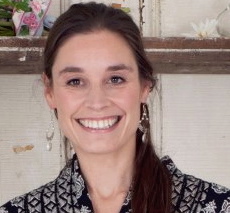
Melissa Cronin Head Shot 2When a car went rogue careening through 2 1/2 blocks of the Santa Monica, California Farmer’s Market it left Melissa Cronin with not only broken bones and a ruptured spleen, but also with a Traumatic Brain Injury. Melissa is the author of “Invisible Bruise” and “Silencing the Boom.” Both stories are published in “Chicken Soup for the Soul” books.

Juliet Madsen Uniform

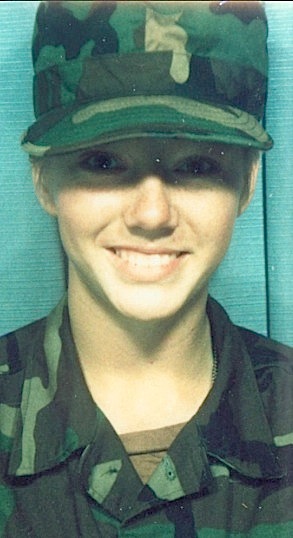
Troop, Juliet Madsen, got her brain injury while serving her country in Iraq. Juliet is a member of the Board of Directors of R4 Alliance and is a master quilter. You can see some of her work at “Stroke of Luck Quilting.”

If you missed this show on “Another Fork in the Road” on October 4th, 2015, don’t fret. You can listen to the archived show here. Click the link below.

See you “On the Air!”

On The Air: Brain Injury Radio “Another Fork in the Road” Depression and Suicidal Thoughts with panelists, Survivor, Melissa Cronin and Survivor Troop, Juliet Madsen

Sources I used for this show:

  1. Everyday Health – 8 Unconventional Ways to Ease Depression

http://www.everydayhealth.com/depression-pictures/unconventional-ways-to-ease-depression.aspx

  1. Health – 7 Types of Therapy That Can Help Depression

http://www.health.com/health/gallery/0,,20310354,00.html

  1. Mayo Clinic – Psychotherapy

http://www.mayoclinic.org/tests-procedures/psychotherapy/basics/definition/prc-20013335

  1. Mental Health Foundation – Depression

http://www.mentalhealth.org.uk/help-information/mental-health-a-z/D/depression/

  1. The Guardian – Robin Williams, depression and the complex causes of suicide

http://www.theguardian.com/science/blog/2014/aug/18/robin-williams-depression-causes-suicide

  1. WebMD – Psychologist or Psychiatrist: Which Is Right for You?

http://www.webmd.com/mental-health/features/psychologist-or-psychiatrist-which-for-you

  1. WebMD – Symptoms of Depression

http://www.webmd.com/depression/guide/detecting-depression

Hotlines:

If you or someone you know needs immediate help, don’t waste time on the web, call 9-1-1 immediately.

There are many depression and suicide hotlines. Here are some I located. I am NOT endorsing them, but if you have concerns about depression or suicide, I might want to look into them in advance of any crisis.


  1. National Suicide Prevention Lifeline (1-800-273-8255) Suggested by the Mayo Clinic

http://www.suicidepreventionlifeline.org/

  1. Samaritans 24-Hour Crisis Hotline (212) 673-3000

http://samaritansnyc.org/24-hour-crisis-hotline/

  1. 24/7 Crisis Support 775-784-8090  

http://crisiscallcenter.org/crisisservices.html

  1. Most states have mental health hotlines. Here is a site that has links to most states.

Suicide Hotlines

http://www.suicide.org/suicide-hotlines.html

(Clip Art compliments of Bing.)

As I say after each post: Please leave a comment by clicking the blue words “Leave a Commentanim0014-1_e0-1 below this post.

Feel free to follow my blog. Click on “Follow” on the upper right sidebar.

If you like my blog, share it with your friends. It’s easy! Click the “Share” buttons below.

If you don’t like my blog, “Share” it with your enemies. I don’t care!

Feel free to “Like” my post

Survivors SPEAK OUT! . . . . . Pam Richardson

Survivors SPEAK OUT! Pam Richardson

presented

by

Donna O’Donnell Figurski

Richardson, Pam McClurg 11. What is your name? (last name optional)

Pam Richardson

2. Where do you live? (city and/or state and/or country) Email (optional)

Louisville, Kentucky, USA    pamr1672@yahoo.com

3. On what date did you have your brain injury? At what age?

My brain injury happened in 2004. I was 46.

4. How did your brain injury occur?

I had a colloid cyst removed. It’s a benign brain tumor located in the third ventricle of the brain. Not much is known about a colloid cyst. It is thought to be something one is born with, but symptoms occur later in life.

5. When did you (or someone) first realize you had a problem?

I had headaches and dizzy spells for years. I went to all the appropriate doctors. I was diagnosed with sinus headaches and Meniere’s disease (an inner ear disorder causing dizziness).

6. What kind of emergency treatment, if any, did you have?

I was passing out and falling down. A CT scan (computerized tomography, also known as a CAT scan – computerized axial tomography) showed that the tumor was cutting off my CSF (cerebrospinal fluid) in my brain. I was urgently scheduled for removal of the tumor the next day. I had a ten-hour surgery with a craniotomy (surgical opening of the skull) for the complete removal of the tumor.

7. Were you in a coma? If so, how long?

I was not in a coma. However, I had no memory.

8. Did you do rehab? What kind of rehab (i.e., inpatient or outpatient and occupational and/or physical and/or speech and/or other)? How long were you in rehab?

I had no rehab. After a year, I realized there had to be help for people like me, and I started getting on the computer. However, my short-term memory was terrible. I found the Brain Injury Alliance of Kentucky, and they changed my life! But I don’t remember. 😦

9. What problems or disabilities, if any, resulted from your brain injury
(e.g., balance, perception, personality, etc.)?

I have short-term memory loss, although my memory is (thankfully) getting better all the time. I made terrible decisions. I divorced my husband and don’t remember it. When people say, “Live in the moment” – that is what I did. It is a HORRIBLE PLACE TO LIVE! I have no concept of the past to be able to reference, and I have no ability to think of the consequences of my decisions for the future. I bought cars for both of my sons. I bought clothes I would never wear. I couldn’t remember what kind of food I liked to eat … and lots more I can’t think of right now. Oh, I tried to go back to work, but I couldn’t remember what I used to do.

10. How has your life changed? Is it better? Is it worse?

My life is completely turned around. I was married to a physician. We would travel. We had a good time. We had a great life. I screwed everything up. I divorced him – don’t know why. I came to a realization a few years ago that I had to accept the NEW ME because that is the life I have now. No looking back. Accept where I am now. Live forward from today.

11. What do you miss the most from your pre-brain-injury life?

I miss being married. But it’s OK, and I’m still young. 🙂

12. What do you enjoy most in your post-brain-injury life?

I like that I have the ability to relate to others about traumatic brain injury (TBI). I love to help others. I am much more “healed” than I was when I started on this journey. Of course, each year I thought I was feeling much better. What I have learned is that it is a life-long journey.

13. What do you like least about your brain injury?

I dislike my short-term memory issues.

14. Has anything helped you to accept your brain injury?

God – and my family and friends

15. Has your injury affected your home life and relationships and, if so, how?

Yes, as mentioned above. Also, you really learn who your true friends are. People just don’t understand TBI.

16. Has your social life been altered or changed and, if so, how?

My social life has changed completely. When you don’t “remember” to call your friends back time after time, there is a time when they don’t call you back.

17. Who is your main caregiver? Do you understand what it takes to be a caregiver?

At first, my main caregiver was my husband. But after I left, it was my sister. She still is there whenever I need her.

18. What are your plans? What do you expect/hope to be doing ten years from now?

I don’t really know what the future holds for me. I now have grandchildren who are the love of my life. I take one day at a time.Richardson, Pam McClurg 2

19. Are you able to provide a helpful hint that may have taken you a long time to learn, but which you wished you had known earlier? If so, please state what it is to potentially help other survivors with your specific kind of brain injury.

I wish I would have known more about what would really happen AFTER my surgery. I was told I might have a few memory problems – but nothing like what I have experienced. Of course, I had no time to prepare, nor would I have remembered it. Nevertheless, my family would have been more educated and informed. Physicians need to be educated about brain injury!

20. What advice would you offer to other brain-injury survivors? Do you have any other comments that you would like to add?

YOU WILL MAKE IT! Think positive! Have a good support system! Go to support-groups. Get online to support-groups. There are resources in your state and in your community. Never, ever give up. YOU ARE WORTH IT!

(Disclaimer: The views or opinions in this post are solely that of the interviewee.)

If you would like to be a part of the SPEAK OUT! project, please go to TBI Survivor Interview Questionnaire for a copy of the questions and the release form.

(Clip Art compliments of Bing.)

(Photos compliments of contributor.)

As I say after each post: Please leave a comment by clicking the blue words “Leave a Commentanim0014-1_e0-1 below this post.

Feel free to follow my blog. Click on “Follow” on the upper right sidebar.

If you like my blog, share it with your friends. It’s easy! Click the “Share” buttons below.

If you don’t like my blog, “Share” it with your enemies. I don’t care!

Feel free to “Like” my post.

SPEAK OUT! . . . . . . . . . . . . . . . . . Guest Blogger: Miki Mashburn-Bailey “Awareness: TBI Survivor Advocate”

Awareness: TBI Survivor Advocate

by

Miki Mashburn-Bailey

presented by

Donna O’Donnell Figurski

Girl Blogger cartoon_picture_of_girl_writingIt has been twenty years since my husband’s traumatic brain injury (TBI). Unawareness has been our enemy and hurt us tremendously. Awareness has found its place in our home just this past year, and it has brought along with it forgiveness, acceptance, and understanding.

Awareness has turned our life around. And, everyone who suffers from a TBI deserves to understand this life he or she lives. So obviously, awareness is important to me. It has become my passion. I ask you to help me prevent further damage by making the world aware. Your response could save a life – a marriage – a family.Miki Mashburn-Bailey 1

My husband was hit in the head by a brake drum that had flown off an eighteen-wheeler. The brake drum was traveling at highway speed. It wasn’t actually a “car accident,” but it was an unnecessary and unfortunate accident. (It’s for a reason such as this that you can receive a ticket for “failure to maintain your vehicle.”) My husband’s car veered to the left. The barrier between the highway lanes slowed him to a stop, as he was combative and lost all control of his being. An ambulance just happened to be driving by soon after, and the EMS (Emergency Medical Services) team just happened to look down into my husband’s vehicle. They saw him and took immediate action.

I am thankful for this EMS team because they helped save my husband’s life. They responded quickly and effectively, and my husband was rushed to the nearest trauma center. The team there responded quickly, and the surgeon was able to do what was necessary to prevent further damage. This man and the trauma center team saved my husband’s life. I am forever grateful to them. They did their jobs, and they did them well. Had the EMS team not responded in the manner they did, it would’ve made the trauma center’s job more difficult.

Miki Mashburn-Bailey and Jay Bailey 3My husband survived an incident he should not have. He improved much sooner than expected. He recovered miraculously and was discharged earlier than expected. I am thankful to everyone. They did their jobs well.
 HOWEVER, there was still a job that was necessary. There was still work to do. There was still much-needed therapy. There was still much-needed counseling.
 A life was saved, but it was forever changed, and no one was there to help make sense of it. No one was there to guide my husband and me to the next step. No one was there to warn of the subtle changes that have huge impacts. No one was there to enlighten and give insight as to what to expect next. 
EMS did a great job and sent us on to the next step – the trauma center. The trauma center did a great job and sent my husband on into surgery. The surgeon did a great job.

But, the only place left to pass my husband on to was home. “No more treatment necessary” written on discharge papers means “There is no more left for us to do on our end,” but, to the sufferer of a TBI, it reads as, “You’re fine. You will heal right up!”
 My husband and I go home. We expect things to be different. We adjust. We assume time is all that’s needed. Time marches on, and things don’t improve, or we begin to notice this and that here and there. By the time we recognize things aren’t healing cognitively as well as they are physically, we go to a doctor confused and try to communicate our concerns. My husband is brushed off because he “looks fine.”

Trauma centers need to have a “TBI Survivor Advocate” to hold the survivor’s hand into the next step of the TBI journey – not to hand out written material that will be lost in all of the other paperwork given at discharge. TBI Survivor Advocates would sit down with survivors and their families and/or friends and help them understand that, while EMS and the hospital saved the survivors’ lives, there are others who will help survivors LIVE their lives. TBI Survivor Advocates could direct and guide survivors to find therapists and counseling that will help transition and adjustment to their “new normal.” 
A disservice was done to my husband – to his future, to the company he worked for, to our relationship, and to our family.
 We were denied effective help and expected to carry on, due to my husband’s “miraculous” physical healing. Because of that, the cognitive damage that affected his being never got the attention or therapy it desperately needed.

Awareness of the reality of TBI as often being an invisible disability is vital in the health of the world we all live in. TBI is a thief in the night and has no prejudice. It can happen to anyone of any status. Please help me make others aware. Miki Mashburn-Bailey 4We can be that hand that guides others to their next steps in their journeys. The world we live in is full of those who have influence. A difference CAN be made in the way a brain-injured individual adjusts to his or her new life. All it takes is ONE person to make a difference. The more we help one another, the better our world becomes.

Thank you, Miki Mashburn-Bailey.

Disclaimer:
Any views and opinions of the Guest Blogger are purely his/her own.

(Clip Art compliments of Bing.)

(Photos compliments of Miki Mashburn Bailey)

As I say after each post: Please leave a comment by clicking the blue words “Leave a Commentanim0014-1_e0-1 below this post.

Feel free to follow my blog. Click on “Follow” on the upper right sidebar.

If you like my blog, share it with your friends. It’s easy! Click the “Share” buttons below.

If you don’t like my blog, “Share” it with your enemies. I don’t care!

Feel free to “Like” my post.

SPEAK OUT! . . . . . . . . . . . . . . . . . Faces of Brain Injury . . . . . . . . . . . Tony Hernandez-Frazione

SPEAK OUT! Faces of Brain Injury – Tony Hernandez-Frazione

presented by

Donna O’Donnell Figurski

 Brain Injury is NOT Discriminating!

bigstock-cartoon-face-vector-people-25671746-e1348136261718

It can happen to anyone, anytime, . . . and anywhere.

The Brain Trauma Foundation states that there are 5.3 million people in the United States living with some form of brain injury.

On “Faces of Brain Injury,” you will meet survivors living with brain injury. I hope that their stories will help you to understand the serious implications and complications of brain injury.

The stories on SPEAK OUT! Faces of Brain Injury are published with the permission of the survivor or designated caregiver.

If you would like your story to be published, please send a short account and two photos to me at neelyf@aol.com. I’d love to publish your story and raise awareness for Brain Injury.

Hernandez,-Frazione, Tony Survivor 070715Tony Hernandez-Frazione (survivor)

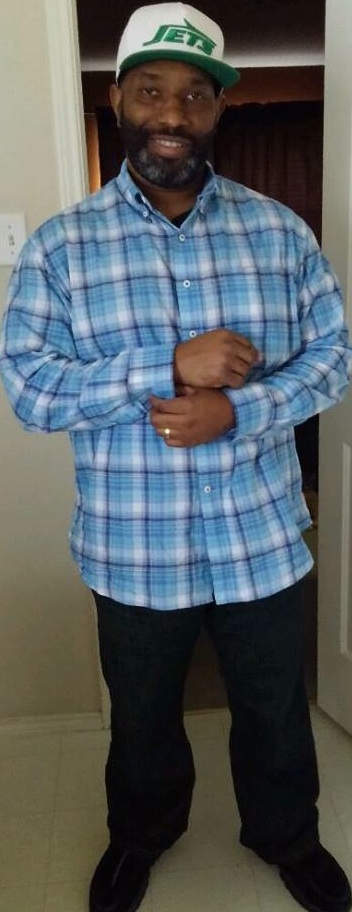
This is my six-month anniversary. Here’s a bit of my story. Six months ago, I started a new job. It was my first day – I put a starter on a Ford F350 to show the bossman I knew what I was doing. I finished up and left the house where I was at, made a right onto Beach Blvd. to get to South Side Blvd. It was an ordinary day like any other. Right before I got to South Side, a school bus pulled out right in front of me and changed my life and others’ lives forever. I collided with that bus, and a bigger part of me was killed in the process. Life as I knew it was changed forever. I know some of you don’t care and won’t read all this, but my message is this: Count every day and moment like it’s your last. Hernandez,-Fragione, Tony Survivor 070715Hug and kiss your children and loved ones every day, even if you’re upset at each other, because it could be your last. I thank God every day that I see my daughter, and I breathe again. I thank God too for the few true friends that were there and still are, when so many have left because of the “new” me. But, I don’t look at “me” any differently.

(Clip Art compliments of Bing.)

(Photos compliments of contributor.)

As I say after each post: Please leave a comment by clicking the blue words “Leave a Commentanim0014-1_e0-1 below this post.

Feel free to follow my blog. Click on “Follow” on the upper right sidebar.

If you like my blog, share it with your friends. It’s easy! Click the “Share” buttons below.

If you don’t like my blog, “Share” it with your enemies. I don’t care!

Feel free to “Like” my post.

Survivors SPEAK OUT! . . . . . Debra Cody

Survivors SPEAK OUT! Debra Cody

presented

by

Donna O’Donnell Figurski

Deb Cody Post accident1. What is your name? (last name optional)

Debra Cody

2. Where do you live? (city and/or state and/or country) Email (optional)

Ailsa Craig, Ontario, Canada     debcody63@gmail.com

3. On what date did you have your brain injury? At what age?

I was 47 when I was diagnosed, but I was 42 when I had my first concussion.

4. How did your brain injury occur?

I suffered four concussions over a five-year span.

5. When did you (or someone) first realize you had a problem?

It was clear I had a problem about four months after my last concussion in 2010, but my mother and my husband say they noticed a difference in me about two years before that.

6. What kind of emergency treatment, if any, did you have?

I was assessed in the Emergency Room after the first, second, and fourth concussions. I was always told to go home and rest for a couple weeks for the concussion. I opted not to go to the hospital after the third one because I knew I would just be told to go home and rest. For the fourth one (after the car accident), I was taken to the hospital by ambulance, as the concussion (according to the doctor) was “the least of my worries.” I had other injuries that needed surgery, a tracheotomy, and a G-PEG (gastric tube that leads directly to the stomach for feeding).

7. Were you in a coma? If so, how long?

No

8. Did you do rehab? What kind of rehab (i.e., inpatient or outpatient and occupational and/or physical and/or speech and/or other)?

Yes. I was in an outpatient treatment program.

How long were you in rehab?

I have been in the program for three years now.

9. What problems or disabilities, if any, resulted from your brain injury
(e.g., balance, perception, personality, etc.)?

I have headaches. I tire easily. My personality was affected. I have issues with perception, hearing, anxiety, depression, confusion, and vertigo.

10. How has your life changed? Is it better? Is it worse?

I like to say that “life is my oyster and my brain injury is the pearl.” My life started out as worse, but it has slowly gotten better. My life is quieter now. I am less socially active than I was before, but I am finding (TBI). I am careful about how I choose to spend my time, as I have so little “functioning” time to spend.

11. What do you miss the most from your pre-brain-injury life?

“Me”

12. What do you enjoy most in your post-brain-injury life?

I enjoy having the awareness of how valuable time truly is.

13. What do you like least about your brain injury?

My limitations

14. Has anything helped you to accept your brain injury?

Counseling and the love and support of my husband and children have helped me to accept my TBI.

15. Has your injury affected your home life and relationships and, if so, how?

My home is quieter, and we have gotten rid of a lot of things. I get over-stimulated easily, so we streamlined our home. My relationships have changed greatly. There are fewer people in my life – I found that family and friends stopped coming around and calling. Slowly, over that past eight months, I am seeing some of “The Lost” coming back. Over all, people found the changes in me hard to understand and accept.

16. Has your social life been altered or changed and, if so, how?

I go out less, and I am careful about the events I attend. It takes a lot of planning and preparation for me to go somewhere. The spontaneity is gone from my life.

17. Who is your main caregiver? Do you understand what it takes to be a caregiver?

My husband is my main caregiver. I don’t go far without him. I truly do understand what it takes to be a caregiver. (It helps the understanding that I am the mother of four children.)

18. What are your plans? What do you expect/hope to be doing ten years from now?

My plans are to keep moving forward. I look back to where I was four years ago, and I know that I never want to go back there. The only way to prevent that is to keep “getting better.” As for ten years from now, I don’t know. I have become a “one-day-at-a-time” person. What I can say is that I hope to see that I have been able to reclaim some of my independence.

19. Are you able to provide a helpful hint that may have taken you a long time to learn, but which you wished you had known earlier? If so, please state what it is to potentially help other survivors with your specific kind of brain injury.

My advice is to be gentle with yourself. I lost a lot of time trying to “force” myself to be who I once was.

20. What advice would you offer to other brain-injury survivors? Do you have any other comments that you would like to add?Deb Cody Pre accident

Planning, preparation, and pacing are huge in my life now. On days when I think I am “Superman” and can “fly” by the seat of my pants, the “kryptonite” (my brain injury) “defeats” me every time! The three things above will make your life so much easier. Look for something good in every day. Remember to celebrate your accomplishments, no matter how small they may seem to others. And, be gentle with yourself. It takes time to create something as amazing as you are going to be!


(Disclaimer: The views or opinions in this post are solely that of the interviewee.)

If you would like to be a part of the SPEAK OUT! project, please go to TBI Survivor Interview Questionnaire for a copy of the questions and the release form.

(Clip Art compliments of Bing.)

(Photos compliments of contributor.)

As I say after each post: Please leave a comment by clicking the blue words “Leave a Commentanim0014-1_e0-1 below this post.

Feel free to follow my blog. Click on “Follow” on the upper right sidebar.

If you like my blog, share it with your friends. It’s easy! Click the “Share” buttons below.

If you don’t like my blog, “Share” it with your enemies. I don’t care!

Feel free to “Like” my post.

Caregivers SPEAK OUT! . . . . . Janiece Naber Martindale

Caregivers  SPEAK OUT!  Janiece Naber Martindale

presented by

Donna O’Donnell Figurski

Martindale, Janiece Naber1. What is your name? (last name optional)
Janiece Naber Martindale

2. Where do you live? (city and/or state and/or country) Email? (optional)

Chickasaw, Alabama, USA

3. What is the brain-injury survivor’s relationship to you? How old was the survivor when he/she had the brain injury? What caused your survivor’s brain injury?

My husband, James Martindale, was 61 when he was diagnosed with multiple system atrophy (MSA, a progressive neurodegenerative disorder that affects the brain). In December 2008, my husband and I drove an empty semi-tractor to Calexico, California, to our drop yard. We were to pick up a loaded trailer for our trip home. Because of rain, the drop yard was extremely muddy. The semi got stuck in the mud, so James walked through the muddy yard looking for our loaded trailer, when he fell in the mud. James hurt his back at that time, and he began to complain of dizziness. He also complained of a nasty headache. I believe that that was the beginning of James’ MSA.

4. On what date did you begin care for your brain-injury survivor? Were you the main caregiver? Are you now? How old were you when you began care?

I began my husband’s care in June 2009. I was 45. I was his main caregiver. I am not now because my husband passed away on October 16, 2014.

5. Were you caring for anyone else at that time (e.g., children, parents, etc.)?

No

6. Were you employed at the time of your survivor’s brain injury? If so, were you able to continue working?

Yes, we were working at the time. But, we had to quit.

7. Did you have any help? If so, what kind and for how long?

My husband had hospice care for the two years before he passed away.

8. When did your support of the survivor begin (e.g., immediately – in the hospital; when the survivor returned home; etc.)?

For the first three years, I was the only caregiver, and I didn’t really have any help. But, I had a lot of help in the final two years with hospice care coming into the house.

9. Was your survivor in a coma? If so, what did you do during that time?

No

10. Did your survivor have rehab? If so, what kind of rehab (i.e., inpatient and/or outpatient and occupational, physical, speech, and/or other)? How long was the rehab? Where were you when your survivor was getting therapy?

My husband had no rehab.

11. What problems or disabilities of your brain-injury survivor required your care, if any?

My husband had problems with his balance and his gait. He couldn’t write. He wasn’t able to drive a car. Eventually, he lost all ability to move. He had an upper respiratory infection.

12. How has your life changed since you became a caregiver? Is it better? Is it worse?

My life is better because I now have the knowledge to help other people

13. What do you miss the most from pre-brain-injury life?

I miss being able to go out and ride around the Gulf coast together.

14. What do you enjoy most in post-brain-injury life?

It’s hard to enjoy life, since I have to start over all by myself.

15. What do you like least about brain injury?

My husband died too soon.

16. Has anything helped you to accept your survivor’s brain injury?Martindale, Janiece Naber 2 091515

I just accepted it. It was the way of life.

17. Has your survivor’s injury affected your home life and relationships and, if so, how?

I had to stay at home a lot. I realized that I could change that when I had the help of hospice workers.

18. Has your social life been altered or changed and, if so, how?

My social life was affected at the time. Now I’m trying to put my life back together again with a husband.

19. What are your plans? What do you expect/hope to be doing ten years from now?

I plan to help someone who is living in this situation – I may even start a support-group, so people have a place to go and chat.

20. What advice would you offer other caregivers of brain-injury survivors? Do you have any other comments that you would like to add? 

Keep a positive attitude. Hold your head high. Be patient. Encourage the survivor.

(Disclaimer: The views or opinions in this post are solely that of the interviewee.)

If you would like to be a part of the SPEAK OUT! project, please go to TBI Survivor Interview Questionnaire for a copy of the questions and the release form.

(Clip Art compliments of Bing.)

(Photos compliments of contributor.)

As I say after each post: Please leave a comment by clicking the blue words “Leave a Commentanim0014-1_e0-1 below this post.

Feel free to follow my blog. Click on “Follow” on the upper right sidebar.

If you like my blog, share it with your friends. It’s easy! Click the “Share” buttons below.

If you don’t like my blog, “Share” it with your enemies. I don’t care!

Feel free to “Like” my post.


On the Air . . . . . . . . . . . . . . . . . . . Brain Injury Radio “Another Fork in the Road”  “Where Have All My Friends Gone?”

On The Air: Brain Injury Radio “Another Fork in the Road” 

with

Panelists: Caregiver, Lisabeth Mackall and Survivor Troop, Juliet Madsen

Topic: Where Have All My Friends Gone?

presented

by

Donna O’Donnell Figurski

Mackall, Lisabeth with Book

Lisabeth Mackall joined other caregivers when her husband and police officer, Frank, was in a serious car accident on the way to an emergency call. The accident left him with a brain injury.

Juliet Madsen Uniform

Troop, Juliet Madsen, got her brain injury while serving her country in Iraq. Juliet is a member of the Board of Directors of R4 Alliance and is a master quilter. You can see some of her work at “Stroke of Luck Quilting.”

Losing relationships, both family and friends, is a common result of brain injury and it is devastating to survivors and their caregivers, as well. Troop and survivor, Juliet Madsen, and Lisabeth Mackall, therapist and caregiver for her husband, join me to discuss the topic of “Where Have All My Friends Gone.” We’ll examine the reasons why some people just can’t stick it out and try to shed some light on how folks can keep their relationships alive with their brain-injured friends.

If you missed this show on “Another Fork in the Road” on September6th, 2015, don’t fret. You can listen to the archived show here. Click the link below.

See you “On the Air!”

On The Air: Brain Injury Radio “Another Fork in the Road” Where Did All My Friends Go? with panelists, Caregiver, Lisabeth Mackall and Survivor Troop, Juliet Madsen

(Clip Art compliments of Bing.)

As I say after each post: Please leave a comment by clicking the blue words “Leave a Commentanim0014-1_e0-1 below this post.

Feel free to follow my blog. Click on “Follow” on the upper right sidebar.

If you like my blog, share it with your friends. It’s easy! Click the “Share” buttons below.

If you don’t like my blog, “Share” it with your enemies. I don’t care!

Feel free to “Like” my post.


About Me and My Blog!

SPEAK OUT! for Brain Injury 

Donna O’Donnell Figurski

Writer, Blogger, Radio Host, Speaker
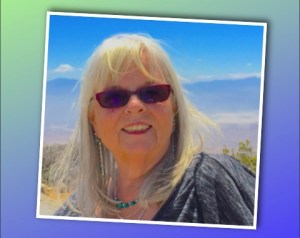
1 Donna Featured PhotoWRITER

My completed memoir, “Prisoners Without Bars: A Caregiver’s Story,” starts the minute my husband, David, had his brain injury. He was exercising. He did one more chin-up than his normal twelve. That dreaded thirteenth changed our lives forever. The story carries the reader through three unwanted brain surgeries – none of which David was expected to survive and which reduced him to an infantile state. “Prisoners Without Bars: A Caregiver’s Story” portrays David’s first eighteen months of struggles through recovery, therapy, and rehabilitation, while heralding his strength and persistence. I have included an epilogue to bring the reader up to date on David’s recovery and David added his flair to the story and his personal touch by writing the afterword. “Prisoners Without Bars: A Caregiver’s Story,” documents my dedication to helping David recover and details how we picked up the pieces and glued our lives back together. The story will make you laugh. No – brain injury is not funny, but life without humor during recovery from brain injury would be unbearable. It will also make you cry. No doubt! But, mostly it will offer hope to brain-injured survivors, their caregivers, and their family and friends. “Prisoners Without Bars: A Caregiver’s Story” is my completed memoir currently searching for an agent

I have four stories published for children in three books with Scholastic in their Education Department. Also, three biographies about notable Native Americans are scheduled for publication in two anthologies in early 2016.

BLOGGER2 Donna Collage

My blog, Surviving Traumatic Brain Injury, was the brainchild born from my realizing how many people are living with brain injury. At least 5.3 million people, just in the United States alone, are affected by brain injury. That is an astounding number! After being a part of this huge community for almost ten years, I knew I had to raise my voice, and I realized I could use my writing skills to reach a large audience.  Social media was not yet a part of folks’ lives when David had his brain injury, so we invented our own wheel. But now, with so many social media sites where brain-injury survivors, their caregivers, and their family and friends can search for information, I felt it was senseless for them to invent their own wheels. I wanted to help. The blog began with the Survivors SPEAK OUT! interviews, which gave survivors a voice, using my blog as their stage. That venue became hugely successful, and soon the Caregivers SPEAK OUT! interviews evolved. Soon after, many more categories followed as I saw a demand for them. The categories are listed below with a brief description.

BLOG CATEGORY DESCRIPTIONS3 Donna Collage

Brain Injury Resources

The Brain Injury Resources category houses various informational topics, including books, movies, documentaries, facts, and research about brain injury.

Caregivers SPEAK OUT! Interviews

Read interviews from caregivers of brain-injured survivors. If you are a caregiver, this is where you can tell your side of the story. Look for the Caregivers SPEAK OUT! Questionnaire below.

 Caregivers SPEAK OUT! Questionnaire

This is the Caregiver Questionnaire. It’s easy – just fill out the 20-question template. (All the directions are on the page.)4 Donna Collage
SPEAK OUT! Faces of Brain Injury

Meet brain-injured survivors and their caregivers on “Faces of Brain Injury.” Their candid and heart-wrenching stories will help readers understand the serious implications and complications of living with brain injury.

 If you’d like to share your story on “Faces of Brain Injury,” please send it to me at neelyf@aol.com. I’d be happy to consider it. (Please put “Faces of Brain Injury” in the subject line.)

 SPEAK OUT! Guest Bloggers

Everyone has a story. In this section, Guest Bloggers can SPEAK OUT! about topics relevant to brain injury and special to them.

 If you have a Guest Blog you’d like to share, please contact me at neelyf@aol.com. I’d be happy to consider it. (Please put Guest Blogger in the subject line.)

SPEAK OUT! Itty-Bitty GIANT Steps

When you are living with a brain injury, no accomplishment is too small. ibGs provides a platform for brain-injury survivors and their caregivers to shout out their BIGGEST (or smallest) recent accomplishment. Share yours now!

Send it to me at neelyf@aol.com. I’d be happy to consider it. (Please put Itty-Bitty GIANT Step in the subject line.)

My Book: “Prisoners Without Bars: A Caregiver’s Story”

You can read about my book under “Writer” above.

SPEAK OUT! NewsBits

NewsBits is the place to go to find out the latest in the news about brain injury. 5 Donna Collage(Well, it was the “latest” when I published it. I’m sure it’s still interesting, though.)
On The Air: Brain Injury Radio “Another Fork in the Road” 

My radio show, “Another Fork in the Road,” airs the first and third Sundays of each month at 5:30pm Pacific Time. The show features brain-injury survivors and/or their caregivers. It also delves into the problems and issues that survivors and caregivers live with each day. Professionals, including therapists, are also interviewed on the show. If you can’t tune in to the live show, don’t fret. You can listen to the show anytime. It’s archived. Just find the show you want to hear and click the link. (“On The Air Show Menu” in the sidebar of my blog has a list of all my shows and provides their links.)

On the Air! Show Menu

This is the place to go if you are looking for a great show about brain injury. All of my shows are listed here with a link that will carry you directly to the station to listen. So, sit back, relax, and learn.6 Donna Collage
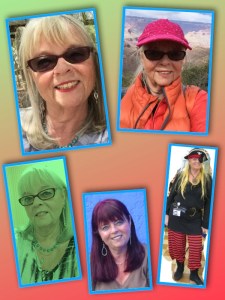
So, Whaddya Think?

Is there something you are passionate about in this brain-injury world? Do you want to be heard? Your opinion matters! You can SPEAK OUT! on “So, Whaddya Think?

Send your opinion piece to me at neelyf@aol.com. I’d be happy to consider it. (Please put So, Whaddya Think? in the subject line.)

Survivors SPEAK OUT! Interviews

Read interviews from brain-injured survivors from all walks of life. Brain injury is NOT discriminating. If you are a brain-injured survivor, this is where you can tell your side of the story. I’d be happy to consider it. Look for the Questionnaire Template below.

Survivors SPEAK OUT! Questionnaire

This is the Survivor Questionnaire. It’s easy! Just fill out the 20-question template. (All the directions are on the page.)

TBI Tales7 Donna Collage

The stories that are shared here by a variety of survivors and caregivers will make you laugh and cry – sometimes at the same time. They may delight you or they may shock you, but I can guarantee that the stories will offer you courage and hope.

If you have a TBI Tale you’d like to share, please contact me at neelyf@aol.com. I’d be happy to consider it. (Please put TBI Tale in the subject line.)

and Explore More …
You’re just going to have to click to find out. Go ahead! You know you want to.

RADIO HOST

Becoming a radio host had never entered my mind and may be just about the biggest surprise in my life. When I was approached to join the Brain Injury Radio Network on blogtalk radio, I was hesitant. Probably more like…are you kidding me? It took some convincing and a lot of soul-searching before I said, “Yes.”

I wondered what skills I had for this job, and I began to think – always dangerous. I had been a teacher for more than three decades, entertaining my audience of more than four hundred six- to eight-year-olds – teasing them into learning to “read, ‘rite, and do ‘rithmetic.” Believe me, teachers nearly stand on their heads to keep their little “twerpsters” entertained – a must, if you are going to keep their attention.8 Donna Collage

I am also in the theater and periodically climb onto the stage to cavort with other actors in front of hundreds of play-goers, so I thought maybe this radio-host thing might work. After all, if I can speak in front of hundreds of people who are directly in front of me, speaking to thousands of invisible listeners should be a cinch. So, yes, I decided to join the network.

Well, it’s not a cinch, and I still get the butterflies before each show, but as soon as my intro music plays, I am in the zone. My 80-minute show flies by, and when I invite my audience to tune in again in two weeks and the mics shut down, I savor the satisfaction of a job well done.

Since I’ve lived in the brain-injury world for more than ten years as the caregiver for my husband, David, I’ve learned a lot and was eager to share my knowledge with others. I’ve been with the network for more than a year now, and I have hosted more than twenty-seven shows.

You can listen to my radio show, “Another Fork in the Road,” on the Brain Injury Radio Network. My show airs the first and third Sundays of each month at 5:30pm Pacific Time. On my 80-minute show, I interview guests in the brain-injury world, including survivors and/or their caregivers, delving into their lives to better understand how they cope with daily living after brain injury. I invite folks from the medical professions, such as therapists, who are willing to offer suggestions and hope to survivors. I talk with folks in brain-injury communities, such as troops from the combat zones of recent wars and athletes from the battlegrounds of the playing fields. I address many topics pertinent to brain injury with my panel of brain-injury survivors and caregivers.

Tune in! Click on Brain Injury Radio and look for “Upcoming Broadcasts.” (My show will be advertised about two days before the first or third Sunday of each month.)

You can listen to the shows anytime. They’re archived. Just click on On the Air! Show Menu on my blog. See you “On the Air!”

SPEAKER9 Donna Collage

If you’ve read the section above about my being a radio host, you will already understand why I have chosen to become a spokesperson for brain injury. Though brain injury has been around for forever, it seems that it is finally coming to the forefront as our troops arrive home with traumatic brain injury – what the world is calling the “signature” wound of the Iraq and Afghanistan wars. Recently too, there is a lot of attention to the head traumas that many football players have received, resulting in serious repercussions for them, such as memory loss, unrestrained anger, and even early dementia. Sadly, many players have completely lost hope and have resorted to suicide. Of course, with the baby boomers reaching their “golden” years (and some not so golden), they are finding that many of them and their loved ones are requiring caregivers in their lives simply to manage day-to-day living. And that’s where I come in. With my knowledge and experience of being a caregiver for my husband, David, for more than ten years, I have learned a fair bit and would like to share my knowledge to help others.

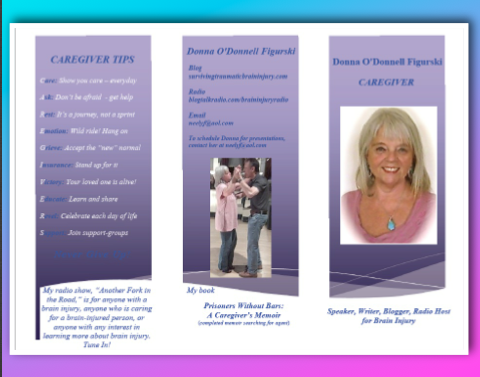
Need a speaker? My 90-minute PowerPoint Presentation, “What Caregivers Need to Know,” is for anyone with a brain injury, anyone who is caring for a brain-injured person, or anyone with any interest in learning more about brain injury. For details or to schedule me for your event, please contact me at neelyf@aol.com.

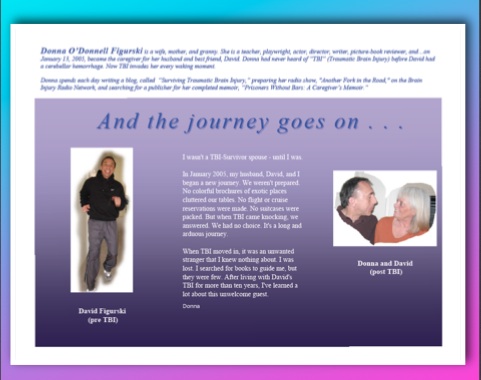
Below is my brochure.

Click on photos to enlarge.

10 Brochure 111 Brochure 2

Survivors SPEAK OUT! . . . . . . Anonymous

Survivors  SPEAK OUT! – Anonymous

(survivor requested anonymity for personal reasons)

presented by

Donna O’Donnell Figurski

th-11. What is your name? (last name optional)

Anonymous

2. Where do you live? (city and/or state and/or country) Email (optional)

Ohio, USA

3. On what date did you have your brain injury? At what age?

I was 28 years old.

4. How did your brain injury occur?

My ex-boyfriend pushed me over a balcony, and I hit my head on concrete.

5. When did you (or someone) first realize you had a problem?

People called 9-1-1, so it was within a few minutes.

6. What kind of emergency treatment, if any, did you have?

I had two craniotomies (removal of part of the skull to expose the brain). A pic line (also “picc line,” peripherally inserted central catheter) was added in my arm. I had a G-PEG (gastric tube inserted by percutaneous endoscopic gastrostomy; the tube leads directly to the stomach and allows direct feeding).

7. Were you in a coma? If so, how long?

I was in a coma for four days. The coma was medically induced.

8. Did you do rehab? What kind of rehab (i.e., inpatient or outpatient and occupational and/or physical and/or speech and/or other)?

I had occupational, physical, and speech therapies.

How long were you in rehab?

I did six weeks of inpatient therapy, followed by ten months of outpatient therapy.

9. What problems or disabilities, if any, resulted from your brain injury
(e.g., balance, perception, personality, etc.)?

I’m half deaf. I have problems with muscle weakness, memory loss, double vision, balance, discoordination, and loss of the brain’s executive function.

10. How has your life changed? Is it better? Is it worse?

My life is better now. I’m more loving to my family and my son. It seemed impossible at the time – I thought I’d be crippled.

11. What do you miss the most from your pre-brain-injury life?

I was in college to be an RN. At the time, I already had a good job helping people with their everyday needs.

12. What do you enjoy most in your post-brain-injury life?

I have a new appreciation for life. I know that life can end at any time, so I cherish each day. I don’t drink anymore. Therefore, I can now provide my son with whatever he needs.

13. What do you like least about your brain injury?Brain Street Sign th

I dislike forgetting words and names. I have a hard time with what I want to say to people. Often, I have short-term and long-term memory loss. Those things can be the hardest.

14. Has anything helped you to accept your brain injury?

My son and my family have helped me to accept my new changes by being caring and patient.

15. Has your injury affected your home life and relationships and, if so, how?

My brain injury has affected my home life by my having to find new ways to get around things. I have also learned that, while a relationship would be nice, I don’t have to be in one.

16. Has your social life been altered or changed and, if so, how?

My social life is now limited to walking in my small town and the occasional visit to the grocery store or department store to get only what I need

17. Who is your main caregiver? Do you understand what it takes to be a caregiver?

My mom is my main caregiver. She handles all of my finances, plus she’s been an Occupational Therapist for over twenty years.

18. What are your plans? What do you expect/hope to be doing ten years from now?

I would like to continue talking to people about the effects of alcohol, the effects of abuse, and how we can change all of that.

19. Are you able to provide a helpful hint that may have taken you a long time to learn, but which you wished you had known earlier? If so, please state what it is to potentially help other survivors with your specific kind of brain injury.

I wish I would’ve known what real abuse is – not only the physical aspects, but emotional and psychological abuses as well. Had I been aware of those, I would not have been injured in a way that completely altered my life.

Plus, let it be noted that no two traumatic brain injuries (TBIs) are ever the same.

20. What advice would you offer to other brain-injury survivors? Do you have any other comments that you would like to add?

I am a TBI survivor. We are all TBI survivors in our own ways. We don’t need to be in abusive relationships; we deserve all of the care in the world. My advice – don’t become a statistic of horrible abuse that could harm you. Everyone has the capacity to be stronger. I realize that now, and I hope that everyone does.


(Disclaimer: The views or opinions in this post are solely that of the interviewee.)

If you would like to be a part of the SPEAK OUT! project, please go to TBI Survivor Interview Questionnaire for a copy of the questions and the release form.

(Clip Art compliments of Bing.)

As I say after each post: Please leave a comment by clicking the blue words “Leave a Commentanim0014-1_e0-1 below this post.
Feel free to follow my blog. Click on “Follow” on the upper right sidebar.

If you like my blog, share it with your friends. It’s easy! Click the “Share” buttons below.

If you don’t like my blog, “Share” it with your enemies. I don’t care!

Feel free to “Like” my post.

SPEAK OUT! . . . . . . . . . . . . . . . . . Faces of Brain Injury . . . . . . . . . Shanna Wolf Heart Powell

SPEAK OUT! Faces of Brain Injury – Shanna Wolf Heart Powell

presented by

Donna O’Donnell Figurski

 Brain Injury is NOT Discriminating!

bigstock-cartoon-face-vector-people-25671746-e1348136261718

It can happen to anyone, anytime, . . . and anywhere.

The Brain Trauma Foundation states that there are 5.3 million people in the United States living with some form of brain injury.

On “Faces of Brain Injury,” you will meet survivors living with brain injury. I hope that their stories will help you to understand the serious implications and complications of brain injury.

The stories on SPEAK OUT! Faces of Brain Injury are published with the permission of the survivor or designated caregiver.

If you would like your story to be published, please send a short account and two photos to me at neelyf@aol.com. I’d love to publish your story and raise awareness for Brain Injury.

Shanna Wolf Heart Powell (survivor)

Powell, Shanna Wolf Heart Survivor 062715 3This was me three years ago. I was in this truck when it flipped and rolled at 60 mph. I had a shattered face and a shattered shoulder. And, I spent some time in a coma. This was the final nail – the one that pushed my PTSD (post-traumatic stress disorder) into full mode and gave me a TBI (traumatic brain injury). I am not the same me. I am the “new” me. God chose me to still be here. I see it too many times – people are in wrecks and they don’t make it. Powell, Shanna Wolf Heart Survivor 062715 2My survival just makes me even more thankful. (I now make a horrible passenger, as every time the driver swerves, a car looks like it’s going to hit us, or it appears that it is not going to stop, I freak out.) I forget things a lot. I loose what I am saying in the middle of a conversation. I get flustered easily. I have many depressed days and cannot do all the things I used to. I panic for people when I see them getting flown by Care Flight (as I was a “passenger” once). All I can do is say, “God, please help them.”

One day, I had taken my boys to a hospital’s Emergency Room for something, and they wheeled a trauma patient past us. Covered in blood, she was badly hurt from an automobile accident. She was screaming, confused, and scared. They were taking her out to put her on Care Flight. I cried for her and panicked. That was one of the first-known PTSD triggers for me. I have no recollection of the wreck that almost killed me. But, I relived a horrible moment in my life through her. I could only imagine what it was like for me.

Those who care enough to read through my story will read this and then go on with life. But, I live this every day. My TBI (though not as bad as some, and for that I say, “Thank you, God”), my PTSD, and my bipolar disorder will never go away. So, I just have to live with them every day. I cannot do a simple task without issues. For example, I may not understand things when I go to places, like the cell phone store. I don’t understand how to put the airtime cards in my new phone. Instead of telling the clerk, “I have a TBI and don’t understand,” I just say, “Oh, OK.” 😦

Almost every day, something triggers my PTSD, and I fight to stay afloat. People say, “Get over it.” 😦 There is no getting over it! It’s not an easy battle, so please do not tell me to “get over it.” I have lost the memory of a lot of things in my life. I may forget things you just told me. I get confused to the point that I just say, “Forget it. If you try to explain any further, I will just get mad because I don’t get it.” And, I have no filter. I tend to say what I think. So, if I say something and it offends you, move along or unfriend me. It’s not personal.

Powell, Shanna Wolf Heart Survivor 062715 1So “Happy Three-Year Survival” to me! This is why I’m getting the “;” tattoo. And, my story is not over.

To those who think I am stupid and annoying, “Please don’t let the door hit ya where the good Lord split ya.” And, to those who stayed by my side, stayed my friends, or have become my new friends – “Thank you! Love to all!”

(Clip Art compliments of Bing.)

(Photos compliments of contributor.)

As I say after each post: Please leave a comment by clicking the blue words “Leave a Commentanim0014-1_e0-1 below this post.
Feel free to follow my blog. Click on “Follow” on the upper right sidebar.

If you like my blog, share it with your friends. It’s easy! Click the “Share” buttons below.

If you don’t like my blog, “Share” it with your enemies. I don’t care!

Feel free to “Like” my post

diemodi jewelry

uniquely hand-crafted jewelry by donna

Welcome to Harmony Kent Online

The home of all things books

Pete Springer

Passionate Teacher and Future Children's Author

HOPE TBI

Helping Other People Excel - To Be Independent

For the Love of Books, Old and New

Katie Fischer, Writer and Reader of Stories

Charlie Bown

Children's Author

Jessica Hinrichs

“We write to taste life twice, in the moment and in retrospect.” ― Anais Nin

VIVIAN KIRKFIELD - Writer for Children

Picture Books Help Kids Soar

Mindy’s Writing Wonderland

For authors, parents, teachers & everyone who loves children’s books.

Kaitlyn Leann Sanchez

Literary Agent

Surviving Traumatic Brain Injury

TBI - Survivors, Caregivers, Family, and Friends

The Care Factor

Loving someone with a Traumatic Brain Injury

Brain Injury Support Group of Duluth-Extension

Brain Injury Information and SUPPORT

Brain Aneurysm Global Insight

Brain Aneurysm, cerebral hemorrhaging, hemorrhage stroke