TBI – Survivors, Caregivers, Family, and Friends

Posts tagged ‘TBI’

On The Air: . . . . . . . . . . . . . “Another Fork in the Road:” . . . . Julie Kintz on Clubhouses for the Brain-Injured

On The Air: Brain Injury Radio “Another Fork in the Road”

with

Julie Kintz, Brain Injury Survivor &

Working Group Director of the Brain Injury Education & Research Clubhouse in Indiana

presented

by

Donna O’Donnell Figurski

images-1Many folks who have had a brain injury are left with many residual effects. Therapies such as physical, occupational, and speech are

Julie Kintz Survivor Panel 070515

Julie Kintz – Brain Injury Survivor

offered in hospitals and rehab centers. Neuropsych is also offered, but the services for each of these therapies is limited. So what do folks do who still have needs? On this show, Julie Kintz, brain-injury survivor, focused on the needs of the brain-injured.

Julie spoke about the “Clubhouse” model, which provides a safe haven for those who live with mental illness after brain injury.

Julie is now working on developing her own “clubhouse, ” which will cater to folks who live with any sort of brain injury.

Zachary Stilwell, a member of the Carriage House Clubhouse in Fort Wayne, Indiana, stopped by to share his exuberant thoughts about his experiences with the clubhouse, too.

See you “On the Air!”

On The Air: “Another Fork in the Road:” Julie Kintz on Clubhouses for the Brain-Injured

(Clip Art compliments of Bing.)

As I say after each post: Please leave a comment by clicking the blue words “Leave a Commentanim0014-1_e0-1 below this post.

Feel free to follow my blog. Click on “Follow” on the upper right sidebar.

If you like my blog, share it intact with your friends. It’s easy! Click the “Share” buttons below.

If you don’t like my blog, “Share” it intact with your enemies. I don’t care!

Feel free to “Like” my post.

Survivors SPEAK OUT! . . . . . . . Raquel (Rocky) Gloden

Survivors SPEAK OUT! Raquel (Rocky) Gloden

presented

by

Donna O’Donnell Figurski


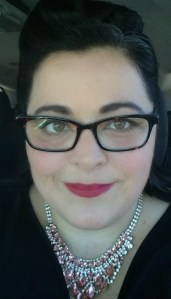
Gloden, Raquel (Rocky Survivor1. What is your name? (last name optional)

My name is Raquel Gloden. I go by Rocky.

2. Where do you live? (city and/or state and/or country) Email (optional)

I live in Arizona, east of Phoenix; my email is brainyliferocky@gmail.com.

3. On what date did you have your brain injury? At what age?

I had my last TBI (traumatic brain injury) in October 2013; I had concussions prior to this last one – it just happened to be the worst. I was 35 years old when it happened.

4. How did your brain injury occur?

I was enjoying an outing with my family. I stopped to take a picture of my children, and when I stepped back to get a better view, I slipped on some sort of substance on the marble floor. I bounced the back of my head on the floor a couple of times – and that was it.

5. When did you (or someone) first realize you had a problem?

I went by ambulance right away and had it checked. I was told that it was a concussion and to take some ibuprofen and that I should start feeling better. I followed the doctor’s recommendation, but it got worse instead of better. I ended up back in the hospital a week later for other issues associated with it. They advised me to go get it checked out further.

6. What kind of emergency treatment, if any, did you have?

Other than a CT (or “CAT”; computerized tomography) scan, I did not have any other emergency treatment.

7. Were you in a coma? If so, how long?

No. I am very fortunate not to have been in a coma.

8. Did you do rehab? What kind of rehab (i.e., inpatient or outpatient and occupational and/or physical and/or speech and/or other)?

I did outpatient vestibular and occupational rehab.

How long were you in rehab?

I did this for a couple of months.

9. What problems or disabilities, if any, resulted from your brain injury
(e.g., balance, perception, personality, etc.)?

Oh wow! This is a loaded question. I have balance problems. I have vision issues. (I see double now.) I was diagnosed with symptomatic ADD (attention deficit disorder). I now suffer from depression. My personality has definitely changed – some good, some not so good. I try to maintain a positive outlook towards everything, but it is often a challenge. Before my medication was regulated (and before it was determined that I needed medication), it was much more difficult to function (from what I can recall). Oh yes, I have memory problems now too.

10. How has your life changed? Is it better? Is it worse?

My life has changed. Is it better or worse? … I don’t know. I am no longer employed at the career I had for fifteen and a half years – that is scary. But, I get to be home with my children for now. I think it is all in the way I look at it. There are many things I will not be able to do anymore that I would have liked to. But, not many people are afforded the perspective and opportunity that I have either.

11. What do you miss the most from your pre-brain-injury life?

I miss the old me. I was very outgoing, loved to be around people, and was almost always happy. I could multitask better than many. I could solve problems and issues within seconds.

12. What do you enjoy most in your post-brain-injury life?

I was able to find out who my friends really are. I am able to help create the person I want to become. Most of all, I get to be with my children.

13. What do you like least about your brain injury?

I dislike the headaches, double vision, depression, ADD, and the lack of understanding. Those issues that are personal – I can find a way to deal with them. The lack of understanding is the worst. It feels as though I am not listened to sometimes and, even if I am, I feel like people just don’t understand.friendsfamily

14. Has anything helped you to accept your brain injury?

I have a great support-team that includes my family and dear friends. I go to counseling weekly, and my counselor is very counselorsupportive. I have been learning about being more mindful, which has also helped immensely. Recently, I have found that the TBI community is very supportive as well. Many times I think that I have not truly accepted my TBI, but I am getting there.

15. Has your injury affected your home life and relationships and, if so, how?

Yes, very much so. There are some relationships that do not exist anymore. This was mostly due to my ending the relationship. I had a new perspective after my TBI, and I do not feel I have time for people who will bring me down or whom I feel uncomfortable around. This was not usually the other person’s fault, but I am not the same as I was. I need my TBI to be accepted, or I do not need them in my life. My home life changed for sure. My children saw the incident, and I deal with that trauma every time we walk by a wet spot on the ground. My husband is a wonderful man and very supportive. I was the breadwinner though, and this has had to change. He is such a great man – he has not complained one bit. He supports me in all I do. I am fortunate to have my mom around me too, and she is a huge support; my dad was very supportive before he passed away in 2014. They all have encouraged me to continue creating myself.

16. Has your social life been altered or changed and, if so, how?

As I stated before, I am not as outgoing. If I can, I often avoid situations in which there will be loud noises or too many people. This means that I don’t go to as many parties or social gatherings, and when I do, I do not stay like I used to. I don’t think I have as many friends as I thought I did.

17. Who is your main caregiver? Do you understand what it takes to be a caregiver?

My main caregiver is my husband. He is at home with me. My mom helps a lot too, especially with the kids when my husband is at work. I believe a caregiver helps when times are tough, and he or she encourages positive thoughts and actions. To me, a caregiver assists when needed, but is not enabling. A caregiver encourages independence.Gloden, Raquel (Rocky) 2 Survivor
18. What are your plans? What do you expect/hope to be doing ten years from now?

My future plans … I would like to speak about TBI and help people to better understand. There are subjects that people do not talk about at all, and I would like to bring light to them and to help people understand that they are not alone. I would also like for others to understand the hardships that follow TBI survivors – even when other people cannot see them.

19. Are you able to provide a helpful hint that may have taken you a long time to learn, but which you wished you had known earlier? If so, please state what it is to potentially help other survivors with your specific kind of brain injury.

I wish that I would have known when I was younger how concussions would have impacted me long term. I remember pushing it when I previously had concussions. They were not treated the same as now either, and I wish I knew then what I know now. Take care of your brain – it is the only one you will ever have.

20. What advice would you offer to other brain-injury survivors? Do you have any other comments that you would like to add?

My advice is to stay strong, but still allow yourself to cry. It is hard, but as long as the hard times decrease and the positive times increase, you are on the right track. Also, you are not alone. I know people may see you and think that there is nothing wrong, and they may even think it is all made-up, but the people who know you – the people who truly matter – know. And you know. And that is all that matters.


(Disclaimer: The views or opinions in this post are solely that of the interviewee.)

If you would like to be a part of the SPEAK OUT! project, please go to TBI Survivor Interview Questionnaire for a copy of the questions and the release form.

(Clip Art compliments of Bing.)

(Photos compliments of contributor.)


As I say after each post:

Feel free to leave a comment by clicking the blue words “Leave a Comment” below this post.

Please follow my blog. Click on “Follow Me Via eMail” on the right sidebar of your screen.anim0014-1_e0-1

If you like my blog, click the “Like” button under this post.

If you REALLY like my blog, share it intact with your friends. It’s easy! Click the “Share” buttons below.

If you don’t like my blog, “Share” it intact with your enemies. That works for me too!

 

Image

SPEAK OUT! Itty-Bitty GIANT Steps

SPEAK OUT! Itty-Bitty GIANT Steps

presented by

Donna O’Donnell Figurski

Itty-Bitty GIant Steps for BlogSPEAK OUT! Itty-Bitty Giant Steps will provide a venue for brain-injury survivors and caregivers to shout out their accomplishments of the week.

If you have an Itty-Bitty Giant Step and you would like to share it, just send an email to me at neelyf@aol.com.

If you are on Facebook, you can simply send a Private Message to me. It need only be a sentence or two. I’ll gather the accomplishments and post them with your name on my blog approximately once a week. (If you do not want your last name to be posted, please tell me in your email or Private Message.)

I hope we have millions of Itty-Bitty Giant Steps.


Here is this week’s Itty-Bitty GIANT Steps

Christy 2Christy Martin Parsons (caregiver)It doesn’t look like much to most people, but I know you all will understandWesley Parsons what a victory this is. After forty-two days in bed, my husband was able to be assisted to the wheelchair and go down and tour physical therapy without having blood pressure issues, or getting sick, etc. We’ve had a bad day today, so I had to look at this picture from yesterday to remind myself that he will get there and that it will get better!

 

JR Vigil Photo 12921022_972837799418436_1614007558_nJR Vigil (survivor)I shaved some serious time off my 100 metre at the pool. Yesterday I came in at 1:40! That’s with no legs! I like to imagine how fast I’d be with legs, which would enable me to do flip turns!boy-swimming-clip-art-620535


YOU did it!

Congratulations to contributors!


As I say after each post:anim0014-1_e0-1

Please leave a comment by clicking the blue words “Leave a Comment” below this post.

Feel free to follow my blog. Click on “Follow” on the upper right sidebar.

If you like my blog, share it intact with your friends. It’s easy! Click the “Share” buttons below.

If you don’t like my blog, “Share” it intact with your enemies. I don’t care!

Feel free to “Like” my post.


(Clip Art compliments of Bing.)

(Photo compliments of contributor.)

Survivors SPEAK OUT! Jen Swartz

Survivors SPEAK OUT! Jen Swartz

presented

by

Donna O’Donnell Figurski


jen swartz Survivor1. What is your name? (last name optional)

Jen Swartz

2. Where do you live? (city and/or state and/or country) Email (optional)

Castleton, New York, USA     Passionate4Christ29@yahoo.com

3. On what date did you have your brain injury? At what age?

My brain injury happened on June 8, 2000. I was 18.

4. How did your brain injury occur?

I was in a car accident. I was following a close friend to her boyfriend’s house. My car was T-boned by another car going 55-60 mph. My small car, a 1987 Toyota Corolla, was thrown across the street. Jen (the person I was following) said that my body was hanging out the door. She thought I was dead because there was blood coming out of my mouth. (To top it off, I also have congenital scoliosis and had to have a major operation when I was nine years old – a bone fusion in my neck to prevent the curve from progressing further. I had to wear a halo to restrict neck movement so the bone fusion could heal.)

5. When did you (or someone) first realize you had a problem?

I think it was probably when I was in a coma that people realized that I would have some cognitive problems.

6. What kind of emergency treatment, if any, did you have?

I required a tracheotomy and a food tube. Also, my head was shaved for a reason. At the beginning, my brain was swelling, but, praise the Lord, the swelling went down. So, it was not necessary to take a piece of my skull off to allow room for the swelling.

7. Were you in a coma? If so, how long?

Yes. I was in a coma for six weeks.

8. Did you do rehab? What kind of rehab (i.e., inpatient or outpatient and occupational and/or physical and/or speech and/or other)?

Yes. I did inpatient rehabilitation at Sunnyview Rehabilitation Hospital. This included speech, occupational, physical, and recreational therapies.

How long were you in rehab?Jen Swartz Survivor

I was in rehabilitation for seven months.

9. What problems or disabilities, if any, resulted from your brain injury
(e.g., balance, perception, personality, etc.)?

I have memory issues for certain! I have problems with concentration, focusing, emotions, and balance.

10. How has your life changed? Is it better? Is it worse?

My life is MUCH better! I don’t remember eighteen years of my life, but from what I am told, I was very unhappy. Now I have God. He is my purpose! I am also blessed to say that I am engaged to an incredible man, who has an acquired brain injury (ABI). It is so great! We have known each other for three years, and we see eye-to-eye on practically everything.

11. What do you miss the most from your pre-brain-injury life?

Absolutely nothing!

12. What do you enjoy most in your post-brain-injury life?

I like that I don’t take anything for granted and that I am content with the way things are. God blessed me with a second chance at living, so I am trying to make the most out of everything in life.

13. What do you like least about your brain injury?

I dislike the anxiety issues, the memory problems (which seem to happen quite frequently), and the migraines.

14. Has anything helped you to accept your brain injury?

Yes! I was helped by Living Resources, where I participated in a group for people with traumatic brain injuries (TBIs). I was also helped by the Cognitive Group, which consisted of survivors working on different goals/strategies for different areas of life. The belief is that each individual can improve his or her life after a TBI. The group is run by neuropsychologists and counselors.

15. Has your injury affected your home life and relationships and, if so, how?

Yes. My mother and sister are very distant mentally from me, since they don’t seem to have the desire to want to accept the change that this injury made. I feel it may be caused by a little pride with them, considering the fact that I believe that I was quite an intelligent woman before my injury. Before my accident, I was accepted into Ithaca College, since I wanted to delve into the medical field in some way. My mother and sister do not work well with the cognitive change in me that the injury has caused, such as my not desiring to be with large groups of people or my forgetting things.

16. Has your social life been altered or changed and, if so, how?

I believe my life has changed immensely. I used to have many, many friends and loved to be in large groups of people. Now, however, I don’t enjoy being in large crowds or in large groups of people. I get overwhelmed. I enjoy spending much more alone-time now, as well. I have even been taught how to crochet. I love doing crochet, especially when the winter months roll in.

17. Who is your main caregiver? Do you understand what it takes to be a caregiver?

I haven’t needed a caregiver, but I understand what it takes to be a caregiver, since I have had staff work with me on and off throughout the years.

Jen Swartz 218. What are your plans? What do you expect/hope to be doing ten years from now?

My future plans consist of buying a home with my fiancé through the Section 8 program. My fiancé will be my husband on May 27, 2017. I plan to continue working with Living Resources in the years to come, and my fiancé does as well.

19. Are you able to provide a helpful hint that may have taken you a long time to learn, but which you wished you had known earlier? If so, please state what it is to potentially help other survivors with your specific kind of brain injury.

My helpful hint is to be patient. Remember: Slow and steady wins the race! Slow progress is key to amazing growth. Also, be open-minded to hearing from staff-members assisting to help you. If you listen to any suggestions, which may guide you to improve, you are being very wise in opening up your mind for possible progress.

20. What advice would you offer to other brain-injury survivors? Do you have any other comments that you would like to add?

Keep at it! Don’t give up! Also, you will grow if you listen to what “staff” suggest you do in order to improve! You can and will do it!
(Disclaimer: The views or opinions in this post are solely that of the interviewee.)

If you would like to be a part of the SPEAK OUT! project, please go to TBI Survivor Interview Questionnaire for a copy of the questions and the release form.

(Clip Art compliments of Bing.)

(Photos compliments of contributor.)


As I say after each post:

Feel free to leave a comment by clicking the blue words “Leave a Comment” below this post.

Please follow my blog. Click on “Follow Me Via eMail” on the right sidebar of your screen.anim0014-1_e0-1

If you like my blog, click the “Like” button under this post.

If you REALLY like my blog, share it intact with your friends. It’s easy! Click the “Share” buttons below.

If you don’t like my blog, “Share” it intact with your enemies. That works for me too!

So, Whaddya Think? . . . . . . . . . We Must All Be Advocates for Brain Injury Awareness

So, Whaddya Think?

We Must All Be Advocates for Brain Injury Awareness

by

Beth Kidd Koziol

presented

by

Donna O’Donnell Figurski


so-whaddya-think-brain-th-4Having been a diehard NASCAR (National Association for Stock Car Auto Racing) fan for 50+ years, I’ve seen fatal injuries, career-ending brain injuries, and loss of job, spouse, or self – just part of the damage a traumatic brain injury (TBI) can cause. Once NASCAR realized the need, it made major changes to the requirements of all safety gear used on the driver and to the inside and the outside of the car. Great strides have been made with “soft”


Hans Device

Hans Device for Racing

walls, the HANS (head and neck support) device, a five-point harness system, crush panels in the sides of the car, and so much more. Bobby Allison’s racing career was ended years ago due to a brain injury – before so many changes were made. It wasn’t until the sport lost Dale Earnhardt, Sr. in a horrific Daytona crash that NASCAR really took safety to a higher level. They are still working on safety.

Kidd Koziol, Beth Survivor 2

Beth Kidd Koziol – Brain Injury Survivor

The brain injury community also has a major need. I wish there were more people in schools talking to young children to make them more aware of TBI. (Most children now learn about TBI if they have it themselves.) We want the public to be exposed more to and to be more aware of TBI. The public needs to know how to best try to prevent TBI. The knowledge could also lessen the damage if something happens – a fall, an accident, or whatever might happen.

Racing Cars 1288639-nascar-002_06172006

Awareness is vital. I’m sure that, like me, many survivors have had much trouble getting family and friends to understand what TBI has done to the person. I’m so tired of hearing, “You look fine. You talk OK. It’s just an excuse.” (I’ve heard those very words so many times that I decided to withdraw contact with those who hurt me.) I want to socialize, to have fun, and to be who I am now (ten years later). Recently, a neurologist told me that, due to my brain injury, I’m very high risk for early dementia. This was the first time I’ve ever been told this! So, what are we doing about the problem?

We must all be advocates for brain injury awareness in whatever ways we can to try and make a difference.

Kidd Koziol, Beth Survivor 3

Beth Kidd Koziol – Brain Injury Survivor

So, Whaddya Think?

Let’s get a dialogue going. Post your comments in the Comment Section. Directions are below.

So . . . what do you think? Is there something you are passionate about in this Brain Injury (BI) world? Do you want to be heard? Your opinion matters! You can SPEAK OUT! on “So Whaddya Think?”

Simply send me your opinion, and I will format it for publication. Posts may be short, but please send no more than 500 words. Send to Neelyf@aol.com

I hope to HEAR from you soon.

As I say after each post:

Feel free to leave a comment by clicking the blue words “Leave a Comment” below this post.

Please follow my blog. Click on “Follow Me Via eMail” on the right sidebar of your screen.anim0014-1_e0-1

If you like my blog, click the “Like” button under this post.

If you REALLY like my blog, share it intact with your friends. It’s easy! Click the “Share” buttons below.

If you don’t like my blog, “Share” it intact with your enemies. That works for me too!

(Clip Art compliments of Bing.)

(Photos compliments of contributor)

Brain Injury Resources . . . . . HAPPY BIRTHDAY!!!! Surviving Traumatic Brain Injury

Happy Birthday to Surviving Traumatic Brain Injury

presented

by

Donna O’Donnell Figurski

happy-birthday.jpg

Happy Birthday to Surviving Traumatic Brain Injury Blog. We are two-years-old.

There are more than 400 articles published on Surviving Traumatic Brain Injury Blog, Happy-2nd-Birthdaywhich hopefully is helping brain injury survivors, their caregivers, families, and friends.

If you want to learn more “About Me and my Blog, click the link. Each category is described in a nutshell.

Surviving Traumatic Brain Injury Blog sends a million hugs to its participants, followers, and random readers. Everyone is invited to subscribe or drop in Million HUgs 184495anytime. Just click the “Follow Me” button in the right sidebar under the “Follow Me Via Email” category.


Contact me if:
You want to share an Itty-Bitty GIANT Step.
You want to share an Survivors SPEAK OUT! interview.
You want to share a Caregivers SPEAK OUT! interview.
You want to share a Faces of Brain Injury.

You want to share an “So, Whaddya Think?” opinion.
You want to write a Guest Blog article.
You want to share an ETC. ETC. etc. etc.

Please SHARE!

Survivingtraumaticbraininjury.com


As I say after each post:anim0014-1_e0-1

Please leave a comment by clicking the blue words “Leave a Comment” below this post.

Feel free to follow my blog. Click on “Follow” on the upper right sidebar.

If you like my blog, share it intact with your friends. It’s easy! Click the “Share” buttons below.

If you don’t like my blog, “Share” it intact with your enemies. I don’t care!

Feel free to “Like” my post.


(Clip Art compliments of Bing.)

(Photo compliments of contributor.)

SPEAK OUT! Guest Blogger . . . Ric Johnson . . . . . . . . . . . . . . . . . . Why You Should Tell Your Brain-Injury Story

Why You Should Tell Your Brain-Injury Story

by

Ric Johnson

presented

by

Donna O’Donnell Figurski


Boy Blogger thMarch is Brain Injury Awareness Month.  It’s said that brain injuries constitute an invisible and silent epidemic. Invisible? Yes, because most times we, “the walking wounded,” seem fine and because there isn’t a high-profile celebrity who is a spokesperson for brain injuries. Silent? Yes, again, because most of us prefer to blend in and don’t have a public forum to speak from.

Is it possible to stop having brain injuries called “silent” or “invisible”? Yes, it is. It’s all about educating the general public.

Let’s start first by explaining. What is the difference between a mild, moderate, or severe traumatic brain injury (TBI)? According to my dictionary, “traumatic” means “shocking,” “devastating,” “alarming,” “distressing,” “terrifying,” “upsetting,” “wounding,” and even more adjectives. Which seems like there is no such thing as a “mild” or “moderate” traumatic brain injury. The only apparent difference is what caused the injury. A brain injury is a different kind of injury. We didn’t break our arm; we broke our brain. We didn’t remove a cast after eight weeks and get on with life; we needed to relearn, refocus, and re-navigate into our old lives if or when possible. There isn’t a 100% healing process – any person who had a brain injury still has a brain injury and is still recovering.

Concussion seems to be a brain injury that’s mentioned everywhere these days. That’s good – people are beginning to understand concussions. But, concussions are mainly (not always) from sports (football, skating, soccer, and skiing, to name a few). I probably had two concussions after getting hit by cars. I didn’t think I had a concussion at the time, but the more I think about it now, the more I believe I had a concussion from each. I didn’t have any major problems that I can think of, but the accidents happened many years ago.

Johnson, Richard la5-seQbctqTwXPuELQm7w3ZPSPra73-BTYsV2TzFrmHjlfsj8CAdfvj1wnfejETg2tSTJ4rfqDvOL9oMI_160CYm__3H82mWGki2QEVhZYz8ZLYhqad7IsWyOqj_li8nObQrOkqqzVt95fKknyW4oNd7A0fSkhYMnExzhzeBcwPbATtvzU5LI-TdmefuMcdZc7l959--u6H5aNYtBUCZmiCBS0BWSmt

Ric Johnson – Brain Injury Survivor

Traumatic brain injuries seem to be getting more attention as well. A TBI may seem as the most serious type of brain injury, but only because of the circumstance that caused the injury (a violent blow/jolt to the head or an object penetrating the skull). Most people think TBIs come from actions like bomb blasts, combat, violent shootings, or horrible car accidents. Well, falls are main causes of TBIs – falling down stairs, falling from a ladder, falling when attempting to cross the street, etc.

My injury happened when I fell from a ladder while cleaning the gutters on my house in October 2003. I spent one month in HCMC (Hennepin County Medical Center) in a medically induced coma. I needed craniotomy surgery to relieve swelling on my brain. I had many MRI (magnetic resonance imaging) and CAT (computerized tomography) scans, a feeding tube, a tracheotomy, a session in the hyperbaric chamber, etc.

After waking from my coma, I spent the next two months in two different hospitals to see what, if any, therapy would be necessary. I started with physical, occupational, and speech therapy sessions daily. In January 2004, I was released and was back at home. I wore a protective helmet until the bone flap was reinserted on my skull in February 2004. I continued with speech and occupational therapies at Courage Kenny (Center) from January to September 2004. I went back to my full-time job in October 2004.

Since then, I have become a member of the Minnesota Brain Injury Alliance Speaker Bureau, and a facilitator for the Courage Kenny Brain Injury Support Group. It looks like I recovered nicely, but looks can be deceiving. It may seem like most survivors can go back to their pre-injury occupations. In fact, most survivors cannot.Typewriter 4C

So what can survivors do? They can become advocates for all survivors. Let the public know that a brain injury is perhaps the worst injury of all. It doesn’t just happen to one person; it happens to the entire family as well. Let the public know by telling your story.


Thank you, Ric Johnson.

Disclaimer:
Any views and opinions of the Guest Blogger are purely his/her own.

(Clip Art compliments of Bing.)

(Photos compliments of Ric Johnson)

As I say after each post: Please leave a comment by clicking the blue words “Leave a Commentanim0014-1_e0-1 below this post.

Feel free to follow my blog. Click on “Follow” on the upper right sidebar.

If you like my blog, share it (intact) with your friends. It’s easy! Click the “Share” buttons below.

If you don’t like my blog, “Share” it (intact) with your enemies. I don’t care!

Feel free to “Like” my post.


On The Air: Brain Injury Radio “Another Fork in the Road” . . . . . Grief After Brain Injury

On The Air: Brain Injury Radio “Another Fork in the Road”

Grief After Brain Injury

presented

by

Donna O’Donnell Figurski


images-1Grief is often an after effect of brain injury. It is experienced not only by the survivor, who may have lost his or her “old” self and is trying to adjust to his or her new world, but also by those who have frequent contact with the survivor. As we know, brain injury affects ALL members of the family, who are often the caregivers.

Lisabeth Mackall Book 061215

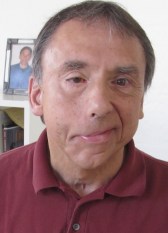
Lisabeth Mackall caregiver & author

Panelists, Sandra Williams (both survivor and caregiver), Dr. David Figurski (survivor), and Lisabeth Mackall (caregiver) joined me to discuss the topic of GRIEF. We examined the feelings of the family as they adjust to their loved one’s change, as well as discussed the stages of grief as outlined by Dr. Elisabeth Kübler-Ross in her book entitled, “On Death and Dying.”

12200687_895719387130278_18176772_n

Sandra Williams survivor & caregiver


David

David Figurski survivor


If you missed this show about “Grief After Brain Injury” with Lisabeth Mackall (caregiver), Sandra Williams (survivor and caregiver), and David Figurski (survivor) on March 6th, 2016, don’t fret. You can listen to the archived show here. Click the link below.

See you “On the Air!”

On The Air: Brain Injury Radio “Another Fork in the Road” Grief After Brain Injury

(Clip Art compliments of Bing.)

(Photos compliments of guests.)

As I say after each post: Please leave a comment by clicking the blue words “Leave a Commentanim0014-1_e0-1 below this post.

Feel free to follow my blog. Click on “Follow” on the upper right sidebar.

If you like my blog, share it intact with your friends. It’s easy! Click the “Share” buttons below.

If you don’t like my blog, “Share” it intact with your enemies. I don’t care!

Feel free to “Like” my post.

Survivors SPEAK OUT! Jessica Taylor

Survivors SPEAK OUT! Jessica Taylor

presented

by

Donna O’Donnell Figurski


03 Taylor, Jessica 1 copy

Jessica Taylor – Brain Injury Survivor and Author

1. What is your name? (last name optional)

Jessica Elizabeth Taylor

2. Where do you live? (city and/or state and/or country) Email (optional)

Vancouver Island, British Columbia, Canada

3. On what date did you have your brain injury? At what age?

Age 31

4. How did your brain injury occur?

A fall down a steep staircase head first into a steel-plated door

5. When did you (or someone) first realize you had a problem?

My husband knew I was sick, but he did not know I had a brain injury. (I was not told that I had brain injury until six years after the injury!) I didn’t know who I was, who my husband was, and who my children were. I became a child again. I had to relearn everything. My personality was greatly changed. My balance was off for some time. My left hand curled inwards, but I trained it to straighten. I also had contusion of the back, a hemorrhage behind my right eye, and scalp laceration.

6. What kind of emergency treatment, if any, did you have?

Intensive care

7. Were you in a coma? If so, how long?

I was in a semi-coma for several weeks.

8. Did you do rehab? What kind of rehab (i.e., inpatient or outpatient and occupational and/or physical and/or speech and/or other)?

I had rehab only in a psychiatric ward as a day patient for some months at a time in two different countries. I trained myself by learning again and also by becoming positive and never giving in to depression or my disabilities.

How long were you in rehab?

I had no proper rehab. I was just given many IQ tests and psychiatric care. This did not help matters!

9. What problems or disabilities, if any, resulted from your brain injury
(e.g., balance, perception, personality, etc.)?

Recent recall was and still is a problem. I cannot take on too may projects at a time. I have to avoid stress at all times.

10. How has your life changed? Is it better? Is it worse?

My life has been enhanced through training my dormant brain neurons myself and by having spiritual knowledge. As a result, I am a happier person.

06 Taylor, Jessica 2 copy

Jessica Taylor – Brain Injury Survivor and Author

11. What do you miss the most from your pre-brain-injury life?

I do not look back.

12. What do you enjoy most in your post-brain-injury life?

I enjoy being who I am.

13. What do you like least about your brain injury?

I don’t think about the past. I just put up with my disability as a part of my life.

14. Has anything helped you to accept your brain injury?

No

15. Has your injury affected your home life and relationships and, if so, how?

I had distant relationships with my husband and my children, as well as with all who knew me.

16. Has your social life been altered or changed and, if so, how?

My new and holistic view of life has changed all that I do and think.

17. Who is your main caregiver?

ME

Do you understand what it takes to be a caregiver?

I know what caregivers should be aware of with regards to brain injury.

18. What are your plans? What do you expect/hope to be doing ten years from now?

I hope to keep sharing my knowledge through the publication of my books and by giving talks.

19. Are you able to provide a helpful hint that may have taken you a long time to learn, but which you wished you had known earlier?

11 Taylor, Jessica Book Cover copy

From Tragedy to Triumph: Journey Back From the Edge by Jessica Taylor

I only wish that I had been taught by specialists how to retrain my brain in the early years, as opposed to doing so later.

If so, please state what it is to potentially help other survivors with your specific kind of brain injury.

Know that we can train and activate dormant neurons through studying a subject that is of interest. This has to be done frequently.

20. What advice would you offer to other brain-injury survivors? Do you have any other comments that you would like to add?

My advice is to study spirituality and to read as much as possible about the subject. I do not mean in the religious sense – study people like Deepak Chopra and watch Super Soul Sunday on TV. Stay positive and learn not to give in to negative thoughts. Try hard to rise above fear, jealousy, hatred, greed, envy, etc., and your vibration will increase in frequency. All this happened to me through my self-rehab.

To learn more about Jessica Taylor, click on the following links.

Jessica Elizabeth Taylor website
Jessica E. Taylor Facebook
Jessica E. Taylor Twitter
Jessica Elizabeth Taylor Linked in

Jessica’s book

“From Tragedy to Triumph: Journey Back From the Edge”


(Disclaimer: The views or opinions in this post are solely that of the interviewee.)

If you would like to be a part of the SPEAK OUT! project, please go to TBI Survivor Interview Questionnaire for a copy of the questions and the release form.

(Clip Art compliments of Bing.)

(Photos compliments of contributor.)


As I say after each post:

Feel free to leave a comment by clicking the blue words “Leave a Comment” below this post.

Please follow my blog. Click on “Follow Me Via eMail” on the right sidebar of your screen.anim0014-1_e0-1

If you like my blog, click the “Like” button under this post.

If you REALLY like my blog, share it intact with your friends. It’s easy! Click the “Share” buttons below.

If you don’t like my blog, “Share” it intact with your enemies. That works for me too!

Survivors SPEAK OUT! Jeremy Dorr


Survivors SPEAK OUT! Jeremy Dorr

presented

by

Donna O’Donnell Figurski


042315 Dorr, Jeremy

Jeremy Dorr – Brain Injury Survivor

1. What is your name? (last name optional)

Jeremy Dorr

2. Where do you live? (city and/or state and/or country) Email (optional)

Lynchburg, Virginia, USA

3. On what date did you have your brain injury? At what age?

September 15, 2013. I was 25.

4. How did your brain injury occur?

Car accident

5. When did you (or someone) first realize you had a problem?

My brain injury was first noticed by the doctors at the hospital.

6. What kind of emergency treatment, if any, did you have?

I had a tracheotomy.

7. Were you in a coma? If so, how long?

I was in a medically induced coma for one and a half weeks.

8. Did you do rehab? What kind of rehab (i.e., inpatient or outpatient and occupational and/or physical and/or speech and/or other)? How long were you in rehab?

I did outpatient rehab at the Sheppard Center for six weeks.

9. What problems or disabilities, if any, resulted from your brain injury
(e.g., balance, perception, personality, etc.)?

I have a problem with control of my emotions. Others say that I am slower than before.

10. How has your life changed? Is it better? Is it worse?

I worked at UPS, and I drove a Bobcat. I lost both jobs as result of the traumatic brain injury (TBI).

11. What do you miss the most from your pre-brain-injury life?

I miss the friends and working. (My “hobby” was working.)

12. What do you enjoy most in your post-brain-injury life?

Helping others.

13. What do you like least about your brain injury?

I dislike the loss of my prior life. I also dislike the effects that my TBI has had on my daughter.

14. Has anything helped you to accept your brain injury?

I learned to look for the positive in all situations and to stay positive.

15. Has your injury affected your home life and relationships and, if so, how?

Dorr, Jeremy

Jeremy Dorr – Brain Injury Survivor

Yes. I pay attention to my family more. My brain injury has brought me closer to them.

16. Has your social life been altered or changed and, if so, how?

Yes. I rarely hear from the friends I had before – if I hear from them at all.

17. Who is your main caregiver? Do you understand what it takes to be a caregiver?

I am my own caregiver. Yes, I do understand what it takes to be a caregiver.

18. What are your plans? What do you expect/hope to be doing ten years from now?

My plan is to help TBI survivors after they come home and are getting their lives back together. I want them to know that they are not alone.

19. Are you able to provide a helpful hint that may have taken you a long time to learn, but which you wished you had known earlier? If so, please state what it is to potentially help other survivors with your specific kind of brain injury.

Be positive, no matter what. Positive brings more positive. Remember, you’re still here, so you can help make the change also. Believe in yourself.

20. What advice would you offer to other brain-injury survivors? Do you have any other comments that you would like to add?

The outlook on life has changed, but with change, great things can come. Let go of the hatred of what happened and embrace the “new” you. You are awesome! Don’t respond to negativity. Believe in yourself.

(Disclaimer: The views or opinions in this post are solely that of the interviewee.)

If you would like to be a part of the SPEAK OUT! project, please go to TBI Survivor Interview Questionnaire for a copy of the questions and the release form.

(Clip Art compliments of Bing.)

(Photos compliments of contributor.)


As I say after each post:

Feel free to leave a comment by clicking the blue words “Leave a Comment” below this post.

Please follow my blog. Click on “Follow Me Via eMail” on the right sidebar of your screen.anim0014-1_e0-1

If you like my blog, click the “Like” button under this post.

If you REALLY like my blog, share it intact with your friends. It’s easy! Click the “Share” buttons below.

If you don’t like my blog, “Share” it intact with your enemies. That works for me too!

diemodi jewelry

uniquely hand-crafted jewelry by donna

Welcome to Harmony Kent Online

The home of all things books

Pete Springer

Passionate Teacher and Future Children's Author

HOPE TBI

Helping Other People Excel - To Be Independent

For the Love of Books, Old and New

Katie Fischer, Writer and Reader of Stories

Charlie Bown

Children's Author

Jessica Hinrichs

“We write to taste life twice, in the moment and in retrospect.” ― Anais Nin

VIVIAN KIRKFIELD - Writer for Children

Picture Books Help Kids Soar

Mindy’s Writing Wonderland

For authors, parents, teachers & everyone who loves children’s books.

Kaitlyn Leann Sanchez

Literary Agent

Surviving Traumatic Brain Injury

TBI - Survivors, Caregivers, Family, and Friends

The Care Factor

Loving someone with a Traumatic Brain Injury

Brain Injury Support Group of Duluth-Extension

Brain Injury Information and SUPPORT

Brain Aneurysm Global Insight

Brain Aneurysm, cerebral hemorrhaging, hemorrhage stroke