TBI – Survivors, Caregivers, Family, and Friends

Posts tagged ‘TBI Caregiver’

SPEAK OUT! . . . . . . . . . . . . . . Itty-Bitty GIANT Steps

SPEAK OUT! Itty-Bitty GIANT Steps

presented by

Donna O’Donnell Figurski


Itty-Bitty GIant Steps for BlogSPEAK OUT! Itty-Bitty Giant Steps will provide a venue for brain-injury survivors and caregivers to shout out their accomplishments of the week.

If you have an Itty-Bitty Giant Step and you would like to share it, just send an email to me at neelyf@aol.com.

If you are on Facebook, you can simply send a Private Message to me. It need only be a sentence or two. I’ll gather the accomplishments and post them with your name on my blog approximately once a week. (If you do not want your last name to be posted, please tell me in your email or Private Message.)

I hope we have millions of Itty-Bitty Giant Steps.


Here is this week’s Itty-Bitty GIANT Steps


Janice Tindle - Survivor

Janice Tindle – Survivor

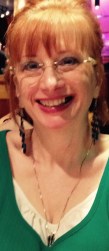
Janice Tindle (survivor)…My accomplishment is getting published after my TBI (traumatic brain injury). I have a blog (janicetindle.com), where you’ll find all my links. I’m on Facebook, Twitter, and LinkedIn. I’ve been published in Caregiver magazine, Fearless Caregiver, and TBI Hope and Inspiration magazine. I’m also a contributor to TheMighty.com. I raise awareness about TBI and dystonia (a neurological movement disorder). I recently won the 1pg. Short Screenplay Contest. My entry, entitled Galicia’s Granite, was performed at the Novel Writing Festival. It’s on YouTube. I just fought two spam sites and got them to remove my article, 7 Ways to Support a Loved One with a Traumatic Brain Injury, off their sites. kids-hand-writing-clip-art-hand_with_pencil_5CAnnie Ricketts has it posted (with my permission) on her site, biglobalpicnic.org. I’m very proud of that article. I’m working on a several books and hope to become a PAID writer very soon!


Raine Turner - Caregiver & Author

Raine Turner – Caregiver & Author

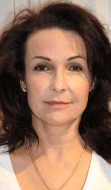
Raine Turner (caregiver)…I am going to brag – big huge momma brag! My son [my brain-injured son, who was not supposed to survive, never mind thrive; my drug-dealing son, with a federal criminal record; my son, who is now at the University of Calgary studying a dual degree in Business and Actuarial Science (I said I was going to brag) and getting 80s (yes, on a reduced course load and with tutors)] is thriving against all odds. congrats-you-did-itThis same young man was actually the KEYNOTE speaker at the Brain Injury conference in Ottawa, which is supported by the federal government! So, if you think you cannot achieve, cannot fight, or cannot rise up to be at a higher level than the one on which you are at, you should put on your “big boy” or “big girl” underpants and work hard. You WILL rise up to be at a level higher than the one you are at now. It will not be easy; it will not be fun; but you will improve your life. If you need, I can always “kick your ass” to achieve more, as I did for my son! I am so excited; I am so proud of him! He has worked so hard for so long. My son is my HERO!

Raine Turner, the author of “Only Son… Only Child,” will be a guest on my show, “Another Fork in the Road” on Sunday, August 21, 2016, at 5:30pm Pacific Time, with her son, Ryan. I hope you will join us.


Matthew Vickers - Survivor

Matthew Vickers – Survivor


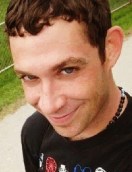
Matthew Vickers (survivor)…A huge feat for a traumatic brain injury survivor tubshower11who can’t walk or stand and only has the use of his right arm and hand … For consecutive weeks, I have independently showered, and that includes completing all necessary transfers.


YOU did it!

Congratulations to contributors!

(Clip Art compliments of Bing.)

(Photos compliments of contributors.)


As I say after each post:anim0014-1_e0-1

Please leave a comment by clicking the blue words “Leave a Comment” below this post.

Feel free to follow my blog. Click on “Follow” on the upper right sidebar.

If you like my blog, share it intact with your friends. It’s easy! Click the “Share” buttons below.

If you don’t like my blog, “Share” it intact with your enemies. I don’t care!

Feel free to “Like” my post.

On the Air: . . . . . . . . . . . . “Another Fork in the Road” Guests: Joel (caregiver) and Bart (survivor) Goldstein . . . . . . . . . . Topic: Father and Son Tackle Brain Injury

On the Air: “Another Fork in the Road”

Guests: Joel (caregiver) and Bart (survivor) Goldstein

Topic: Father and Son Tackle Brain Injury

presented

by

Donna O’Donnell Figurski


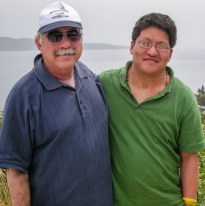
images-1What better day than Father’s Day to meet, father and son, Joel and Bart Goldstein! Joel has been fighting and advocating for his son, Bart, ever since Bart was in a motor vehicle accident when he was sixteen-years-old. That accident caused Bart’s brain injury.

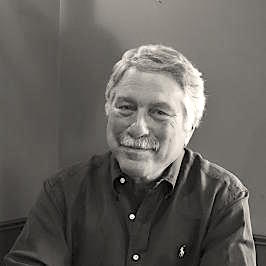
14 Joel Goldstein Speaker's photo

Joel Goldstein – caregiver & author of “No Stone Unturned”


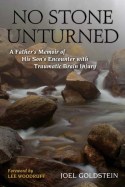
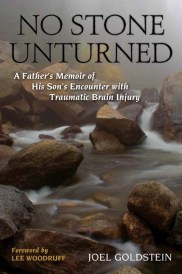
Joel is the author of “No Stone Unturned: A Father’s Memoir of His Son’s Encounter with Traumatic Brain Injury.” Both Joel and Bart shared their ups and downs as they continue to traverse the maze of brain injury.

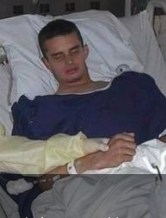
Bart Goldstein 2

Bart Goldstein – brain injury survivor

Both father and son offered some good information about Hyperbaric Oxygen Therapy (HBOT), Omega-3 vitamins, cranial sacral therapy, and Reiki, an Eastern practice used for healing.

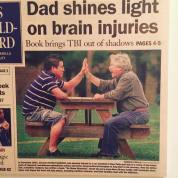
03 Joel and Bart Newspaper


You can learn more about Joel and Bart on Facebook at NS Unturned and at brainline.org. Read his article, “When the Dust Finally Settles: Strategies for the Long-Term Caregiver.”

11 Cover Photo No Stone Unturned

“No Stone Unturned” by Joel Goldstein


See you “On the Air!”

On the Air: “Another Fork in the Road”

Guests: Joel (caregiver) and Bart (survivor) Goldstein

Topic: Father and Son Tackle Brain Injury

(Clip Art compliments of Bing.)

(Photos compliments of guests.)

As I say after each post: Please leave a comment by clicking the blue words “Leave a Commentanim0014-1_e0-1 below this post.

Feel free to follow my blog. Click on “Follow” on the upper right sidebar.

If you like my blog, share it intact with your friends. It’s easy! Click the “Share” buttons below.

If you don’t like my blog, “Share” it intact with your enemies. I don’t care!

Feel free to “Like” my post.

SPEAK OUT! . . . . . . . . . . . . . Faces of Brain Injury . . . . . . Paige Matis (caregiver for her boyfriend, Bryan Carpenter)

SPEAK OUT! Faces of Brain Injury

Paige Matis (caregiver for her boyfriend, Bryan Carpenter)

presented

by

Donna O’Donnell Figurski

 Brain Injury is NOT Discriminating!

bigstock-cartoon-face-vector-people-25671746-e1348136261718It can happen to anyone, anytime, . . . and anywhere.

The Brain Trauma Foundation states that there are 5.3 million people in the United States living with some form of brain injury.

On “Faces of Brain Injury,” you will meet survivors living with brain injury. I hope that their stories will help you to understand the serious implications and complications of brain injury.

The stories on SPEAK OUT! Faces of Brain Injury are published with the permission of the survivor or designated caregiver.

If you would like your story to be published, please send a short account and two photos to me at neelyf@aol.com. I’d love to publish your story and raise awareness for Brain Injury.


Bryan Carpenter 1

Bryan Carpenter – Survivor & Marine

In honor of this recent Memorial Day, I want tell you about my Marine and my hero – and my better half, Bryan.

Bryan enlisted in the United States Marine Corps in 2004. He went to fight for our country in the war in Iraq in 2006. Luckily, that year he survived not one, but two IEDs (improvised explosive devices often used as roadside bombs).

In the second incident, Bryan was the driver of the Humvee he was in. He suffered the worst injuries of the four Marines involved in the explosion. Bryan was knocked unconscious from the impact of the bomb. In the field, a military doctor did an emergency tracheotomy, but he nicked Bryan’s artery. Bryan also had a shattered pelvis, which cut his abdomen and caused him to bleed internally. Bryan only had moments to live. He underwent a transfusion with six units of blood. Nobody thought Bryan would make it out of his medically induced coma.

Bryan Carpenter 5 Survivor

Bryan Carpenter – Survivor

Two and a half weeks later, Bryan woke up. He was told by doctors that his dream of serving in the military as his lifelong career was over. The chances of Bryan’s ever walking “normally” again were close to zero. He was also told that he would suffer from this explosion for the rest of his life. Bryan said his dreams literally shattered right before his eyes.

Bryan never gave up. He was determined to beat the odds the doctors gave him. So far, he has done his best to achieve that goal. I know he still struggles every day with his PTSD (post-traumatic stress disorder), his traumatic brain injury, and the pain from his physical injuries. But, he still pushes forward. Bryan learned to walk again on his own. He has dedicated his life to physical therapy, and he never misses a day at the gym. After the incident, Bryan was a 120-pound man and was barely able to stand on his own two feet. He is currently walking independently, and he weighs 230 pounds (all healthy body mass and muscle).

Bryan Carpenter 2

Bryan Carpenter – Survivor

Bryan strives every day to help others. He has been an inspirational speaker, speaking to school-shooting victims, middle-school students, open events, etc. He is a gym trainer and an MMA (Mixed Martial Arts) coach. He was a bouncer at night clubs; he went to the Fire Academy; he threw out the ceremonial Opening Pitch in 2012 for the Cleveland Indians; he was even the Grand Marshall in his hometown parade. I know Bryan tries to accomplish everything he puts his mind to, especially when he knows that it will benefit someone. He is trying his hardest to help people achieve their goals after suffering pain like the pain he has gone through. Although he may struggle with the effects of his injuries from the explosion, he never lets them limit him.

Bryan Carpenter 3

Bryan Carpenter – Survivor

Bryan has put all his focus and attention into his new dream and reality – his book. He wrote the book not only as therapy, but also to inspire others that the unbelievable is always possible. In his book, Bryan talks about his dream to be in the military – from when he enlisted and went through boot camp to being deployed and injured. He has written about his recovery and the inspirational things he has done with his life as of now.

Holidays, like Memorial Day, remind me of what Bryan has overcome. Thankfully, and miraculously, he has beaten death. He has gone on to beat the odds. He wrote a book on his recovery to continue to serve and better his country.


Bryan Carpenter 4

Bryan Carpenter – Survivor

Many people have paid the ultimate price in the military. Those men and women will never be forgotten. … I am very thankful to have the chance to hug my Miracle a little tighter and a little longer on Memorial Day.


To learn more about Bryan Carpenter, please visit his website, Battle After Iraq.

You can also see Bryan’s book about his recovery. “Never Ending Battle After Iraq: A Marine’s Road to Recovery.”


Thank you to Paige Matis for sharing this story about her boyfriend, Bryan.


(Clip Art compliments of Bing.)

(Photos compliments of contributor.)

As I say after each post: Please leave a comment by clicking the blue words “Leave a Commentanim0014-1_e0-1 below this post.

Feel free to follow my blog. Click on “Follow” on the upper right sidebar.

If you like my blog, share it intact with your friends. It’s easy! Click the “Share” buttons below.

If you don’t like my blog, “Share” it intact with your enemies. I don’t care!

Feel free to “Like” my post.


Caregivers SPEAK OUT! . . . . . . Joel Goldstein

Caregivers  SPEAK OUT!  Joel Goldstein,

(father of survivor, Bart Goldstein, and author of “No Stone Unturned”)

presented by

Donna O’Donnell Figurski


14 Joel Goldstein Speaker's photo

Joel Goldstein – Caregiver of son, Bart & author of “No Stone Unturned”

1. What is your name? (last name optional)

Joel Goldstein

2. Where do you live? (city and/or state and/or country) Email? (optional)

New Paltz, New York, USA

3. What is the brain-injury survivor’s relationship to you? How old was the survivor when he/she had the brain injury? What caused your survivor’s brain injury?

Our son Bart was sixteen when he suffered a severe TBI (traumatic brain injury). He was a passenger in an auto accident.

4. On what date did you begin care for your brain-injury survivor? Were you the main caregiver? Are you now? How old were you when you began care?

I became Bart’s caregiver on January 29, 2001, the day of his accident. My wife, Dayle, and I were and remain Bart’s main caregivers. We remain involved in Bart’s life, but he has now progressed to semi-independence. He resides in his own apartment an hour and half away. We visit and break bread with him every Sunday and on holidays. We participate actively with his “team,” made up of a Benefit Coordinator (a certified specialist or a social worker who is an advocate for the survivor, a CIC (Community Integration Counseling) counselor, and an ILS (Independent Life Skills) trainer.

5. Were you caring for anyone else at that time (e.g., children, parents, etc.)?

My wife and I were responsible for our eleven-year-old daughter, Cassidy.

6. Were you employed at the time of your survivor’s brain injury? If so, were you able to continue working?

I was Director of Human Resources at a medium-sized company. I was lucky enough to be able to take whatever time was needed to care for Bart, especially while he was in the acute phase. My wife, Dayle, worked at home as a Reiki Master. She stopped most work to care for Bart.

Joel Goldstein & Son, Bart

Joel Goldstein – Caregiver for Survivor son, Bart

7. Did you have any help? If so, what kind and for how long?

Friends and family helped look after our daughter while Bart was an inpatient (four months). Close friends and a wider “conspiracy of decency” in our community helped for several years, post-injury. Here is a short YouTube video, “No Stone Unturned: Traumatic Brain Injury and the Conspiracy of Decency,” that addresses that issue:

8. When did your support of the survivor begin (e.g., immediately – in the hospital; when the survivor returned home; etc.)?

My and my wife’s support began immediately in the hospital.

9. Was your survivor in a coma? If so, what did you do during that time?

Yes. Bart was in a coma for 30 days. Dayle and I were at his bedside.

10. Did your survivor have rehab? If so, what kind of rehab (i.e., inpatient and/or outpatient and occupational, physical, speech, and/or other)? How long was the rehab? Where were you when your survivor was getting therapy?

Bart had all the standard therapies, plus many unconventional ones. Here is an article, “Fighting the “TBI Wars”: New Alternatives for TBI Survivors,”published by Brainline, that addresses this question succinctly:

11. What problems or disabilities of your brain-injury survivor required your care, if any?

03 Joel and Bart Newspaper

Joel Goldstein (caregiver) and son, Bart – brain injury survivor

Bart’s injury was very severe – 30-day coma, nine-month rehab, and then years at home reintegrating. He struggled with the full gamut of intellectual, physical, and emotional deficits that come with a severe TBI. Gradually, with time and alternative therapies, these struggles have eased very considerably. Today Bart lives semi-independently, in his own place, with a part-time job, and with new fiends. He is moving on with his life.

12. How has your life changed since you became a caregiver? Is it better? Is it worse?

Our focus for over a decade was almost entirely Bart-centric. Pastimes were eliminated (e.g., Taekwondo) and volunteer activities were diminished. (I was president of our local branch Y at the time of his accident, but I resigned shortly after.) People we were accustomed to seeing regularly (especially Bart’s friends and their families) dropped away. We were angry about the friends moving on with their lives, but eventually we forgave and moved on too. Life is both better and worse, in different respects.

13. What do you miss the most from pre-brain-injury life?

I miss old hobbies, sports, travel, and activities that have been shelved in order to be more focused on essentials.

14. What do you enjoy most in post-brain-injury life?

My life is more simplified and focused. I have a new sense of mission and compassion. We have founded the BART Foundation (Brain Alternative Rehabilitative Therapies) – a 501(c)(3).

15. What do you like least about brain injury?

I dislike the timeline – Bart’s recovery from his TBI will be a lifelong challenge. Some issues, like perseveration, are terribly stubborn.

16. Has anything helped you to accept your survivor’s brain injury?

18 Joel Goldstein & Bart

Bart Goldstein – Survivor with Father, Joel Goldstein (author of “No Stone Unturned”)

I have been helped by the usual suspects: faith, hope, love, humor, music, family, friends, and fun.

17. Has your survivor’s injury affected your home life and relationships and, if so, how?

We’re all walking-wounded in some ways – reminiscent of PTSD (post-traumatic stress disorder).

18. Has your social life been altered or changed and, if so, how?

The caregiving life can often be isolating.

19. What are your plans? What do you expect/hope to be doing ten years from now?

We have formed the BART Foundation (Brain Injury Rehabilitative Therapies), a 501(c)(3) educational charity. The mission of The BART Foundation is to promote better outcomes for brain-injury survivors by answering three questions – which alternative therapies are likely to work, where can they be found, and how can they be afforded?

20. What advice would you offer other caregivers of brain-injury survivors? Do you have any other comments that you would like to add?

Our best advice to caregivers is succinctly summarized in this article. “When the Dust Finally Settles: Strategies for the Long-Term Caregiver,” published by Brainline.

11 Cover Photo No Stone Unturned

“No Stone Unturned: A Father’s Memoir of His Son’s Encounter with Traumatic Brain Injury,” by Joel Goldstein


To learn more about Joel Goldstein and his son, Bart, read, “No Stone Unturned – A Father’s Memoir of His Son’s Encounter with Traumatic Brain Injury.”


(Disclaimer: The views or opinions in this post are solely that of the interviewee.)

If you would like to be a part of the SPEAK OUT! project, please go to TBI SPEAK OUT! Caregiver Interview Questionnaire for a copy of the questions and the release form.

(Clip Art compliments of Bing.)

(Photos compliments of contributor.)

As I say after each post: Please leave a comment by clicking the blue words “Leave a Commentanim0014-1_e0-1 below this post.

Feel free to follow my blog. Click on “Follow” on the upper right sidebar.

If you like my blog, share it with your friends. It’s easy! Click the “Share” buttons below.

If you don’t like my blog, “Share” it with your enemies. I don’t care!

Feel free to “Like” my post.


Another Fork in the Road Behavioral and Emotional Changes After Brain Injury

Fork in the Road copy“Another Fork in the Road”

This category is an extension of my radio show, “Another Fork in the Road,” which airs at 5:30 pm (Pacific Time) on the 1st and 3rd Sundays of each month on the Brain Injury Radio Network. (See the “On The Air Show Menu” category for a list – with links – of all my shows, which are archived and thus always available.)

On the 1st Sunday of each month, I host a panel of brain injury survivors, caregivers, and/or professionals in the field. On these shows, my panelists and I examine topics pertaining to brain injury.

On the 3rd Sunday of each month, I host guests – brain-injury survivors, caregivers, or professionals in the field.

Since I spend countless hours in preparation for each show, I decided to share the knowledge that I gather with my readers.


Behavioral and Emotional Changes After Brain Injury

by

Donna O’Donnell Figurski


BrainAs many of us know, all brain injuries are different. When an injury has happened to any part of the brain, there is going to be a change. The part of the brain that was damaged will determine the kind of symptoms that will be experienced. Because the brain is a complex organ in which different areas communicate, some damage may cause unexpected behaviors or emotional changes.

There are several sections of the brain, and each is responsible for many different aspects of daily life. Here I will discuss some of the behavioral and emotional changes that can result from damage to the cerebellum and to the cerebrum, which consists of the temporal lobe, the occipital lobe, the parietal lobe, and the frontal lobe, a major part of which is the prefrontal cortex.

The cerebellum, which is at the base of the skull, controls coordination, balance, equilibrium, and motor-skill memory. Some of the problems that result from damage to this area are compromised balance or the inability to walk, problems with fine-motor skills, and slurring of speech.

Damage to the temporal lobe can cause problems with hearing, memory, and motor-skill memory. Injury in the temporal lobe may also result in aggressive behavior.

The occipital lobe has to do with vision and vision-related activities. Reading and writing will be affected by damage to this area of the brain. Vision impairment can occur, which includes blurry, tilted, and double vision.

The parietal lobe is responsible for touch perception and the interpretation of visual information. Problems that may occur with damage to this lobe include difficulty in naming objects, difficulty with reading and/or writing, and spatial perception problems that can affect coordination.

Emotional responses and expressive language are housed in the frontal lobe. Emotions and the skills for problem-solving are dealt with there. The frontal lobe helps folks make sense of the world around them. It’s needed to understand others and be empathetic to them. Essentially, the frontal lobe is the emotional and social control area. It also determines and steers personality.

The prefrontal cortex of the frontal lobe controls analytical thinking, thought analysis, and behavior regulation. Executive functions are controlled here too. The prefrontal cortex is the gateway for making good decisions. When this area is injured, the thinking process is affected in such a way that inappropriate behavior is often the result.


I asked the following three questions of brain-injury survivors on the brain-injury support-group sites on Facebook to which I belong:

How have your emotions or your behaviors changed after your brain injury?

How do you cope with the change?

How do family members and/or friends cope with the change in your personality?

Several site members answered. The answers below are typical of the comments I received. (I used first names to protect the privacy of the contributors.)


Sherrie (survivor)

Happy SadIt’s been a long time since my brain injury. My emotions can be extreme or opposite to what they should be. Change is hard, and I don’t like change. Friends left, and family has never accepted my brain injury.

I have been known to laugh when someone gets hurt, like mashing a finger, and my emotions can be so overwhelming that I cry no matter the feeling. Happy, sad, proud, mad, love. It doesn’t matter.


Toby (survivor)

Toby told me that it’s hard to cope with his migraines with brain injury because a lot of meds don’t work very well.

He has been put on many meds for depression and anxiety disorder.
MemoryHe also says his memory is damaged, and he can’t remember a lot of things.

Toby’s family has a hard time with him and his brain injury because it changes many things in their lives too. A lot of people don’t know what to say, so they hold back, or they do not talk with Toby anymore.

Toby tries to cope by getting his head in a better place, but when the anxiety kicks in hard, he has no idea what to do. He tries to get some things set up in advance, so he can take the Migraineright meds before another migraine comes on. (He usually experiences over twenty migraines a month.)

When I asked Toby how his family and friends cope with him and his brain injury, he said, “They stay away from me. If I make a mistake on the computer or the Internet, they will call my wife and give her a heads-up on my condition. I don’t really have any friends after what happened to me.”


Jason (survivor)

k0184684In a nutshell, Jason said, “Lack of love.”


I thought an article by Janet Cromer in “Psychology Today” was very informative, especially for caregivers, who often struggle with emotional and/or behavioral changes in the survivor. The article can be found online (see below).

Janet Cromer, who is a Registered Nurse, has written the “Dark Side of Personality Change.” She tells of how her husband’s personality changed after his brain injury. Before his brain injury, Janet recalls her husband (Alan) as being kind and loving with a keen sense of curiosity and humor. Calm ManAfter his injury, Alan experienced intense anger and confusion. His bizarre behavior and sudden change from calm to fiery led Janet to believe her post-injury husband had two personalities. She likened Alan’s behavior to that of Dr. Jekyll and Mr. Hyde, which she found very frightening. (I’m sure Janet is not alone in her fears. I have heard comments such as these in my brain-injury support-groups too many times to count.)

As I mentioned above, injuries to the frontal lobe, especially to the prefrontal cortex, often result in emotional and behavioral changes in survivors. Survivors of any brain injury may find themselves in states of agitation and in unstable emotional chaos. These states can cause outbursts of unintended verbal aggression and raging attacks on family or friends, which can be very hurtful. Though family and friends may try to understand and to be empathetic and helpful, dealing with an unexpected outburst can be an overwhelming task because it is so hard to comprehend.

Violent outbursts and aggression by the survivor can result in the lack of trust and possibly fear of personal injury by the caregiver, family, or friends. But I think it’s the lack of trust – knowing that the survivor can become volatile at any time – that is the scariest and most hurtful. That loss of the sense of security is likely to be the most devastating.


How can caregivers, family, and friends help? I guess understanding would be at the top of the list. I know that’s not easy, especially if one feels that he or she has been unjustly attacked. Even knowing that the survivor is not responsible, would not act this way pre-brain injury, and will probably feel really bad after the incident, it will still be difficult to accept the aberrant behavior. It’s human nature.
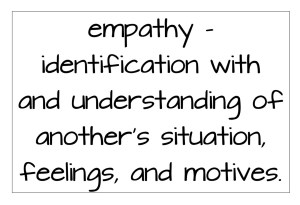
empathyThe caregiver, family, and friends need to understand that the survivor’s outburst may occur because of his or her frustration with the reality of the new life – lacking the ability to do the things he or she once did easily and/or experiencing loss of independence and/or the realization of a futile situation. Also, an outburst might be triggered by uncontrolled pain, depression, or any number of ailments. So, showing compassion or empathy, providing comfort, support, and encouragement will go a long way to helping your survivor.


What can one do when faced with irrational behavior by the survivor? It often helps to leave the area when an outburst begins. Don’t try to reason with the survivor – your efforts will probably not be fruitful. Remember, the survivor’s brain is injured, and he or she can’t help the aberrant behavior. It might help to talk about the behavior in a calm manner after the incident has subsided, or … maybe let it go.

Try to determine if there is a specific trigger for the outburst. If one is identified, try to avoid those situations that provide it. At the very least, knowing the trigger can help the caregiver, family member, or friend understand a little more. As time goes by, the caregiver and the survivor may each recognize the triggers and be able to eliminate them or lessen their impact.gg60887323


Identify the survivor’s actions immediately prior to an outburst. Does the survivor show signs of agitation, tense his or her muscles, or become distracted? If so, take note and maybe remove the survivor from the area. Large groups of people (as in malls, family gatherings, or parties) can often cause agitation in a survivor, which in turn may cause an outburst.

Any overwhelming situation can bring about an outburst. Having to be ready to leave the house at a certain time can cause stress. So allow more time. Don’t rush.

Give plenty of notice for planned events. Make sure there are no surprises. If a survivor knows in advance that there is a family gathering to go to on Friday night, then he or she can plan for it. Surprises and unexpected events often cause anxiety and confusion, which can easily bring on an outburst. So plan ahead.
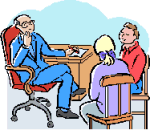
 

ClipArt-AfterTheFire7Get counseling. Counseling for both the survivor and the caregiver (or family member) can be helpful. Visiting a neuropsychologist or a behavioral therapist can help (see below). They are able to teach compensatory tactics to avoid or lessen the effects of an angry outburst. The survivor may employ deep breathing, alter thoughts to a more pleasant topic, leave the area to regroup in a quiet place, let friends know the trigger points, and ask for help. Periodic reminders can help those who struggle with memory. These are all simple and effective ways to compensate.

There are a lot of little tricks that can be incorporated into the lives of survivors and their caregivers, family, or friends that can make life easier for all.


Helpful Links

What Does a Neuropsychologist Do, Exactly?

Who Are the Rehab Specialists?

Cerebellum

Frontal Lobes

Parietal Lobes

Temporal Lobes

Occipital Lobes

What Are the Functions of the Prefrontal Cortex?

After Brain Injury: The Dark Side of Personality Change Part I by Janet M. Cromer RN, LMHC


Click here to listen to my show

“Behavioral and Emotional Changes After Brain Injury” on “Another Fork in the Road,” on the Brain Injury Radio Network.”


(Clip Art compliments of Bing.)

As I say after each post: Please leave a comment by clicking the blue words “Leave a Commentanim0014-1_e0-1 below this post.

Feel free to follow my blog. Click on “Follow” on the upper right sidebar.

If you like my blog, share intact it with your friends. It’s easy! Click the “Share” buttons below.

If you don’t like my blog, “Share” it intact with your enemies. I don’t care!

Feel free to “Like” my post

SPEAK OUT! . . . . . . . . . . . . . . Faces of Brain Injury – Evonia with her Mom, Amber Baxley

SPEAK OUT! Faces of Brain Injury –

Amber Baxley (caregiver for her two-year-old daughter, Evonia)

presented

by

Donna O’Donnell Figurski

 Brain Injury is NOT Discriminating!

bigstock-cartoon-face-vector-people-25671746-e1348136261718It can happen to anyone, anytime, . . . and anywhere.

The Brain Trauma Foundation states that there are 5.3 million people in the United States living with some form of brain injury.

On “Faces of Brain Injury,” you will meet survivors living with brain injury. I hope that their stories will help you to understand the serious implications and complications of brain injury.

The stories on SPEAK OUT! Faces of Brain Injury are published with the permission of the survivor or designated caregiver.

If you would like your story to be published, please send a short account and two photos to me at neelyf@aol.com. I’d love to publish your story and raise awareness for Brain Injury.


Evonia

Evonia – Brain Injury Survivor

(Note: Today, May 19th, 2016 marks Evonia’s first anniversary of her brain injury. She has a long road ahead, but she has a very loving and supportive mother who will help her through)

Baxley, Amber 2 Caregiver of Evonia

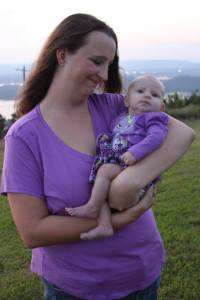
Amber Baxley – Mother of Evonia – Survivor

I’m feeling emotional. Today is the one-year anniversary of my daughter’s brain injury. (My daughter, Evonia, will be three next month.) Evonia’s life was forever changed a year ago today. At 3:00 pm on May 19th, 2015, my now two-year-old daughter was shaken and got her traumatic brain injury (TBI). There is not a day that goes by that I don’t wish I could go back to that day and stop it from happening. I made a huge mistake that day. I chose to leave my daughter and her big brother with a man I thought I could trust – a man I thought loved his family, especially his children, more than anything in the world. Man, was I wrong! I wish I had taken my children with me. That day, not only did my daughter’s life forever change, but also I learned that you cannot always trust those who are supposed to be the ones you can trust.

Baxley, Amber 2 Caregiver of Evonia 3

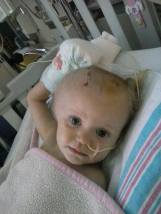
Evonia – Brain Injury Survivor

Evonia spent three weeks in a coma fighting for her life because of him. She spent three months in the Pediatric Intensive Care Unit trying to recover some. My daughter had bleeding of the brain caused by her having been shaken. The blood tried to clot and caused a stroke. As of now, my little girl has had a total of five brain surgeries. She’s also had surgery to place a feeding tube into her stomach and another to remove it. Evonia will likely need to have other surgeries as she gets older. Before everything happened, Evonia was a bright, bubbly little girl – full of life. Because she was always exploring, she was always getting into things. Evonia was perfectly healthy. Now she has to fight to regain every milestone she had already surpassed.

Baxley, Amber Caregiver of Evonia 1

Evonia – Brain Injury Survivor

I so wish I could go back and do that day over again. She would have never had to go through this. If I could, I would do it in a heart beat.


(Clip Art compliments of Bing.)

(Photos compliments of contributor.)

As I say after each post: Please leave a comment by clicking the blue words “Leave a Commentanim0014-1_e0-1 below this post.

Feel free to follow my blog. Click on “Follow” on the upper right sidebar.

If you like my blog, share it intact with your friends. It’s easy! Click the “Share” buttons below.

If you don’t like my blog, “Share” it intact with your enemies. I don’t care!

Feel free to “Like” my post.

On The Air: Brain Injury Radio “Another Fork in the Road” . . . . . Grief After Brain Injury

On The Air: Brain Injury Radio “Another Fork in the Road”

Grief After Brain Injury

presented

by

Donna O’Donnell Figurski


images-1Grief is often an after effect of brain injury. It is experienced not only by the survivor, who may have lost his or her “old” self and is trying to adjust to his or her new world, but also by those who have frequent contact with the survivor. As we know, brain injury affects ALL members of the family, who are often the caregivers.

Lisabeth Mackall Book 061215

Lisabeth Mackall caregiver & author

Panelists, Sandra Williams (both survivor and caregiver), Dr. David Figurski (survivor), and Lisabeth Mackall (caregiver) joined me to discuss the topic of GRIEF. We examined the feelings of the family as they adjust to their loved one’s change, as well as discussed the stages of grief as outlined by Dr. Elisabeth Kübler-Ross in her book entitled, “On Death and Dying.”

12200687_895719387130278_18176772_n

Sandra Williams survivor & caregiver


David

David Figurski survivor


If you missed this show about “Grief After Brain Injury” with Lisabeth Mackall (caregiver), Sandra Williams (survivor and caregiver), and David Figurski (survivor) on March 6th, 2016, don’t fret. You can listen to the archived show here. Click the link below.

See you “On the Air!”

On The Air: Brain Injury Radio “Another Fork in the Road” Grief After Brain Injury

(Clip Art compliments of Bing.)

(Photos compliments of guests.)

As I say after each post: Please leave a comment by clicking the blue words “Leave a Commentanim0014-1_e0-1 below this post.

Feel free to follow my blog. Click on “Follow” on the upper right sidebar.

If you like my blog, share it intact with your friends. It’s easy! Click the “Share” buttons below.

If you don’t like my blog, “Share” it intact with your enemies. I don’t care!

Feel free to “Like” my post.

SPEAK OUT! . . . . . . . . . . . . Itty-Bitty Giant Steps

SPEAK OUT! Itty-Bitty GIANT Steps

presented by

Donna O’Donnell Figurski

Itty-Bitty GIant Steps for BlogSPEAK OUT! Itty-Bitty Giant Steps will provide a venue for brain-injury survivors and caregivers to shout out their accomplishments of the week.

If you have an Itty-Bitty Giant Step and you would like to share it, just send an email to me at neelyf@aol.com.

If you are on Facebook, you can simply send a Private Message to me. It need only be a sentence or two. I’ll gather the accomplishments and post them with your name on my blog approximately once a week. (If you do not want your last name to be posted, please tell me in your email or Private Message.)

I hope we have millions of Itty-Bitty Giant Steps.


Here is this week’s Itty-Bitty GIANT Steps


shaveBarbara Dan (caregiver)My husband came out of the bedroom with th-1his shaving kit and cell phone, and he gave me the biggest smile. He said, “My mind is getting better. Do you know why? I wanted to get my cell phone, but when I went into the bedroom, I couldn’t remember what I went in for. Then I started doing my shaving stuff, and when I saw your cell phone on the night stand, I remembered what I went into the room for – my cell phone.” He was so excited. The little stuff counts so much!
12674091_940851459283737_1880330839_nCarmen Gaarder Kumm (survivor)…Yesterday I left to go to the Mall of America, which is about a three-hour drive from my home, with a 16-year-old, a 15-year-old, and a 10-year-old. (My 15-year-old family+cardrove 80% of the way, and my 16-year-old was a Peruvian exchange student.) Halfway there I realized I forgot my pill for sleeping and my “happy” pill. I was concerned Mallbecause we were spending the night in a hotel, and then the next day would be spent shopping and driving home. Not only was I able to do it all with no anxiety, no bursts of anger, and no frantic rushing, but I also came home and attended my husband’s fire department banquet. (Note: I planned to sleep all the next day if I needed to.) Yay me!


Evan Joseph Powers (survivor)I just got incredible newcollege-student-studying-clipart-good-student-clipart-196s :), and I have to share the joy. College_Clip_ArtI got approval to go to a university – covered (thanks in part to my test scores ;). I get to fulfill my dream of working with TBI survivors. I’ve had this dream since my accident in August 2014. I am beyond happy right now!


YOU did it!

Congratulations to contributors!


As I say after each post:anim0014-1_e0-1

Please leave a comment by clicking the blue words “Leave a Comment” below this post.

Feel free to follow my blog. Click on “Follow” on the upper right sidebar.

If you like my blog, share it intact with your friends. It’s easy! Click the “Share” buttons below.

If you don’t like my blog, “Share” it intact with your enemies. I don’t care!

Feel free to “Like” my post.


(Clip Art compliments of Bing.)

(Photo compliments of contributor.)

SPEAK OUT! Guest Blogger Heather Sivori Floyd . . . . . Thoughts from a Caregiver Mom

Thoughts from a Caregiver Mom

by

Heather Sivori Floyd

presented

by

Donna O’Donnell Figurski


Girl Blogger cartoon_picture_of_girl_writingThere is nothing sweeter or more rewarding in life than spending time and helping those with special challenges.
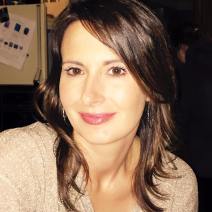
I do not like the word “disability,” so I use “special challenges.” Why define people by what they are or are not capable of? While some days my heart hurts from my knowing the challenges that TJ (now 13) will face in life, my heart is actually very full from my spending the time with him that I do.

Heather Sivori Floyd 1

Heather Sivori Floyd – Caregiver

As I tucked TJ in the other night, I just sat there in a moment of silence and reflected back on everything we have been through. He has an innocence about him now. But I was overcome with a moment of sadness thinking about all that was ripped from TJ at such a young age (7 years old) and the special challenges that he will be faced with in adulthood.

I try not to think like that, but sometimes a parent does. I would say that it is quite normal. The burden a parent carries when advocating for his or her child with special challenges will at times take your breath away. You constantly question if you are doing the right thing or if you could be doing more. You realize that, even into adulthood, your child’s ability to have a voice is gone. You will forever be your child’s voice. You accept that, and you do what you have to do to make that voice heard – even if it means roaring.

TJ Floyd Survivor 021116

TJ – Brain Injury Survivor

Over the years, people have told me not to worry about the future. But it is never a possibility. I know my mom-friends in a similar position will understand this. When in a position like this, you have to think about it. It’s really not an option. You are the sole caregiver, and if you do not make a plan for the future, no one else will. Also many programs to help children like TJ as an adult have a mile-long waiting list (meaning years).

TJ Floyd Survivor 021216

TJ – Brain Injury Survivor

Being TJ’s sole caregiver has been challenging and exhausting but, at the same time, very rewarding. I have learned so much about myself and my desire to help others. I have learned from TJ about the human spirit and not giving in. He amazes me daily. Yes, things are very elementary for TJ now. His day consists of food, cartoons, therapy, etc. – very basic needs. In-depth conversation has never been a possibility with my son since his brain injury so mercilessly ripped away his dignity and his ability for independence. The list goes on. But that doesn’t mean we give up. TJ certainly has not.

With love and persistence, TJ has defied the odds. After all, 60-80% of patients typically do not survive an acute subdural hematoma, even with surgery. TJ did. He continues to defy the odds and what we were told would be our “new normal.”

Heather Sivori Floys TJ 4

Heather Sivori Floyd, caregiver for her son, TJ

I am often asked how I do it. (It is a general question, and it is the most-asked question from many family members and friends over the years.) I just do it. You do not have a choice. Many times your heart hurts like no other, but you keep going because you are it for them. There is no one else. You learn to draw on inner strength. You learn to keep it together because you can’t afford to break down.

In my case, I learned from my son how to love life and still laugh. TJ does daily. If he can, then so can I. It doesn’t make the special challenges any easier or the decisions to be made any

Heather Sivori Floyd & TJ

Heather Sivori Floyd and her son, TJ

less hurtful. What it does is fill your heart with an overwhelming love. I am honored to know a person like TJ in my life. He is the definition of courage, strength, hope, and love. I’ve said it before, and I will say it again: He is my hero. To overcome daily adversity with a smile on his face makes him downright amazing. No matter where he ends up intellectually, TJ will always be pretty amazing to me.


Thank you, Heather Sivori Floyd.

Disclaimer:
Any views and opinions of the Guest Blogger are purely his/her own.

(Clip Art compliments of Bing.)

(Photos compliments of Heather Sivori Floyd)

As I say after each post: Please leave a comment by clicking the blue words “Leave a Commentanim0014-1_e0-1 below this post.

Feel free to follow my blog. Click on “Follow” on the upper right sidebar.

If you like my blog, share it (intact) with your friends. It’s easy! Click the “Share” buttons below.

If you don’t like my blog, “Share” it (intact) with your enemies. I don’t care!

Feel free to “Like” my post.

On The Air: . . . . . . . . . . . . . . Brain Injury Radio . . . . . . . . “Another Fork in the Road” Holidays – Less Stress – More Fun!

On The Air: Brain Injury Radio “Another Fork in the Road” 

with

Panelists: Survivor, Lisa Dryer and Caregiver, Lisabeth Mackall

Topic: Holidays – Less Stress – More Fun!

presented

by

Donna O’Donnell Figurski

images-1The holidays are just around the corner. Though they can be fun for many, for others this time of year is filled with extra stress. There are ways to lessen the anxiety and make the holidays more enjoyable by changing some of your old holiday traditions. My panelists, survivor, Lisa Dryer, and caregiver, Lisabeth Mackall, and I are going to discuss different ways that we make the holidays more fun with less stress.
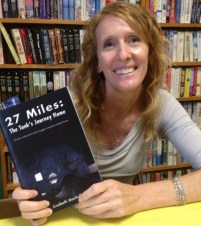
Lisabeth Mackall Book 061215

Lisabeth Mackall, caregiver  Author of “27 Miles: The Tank’s Journey Home

<–Panelist, Lisabeth Mackall

Dryer, Lisa Survivor

Lisa Dryer, survivor – former Renaissance Fair actor

Panelist, Lisa Dryer –>

If you missed this show, “Holidays – Less Stress – More Fun” on “Another Fork in the Road” with survivor, Lisa Dryer and caregiver, Lisabeth Mackall, and me on December 6th, 2015, don’t fret. You can listen to the archived show here.

Click the link below.


See you “On the Air!”

On The Air: Brain Injury Radio “Another Fork in the Road” with Panelists: Survivor, Lisa Dryer and Caregiver, Lisabeth Mackall Topic: Holidays – Less Stress – More Fun!

(Clip Art compliments of Bing.)

As I say after each post: Please leave a comment by clicking the blue words “Leave a Commentanim0014-1_e0-1 below this post.

Feel free to follow my blog. Click on “Follow” on the upper right sidebar.

If you like my blog, share it intact with your friends. It’s easy! Click the “Share” buttons below.

If you don’t like my blog, “Share” it intact with your enemies. I don’t care!

Feel free to “Like” my post.


diemodi jewelry

uniquely hand-crafted jewelry by donna

Welcome to Harmony Kent Online

The home of all things books

Pete Springer

Passionate Teacher and Future Children's Author

HOPE TBI

Helping Other People Excel - To Be Independent

For the Love of Books, Old and New

Katie Fischer, Writer and Reader of Stories

Charlie Bown

Children's Author

Jessica Hinrichs

“We write to taste life twice, in the moment and in retrospect.” ― Anais Nin

VIVIAN KIRKFIELD - Writer for Children

Picture Books Help Kids Soar

Mindy’s Writing Wonderland

For authors, parents, teachers & everyone who loves children’s books.

Kaitlyn Leann Sanchez

Literary Agent

Surviving Traumatic Brain Injury

TBI - Survivors, Caregivers, Family, and Friends

The Care Factor

Loving someone with a Traumatic Brain Injury

Brain Injury Support Group of Duluth-Extension

Brain Injury Information and SUPPORT

Brain Aneurysm Global Insight

Brain Aneurysm, cerebral hemorrhaging, hemorrhage stroke