TBI – Survivors, Caregivers, Family, and Friends

Posts tagged ‘“Prisoners Without Bars: A Caregiver’s Tale”’

COVID-19 – It’s Everywhere . . . Immune Response, Vaccine Development, & Asymptomatic Infections

New Info for COVID-19: Immune Response, Vaccine Development, & Asymptomatic Infections

by

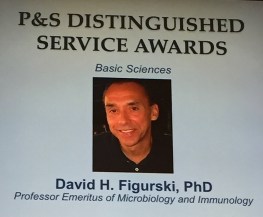
Columbia University Professor Emeritus, Dr. David Figurski

presented by

Donna O’Donnell Figurski

(Disclaimer: The World Health Organization <WHO> has officially named the new coronavirus as SARS-CoV-2 and the disease it causes as COVID-19. Because the majority of people, including much of the press, commonly refers to the virus as “COVID-19,” to avoid confusion I use COVID-19 as the name of the virus in these posts.)
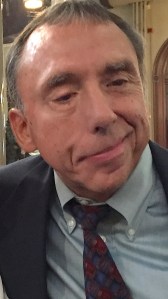
David H. Figurski, Ph.D & Survivor of Brain Injury

I have taken a 119-minute podcast on COVID-19 by a virologist and reduced it to the 21 minutes you probably want to hear the most. This long post looks scary, but it’s actually very easy to read and makes the 21 minutes readily understandable.

Dr. Vincent Racaniello, a virologist at Columbia University, was my colleague in the Department of Microbiology & Immunology. He does a podcast on viruses, called TWiV (This Week in Virology). Since March 13th, when we started staying home and taking precautions to minimize the pandemic, Vincent has released over 40 podcasts, nearly all of which are about COVID-19.

TWiV is unique because the host, Vincent, does research on and lectures about viruses. In addition to his being a scientist, his podcasts always have a panel of PhDs, sometimes as many as five people (two more virologists, an immunologist, a parasitologist, and a former student – now a science reporter). The discussions are great and done with a non-scientist-audience in mind. TWiV is known worldwide and attracts tens of thousands of listeners every month. However, the TWiV podcasts are long (~1-2.5 hours), so I listen and tell you the minutes to listen to hear information that I think you’ll want to know.

This post is about TWiV #631, which was posted on June 25, 2020. (Note: The TWiV link is for all the podcasts. Be sure you listen to #631.)

TWiV podcast #631 is 119 minutes long, but I have selected ~21 minutes you may want to hear. The topics you’ll hear discussed are the following: the value of the safety precautions, the need for free and extensive testing, the unknowns of the immune response, the timetable for vaccine development (at least eight more months), and the role of age in symptomatic and asymptomatic infections.

I have broken down #631 into segments defined by the minutes I chose for you to listen to. (The last half of the podcast was spent answering questions from listeners. While much good information is in this section, I emphasized the parts you probably want to hear the most.)
Podcast #631 features a discussion by three scientists: Vincent (virologist, professor, Columbia U.), Rich Condit (virologist, Professor Emeritus, U. of Florida), and Brianne Barker (immunologist, professor, Drew U.). The scientists usually make sure their discussion is understandable to their generally non-scientist listeners, but I found that they occasionally used terms that may be unfamiliar to you. Therefore, I have provided a glossary in the segment in which the term is first used.

TWiV #631
Segment 1
Minutes 3:10-9:10
The cavalier attitude of some people to safety precautions; the spike of new cases in the US; the toxic mixture of politics and science; the 172 vaccine projects planned or in progress; how vaccine development – done properly – will take over eight more months

glossary
rotavirus – common RNA virus responsible for diarrhea in young children and infants. Worldwide, the virus is responsible for as many as 400,000 deaths annually. A vaccine was introduced in 2006.
protein subunit-based – Some large proteins are actually complexes of individual proteins or “subunits.” Inactivation of an essential subunit (for example, by a vaccine) inactivates the whole protein complex.
Phase III clinical trial – Clinical development of a vaccine is a three-phase process. During Phase I, small groups of people receive the trial vaccine. In Phase II, the clinical study is expanded and the vaccine is given to people who have characteristics (such as age and physical health) similar to those for whom the new vaccine is intended. In Phase III, the vaccine is given to thousands of people and tested for efficacy and safety. (from the CDC)

Segments 2 and 3
Minutes 17:20-19:05 and 22:25-24:00
Possible importance of T cells in the immune response; the role of antibodies may not be as important as first thought; implications

glossary
antibody – part of the adaptive immune response (see “innate immunity” below), which eventually selects for proteins (antibodies) that specifically bind to foreign (usually) substances (like viral proteins). Binding of an antibody to a substance can cause inactivation of that substance.
serology – the analysis of blood for the presence of antibodies that bind specific substances (in this case, to proteins of COVID-19). A positive serology test for COVID-19 means that you are now infected or have been infected sometime in the past.
T and B cells – The white blood cells are important to the immune response. Several types of white blood cells have been identified. T cells and B cells are two major classes. B cells produce antibodies. Two subtypes of T cells are known to be important for the immune response to COVID-19. One subtype signals B cells to produce antibodies. Another subtype (cytotoxic T cells) kill virus-infected cells. The scientists discuss the evidence that the latter subtype of T cells may be very important to the immune response to COVID-19.
innate immunity – the first line of defense or the non-specific arm of the immune response. The innate immune response is in contrast to the adaptive (specific) immune response, which includes antibody production and takes days to develop.
PI – Principle Investigator; the head of the project
neutralizing antibody – an antibody that blocks infection by the virus; for COVID-19, an antibody that inactivates the spike protein of the virus (see below) is a neutralizing antibody
IgG – Immunoglobulin Gamma; the majority of the long-lived antibodies in the blood
immunopathology – that part of a disease that is caused by the immune response

Segment 4
Minutes 26:25-29:40
Which vaccine will be the best? What should we think of a vaccine based on spike protein only?

glossary
MHC – Major Histocompatibility Complex – several genes that code for a large set of proteins that are on the surface of every cell. T cells monitor what the MHC surface proteins are bound to. Fragments of proteins (see “peptide” below) are bound to MHC proteins and displayed to a T cell by cell-cell contact. If a cytotoxic T cell recognizes the fragment as normal or “self,” it takes no action. If the cytotoxic T cell “sees” a peptide as different or foreign (as in a virus-infected cell), it will kill the cell. This is part of the innate immunity arm. Stimulation of a T helper cell by an MHC protein bound to a foreign peptide will signal the adaptive arm of the immune response, which includes antibody production.
peptide – a small fragment of a protein
antigen – a substance that stimulates the production of antibodies to itself and molecules very similar to itself. COVID-19 vaccine production uses one or more viral antigens to trigger an immune response in the absence of infection by the virus.
spike protein – a protein of COVID-19; important because it’s needed for the virus to bind tightly to the ACE2 (angiotensin converting enzyme 2) protein that’s on the surface of lung cells; the binding is needed for the virus to gain entry to the cell and start the infection; a target for some vaccines; antibodies that inactivate spike are called “neutralizing antibodies.”
attenuated – An inactivated virus is a virus that’s been killed. An attenuated virus is a live virus that replicates and induces the immune response the natural way, but no longer causes disease. The Salk polio vaccine is based on killed virus. The Sabin vaccine is based on an attenuated polio virus. (Interesting note: Vincent Racaniello sequenced the chromosomes of the normal and Sabin polio viruses and identified three mutations in the Sabin virus.)
Zika virus – a mosquito-borne virus that was first identified in Uganda in 1947 in monkeys. It was later identified in humans. In most cases, there are no symptoms. Most frighteningly, in pregnant women, it may cause subsequent birth defects, including microcephaly (small head due to an undeveloped brain). In early 2015, a widespread epidemic, caused by the Zika virus in Brazil, spread to other parts of South and North America. There’s no vaccine or specific treatment. (from WHO and Wikipedia)

Segments 5, 6, and 7
Minutes 29:55-36:45, 40:45-41:30, and 43:00-43:30
A paper by scientists in Italy provides data from a large pool of people to show that it’s easy to become infected by contact with an infected person, even though the infected person may have no symptoms, and also to show that the greater a person’s age is, the higher is the likelihood of having COVID-19 symptoms. (Seventy-four percent of people under 60 were asymptomatic!)

glossary
PCR-positive – The test for infection is the rapid and convenient PCR (polymerase chain reaction) test. It detects the RNA chromosome of the virus. A PCR-positive result is taken as evidence that the person tested currently has an infection. (But, the test is so sensitive that it can sometimes detect fragments of viral RNA in a recovered patient.)
sero-positive – A positive result in a serology test of a blood sample indicates the presence of antibodies to proteins of COVID-19. The virus does not need to be present for a person to be sero-positive. Such a result indicates that the person is currently infected or was infected in the past.


Stay Safe and Healthy!

Clip Art compliments of Bing.)

(Photos compliments of contributor.)

As I say after each post:

Please leave a comment by clicking the blue words “Leave a Comment” below this post.

Feel free to follow my blog. Click on “Follow” on the upper right sidebar.anim0014-1_e0-1

If you like my blog, share it intact with your friends. It’s easy! Click the “Share” buttons below.


New News: . . . . . . . . . . . . . . . . . My New Author Website is Live!

My New Author Website is Live!

by

Donna O’Donnell Figurski

I had the website for “Donna O’Donnell Figurski – Author” reformatted. It’s now live. I love it!

To see it, go to donnafigurski.com.


(Clip Art compliments of Bing.)

(Photos compliments of contributor.)

As I say after each post:

Please leave a comment by clicking the blue words “Leave a Comment” below this post.

Feel free to follow my blog. Click on “Follow” on the upper right sidebar.anim0014-1_e0-1

If you like my blog, share it intact with your friends. It’s easy! Click the “Share” buttons below.
COVID-19 — It’s Everywhere . . . Breakthrough in Basic Research May Defeat COVID-19

Breakthrough in Basic Research May Defeat COVID-19

by

Columbia University Professor Emeritus, Dr. David Figurski

presented by

Donna O’Donnell Figurski


(Disclaimer: The World Health Organization <WHO> has officially named the new coronavirus as SARS-CoV-2 and the disease it causes as COVID-19. Because the majority of people, including much of the press, commonly refers to the virus as “COVID-19,” to avoid confusion I use COVID-19 as the name of the virus in these posts.)

David H. Figurski, Ph.D & Survivor of Brain Injury


Exciting results indicate that a novel idea might bring COVID-19 under control.  The new technology has been shown to work at the lab bench.  Now scientists are doing animal studies and, later, human studies.

Scientists at Boston University (BU) and the University of California at San Diego (UCSD) have made coated nanoparticles that are covered with pieces of lung cell membrane. (About 1000 tiny particles, or “nanoparticles,” can line up in the space equal to the width of a human hair.) The coated nanoparticles mimic the lung cells that normally bind the virus and allow an infection to start.  But, when the virus tries to infect a coated nanoparticle, the virus dies.  Essentially, the coated nanoparticle is a lethal decoy.

Research in the lab indicates that the new technology might be able to end the COVID-19 pandemic. Also, if the technology works in humans, coated nanoparticles will likely be important for inactivating other viruses and for dealing with future pandemics.

Specific nanoparticles can be made to mimic any cell that any virus infects.  So, coated nanoparticles can be made that are specific for any virus (for example, for influenza virus or for Ebola virus).  Also, once the cell normally infected by a previously unknown virus to start an infection has been identified (as it was for COVID-19), the relevant coated nanoparticles can be made. So, a novel virus can be inactivated even though little is known about the molecular details of its biology.

Scientists were surprised to learn that the coated nanoparticles for COVID-19 bind the SARS-2 coronavirus even better than the lung cells normally infected by the virus.  So, this approach for COVID-19 is likely be very efficient.

In COVID-19 infections, sometimes the immune response is too active and causes severe disease or death.  The dexamethasone breakthrough I wrote about earlier works by dampening the immune response.  The scientists surprisingly found that coating another batch of nanoparticles with membrane pieces from cells of the immune system also dampened the immune response.

The scientists envision a protective coated nanoparticle mixture for COVID-19 that has two types of coated nanoparticles (one that mimics the lung cells that are infected and another that dampens the immune response). The mixture would be simply administered as a nasal spray.


Stay Safe and Healthy!

Clip Art compliments of Bing.)

(Photos compliments of contributor.)

As I say after each post:

Please leave a comment by clicking the blue words “Leave a Comment” below this post.

Feel free to follow my blog. Click on “Follow” on the upper right sidebar.anim0014-1_e0-1

If you like my blog, share it intact with your friends. It’s easy! Click the “Share” buttons below.
 

COVID-19 — It’s Everywhere . . . Drug Breakthrough Significantly Prevents COVID-19 Deaths

Drug Breakthrough Significantly Prevents COVID-19 Deaths

by

Columbia University Professor Emeritus, Dr. David Figurski

presented by

Donna O’Donnell Figurski


(Disclaimer: The World Health Organization <WHO> has officially named the new coronavirus as SARS-CoV-2 and the disease it causes as COVID-19. Because the majority of people, including much of the press, commonly refer to the virus as “COVID-19,” to avoid confusion I use COVID-19 as the name of the virus in these posts.)

COVID-19

David H. Figurski, Ph.D & Survivor of Brain Injury

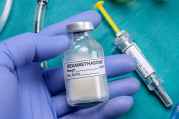
Research at the University of Oxford in England showed for the first time that a drug prevented a major fraction of deaths in severely sick patients with COVID-19.

Dexamethasone was found in a large clinical trial to cause a significant reduction in deaths. It can be prescribed as pills, and it is a common, readily available, and relatively inexpensive drug

A major problem after infection by COVID-19 is that the immune response of some individuals is too aggressive (often causing what’s called a “cytokine storm”) and can lead to death. Because dexamethasone is a steroid that dampens the immune response, the prediction was that it might help to prevent deaths by COVID-19.

The research showed that it does.

There are about 3 deaths for every 8 patients on ventilators.  Dexamethasone treatment reduced those deaths by one-third.  So, 1 death would be prevented for every 8 patients on ventilators.  About 5 deaths occur in every 25 patients on oxygen only. Dexamethasone treatment reduced those deaths by one-fifth, or about 1 less death for every 25 patients on oxygen only. Dexamethasone treatment had no effect on patients not on ventilators or receiving oxygen only.

Given that a major fraction of the over 118,000 deaths in the US so far (at 6:00 pm ET on June 18, 2020) were on ventilators or oxygen only, dexamethasone treatment is predicted to prevent many deaths.

The UK’s Chief Scientific Adviser, Sir Patrick Vallance, said: “This is a ground-breaking development in our fight against the disease, and the speed at which researchers have progressed finding an effective treatment is truly remarkable.”


Stay Safe and Healthy!

Clip Art compliments of Bing.)

(Photos compliments of contributor.)

As I say after each post:

Please leave a comment by clicking the blue words “Leave a Comment” below this post.

Feel free to follow my blog. Click on “Follow” on the upper right sidebar.anim0014-1_e0-1

If you like my blog, share it intact with your friends. It’s easy! Click the “Share” buttons below.


COVID-19 — It’s Everywhere . . . Progress in Controlling COVID-19

Progress in Controlling COVID-19

by

Columbia University Professor Emeritus, Dr. David Figurski

presented by

Donna O’Donnell Figurski


(Disclaimer: The World Health Organization <WHO> has officially named the new coronavirus as SARS-CoV-2 and the disease it causes as COVID-19. Because the majority of people, including much of the press, commonly refer to the virus as “COVID-19,” to avoid confusion I use COVID-19 as the name of the virus in these posts.)

COVID-19

David H. Figurski, Ph.D & Survivor of Brain Injury


I want to tell you about an amazing podcast, TWiV (This Week in Virology), created and hosted by Dr. Vincent Racaniello, a colleague of mine at Columbia University.

Vincent’s a virologist who has done cutting edge research on the molecular biology of influenza virus, poliovirus, and rhinoviruses (which cause the common cold). His podcasts feature several PhDs in microbiology (virologists, an immunologist, a parasitologist, and a science reporter who earned his PhD with Vincent) discussing the latest research and advances in viruses.

Vincent has been self-quarantining at home. Consequently, since March 13th, he has made more than 30 podcasts, nearly all concerning COVID-19, potential therapies and vaccines, and pandemics. His guests have been infectious disease scientists doing research or physicians in the trenches learning about the clinical manifestations of the virus and how to treat their patients.

Dr. Vincent Racaniello – Columbia University Virologist

Vincent’s podcasts are made for non-scientists to understand, but they are 1-2 hours long. Probably none of you has the time to listen that long. Therefore, I’m trying to listen to them so I can point you to episodes and minutes you may want to hear.

Podcast #622, released June 2, featured Dr. Emmie de Wit of the Rocky Mountain Labs in Montana. She’s a virologist doing drug and vaccine research in monkeys. Because Rocky Mountain Labs is one of the few places in the country with a high-safety-level facility, Dr. de Wit has worked with several dangerous viruses: SARS-1, MERS, pandemic influenza strains, and Ebola. Now she’s working with SARS-2.

I’ve boiled down Episode #622 to four segments totaling ~16 minutes.

  1. 26:05-26:35 – The spike protein of the virus coat initiates infection of a cell by attaching to the ACE2 protein (angiotensin converting enzyme 2) on the cell’s surface. Here Emmie tells how it took only days to identify ACE2 and confirm viral binding. Rich Condit, a virologist, was astonished by the speed. ACE2-binding by spike is a potential drug target.


  1. 37:15-39:44 – The PCR test (polymerase chain reaction), simple enough to be done on a large scale, detects the 30,000-nucleotide (or base) RNA chromosome of the virus. But, PCR is so sensitive that it can detect degradation fragments of the RNA, even though the person is no longer contagious. The only way to tell for sure is to detect viable virus in cell culture. This is hard to do and is only done in virology research labs. As a result, a person is considered infected and contagious if the PCR test is positive.

  1. 43:35-54:05 Remdesivir, an antiviral drug, is a nucleotide-analog that blocks the copying of the RNA chromosome to make more virus. Emmie showed that giving remdesivir to monkeys early (at 12-hours post infection) was very effective. But, humans don’t show symptoms for days, and, because remdesivir must be administered intravenously, patients are only given remdesivir if they are hospitalized. This is very late, and still there is a modest effect. Rich Condit talks about the possibility of producing an oral form of the drug. Then remdesivir could be taken earlier – maybe even at home – and might be very effective in humans.


  1. 58:25-60:40 This segment concerns a vaccine. (I’ll write more on this topic later, but you should know that there are three types of promising technologies: the viral protein-based, the viral gene-based, and the virus vector-based, in which a harmless virus carries a gene from a disease-producing virus for a protein that’s needed to infect cells.)2ff087415a5009984739aa8fde5d5d4a

Emmie tested a harmless chimpanzee adenovirus that was engineered to carry the COVID-19 spike gene. This adenovirus produces the coronavirus spike protein, needed for COVID-19 to infect cells. So, this harmless adenovirus should cause us to make antibodies that will block infection by COVID-19.

In Emmie’s experiment in monkeys, the vaccine worked so well that it allowed clinical trials to proceed in humans.

Stay Safe and Healthy!

Clip Art compliments of Bing.)

(Photos compliments of contributor.)

As I say after each post:

Please leave a comment by clicking the blue words “Leave a Comment” below this post.

Feel free to follow my blog. Click on “Follow” on the upper right sidebar.anim0014-1_e0-1

If you like my blog, share it intact with your friends. It’s easy! Click the “Share” buttons below.

COVID-19 — It’s Everywhere . . . Vaccine is Possible

COVID-19 . . . Evidence that a Vaccine is Possible

by

Columbia University Professor Emeritus, Dr. David Figurski

presented by

Donna O’Donnell Figurski


(Disclaimer: The World Health Organization <WHO> has officially named the new coronavirus as SARS-CoV-2 and the disease it causes as COVID-19.  Because the majority of people, including much of the press, commonly refer to the virus as “COVID-19,” to avoid confusion, I use COVID-19 as the name of the virus in these posts.)

COVID-19

The 100+ labs trying to develop a vaccine for COVID-19 were delighted with a study showing that COVID-19 stimulates a strong antibody response in humans. Scientists from the University of California at San Diego (UCSD) demonstrated that a vaccine for COVID-19 is definitely possible.

The scientists studied blood from mildly sick individuals who recovered. They found a high level of antibodies to the spike protein, used by COVID-19 to infect.

The strong antibody response suggests that immunity will occur in humans and will last a while, but no one knows for how long – weeks? months? years?

The scientists were surprised by another result. For you also to understand it, I have to give you some background. (Sorry!)

There are seven coronaviruses that infect humans.

Four are common and cause mild, cold-like symptoms.  We’ve all probably had one or more of these.

Three coronaviruses (SARS-CoV, SARS-CoV-2 <which causes COVID-19>, and MERS- CoV) cause serious human disease and some fatalities.

Blood taken before COVID-19 even existed in humans nevertheless showed the presence of antibodies that reacted with COVID-19.  Infection with one of the mild coronaviruses may have stimulated the body’s production of some antibodies that cross-react with COVID-19.

Some seemingly healthy individuals have died from COVID-19. In contrast, some people not predicted to do well had mild disease or were asymptomatic. Doctors are perplexed by their inability to predict who will recover.

David H. Figurski, Ph.D & Survivor of Brain Injury

One possibility is that the amount of cross-reactive antibodies arising from previous infection with one or more of the mild coronaviruses may determine how well a COVID-19-infected person will do.


Stay Safe and Healthy!


Clip Art compliments of Bing.)

(Photos compliments of contributor.)

As I say after each post:

Please leave a comment by clicking the blue words “Leave a Comment” below this post.

Feel free to follow my blog. Click on “Follow” on the upper right sidebar.anim0014-1_e0-1

If you like my blog, share it intact with your friends. It’s easy! Click the “Share” buttons below.

COVID-19 — It’s Everywhere . . . To Open or Not to Open

COVID-19 . . . To Open or Not to Open

by

Columbia University Professor Emeritus, Dr. David Figurski

presented by

Donna O’Donnell Figurski


(Disclaimer: The World Health Organization <WHO> has officially named the new coronavirus as SARS-CoV-2 and the disease it causes as COVID-19.  Because the majority of people, including much of the press, commonly refer to the virus as “COVID-19,” to avoid confusion, I use COVID-19 as the name of the virus in these posts.)

COVID-19

David H. Figurski, PhD — Brain Injury Survivor — Professor Emeritus of Microbiology & Immunology — Columbia University


Some governors say “Open.” Scientists say “Don’t open.” Whom do you believe?

I’m a scientist.  I know where I stand.

Below are some facts to help you decide.

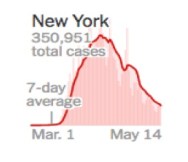
For those of you in the west, the coronavirus infections have just begun.  You can see from the map of May 19 (see below) that infections are still moving westward.

Coronavirus Map – New York Times – 05/19/20

Many people, particularly those in the west, don’t seem to understand that the US is still in the early stages of this pandemic. They are lulled by the low number of cases in their state. The numbers are misleading for two reasons.

(1) Only seriously symptomatic (mostly hospitalized) people and celebrities are being tested because the US is seriously in need of more testing.  (2) The virus has not reached you yet. (That’s the especially true in the western half of the US.)

New York City is still very bad, but strict social-distancing guidelines have produced a significant drop in new cases.

Washington State had the potential to become a major hot spot, but they acted quickly and aggressively.

In contrast, several states are opening up and relaxing guidelines, despite a continued rise in new cases.  (That’s the case here in Arizona, where Governor Ducey allowed restaurants to open this week. This decision is particularly horrifying because the pandemic hasn’t really reached us yet.)

Reported cases in the United States

(Every red dot represents a cluster of infections – probably started by an infected asymptomatic traveler.  Right now, most cases are in the east, but every day you see more red dots in the western half of the US.)


David H. Figurski, Ph.D & Survivor of Brain Injury

Stay Safe and Healthy!


Clip Art compliments of Bing.)

(Photos compliments of contributor.)

As I say after each post:

Please leave a comment by clicking the blue words “Leave a Comment” below this post.

Feel free to follow my blog. Click on “Follow” on the upper right sidebar.anim0014-1_e0-1

If you like my blog, share it intact with your friends. It’s easy! Click the “Share” buttons below.

COVID-19 . . . It’s Everywhere! Columbia University Professor Emeritus, Dr. David Figurski Talks about Coronavirus

COVID-19 . . . It’s Everywhere!

Columbia University Professor Emeritus, Dr. David Figurski

Talks about Coronavirus

by David Figurski, Ph.D

presented by

Donna O’Donnell Figurski


(Disclaimer: The World Health Organization <WHO> has officially named the new coronavirus as SARS-CoV-2 and the disease it causes as COVID-19.  Because the majority of people, including much of the press, commonly refer to the virus as “COVID-19,” to avoid confusion, I use COVID-19 as the name of the virus in these posts.)

COVID-19

David Columbia Award May 2017Because the COVID-19 pandemic has affected everyone, including the brain injury community, I have added a new category called “COVID-19” to this blog. This category is for posting much-needed information and facts on the new coronavirus and the global pandemic it has caused.

The major reason I added the COVID-19 category is that I have unique access to a survivor of brain injury who is knowledgeable about this pandemic.

For 35 years, my husband, David, was a professor and did research in the Department of Microbiology & Immunology at Columbia University. He retired on September 1, 2013. In January 2005, David had a cerebellar hemorrhage. He survived a three-week

coronavirus-covid-19-design-vector

coma and three brain surgeries in the first two weeks of his coma. Unfortunately, he was left with many physical disabilities, but his cognitive brain was untouched, allowing him to return full-time to the faculty after 19 months. (Those 19 months are described in detail in my book Prisoners without Bars: A Caregiver’s Tale.) For 45 years, David did research on the molecular genetics of various microorganisms, including viruses.

02 Fork Yield Banner copyTo allow you to be introduced to David, I am reposting the link to my radio show of April 19, 2020, on the Brain Injury Radio Network called,  “Another Fork in the Road: BI Survivor/Columbia Prof Dr. David Figurski & Covid19.” (The link first appeared in my post on May 4, 2020.) David was my guest, and I interviewed him about his brain injury and about COVID-19. (Our discussion of COVID-19 begins at 49:50.)

David Figurski

David H. Figurski, Ph.D & Survivor of Brain Injury

Clip Art compliments of Bing.)

(Photos compliments of contributor.)

As I say after each post:

Please leave a comment by clicking the blue words “Leave a Comment” below this post.

Feel free to follow my blog. Click on “Follow” on the upper right sidebar.anim0014-1_e0-1

If you like my blog, share it intact with your friends. It’s easy! Click the “Share” buttons below.

 

Survivors SPEAK OUT! ………. Mimi Hayes – Survivor, Author, Comedienne

Survivors SPEAK OUT! Mimi Hayes – Survivor, Author, Comedienne

presented by

Donna O’Donnell Figurski

(author of Prisoners without Bars: A Caregiver’s Tale)


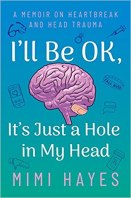
Mimi Hayes – Survivor of Brain Injury Author of “I’ll Be OK, It’s Just a Hole in My Head”

1. What is your name? (last name optional)

Mimi Hayes

2. Where do you live? (city and/or state and/or country) Email (optional)

Brooklyn, New York, USA

3. On what date did you have your brain injury? At what age?

My brain injury happened approximately in late August 2014. I was 22 years old.

4. How did your brain injury occur?

I got a bad migraine while I was on a blind date. After about a week, I’d developed weird symptoms, vision problems, coordination difficulties, etc.

5. When did you (or someone) first realize you had a problem?

My mom knew pretty quickly that something was wrong. It wasn’t until after a few doctor visits

that we got an MRI (magnetic resonance imaging) and it was finally taken seriously.

6. What kind of emergency treatment, if any, did you have?

MRI

7. Were you in a coma? If so, how long?

Nope

8. Did you do rehab? What kind of rehab (i.e., inpatient or outpatient and occupational and/or physical and/or speech and/or other)? How long were you in rehab?

I was in inpatient therapy for two weeks and in outpatient therapy for about three months. I had speech, occupational, and physical therapies.

9. What problems or disabilities, if any, resulted from your brain injury
(e.g., balance, perception, personality, etc.)?

I have some lasting vision issues on the left side, but they’re minimal and happen only when I’m tired. I have issues with concentration, memory, fatigue, coordination, and sensitivity to lights and sounds.

10. How has your life changed? Is it better? Is it worse?

My life changed for the better in every way. Yes, it’s hard to have to adjust to a new brain, but I would never be where I am or who I am without this experience

11. What do you miss the most from your pre-brain-injury life?

Probably just being a bit more fit. I used to play ice hockey, and my brain completely forgot that

muscle-memory. Also, I wasn’t such a scatterbrain, but that’s endearing most of the time.

12. What do you enjoy most in your post-brain-injury life?

Challenging myself to live in New York City, a place where I never imagined I could live with a TBI (traumatic brain injury).

13. What do you like least about your brain injury?

I don’t like that my brain injury has elevated my anxiety, which I had before the injury. It’s probably a low-grade PTSD (post traumatic-stress disorder) tied to all things medical.

14. Has anything helped you to accept your brain injury?

I don’t think I’ve ever not accepted my brain injury. It’s just that I forget it sometimes. I maybe do something I could have done before with no problem, like a concert, but I’m completely exhausted the entire next day.

15. Has your injury affected your home life and relationships and, if so, how?

Sure. My family had to learn about my new challenges. We had to stop eating dinner with the TV on in the background, and we learned that I’m quicker to anger. They never weren’t there for me, and, if anything, my brain injury brought me much closer to them.

16. Has your social life been altered or changed and, if so, how?

I’ve always been very social. It’s just that now I have to power-down more to recharge.

17. Who is your main caregiver? Do you understand what it takes to be a caregiver?

Me. But, I don’t really understand what it takes to be a caregiver. I was a nanny to three small boys for a year, and that was a lot of work! But no, I’ve never been a caregiver.

18. What are your plans? What do you expect/hope to be doing ten years from now?

Hard to say, but I’d like to put out a few more books, do a TED Talk, and continue to travel with my comedy. As soon as theaters are back open, I’d like to put my one-woman show on off-Broadway.

19. Are you able to provide a helpful hint that may have taken you a long time to learn, but which you wished you had known earlier? If so, please state what it is to potentially help other survivors with your specific kind of brain injury.

Just give yourself grace. Don’t compare yourself to other people’s recoveries or even to who you used to be before. Also, it’s OK to change who you are after a near-death situation. It’s OK to change your job, your city, hell, anything you want. You deserve to explore the new you.

20. What advice would you offer to other brain-injury survivors? Do you have any other comments that you would like to add?

There’s a great big community out here. You are not alone. You’d be surprised how many people I’ve met on Instagram and now consider them to be best friends. I would have never met them in real life.

We are strong, and we all want to share our stories with each other and connect. My advice is to get online, start using hashtags, and explore. You will find us. And, we can’t wait to connect with you!

To learn more about Mimi Hayes, visit her website.

Mimi Hayes Website

Mimi Hayes’ book, I’ll Be OK, It’s Just a Hole in My Head


Clip Art compliments of Bing.)

(Photos compliments of contributor.)

As I say after each post:

Please leave a comment by clicking the blue words “Leave a Comment” below this post.

Feel free to follow my blog. Click on “Follow” on the upper right sidebar.anim0014-1_e0-1

If you like my blog, share it intact with your friends. It’s easy! Click the “Share” buttons below.


TBI Tales . . . . . . . . . . . . Overcoming Obstacles while Getting On with Life

Overcoming Obstacles while Getting On with Life
by
Chelsea Rolph

presented by


Donna O’Donnell Figurski
(author – Prisoners without Bars: A Caregiver’s Tale)


chelsea rolph

Chelsea Rolph – Survivor of Brain Injury

This has been one heck of a decade! When I think back to how it all began, I would have never seen myself where I am now.

I began this decade healing from a concussion and graduating high school. I chose to do a “Victory Lap” so I could have the time to figure out what I wanted to do with my future.

As the school year began in September 2010, I returned back to varsity sports to continue to do what I loved … play.

Unfortunately, as most people know, it did not end well. I was knocked out during a basketball game in the last 4 seconds, leaving me with the concussion of all concussions.

I remember sitting in accounting, music, and business classes and crying to myself because it hurt too much to read the text. I also remember going home and breaking down because I no longer had the sports to turn to as a stress relief. I was frustrated with the amount of exhaustion I was feeling at the end of the day.

I was sent to a concussion rehab clinic for a few months, and this was the first time I felt like I finally had some answers. At the beginning of this decade, my parents would take me to the hospital every week to get tests done on both my heart and my brain. These tests concluded with doctors suggesting that my “new normal” was going to be a long transition with no end in sight.

Although all of my friends were applying to colleges and universities, I was told that I should not consider post-secondary education at that time. Despite this, I still applied to colleges and universities to keep my options open.

After being accepted to all of my options, I decided to go to McMaster University (MAC), so I had family support close by if I were really struggling. After accepting MAC, I met with a counselor to discuss what the rehab clinic had said I should have for accommodations.

After the guidance counselor at MAC agreed to all of the accommodations that were recommended for me, she suggested that I should take two classes a semester and take ten years to complete my undergrad.

Fast-forward to the end of the decade – most people know that not only did I choose to take a full course load, but I also chose to try to accomplish it without the accommodations recommended. The counselors did not believe I would be successful even with the accommodations and tried to talk me out of it. Not only did I take a full course load, but I was also working close to full-time hours at the same time.

Get-a-Bachelors-Degree-Online-Step-15Four years later, in May of 2015, I graduated with a Bachelor of Arts degree. In August 2015, I was hired in my first full-time job! After three months, I received a promotion, and then, ten months after that, I was promoted again to the position I am currently in. Over the last 4.5 years, I have had the amazing opportunity to work with so many amazing students and colleagues who have helped shape me into the person I am today. Unfortunately, I have chosen to leave my current position to pursue other opportunities.

As this decade ends, a new and exciting chapter begins! Today I find myself writing this from the comforts of my home as I begin my journey as an entrepreneur. My business partner and I are so excited to have the opportunity to quit our full-time jobs to focus on running our own business.

Along with reminiscing about my professional career over the past ten years, I also think about the personal experiences. Many have been positive, but I also had my share of sorrows. I have lost so many amazing people in my life, including both of my grandmas, my uncle, and a friend. I have lost a pet and nearly lost two more. I struggled with immigration. And, my mom was diagnosed with breast cancer.

I am very happy to say that I have also had the opportunity to see my mom defeat cancer and ring that victory bell. I am also happy that Rod and I no longer need to worry about immigration or travelling out of the country together for events. I also have a long list of amazing other things that have happened over the past decade: graduating, falling in love, buying a car, travelling to many cities and countries (for example, Las Vegas, New York City, Ecuador, the east coast of Canada, mainland Europe, and the UK), attending a conference in the United Nations headquarters, fundraising around $150,000 for both OIPlocal and global organizations, making so many amazing new friends, experiencing weddings, getting over my fear of babies, having nieces and nephews, getting a kitten, and going back to school to study French as a second language.

Here’s to hoping that the next decade will bring less of the sadness and more of the happiness and excitement that I have been lucky enough/privileged to experience.

Cheers to 2020!

Clip Art compliments of Bing.)

(Photos compliments of contributor.)

As I say after each post:

Please leave a comment by clicking the blue words “Leave a Comment” below this post.

Feel free to follow my blog. Click on “Follow” on the upper right sidebar.anim0014-1_e0-1

If you like my blog, share it intact with your friends. It’s easy! Click the “Share” buttons below.


diemodi jewelry

uniquely hand-crafted jewelry by donna

Welcome to Harmony Kent Online

The home of all things books

Pete Springer

Passionate Teacher and Future Children's Author

HOPE TBI

Helping Other People Excel - To Be Independent

For the Love of Books, Old and New

Katie Fischer, Writer and Reader of Stories

Charlie Bown

Children's Author

Jessica Hinrichs

“We write to taste life twice, in the moment and in retrospect.” ― Anais Nin

VIVIAN KIRKFIELD - Writer for Children

Picture Books Help Kids Soar

Mindy’s Writing Wonderland

For authors, parents, teachers & everyone who loves children’s books.

Kaitlyn Leann Sanchez

Literary Agent

Surviving Traumatic Brain Injury

TBI - Survivors, Caregivers, Family, and Friends

The Care Factor

Loving someone with a Traumatic Brain Injury

Brain Injury Support Group of Duluth-Extension

Brain Injury Information and SUPPORT

Brain Aneurysm Global Insight

Brain Aneurysm, cerebral hemorrhaging, hemorrhage stroke