TBI – Survivors, Caregivers, Family, and Friends

Posts tagged ‘Donna Figurski’

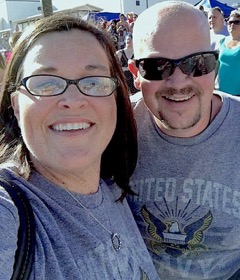
Survivors SPEAK OUT! Mike Gephart


Survivors SPEAK OUT! Mike Gephart

presented by

Donna O’Donnell Figurski

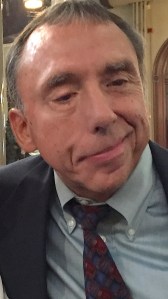
Mike Gephart


1. What is your name? (last name optional)

Mike Gephart

2. Where do you live? (city and/or state and/or country)

Oshkosh, Wisconsin, USA

-Email (optional)

geppyonbass@gmail.com

3. On what date did you have your brain injury? At what age?

My brain injury happened on March 12, 2014. I was 40 years old.

4. How did your brain injury occur?

I was heading home from work on a 2-lane 55-mph county highway. As I approached an intersection, there was a man waiting in the oncoming lane with his left blinker on. He was struck from behind at 61 mph by an inattentive driver. The man waiting to turn was killed instantly. So less than a second later, I had a 54-mph head-on collision with a dead man (he was pronounced dead at the scene of the accident). car acciddent R

5. When did you (or someone) first realize you had a problem?

Another person instantly realized I had a major problem.

6. What kind of emergency treatment, if any, did you have?

Twice, on the way to the ER (Emergency Room of a hospital, the EMS (Emergency Medical Service) paramedics got my heart beating. By the time my (now “ex”) wife got there to identify my body, I’d been put on machines. I was in a medically induced coma for nine days, and I was incognizant for 14 more days. After those 23 days, I heard the words “traumatic brain injury,” which described my biggest problem. 

7. Were you in a coma? If so, how long?

Yes. I was in a medically induced coma. Of the nine days that I was comatose, two were spent trying to get me out of the coma.

8. Did you do rehab? What kind of rehab (i.e., inpatient or outpatient and occupational and/or physical and/or speech and/or other)? How long were you in rehab?Cognitive Rehab 8-85260_ms-health-cognitive-rehabilitation-cognitive-behavioral-therapy-cartoon
I was in rehab at the hospital for a week after regaining cognizance. Then I went home and was given physical, speech, and occupational therapies by a home service. Once I could walk with crutches, I had outpatient therapy for another four months.

9. What problems or disabilities, if any, resulted from your brain injury
(e.g., balance, perception, personality, etc.)?

I had problems with balance and executive functions. My disability today is basically all about my executive functioning. I had third-party disability insurance through an employer. Because my injuries happened on my way home from work, they got a lawyer to get me on SSDI ASAP (Social Security Disability Insurance; as soon as possible). Because of my executive functioning, “ASAP” meant five years. 

10. How has your life changed? Is it better? Is it worse?

I choose not to dwell on all the “bad” things that happened because of my accident. In my 1st or 2nd night of cognizance, crying in my bed alone at 3 am, I had a panic attack about everything that had occurred – and was going to happen. It was at this moment that I heard an internal voice say to me: Mike, bad things happened and will continue to happen far more than anything good.

*Energy you waste fearing Bad is energy you steal from loving Good. (I call that advice “Themandment.” And every one of the 10 commandments that Moses only had to climb a mountain lie safely under the umbrella of Themandment.)

So how has my life changed? I was blessed with clarity and the ability to reinvent my identity in and my understanding of this plane of existence.

11. What do you miss the most from your pre-brain-injury life?

Daughters RI miss being in a family unit with my daughters.

12. What do you enjoy most in your post-brain-injury life?

I’m blessed to know from experience what will happen with my soul when my body dies again.

13. What do you like least about your brain injury?

I don’t like having to acknowledge my brain injury when it reminds me of why I can’t and shouldn’t try being what I was. 

14. Has anything helped you to accept your brain injury?

Themandment helps me several times daily. 

15. Has your injury affected your home life and relationships and, if so, how?

The relationship with my ex-wife after the accident can’t even be called a relationship.

I came back a new man, and relationships, with what I call “1st Reality Sufferers,” are difficult because of my 2nd perspective. 

16. Has your social life been altered or changed and, if so, how?

My social life has changed. I used to be a local rock star with a day job who went where he wanted and felt comfortable. Now, I don’t feel comfortable in many places, I have fewer friends, and I gig far less. 

17. Who is your main caregiver? Do you understand what it takes to be a caregiver?

My mother has power of attorney for me, and she is my emergency contact.  Early on, my in-laws watched over me while my (now “ex”) wife went back to work. 

18. What are your plans? What do you expect/hope to be doing ten years from now?

I don’t plan further than a month yet. My world changed in less than a second. So living in the moment is paramount. Live in the Moment OIP

19. Are you able to provide a helpful hint that may have taken you a long time to learn, but which you wished you had known earlier? If so, please state what it is to potentially help other survivors with your specific kind of brain injury.

Themandment: Energy wasted fearing bad is energy stolen from loving good. 

That one passage is a notion I wish I could have had in my 20s. Before my accident, I could spend a day worrying about things that might happen. It hurts to think back to all of the things I didn’t take the time to love and feel blessed to have.

One piece of advice a TBI mentor gave me. 

He said: “You didn’t unlearn anything in your accident. 

But you need to reinvent a new way to do everything! … with 40 years of experience.” 

20. What advice would you offer to other brain-injury survivors? Do you have any other comments that you would like to add?

I suggest three things: 

  1. Themandment
  2. Reinvent new neuro-pathways.

Relearning how the old ones worked is pointless. 

  1. Unconscious bodily functions! 

Focus on things like making it to the toilet on time. 

The reason newborns and the elderly wear diapers is because of brand new or deteriorating neuropathways. 

Don’t wait for your primary doctor to tell you about it.

 *****

Get Your Copy Now!
51r7mht63el._sx332_bo1204203200_-1


             Read It!                Listen to It!              Review It!

Click Links under Book

 PAPERBACK!   Read it Now!    

e-BOOK!   Read it Now!  

AUDIO BOOK Listen to it Now!

                                                               Stay Safe and Healthy!

Clip Art compliments of Bing.)

(Photos compliments of contributor.)

As I say after each post:

Please leave a comment by clicking the blue words “Leave a Comment” below this post.

Feel free to follow my blog. Click on “Follow” on the upper right sidebar.

If you like my blog, share it intact with your friends. It’s easy! Click the “Share” buttons below.

Book anim0014-1_e0-1


Read All About It! . . . . . . . Prisoners without Bars: A Caregiver’s Tale

Read All About It!

Prisoners without Bars: A Caregiver’s Tale

presented by 

Donna O’Donnell Figurski – author

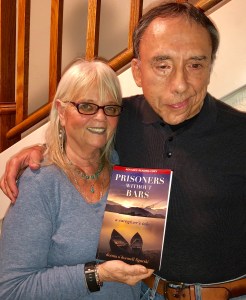
Donna & David with ARC of Prisoners without Bars: A Caregiver’s Tale

My memoir, Prisoners without Bars: A Caregiver’s Tale, is not only a story of David’s and my struggles after his traumatic brain injury, but it is also a love story. Though my memoir addresses a dire topic, it is peppered with comedic situations. They say laughter is the best medicine, and again, they are right.

Prisoners without Bars is a heart-wrenching memoir that will make you laugh, cry, and G-A-S-P. I promise!

Boy Laughing

Girl Crying girl-crying-clipart-34

Girl Gasping 2

It’s not a beach read, but it reads like one. It’s fast! It’s easy! It’s fascineasy. I mean fascinating.

What Readers are Saying!

Jackie said – “A beautiful and touching story.”

Anonymous Amazon Customer said – “I loved this book. almost couldn’t put it down.

jlgwriter said – “I found the story powerful and compelling.

Todd & Kim said – “This is such an inspirational story of survival! The book is a very easy read and informative as well as inspiring!!”

Judy said – “Donna O’Donnell Figurski tells her story of grace, love, frustration, anger, disappointment, strength, joy, and above all hope.”

Marge said – “I read it in one fell swoop… I guess the word that would describe your book, your life, and who you are is SUPERCALIFRAGILISTICEXPIALIDOCIOIUS.”

Anonymous said – “This book pulled me in immediately and didn’t let me go until the end! ”

Helen said – “Could not put this book down. Written for easy reading. It was like having a conversation with a friend.” “I finished it in one day with some teary moments along with some chuckles. A must read!!”

Get Your Copy Now

Read It!               Review It!

Click Links under Book

51R7Mht63EL._SX332_BO1,204,203,200_

PAPERBACK!        Read it Now!                              e-BOOK!      Read it Now!

Stay Safe and Healthy!

Clip Art compliments of Bing.)

(Photos compliments of contributor.)

As I say after each post:

Please leave a comment by clicking the blue words “Leave a Comment” below this post.

Feel free to follow my blog. Click on “Follow” on the upper right sidebar.anim0014-1_e0-1

If you like my blog, share it intact with your friends. It’s easy! Click the “Share” buttons below.

SO, WHADDYA THINK? . . . . About Faulty Filters After Brain Injury

SO, WHADDYA THINK? . . . . About Faulty Filters After Brain Injury

by

Donna O’Donnell Figurski

so-whaddya-think-brain-th-4

After a brain injury, many survivors may experience an extreme behavioral, emotional, or personality change. This can be a real problem with keeping friendships. For example, a person who was once the life of the party and can no longer party for any number of reasons—overstimulation, for one—is not that fun to be around. Lack of filters can be another problem.

We all use filters to control what comes from our brains and out of our mouths, and we don’t always say exactly what is on our minds for fear of offending someone. However, some survivors have diminished control over their filters and blurt out whatever they are thinking, possibly offending their friends, who then keep their distance. So essentially, the survivor is pushing away friends without really meaning to.

Sometimes anger and resentment, and perhaps perseveration about the injury—nonstop talk about the injury, can alienate friends because the friends just don’t get it. Because brain injury has damaged parts of their brains, brain-injured survivors are usually not the same person they were before their injury. After all, they’ve looked death in the face and pushed it aside.

Whaddya You Think?

Get Your Copy Now

Read It!               Review It!

Click Links under Book

51R7Mht63EL._SX332_BO1,204,203,200_

PAPERBACK!        Read it Now!                             

e-BOOK!      Read it Now!

Audio Book! Read it Now!

Stay Safe and Healthy!

Clip Art compliments of Bing.)

(Photos compliments of contributor.)

As I say after each post:

Please leave a comment by clicking the blue words “Leave a Comment” below this post.

Feel free to follow my blog. Click on “Follow” on the upper right sidebar.anim0014-1_e0-1

If you like my blog, share it intact with your friends. It’s easy! Click the “Share” buttons below.

SO, WHADDYA THINK? . . . . ABOUT INVISIBLE BRAIN INJURY

So, Whaddya Think? About Invisible Brain Injury

by

Donna O’Donnell Figurski

so-whaddya-think-brain-th-4


Invisible Brain Injury comes with a whole set of problems. Because the survivor looks “normal,” their friends, family, and strangers often think they are faking their problems––neuro fatigue, memory loss, lack of organization, and other cognitive deficits.

My husband, David’s, brain injury is obviously visible, so he doesn’t run into issues where people doubt his injury. But for those survivors whose injury is “all in their brain” and not easily seen or realized by the general public or family and friends, major problems may arise. Folks too often believe that a brain injury should be healed in weeks or months, just like a broken bone. But the fact is that brain injury takes a lifetime of recovery.

Whaddya You Think?

Get Your Copy Now

Read It!               Review It!

Click Links under Book

51R7Mht63EL._SX332_BO1,204,203,200_


PAPERBACK!        Read it Now!                             

e-BOOK!      Read it Now!

Audio Book! Read it Now!

Stay Safe and Healthy!

Clip Art compliments of Bing.)

(Photos compliments of contributor.)

As I say after each post:

Please leave a comment by clicking the blue words “Leave a Comment” below this post.

Feel free to follow my blog. Click on “Follow” on the upper right sidebar.anim0014-1_e0-1

If you like my blog, share it intact with your friends. It’s easy! Click the “Share” buttons below.

Survivors SPEAK OUT! Jordan Fallert

Survivors SPEAK OUT!     Jordan Fallert

by

Donna O’Donnell Figurski

Jordan Fallert

1. What is your name? (last name optional)

My name is Jordan Fallert.

2. Where do you live? (city and/or state and/or country) Email (optional)

I live in St. Louis, Missouri, USA.

3. On what date did you have your brain injury? At what age?

I got my brain injury on February 5th, 2021. I was 23 years old.

4. How did your brain injury occur?

I got my TBI (traumatic brain injury) from a car crash around 5:30 on a Friday. I had just left work to go home to study for a test for my master’s degree. Studying

5. When did you (or someone) first realize you had a problem?

What saved my life was that a fire truck had responded to a fire on that same road. They were told their backup was no longer needed. Their captain (who was in an SUV, not the fire truck) saw the crash happen. I was unconscious on impact, and they had to use the “Jaws of Life” to get me out of the car. After I was rescued, they took me straight to the hospital to have emergency surgery. I was in a coma for six weeks. I slowly gained consciousness and became aware pretty quickly that I was in the hospital, but I had no idea why. That was my biggest indication that something was wrong. Also, I couldn’t walk, and I had extreme right-side weakness.

6. What kind of emergency treatment, if any, did you have?

After I was rescued from my car and in the ambulance, the firemen realized very quickly I was having extreme difficulty breathing. I was hit on a road that had a speed limit of 45 mph. I was turning onto the road and going about 12 mph, and the other driver was speeding and going over 60 mph. Even though I was going so slowly, the force of the impact caused my diaphragm to rupture, my lungs to push on my stomach, and my stomach to push on my heart. Once I was at the hospital, I was immediately taken to the trauma floor. I was in surgery for about six hours.

7. Were you in a coma? If so, how long?

I was in a self-induced coma for about six weeks.

8. Did you do rehab? What kind of rehab (i.e., inpatient or outpatient and occupational and/or physical and/or speech and/or other)? How long were you in rehab?

Yes. I did a lot of rehab. I was in the hospital for about four months. As soon as I was conscious, they began putting me into rehab. I did speech, occupational, and physical therapies. After I was released from the hospital, I stayed with my mom in a house on the hospital campus and did intense outpatient therapy. And when I came home, I did more therapies at a hospital near me. It’s difficult to say how long I was in rehab, but I would guess about nine months.

9. What problems or disabilities, if any, resulted from your brain injury
(e.g., balance, perception, personality, etc.)?  wearing-specs-retro-cartoon-girl-teen-vector-illustration-148518868

My vision is one of my biggest problems so far. I go to a neuro-ophthalmologist to help combat my double vision. I have had some personality changes that my mom would probably agree with. But I would consider a lot of these “personality changes” to be normal for a very intelligent 24-year-old who had the whole world going for her. Someone else’s actions took that away. I also lost my independence.

10. How has your life changed? Is it better? Is it worse?

My life has changed, but I wouldn’t say it’s better or worse; it’s just different. (I personally have really tried my best to think like that.) My life has changed in that I have to rely on people a lot more than I am comfortable with. I got a car for my 16th birthday (almost ten years ago), so I’ve always been able to go places and do things without having to ask other people for rides and things like that. It feels like I was knocked down a peg or two.

11. What do you miss the most from your pre-brain-injury life?

This is a bit of a complicated question for me. My life was in such a weird place when my crash happened. Courses all went online because of COVID. I had to come home–exactly from my undergrad degree. I continued with a job where I had my internship at, but I hardly saw my friends because of COVID. They were all in different cities in the US, and we couldn’t really travel. So I guess what I really miss are my college years because those are the most recent and foremost in my mind. Because of the accident, I have retrograde amnesia. So I don’t remember anything from about two years before.

12. What do you enjoy most in your post-brain-injury life?

Jordan Fallert & CavapooBefore my accident, I was on a breeder list to get a cavapoo puppy. I was sixth on the list, and a litter was born in May 2021. Some people skipped on this litter of two (the Tom and Jerry litter), so I was able to have my choice. I chose Tom and renamed him Brew. He has been my saving grace after my brain injury. He’s my best friend and constant companion. I don’t know what I’d do without him.

13. What do you like least about your brain injury?

I don’t like feeling weak. This right-side weakness has been an uphill battle to deal with. But it’s getting better.

14. Has anything helped you to accept your brain injury?

My parents have really been my saving grace. They have never given up on me and never make me feel like I am limited. If I want to do something, they encourage me and help me do it.

15. Has your injury affected your home life and relationships and, if so, how?

I continue to live with my parents since my brain injury. I was living with them before due to COVID. My parents have been nothing but great. But I have had a lot of friendships wither and decay, which has been hard in and of itself.

16. Has your social life been altered or changed and, if so, how?

Yes and no. I didn’t have a social life before the accident because of COVID. After the crash and when I came home, I had some friends come see me at my house, but they slowly drifted away. It’s hard when you can’t drive, so you are always having to ask others to drive up to see you or drive you somewhere.

17. Who is your main caregiver? Do you understand what it takes to be a caregiver?

My main caregivers are my mom and my dad. I do not understand–and hope to never understand–what it takes to be a caregiver. I just know that they are the strongest individuals I know.

18. What are your plans? What do you expect/hope to be doing ten years from now?

My plans are very fluid and always changing. I recently (less than a month ago) got my license, and last week, I was able to buy my own car. With these changes, my attitude and outlook have drastically improved. I feel like I can conquer the world if I have this outlook. A Traumatic Brain Injury won’t keep me down and will not limit me. I won’t let it!    R

19. Are you able to provide a helpful hint that may have taken you a long time to learn, but which you wished you had known earlier? If so, please state what it is to potentially help other survivors with your specific kind of brain injury.

I was always angry that my brain couldn’t heal faster, but my mom kept reminding me that it’s not like a broken bone. It’s an organ that controls your entire body, so give it time to heal.

20. What advice would you offer to other brain-injury survivors? Do you have any other comments that you would like to add?

Don’t take your anger out on your caregiver(s). They want to help you get your life back. Hug everyone tighter, and tell them you love them. A brain injury will only limit you if you let it.

Get Your Copy Now!

             Read It!                Listen to It!              Review It!

Click Links under Book

 PAPERBACK!   Read it Now!    

e-BOOK!   Read it Now!  

AUDIO BOOK Listen to it Now!

                                                               Stay Safe and Healthy!

Clip Art compliments of Bing.)

(Photos compliments of contributor.)

As I say after each post:

Please leave a comment by clicking the blue words “Leave a Comment” below this post.

anim0014-1_e0-1

Feel free to follow my blog. Click on “Follow” on the upper right sidebar.

If you like my blog, share it intact with your friends. It’s easy! Click the “Share” buttons below.


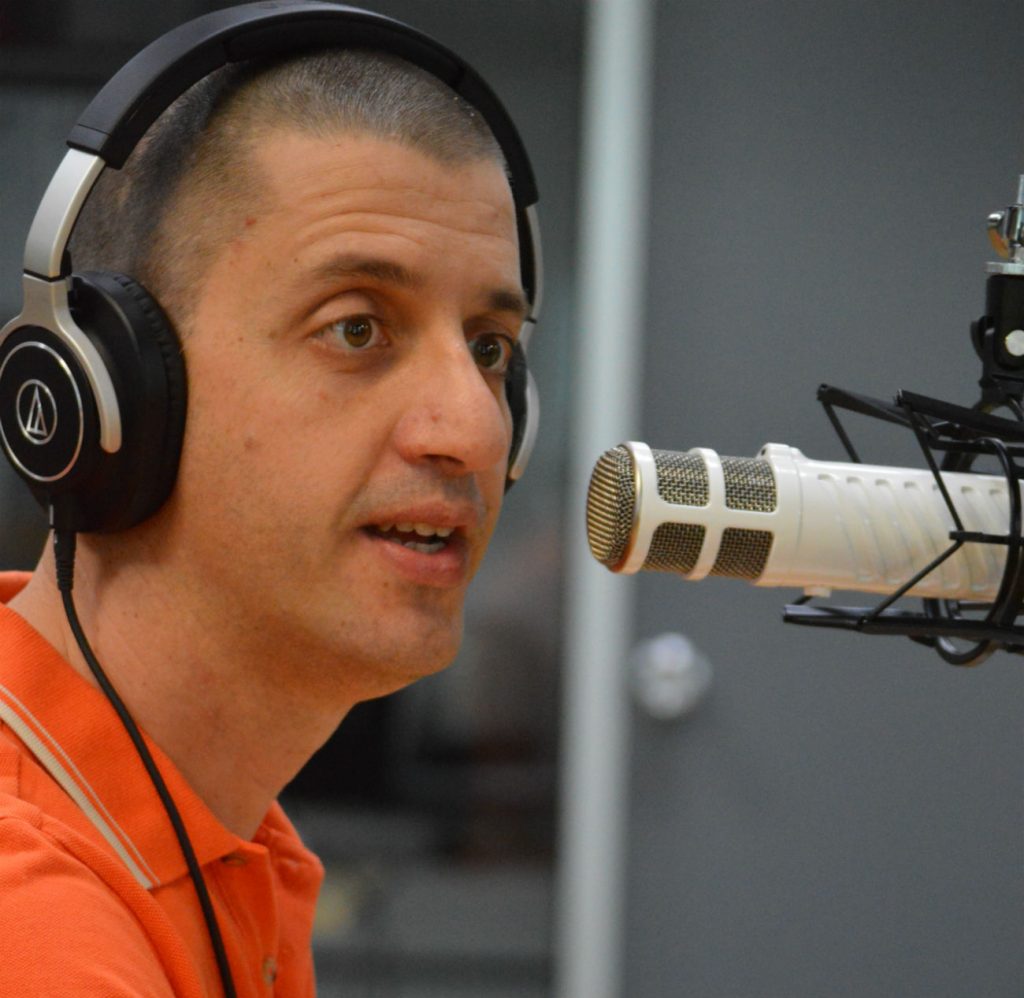
Survivors SPEAK OUT! . . . . . . . Bill Gasiamis Stroke Survivor & Podcaster

Survivors SPEAK OUT!     Bill Gasiamis

Stroke Survivor & Podcaster

by

Donna O’Donnell Figurski

Bill Gasiamis

1. What is your name? (last name optional)

Bill Gasiamis

2. Where do you live? (city and/or state and/or country) Email (optional)

Melbourne, Australia

3. On what date did you have your brain injury? At what age?

My stroke happened on February 12, 2012. I was 37.

4. How did your brain injury occur?

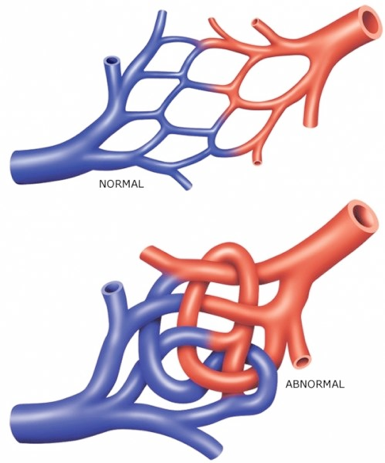
It was caused by bleeding of an AVM (arteriovenous malformation).avm-clipart-1

5. When did you (or someone) first realize you had a problem?

It was seven days before I took any action about it.

6. What kind of emergency treatment, if any, did you have?

I was in hospital for seven days. After six weeks at home, my brain bled again (March). It bled again in November 2014, and then I had surgery.

7. Were you in a coma? If so, how long?

No

8. Did you do rehab? What kind of rehab (i.e., inpatient or outpatient and occupational and/or physical and/or speech and/or other)? How long were you in rehab?

I had inpatient rehab for one month and out-patient rehab for six months. I had to learn to use my left side again and learn how to walk.

9. What problems or disabilities, if any, resulted from your brain injury
(e.g., balance, perception, personality, etc.)?

I have numbness on my left side. Fatigue is a problem. I have minor balance issues when I am tired.

10. How has your life changed? Is it better? Is it worse?

Life is better. It’s more complicated because of what happened but my personal growth has been huge.

11. What do you miss the most from your pre-brain-injury life?

I miss playing running-sports, like soccer.R-2

12. What do you enjoy most in your post-brain-injury life?

I have a new appreciation for working on things that are hard and take a long time to complete.

13. What do you like least about your brain injury?

Sometimes, I wish I had more energy.

14. Has anything helped you to accept your brain injury?

I was helped by lots of counselling.

15. Has your injury affected your home life and relationships and, if so, how?

It has, but for the better. By my own standards, I am a better person than I used to be.

16. Has your social life been altered or changed and, if so, how?

No

17. Who is your main caregiver? Do you understand what it takes to be a caregiver?

I don’t have one. (I am my own caregiver.)

03 BILL GASIAMIS mage-1024x998-118. What are your plans? What do you expect/hope to be doing ten years from now?

I intend to continue to interview stroke survivors on my podcast, to speak on stroke-related topics, and to write books on stroke recovery.

19. Are you able to provide a helpful hint that may have taken you a long time to learn, but which you wished you had known earlier? If so, please state what it is to potentially help other survivors with your specific kind of brain injury.

Survivors need to understand that emotional recovery is a very important part of recovery. It is often overlooked. Emotional recovery supports both the physical and mental aspects of a survivor’s recovery.

R20. What advice would you offer to other brain-injury survivors? Do you have any other comments that you would like to add?

Take responsibility for your own recovery, and learn to put your energy into solutions instead of focusing on the problem.

Get Your Copy Now!

             Read It!                Listen to It!              Review It!


Click Links under Book

  PAPERBACK!   Read it Now!    

                                                  e-BOOK!   Read it Now!  

                                                                                       AUDIO BOOK Listen to it Now!

Stay Safe and Healthy!

Clip Art compliments of Bing.)

(Photos compliments of contributor.)

As I say after each post:

Please leave a comment by clicking the blue words “Leave a Comment” below this post.

anim0014-1_e0-1

Feel free to follow my blog. Click on “Follow” on the upper right sidebar.

If you like my blog, share it intact with your friends. It’s easy! Click the “Share” buttons below.


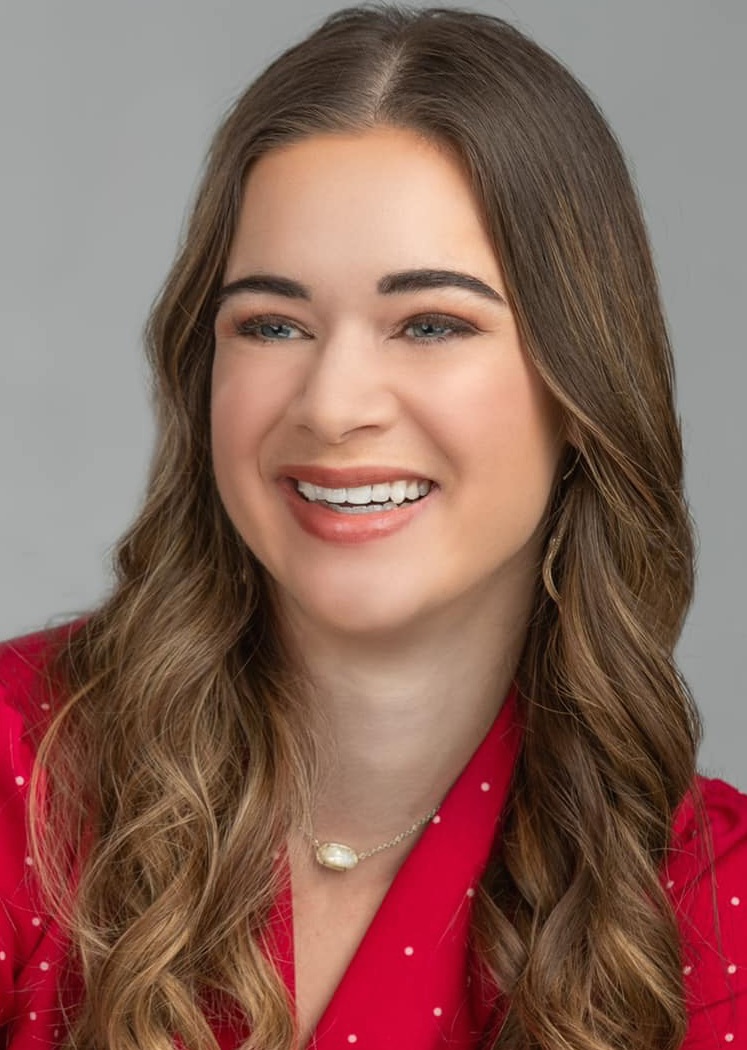
Survivors SPEAK OUT! Danielle Skranak

Survivors SPEAK OUT! Danielle Skranak

 presented by

Donna O’Donnell Figurski

Danielle Skranak 1 051621

1. What is your name? (last name optional)

Danielle Skranak

2. Where do you live? (city and/or state and/or country) Email (optional)

Washington DC, USA

3. On what date did you have your brain injury? At what age?

October 26, 2014     I was 19.

4. How did your brain injury occur?

I fell during Army Basic Training.

5. When did you (or someone) first realize you had a problem?ce3f3b31921bb023c9c1c8c8dcbb8f34

It was witnessed by my entire company.

6. What kind of emergency treatment, if any, did you have?

I did not receive any emergency treatment.

7. Were you in a coma? If so, how long?

No

8. Did you do rehab? What kind of rehab (i.e., inpatient or outpatient and occupational and/or physical and/or speech and/or other)? How long were you in rehab?

I did not attend rehab or have any other outpatient therapy.

9. What problems or disabilities, if any, resulted from your brain injury
(e.g., balance, perception, personality, etc.)?

I had long-term and short-term memory loss, vertigo, and aphasia.

10. How has your life changed? Is it better? Is it worse?

It’s neither better nor worse, just different. It made me become more independent, I suppose.

11. What do you miss the most from your pre-brain-injury life?

Easily remembering things and my memories 

12. What do you enjoy most in your post-brain-injury life?

Speaking about my injury and meeting other survivors 

13. What do you like least about your brain injury?

remember-note-wqq-hiI dislike how easily I forget stuff and having to constantly ensure I’m eating right – so my brain is working at its optimal capacity.

14. Has anything helped you to accept your brain injury?

Time, really. Nothing else has contributed. 

15. Has your injury affected your home life and relationships and, if so, how?

I was more easily manipulated. I was involved in a domestically violent relationship that did not end well.

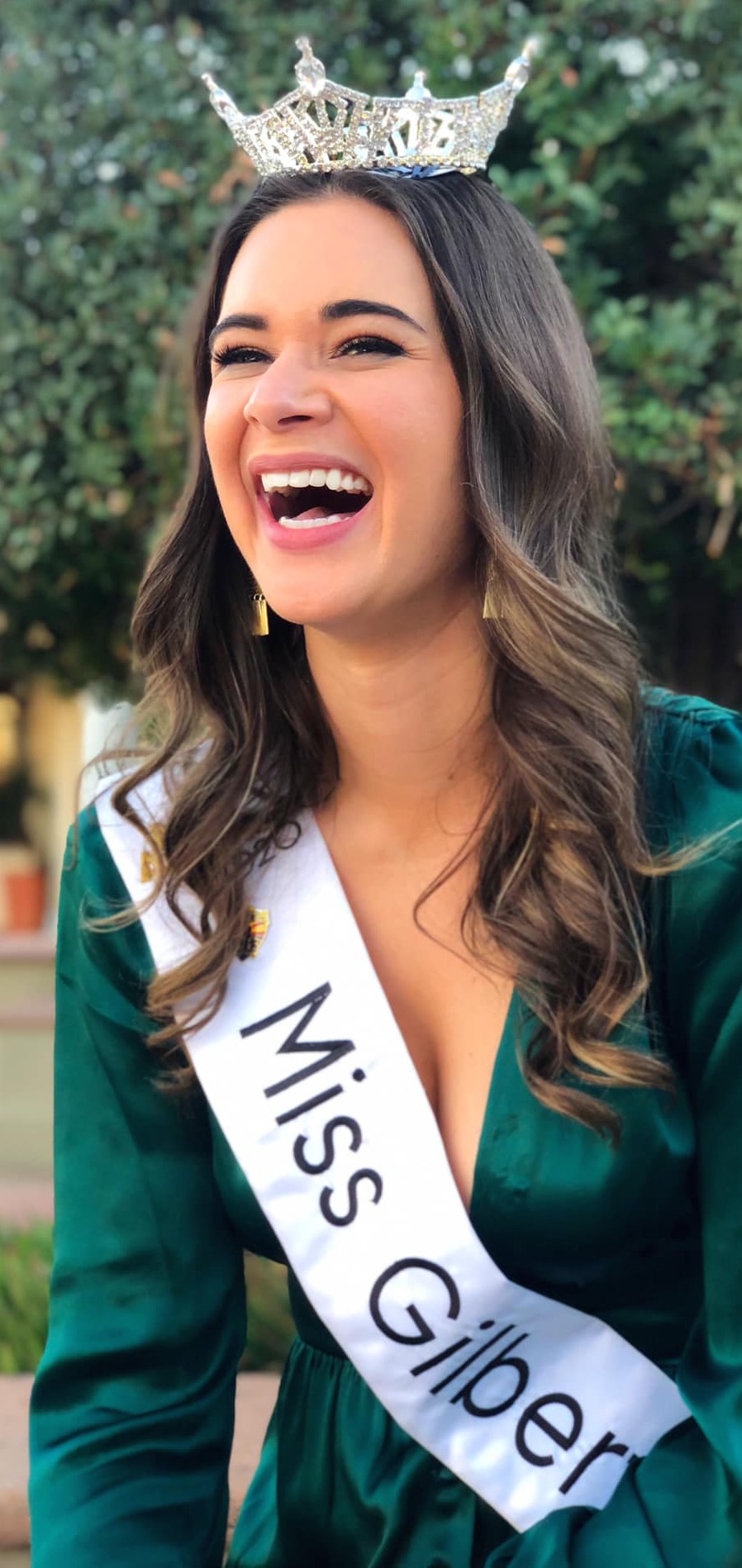
16. Has your social life been altered or changed and, if so, how?Danielle Skranak 2 Ms Gilbert 051621

I used to easily trust people because so many wanted to help me, but I’ve since learned that you cannot trust everybody. That was a hard lesson for me to learn. 

17. Who is your main caregiver? Do you understand what it takes to be a caregiver?

N/A

18. What are your plans? What do you expect/hope to be doing ten years from now?

I hope to be fully recovered and to help those who need help. Perhaps in the next few years, I will have earned my Juris doctorate.

Ra3aca9d8126fdc212dc543ced6b1071219. Are you able to provide a helpful hint that may have taken you a long time to learn, but which you wished you had known earlier? If so, please state what it is to potentially help other survivors with your specific kind of brain injury.

I wish I would’ve known early on that not everyone’s recovery is the same. Some are longer; some, shorter. There’s no magic pill you can take to make recovery shorter. 

20. What advice would you offer to other brain-injury survivors? Do you have any other comments that you would like to add?

Take everything slowly. It’s not a sprint to recover.

Get Your Copy Now

Read It! Review It! Listen to It!

Click Links under Book

PAPERBACK!   Read it Now!     e-BOOK!   Read it Now!

AUDIO BOOK Listen to it Now!

Stay Safe and Healthy!

Clip Art compliments of Bing.)

(Photos compliments of contributor.)

As I say after each post:

Please leave a comment by clicking the blue words “Leave a Comment” below this post.

anim0014-1_e0-1

Feel free to follow my blog. Click on “Follow” on the upper right sidebar.

If you like my blog, share it intact with your friends. It’s easy! Click the “Share” buttons below.

New News: Honorable Mention BETSY’S RAINBOW BALLOONS

Holy Jumping Jugglers!

Remember when I told you I entered a children’s picture book contest, Spring Fling Kidlit Contest 2021? I had to write a story from scratch with only 150 words – no more!

I posted my story, BETSY’S RAINBOW BALLOONS, on Bookity Blog several weeks ago and forgot about it. Tonight one of my CPs (Critique Partners) sent me a message to tell me that I won an honorable mention for my story.

Holy Giggling Grasshoppers!

I can’t believe it. Just like my first graders always jumped for joy when they accomplished something fun, I am jumping for joy now. Yippee!!!

Holy Bopping Balloons!

Congratulations to the WINNERS and the other HONORABLE MENTIONS. Heck, congratulations to all who entered.

AND…. Drum Roll….THE WINNERS ARE!

A big RAINBOW thank you to the contest organizers, Kaitlyn Sanchez and Ciara O’Neal. What a lot of work!

Read more stories at Bookity Blog.

Get Your Copy Now

Read It!               Review It!

Click Links under Book

51R7Mht63EL._SX332_BO1,204,203,200_

PAPERBACK!        Read it Now!                              e-BOOK!      Read it Now!

Stay Safe and Healthy!

Clip Art compliments of Bing

(Photos compliments of contributor.)

As I say after each post:

Please leave a comment by clicking the blue words “Leave a Comment” below this post.

Feel free to follow my blog. Click on “Follow” on the upper right sidebar.anim0014-1_e0-1

If you like my blog, share it intact with your friends. It’s easy! Click the “Share” buttons below.

COVID-19: Vaccines (Part 2 of 3): Protection by Antibodies is Only Part of the Story

COVID-19: Vaccines (Part 2 of 3): Protection by Antibodies is Only Part of the Story
by
Columbia University Professor Emeritus, Dr. David Figurski
presented by
Donna O’Donnell Figurski

(Disclaimer: The World Health Organization <WHO> has officially named the new coronavirus as SARS-CoV-2 and the disease it causes as COVID-19.  Because the majority of people, including much of the press, commonly refer to the virus as “COVID-19,” to avoid confusion, I use COVID-19 as the name of the virus.)


David H. Figurski, Ph.D & Survivor of Brain Injury

Vaccination against COVID-19 primes your immune system to be ready to use every defense it has to fight the virus. It stimulates the creation of a potent and specific defense tailored to fight the COVID-19 virus.

Vaccination has been shown to be amazingly effective. All three vaccines for COVID-19 that have been used in the US (Moderna, Pfizer, and Johnson & Johnson) are 100% effective in preventing both hospitalization and death.

When people think of vaccination, they usually think only of antibodies. But this ignores the stimulation of an equally potent arm of immune system.

The bottom line is that vaccination (1) stimulates the production of antibodies that bind to the virus to prevent infection and (2) creates and activates “killer” T cells that destroy cells that have been infected.

Because antibodies are only part of the defensive power of your immune system, no one should be worried about variants, despite hysterical articles by a largely ignorant press.  We should certainly continue to monitor variants, but there is nothing to be worried about yet.  The antibodies are less able to block virus, but they still work.  Importantly, the killer T cells are unaffected by any variant.

The T cell response after vaccination against COVID-19 is as potent as the antibody arm of the immune system.  Some people cannot make antibodies, yet they do well after infection by COVID-19.

Some facts:

Your immune system is composed of two parts.  A first line of defense (Innate Immunity) acts immediately against any foreign substance.  It is non-specific.  After about a week, a specific and more potent immunity (Adaptive Immunity) has developed. The adaptive arm uses antibodies and T cells.

Vaccination stimulates your adaptive immunity, so the antibodies and T cells are ready before infection.

Scientists don’t yet know how long the anti-COVID-19 antibody levels remain high, but data show that antibodies have remained high for six months so far.  You may need to get vaccinated every year, as you do for the flu virus.

The antibody level will eventually go down, but your immune system maintains a few “memory cells” of the antibody-producing cells. These cells make antibody-producing cells immediately after infection.  So your immune system is fully armed in 2-3 days.

I strongly urge you to listen to minutes 6:25-22:00 of the interview TWiV 736 <March 28, 2021>of Dr. Alessandro Sette, a world-renowned expert on T cells and COVID-19 from The La Jolla Institute for Immunology, by Dr. Vincent Racaniello, a virologist and expert on COVID-19 from Columbia U.  Dr. Sette gives a basic explanation of T cells, the response to COVID-19, and vaccination.

Get Your Copy Now

Read It!               Review It!

Click Links under Book

PAPERBACK!        Read it Now!                              e-BOOK!      Read it Now!

Stay Safe and Healthy!

Clip Art compliments of Bing.com.

(Photos compliments of contributor.)

As I say after each post:

Please leave a comment by clicking the blue words “Leave a Comment” below this post.

Feel free to follow my blog. Click on “Follow” on the upper right sidebar.anim0014-1_e0-1

If you like my blog, share it intact with your friends. It’s easy! Click the “Share” buttons below.

Caregivers SPEAK OUT! . . . . Roxanne Greene

Caregivers SPEAK OUT! Roxanne Greene

presented by

Donna O’Donnell Figurski

Roxanne Greene – Caregiver for a survivor of brain injury

1. What is your name? (last name optional)

Roxanne Greene

  1. Where do you live? (city and/or state and/or country) Email? (optional)

Wichita, Kansas, USA

  1. What is the brain-injury survivor’s relationship to you? How old was the survivor when he/she had the brain injury? What caused your survivor’s brain injury?

My husband was 35 years old when he developed sepsis due to an unknown infection. While he was at the hospital for that, the doctors discovered the presence of three frontal lobe brain tumors. My husband’s brain lost oxygen as they were trying to save my husband’s life. He also had a secondary brain injury – brain swelling – after brain surgery.

  1. On what date did you begin care for your brain-injury survivor? Were you the main caregiver? Are you now? How old were you when you began care?

I began as my husband’s caregiver on February 13 2007 – the day I took him to the Emergency Room. I was his main caregiver then, and I still am now. I was 38 years old at the beginning of this journey – 12 years ago.

  1. Were you caring for anyone else at that time (e.g., children, parents, etc.)

My husband and I had four young children – ages 3-12 at the time.

  1. Were you employed at the time of your survivor’s brain injury? If so, were you able to continue working?

I was not employed at the time. I was a stay-at-home mom.

  1. Did you have any help? If so, what kind and for how long?

I was very blessed to have a lot of support. My husband’s parents were able to help, and I had other friends and family that came alongside me – helping with the children, meals, or house, etc.

  1. When did your support of the survivor begin (e.g., immediately – in the hospital; when the survivor returned home; etc.)?

The support began the minute we arrived at the hospital. Our pastors met us there shortly after we arrived. During my husband’s entire hospital stay and even through rehab, I always had someone with me.

  1. Was your survivor in a coma? If so, what did you do during that time?

Yes. My husband was in a coma about 5-6 weeks. He woke up very slowly and had to learn everything all over again. It was a very challenging time for the both of us. I was there as his cheerleader – cheering him on. It was hard to have a balance between caring for my husband and taking care of the children. I was very overwhelmed at times, but again, family support was crucial to my husband’s success.

  1. Did your survivor have rehab? If so, what kind of rehab (i.e., inpatient and/or outpatient and occupational, physical, speech, and/or other)? How long was the rehab? Where were you when your survivor was getting therapy?

Yes. My husband had inpatient rehab for about a month, and then he transitioned to in-home rehabilitation, where the therapist would come into the home to do therapy. My husband had physical, occupational, and speech therapies and even counseling. He was in intensive therapy for about a year, and he had outpatient cognitive therapy off and on for another year?

11. What problems or disabilities of your brain-injury survivor required your care, if any?

My husband’s brain injury caused him to become aggravated easily. He has had memory problems and also issues with communication. I had to watch him when he was around the children in the beginning. He was totally dependent on me for everything. I was like a single mother – I paid the bills, and I took care of the house, cars, etc.

  1. How has your life changed since you became a caregiver? Is it better? Is it worse?

My life has changed drastically. My husband and I both say our new marriage started February 13th, 2007. He was then, and is now, a different person. We had to figure out how to be married again to each other as new people. It has been good because our love is stronger than before. It has also been very difficult because this is not what I pictured for my future. I have moments of self-pity and sometimes wish it could be the way it was. Those moments are fleeting, and I know I have so much to look forward to.

  1. What do you miss the most from pre-brain-injury life?

I miss my husband’s going to work every day. I miss his doing projects around the house. I miss his being able to be the protector and the provider that he once was. I miss being a stay-at-home mom and spending one-on-one time with the children (even though most are grown now).

  1. What do you enjoy most in post-brain-injury life?

My husband and I get to spend more time together. My husband is more loving than before. Before injury, he worked a lot and was not home as often.

  1. What do you like least about brain injury?

I miss having more financial freedom. I sometimes don’t like having to do everything, including all the paperwork that goes into maintaining a home. I have to organize all of my husband’s doctor appointments, medications, and dealings with SSDI (Social Security disability insurance). It can get so overwhelming sometimes that I just want to cry.

  1. Has anything helped you to accept your survivor’s brain injury?

Accepting the reality of my husband’s condition has helped. It is what it is. There is nothing I can do to change what happened to my husband. I decided I can either wallow in self-pity or pick up my feet and move forward. I have also read many books on brain injuries and educated myself through this journey. The one thing I wish for is a brain injury support group for caregivers. I know I am not alone.

17. Has your survivor’s injury affected your home life and relationships and, if so, how?

Yes. I have become the main parent and disciplinarian, as my husband cannot parent without getting overwhelmed and angry. He has improved, but the children, even as adults, come to me for advice.

  1. Has your social life been altered or changed and, if so, how?

We both had close friends before my husband’s brain injury. We would go out and socialize and have people over often. Now we still have friends, but we rarely have anyone over to our house. We go out with family once in a while, and my husband has a few friends that will invite him to lunch once a month. It sometimes happens that my husband will not make the most appropriate comment.

  1. What are your plans? What do you expect/hope to be doing ten years from now?

I am a grandparent now, which brings a new set of challenges. My plans are to continue my education. I am in school to become an ASL (American Sign Language) interpreter for the deaf. I had to go back to work to increase our income just so we could pay the bills. I would love to travel some, but I am not sure if that will ever become a reality, as I have to work full-time.

  1. What advice would you offer other caregivers of brain-injury survivors? Do you have any other comments that you would like to add?

Roxanne Greene – Caregiver

Even though your life has changed, remember you are stronger than you realize. I look back and think of how much I have accomplished and learned about myself during this time. I am not sure I would have gone back to school if my husband had not become ill. Caregivers have been giving a gift that most people never get to experience. We get to see miracles every day as our loved ones fight to improve their lives. It’s a humbling thing to be a part of such a journey.

(Clip Art compliments of Bing.)

(Photos compliments of contributor.)

anim0014-1_e0-1

As I say after each post: Please leave a comment by clicking the blue words “Leave a Comment” below this post.

Feel free to follow my blog. Click on “Follow” on the upper right sidebar.

If you like my blog, share it intact with your friends. It’s easy! Click the “Share” buttons below.

If you don’t like my blog, “Share” it intact with your enemies. I don’t care!

Feel free to “Like” my post.

Please check out my book.

Prisoners without Bars: A Caregiver’s Tale

You can find Prisoners without Bars: A Caregiver’s Tale where most books are sold.

Amazon
Barnes and Noble
IndieBound
Kobo

WriteLife Publishing

diemodi jewelry

uniquely hand-crafted jewelry by donna

Welcome to Harmony Kent Online

The home of all things books

Pete Springer

Passionate Teacher and Future Children's Author

HOPE TBI

Helping Other People Excel - To Be Independent

For the Love of Books, Old and New

Katie Fischer, Writer and Reader of Stories

Charlie Bown

Children's Author

Jessica Hinrichs

“We write to taste life twice, in the moment and in retrospect.” ― Anais Nin

VIVIAN KIRKFIELD - Writer for Children

Picture Books Help Kids Soar

Mindy’s Writing Wonderland

For authors, parents, teachers & everyone who loves children’s books.

Kaitlyn Leann Sanchez

Literary Agent

Surviving Traumatic Brain Injury

TBI - Survivors, Caregivers, Family, and Friends

The Care Factor

Loving someone with a Traumatic Brain Injury

Brain Injury Support Group of Duluth-Extension

Brain Injury Information and SUPPORT

Brain Aneurysm Global Insight

Brain Aneurysm, cerebral hemorrhaging, hemorrhage stroke