Survivors SPEAK OUT! Richard Schooping
Survivors SPEAK OUT! Richard Schooping
presented by
Donna O’Donnell Figurski
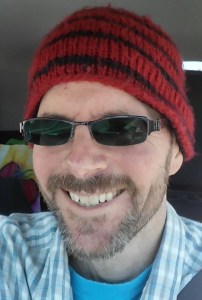
Richard Schooping – Brain Injury Survivor
1. What is your name? (last name optional)
Richard Schooping
2. Where do you live? (city and/or state and/or country) Email (optional)
Orlando, Florida, USA apebblethrown@gmail.com
3. On what date did you have your brain injury? At what age?
I was 44.
4. How did your brain injury occur?
A mysterious brain infection from AIDS attacked my entire brain and spinal cord.
5. When did you (or someone) first realize you had a problem?
My functions in my mind and body began to slow down. Typing and talking slowed to zero over the period of a month. I watched it happen from a shattering mirror of identity.
6. What kind of emergency treatment, if any, did you have?
I was put in the hospital on liquid experimental medications to slow the attack of the mysterious virus. Also, I was on oxygen therapies to raise my blood-oxygen level. Doctors had never seen anything like this. I was also informed I had aphasia.
7. Were you in a coma? If so, how long?
No. I was awake and asleep intermittently for days.
8. Did you do rehab? What kind of rehab (i.e., inpatient or outpatient and occupational and/or physical and/or speech and/or other)? How long were you in rehab?
I was in a nursing home for three weeks of intense rehabilitative therapy. Then I had occupational therapy for as long as insurance would cover it – about three months.
9. What problems or disabilities, if any, resulted from your brain injury (e.g., balance, perception, personality, etc.)?
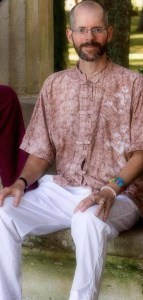
Richard Schooping – Brain Injury Survivor
I seemed to lose everything. I had no idea who I was during the infection. I lost my ability to swallow, my speech functions, and all motor functions. I atrophied so quickly over a few weeks that I became immobile and rail thin. Bladder control also became an issue, as well as balance and perceptions. But, I am blessed – most of everything has returned. I also worked incredibly hard to survive and shine for others.
10. How has your life changed? Is it better? Is it worse?
My life is truly hard, but it’s also amazing. I am not able to work. I take care of my mother, which could not have happened without this stroke. My days are unpredictable – my energy can wane quickly without warning. Arthritis and neuropathy and HIV dementia fill my days, as well as domestic duties while my husband works. I am creative daily in some aspect. I add inspirations to Facebook. I am grateful. I know I am more than this body. I am an eternal spirit. I feel aware and know that I am more.
11. What do you miss the most from your pre-brain-injury life?
I miss writing music, freedom of body and mind, fluidity of speech, my handwriting, and self-reliance.
12. What do you enjoy most in your post-brain-injury life?
My compassion has deepened and expanded in my life in ways unimagined. I embrace and deepen into being a source of inspiration and hope for others. I enjoy volunteering; creating digital pieces of heART; having quality time for my sister, Laurie; and having time with my cat, Autumn. I also enjoy singing.
13. What do you like least about your brain injury?
I dislike feeling caged in my body, not being able to do what I once could do effortlessly, and my speech and motor functions being so affected, but I have faith.
14. Has anything helped you to accept your brain injury?
Several things have helped me: meditation, Qi Gong, chanting, forgiveness, singing, playing, and serving others.

Richard Schooping – Brain Injury Survivor
15. Has your injury affected your home life and relationships and, if so, how?
Yes. I feel it confused and bewildered all of my friends. Many fell away, and I do not blame them. This is my journey. My marriage to my amazing husband is withstanding the strain this stroke has brought into our lives. My family is very supportive. We have all become stronger and more caring people.
16. Has your social life been altered or changed and, if so, how?
Yes. My social life is only what I make happen now. It still takes effort to talk and think, but many new friends have opened their hearts to me and accept me as I AM.
17. Who is your main caregiver? Do you understand what it takes to be a caregiver?
My husband, Cal Kalaf, is my main caregiver. I do know what caregiving means. I understand in that I helped three previous husbands pass over from AIDS.
18. What are your plans? What do you expect/hope to be doing ten years from now?

“From Suffering to Soaring” by Richard Schooping
I will share my story of hope through my first book, “From Suffering to Soaring.” I will offer insights and strength to as many souls as possible. I plan to tour and to write more books. I will finish my second book, which shares both my and my husband’s perspectives of the stroke. I hope to write more albums as well. I want to make the most of my time while I am still here.
19. Are you able to provide a helpful hint that may have taken you a long time to learn, but which you wished you had known earlier? If so, please state what it is to potentially help other survivors with your specific kind of brain injury.
Don’t judge the stroke or disease. Things happen. There are huge patterns at play. Respond with caring and self-love. Nutrition is important. We are what we eat. This is good advice for all of our senses.
20.What advice would you offer to other brain-injury survivors? Do you have any other comments that you would like to add?

Richard Schooping – Brain Injury Survivor
Find a creative outlet.
Get out in nature more.
Simplify your life.
Honor the entire process.
When emotions rise and attempt to capsize you, become aware of your breath and breathe through them.
Emotions are only energy.
Energy is neutral.
Look into mindfulness meditation.
Keep the faith.
Don’t blame.
Do whatever calms you.
This too shall pass.
Share your story.
(Disclaimer: The views or opinions in this post are solely that of the interviewee.)
If you would like to be a part of the SPEAK OUT! project, please go to TBI SPEAK OUT! Caregiver Interview Questionnaire for a copy of the questions and the release form.
(Clip Art compliments of Bing.)
As I say after each post: Please leave a comment by clicking the blue words “Leave a Comment” below this post.
Feel free to follow my blog. Click on “Follow” on the upper right sidebar.
If you like my blog, share it with your friends. It’s easy! Click the “Share” buttons below.
If you don’t like my blog, “Share” it with your enemies. I don’t care!
Feel free to “Like” my post.

 6. What kind of emergency treatment, if any, did you have?
 14. Has anything helped you to accept your brain injury?
 On March 2nd, 2014, I was involved in a car accident that changed my life forever. My speech was slurred; I couldn’t read; I couldn’t even write my own name.


 As hard as occupational therapy was for me, it was also fun. I gained friendships with my occupational and speech therapists. Even if I couldn’t do their tasks that day, they were still there for me to talk. They comforted me and encouraged me to keep on going. I looked into the OTA (occupational therapy assistant) program and thought Why not see if I can try it? With my disability, there should be some accommodations, and, after what I’ve been through with so many occupational therapy sessions, I thought I might just know a little about it!
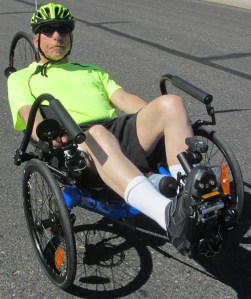
 No matter how great it sounds, we can’t go back. No matter how much we may want to, that bridge has burned. The past has passed for a reason. We need to accept that it is over. We can only take the lessons we’ve learned.

 It can happen to anyone, anytime, . . . and anywhere.
 Common Mouse Cell Type Converted to Neurons
 Of course, these studies need to be done with human cells. But, because the mouse is similar enough to humans genetically, new neurons are likely to be made from human cells. If so, cell therapy to treat brain injury will become common in the foreseeable future. One benefit is that therapy can be personalized. It’s not practical to get your neurons from a brain biopsy, but your easy-to-get fibroblasts can be converted to neurons. Those neurons can then be tested with therapeutic drugs to see what works best with your genetic background. Also, the implanted cells would not be rejected by your body (prevention of rejection is the reason for immunosuppressive drugs today) because the neurons would be made from cells of your own body. (


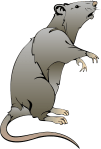 This preliminary study has extended evidence of the inosine benefit from mice and rats to a primate. The result indicates that inosine may one day benefit human victims of brain injury. Inosine is already in clinical trials for the treatment of multiple sclerosis and Parkinson’s Disease. Inosine appears to be safe – athletes have taken inosine supplements for decades.
 I’ve been thinking about you again and wondering how life has been treating you.
 But I need to be very clear, I am not angry, nor do I hold any resentment. To hold bitterness in my heart is to allow myself to be run over again and again – every day that I breathe.



 Raising Awareness of Traumatic Brain Injury - one view at a time. Thanks for visiting my blog
 Surviving Traumatic Brain Injury
Recent Comments