TBI – Survivors, Caregivers, Family, and Friends

Archive for the ‘Caregivers SPEAK OUT!’ Category

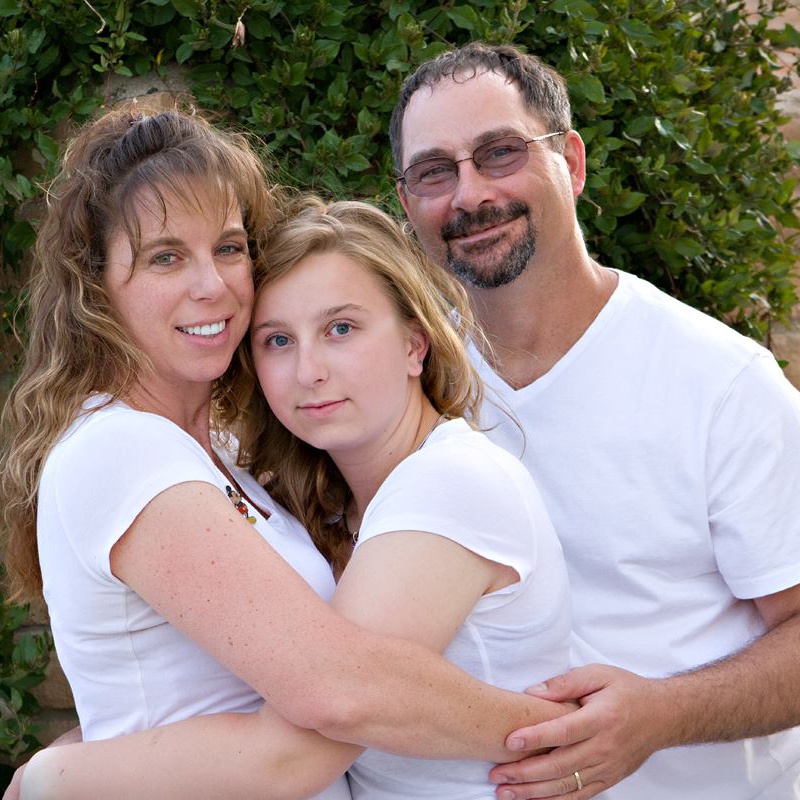
Caregivers SPEAK OUT! . . . Lynn Sandoval

Caregivers  SPEAK OUT!  Lynn Sandoval

presented by

Donna O’Donnell Figurski


Lynn Sandoval - Caregiver

Lynn Sandoval – Caregiver

1. What is your name? (last name optional)

Lynn Sandoval

2. Where do you live? (city and/or state and/or country) Email? (optional)

Brady, Texas, USA

3. What is the brain-injury survivor’s relationship to you? How old was the survivor when he/she had the brain injury? What caused your survivor’s brain injury?

The brain-injury survivor is my husband. He was 39 years old when he had the brain injury. He was in an automobile accident. His car was hit twice, once head-on. The first car hit my husband’s car at ~95 mph. This hit spun my husband’s car around, and a second car, following the first car, hit my husband’s car in the rear at ~85 mph. My husband’s car was spun back around and finally came to a rest in the middle of the road.

4. On what date did you begin care for your brain-injury survivor?

I began care the day after my husband’s accident – when I was able to get to the hospital where he had been flown.

Were you the main caregiver?

In the beginning, my husband had hospital care in addition to mine.

Are you now?

I have been my husband’s only caregiver since he came home from the hospital.

How old were you when you began care?

I was 52.

5. Were you caring for anyone else at that time (e.g., children, parents, etc.)?

No

6. Were you employed at the time of your survivor’s brain injury? If so, were you able to continue working?

Yes, I was employed. I have been able to utilize FMLA (Family and Medical Leave Act) and sick leave. I have continued working whenever I am able to.

7. Did you have any help? If so, what kind and for how long?

I have not had any help at home caring for my husband.

8. When did your support of the survivor begin (e.g., immediately – in the hospital; when the survivor returned home; etc.)?

My support began in the hospital, and it continues to this day.

9. Was your survivor in a coma? If so, what did you do during that time?

My husband was in a coma the first few days. While he was in a coma, I stayed by his bedside and talked to him. I touched him on the areas that weren’t bandaged to let him know I was there.

10. Did your survivor have rehab? If so, what kind of rehab (i.e., inpatient and/or outpatient and occupational, physical, speech, and/or other)?

My husband had physical, speech, and occupational therapies in the hospital. They continued when we got home, once I got him set up for evaluations.

How long was the rehab?

k20116138My husband is still in physical therapy, and he recently started occupational therapy again. (He had “graduated” from occupational therapy about a year ago, but his neurologist requested that he do it again.)

Where were you when your survivor was getting therapy?

I was there with my husband during the beginning therapies, but after some time, he went to the therapies alone. Now we work together on exercises at home.

 11. What problems or disabilities of your brain-injury survivor required your care, if any?

Now my husband is able to do things for himself, but I still have to get his medications together for him every day because he doesn’t remember if he’s taken them or not.diabetes_medications

12. How has your life changed since you became a caregiver? Is it better? Is it worse?

Since I’ve become a caregiver, I have discovered that people will withdraw from situations because they don’t understand TBI (traumatic brain injury). It has its ups and downs, but we are now seeing more positive steps and are hopeful for the future. I have found that I am more depressed and feel alone because I am more involved with making sure everything is OK for my husband, but I am learning to take time for me.

13. What do you miss the most from pre-brain-injury life?

Life before my husband’s TBI was a lot less stressful – being able to leave the house and not worry if he is OK. Now I keep my phone with me continuously so that, if he needs something, he can call and I’ll be there for him.

14. What do you enjoy most in post-brain-injury life?

I am grateful that I still have my husband with me.

15. What do you like least about brain injury?

I dislike the frustration and confusion that my husband feels when he is trying to remember something and he can’t.

16. Has anything helped you to accept your survivor’s brain injury?

Yes – support-groups and reading – and more reading – on anything and everything I can find about TBI and about what can and can’t be beneficial – not only for him, but for us and our relationship.

17. Has your survivor’s injury affected your home life and relationships and, if so, how?

Yes. I find I am hyper-aware of anything and everything my husband does in an effort to keep him safe. The relationships with his family and friends have become nonexistent. It hurts my husband so much to feel that no one cares about him.

18. Has your social life been altered or changed and, if so, how?

Yes. We don’t go out much anymore because my husband doesn’t like being in large, noisy crowds and because it is difficult for him to stand or walk for extended periods of time.

19. What are your plans? What do you expect/hope to be doing ten years from now?

My husband’s plans are to hopefully get approved for disability insurance and then to return to his job (that they are holding for him) part-time so that he can financially contribute to our family. My plans, if we are able to get some additional income instead of just mine (which has been our income for almost the last two years), would be to find a job to use my Master’s Degree. I just completed my degree program this past year in psychology. I’d like to work with other traumatic-brain-injury survivors and help advocate for them. Here in our small town, nothing is available.
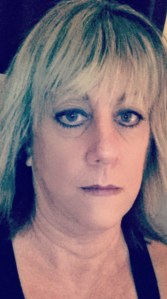
Lynn Sandoval - Caregiver

Lynn Sandoval – Caregiver

20. What advice would you offer other caregivers of brain-injury survivors? Do you have any other comments that you would like to add? 

I would say that, despite the difficulties in being a caregiver, caregiving can be rewarding – when together you see the progress your survivor is making because of his or her drive and determination and because of the support and love that you give him or her. It is tiring, it can be frustrating, and you may feel like screaming – these are all normal responses. The key is to remember to take a moment, to try to take care of yourself (this is the hardest thing), and to believe in each other.


(Disclaimer: The views or opinions in this post are solely that of the interviewee.)

If you would like to be a part of the SPEAK OUT! project, please go to TBI SPEAK OUT! Caregiver Interview Questionnaire for a copy of the questions and the release form.

(Clip Art compliments of Bing.)


As I say after each post: Please leave a comment by clicking the blue words “Leave a Commentanim0014-1_e0-1 below this post.

Feel free to follow my blog. Click on “Follow” on the upper right sidebar.

If you like my blog, share it with your friends. It’s easy! Click the “Share” buttons below.

If you don’t like my blog, “Share” it with your enemies. I don’t care!

Feel free to “Like” my post.

Caregivers SPEAK OUT! …… Raine Turner

Caregivers  SPEAK OUT!  Raine Turner,

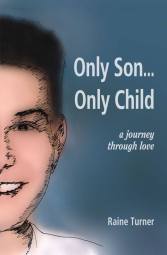
(mother of survivor, Ryan, and author of “Only Son…Only Child”)

presented by

Donna O’Donnell Figurski


Raine Turner - Caregiver & Author: Only Son...Only Child

Raine Turner – Caregiver & Author: Only Son… Only Child

1. What is your name? (last name optional)

Raine Turner

2. Where do you live? (city and/or state and/or country) Email? (optional)

Edmonton, Alberta, Canada

3. What is the brain-injury survivor’s relationship to you? How old was the survivor when he/she had the brain injury? What caused your survivor’s brain injury?

The brain-injury survivor is my son. At 16, he was in a car accident.

4. On what date did you begin care for your brain-injury survivor? Were you the main caregiver? Are you now? How old were you when you began care?

I began care August 13, 2003.

5. Were you caring for anyone else at that time (e.g., children, parents, etc.)?

No

6. Were you employed at the time of your survivor’s brain injury? If so, were you able to continue working?

I was self-employed and unable to manage my business.

7. Did you have any help? If so, what kind and for how long?

Not really

Raine Turner Caregiver & Author

Raine Turner Caregiver & Author


8. When did your support of the survivor begin (e.g., immediately – in the hospital; when the survivor returned home; etc.)?

In the hospital

9. Was your survivor in a coma? If so, what did you do during that time?

Yes. I sat beside my son’s bed and read to him.

10. Did your survivor have rehab? If so, what kind of rehab (i.e., inpatient and/or outpatient and occupational, physical, speech, and/or other)? How long was the rehab? Where were you when your survivor was getting therapy?

Yes. My son had rehab both as an inpatient and an outpatient.

11. What problems or disabilities of your brain-injury survivor required your care, if any?

At first, self-care. Also eating, walking, etc.

12. How has your life changed since you became a caregiver? Is it better? Is it worse?

Trick question. It made me realize what is important in life. It taught me patience, which I did not know I had.

13. What do you miss the most from pre-brain-injury life?

I dislike my son’s loss of the chance for a normal life. I miss having a relationship for myself.

14. What do you enjoy most in post-brain-injury life?

Nothing!

15. What do you like least about brain injury?

Only Son...Only Child by Raine Turner

Only Son…Only Child by Raine Turner

My son’s daily struggles

16. Has anything helped you to accept your survivor’s brain injury?

There is no choice but to accept.

17. Has your survivor’s injury affected your home life and relationships and, if so, how?

Yes. I did not have a relationship at all for ten years. The one I had at the time ended due to stress. It’s now hard to find someone who wants to be involved with this situation.

18. Has your social life been altered or changed and, if so, how?

Yes. But it’s getting better now with my son in school and his not living with me.

19. What are your plans? What do you expect/hope to be doing ten years from now?

I hope to be on a beach!

20. What advice would you offer other caregivers of brain-injury survivors? Do you have any other comments that you would like to add?

Buckle up! It is going to be a long, tough ride.


 To learn more about Raine Turner, check out her website, “Only Son Only Child: a journey through love.” Look for her book on Amazon.


(Disclaimer: The views or opinions in this post are solely that of the interviewee.)

If you would like to be a part of the SPEAK OUT! project, please go to TBI SPEAK OUT! Caregiver Interview Questionnaire for a copy of the questions and the release form.

(Clip Art compliments of Bing.)


As I say after each post: Please leave a comment by clicking the blue words “Leave a Commentanim0014-1_e0-1 below this post.

Feel free to follow my blog. Click on “Follow” on the upper right sidebar.

If you like my blog, share it with your friends. It’s easy! Click the “Share” buttons below.

If you don’t like my blog, “Share” it with your enemies. I don’t care!

Feel free to “Like” my post.

Caregivers SPEAK OUT! . . . . . Ian Lees

Caregivers  SPEAK OUT!  Ian Lees

presented by

Donna O’Donnell Figurski


1. What is your name? (last name optional)

Ian Lees

2. Where do you live? (city and/or state and/or country) Email? (optional)

Tipp City, Ohio, USA

e99290a9147c6b8d6ef54bc0694e98853. What is the brain-injury survivor’s relationship to you? How old was the survivor when he/she had the brain injury? What caused your survivor’s brain injury?

The survivor is my wife. Her brain injury happened on July 5, 2005, the date of the accident. We were rear-ended in a motor vehicle accident.

4. On what date did you begin care for your brain-injury survivor? Were you the main caregiver? Are you now? How old were you when you began care?

My care began on July 5, 2005. Yes, I am the main caregiver. I have been since the accident.

5. Were you caring for anyone else at that time (e.g., children, parents, etc.)?

No

6. Were you employed at the time of your survivor’s brain injury? If so, were you able to continue working?

Yes, and I still work.

7. Did you have any help? If so, what kind and for how long?

I had no help really from anyone who lives close by.

husband-and-wife-hi8. When did your support of the survivor begin (e.g., immediately – in the hospital; when the survivor returned home; etc.)?

My support began the day of the accident.

9. Was your survivor in a coma? If so, what did you do during that time?

No

10. Did your survivor have rehab? If so, what kind of rehab (i.e., inpatient and/or outpatient and occupational, physical, speech, and/or other)? How long was the rehab? Where were you when your survivor was getting therapy?k20116138

Yes, my wife did rehab for a while. She did occupational, speech, and physical therapies. I took her to rehab twice a week.

11. What problems or disabilities of your brain-injury survivor required your care, if any?

I take her for everything. She hasn’t worked or driven a car since 2005, contrary to the doctor’s point of view.

12. How has your life changed since you became a caregiver? Is it better? Is it worse?

My life hasn’t gotten worse. My wife has no real social life outside of me or unless she visits her family. She has depression and other issues.

13. What do you miss the most from pre-brain-injury life?

I miss lots of things. The list is long.check-list-hi

14. What do you enjoy most in post-brain-injury life?

I am in school for neuroscience and psychology because the doctors don’t have answers or don’t have the honesty to tell the truth. I read lots. I have spent most of my time reading books and studying. I am always looking for answers. My wife and I do cook together and have outings.

15. What do you like least about brain injury?

I don’t like how the brain injury has left my wife mentally. She is not on most medications because they have side effects we don’t care for.

16. Has anything helped you to accept your survivor’s brain injury?

My reading and going to school have helped. It was either divorce or find ways to take care of my wife. So, why not make a life and career out of this – and take care of her?

17. Has your survivor’s injury affected your home life and relationships and, if so, how?

Yes. In many ways

18. Has your social life been altered or changed and, if so, how?

(No answer)

19. What are your plans? What do you expect/hope to be doing ten years from now?

My plans are to get a degree and hopefully to help others get a better understanding of what to expect and what not to expect. There are dos and don’ts. I am a veteran and would like to help them, as well as others.

th-120. What advice would you offer other caregivers of brain-injury survivors? Do you have any other comments that you would like to add?

Suggestions: educate yourself as much as you can, and don’t always believe what you hear or read without checking other resources. There is a long road ahead, and it will keep you busy. For me, the more I read, the better I understand. It has cut down on arguments and fights. When you live with TBI (traumatic brain injury) and PTSD (post-traumatic stress disorder), you see life from a whole different perspective.caring-for-the-caregiver


(Disclaimer: The views or opinions in this post are solely that of the interviewee.)

If you would like to be a part of the SPEAK OUT! project, please go to TBI SPEAK OUT! Caregiver Interview Questionnaire for a copy of the questions and the release form.

(Clip Art compliments of Bing.)


As I say after each post: Please leave a comment by clicking the blue words “Leave a Commentanim0014-1_e0-1 below this post.

Feel free to follow my blog. Click on “Follow” on the upper right sidebar.

If you like my blog, share it with your friends. It’s easy! Click the “Share” buttons below.

If you don’t like my blog, “Share” it with your enemies. I don’t care!

Feel free to “Like” my post.

Caregivers SPEAK OUT! . . . . . . Joel Goldstein

Caregivers  SPEAK OUT!  Joel Goldstein,

(father of survivor, Bart Goldstein, and author of “No Stone Unturned”)

presented by

Donna O’Donnell Figurski


14 Joel Goldstein Speaker's photo

Joel Goldstein – Caregiver of son, Bart & author of “No Stone Unturned”

1. What is your name? (last name optional)

Joel Goldstein

2. Where do you live? (city and/or state and/or country) Email? (optional)

New Paltz, New York, USA

3. What is the brain-injury survivor’s relationship to you? How old was the survivor when he/she had the brain injury? What caused your survivor’s brain injury?

Our son Bart was sixteen when he suffered a severe TBI (traumatic brain injury). He was a passenger in an auto accident.

4. On what date did you begin care for your brain-injury survivor? Were you the main caregiver? Are you now? How old were you when you began care?

I became Bart’s caregiver on January 29, 2001, the day of his accident. My wife, Dayle, and I were and remain Bart’s main caregivers. We remain involved in Bart’s life, but he has now progressed to semi-independence. He resides in his own apartment an hour and half away. We visit and break bread with him every Sunday and on holidays. We participate actively with his “team,” made up of a Benefit Coordinator (a certified specialist or a social worker who is an advocate for the survivor, a CIC (Community Integration Counseling) counselor, and an ILS (Independent Life Skills) trainer.

5. Were you caring for anyone else at that time (e.g., children, parents, etc.)?

My wife and I were responsible for our eleven-year-old daughter, Cassidy.

6. Were you employed at the time of your survivor’s brain injury? If so, were you able to continue working?

I was Director of Human Resources at a medium-sized company. I was lucky enough to be able to take whatever time was needed to care for Bart, especially while he was in the acute phase. My wife, Dayle, worked at home as a Reiki Master. She stopped most work to care for Bart.

Joel Goldstein & Son, Bart

Joel Goldstein – Caregiver for Survivor son, Bart

7. Did you have any help? If so, what kind and for how long?

Friends and family helped look after our daughter while Bart was an inpatient (four months). Close friends and a wider “conspiracy of decency” in our community helped for several years, post-injury. Here is a short YouTube video, “No Stone Unturned: Traumatic Brain Injury and the Conspiracy of Decency,” that addresses that issue:

8. When did your support of the survivor begin (e.g., immediately – in the hospital; when the survivor returned home; etc.)?

My and my wife’s support began immediately in the hospital.

9. Was your survivor in a coma? If so, what did you do during that time?

Yes. Bart was in a coma for 30 days. Dayle and I were at his bedside.

10. Did your survivor have rehab? If so, what kind of rehab (i.e., inpatient and/or outpatient and occupational, physical, speech, and/or other)? How long was the rehab? Where were you when your survivor was getting therapy?

Bart had all the standard therapies, plus many unconventional ones. Here is an article, “Fighting the “TBI Wars”: New Alternatives for TBI Survivors,”published by Brainline, that addresses this question succinctly:

11. What problems or disabilities of your brain-injury survivor required your care, if any?

03 Joel and Bart Newspaper

Joel Goldstein (caregiver) and son, Bart – brain injury survivor

Bart’s injury was very severe – 30-day coma, nine-month rehab, and then years at home reintegrating. He struggled with the full gamut of intellectual, physical, and emotional deficits that come with a severe TBI. Gradually, with time and alternative therapies, these struggles have eased very considerably. Today Bart lives semi-independently, in his own place, with a part-time job, and with new fiends. He is moving on with his life.

12. How has your life changed since you became a caregiver? Is it better? Is it worse?

Our focus for over a decade was almost entirely Bart-centric. Pastimes were eliminated (e.g., Taekwondo) and volunteer activities were diminished. (I was president of our local branch Y at the time of his accident, but I resigned shortly after.) People we were accustomed to seeing regularly (especially Bart’s friends and their families) dropped away. We were angry about the friends moving on with their lives, but eventually we forgave and moved on too. Life is both better and worse, in different respects.

13. What do you miss the most from pre-brain-injury life?

I miss old hobbies, sports, travel, and activities that have been shelved in order to be more focused on essentials.

14. What do you enjoy most in post-brain-injury life?

My life is more simplified and focused. I have a new sense of mission and compassion. We have founded the BART Foundation (Brain Alternative Rehabilitative Therapies) – a 501(c)(3).

15. What do you like least about brain injury?

I dislike the timeline – Bart’s recovery from his TBI will be a lifelong challenge. Some issues, like perseveration, are terribly stubborn.

16. Has anything helped you to accept your survivor’s brain injury?

18 Joel Goldstein & Bart

Bart Goldstein – Survivor with Father, Joel Goldstein (author of “No Stone Unturned”)

I have been helped by the usual suspects: faith, hope, love, humor, music, family, friends, and fun.

17. Has your survivor’s injury affected your home life and relationships and, if so, how?

We’re all walking-wounded in some ways – reminiscent of PTSD (post-traumatic stress disorder).

18. Has your social life been altered or changed and, if so, how?

The caregiving life can often be isolating.

19. What are your plans? What do you expect/hope to be doing ten years from now?

We have formed the BART Foundation (Brain Injury Rehabilitative Therapies), a 501(c)(3) educational charity. The mission of The BART Foundation is to promote better outcomes for brain-injury survivors by answering three questions – which alternative therapies are likely to work, where can they be found, and how can they be afforded?

20. What advice would you offer other caregivers of brain-injury survivors? Do you have any other comments that you would like to add?

Our best advice to caregivers is succinctly summarized in this article. “When the Dust Finally Settles: Strategies for the Long-Term Caregiver,” published by Brainline.

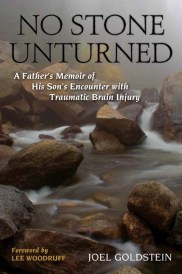
11 Cover Photo No Stone Unturned

“No Stone Unturned: A Father’s Memoir of His Son’s Encounter with Traumatic Brain Injury,” by Joel Goldstein


To learn more about Joel Goldstein and his son, Bart, read, “No Stone Unturned – A Father’s Memoir of His Son’s Encounter with Traumatic Brain Injury.”


(Disclaimer: The views or opinions in this post are solely that of the interviewee.)

If you would like to be a part of the SPEAK OUT! project, please go to TBI SPEAK OUT! Caregiver Interview Questionnaire for a copy of the questions and the release form.

(Clip Art compliments of Bing.)

(Photos compliments of contributor.)

As I say after each post: Please leave a comment by clicking the blue words “Leave a Commentanim0014-1_e0-1 below this post.

Feel free to follow my blog. Click on “Follow” on the upper right sidebar.

If you like my blog, share it with your friends. It’s easy! Click the “Share” buttons below.

If you don’t like my blog, “Share” it with your enemies. I don’t care!

Feel free to “Like” my post.


Caregivers SPEAK OUT! . . . . . Janiece Naber Martindale

Caregivers  SPEAK OUT!  Janiece Naber Martindale

presented by

Donna O’Donnell Figurski

Martindale, Janiece Naber1. What is your name? (last name optional)
Janiece Naber Martindale

2. Where do you live? (city and/or state and/or country) Email? (optional)

Chickasaw, Alabama, USA

3. What is the brain-injury survivor’s relationship to you? How old was the survivor when he/she had the brain injury? What caused your survivor’s brain injury?

My husband, James Martindale, was 61 when he was diagnosed with multiple system atrophy (MSA, a progressive neurodegenerative disorder that affects the brain). In December 2008, my husband and I drove an empty semi-tractor to Calexico, California, to our drop yard. We were to pick up a loaded trailer for our trip home. Because of rain, the drop yard was extremely muddy. The semi got stuck in the mud, so James walked through the muddy yard looking for our loaded trailer, when he fell in the mud. James hurt his back at that time, and he began to complain of dizziness. He also complained of a nasty headache. I believe that that was the beginning of James’ MSA.

4. On what date did you begin care for your brain-injury survivor? Were you the main caregiver? Are you now? How old were you when you began care?

I began my husband’s care in June 2009. I was 45. I was his main caregiver. I am not now because my husband passed away on October 16, 2014.

5. Were you caring for anyone else at that time (e.g., children, parents, etc.)?

No

6. Were you employed at the time of your survivor’s brain injury? If so, were you able to continue working?

Yes, we were working at the time. But, we had to quit.

7. Did you have any help? If so, what kind and for how long?

My husband had hospice care for the two years before he passed away.

8. When did your support of the survivor begin (e.g., immediately – in the hospital; when the survivor returned home; etc.)?

For the first three years, I was the only caregiver, and I didn’t really have any help. But, I had a lot of help in the final two years with hospice care coming into the house.

9. Was your survivor in a coma? If so, what did you do during that time?

No

10. Did your survivor have rehab? If so, what kind of rehab (i.e., inpatient and/or outpatient and occupational, physical, speech, and/or other)? How long was the rehab? Where were you when your survivor was getting therapy?

My husband had no rehab.

11. What problems or disabilities of your brain-injury survivor required your care, if any?

My husband had problems with his balance and his gait. He couldn’t write. He wasn’t able to drive a car. Eventually, he lost all ability to move. He had an upper respiratory infection.

12. How has your life changed since you became a caregiver? Is it better? Is it worse?

My life is better because I now have the knowledge to help other people

13. What do you miss the most from pre-brain-injury life?

I miss being able to go out and ride around the Gulf coast together.

14. What do you enjoy most in post-brain-injury life?

It’s hard to enjoy life, since I have to start over all by myself.

15. What do you like least about brain injury?

My husband died too soon.

16. Has anything helped you to accept your survivor’s brain injury?Martindale, Janiece Naber 2 091515

I just accepted it. It was the way of life.

17. Has your survivor’s injury affected your home life and relationships and, if so, how?

I had to stay at home a lot. I realized that I could change that when I had the help of hospice workers.

18. Has your social life been altered or changed and, if so, how?

My social life was affected at the time. Now I’m trying to put my life back together again with a husband.

19. What are your plans? What do you expect/hope to be doing ten years from now?

I plan to help someone who is living in this situation – I may even start a support-group, so people have a place to go and chat.

20. What advice would you offer other caregivers of brain-injury survivors? Do you have any other comments that you would like to add? 

Keep a positive attitude. Hold your head high. Be patient. Encourage the survivor.

(Disclaimer: The views or opinions in this post are solely that of the interviewee.)

If you would like to be a part of the SPEAK OUT! project, please go to TBI Survivor Interview Questionnaire for a copy of the questions and the release form.

(Clip Art compliments of Bing.)

(Photos compliments of contributor.)

As I say after each post: Please leave a comment by clicking the blue words “Leave a Commentanim0014-1_e0-1 below this post.

Feel free to follow my blog. Click on “Follow” on the upper right sidebar.

If you like my blog, share it with your friends. It’s easy! Click the “Share” buttons below.

If you don’t like my blog, “Share” it with your enemies. I don’t care!

Feel free to “Like” my post.


Caregivers SPEAK OUT! Sherri Ward

Caregivers  SPEAK OUT!  Sherri Ward

presented by

Donna O’Donnell Figurski

Ward, Sheri Diehl Caregiver 0803151. What is your name? (last name optional)

Sherri Ward

2. Where do you live? (city and/or state and/or country) Email? (optional)

Williamstown, New Jersey, USA     sherri_ward313@yahoo.com

3. What is the brain-injury survivor’s relationship to you?

The survivor is my husband.

How old was the survivor when he/she had the brain injury?

He was 39.

What caused your survivor’s brain injury?

My husband’s traumatic brain injury (TBI) was caused by a motorcycle accident.

4. On what date did you begin care for your brain-injury survivor?

My care began on July 11, 2009.

Were you the main caregiver?

Yes

Are you now?

Yes

How old were you when you began care?

I was 36.

5. Were you caring for anyone else at that time (e.g., children, parents, etc.)?

Yes. I also had the responsibility of caring for our three kids.

6. Were you employed at the time of your survivor’s brain injury? If so, were you able to continue working?

I was employed full-time, but I had to quit my job of ten years to stay home and care for my husband.

7. Did you have any help? If so, what kind and for how long?

No

8. When did your support of the survivor begin (e.g., immediately – in the hospital; when the survivor returned home; etc.)?

My responsibility for my husband began immediately – it started the day of the accident. Even though my husband was in a coma in the hospital, I was the one making all the decisions in regard to his care.

9. Was your survivor in a coma? If so, what did you do during that time?Ward, Sherri Diehl Husband with BI 080315

Yes, he was. I prayed and prayed, made decisions in regard to my husband’s care, and tried my best to keep things going at home.

10. Did your survivor have rehab? If so, what kind of rehab (i.e., inpatient and/or outpatient and occupational, physical, speech, and/or other)? How long was the rehab? Where were you when your survivor was getting therapy?

Yes. My husband’s rehab was outpatient, as per my decision. I know my husband, and, if he were to have gone into an inpatient facility, it would have been the worst thing for him. This is why I decided to quit my job and stay home with him. He had speech, physical, occupational, and psychological therapies. This occurred four days a week, four hours a day, for about a year. (His psychological therapy is still going on.) I was the sole person by his side at this point; none of my husband’s family offered to help ever. I drove him to and from his appointments every day.

11. What problems or disabilities of your brain-injury survivor required your care, if any?

There are days when my husband is able to care for himself completely. But, the days in which he does require help far out number those good days. He gets disoriented and confused because he has periods of complete memory loss. Some days, he is unable to get out of bed, to dress himself, to provide himself with any type of sustenance, such as food or drinks, or to take medicines.

12. How has your life changed since you became a caregiver? Is it better? Is it worse?

Every aspect of my life has changed since my husband’s accident. To say my life is better or worse is hard I think – it’s just different. Life is full of ups and downs and twists and turns in the road. In order to keep one’s sanity, a person needs to be able to roll with it and try to make the best of each situation. The facts, however, are that most, if not all, of my friends have removed themselves from my life. It could be from a lack of understanding of the situation and my husband’s disabilities or perhaps it is from the fact that they just don’t want to be bothered because it’s too much for them to deal with. Not sure really.

13. What do you miss the most from pre-brain-injury life?

I miss my husband, the companionship, and the parenting partner I had. My husband is a completely different person now in every way. His outbursts and anger are always directed towards me. This is something that he never did before.

14. What do you enjoy most in post-brain-injury life?

NOTHING!

15. What do you like least about brain injury?

I dislike the unknown. Not knowing how the future will play out is one of the hardest things right now.

16. Has anything helped you to accept your survivor’s brain injury?

Thinking about it now, I actually don’t know if I’ve ever really fully accepted my husband’s brain injury. I mean, I know my husband has a TBI, and I know his limitations and disabilities, but accepting it in my mind makes it so final. To think in terms of what the future holds for us scares the crap out of me. I see a therapist, and it does help, but I do have a hard time accepting this new life.

17. Has your survivor’s injury affected your home life and relationships and, if so, how?

Yes. We are in the process of losing our home due to lack of income. The relationship between my daughter and me is pretty much nonexistent now, as she sees my husband as the victim, so to speak, during his outbursts and me as the awful wife, since I don’t engage him in these incidents. As a result, she only hears what comes out of his mouth, which are all the name-calling and paranoid delusions that my husband feels are real.

18. Has your social life been altered or changed and, if so, how?

Haha! What social life?

19. What are your plans? What do you expect/hope to be doing ten years from now?

I really don’t know where I will be in ten years. My husband’s health is steadily deteriorating, so I don’t know how I would plan anything. We are just living each day as it comes right now.

20. What advice would you offer other caregivers of brain-injury survivors? Do you have any other comments that you would like to add? 

Take time for yourself, and stand your ground when it comes to caring for yourself! This is something I did not do, and now it’s kind of late for me. You are not only a caregiver to your survivor, but also a caregiver to yourself. Honestly, you should come first because, unless you take care of yourself, you can’t expect to take care of someone else.

I just want to add that this is not a life we chose to live. Rather, it’s a life that was dealt to us for whatever reason. Caring for and dealing with someone with a severe brain injury is not something I would wish on my worst enemy. The impact it has on everyone involved is tremendous. Our lives have changed forever. The loving, caring man that once was will never be again. I think that’s the hardest part for me. My husband died the day of that accident – the man I fell in love with and married. The man I have now is a stranger to me in so many ways. As I said above, this is probably the hardest part for me.

You can learn more about Sherri Ward at “Faces of Brain Injury.

Ward, Sheri Diehl CAregiver 080315 2(Disclaimer: The views or opinions in this post are solely that of the interviewee.)

If you would like to be a part of the SPEAK OUT! project, please go to TBI Survivor Interview Questionnaire for a copy of the questions and the release form.

(Photos compliments of Sherri Ward.)

As I say after each post: Please leave a comment by clicking the blue words “Leave a Commentanim0014-1_e0-1 below this post.

Feel free to follow my blog. Click on “Follow” on the upper right sidebar.

If you like my blog, share it with your friends. It’s easy! Click the “Share” buttons below.

If you don’t like my blog, “Share” it with your enemies. I don’t care!

Feel free to “Like” my post.


Caregivers SPEAK OUT! Tatiana Puckett

Caregivers SPEAK OUT! – Tatiana Puckett

presented

by

Donna O’Donnell Figurski

Puckett, Tatiana Caregiver 1 0713151. What is your name? (last name optional)

Tatiana Puckett

2. Where do you live? (city and/or state and/or country) Email? (optional)

Palmdale, California, USA     tatianamdiaz@yahoo.com

3. What is the brain-injury survivor’s relationship to you? How old was the survivor when he/she had the brain injury? What caused your survivor’s brain injury?

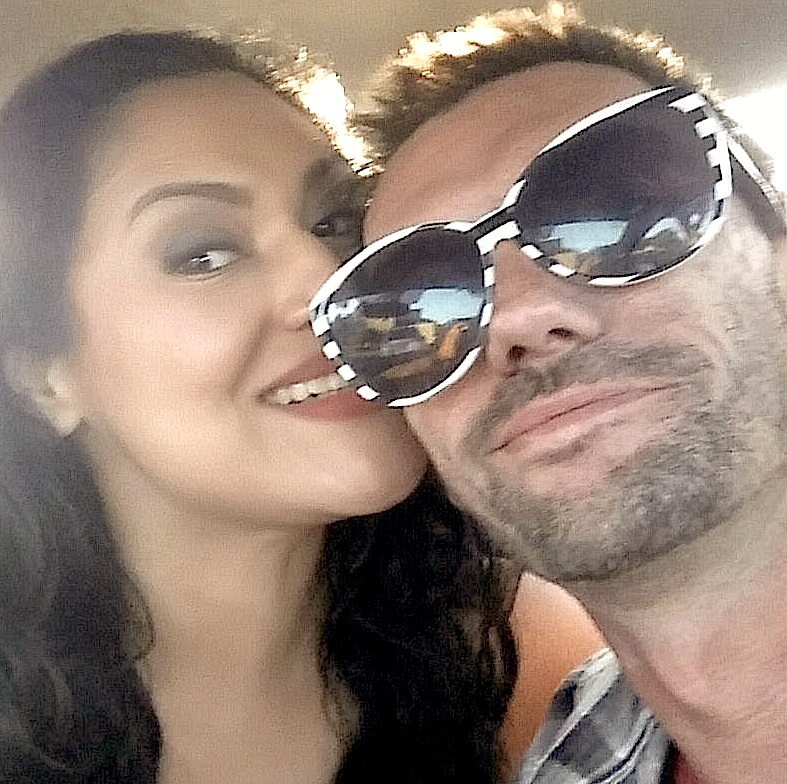
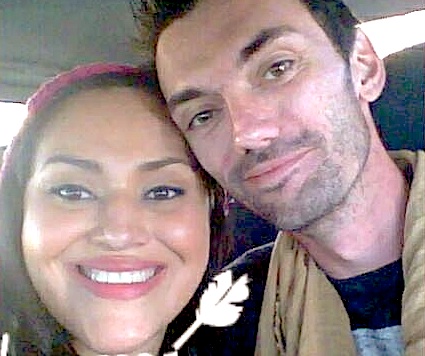
The traumatic brain injury (TBI) survivor is my spouse (Joshua). He was 31. Josh was assaulted late at night outside our apartment building.

4. On what date did you begin care for your brain-injury survivor? Were you the main caregiver? Are you now? How old were you when you began care?

I began care on April 10, 2013, the day Josh left the hospital. I have always been his main caregiver. I was 30.Puckett, Tatiana & Josh 071315

5. Were you caring for anyone else at that time (e.g., children, parents, etc.)?

I was caring for my two sons, and I was pregnant with the third.

6. Were you employed at the time of your survivor’s brain injury? If so, were you able to continue working?

I was employed but gradually had to go from full-time to part-time, which got me laid off from that position. My mother-in-law moved in with us, which allowed me to continue working and accept a new job.

7. Did you have any help? If so, what kind and for how long?

My mother-in-law takes care of the boys almost around the clock since the date of the injury to now.

8. When did your support of the survivor begin (e.g., immediately – in the hospital; when the survivor returned home; etc.)?

I began care as soon as Josh got home from the hospital.

9. Was your survivor in a coma? If so, what did you do during that time?

No. Josh wasn’t in a coma, but he was given a lot of sedatives. Josh is very rebellious and antsy. You can’t tell him to sit still because, even prior to his TBI, he wouldn’t. Josh constantly tried to flee the hospital and the rehab center. I even had to go to the hospital one night in the middle of the night to convince him to stay. I drove between home and the hospital a lot, especially since the hospital didn’t allow children under 12 to visit. My mother-in-law and I had to take turns.

10. Did your survivor have rehab? If so, what kind of rehab (i.e., inpatient and/or outpatient and occupational, physical, speech, and/or other)? How long was the rehab? Where were you when your survivor was getting therapy?

Yes, Josh had inpatient rehab – occupational, speech, and physical therapies. It should have been a lot longer, but Josh managed to talk his way out of it in two days time. When Josh had rehab, I was right there with him.

11. What problems or disabilities of your brain-injury survivor required your care, if any?

I try to keep Josh calm, which can be difficult. It changes daily and can get really frustrating, but I do my best to keep aggression at bay.

Puckett, Tatiana & Josh 2 07131512. How has your life changed since you became a caregiver? Is it better? Is it worse?

It’s difficult. I feel guilty because I feel torn between work, the kids, and Josh. Josh requires a lot of my time. I feel like my kids are missing out on time with me because, when I’m not at work, I’m with Josh. And, sometimes when Josh needs me, I can’t help him because I need to spend time with my boys.

13. What do you miss the most from pre-brain-injury life?

I miss being able to depend on my husband for everyday things. I have to parent with my mother-in-law instead of with my husband, which isn’t bad, but it’s not ideal. Josh can’t be around the kids too long because they overwhelm him. It’s hard.

14. What do you enjoy most in post-brain-injury life?

I like watching Josh discover new aspects of his creativity. He has a newfound excitement for writing and painting, both of which have bloomed since his TBI.

15. What do you like least about brain injury?

I find Josh’s new personality to be overwhelming at times. He wants to share every poem, every drawing, and every thought with me, even when I just want a quiet moment.

16. Has anything helped you to accept your survivor’s brain injury?

Time. As time goes on, it gets easier, but some days are still really hard.

17. Has your survivor’s injury affected your home life and relationships and, if so, how?

Like I mentioned above for question 12, I feel stretched in every direction. I did before as a working mom, but even more so now. I feel like, in a day, I end up with maybe two minutes to myself, but, once I get those minutes of silence, Josh needs me to listen to a song, a poem, etc. I’m happy for him, but, between work, handling home finances, kids, and him, it’s so tiring.

18. Has your social life been altered or changed and, if so, how?

A little. I mean, maybe Josh and I go out a bit more. With his mom home, we get to go to open mics, so Josh can play music and read his poetry.

19. What are your plans? What do you expect/hope to be doing ten years from now?

I’d like to say that we will own a home in ten years. We all need space, so this two-bedroom apartment isn’t cutting it.

Puckett, Tatiana Caregiver 2 07131520. What advice would you offer other caregivers of brain-injury survivors? Do you have any other comments that you would like to add? 

Give yourself and your TBIer some space. Don’t let your emotions get the best of you. If you feel an argument starting, stay calm and, as calmly as possible, explain that you should both step away before emotions escalate out of control. Remember not to take things personally. It’s not you your survivor’s mad at. It’s a frustrating world, and it’s scary, and your survivor’s lashing out. Just keep calm and step away.


Disclaimer: Any views and opinions of the Contributor are purely his/her own.

(Clip Art compliments of Bing.)

(Photos compliments of contributor.)

As I say after each post: Please leave a comment by clicking the blue words “Leave a Commentanim0014-1_e0-1 below this post.

Feel free to follow my blog. Click on “Follow” on the upper right sidebar.

If you like my blog, share it with your friends. It’s easy! Click the “Share” buttons below.

If you don’t like my blog, “Share” it with your enemies. I don’t care!

Feel free to “Like” my post.

Caregivers SPEAK OUT! . . . . . Kendra Brittain

Caregivers SPEAK OUT! – Kendra Brittain

presented

by

Donna O’Donnell Figurski

Kendra Brittain 2 Survivor 0423151. What is your name? (last name optional)

Kendra Brittain

2. Where do you live? (city and/or state and/or country) Email? (optional)

Sapulpa, Oklahoma, USA     brittainhome@yahoo.com

3. What is the brain-injury survivor’s relationship to you? How old was the survivor when he/she had the brain injury? What caused your survivor’s brain injury?

My TBI (traumatic brain injury) survivor is my son. He was about 13 when his injury happened. He was playing football and got hit on both sides of his helmet. This caused a severe concussion. No one knew what was going on at that time. Of course, both the coach and we let him keep playing any sport out of not knowing what happened to him. As a result, his injury did not have time to heal.

4. On what date did you begin care for your brain-injury survivor? Were you the main caregiver? Are you now? How old were you when you began care?

I immediately took him to a seizure-doctor because I suspected his juvenile epilepsy had come back. But, it was very different. Nothing showed up on what was wrong with him until six months later. My son’s concussion was around 2008. I was 37 when his injury occurred. My son is now 18, and he is mostly unable to take care of himself.

5. Were you caring for anyone else at that time (e.g., children, parents, etc.)?

My husband and I were taking care of our daughter in addition to our son.

6. Were you employed at the time of your survivor’s brain injury? If so, were you able to continue working?

No, I wasn’t working. I had been injured at work, which left me disabled. So, I wouldn’t have been able to work anyway. But, I was able to care for my son better.

7. Did you have any help? If so, what kind and for how long?

My husband helped me a lot when he could. Other than that, I didn’t have any help.

8. When did your support of the survivor begin (e.g., immediately – in the hospital; when the survivor returned home; etc.)?Brittain, Tyler Survivor 2 042315

My husband and I helped our son immediately by taking him to the doctor.

9. Was your survivor in a coma? If so, what did you do during that time?

No, my son wasn’t in a coma, but he lost all memory of before the accident and the week of the injury. He can’t remember his childhood at all.

10. Did your survivor have rehab? If so, what kind of rehab (i.e., inpatient and/or outpatient and occupational, physical, speech, and/or other)? How long was the rehab? Where were you when your survivor was getting therapy?

My son did have to do a lot of physical therapy for his back because he developed a syrinx due to the injury. (A syrinx results when cerebrospinal fluid, which normally flows around the spinal cord and brain and transports nutrients and waste products, collects in a small area of the spinal cord and forms a pseudocyst.)

11. What problems or disabilities of your brain-injury survivor required your care, if any?

My son needs constant reminders to do stuff because his memory isn’t very long. He requires reminders to take his medicine. Because his depression was so great, we had to give it to him.

12. How has your life changed since you became a caregiver? Is it better? Is it worse?

My son’s brain injury has made life better because we are closer as a family, and it made us realize what is important in life.

13. What do you miss the most from pre-brain-injury life?

My son loved sports, and we loved to watch him play. But, because of his memory, no one will give him a chance – not even to play basketball, which he is good at and enjoys. He really misses playing too, so he has had to find enjoyment someplace else.

14. What do you enjoy most in post-brain-injury life?

I enjoy our family life and the closeness we have as a family. I would not change it for the world.

15. What do you like least about brain injury?

I dislike all the struggles my son has to go through and the limitations he has that no one can see by looking at him. I also dislike when he has a seizure and I can’t do anything about it.

16. Has anything helped you to accept your survivor’s brain injury?

I’ve been helped by my faith in God’s wisdom and knowing He can heal anyone.

17.  Has your survivor’s injury affected your home life and relationships and, if so, how?

We are a closer family than ever before.

18. Has your social life been altered or changed and, if so, how?

No, not really.

Brittain, Tyler Survivor 04231519. What are your plans? What do you expect/hope to be doing ten years from now?

My son got his driver’s license. He’s graduating high school and then heading to college to learn about computers. He will have a job that he went to school for – doing what he wants to do.

20. What advice would you offer other caregivers of brain-injury survivors? Do you have any other comments that you would like to add? 

Don’t give up – even though your circumstances may look dim. There is hope in life and in God. There is a better plan for your life in the future. God will make something good out of something bad. Also, if you know your child or your survivor and you know that something is not right and you feel that what the doctors say doesn’t make sense, get a second opinion and pursue it. We did that, and my son is ten times better.


Disclaimer: Any views and opinions of the Contributor are purely his/her own.

(Clip Art compliments of Bing.)

(Photos compliments of contributor.)

As I say after each post: Please leave a comment by clicking the blue words “Leave a Commentanim0014-1_e0-1 below this post.

Feel free to follow my blog. Click on “Follow” on the upper right sidebar.

If you like my blog, share it with your friends. It’s easy! Click the “Share” buttons below.

If you don’t like my blog, “Share” it with your enemies. I don’t care!

Feel free to “Like” my post.

Caregivers SPEAK OUT! . . . . . Lisabeth Mackall

Caregivers SPEAK OUT! – Lisabeth Mackall

presented

by

Donna O’Donnell Figurski

Lisabeth Mackall Caregiver 06112151. What is your name? (last name optional)

Lisabeth Mackall

2. Where do you live? (city and/or state and/or country) Email? (optional)

Cottage Grove, Minnesota, USA  info@lisabethmackall.com

3. What is the brain-injury survivor’s relationship to you? How old was the survivor when he/she had the brain injury? What caused your survivor’s brain injury?

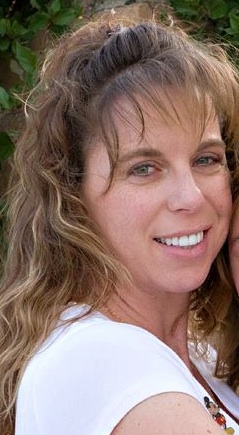
My husband, Frank, was 39 when he had his car crash and suffered his TBI. He was a police officer responding to a call for assistance for another officer, and he lost control of his car on black ice and crashed.

4. On what date did you begin care for your brain-injury survivor? Were you the main caregiver? Are you now? How old were you when you began care?

Frank’s accident was on January 2, 2012. I brought him home on March 27, 84 days after he went to the hospital. He required Lisabeth Mackall Caregiver 06121524-hour supervision due to his cognition and safety needs. They suggested to take him to a rehab center, but I decided that it was time for him to come home.

5. Were you caring for anyone else at that time (e.g., children, parents, etc.)?

At that time, we had three children – ages 6, 9, and 15. We now have a fourth child – my husband’s half-brother’s child whom we took custody of one and a half years ago.

6. Were you employed at the time of your survivor’s brain injury? If so, were you able to continue working?

I was employed full-time. I was working as Rehab Director for nine buildings here in Minnesota. I worked the shift opposite to Frank’s, so we had very little time together. When he was allowed to come home from the hospital, I quit my job. I attempted to go back about a year after he was injured and had to quit. I just recently (November) went back to work full-time, but we had to hire a nanny for the morning to help get the kids to school after I leave for work.

7. Did you have any help? If so, what kind and for how long?

I had no help with Frank, although my mom did move in with us immediately after the crash and stayed for four months. We did not allow caregivers into the house since Frank was a police officer – we had family and friend support.

8. When did your support of the survivor begin (e.g., immediately – in the hospital; when the survivor returned home; etc.)?

Our support started the minute Frank was injured and continued for about two years. If we needed help now, we could call on law enforcement, but it is not in my nature to ask for help.

9. Was your survivor in a coma? If so, what did you do during that time?

Frank was in a true coma (minimally responsive) for about two weeks. He started to respond with a thumbs-up sign and by fighting against his restraint. He continued to improve from there. I spent that time talking with Frank, and talking with the cops and visitors as well. We were usually swamped with visitors, so I did not get a lot of time without people there. But, when I did speak with Frank, I told him over and over what had happened and that he was safe.

10. Did your survivor have rehab? If so, what kind of rehab (i.e., inpatient and/or outpatient and occupational, physical, speech, and/or other)? How long was the rehab? Where were you when your survivor was getting therapy?

Frank was in the hospital for 84 days. Once he left the medical unit and went to rehab, he was in for the full time until he was discharged. He then started outpatient rehab three times a week. That continued for a month. Frank had all three disciplines, although he was eventually weaned off occupational therapy. He continued to have physical therapy and speech therapy on and off for a long time. Right now, Frank can still go back to speech therapy if he wants, but he is taking a break. I would attend some of his sessions, but I tried to stay out of the speech therapy sessions. (They were too hard for me to watch, since I am a speech therapist, and I knew Frank thought the sessions were irritating.)

Lisabeth and Frank

Lisabeth and Frank

11. What problems or disabilities of your brain-injury survivor required your care, if any?

Frank has a hard time learning new things about technology. He has a problem with short-term memory. He also has a very short fuse, so kids arguing or chaos in the house is very difficult for him. We do finances together. Otherwise, he manages his own schedule about 75% of the time. I manage most of the other aspects of the house and the kids, with help from Frank if I leave lists and tasks.

12. How has your life changed since you became a caregiver? Is it better? Is it worse?

Life is different. I have to work very hard to be a wife and not a caregiver. Caregiving is easier and not sad. When I step into the wife role on some days, it is heartbreaking to know what we have lost.

13. What do you miss the most from pre-brain-injury life?

I miss having a highly intelligent partner in life who would debate with me and who is solid in his understanding of the world around him.

14. What do you enjoy most in post-brain-injury life?

Frank and I have more time together. Our family is more important now that we know how precious life is and how fast it can change.

15. What do you like least about brain injury?

I dislike Frank’s irritability and his lack of trust in the decisions that are made.

16. Has anything helped you to accept your survivor’s brain injury?

Being a speech therapist has given me a huge advantage with this recovery, although sometimes I wish I didn’t know so much.

17. Has your survivor’s injury affected your home life and relationships and, if so, how?

Frank’s brain injury has changed many things. In fact, we are moving. Our wood floors bother him when the dog walks across it. Frank also needs to have more space for himself, so we are trying to find a bigger house for all of us.

18. Has your social life been altered or changed and, if so, how?Lisabeth Mackall Book 061215

We have very little social life at this point. Most of our friends from before the accident have drifted away. The people we are closest with are those we met after the crash. We have busy kid schedules, and with Frank’s fatigue, it is often just easier to hang out at home.

19. What are your plans? What do you expect/hope to be doing ten years from now?

We have a child with behavior struggles. That doesn’t mix well with a TBI. Puberty and life-changes are going to be challenging. My goal is to hold our family together by thinking ahead, finding the right space for all of us, and consciously talking about the problems that we have together as a family.

20. What advice would you offer other caregivers of brain-injury survivors? Do you have any other comments that you would like to add?

We are all in the same ocean, but in separate sinking ships. We can help one another stay afloat if we ask for help. I truly feel that trying to navigate this world without help is too hard. Even knowing what I know about brain injuries as a professional, I was in no way prepared to deal with things that I live through each day. No one is. We all just have to find a way to make the best decisions we can for ourselves and for our loved ones. That doesn’t mean that we all stay together as a family – sometimes families break apart. That is the devastating part of this journey. A brain injury can destroy a family. Sometimes there is no choice but to separate a survivor from the family due to the injury. Being a therapist, my goal is to help people navigate the world as best as they can and to hopefully keep the family together.

Learn more about Lisabeth Mackall:

On the Air: Brain Injury Radio “Another Fork in the Road” with Lisabeth Mackall, Caregiver, Therapist, Author

Lisabeth Mackall Website

27 Miles: The Tank’s Journey Home

Disclaimer: Any views and opinions of the Contributor are purely his/her own.

(Clip Art compliments of Bing.)

(Photos compliments of contributor.)

As I say after each post: Please leave a comment by clicking the blue words “Leave a Commentanim0014-1_e0-1 below this post.

Feel free to follow my blog. Click on “Follow” on the upper right sidebar.

If you like my blog, share it with your friends. It’s easy! Click the “Share” buttons below.

If you don’t like my blog, “Share” it with your enemies. I don’t care!

Feel free to “Like” my post

Caregivers SPEAK OUT! . . . . . Jeannette Davidson-Mayer

Caregivers SPEAK OUT! – Jeannette Davidson-Mayer

presented

by

Donna O’Donnell Figurski

jeannette davidson-Mayer 0417151. What is your name? (last name optional)

Jeannette Davidson-Mayer

2. Where do you live? (city and/or state and/or country) Email? (optional)

New Plymouth, Idaho, USA     2004djmjdm@gmail.com

3. What is the brain-injury survivor’s relationship to you? How old was the survivor when he/she had the brain injury? What caused your survivor’s brain injury?

My husband, DeWayne, has a traumatic brain injury (TBI). He was 38 when it happened. While serving in Iraq, DeWayne survived one Humvee rollover, two close-range IEDs (improvised explosive devices), one helicopter explosion (They were guarding a downed helicopter when the remains were blown-up for disposal), and lastly an IED that went off right under the command seat, where DeWayne was sitting. All this happened in 2005 between May 23rd and October 3rd.

4. On what date did you begin care for your brain-injury survivor?

At the end of October 2004, DeWayne was flown to Madigan Air Force Base in Washington State on the advance plane from Iraq. I made a few trips there to see him. He was allowed occasional trips home. By February 2006, DeWayne was home for good. We didn’t know DeWayne had a TBI until mid-2007. We just knew something wasn’t connecting right in his daily mental functions.

Were you the main caregiver?

Yes. Our daughter as well has learned to be a caregiver over the years.486770_10200560183360321_1086965832_n

Are you now?

Yes

How old were you when you began care?

33

5. Were you caring for anyone else at that time (e.g., children, parents, etc.)?

No

6. Were you employed at the time of your survivor’s brain injury? If so, were you able to continue working?

Yes, I was employed. My employer helped above the call of duty. In mid-October 2014, I did have to quit working because DeWayne’s medical needs had increased. Also, I had gone to one of our smaller companies, which is a 10-minute drive vs. a 5-minute walk. DeWayne couldn’t comprehend this change, which created hardships for our daughter and for DeWayne and me as a couple.

7. Did you have any help? If so, what kind and for how long?

I couldn’t make it without the love and support of our family, friends, and church family. Help is from driving DeWayne to assisting with happenings at home. Most of all, help is providing an ear to listen.

8. When did your support of the survivor begin (e.g., immediately – in the hospital; when the survivor returned home; etc.)?

My quality of care has grown over the years. It took a while because I didn’t know how to ask for help. I was embarrassed to ask, and I didn’t understand how to ask either. I felt that if I couldn’t do it myself, I was failing my family.

9. Was your survivor in a coma? If so, what did you do during that time?

No, but DeWayne was knocked out several times.

10. Did your survivor have rehab?

Yes

If so, what kind of rehab (i.e., inpatient and/or outpatient and occupational, physical, speech, and/or other)?

DeWayne had occupational, physical, speech, and recreational therapies as an outpatient. He also had behavioral health therapy.

How long was the rehab?

Rehab started out three days a week, eight hours a day, for three months at Idaho Elks Rehab. DeWayne was then moved to the Boise VA (Veterans Administration) facility, where he went several days a week. DeWayne still has recreational therapy, physical therapy, and occasionally occupational therapy. And, monthly behavioral health therapy.

Where were you when your survivor was getting therapy?

Idaho Elk’s Rehab, Boise VA Medical Center, Tri-Cities Physical Therapy, St. Luke’s Spinal Care

11. What problems or disabilities of your brain-injury survivor required your care, if any?

DeWayne has many difficulties. He has fixations. He’s easily lost, confused, and disoriented. He tires easily. His short-term memory is a problem. DeWayne doesn’t always understand what is happening around him or what is being said to him. Also we don’t always understand what he is trying to say to us. He suffers from migraines/headaches. He has silent seizures, bi-lateral hearing loss, tremors, and sensitivity to light.

12. How has your life changed since you became a caregiver? Is it better? Is it worse?

I can’t really say if life is better or worse because of the TBI. We are both different from the deployment alone. I am the lucky wife because he came home alive, which is a celebration in itself.

13. What do you miss the most from pre-brain-injury life?

There is a lot I miss (for example, long hiking trips and long conversations). But, the trade-off is worth it.

14. What do you enjoy most in post-brain-injury life?Jeannette Davidson-Mayer & DeWayne

We have learned to depend on each other completely – as spouses and as a family. We tend to stand up for what we believe in. We hold on tighter. We often show each other how important we are. We travel off-season, which is nice because the crowds are less. Nicer indeed!

15. What do you like least about brain injury?

We never know what to expect from day to day, yet it is also a positive, for we never have a dull moment.

16. Has anything helped you to accept your survivor’s brain injury?

Through many trials and errors, we have finally discovered our saving grace. Our kitchen has become our “Central Command Post.” Our lives center around our kitchen. We were able to set up an atmosphere that can adapt to DeWayne’s ever-changing daily new normal. Post-it Notes and whiteboard markers saved our family.

17. Has your survivor’s injury affected your home life and relationships and, if so, how?

Of course, DeWayne’s TBI has affected home life, relationships, and so on. We have lost.

18. Has your social life been altered or changed and, if so, how?

Our social life has been cut. We don’t go out as much. We avoid crowds, noisy situations, and places that make DeWayne uncomfortable. I also have become uneasy about the same things that make DeWayne uneasy.

19. What are your plans? What do you expect/hope to be doing ten years from now?

Our plans for the future are to continue to live in joy and love together, to share our lives with our children as they continue to grow, to travel the world in an RV, and to reach out to others to show them that they have the inner strength needed to move forward. (How they move forward is unique to each family.)

20. What advice would you offer other caregivers of brain-injury survivors?

Never give up. Give in from time to time. Let it out – cry or scream. Then look back on what is happening to find ways to make adjustments or to find solutions to the challenges. Know that you are not alone. You yourself, along with your family, have so much to offer.

Do you have any other comments that you would like to add?

Military families are not alone in living with TBIs and/or PTSD (post-traumatic stress disorder) and in being caregivers. We didn’t sign up for this life, but we have it. Now let’s figure out how to keep moving forward, so we can reach higher, dream bigger, and hold on tighter.

To learn more about Jeannette Davidson-Mayer, you can listen to her interview with me on “Another Fork in the Road” on blogtalkradio.com or at R4 Alliance.


Jeannette Davidson-MayerThank you, Jeannette, for taking part in this interview. I hope that your experience will offer some hope, comfort, and inspiration to my readers.

If you would like to be a part of this project, please go to TBI Caregiver Interview Questionnaire for a copy of the questions and the release form.

(Photo compliments of Jeannette.)

Disclaimer: The views or opinions in this post are solely that of the interviewee.

As I say after each post: Please leave a comment by clicking the blue words “Leave a Comment” below this post.

Feel free to follow my blog. Click on “Follow” on the upper right sidebar.

If you like my blog, share it with your friends. It’s easy! Click the “Share” buttons below.

If you don’t like my blog, “Share” it with your enemies. I don’t care! Feel free to “Like” my post.

diemodi jewelry

uniquely hand-crafted jewelry by donna

Welcome to Harmony Kent Online

The home of all things books

Pete Springer

Passionate Teacher and Future Children's Author

HOPE TBI

Helping Other People Excel - To Be Independent

For the Love of Books, Old and New

Katie Fischer, Writer and Reader of Stories

Charlie Bown

Children's Author

Jessica Hinrichs

“We write to taste life twice, in the moment and in retrospect.” ― Anais Nin

VIVIAN KIRKFIELD - Writer for Children

Picture Books Help Kids Soar

Mindy’s Writing Wonderland

For authors, parents, teachers & everyone who loves children’s books.

Kaitlyn Leann Sanchez

Literary Agent

Surviving Traumatic Brain Injury

TBI - Survivors, Caregivers, Family, and Friends

The Care Factor

Loving someone with a Traumatic Brain Injury

Brain Injury Support Group of Duluth-Extension

Brain Injury Information and SUPPORT

Brain Aneurysm Global Insight

Brain Aneurysm, cerebral hemorrhaging, hemorrhage stroke