TBI – Survivors, Caregivers, Family, and Friends

Posts tagged ‘motor vehicle accident’

SPEAK OUT! . . . . . . . . . . . . . Guest Blogger . . . . . . . . . . . . . . . Deb Angus – Just Blew Me Away

Just Blew Me Away …

by

Deb Angus

presented

by

Donna O’Donnell Figurski


Girl Blogger cartoon_picture_of_girl_writingMy husband and I used to be avid bicyclists all throughout the trail system here in Calgary (in Alberta, Canada). Sometimes we would be out and about for the whole day, putting on as much as 50 km (31 miles). Mostly this was back in ‘83 to ‘88. Then we bought a house. The trail system wasn’t as good in that neighbourhood. As a result, we only went sporadically over the following years.

Even that came to an end in 2001, when I sustained a TBI (traumatic brain injury) at the hands of a distracted driver who hit us while we were stopped at a red light. Because of ongoing balance issues, I no longer had the desire to ride my bike again. (So sad the things we lose because of TBI.)

Deb Angus - brain injury survivor and author of “Regaining Consciousness: My Encounter with Mild Brain Injury--the Silent Epidemic"

Deb Angus – brain injury survivor and author of “Regaining Consciousness: My Encounter with Mild Brain Injury–the Silent Epidemic”

Then in 2006, I had an idea about someday getting myself an adult tricycle. That way I would not have to worry about my lack of balancing skills – especially when you have to do a shoulder check (scanning over your shoulder without making the bike swerve). But because we were then living in apartments, storage was an issue. My dream of getting a trike never came to fruition … until this year!

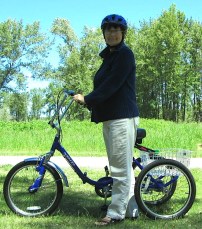
My husband was diagnosed with stage IV colorectal cancer in March 2015. He died April 1, 2016. It has been pretty rough. We had been together for 37 years. I have also been dealing with my own kidney failure since August 2013, and I do peritoneal dialysis every night for 8-9 hours. The waiting list for a transplant in our province is 6-8 years, so I have a ways to go yet. With my husband’s passing, I wanted to start doing things that would get me outside more often and be more active. I also wanted to do something to keep me busy for our wedding anniversary and my birthday, which were coming up on June 30. So I came up with a grand idea that if I could find a “folding” trike, I could then store it in the back of my car. And that is exactly what I’ve done. I wasn’t able to find such a trike locally, so I had to mail-order one and put it together.

Deb Angus - Brain Injury Survivor and her Trike

Deb Angus – Brain Injury Survivor and her Trike

On my very first ride, I drove down to the area of the city where my husband and I used to live back in ‘86 and ‘87. Talk about a trip down memory lane! Within seconds of riding my trike, I felt like I was 32 years old again – whizzing down the tails we used to ride with wind blowing through my helmet and hearing the birds singing and chirping along the way. The freedom I felt at being able to ride again … was fantastic! Then tears came to my eyes because my husband wasn’t here to enjoy this with me …. But as I was heading back to the car after about an hour of riding, I noticed in big letters written in chalk on the asphalt trails the words Love U. I knew then that my husband was there in spirit. I felt that he was so proud and happy that I had finally managed to get my trike and that I will enjoy many more great rides.


Thank you, Deb Angus.

Disclaimer:
Any views and opinions of the Guest Blogger are purely his/her own.

(Clip Art compliments of Bing.)

(Photos compliments of Deb Angus.)

As I say after each post: Please leave a comment by clicking the blue words “Leave a Commentanim0014-1_e0-1 below this post.

Feel free to follow my blog. Click on “Follow” on the upper right sidebar.

If you like my blog, share it (intact) with your friends. It’s easy! Click the “Share” buttons below.

If you don’t like my blog, “Share” it (intact) with your enemies. I don’t care!

Feel free to “Like” my post.

Survivors SPEAK OUT! . . . Gretchen

Survivors SPEAK OUT! Gretchen

presented

by

Donna O’Donnell Figurski

Gretchen - Brain Injury Survivor

Gretchen – Brain Injury Survivor

1. What is your name? (last name optional)

Gretchen

2. Where do you live? (city and/or state and/or country) Email (optional)

Louisiana, USA

3. On what date did you have your brain injury? At what age?

I had just turned 20.

4. How did your brain injury occur?

My brain injury is from a car accident. My best friend was driving. I was sitting on the console and flew into the backseat. The driver was ejected, and she was killed instantly. Another friend with us, who was sitting in passenger’s seat, just had stitches.

5. When did you (or someone) first realize you had a problem?

I was medevacked to a hospital right away and stabilized. I was then flown to a larger hospital. I knew one of the emergency responders, and he said he recognized my brain injury from the way I was breathing. I was also erratic and trying to move and fight and get up, but I had a head injury. Another responder told me that he had to almost lie on me to keep me still.

6. What kind of emergency treatment, if any, did you have?

I had a PEG (percutaneous endoscopic gastrostomy) tube (to add nutrition directly into the stomach), a halo brace (a metal ring attached to the head and shoulders to immobilize the spine) because I had a broken neck (fracture of the C2 vertebra), a tracheotomy, and the usual IVs and ports.

Gretchen with Halo Brace

Gretchen with Halo Brace

7. Were you in a coma? If so, how long?

Yes. I was in a coma for three and a half weeks.

8. Did you do rehab? What kind of rehab (i.e., inpatient or outpatient and occupational and/or physical and/or speech and/or other)?

Yes. I had some physical therapy, but mostly I had cognitive therapy. I had both inpatient and outpatient rehab.

How long were you in rehab?

Inpatient rehab was about a week. Outpatient rehab was for several weeks (a couple of times a week).

9. What problems or disabilities, if any, resulted from your brain injury
(e.g., balance, perception, personality, etc.)?

I have no physical problems; they’re mostly cognitive. I have some personality changes. My family has voiced this to me. I have no control over it, but I do feel it, and I feel so uncomfortable with it. I’m not happy and confident and wonderful. That doesn’t come naturally to me anymore.

10. How has your life changed? Is it better? Is it worse?

Worse. I am almost always anxious and uncomfortable.

11. What do you miss the most from your pre-brain-injury life?

I miss my friend and my carefree and happy self.

12. What do you enjoy most in your post-brain-injury life?

I guess I just have to enjoy living life. That’s all I have. I take it one day at a time.

13. What do you like least about your brain injury?

My brain injury took a part of me that I was happy with – my confidence and my peace. I hate that about it.

14. Has anything helped you to accept your brain injury?

I just do. I have to accept it.

15. Has your injury affected your home life and relationships and, if so, how?

My relationships have definitely been affected – both romantic and friendship. I fought the change with my boyfriend at the time, but he recognized it. We ended up breaking up after several years. My friendships are also different. I find it difficult to talk and keep in conversation. It’s hard to find stuff to say to people I was so close to before. It makes me so uncomfortable, although it could also be from our drifting apart naturally. It’s like I feel cold to them, but I don’t intentionally try to act that way.

16. Has your social life been altered or changed and, if so, how?

Yes. I’m so anxious all the time. I’m very uncomfortable with myself.

17. Who is your main caregiver? Do you understand what it takes to be a caregiver?

My aunt was my caregiver right after I got out of the coma. I am my own caregiver now. I live on my own. My dad has to work, and my mom didn’t feel comfortable doing it. We live right next door to each other, though.

18. What are your plans? What do you expect/hope to be doing ten years from now?

I want to be happy. I have a degree in English. I hope to write more. I have been published twice, but I haven’t gotten back an email or a response. I was a French major, but I lost it all after the accident. I was heartbroken.

Gretchen - Brain Injury Survivor

Gretchen – Brain Injury Survivor

19. Are you able to provide a helpful hint that may have taken you a long time to learn, but which you wished you had known earlier? If so, please state what it is to potentially help other survivors with your specific kind of brain injury.

Nothing I can think of

20. What advice would you offer to other brain-injury survivors? Do you have any other comments that you would like to add?

Take it one day at a time, and don’t be hard on yourself. Love yourself. Again – don’t be hard on yourself!

If you would like to be a part of the SPEAK OUT! project, please go to TBI Survivor Interview Questionnaire for a copy of the questions and the release form.

(Clip Art compliments of Bing.)

(Photos compliments of contributor.)

As I say after each post:

Feel free to leave a comment by clicking the blue words “Leave a Comment” below this post.

Please follow my blog. Click on “Follow Me Via eMail” on the right sidebar of your screen.anim0014-1_e0-1

If you like my blog, click the “Like” button under this post.

If you REALLY like my blog, share it intact with your friends. It’s easy! Click the “Share” buttons below.

If you don’t like my blog, “Share” it intact with your enemies. That works for me too!

SPEAK OUT! . . . . . . . . . . . . . Faces of Brain Injury . . . . . . . . . Bob Bernardi (survivor)

SPEAK OUT! Faces of Brain Injury –  Bob Bernardi (survivor)

presented

by

Donna O’Donnell Figurski

Brain Injury is NOT Discriminating!

bigstock-cartoon-face-vector-people-25671746-e1348136261718It can happen to anyone, anytime, . . . and anywhere.

The Brain Trauma Foundation states that there are 5.3 million people in the United States living with some form of brain injury.

On “Faces of Brain Injury,” you will meet survivors living with brain injury. I hope that their stories will help you to understand the serious implications and complications of brain injury.

The stories on SPEAK OUT! Faces of Brain Injury are published with the permission of the survivor or designated caregiver.

If you would like your story to be published, please send a short account and two photos to me at neelyf@aol.com. I’d love to publish your story and raise awareness for Brain Injury.


Bob Bernardi - survivor

Bob Bernardi – survivor

Bob Bernardi (survivor)

Recently was an anniversary. It’s been 24 years since that terrible day back in 1992, when I lost control of my car and suffered my traumatic brain injury. Needless to say, I have experienced a lot of life’s lessons – both good and bad. I am still here, and I have accepted my standing in life, but that is not to say that I am not a fighter. If I feel that something is not right with my care or if I have questions, then believe me when I say I am going to express my concerns or ask my questions! I have had the very best in medical care and some of the worst, and, for that reason, I will not just “go with the flow.” I am sure that most of you know that, when the human brain is hurt and damaged, that alteration is an alteration to “us.” Our brain is “us.” Just trying to get back to our original selves is what we strive for. I know I can be a pain to many of my friends outside of the brain-injury community with how I view everyday life. But all that we have shared in the brain-injury community make us friends. I know that I depend on their views. I would be lost without the brain-injury community, and for that I am thankful!


Thank you Bob Bernardi for sharing your story.


(Clip Art compliments of Bing.)

(Photos compliments of contributor.)

As I say after each post: Please leave a comment by clicking the blue words “Leave a Commentanim0014-1_e0-1 below this post.

Feel free to follow my blog. Click on “Follow” on the upper right sidebar.

If you like my blog, share it intact with your friends. It’s easy! Click the “Share” buttons below.

If you don’t like my blog, “Share” it intact with your enemies. I don’t care!

Feel free to “Like” my post.


Caregivers SPEAK OUT! . . . Lynn Sandoval

Caregivers  SPEAK OUT!  Lynn Sandoval

presented by

Donna O’Donnell Figurski


Lynn Sandoval - Caregiver

Lynn Sandoval – Caregiver

1. What is your name? (last name optional)

Lynn Sandoval

2. Where do you live? (city and/or state and/or country) Email? (optional)

Brady, Texas, USA

3. What is the brain-injury survivor’s relationship to you? How old was the survivor when he/she had the brain injury? What caused your survivor’s brain injury?

The brain-injury survivor is my husband. He was 39 years old when he had the brain injury. He was in an automobile accident. His car was hit twice, once head-on. The first car hit my husband’s car at ~95 mph. This hit spun my husband’s car around, and a second car, following the first car, hit my husband’s car in the rear at ~85 mph. My husband’s car was spun back around and finally came to a rest in the middle of the road.

4. On what date did you begin care for your brain-injury survivor?

I began care the day after my husband’s accident – when I was able to get to the hospital where he had been flown.

Were you the main caregiver?

In the beginning, my husband had hospital care in addition to mine.

Are you now?

I have been my husband’s only caregiver since he came home from the hospital.

How old were you when you began care?

I was 52.

5. Were you caring for anyone else at that time (e.g., children, parents, etc.)?

No

6. Were you employed at the time of your survivor’s brain injury? If so, were you able to continue working?

Yes, I was employed. I have been able to utilize FMLA (Family and Medical Leave Act) and sick leave. I have continued working whenever I am able to.

7. Did you have any help? If so, what kind and for how long?

I have not had any help at home caring for my husband.

8. When did your support of the survivor begin (e.g., immediately – in the hospital; when the survivor returned home; etc.)?

My support began in the hospital, and it continues to this day.

9. Was your survivor in a coma? If so, what did you do during that time?

My husband was in a coma the first few days. While he was in a coma, I stayed by his bedside and talked to him. I touched him on the areas that weren’t bandaged to let him know I was there.

10. Did your survivor have rehab? If so, what kind of rehab (i.e., inpatient and/or outpatient and occupational, physical, speech, and/or other)?

My husband had physical, speech, and occupational therapies in the hospital. They continued when we got home, once I got him set up for evaluations.

How long was the rehab?

k20116138My husband is still in physical therapy, and he recently started occupational therapy again. (He had “graduated” from occupational therapy about a year ago, but his neurologist requested that he do it again.)

Where were you when your survivor was getting therapy?

I was there with my husband during the beginning therapies, but after some time, he went to the therapies alone. Now we work together on exercises at home.

 11. What problems or disabilities of your brain-injury survivor required your care, if any?

Now my husband is able to do things for himself, but I still have to get his medications together for him every day because he doesn’t remember if he’s taken them or not.diabetes_medications

12. How has your life changed since you became a caregiver? Is it better? Is it worse?

Since I’ve become a caregiver, I have discovered that people will withdraw from situations because they don’t understand TBI (traumatic brain injury). It has its ups and downs, but we are now seeing more positive steps and are hopeful for the future. I have found that I am more depressed and feel alone because I am more involved with making sure everything is OK for my husband, but I am learning to take time for me.

13. What do you miss the most from pre-brain-injury life?

Life before my husband’s TBI was a lot less stressful – being able to leave the house and not worry if he is OK. Now I keep my phone with me continuously so that, if he needs something, he can call and I’ll be there for him.

14. What do you enjoy most in post-brain-injury life?

I am grateful that I still have my husband with me.

15. What do you like least about brain injury?

I dislike the frustration and confusion that my husband feels when he is trying to remember something and he can’t.

16. Has anything helped you to accept your survivor’s brain injury?

Yes – support-groups and reading – and more reading – on anything and everything I can find about TBI and about what can and can’t be beneficial – not only for him, but for us and our relationship.

17. Has your survivor’s injury affected your home life and relationships and, if so, how?

Yes. I find I am hyper-aware of anything and everything my husband does in an effort to keep him safe. The relationships with his family and friends have become nonexistent. It hurts my husband so much to feel that no one cares about him.

18. Has your social life been altered or changed and, if so, how?

Yes. We don’t go out much anymore because my husband doesn’t like being in large, noisy crowds and because it is difficult for him to stand or walk for extended periods of time.

19. What are your plans? What do you expect/hope to be doing ten years from now?

My husband’s plans are to hopefully get approved for disability insurance and then to return to his job (that they are holding for him) part-time so that he can financially contribute to our family. My plans, if we are able to get some additional income instead of just mine (which has been our income for almost the last two years), would be to find a job to use my Master’s Degree. I just completed my degree program this past year in psychology. I’d like to work with other traumatic-brain-injury survivors and help advocate for them. Here in our small town, nothing is available.

Lynn Sandoval - Caregiver

Lynn Sandoval – Caregiver

20. What advice would you offer other caregivers of brain-injury survivors? Do you have any other comments that you would like to add? 

I would say that, despite the difficulties in being a caregiver, caregiving can be rewarding – when together you see the progress your survivor is making because of his or her drive and determination and because of the support and love that you give him or her. It is tiring, it can be frustrating, and you may feel like screaming – these are all normal responses. The key is to remember to take a moment, to try to take care of yourself (this is the hardest thing), and to believe in each other.


(Disclaimer: The views or opinions in this post are solely that of the interviewee.)

If you would like to be a part of the SPEAK OUT! project, please go to TBI SPEAK OUT! Caregiver Interview Questionnaire for a copy of the questions and the release form.

(Clip Art compliments of Bing.)


As I say after each post: Please leave a comment by clicking the blue words “Leave a Commentanim0014-1_e0-1 below this post.

Feel free to follow my blog. Click on “Follow” on the upper right sidebar.

If you like my blog, share it with your friends. It’s easy! Click the “Share” buttons below.

If you don’t like my blog, “Share” it with your enemies. I don’t care!

Feel free to “Like” my post.

Caregivers SPEAK OUT! …… Raine Turner

Caregivers  SPEAK OUT!  Raine Turner,

(mother of survivor, Ryan, and author of “Only Son…Only Child”)

presented by

Donna O’Donnell Figurski


Raine Turner - Caregiver & Author: Only Son...Only Child

Raine Turner – Caregiver & Author: Only Son… Only Child

1. What is your name? (last name optional)

Raine Turner

2. Where do you live? (city and/or state and/or country) Email? (optional)

Edmonton, Alberta, Canada

3. What is the brain-injury survivor’s relationship to you? How old was the survivor when he/she had the brain injury? What caused your survivor’s brain injury?

The brain-injury survivor is my son. At 16, he was in a car accident.

4. On what date did you begin care for your brain-injury survivor? Were you the main caregiver? Are you now? How old were you when you began care?

I began care August 13, 2003.

5. Were you caring for anyone else at that time (e.g., children, parents, etc.)?

No

6. Were you employed at the time of your survivor’s brain injury? If so, were you able to continue working?

I was self-employed and unable to manage my business.

7. Did you have any help? If so, what kind and for how long?

Not really

Raine Turner Caregiver & Author

Raine Turner Caregiver & Author


8. When did your support of the survivor begin (e.g., immediately – in the hospital; when the survivor returned home; etc.)?

In the hospital

9. Was your survivor in a coma? If so, what did you do during that time?

Yes. I sat beside my son’s bed and read to him.

10. Did your survivor have rehab? If so, what kind of rehab (i.e., inpatient and/or outpatient and occupational, physical, speech, and/or other)? How long was the rehab? Where were you when your survivor was getting therapy?

Yes. My son had rehab both as an inpatient and an outpatient.

11. What problems or disabilities of your brain-injury survivor required your care, if any?

At first, self-care. Also eating, walking, etc.

12. How has your life changed since you became a caregiver? Is it better? Is it worse?

Trick question. It made me realize what is important in life. It taught me patience, which I did not know I had.

13. What do you miss the most from pre-brain-injury life?

I dislike my son’s loss of the chance for a normal life. I miss having a relationship for myself.

14. What do you enjoy most in post-brain-injury life?

Nothing!

15. What do you like least about brain injury?

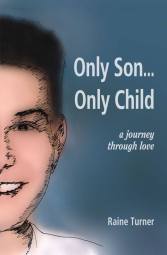
Only Son...Only Child by Raine Turner

Only Son…Only Child by Raine Turner

My son’s daily struggles

16. Has anything helped you to accept your survivor’s brain injury?

There is no choice but to accept.

17. Has your survivor’s injury affected your home life and relationships and, if so, how?

Yes. I did not have a relationship at all for ten years. The one I had at the time ended due to stress. It’s now hard to find someone who wants to be involved with this situation.

18. Has your social life been altered or changed and, if so, how?

Yes. But it’s getting better now with my son in school and his not living with me.

19. What are your plans? What do you expect/hope to be doing ten years from now?

I hope to be on a beach!

20. What advice would you offer other caregivers of brain-injury survivors? Do you have any other comments that you would like to add?

Buckle up! It is going to be a long, tough ride.


 To learn more about Raine Turner, check out her website, “Only Son Only Child: a journey through love.” Look for her book on Amazon.


(Disclaimer: The views or opinions in this post are solely that of the interviewee.)

If you would like to be a part of the SPEAK OUT! project, please go to TBI SPEAK OUT! Caregiver Interview Questionnaire for a copy of the questions and the release form.

(Clip Art compliments of Bing.)


As I say after each post: Please leave a comment by clicking the blue words “Leave a Commentanim0014-1_e0-1 below this post.

Feel free to follow my blog. Click on “Follow” on the upper right sidebar.

If you like my blog, share it with your friends. It’s easy! Click the “Share” buttons below.

If you don’t like my blog, “Share” it with your enemies. I don’t care!

Feel free to “Like” my post.

Survivors SPEAK OUT! . . . . . . Charles Ross, Jr.

Survivors SPEAK OUT! Charles Ross, Jr.

presented

by

Donna O’Donnell Figurski


Ross, Charles Survivor

Charles Ross, Jr. – Brain Injury Survivor

1. What is your name? (last name optional)

Charles Ross, Jr.

2. Where do you live? (city and/or state and/or country) Email (optional)

Pittsburg, Missouri, USA     buds5101@gmail.com

3. On what date did you have your brain injury? At what age?

My TBI (traumatic brain injury) happened on November 15, 1985. I was 18 years old.

4. How did your brain injury occur?

I was in a head-on car crash on a narrow, two-lane highway on a rainy and foggy day. I swerved around a truck that was stopped in the road. The truck left the scene.

5. When did you (or someone) first realize you had a problem?

A witness came to the car and forced the door open. I had thrown up on impact. Until help arrived, he held my head up to keep me from choking.

6. What kind of emergency treatment, if any, did you have?

I had the paddles put on me before I got on the helicopter to fly to a large hospital. I also had a tracheotomy.

7. Were you in a coma? If so, how long?

I was in a coma for fifty days.

8. Did you do rehab? What kind of rehab (i.e., inpatient or outpatient and occupational and/or physical and/or speech and/or other)? How long were you in rehab?

I had physical, occupational, and speech therapies as an inpatient for nine months after I came out of the coma. I continued physical therapy as an outpatient for seven years after the accident. My mom then took over. She was a physical therapist aide in a nursing home at the time of the accident. She also did occupational therapy with me too.

9. What problems or disabilities, if any, resulted from your brain injury
(e.g., balance, perception, personality, etc.)?

I was in a wheelchair for one and a half years. I can now walk with a single cane. That level did not immediately come after the wheelchair. It occurred after seven summers of surgeries on my legs. I walked with two canes for many years. I also have epilepsy. That diagnosis took a grand mal seizure five years after the accident. I had thousands of petite mal seizures prior to my grand mal seizure. Only then did the neurologist say that the “spells,” as I called them then, were petite mal seizures. I take multiple medicines to control them. It took twenty-two years to find the right mixture to control them. Balance and memory are also great problems today – thirty years later. My sense of balance is gone. I fall frequently, even using a cane. My short-term and long-term memories were damaged. The short-term memory was destroyed. It took years of training to get back what I have. Long-term memory – I don’t recognize it as affecting me so badly. I just don’t think of it. I take two medicines that they give to Alzheimer’s patients. I am hoping they help me. I don’t know yet if they do.

10. How has your life changed? Is it better? Is it worse?teacher-improvement

I struggled to get two Associate Degrees over seven years. I struggled more in the workforce for fourteen years. Most of the time, I had no insurance. The meds I needed for the seizures came out-of-pocket. So my credit rating tanked, and a bankruptcy followed. I filed for disability insurance after losing my last job. I was making the most money ever, but I still had no benefits. On the last job, I grossed more money in a week and a half than I make in a month now.

11. What do you miss the most from your pre-brain-injury life?

I miss a sense of being normal – being able to go out and do anything at almost any time. My only restriction was money.

12. What do you enjoy most in your post-brain-injury life?

I enjoy knowing the people I have met as a result of the injury – the countless doctors and nurses who took care of me and other individuals who also have had head injuries. I never would have met them, or even thought of meeting them, had I not had a head injury.

13. What do you like least about your brain injury?

I dislike not having my “normal” life.

14. Has anything helped you to accept your brain injury?

I never had the attitude where I just wanted to give up on life, even though it could be depressing at times.

15. Has your injury affected your home life and relationships and, if so, how?

Yes. I think I experienced jealousy from a brother because I got more attention afterward. I’ve had many different relationships, but all have ended up failing. The lack of money was the usual excuse. Most relationships were started over the web.

16. Has your social life been altered or changed and, if so, how?

I don’t go out very much. Right now, I’m living with my mom. (My dad just passed.) As a 48-year-old male, I don’t regret living with my mom. It’s just not normal.

17. Who is your main caregiver? Do you understand what it takes to be a caregiver?

I am able to take care of myself, including my meds and my bills. I cooked when I was not with my mom.

18. What are your plans? What do you expect/hope to be doing ten years from now?

I want to get a place of my own again.

19. Are you able to provide a helpful hint that may have taken you a long time to learn, but which you wished you had known earlier? If so, please state what it is to potentially help other survivors with your specific kind of brain injury.

Charles Ross, Jr. - Brain Injury Survivor

Charles Ross, Jr. – Brain Injury Survivor

My advice: Do not turn down any kind of help that’s offered – do not be too proud.

20. What advice would you offer to other brain-injury survivors? Do you have any other comments that you would like to add?

You should take pride in being a survivor. Most people, if faced with the challenges you have, could not do it. You have already accomplished the hardest thing, which was to survive.


If you would like to be a part of the SPEAK OUT! project, please go to TBI Survivor Interview Questionnaire for a copy of the questions and the release form.

(Clip Art compliments of Bing.)

(Photos compliments of contributor.)


As I say after each post:

Feel free to leave a comment by clicking the blue words “Leave a Comment” below this post.

Please follow my blog. Click on “Follow Me Via eMail” on the right sidebar of your screen.anim0014-1_e0-1

If you like my blog, click the “Like” button under this post.

If you REALLY like my blog, share it intact with your friends. It’s easy! Click the “Share” buttons below.

If you don’t like my blog, “Share” it intact with your enemies. That works for me too!


Caregivers SPEAK OUT! . . . . . Ian Lees

Caregivers  SPEAK OUT!  Ian Lees

presented by

Donna O’Donnell Figurski


1. What is your name? (last name optional)

Ian Lees

2. Where do you live? (city and/or state and/or country) Email? (optional)

Tipp City, Ohio, USA

e99290a9147c6b8d6ef54bc0694e98853. What is the brain-injury survivor’s relationship to you? How old was the survivor when he/she had the brain injury? What caused your survivor’s brain injury?

The survivor is my wife. Her brain injury happened on July 5, 2005, the date of the accident. We were rear-ended in a motor vehicle accident.

4. On what date did you begin care for your brain-injury survivor? Were you the main caregiver? Are you now? How old were you when you began care?

My care began on July 5, 2005. Yes, I am the main caregiver. I have been since the accident.

5. Were you caring for anyone else at that time (e.g., children, parents, etc.)?

No

6. Were you employed at the time of your survivor’s brain injury? If so, were you able to continue working?

Yes, and I still work.

7. Did you have any help? If so, what kind and for how long?

I had no help really from anyone who lives close by.

husband-and-wife-hi8. When did your support of the survivor begin (e.g., immediately – in the hospital; when the survivor returned home; etc.)?

My support began the day of the accident.

9. Was your survivor in a coma? If so, what did you do during that time?

No

10. Did your survivor have rehab? If so, what kind of rehab (i.e., inpatient and/or outpatient and occupational, physical, speech, and/or other)? How long was the rehab? Where were you when your survivor was getting therapy?k20116138

Yes, my wife did rehab for a while. She did occupational, speech, and physical therapies. I took her to rehab twice a week.

11. What problems or disabilities of your brain-injury survivor required your care, if any?

I take her for everything. She hasn’t worked or driven a car since 2005, contrary to the doctor’s point of view.

12. How has your life changed since you became a caregiver? Is it better? Is it worse?

My life hasn’t gotten worse. My wife has no real social life outside of me or unless she visits her family. She has depression and other issues.

13. What do you miss the most from pre-brain-injury life?

I miss lots of things. The list is long.check-list-hi

14. What do you enjoy most in post-brain-injury life?

I am in school for neuroscience and psychology because the doctors don’t have answers or don’t have the honesty to tell the truth. I read lots. I have spent most of my time reading books and studying. I am always looking for answers. My wife and I do cook together and have outings.

15. What do you like least about brain injury?

I don’t like how the brain injury has left my wife mentally. She is not on most medications because they have side effects we don’t care for.

16. Has anything helped you to accept your survivor’s brain injury?

My reading and going to school have helped. It was either divorce or find ways to take care of my wife. So, why not make a life and career out of this – and take care of her?

17. Has your survivor’s injury affected your home life and relationships and, if so, how?

Yes. In many ways

18. Has your social life been altered or changed and, if so, how?

(No answer)

19. What are your plans? What do you expect/hope to be doing ten years from now?

My plans are to get a degree and hopefully to help others get a better understanding of what to expect and what not to expect. There are dos and don’ts. I am a veteran and would like to help them, as well as others.

th-120. What advice would you offer other caregivers of brain-injury survivors? Do you have any other comments that you would like to add?

Suggestions: educate yourself as much as you can, and don’t always believe what you hear or read without checking other resources. There is a long road ahead, and it will keep you busy. For me, the more I read, the better I understand. It has cut down on arguments and fights. When you live with TBI (traumatic brain injury) and PTSD (post-traumatic stress disorder), you see life from a whole different perspective.caring-for-the-caregiver


(Disclaimer: The views or opinions in this post are solely that of the interviewee.)

If you would like to be a part of the SPEAK OUT! project, please go to TBI SPEAK OUT! Caregiver Interview Questionnaire for a copy of the questions and the release form.

(Clip Art compliments of Bing.)


As I say after each post: Please leave a comment by clicking the blue words “Leave a Commentanim0014-1_e0-1 below this post.

Feel free to follow my blog. Click on “Follow” on the upper right sidebar.

If you like my blog, share it with your friends. It’s easy! Click the “Share” buttons below.

If you don’t like my blog, “Share” it with your enemies. I don’t care!

Feel free to “Like” my post.

SPEAK OUT! . . . . . . . . . . . . . Itty-Bitty GIANT Steps

SPEAK OUT! Itty-Bitty GIANT Steps

presented by

Donna O’Donnell Figurski


Itty-Bitty GIant Steps for BlogSPEAK OUT! Itty-Bitty Giant Steps will provide a venue for brain-injury survivors and caregivers to shout out their accomplishments of the week.

If you have an Itty-Bitty Giant Step and you would like to share it, just send an email to me at neelyf@aol.com.

If you are on Facebook, you can simply send a Private Message to me. It need only be a sentence or two. I’ll gather the accomplishments and post them with your name on my blog approximately once a week. (If you do not want your last name to be posted, please tell me in your email or Private Message.)

I hope we have millions of Itty-Bitty Giant Steps.


Here is this week’s Itty-Bitty GIANT Steps

Jump for JoyKaren Dickerson (survivor)…OMG! I was crying and jumping up and down (LOL). I passed my college entrance exam! Even better: 93% in English/Writing! Here I come, Baker College of Michigan, to become an Occupational Therapist Assistant. There is hope!Bakers College

Two years ago, after my motor vehicle accident, I couldn’t even process what I was reading, and I had to learn how to write my name again. I’ve worked very hard to get that comprehension back. I had over two years of speech and occupational therapies. Math is still a problem, just like it was twenty-one years ago. But I’m so proud. I didn’t think that I would ever reach this point after my TBI (traumatic brain injury).


writing pencil animated

Ric Johnson (survivor)…Well, it took me two months, but I was able to write an article concerning the importance of support-groups for the recovery and healing of TBI survivors. I have it published in the TBI Hope TBI Hope & INspiration& Inspiration magazine, June 2016 edition.


FamilyElizabeth Leonard Lawrence (survivor)…I am twelve years post TBI from an accident I got while serving in the military. I was told by doctors that I would never have a family, that I would never drive a car, and that I would take multiple pills a day for the rest of my life. Well guess what! I have a wonderful husband of three years, a three-year-old little boy, and I only take one medication now. So overall, I’d say it’s a huge accomplishment in my life!


Jennifer Stokley (survivor)…I had the most amazing day. I actually went out without any fear with a friend who has been coming over for a while to do “talk therapy” with me. She asked me if I wanted to go over to her farm, and I immediately said, “Yes!” Farm

Out the door I went – no cane, just my coffee in hand and a smile on my face. I totally trust this person; I’ve gotten to know her well. In the car we went. Away… to a place I’ve never been to before. A real farm! WOW! We spent hours there. She cleaned out the stalls, while I sat on the grass watching the cows in the field near the pond. It was beautiful.Cow Then she came, and together, while sitting and lying on the grass, we spent the longest time just talking about anything and everything. It was absolutely the best time. I loved every second of it. I didn’t have a moment of anxiety pop up. I can’t wait to do it again. We intend to real soon.


YOU did it!

Congratulations to contributors!

(Clip Art compliments of Bing.)

As I say after each post:anim0014-1_e0-1

Please leave a comment by clicking the blue words “Leave a Comment” below this post.

Feel free to follow my blog. Click on “Follow” on the upper right sidebar.

If you like my blog, share it intact with your friends. It’s easy! Click the “Share” buttons below.

If you don’t like my blog, “Share” it intact with your enemies. I don’t care!

Feel free to “Like” my post.

SPEAK OUT! . . . . . . . . . . . . . Itty-Bitty GIANT Steps

SPEAK OUT! Itty-Bitty GIANT Steps

presented by

Donna O’Donnell Figurski


Itty-Bitty GIant Steps for BlogSPEAK OUT! Itty-Bitty Giant Steps will provide a venue for brain-injury survivors and caregivers to shout out their accomplishments of the week.

If you have an Itty-Bitty Giant Step and you would like to share it, just send an email to me at neelyf@aol.com.

If you are on Facebook, you can simply send a Private Message to me. It need only be a sentence or two. I’ll gather the accomplishments and post them with your name on my blog approximately once a week. (If you do not want your last name to be posted, please tell me in your email or Private Message.)

I hope we have millions of Itty-Bitty Giant Steps.


Here is this week’s Itty-Bitty GIANT Steps


Deb Angus Trike

Deb Angus – brain injury survivor

Deb Angus (survivor)…Well, look at what I’ve just done. I bought me a trike! And, I even assembled it. I’m hoping to take it out on its first ride tomorrow – it’s too late now. (I’ve been at it from 3:00 to 7:00 pm, including a jaunt to Canadian Tire to buy nuts and bolts for the front fender. Aaahhhh, quite the accomplishment! And, the best thing is that this is a folding trike. So, I’m hoping I’ll be able to store it and also transport it in my hatchback with no problem.
First ride

Deb Angus Trike 061616

Deb Angus – brain injury survivor

It was fantastic! I love my trike. I love being out on the trails again. I love the wind blowing through my helmet, hearing the birdies along the way, and stopping to photograph scenery and flowers. It was a great success all in all. I’m sure my legs will be killing me in the morning. It’s a good thing I have a hot stone massage booked soon. Here are the pics to show my efforts.


Michelle Markey

Michelle Markey – brain injury survivor

Michelle Markey (survivor)…Michelle says that she is trying to beautify her apartment with her creations. She crocheted this purple doily with crochet cotton, size 10.
Purple Doiley
Michelle says that she is so pleased that she finally finished a project. It took a long time, but it was worth it.


gofightygoldLee Staniland (survivor)…I fought like a bull to get my husband to see the surgeon for the nerves being pressed in his back. The office wanted us to see the surgeon on July 6. I fought until I got it scheduled for last week. It was with the surgeon’s partner, but it is done. I finally did it!

 

boy-driving-car

James Stroehlein (survivor)…I began driving again two years after my car accident and TBI. It’s been fourteen years, but I only drive in my small town. It still makes me nervous. But I do it!


(Clip art compliments of Bing.)

(Photos compliments of contributors.)


YOU did it!

Congratulations to contributors!

As I say after each post:

On the Air: . . . . . . . . . . . . “Another Fork in the Road” Guests: Joel (caregiver) and Bart (survivor) Goldstein . . . . . . . . . . Topic: Father and Son Tackle Brain Injury

On the Air: “Another Fork in the Road”

Guests: Joel (caregiver) and Bart (survivor) Goldstein

Topic: Father and Son Tackle Brain Injury

presented

by

Donna O’Donnell Figurski


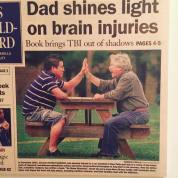
images-1What better day than Father’s Day to meet, father and son, Joel and Bart Goldstein! Joel has been fighting and advocating for his son, Bart, ever since Bart was in a motor vehicle accident when he was sixteen-years-old. That accident caused Bart’s brain injury.

14 Joel Goldstein Speaker's photo

Joel Goldstein – caregiver & author of “No Stone Unturned”


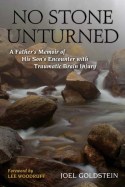
Joel is the author of “No Stone Unturned: A Father’s Memoir of His Son’s Encounter with Traumatic Brain Injury.” Both Joel and Bart shared their ups and downs as they continue to traverse the maze of brain injury.

Bart Goldstein 2

Bart Goldstein – brain injury survivor

Both father and son offered some good information about Hyperbaric Oxygen Therapy (HBOT), Omega-3 vitamins, cranial sacral therapy, and Reiki, an Eastern practice used for healing.

03 Joel and Bart Newspaper


You can learn more about Joel and Bart on Facebook at NS Unturned and at brainline.org. Read his article, “When the Dust Finally Settles: Strategies for the Long-Term Caregiver.”

11 Cover Photo No Stone Unturned

“No Stone Unturned” by Joel Goldstein


See you “On the Air!”

On the Air: “Another Fork in the Road”

Guests: Joel (caregiver) and Bart (survivor) Goldstein

Topic: Father and Son Tackle Brain Injury

(Clip Art compliments of Bing.)

(Photos compliments of guests.)

As I say after each post: Please leave a comment by clicking the blue words “Leave a Commentanim0014-1_e0-1 below this post.

Feel free to follow my blog. Click on “Follow” on the upper right sidebar.

If you like my blog, share it intact with your friends. It’s easy! Click the “Share” buttons below.

If you don’t like my blog, “Share” it intact with your enemies. I don’t care!

Feel free to “Like” my post.

diemodi jewelry

uniquely hand-crafted jewelry by donna

Welcome to Harmony Kent Online

The home of all things books

Pete Springer

Passionate Teacher and Future Children's Author

HOPE TBI

Helping Other People Excel - To Be Independent

For the Love of Books, Old and New

Katie Fischer, Writer and Reader of Stories

Charlie Bown

Children's Author

Jessica Hinrichs

“We write to taste life twice, in the moment and in retrospect.” ― Anais Nin

VIVIAN KIRKFIELD - Writer for Children

Picture Books Help Kids Soar

Mindy’s Writing Wonderland

For authors, parents, teachers & everyone who loves children’s books.

Kaitlyn Leann Sanchez

Literary Agent

Surviving Traumatic Brain Injury

TBI - Survivors, Caregivers, Family, and Friends

The Care Factor

Loving someone with a Traumatic Brain Injury

Brain Injury Support Group of Duluth-Extension

Brain Injury Information and SUPPORT

Brain Aneurysm Global Insight

Brain Aneurysm, cerebral hemorrhaging, hemorrhage stroke