TBI – Survivors, Caregivers, Family, and Friends

Posts tagged ‘SPEAK OUT!’

Survivors SPEAK OUT! . . . . . David Figurski . . . . . . . . . . . . . . . 20-Year Post-Injury Anniversary

On April 8, 2014, Donna published my Survivor SPEAK OUT! interview to begin her series of interviews about the experiences and thoughts of survivors and caregivers. Since then, Donna has published over 130 written interviews in which people answer Donna’s twenty survivor- or caregiver-specific questions to let the readers know their stories, tell of their lives, and give first-hand, and often hard-earned, advice for other survivors and caregivers.

In my original interview, I kept my answers short so others wouldn’t be intimidated. I didn’t need to. Other interviewees were not reluctant at all to discuss at length many of the aspects of their brain injuries. In this interview on the 20th anniversary of my TBI (traumatic brain injury), I hope to give you a more detailed look at my past and present life.

1. What is your name? (last name optional)

David Figurski

2. Where do you live? (city and/or state and/or country) Email (optional)
Surprise, Arizona, USA                  dhfdmf@aol.com

3. On what date did you have your brain injury? At what age?

January 13, 2005          At age 57

4. How did your brain injury occur?

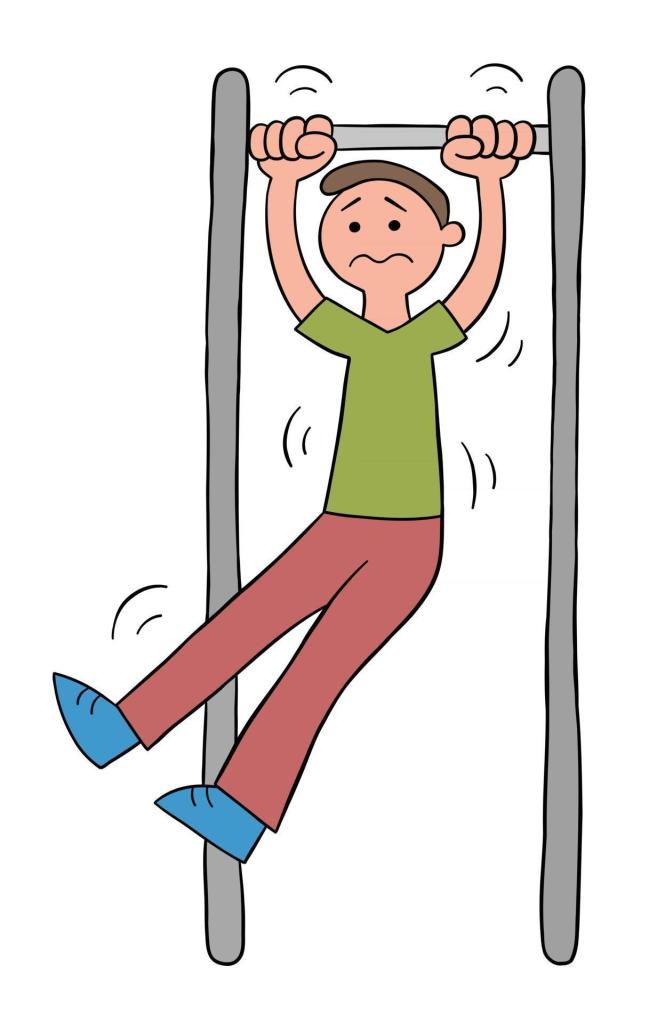
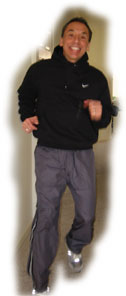
Each morning before showering, I would do Tai Chi warmup exercises and calisthenics. One day, my brain hemorrhaged on my 13th chin-up. 

5. When did you (or someone) first realize you had a problem?
I felt something happen in my head, but I didn’t have any pain, so I wasn’t concerned. I stopped exercising because I was seeing double. When my double-vision didn’t clear after a minute or so, I walked down the hall to where my wife (Donna) was getting ready for her job of teaching first-graders. I was exceptionally lucky that day – luck that gave me twenty years more (so far) of life. Normally, I got up at 4:00 am and left for my lab at Columbia University in New York City by 5:30 am. But I was planning to work at home that day to prepare a talk, so I got up later and overlapped Donna’s morning schedule. It turned out to be crucial because Donna saved my life. By the time I got to her, I was in crisis. She immediately saw that my right eye was filled with blood. Not long after, I felt something else happening in my head, and I began experiencing extreme pain. Donna dialed 9-1-1 to get emergency help. I became unintelligible because I was slurring my words. When the paramedics put an oxygen mask on me, the pain subsided, but I slipped into a coma, which lasted nearly three weeks.

6. What kind of emergency treatment, if any, did you have?

The paramedics took me to the Emergency Room of a nearby hospital where Donna made her first life-or-death decision – that I have immediate surgery instead of a CAT (computerized tomography) scan to see if the pressure from the brain-bleed had decreased. It’s clear now that the time that would been taken to do a CAT scan would have decreased my chance of survival by several hundred-fold.

But Donna’s nightmare was only beginning. Over the next two weeks, she had to give permission for two more surgeries on my brain. My chance of survival continued to be low.

After the first surgery, I was carefully transferred by ambulance to Columbia-Presbyterian Hospital in New York City. There, the neurosurgeon discovered an aneurysm that had to be removed. That was the second surgery. I survived … but the neurosurgeon had more bad news for Donna. She had to give permission for another dangerous surgery – to remove an AVM (arteriovenous malformation), a tangle of arteries and veins that can be a “time-bomb.” Miraculously, I survived that surgery too.

(The neurosurgeon at the local hospital for the first surgery was highly skilled, but he gets an F-grade for his manner. His first words after introducing himself to Donna were that I “would make a great organ-donor”!)

7. Were you in a coma? If so, how long?

Yes. I was in a coma for nearly three weeks.

8. Did you do rehab? What kind of rehab (i.e., inpatient or outpatient and occupational and/or physical and/or speech and/or other)? How long were you in rehab?

Yes. A couple of weeks after my surgeries at Columbia-Presbyterian, I was transferred to Radburn Rehabilitation Hospital, which specializes in helping patients with brain injuries. There I had inpatient therapies (physical, occupational, and speech) three days a week for three hours per day. I was discharged from Radburn after about two months, but I continued with outpatient therapies – first at Radburn for three months, and then for two of months at Dominican Hospital in Santa Cruz, California, where our son lives, and then back at Radburn for about a year. 

A year after my brain-hemorrhage, I went back to my lab at Columbia University as a volunteer to direct my research group. After I stopped going to Radburn for outpatient therapies (about eighteen months after my brain-hemorrhage), I returned to Columbia University as full-time faculty member. I had a standing appointment for two hours each week with a physical therapist, who worked with me in my office until I retired at the end of August 2013.

9. What problems or disabilities, if any, resulted from your brain injury
(e.g., balance, perception, personality, etc.)?

Fortunately, my hemorrhage was at the back of the brain, so no cognitive, memory, or major personality changes resulted from my TBI. I gave lectures, wrote and was awarded a multi-year research grant from the National Institutes of Health, mentored Ph.D. students and postdoctoral scientists, and wrote and published scientific papers. In short, I had my scientific life back – which was really important to me.

But because my cerebellum and brain-stem were primarily affected, I do have several physical disabilities.

I have double-vision from a defective nerve-muscle connection in my right eye. The right side of my face droops from being paralyzed. (The loss of my ability to smile caused me to lose an important part of my self.) My swallow has been affected. It is difficult to eat some foods, and I am always in danger of aspirating. Because the right side of my tongue is paralyzed, it’s difficult to make some sounds and pronounce certain words. (For that reason, I talk less and use fewer words. I have to be careful not to sound curt or rude.) I talk more slowly, and my voice has changed because my vocal cords were affected. (My slower speech allows me to substitute a word mid-sentence to one I can more easily pronounce.) My right arm is ataxic. I can use my left arm and hand for most things, but they are not as good as they once were. (For example, it’s difficult to use my left arm to raise a glass to my mouth, and it’s impossible to do so without shaking.) My right leg is weaker than it was, and my right ankle does not automatically flex the way it should. (I have to consciously focus on my ankle for it to bend properly.) At night, I get up to go to the bathroom about every 90 minutes because I have frequent urinary urges. (Thankfully, this is not a problem during the day.) The cerebellum, which is located at the back of the brain and controls balance, was severely damaged by my hemorrhage. Consequently, my balance is really poor. Donna and I hold each other whenever I walk outside or in a strange environment, like a restaurant. In the house, where the floors are even, I can walk short distances. I use a rollator (4-wheeled walker) for longer walks in the house and an electric scooter for airports and long distances outside.

I feel extremely fortunate that all my disabilities are physical. Of course, my life is now very limited, but I can still read, write, and communicate by using my computer – with my left hand.

10. How has your life changed? Is it better? Is it worse?

Early on, I stopped thinking about what I could no longer do. Instead, I emphasized what I could still do. I then became totally comfortable with my life, and, as a result, my life now is better than it was in many ways. Of course, I would say it’s worse if I continued to grieve what I lost, but I consider that part of my life as gone, like my youth. So I don’t think about what I lost, except to be thankful that I had the chances to do what I did.

11. What do you miss the most from your pre-brain-injury life?
I do miss a couple of things from my pre-TBI life. I miss leaving the house on my own. I miss just doing what I wanted to do without having to carefully plan. I miss Donna’s and my dinner conversations. (Because my damaged cerebellum caused a loss of coordination between my tongue and my teeth, I have to pay close attention to chewing. So Donna and I don’t speak when I’m eating.) I was racing cars, so I desperately miss driving. While I have a device that scans a page and reads it to me, I miss having normal vision and reading books.

12. What do you enjoy most in your post-brain-injury life?

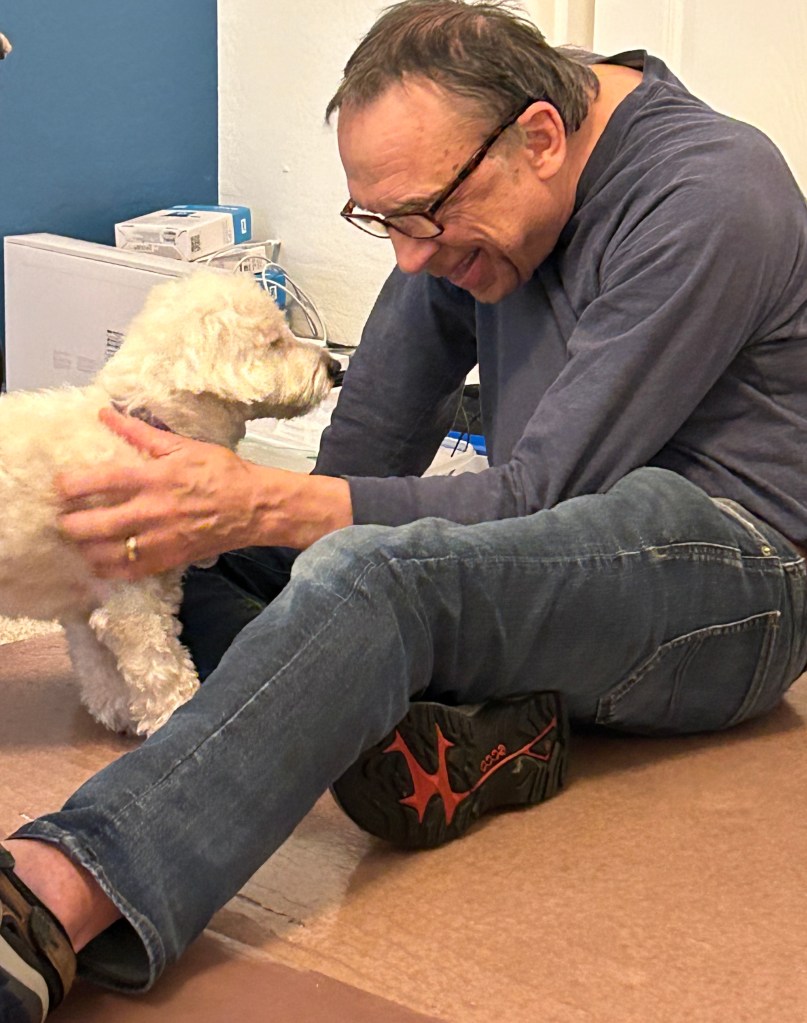
It’s hard to imagine, but my TBI caused me to improve in some areas. Things are much slower (because of my disabilities), so I can’t do as much as I once did. Because I’m slower, I’ve learned to be more efficient and more organized with the time I am able to work. Because I spend nearly all of my time at home, I have more time to be a part of Donna’s life. I have also bonded more closely with and have enjoyed more our dog, a Maltese-Poodle. Koda is a 2-year-old male rescue.
13. What do you like least about your brain injury?

I intensely dislike my loss of balance. It’s an issue that’s a burden not only for me, but also for Donna, who helps me walk whenever we go anywhere.

14. Has anything helped you to accept your brain injury?

I’ve been greatly helped by the positivity of most doctors; the nurses; the therapists; the staff; the Columbia faculty, students, and postdoctoral scientists; and many of the people I’ve come in contact with. But, by far, the greatest help has come from my wife, Donna – the most positive person I know. She cheers every gain – no matter how small. She constantly looks out for me, for example, choosing the easiest path in a restaurant, finding and researching an electric scooter, and bringing home several samples of items so I can choose.

15. Has your injury affected your home life and relationships and, if so, how?

My home life has indeed been affected. I no longer do repairs, so Donna does them. I can’t lift heavy objects, so Donna does what she can and gets help if she needs to. Donna and I do collaborate on some projects. We once had to assemble a piece of furniture. The assembly was complicated, so I laid everything out and understood the directions. I would tell Donna what tool to use and what to do. She was great – she did everything perfectly! Now we have a useful and beautiful cabinet. I used to do everything financial. Now Donna does. She pays the bills, gets everything ready for the tax preparer, and successfully negotiated the deal for our car. I am home a lot more, so we have more time to talk. Among our many conversations are talks about what she and I are feeling in our new life that resulted from my brain injury.

16. Has your social life been altered or changed and, if so, how?

Donna and I weren’t overly social. We continue to socialize in small groups of family and close friends. In the past, our focus was on our two children – and on each other at our weekly “date nights.” Now, we not only focus on our children, but also on their spouses and our grandchildren. Nothing much changed after my TBI, except that I’m always at home and we don’t go out to eat as much anymore.

17. Who is your main caregiver? Do you understand what it takes to be a caregiver?
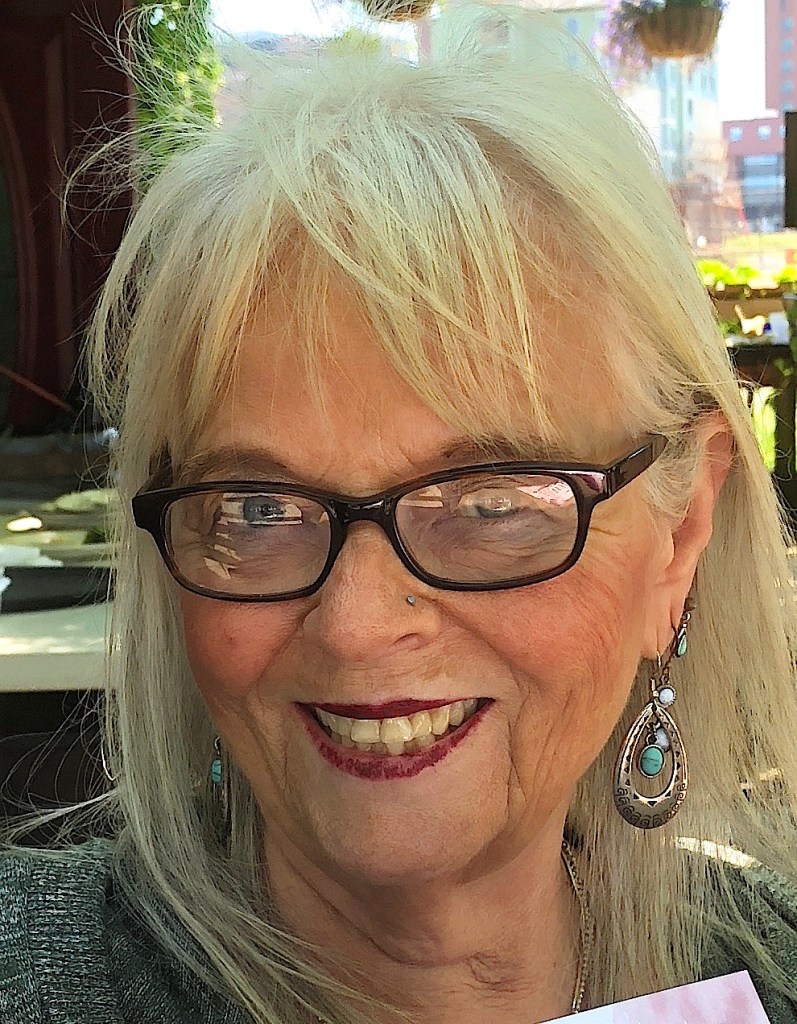
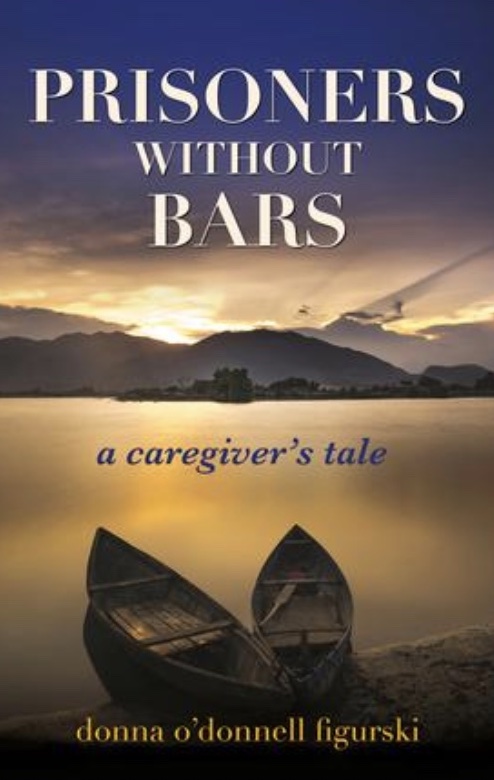
My wife, Donna, has always been my main caregiver. She was with me from the very beginning of my brain injury. Her first acts of caregiving for me were to call 9-1-1 before I slipped into a coma and to advocate for me in the hospitals. Survivors need to realize how heroic their caregivers usually are, how devoted caregivers are to caring for their survivors, how caregivers’ lives have also been severely disrupted – in these cases by brain injury, and how caregivers are often frightened by their survivors’ brain injuries and shocked by the changes to their survivors’ lives. Donna is always using her experiences and knowledge to help other caregivers with what is often an overwhelming responsibility. Donna has published an award-winning memoir (Prisoners Without Bars: A Caregiver’s Tale), which began as daily updates for family and friends around the country. In her updates, she discussed my progress or lack of progress for the day. Later, Donna wrote down what happened in a series of essays to have a record for me. About a year after my hospitalization, she began to read her essays to me. I was shocked by her horrific experience and convinced her to write a book. She did, and a publisher (WriteLife) was interested in her caregiver’s perspective on brain injury. (You can listen to the book trailer below.)
18. What are your plans? What do you expect/hope to be doing ten years from now

In ten years, I expect to continue to focus on the lives of family and friends, continue to learn about and explain science to the public, continue to discuss brain injury with other survivors and with caregivers, continue to help the public understand brain injury, and continue to make Donna’s life as easy as possible.

19. Are you able to provide a helpful hint that may have taken you a long time to learn, but which you wished you had known earlier? If so, please state what it is to potentially help other survivors with your specific kind of brain injury.

Years after my TBI, I gained a perspective that helped me. It’s typical to blame your disability when it takes far longer to accomplish something than you think it should or when you can’t do something you think you should. What helps me is to realize the body is doing the best it can. This minor change of attitude has ended much of my frustration of feeling inadequate. So go easy on yourself.

20. What advice would you offer to other brain-injury survivors? Do you have any other comments that you would like to add?

I can’t emphasize enough the importance of surrounding yourself with positive people. Such people have had a crucial and beneficial effect on my self-esteem. For example, Donna has not only been my caregiver, but she is also my cheerleader. I had an excellent neurologist for years, but then we moved across the country. I found a new neurologist, but Donna and I didn’t feel any positivity from him, so we never returned. Likewise, if a doctor or therapist tells you you can’t do something, and it’s only his or her opinion and is not based experience or data, you may want to find someone else. It’s important for you too to have a positive attitude. At the very least, consider that you survived! Your positive attitude will affect others, especially your caregiver, who is often overwhelmed and who will not be further burdened by your feeling sorry for yourself.

 ********************************************************************************************************
Columbia University United States of America

51r7mht63el._sx332_bo1204203200_-1

             Read It!                Listen to It!              Review It!

Click Links under Book

 PAPERBACK!   Read it Now!    

e-BOOK!   Read it Now!  

AUDIO BOOK Listen to it Now!

                                                               Stay Safe and Healthy!

Clip Art compliments of Bing.)

(Photos compliments of contributor.)

As I say after each post:

Please leave a comment by clicking the blue words “Leave a Comment” below this post.

Feel free to follow my blog. Click on “Follow” on the upper right sidebar.

If you like my blog, share it intact with your friends. It’s easy! Click the “Share” buttons below
SURVIVORS SPEAK OUT! Sandee Rodriguez


Survivors SPEAK OUT! Sandee Rodriguez

presented by

Donna O’Donnell Figurski


Sandee Rodriguez Survivor 072624

1. What is your name? (last name optional)

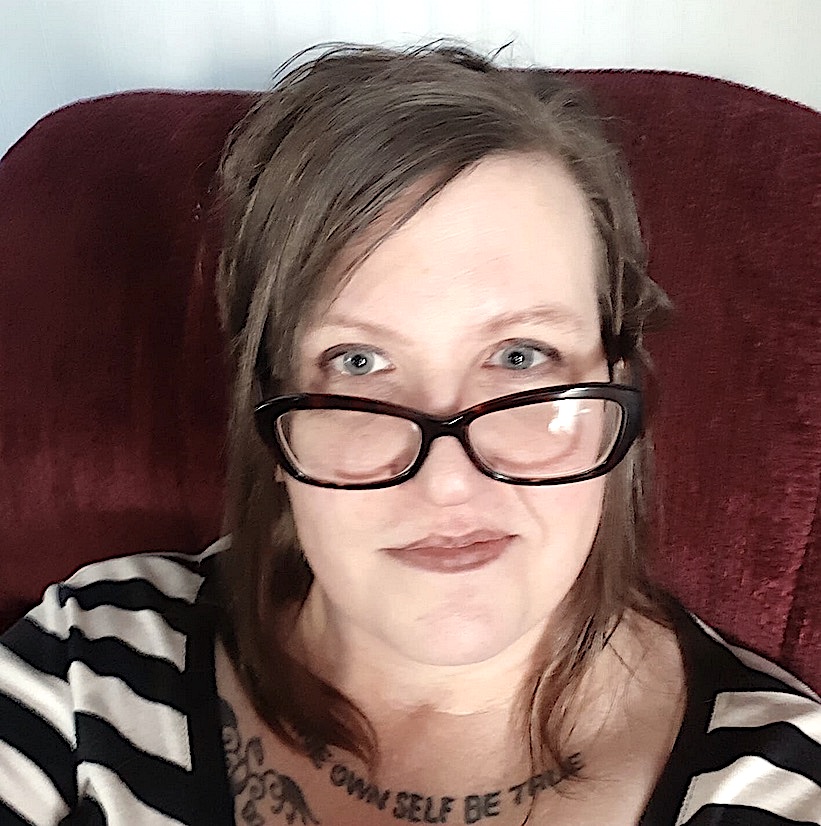
Sandee Rodriguez

  1. Where do you live? (city and/or state and/or country) Email (optional)

Ypsilanti, Michigan, USA

  1. On what date did you have your brain injury? At what age?

January 4, 1995     I was 24.

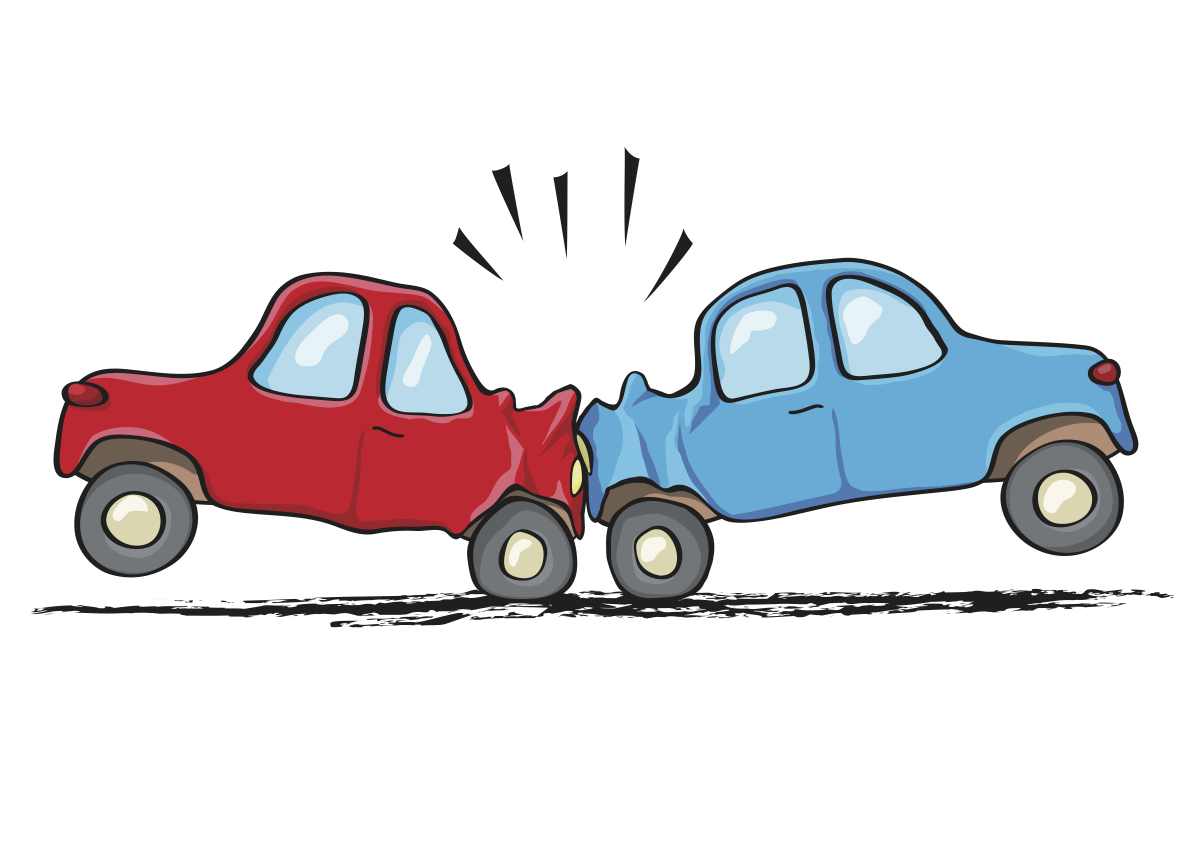
  1. How did your brain injury occur?car accident R-2

Nasty car accident

  1. When did you (or someone) first realize you had a problem?

Immediately. I was unconscious and paralyzed.

  1. What kind of emergency treatment, if any, did you have?

I was airlifted to the hospital of the University of Michigan.

  1. Were you in a coma? If so, how long?

Yes. Two weeks.

  1. Did you do rehab? What kind of rehab (i.e., inpatient or outpatient and occupational and/or physical and/or speech and/or other)? How long were you in rehab?

I was in outpatient rehab for seven hours a day at Med Rehab in Ann Arbor, Michigan. I had physical, occupational, speech, talk, and recreational therapies. I also had retrograde amnesia. (At 24, I woke up with my past erased.)

Erased Memory

  1. What problems or disabilities, if any, resulted from your brain injury
(e.g., balance, perception, personality, etc.)?

I had problems with all of the examples listed.

  1. How has your life changed? Is it better? Is it worse?

This question has no easy or short answer.

  1. What do you miss the most from your pre-brain-injury life?

My pre-injury life is still a blank mostly.

  1. What do you enjoy most in your post-brain-injury life?

I appreciate the experiences I may not have had if my TBI (traumatic brain injury) had never happened. It’s different every day.

  1. What do you like least about your brain injury?

Having it. It stopped the life I was creating at a time people become fully realized adults. 

  1. Has anything helped you to accept your brain injury?

I have been helped by my family and by the tenacity I have.

  1. Has your injury affected your home life and relationships and, if so, how?

Other people have had issues with my brain injury. Those people are no longer in my life.

  1. Has your social life been altered or changed and, if so, how?

I have no active social life.

  1. Who is your main caregiver? Do you understand what it takes to be a caregiver?

I am my own caregiver. My husband helps with what I ask. My mom and stepdad and my aunt were my caregivers in the beginning.

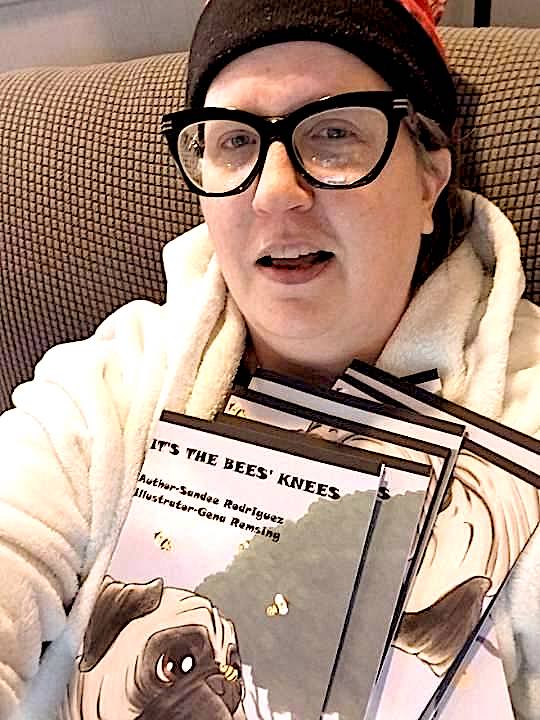
  1. What are your plans? What do you expect/hope to be doing ten years from now?Sandee Rodriguez & Book_n

The musical I wrote about my life with a TBI will be on Broadway by then.

  1. Are you able to provide a helpful hint that may have taken you a long time to learn, but which you wished you had known earlier? If so, please state what it is to potentially help other survivors with your specific kind of brain injury.

(I don’t understand this question due to some aphasia I have now.)

  1. What advice would you offer to other brain-injury survivors? Do you have any other comments that you would like to add?

Carpe diem (seize the day) and be easy on yourself. Meet one challenge at a time.

Get Your Copy Now

Read It!               Review It!

Click Links under Book

PAPERBACK!        Read it Now!                             

e-BOOK!      Read it Now!

Clip Art compliments of Bing.)

(Photos compliments of contributor.)

As I say after each post:

Please leave a comment by clicking the blue words “Leave a Comment” below this post.

Feel free to follow my blog. Click on “Follow” on the upper right sidebar.

If you like my blog, share it intact with your friends. It’s easy! Click the “Share” buttons below.


Survivors SPEAK OUT! Rob Baugh

1. What is your name? (last name optional)

Rob Baugh

2. Where do you live? (city and/or state and/or country) Email (optional)

Home: Clarksville, Indiana, USA     Email: Rob.Baugh@outlook.com  

3. On what date did you have your brain injury? At what age?

Date: July 21, 2020     Age: 45

4. How did your brain injury occur?

I knocked myself out opening a screen door. I suffered a 3-inch laceration to my skull, which required five stitches.

5. When did you (or someone) first realize you had a problem?

Immediately. The after-effects began right away, and we knew I needed medical treatment.

6. What kind of emergency treatment, if any, did you have?

I went to the Emergency Room of the hospital. They put five staples into my head and did a CAT scan (CT or CAT = computed tomography) and X-rays.

7. Were you in a coma? If so, how long?

No

8. Did you do rehab? What kind of rehab (i.e., inpatient or outpatient and occupational and/or physical and/or speech and/or other)? How long were you in rehab?

I did speech and cognitive (outpatient) therapies.

9. What problems or disabilities, if any, resulted from your brain injury
(e.g., balance, perception, personality, etc.)?

I have personality changes. (I don’t pick up on sarcasm very well.) I have had a headache since the day I hit my head, and it never goes away. I also have anxiety, depression, memory issues, and stress.

10. How has your life changed? Is it better? Is it worse?

In some ways, my life is better, but it’s also worse. I have become more of a home-body. I don’t like loud noises and crowds. So being at home is my safe place. I still mourn my old self. But I have also made so many friends since my brain injury that it is kind of a blessing in that fact.

11. What do you miss the most from your pre-brain-injury life?

I used to sing and play piano at church, but I can’t do that anymore because of the stress of being in front of people.

12. What do you enjoy most in your post-brain-injury life?

I enjoy doing the brain-injury podcast that I started to help spread awareness and give a platform to other survivors to use to tell their stories.

13. What do you like least about your brain injury?

I dislike my constant pain and my memory issues. 

14. Has anything helped you to accept your brain injury?

I think being in a brain-injury support group and learning that I am not alone in this journey have helped me the most.

15. Has your injury affected your home life and relationships and, if so, how?

My brain injury has caused more stress on my wife. She misses the old me, and she does have to carry much more of the load than she should have to. She doesn’t complain about having to do more, but I know it has to be very stressful for her.

16. Has your social life been altered or changed and, if so, how?

Yes, it has. I don’t do a lot of things outside my home. I don’t visit people like I want to or get to do things that involve big crowds.

17. Who is your main caregiver? Do you understand what it takes to be a caregiver?

My wife and I do understand what it takes. I call all caregivers “unsung heroes.”

18. What are your plans? What do you expect/hope to be doing ten years from now?

I hope in ten years that I will have grown my platform so big that everyone who hears my name will think “brain injury” and will know what a brain injury is. I am a big advocate for survivors, and I want to educate as many people as I can.

19. Are you able to provide a helpful hint that may have taken you a long time to learn, but which you wished you had known earlier? If so, please state what it is to potentially help other survivors with your specific kind of brain injury.

What I wish I would have done from day one is to get myself into a support group. My having a support group has helped me so much. It took me almost three years to join one. I felt like I was too weak to be joining a support group, but being part of a support group is totally necessary for survivors – and caregivers as well.

20. What advice would you offer to other brain-injury survivors? Do you have any other comments that you would like to add?

Surround yourself with positive people. Understand that the people you felt like you could count on when life gets tough will more than likely disappoint you. Don’t give into that or feel bad for relationships lost. You cannot heal if you are swimming in a toxic negative environment. 

 *****

Get Your Copy Now!

51r7mht63el._sx332_bo1204203200_-1

             Read It!                Listen to It!              Review It!

Click Links under Book

 PAPERBACK!   Read it Now!    

e-BOOK!   Read it Now!  

AUDIO BOOK Listen to it Now!

                                                               Stay Safe and Healthy!

Clip Art compliments of Bing.)

(Photos compliments of contributor.)

As I say after each post:

Please leave a comment by clicking the blue words “Leave a Comment” below this post.

Feel free to follow my blog. Click on “Follow” on the upper right sidebar.

If you like my blog, share it intact with your friends. It’s easy! Click the “Share” buttons below
Read All About It! . . . . . . . Prisoners without Bars: A Caregiver’s Tale

Read All About It!

Prisoners without Bars: A Caregiver’s Tale

presented by 

Donna O’Donnell Figurski – author

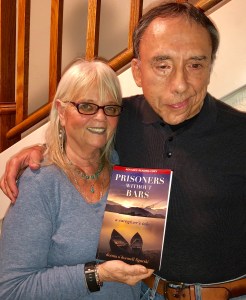
Donna & David with ARC of Prisoners without Bars: A Caregiver’s Tale

My memoir, Prisoners without Bars: A Caregiver’s Tale, is not only a story of David’s and my struggles after his traumatic brain injury, but it is also a love story. Though my memoir addresses a dire topic, it is peppered with comedic situations. They say laughter is the best medicine, and again, they are right.

Prisoners without Bars is a heart-wrenching memoir that will make you laugh, cry, and G-A-S-P. I promise!

Boy Laughing

Girl Crying girl-crying-clipart-34

Girl Gasping 2

It’s not a beach read, but it reads like one. It’s fast! It’s easy! It’s fascineasy. I mean fascinating.

What Readers are Saying!

Jackie said – “A beautiful and touching story.”

Anonymous Amazon Customer said – “I loved this book. almost couldn’t put it down.

jlgwriter said – “I found the story powerful and compelling.

Todd & Kim said – “This is such an inspirational story of survival! The book is a very easy read and informative as well as inspiring!!”

Judy said – “Donna O’Donnell Figurski tells her story of grace, love, frustration, anger, disappointment, strength, joy, and above all hope.”

Marge said – “I read it in one fell swoop… I guess the word that would describe your book, your life, and who you are is SUPERCALIFRAGILISTICEXPIALIDOCIOIUS.”

Anonymous said – “This book pulled me in immediately and didn’t let me go until the end! ”

Helen said – “Could not put this book down. Written for easy reading. It was like having a conversation with a friend.” “I finished it in one day with some teary moments along with some chuckles. A must read!!”

Get Your Copy Now

Read It!               Review It!

Click Links under Book

51R7Mht63EL._SX332_BO1,204,203,200_

PAPERBACK!        Read it Now!                              e-BOOK!      Read it Now!

Stay Safe and Healthy!

Clip Art compliments of Bing.)

(Photos compliments of contributor.)

As I say after each post:

Please leave a comment by clicking the blue words “Leave a Comment” below this post.

Feel free to follow my blog. Click on “Follow” on the upper right sidebar.anim0014-1_e0-1

If you like my blog, share it intact with your friends. It’s easy! Click the “Share” buttons below.

Caregivers SPEAK OUT! . . . Norma Myers ~ Author, Advocate, & Mom

Caregivers SPEAK OUT! Norma Myers ~ Author, Advocate, & Mom

presented by

Donna O’Donnell Figurski

Norma Myers Caregiver

1. What is your name? (last name optional)

Norma Myers

2. Where do you live? (city and/or state and/or country) Email? (optional)

Salem, Virginia, USA

3. What is the brain-injury survivor’s relationship to you? How old was the survivor when he/she had the brain injury? What caused your survivor’s brain injury?

Steven was 22 years old. He was involved in a car crash with his brother Aaron. Aaron didn’t survive the accident. Aaron was 26 years old

4. On what date did you begin care for your brain-injury survivor?

August 13, 2012

Were you the main caregiver?

I resigned from my career with Advance Auto and went to Shepherd Center in Atlanta, Georgia, with Steven, but I had complete support from my husband, Carlan. He drove back and forth from Salem to Atlanta to provide support.

Are you now?

Steven lives independently.

How old were you when you began care?

47 years old

5. Were you caring for anyone else at that time (e.g., children, parents, etc.)?

No

6. Were you employed at the time of your survivor’s brain injury? If so, were you able to continue working?

I was employed, but we choose for me to resign so that I could be Steven’s primary caregiver. I returned to the workforce 2.5 years ago – big accomplishment!

7. Did you have any help? If so, what kind and for how long?

I had my husband’s support. We also had offers of help from family and friends. We also received financial support from family and friends through fundraisers.

8. When did your support of the survivor begin (e.g., immediately – in the hospital; when the survivor returned home; etc.)?

Steven was at Carilion Roanoke Memorial Hospital for a month before being transported to Shepherd Center in Atlanta, Georgia.

9. Was your survivor in a coma? If so, what did you do during that time?

Steven was in a medically induced coma. He had a craniectomy (actually, the first of two). (A craniectomy is the surgical removal of a portion of the skull.) We sat by his bedside, and we also planned a life-celebration for his brother Aaron.

10. Did your survivor have rehab? If so, what kind of rehab (i.e., inpatient and/or outpatient and occupational, physical, speech, and/or other)? How long was the rehab? Where were you when your survivor was getting therapy?

Steven received every discipline of therapy available at the Shepherd Center and when he returned home to Virginia. We spent two months at the Shepherd Center for Rehab –

one month, inpatient; second month, outpatient. I spent time learning everything possible about Steven’s rehab needs for when we returned home.

11. What problems or disabilities of your brain-injury survivor required your care, if any?

Getting Steven to his appointments. Making sure we stayed on top of every available resource, including grants, gifts, and programs that would help Steven with his recovery.

12. How has your life changed since you became a caregiver? Is it better? Is it worse?

That is a loaded question. It has changed in many ways, such as I feel like I was there for Steven when he needed me, which I am thankful I was able to do so. We have experienced “firsts” all over again, such as waiting for Steven to speak his first word, to take his first step, and to become independent all over again. It has made me a stronger person because not only have I experienced the death of my first-born son, but I have also experienced what it’s like to watch my other son learn how to do life all over again.

13. What do you miss the most from pre-brain-injury life?

Witnessing my sons’ enjoying being brothers. I miss being a mother to both of my sons. I also think about what Aaron’s life would look like at every stage of his life if he had survived and what Steven’s life would look like without a traumatic brain injury (Ambiguous Loss).

14. What do you enjoy most in post-brain-injury life?

Celebrating Steven’s victories in life. Helping other families navigate through their journey of TBI (traumatic brain injury).

15. What do you like least about brain injury?

There is no cure, and it’s an invisible disease. I also wish that when people are curious about what happened to Steven, they would ask instead of stare … Steven is fully comfortable in discussing his accident.

16. Has anything helped you to accept your survivor’s brain injury?

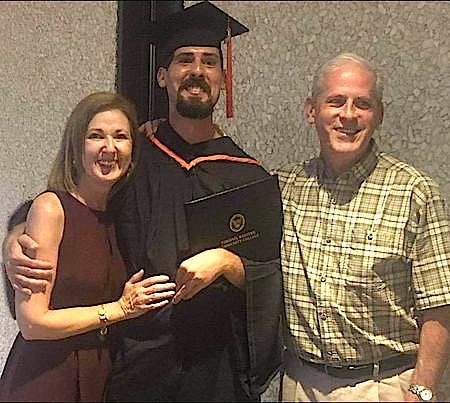
13 NORMA MYERS , Steven, Dad Graduation

Steven’s motto helps me put things into perspective … ”Deficits do not define him.” He is an overcomer.

17. Has your survivor’s injury affected your home life and relationships and, if so, how?

We rearrange life to be available to Steven should he need us if he has a seizure. Currently, with no license due to seizures, we make sure he is where he needs to be all while balancing our careers. We make it work as a family!

18. Has your social life been altered or changed and, if so, how?

Of course! As parents, we will always put our son’s needs first.

19. What are your plans? What do you expect/hope to be doing ten years from now?

I have no idea! We can only take one day – actually one minute – at a time, always trying to better ourselves and be thankful that, while this journey isn’t what we planned for our lives, it’s what God gave us. And we will do the very best we can day by day to honor Him.

20. What advice would you offer other caregivers of brain-injury survivors? Do you have any other comments that you would like to add?

tenor

Every brain injury is different, so please don’t do the comparison game. Take one day at a time. Tap into every resource available to you, and, trust me, there are so many out there. You are not alone – there is no shame in asking for help! I will do anything for my fellow brain injury survivors and their families. I am here to offer a word of encouragement through my blogs and volunteer work. Don’t give up!

Get Your Copy Now!

             Read It!                Listen to It!              Review It!

Click Links under Book

 PAPERBACK!   Read it Now!    

e-BOOK!   Read it Now!  

  AUDIO BOOK Listen to it Now!

Stay Safe and Healthy!

Clip Art compliments of Bing.)

(Photos compliments of contributor.)

As I say after each post:

Please leave a comment by clicking the blue words “Leave a Comment” below this post.

anim0014-1_e0-1

Feel free to follow my blog. Click on “Follow” on the upper right sidebar.

If you like my blog, share it intact with your friends. It’s easy! Click the “Share” buttons below.

Caregivers SPEAK OUT! . . . . Jenifer Fallert

Caregivers SPEAK OUT! Jenifer Fallert

presented by

Donna O’Donnell Figurski

  1. Jenifer Fallert CaregiverWhat is your name? (last name optional)

Jenifer Fallert

  1. Where do you live? (city and/or state and/or country) Email? (optional)

Lake Saint Louis, Missouri, USA

  1. What is the brain-injury survivor’s relationship to you? How old was the survivor when he/she had the brain injury? What caused your survivor’s brain injury?

My brain injury survivor is my daughter, Jordan. She was one month away from her 24th birthday when she was struck by another car as she drove home from work.

  1. On what date did you begin care for your brain-injury survivor? Were you the main caregiver? Are you now? How old were you when you began care?Jordan Fallert

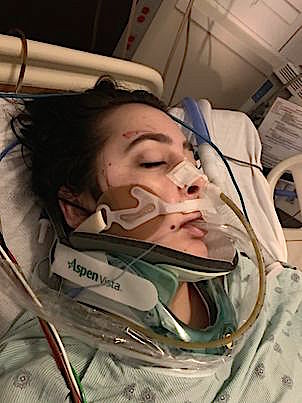
Jordan was in the ICU (intensive care unit) for about 25 days before she was transferred to a regular floor. Thirty days after her accident, she was transferred by ambulance to another hospital (Madonna Rehabilitation Hospital) in Lincoln, Nebraska. Jordan was at Madonna until June 25. She was then discharged to home care. I was Jordan’s only visitor, along with her nurses who cared for her from the time of her admission. Even in the ICU, nurses aren’t able to attend to every need, so I did as much for Jordan as I could. I am Jordan’s primary caregiver, but my role has changed to more of an advisor. I was 47 at the time of Jordan’s accident.

  1. Were you caring for anyone else at that time (e.g., children, parents, etc.)?Young Teenagers Colorful Casual Clothes

I had two other teenage children whom I was caring for at the time of Jordan’s accident.

  1. Were you employed at the time of your survivor’s brain injury? If so, were you able to continue working?

I was employed as the Director of Operations for a preschool at the time of Jordan’s accident. I took a six-month leave and worked part-time before deciding to stay home with Jordan full-time.

  1. Did you have any help? If so, what kind and for how long?

Jordan was injured during COVID, so most of the time that she was in the hospital or rehab, I was the only one helping her.

  1. When did your support of the survivor begin (e.g., immediately – in the hospital; when the survivor returned home; etc.)?

I provided as much care for Jordan as I possibly could. I started immediately after the accident.

  1. Was your survivor in a coma? If so, what did you do during that time?

Jordan was in a coma for about 14 days and minimally conscious for about another month. While Jordan was in a coma or in her minimally conscious state, I did as much as I could to care for her. I read or crocheted a little to pass the time in the hospital and rehab. I was also dealing with insurance companies and the legal entities involved.

  1. Did your survivor have rehab? If so, what kind of rehab (i.e., inpatient and/or outpatient and occupational, physical, speech, and/or other)? How long was the rehab? Where were you when your survivor was getting therapy?

Jordan received inpatient rehab at Madonna Rehabilitation Hospital in Lincoln, Nebraska. She received physical, occupational, speech, and recreational therapies. She also did intensive outpatient therapy at Madonna for another six weeks before coming back home and doing outpatient therapy at SSM Rehab in Lake Saint Louis, Missouri. I moved to Nebraska and lived in a home for caregivers on the grounds of the rehab facility. Once Jordan was released to outpatient therapy, she lived with me in Nebraska until we came home.

  1. What problems or disabilities of your brain-injury survivor required your care, if any?

R-4When Jordan first came home from rehab, she required help with most of her ADLs (Activities of Daily Living). As time has gone on, she has been able to perform most of her ADLs on her own. She has short-term memory loss, so my role is helping to make sure that she remembers things and stays safe.
  1. How has your life changed since you became a caregiver? Is it better? Is it worse?

My life has changed a lot since I have become Jordan’s caregiver. I no longer work, and I spend most of my time with her at home. The thing is that I wouldn’t have it any other way. I have always loved being with Jordan and spending time with her. My greatest joy is being a mother to all my daughters. I’ve gotten to help raise Jordan twice, and that is quite the gift!

  1. What do you miss the most from pre-brain-injury life?

I miss the daughter whom I knew for 23 years, the relationship Jordan had with her sisters, and the innocence that we all had – the blissful unawareness that most people have that tragedy can strike at a moment’s notice.

  1. What do you enjoy most in post-brain-injury life?

I enjoy getting to spend so much time with Jordan and helping her grow into the wonderful person that she is.

  1. What do you like least about brain injury?

The emotional and cognitive side of brain injury can be very draining and hard on family relationships.

  1. Has anything helped you to accept your survivor’s brain injury?

No answer

  1. Has your survivor’s injury affected your home life and relationships and, if so, how?

Jordan’s accident, the legal trial, and COVID have had profound impacts on our family. (The other driver in Jordan’s accident was charged with second degree assault. He was driving 79 mph in a 45-mph zone and had a history of aggressive driving. I can’t describe how that feels. His act of violence on an innocent human will reverberate through our lives forever.)Jordan Fallert Survivor

  1. Has your social life been altered or changed and, if so, how?

We spend more time at home now. Social settings are hard on Jordan’s ability to communicate effectively, which makes her feel very frustrated.

  1. What are your plans? What do you expect/hope to be doing ten years from now?

I don’t know what I hope to be doing in ten years. Even though it’s been over a year since Jordan’s brain injury, we are still in the early stages. I hope she is more healed.

  1. What advice would you offer other caregivers of brain-injury survivors? Do you have any other comments that you would like to add? 

When Jordan was in the hospital, the doctors and nurses would tell me that this is not a sprint; it’s a marathon. That is the truest statement. It takes years and years to heal from a brain injury. Time and patience are key.

Get Your Copy Now!

             Read It!                Listen to It!              Review It!

Click Links under Book

  PAPERBACK!   Read it Now!    

                                                  e-BOOK!   Read it Now!  

                                                                                       AUDIO BOOK Listen to it Now!

Stay Safe and Healthy!

Clip Art compliments of Bing.)

(Photos compliments of contributor.)

As I say after each post:

Please leave a comment by clicking the blue words “Leave a Comment” below this post.

anim0014-1_e0-1

Feel free to follow my blog. Click on “Follow” on the upper right sidebar.

If you like my blog, share it intact with your friends. It’s easy! Click the “Share” buttons below.

Advertisements


Survivors SPEAK OUT! . . . . . . . Bill Gasiamis Stroke Survivor & Podcaster

Survivors SPEAK OUT!     Bill Gasiamis

Stroke Survivor & Podcaster

by

Donna O’Donnell Figurski

Bill Gasiamis

1. What is your name? (last name optional)

Bill Gasiamis

2. Where do you live? (city and/or state and/or country) Email (optional)

Melbourne, Australia

3. On what date did you have your brain injury? At what age?

My stroke happened on February 12, 2012. I was 37.

4. How did your brain injury occur?

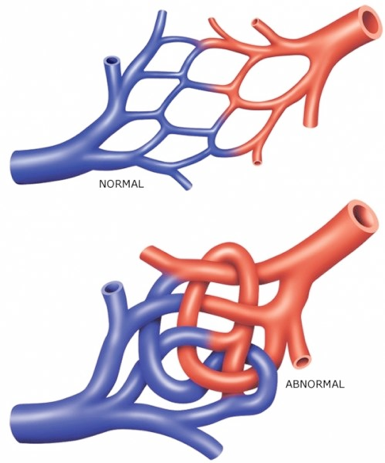
It was caused by bleeding of an AVM (arteriovenous malformation).avm-clipart-1

5. When did you (or someone) first realize you had a problem?

It was seven days before I took any action about it.

6. What kind of emergency treatment, if any, did you have?

I was in hospital for seven days. After six weeks at home, my brain bled again (March). It bled again in November 2014, and then I had surgery.

7. Were you in a coma? If so, how long?

No

8. Did you do rehab? What kind of rehab (i.e., inpatient or outpatient and occupational and/or physical and/or speech and/or other)? How long were you in rehab?

I had inpatient rehab for one month and out-patient rehab for six months. I had to learn to use my left side again and learn how to walk.

9. What problems or disabilities, if any, resulted from your brain injury
(e.g., balance, perception, personality, etc.)?

I have numbness on my left side. Fatigue is a problem. I have minor balance issues when I am tired.

10. How has your life changed? Is it better? Is it worse?

Life is better. It’s more complicated because of what happened but my personal growth has been huge.

11. What do you miss the most from your pre-brain-injury life?

I miss playing running-sports, like soccer.R-2

12. What do you enjoy most in your post-brain-injury life?

I have a new appreciation for working on things that are hard and take a long time to complete.

13. What do you like least about your brain injury?

Sometimes, I wish I had more energy.

14. Has anything helped you to accept your brain injury?

I was helped by lots of counselling.

15. Has your injury affected your home life and relationships and, if so, how?

It has, but for the better. By my own standards, I am a better person than I used to be.

16. Has your social life been altered or changed and, if so, how?

No

17. Who is your main caregiver? Do you understand what it takes to be a caregiver?

I don’t have one. (I am my own caregiver.)

03 BILL GASIAMIS mage-1024x998-118. What are your plans? What do you expect/hope to be doing ten years from now?

I intend to continue to interview stroke survivors on my podcast, to speak on stroke-related topics, and to write books on stroke recovery.

19. Are you able to provide a helpful hint that may have taken you a long time to learn, but which you wished you had known earlier? If so, please state what it is to potentially help other survivors with your specific kind of brain injury.

Survivors need to understand that emotional recovery is a very important part of recovery. It is often overlooked. Emotional recovery supports both the physical and mental aspects of a survivor’s recovery.

R20. What advice would you offer to other brain-injury survivors? Do you have any other comments that you would like to add?
Take responsibility for your own recovery, and learn to put your energy into solutions instead of focusing on the problem.

Get Your Copy Now!

             Read It!                Listen to It!              Review It!


Click Links under Book

  PAPERBACK!   Read it Now!    

                                                  e-BOOK!   Read it Now!  

                                                                                       AUDIO BOOK Listen to it Now!

Stay Safe and Healthy!

Clip Art compliments of Bing.)

(Photos compliments of contributor.)

As I say after each post:

Please leave a comment by clicking the blue words “Leave a Comment” below this post.

anim0014-1_e0-1

Feel free to follow my blog. Click on “Follow” on the upper right sidebar.

If you like my blog, share it intact with your friends. It’s easy! Click the “Share” buttons below.


Survivors SPEAK OUT! Casey Chaffey – Living and Dealing with Chronic Pain

Survivors SPEAK OUT!     Casey Chaffey

Living and Dealing with Chronic Pain

by

Donna O’Donnell Figurski

Casey Chaffey 1

1. What is your name? (last name optional)

Casey Chaffey

2. Where do you live? (city and/or state and/or country) Email (optional)

Kentucky, USA     iluvtkj@yahoo.com

3. On what date did you have your brain injury? At what age?

In 1998, at the age of 22, migraines had become a part of my life.

4. How did your brain injury occur?

Besides the severe head-throbbing, the migraines were often accompanied by nausea, vomiting, extreme sensitivity to light and sound, mental confusion, and more. I gave up caffeine (including chocolate), dairy, and gluten to try to reduce as much inflammation as possible. After being passed from doctor to doctor, I was diagnosed with a vestibular imbalance. That did not improve, even with almost a year of physical therapy, and it became the scapegoat for all of my symptoms.

A few years later, the pain changed from an unwelcome visitor to a permanent resident. Even on my migraine-free days, I still had a persistent headache. Dizziness, blurred vision, fatigue, and constant light-sensitivity decided to join the party as well. Fifteen years after my migraines first started, I was spending about five days a week in bed, and prescription medication was required for me to complete simple daily activities. Finally, after trying more than eighteen different prescriptions and seeing ten different doctors, I had a diagnosis. A fairly large cyst had been growing in the middle of my brain and putting pressure on my optic nerve, which is what caused the vision issues.Migraine

When I was 38 years old, a neurosurgeon removed the cyst. Recovery was not easy or quick. I had double vision for more than four weeks. My brain felt exhausted all the time, and I could not look at any screens (TV, phone, or computer). I had a panic attack for the first time in my life. I had to rest a lot. And my hypothalamus was damaged.

However, the moment I woke up from surgery, my constant headache was gone. I no longer felt and heard my pulse in my head. I went from migraines five days a week to six or seven days a month. My dizzy spells rarely show their unwelcome face anymore. I still have limitations and light-sensitivity, and I am always in some level of pain. My blurry vision will occasionally return, and an MRI (magnetic resonance imaging) in 2019 showed evidence of a small stroke at some point. In spite of that, I am thankful for how far I’ve come.

5. When did you (or someone) first realize you had a problem?

See above.

6. What kind of emergency treatment, if any, did you have?

I’ve had treatments, but I didn’t go to the Emergency Room of a hospital.

There are two types of brain injury. Traumatic brain injury is caused by an external force, like a blow to the head or an object passing through the skull. A non-traumatic brain injury is caused by internal factors, such as a lack of oxygen or pressure from a tumor. I had both a cyst that put pressure on my brain for many years (non-traumatic). Surgical tools that were used to get to the center of my brain to remove the cyst (traumatic).

7. Were you in a coma? If so, how long?

No

8. Did you do rehab? What kind of rehab (i.e., inpatient or outpatient and occupational and/or physical and/or speech and/or other)? How long were you in rehab?

I did not do any clinical rehab. My husband helped me go for walks, even when I didn’t want to. We started by just going to the end of our short driveway and back. We slowly worked our way up to crossing the street and then circling our small cul-de-sac. When we decided to attempt a loop at the park, I eventually made it. As I continued to push through, the distances grew.

When I was one day shy of being three-months post-op, I stood at the starting line of a half marathon in Nashville, Tennessee. I obviously could not run, but it was possible to walk 13.1 miles in the four-hour time limit, so I was going to try. It was one of the most difficult things I have done, but I crossed the finish line just under the wire.narathon

9. What problems or disabilities, if any, resulted from your brain injury
(e.g., balance, perception, personality, etc.)?

Looking at computer and phone screens for extended periods of time increases my migraines. I still have to rest more than healthy people, and my vision will get blurry if I do not rest in time. Socializing exhausts me, and I often spend the next day in bed with a migraine. Since my hypothalamus was compromised during surgery, I experience frequent hot and cold flashes. (The hypothalamus helps regulate the body’s core temperature.) I get overheated and feel like I cannot breathe, but when I take just my socks or sweatshirt off, I can start shivering and feel chilled to the bone within a minute or two. I used to love the heat of summer, but now it makes me sick if I spend much time in it.

10. How has your life changed? Is it better? Is it worse?

My life is immensely better than it was the few years before my surgery. At that point, I wasn’t really living; I was simply existing. I have been able to offer advice and encouragement to others who were going to undergo brain surgery. Without my experiences, I would not have had those opportunities. I also recently published a book called 30 Days to Understanding Chronic Illness and Pain.Casey Chaffey 2

11. What do you miss the most from your pre-brain-injury life?

Besides just feeling healthy, I used to be active and fit. Working out gave me an energy boost and made me feel better, like it is supposed to. Now, I still try to exercise and I love hiking, but those things exhaust me. I often have to nap right afterward, and physical exertion can make my head hurt and feel foggy.

12. What do you enjoy most in your post-brain-injury life?

Besides my brain injury, I have other chronic illnesses. I believe that if I want people to understand, then it is my job to teach them (with patience and kindness). Of course, not everyone is willing to listen; but if I do not at least try, then I am not even giving them the opportunity. Navigating through the limitations and suffering can be discouraging. In addition to the symptoms themselves, the stigmas and misconceptions may seem insurmountable. My goal for my book is for it to be an easy and informal read that covers a wide range of topics, including invisible illnesses, cost, guilt and loneliness, fatigue, brain fog, pacing, prevalence, and more. My hope is that it will help me help healthy people gain a better understanding of what life with chronic illness and pain is really like, while also offering support and encouragement to those who are struggling. 

13. What do you like least about your brain injury?

See above.

14. Has anything helped you to accept your brain injury?

No answer

15. Has your injury affected your home life and relationships and, if so, how?

No answer

16. Has your social life been altered or changed and, if so, how?

See above.

17. Who is your main caregiver? Do you understand what it takes to be a caregiver?

No answer

18. What are your plans? What do you expect/hope to be doing ten years from now?

See above.

19. Are you able to provide a helpful hint that may have taken you a long time to learn, but which you wished you had known earlier? If so, please state what it is to potentially help other survivors with your specific kind of brain injury.

this little girl has something to say

I wish I would not have stayed silent about my struggles for so long. I used to avoid talking about my pain and the journey that I was on. I do not like to complain, and I know that everyone has challenges in life. But as I slowly began to open up, people came out of the shadows. I realized that I was not alone in feeling alone and that others were going through the same or similar things. When we keep our suffering to ourselves, it can steal our entire focus and limit outside interests and distractions. This can lead to feelings of hopelessness, resentment, or loneliness. There is no shame in seeking therapy or other support to help you develop coping skills. While you may not be able to control the pain or limitations themselves, you can take control of how you deal with them. 

20. What advice would you offer to other brain-injury survivors? Do you have any other comments that you would like to add?

Rest is not laziness, and pacing is vital. We live in such a fast-paced world, and there is always so much to do. One of the hardest lessons to learn is to slow down because you cannot do everything that you used to. It is easy to feel guilty, lazy, or left out. It is difficult to leave projects unfinished and to stay home when everyone else is out having fun. But once your body informs you that you are overdoing it, you need to rest and stop comparing yourself to others. When you rest because your body is weak, you are not wasting time doing nothing. You are doing exactly what you need to do. You are recovering.

Get Your Copy Now!

             Read It!                Listen to It!              Review It!               


Click Links under Book

  PAPERBACK!   Read it Now!    

                                                  e-BOOK!   Read it Now!  

                                                                                       AUDIO BOOK Listen to it Now!

Stay Safe and Healthy!

Clip Art compliments of Bing.)

(Photos compliments of contributor.)

As I say after each post:

Please leave a comment by clicking the blue words “Leave a Comment” below this post.

anim0014-1_e0-1

Feel free to follow my blog. Click on “Follow” on the upper right sidebar.

If you like my blog, share it intact with your friends. It’s easy! Click the “Share” buttons below.


Indie Spotlight – Donna O’Donnell Figurski

I am so honored to be featured on Sue Bavey’s website, Sue’s Musings – Indie Spotlight. Sue features authors to take a glimpse into their journey to publication. Each story is different and intriguing. I hope you will find my story interesting and that you will take the time to read my book, PRISONERS WITHOUT BARS: A CAREGIVER’S TALE. I’ve been told it will make you laugh, cry, and G-A-S-P! Please let me know if you did any?

donna o’donnell figurski – author

Prisoners (print) Amazon US Paperback
Prisoners (eBook) Amazon US eBook
Prisoners (audiobook) Amazon Audiobook
Prisoners (print) Barnes and Noble Paperback
Prisoners (eBook) Barnes and Noble eBook
Prisoners (print) IndieBound
Prisoners (eBook) Kobo

Survivors SPEAK OUT! Meghan Beaudry

Survivors SPEAK OUT! Meghan Beaudry

presented by

Donna O’Donnell Figurski

Meghan Beaudry – Brain Injury Survivor

     1. What is your name? (last name optional)

     Meghan Beaudry

     2. Where do you live? (city and/or state and/or country) Email (optional)

     Houston, Texas, USA        meghan_wang@yahoo.com

     3. On what date did you have your brain injury? At what age?

     In 2009, I developed lupus, an autoimmune disease, that turned into brain inflammation. I was      twenty-two. Five years later, in 2014, I had another severe brain inflammation flare in which I forgot both how to walk and much of my past.

4. How did your brain injury occur?

Lupus is an autoimmune disease.

5. When did you (or someone) first realize you had a problem?

I first realized something was wrong when I began to struggle in grad school.

6. What kind of emergency treatment, if any, did you have?

A female Doctor.

A female Doctor.

I had a difficult time getting diagnosed, so I did not receive treatment the first year I was sick. I saw seven doctors before I was diagnosed with lupus. 

7. Were you in a coma? If so, how long?

No.

8. Did you do rehab? What kind of rehab (i.e., inpatient or outpatient and occupational and/or physical and/or speech and/or other)? How long were you in rehab?

No.

9. What problems or disabilities, if any, resulted from your brain injury
(e.g., balance, perception, personality, etc.)?

I have some short-term and long-term memory loss. While I don’t have noticeable balance problems, I have a poor sense of balance for someone my age.

10. How has your life changed? Is it better? Is it worse?

My life has changed in many ways since I’ve survived brain inflammation. In some ways, it has improved. I’m more fearless and confident. Because living with brain injury and lupus takes up so much energy, I have little energy for negative thoughts and people who might hold me back

11. What do you miss the most from your pre-brain-injury life?

I miss being able to memorize information quickly and with little effort.

12. What do you enjoy most in your post-brain-injury life?

I never would have started writing if I hadn’t developed a brain injury. It’s been an honor to be able to share my experience so that others with brain injuries can feel less alone.

13. What do you like least about your brain injury?

I dislike the fatigue that comes with lupus, as well as worrying that I will have a memory slip when speaking, presenting, or performing.

14. Has anything helped you to accept your brain injury?

What has helped me let go of my grief is understanding that, while living with brain injury is not a choice, grief is. I’d rather only live with one chronic condition than with two.

15. Has your injury affected your home life and relationships and, if so, how?

It took a while for my family to accept that my abilities and needs were different after my diagnosis. My second episode of brain inflammation led to my divorce because my husband was emotionally unable to handle it.

16. Has your social life been altered or changed and, if so, how?

I’ve been lucky to know friends who understand my limitations, especially because of the fatigue I experience daily. In many ways, brain inflammation has deepened many of my existing friendships.

17. Who is your main caregiver? Do you understand what it takes to be a caregiver?

When I was very sick and bedridden with the second brain inflammation flare, my mother-in-law moved into my house to take care of me. Her selflessness and positive energy were huge factors in my recovery.

18. What are your plans? What do you expect/hope to be doing ten years from now?

I hope to have published a memoir about my experience.

19. Are you able to provide a helpful hint that may have taken you a long time to learn, but which you wished you had known earlier? If so, please state what it is to potentially help other survivors with your specific kind of brain injury.

I use my phone to help me remember everything. There are so many apps to help you keep track of your life.

20. What advice would you offer to other brain-injury survivors? Do you have any other comments that you would like to add?

Always remember that the lowest point in your injury/life is not the point at which you will stay forever.


Get Your Copy Now

Read It! Review It! Listen to It!


Click Links under Book

PAPERBACK!   Read it Now!     e-BOOK!   Read it Now!

AUDIO BOOK Listen to it Now!

Stay Safe and Healthy!

Clip Art compliments of Bing.)

(Photos compliments of contributor.)

As I say after each post:

Please leave a comment by clicking the blue words “Leave a Comment” below this post.

anim0014-1_e0-1

Feel free to follow my blog. Click on “Follow” on the upper right sidebar.

If you like my blog, share it intact with your friends. It’s easy! Click the “Share” buttons below.


diemodi jewelry

uniquely hand-crafted jewelry by donna

Welcome to Harmony Kent Online

The home of all things books

Pete Springer

Passionate Teacher and Future Children's Author

HOPE TBI

Helping Other People Excel - To Be Independent

For the Love of Books, Old and New

Katie Fischer, Writer and Reader of Stories

Charlie Bown

Children's Author

Jessica Hinrichs

“We write to taste life twice, in the moment and in retrospect.” ― Anais Nin

VIVIAN KIRKFIELD - Writer for Children

Picture Books Help Kids Soar

Mindy’s Writing Wonderland

For authors, parents, teachers & everyone who loves children’s books.

Kaitlyn Leann Sanchez

Literary Agent

Surviving Traumatic Brain Injury

TBI - Survivors, Caregivers, Family, and Friends

The Care Factor

Loving someone with a Traumatic Brain Injury

Brain Injury Support Group of Duluth-Extension

Brain Injury Information and SUPPORT

Brain Aneurysm Global Insight

Brain Aneurysm, cerebral hemorrhaging, hemorrhage stroke