TBI – Survivors, Caregivers, Family, and Friends

Posts tagged ‘“Prisoners Without Bars: A Caregiver’s Tale”’

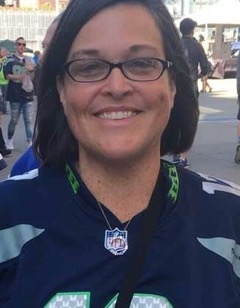
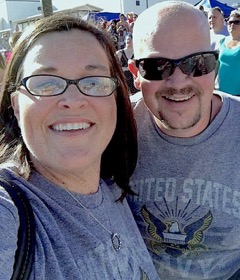
SURVIVORS SPEAK OUT! Sandee Rodriguez


Survivors SPEAK OUT! Sandee Rodriguez

presented by

Donna O’Donnell Figurski


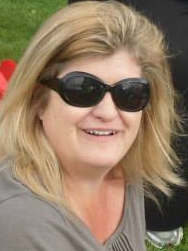
Sandee Rodriguez Survivor 072624

1. What is your name? (last name optional)

Sandee Rodriguez

  1. Where do you live? (city and/or state and/or country) Email (optional)

Ypsilanti, Michigan, USA

  1. On what date did you have your brain injury? At what age?

January 4, 1995     I was 24.

  1. How did your brain injury occur?car accident R-2

Nasty car accident

  1. When did you (or someone) first realize you had a problem?

Immediately. I was unconscious and paralyzed.

  1. What kind of emergency treatment, if any, did you have?

I was airlifted to the hospital of the University of Michigan.

  1. Were you in a coma? If so, how long?

Yes. Two weeks.

  1. Did you do rehab? What kind of rehab (i.e., inpatient or outpatient and occupational and/or physical and/or speech and/or other)? How long were you in rehab?

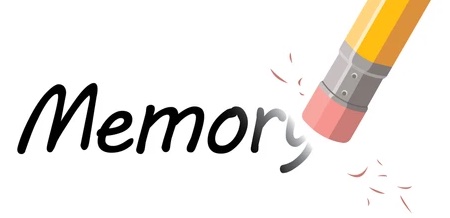
I was in outpatient rehab for seven hours a day at Med Rehab in Ann Arbor, Michigan. I had physical, occupational, speech, talk, and recreational therapies. I also had retrograde amnesia. (At 24, I woke up with my past erased.)

Erased Memory

  1. What problems or disabilities, if any, resulted from your brain injury
(e.g., balance, perception, personality, etc.)?

I had problems with all of the examples listed.

  1. How has your life changed? Is it better? Is it worse?

This question has no easy or short answer.

  1. What do you miss the most from your pre-brain-injury life?

My pre-injury life is still a blank mostly.

  1. What do you enjoy most in your post-brain-injury life?

I appreciate the experiences I may not have had if my TBI (traumatic brain injury) had never happened. It’s different every day.

  1. What do you like least about your brain injury?

Having it. It stopped the life I was creating at a time people become fully realized adults. 

  1. Has anything helped you to accept your brain injury?

I have been helped by my family and by the tenacity I have.

  1. Has your injury affected your home life and relationships and, if so, how?

Other people have had issues with my brain injury. Those people are no longer in my life.

  1. Has your social life been altered or changed and, if so, how?

I have no active social life.

  1. Who is your main caregiver? Do you understand what it takes to be a caregiver?

I am my own caregiver. My husband helps with what I ask. My mom and stepdad and my aunt were my caregivers in the beginning.

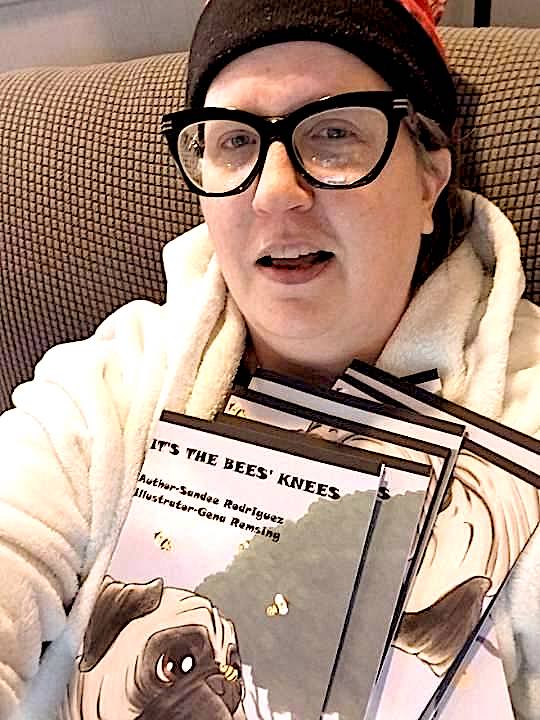
  1. What are your plans? What do you expect/hope to be doing ten years from now?Sandee Rodriguez & Book_n

The musical I wrote about my life with a TBI will be on Broadway by then.

  1. Are you able to provide a helpful hint that may have taken you a long time to learn, but which you wished you had known earlier? If so, please state what it is to potentially help other survivors with your specific kind of brain injury.

(I don’t understand this question due to some aphasia I have now.)

  1. What advice would you offer to other brain-injury survivors? Do you have any other comments that you would like to add?

Carpe diem (seize the day) and be easy on yourself. Meet one challenge at a time.

Get Your Copy Now

Read It!               Review It!

Click Links under Book

PAPERBACK!        Read it Now!                             

e-BOOK!      Read it Now!

Clip Art compliments of Bing.)

(Photos compliments of contributor.)

As I say after each post:

Please leave a comment by clicking the blue words “Leave a Comment” below this post.

Feel free to follow my blog. Click on “Follow” on the upper right sidebar.

If you like my blog, share it intact with your friends. It’s easy! Click the “Share” buttons below.


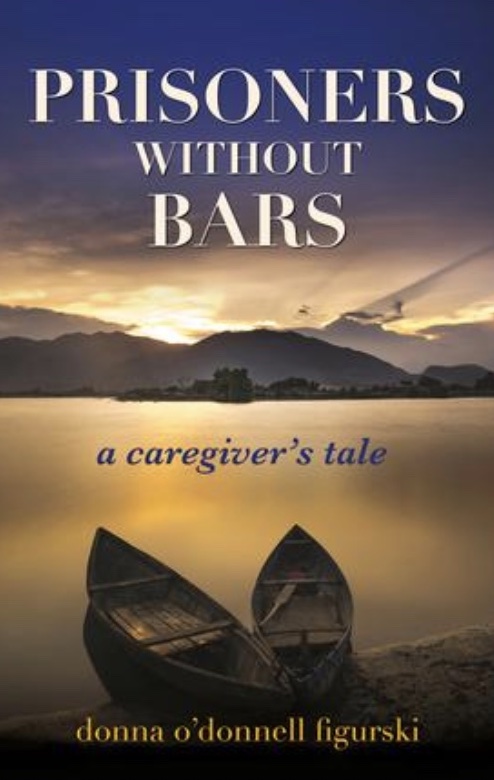
Read All About It! . . . . . . . Prisoners without Bars: A Caregiver’s Tale

Read All About It!

Prisoners without Bars: A Caregiver’s Tale

presented by 

Donna O’Donnell Figurski – author

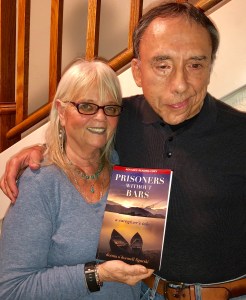
Donna & David with ARC of Prisoners without Bars: A Caregiver’s Tale

My memoir, Prisoners without Bars: A Caregiver’s Tale, is not only a story of David’s and my struggles after his traumatic brain injury, but it is also a love story. Though my memoir addresses a dire topic, it is peppered with comedic situations. They say laughter is the best medicine, and again, they are right.

Prisoners without Bars is a heart-wrenching memoir that will make you laugh, cry, and G-A-S-P. I promise!

Boy Laughing

Girl Crying girl-crying-clipart-34

Girl Gasping 2

It’s not a beach read, but it reads like one. It’s fast! It’s easy! It’s fascineasy. I mean fascinating.

What Readers are Saying!

Jackie said – “A beautiful and touching story.”

Anonymous Amazon Customer said – “I loved this book. almost couldn’t put it down.

jlgwriter said – “I found the story powerful and compelling.

Todd & Kim said – “This is such an inspirational story of survival! The book is a very easy read and informative as well as inspiring!!”

Judy said – “Donna O’Donnell Figurski tells her story of grace, love, frustration, anger, disappointment, strength, joy, and above all hope.”

Marge said – “I read it in one fell swoop… I guess the word that would describe your book, your life, and who you are is SUPERCALIFRAGILISTICEXPIALIDOCIOIUS.”

Anonymous said – “This book pulled me in immediately and didn’t let me go until the end! ”

Helen said – “Could not put this book down. Written for easy reading. It was like having a conversation with a friend.” “I finished it in one day with some teary moments along with some chuckles. A must read!!”

Get Your Copy Now

Read It!               Review It!

Click Links under Book

51R7Mht63EL._SX332_BO1,204,203,200_

PAPERBACK!        Read it Now!                              e-BOOK!      Read it Now!

Stay Safe and Healthy!

Clip Art compliments of Bing.)

(Photos compliments of contributor.)

As I say after each post:

Please leave a comment by clicking the blue words “Leave a Comment” below this post.

Feel free to follow my blog. Click on “Follow” on the upper right sidebar.anim0014-1_e0-1

If you like my blog, share it intact with your friends. It’s easy! Click the “Share” buttons below.

Survivors SPEAK OUT! Simon Limbrick

Survivors SPEAK OUT! Simon Limbrick

by

Donna O’Donnell Figurski
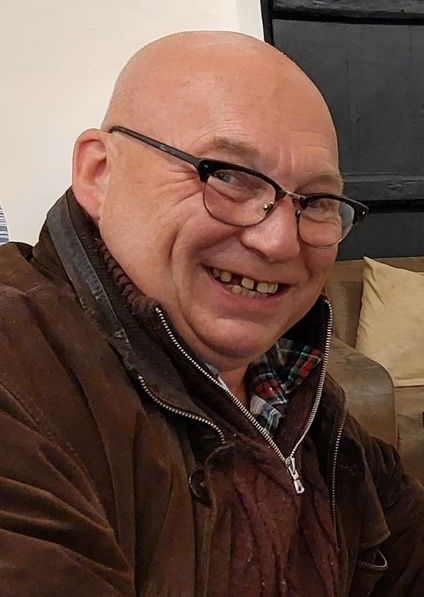

Simon Limbrick 2

1. What is your name? (last name optional)
My name is Simon C. Limbrick.

2. Where do you live? (city and/or state and/or country) Email (optional)
I live in Gloucester, UK.

3. On what date did you have your brain injury? At what age?
My brain injury happened in 1980. I was 15 at the time.

4. How did your brain injury occur?
My brain injury occurred when I was crossing a duel carriageway on my bicycle – something I did safely on hundreds of occasions. R

5. When did you (or someone) first realize you had a problem?
When I emerged from my coma (See my answer below.)

6. What kind of emergency treatment, if any, did you have?
My CT (computerized tomography) scan revealed a massive left temporal hematoma (The left temporal lobe is associated with understanding language, forming speech, and remembering verbal information); an aneurysm deep in the basal ganglia, which may have affected my coordination; and that I’d broken my neck in three places. The hematoma was operated on straight away at my local hospital, Gloucester Royal. They weren’t equipped to deal with the aneurysm, so, as soon as the first operation was completed, I was put into an ambulance and red-lighted 35 miles to Frenchay Hospital in Bristol. When I emerged from a two-week coma, I found I was paralyzed from the neck down. I also had a tracheotomy tube in my throat.

7. Were you in a coma? If so, how long?
Yes – two weeks

8. Did you do rehab? What kind of rehab (i.e., inpatient or outpatient and occupational and/or physical and/or speech and/or other)? How long were you in rehab?
During my five-month stint at Gloucester Royal, I underwent the full raft of therapies: physio, speech, and occupational.

9. What problems or disabilities, if any, resulted from your brain injury
(e.g., balance, perception, personality, etc.)?
I had to relearn how to use my limbs, how to talk, how to dress myself, and how to walk. Although my right side had “come on line” first, walking was something I found very hard to do. Compounded by balance issues, I had a dropped right foot – a trip hazard in itself. I had leg braces made, but these meant I had to learn to walk with a slightly wider gait, as the inner rods and spurs would meet and cause me to stumble.

It was evident early on that I had fixed and dilated pupils. The right eye recovered some time after, but the left eye remained fixed. As the left eyelid gradually opened, double vision was apparent. This caused me to miss the bowl of the toilet a few times until I re-adjusted! My balance was shocking. Even when given a wheelchair later on, I told my hands to release, but the left was slow to react. As a result, I often got my fingers caught in the spokes. I compensated by learning to push with my right arm and steer and pull with my right leg.

My short-term memory and concentration were atrocious. My personality, mainly shy and introverted, now flourished in the attention I was getting from all quarters. My inhibitions quickly diminished in hospital. My personality grew with this new “gift” of disinhibition. Unfortunately, it was a double-edged sword, as I found I often did not engage my brain before putting my mouth into gear. I caused untold damage to myself and much angst to others countless times because of my lack of social inhibitions. There was nobody else to blame for this.

Simon Limbrick 110. How has your life changed? Is it better? Is it worse?
One never fully recovers from this sort of trauma. We learn to cope with it, or not, in our own ways. Me? I have learned the value of laughter – of being able to laugh at myself. How can we justify laughing at others if we cannot laugh at ourselves? In essence, having others laugh with us instead of at us changes our whole outlook on life. It enables us to put things into perspective.

11. What do you miss the most from your pre-brain-injury life?
I missed my youth and fitness, definitely. I miss my dexterity.

12. What do you enjoy most in your post-brain-injury life?
I enjoy my gratitude … my ability to put things into perspective … laughter … love … and the empathy to communicate with others.

13. What do you like least about your brain injury?
I dislike that, because of my brain injury, I’ve hurt people and I’ve made mistakes.

14. Has anything helped you to accept your brain injury?
Even though I cannot remember the incident, accepting my brain injury was key, but it was an accident.

Of all the cars I could have come into contact with that day, the car I collided with turned out to be driven by my dad’s best mate! Both he and two or three other witnesses attested that I caused the collision by pulling out when I did. I was then able to see things in perspective. I realised that the incident was an accident. I finally stopped blaming myself for the hurt I was causing others.

15. Has your injury affected your home life and relationships and, if so, how?
Of course my life and relationships were affected! My personality changed, which my family and friends … and I … found hard to cope with. Two friends – my closest – stuck by me, no matter what – even when their school exams were on. After I left the sheltered environment of the hospital, the severity of my situation dawned on me. Although I had made and continued to make great strides physically, the fact that I could not control my emotions and aspects of my behaviour continued to cause anger, intense frustration, and distress both in myself and in others. This situation went largely unvented and inevitably led to feelings of hopelessness and depression, which in turn led to thoughts of suicide. I’m ashamed to say that I even got uncomfortably close to seriously considering it a few times.

16. Has your social life been altered or changed and, if so, how?
My pre-accident social life was mainly confined to school, friends, and family. The gift/ curse of disinhibition has its pluses and minuses, as I’ve already mentioned. Learning how best to deploy it takes years, and, even after four decades, I can still get it wrong. However, I am a much more confident and outgoing person compared to my younger self. (Perhaps I would have been anyway. I guess I will never know.) Simon Limbrick & Wife 3

17. Who is your main caregiver? Do you understand what it takes to be a caregiver?
I am fully independent and have been living on my own for the past 27 years – though I do need help whenever I am faced with filling out a form.

18. What are your plans? What do you expect/hope to be doing ten years from now?
It may seem somewhat pessimistic, but I tend not to make plans. I have a will, of course, and my kids are looked after, but aside from that, I live day to day – not planning too far ahead.

19. Are you able to provide a helpful hint that may have taken you a long time to learn, but which you wished you had known earlier? If so, please state what it is to potentially help other survivors with your specific kind of brain injury.
Never accept a prognosis. If you do that, you’ve lost 50% of the battle straight away.

To illustrate this point, I can remember my mother telling me I had not been expected to survive the first operation – or the second. “If he does,” the doctors told her, “he will be in a wheelchair for the rest of his life and needing 24-hour care.” I promised her she would have me back just like I was before.

Also, my consultant told me that I had 3rd-nerve damage in my left eye. The result is that I have a lazy left eye. I was told that I would never be able to move it and that I would be blind in that eye eventually. I reminded him that I was not supposed to pull out of my coma and that I should not be making the gains I was achieving. Within the first year, I had achieved slight lateral movement in my left eye. Over the years, it became more pronounced. It took a further 37 years to induce a good measure of vertical movement. My left eye is not yet synced with the right, but maybe it will be over time.

The road to recovery is never complete from this sort of trauma and is fraught with many pitfalls. The trick is to never give up. Win as many of the small battles as you can so you tip the advantage in your favour.

20. What advice would you offer to other brain-injury survivors? Do you have any other comments that you would like to add?
a. NEVER ACCEPT A PROGNOSIS. If you do that, you’ve immediately surrendered 50% of your chances of recovery.
b. DO NOT RELY ON ALCOHOL OR DRUGS TO GET YOU THROUGH. You are stronger than you believe you are. Excepting prescribed medications, mood-altering drugs just anchor you to dependence. You will never discover how strong you really are until you face reality and deal with it in the flesh.
c. DON’T BE AFRAID TO CRY. Realising pent up emotions enables you to carry on.
d. BE COMPASSIONATE IN ALL AREAS OF LIFE. You wouldn’t wish on anybody what you’ve been through.
Life Isn't Fair Re. ACCEPT THAT LIFE ISN’T FAIR. We need emotions to help us learn. Grow towards the light. Don’t become a weed and strangle those next to you. Treat others as you would want to be treated.
f. LEARN TO FORGIVE YOURSELF – AND OTHERS.
g. REALISE THAT YOU ARE NOT PERFECT.
h. REALISE THAT RESPECT, REAL RESPECT, IS BORN NOT OUT OF FEAR, BUT OUT OF COMPASSION. Compassion is a strength, not a weakness.

Get Your Copy Now!

51r7mht63el._sx332_bo1204203200_-1

             Read It!                Listen to It!              Review It!

Click Links under Book

 PAPERBACK!   Read it Now!    

e-BOOK!   Read it Now!  

AUDIO BOOK Listen to it Now!

                                                               Stay Safe and Healthy!

Clip Art compliments of Bing.)

(Photos compliments of contributor.)

As I say after each post:

Please leave a comment by clicking the blue words “Leave a Comment” below this post.

Feel free to follow my blog. Click on “Follow” on the upper right sidebar.

If you like my blog, share it intact with your friends. It’s easy! Click the “Share” buttons below.

Book anim0014-1_e0-1

SO, WHADDYA THINK? . . . . About Faulty Filters After Brain Injury

SO, WHADDYA THINK? . . . . About Faulty Filters After Brain Injury

by

Donna O’Donnell Figurski

so-whaddya-think-brain-th-4

After a brain injury, many survivors may experience an extreme behavioral, emotional, or personality change. This can be a real problem with keeping friendships. For example, a person who was once the life of the party and can no longer party for any number of reasons—overstimulation, for one—is not that fun to be around. Lack of filters can be another problem.

We all use filters to control what comes from our brains and out of our mouths, and we don’t always say exactly what is on our minds for fear of offending someone. However, some survivors have diminished control over their filters and blurt out whatever they are thinking, possibly offending their friends, who then keep their distance. So essentially, the survivor is pushing away friends without really meaning to.

Sometimes anger and resentment, and perhaps perseveration about the injury—nonstop talk about the injury, can alienate friends because the friends just don’t get it. Because brain injury has damaged parts of their brains, brain-injured survivors are usually not the same person they were before their injury. After all, they’ve looked death in the face and pushed it aside.

Whaddya You Think?

Get Your Copy Now

Read It!               Review It!

Click Links under Book

51R7Mht63EL._SX332_BO1,204,203,200_

PAPERBACK!        Read it Now!                             

e-BOOK!      Read it Now!

Audio Book! Read it Now!

Stay Safe and Healthy!

Clip Art compliments of Bing.)

(Photos compliments of contributor.)

As I say after each post:

Please leave a comment by clicking the blue words “Leave a Comment” below this post.

Feel free to follow my blog. Click on “Follow” on the upper right sidebar.anim0014-1_e0-1

If you like my blog, share it intact with your friends. It’s easy! Click the “Share” buttons below.
SO, WHADDYA THINK? . . . . ABOUT INVISIBLE BRAIN INJURY

So, Whaddya Think? About Invisible Brain Injury

by

Donna O’Donnell Figurski

so-whaddya-think-brain-th-4


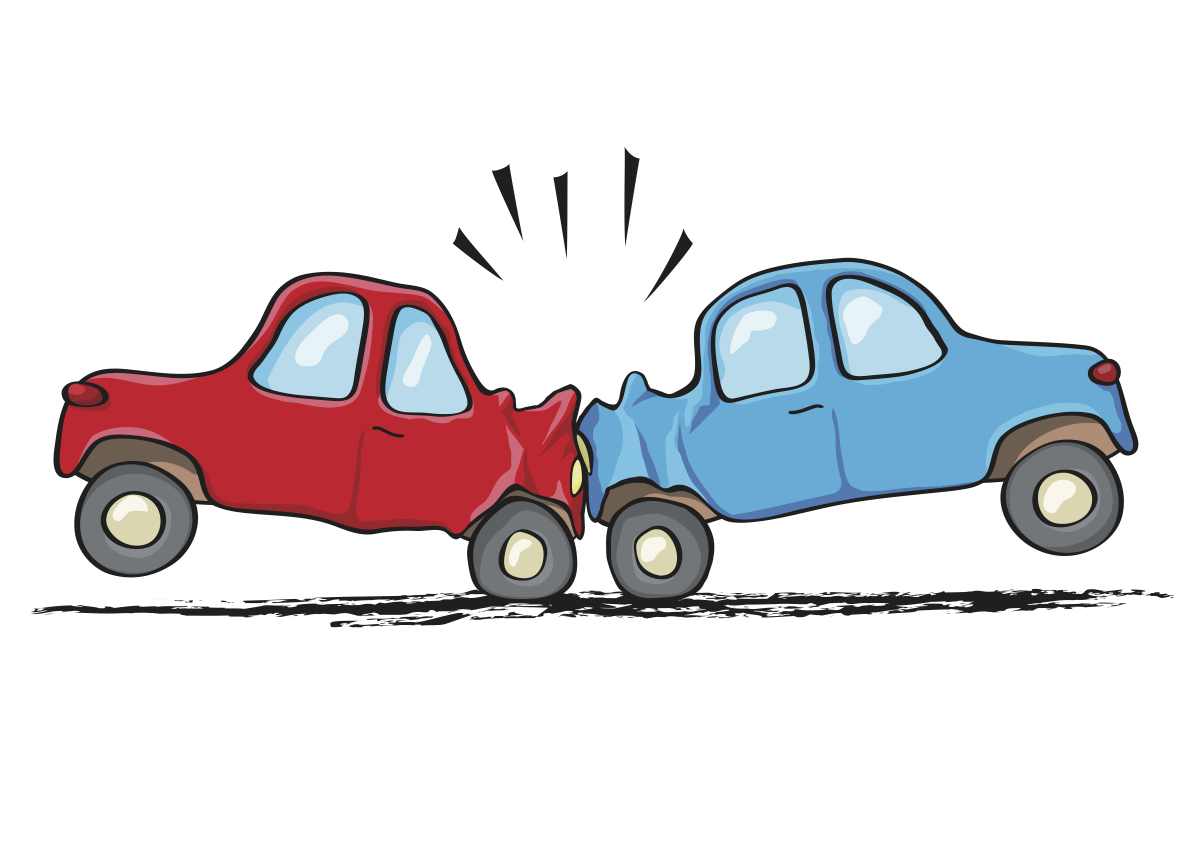
Invisible Brain Injury comes with a whole set of problems. Because the survivor looks “normal,” their friends, family, and strangers often think they are faking their problems––neuro fatigue, memory loss, lack of organization, and other cognitive deficits.

My husband, David’s, brain injury is obviously visible, so he doesn’t run into issues where people doubt his injury. But for those survivors whose injury is “all in their brain” and not easily seen or realized by the general public or family and friends, major problems may arise. Folks too often believe that a brain injury should be healed in weeks or months, just like a broken bone. But the fact is that brain injury takes a lifetime of recovery.

Whaddya You Think?

Get Your Copy Now

Read It!               Review It!

Click Links under Book

51R7Mht63EL._SX332_BO1,204,203,200_


PAPERBACK!        Read it Now!                             

e-BOOK!      Read it Now!

Audio Book! Read it Now!

Stay Safe and Healthy!

Clip Art compliments of Bing.)

(Photos compliments of contributor.)

As I say after each post:

Please leave a comment by clicking the blue words “Leave a Comment” below this post.

Feel free to follow my blog. Click on “Follow” on the upper right sidebar.anim0014-1_e0-1

If you like my blog, share it intact with your friends. It’s easy! Click the “Share” buttons below.
Survivors SPEAK OUT! . . . . . . . Bill Gasiamis Stroke Survivor & Podcaster

Survivors SPEAK OUT!     Bill Gasiamis

Stroke Survivor & Podcaster

by

Donna O’Donnell Figurski

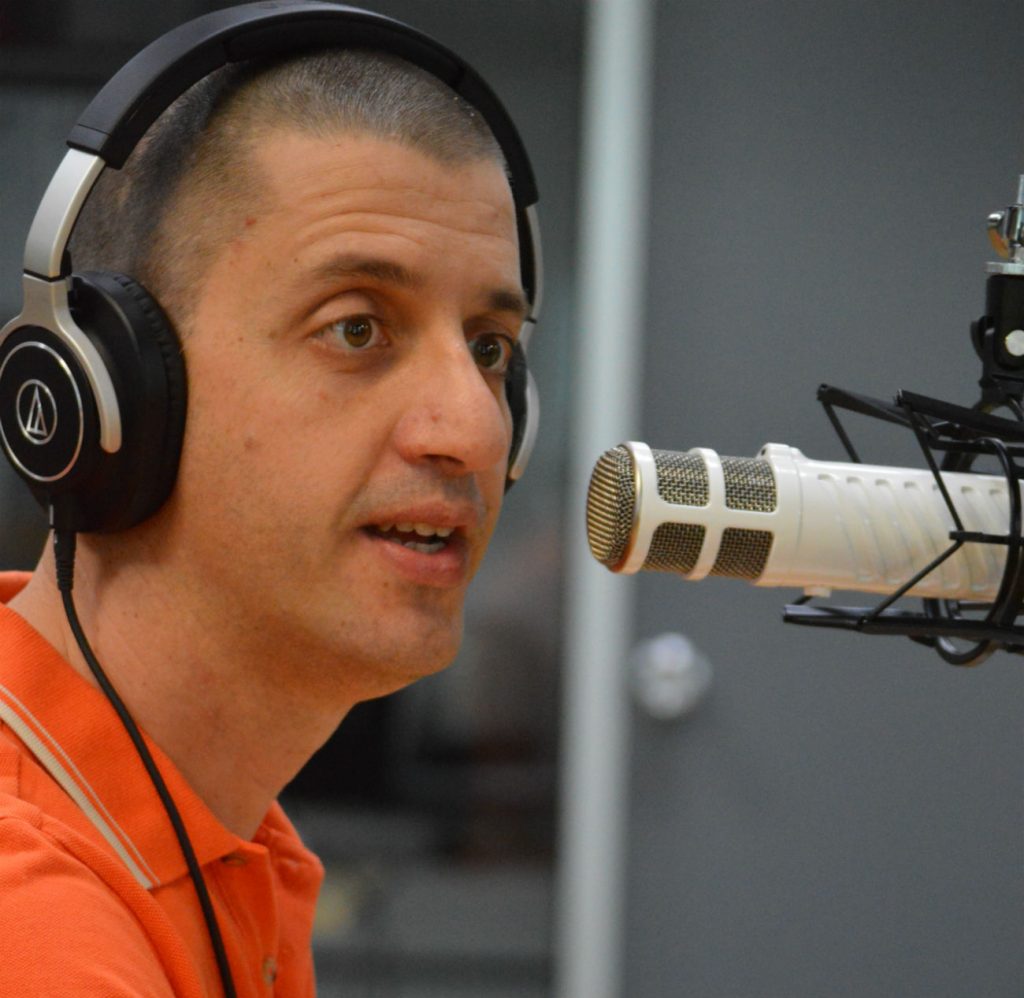
Bill Gasiamis

1. What is your name? (last name optional)

Bill Gasiamis

2. Where do you live? (city and/or state and/or country) Email (optional)

Melbourne, Australia

3. On what date did you have your brain injury? At what age?

My stroke happened on February 12, 2012. I was 37.

4. How did your brain injury occur?

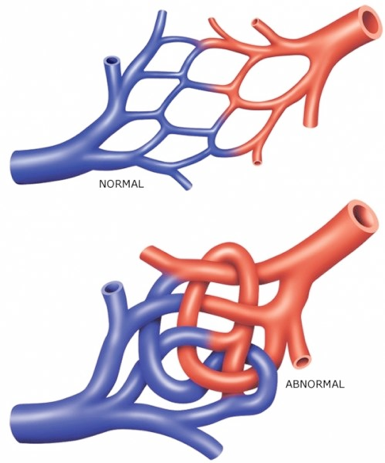
It was caused by bleeding of an AVM (arteriovenous malformation).avm-clipart-1

5. When did you (or someone) first realize you had a problem?

It was seven days before I took any action about it.

6. What kind of emergency treatment, if any, did you have?

I was in hospital for seven days. After six weeks at home, my brain bled again (March). It bled again in November 2014, and then I had surgery.

7. Were you in a coma? If so, how long?

No

8. Did you do rehab? What kind of rehab (i.e., inpatient or outpatient and occupational and/or physical and/or speech and/or other)? How long were you in rehab?

I had inpatient rehab for one month and out-patient rehab for six months. I had to learn to use my left side again and learn how to walk.

9. What problems or disabilities, if any, resulted from your brain injury
(e.g., balance, perception, personality, etc.)?

I have numbness on my left side. Fatigue is a problem. I have minor balance issues when I am tired.

10. How has your life changed? Is it better? Is it worse?

Life is better. It’s more complicated because of what happened but my personal growth has been huge.

11. What do you miss the most from your pre-brain-injury life?

I miss playing running-sports, like soccer.R-2

12. What do you enjoy most in your post-brain-injury life?

I have a new appreciation for working on things that are hard and take a long time to complete.

13. What do you like least about your brain injury?

Sometimes, I wish I had more energy.

14. Has anything helped you to accept your brain injury?

I was helped by lots of counselling.

15. Has your injury affected your home life and relationships and, if so, how?

It has, but for the better. By my own standards, I am a better person than I used to be.

16. Has your social life been altered or changed and, if so, how?

No

17. Who is your main caregiver? Do you understand what it takes to be a caregiver?

I don’t have one. (I am my own caregiver.)

03 BILL GASIAMIS mage-1024x998-118. What are your plans? What do you expect/hope to be doing ten years from now?

I intend to continue to interview stroke survivors on my podcast, to speak on stroke-related topics, and to write books on stroke recovery.

19. Are you able to provide a helpful hint that may have taken you a long time to learn, but which you wished you had known earlier? If so, please state what it is to potentially help other survivors with your specific kind of brain injury.

Survivors need to understand that emotional recovery is a very important part of recovery. It is often overlooked. Emotional recovery supports both the physical and mental aspects of a survivor’s recovery.

R20. What advice would you offer to other brain-injury survivors? Do you have any other comments that you would like to add?

Take responsibility for your own recovery, and learn to put your energy into solutions instead of focusing on the problem.

Get Your Copy Now!

             Read It!                Listen to It!              Review It!


Click Links under Book

  PAPERBACK!   Read it Now!    

                                                  e-BOOK!   Read it Now!  

                                                                                       AUDIO BOOK Listen to it Now!

Stay Safe and Healthy!

Clip Art compliments of Bing.)

(Photos compliments of contributor.)

As I say after each post:

Please leave a comment by clicking the blue words “Leave a Comment” below this post.

anim0014-1_e0-1

Feel free to follow my blog. Click on “Follow” on the upper right sidebar.

If you like my blog, share it intact with your friends. It’s easy! Click the “Share” buttons below.


Survivors SPEAK OUT! Annie Ricketts

Survivors SPEAK OUT! Annie Ricketts

presented by

Donna O’Donnell Figurski

Annie Ricketts – Survivor of Brain Injury

1. What is your name? (last name optional)

Annie Ricketts

2. Where do you live? (city and/or state and/or country) Email (optional)

Isle of Wight, United Kingdom

3. On what date did you have your brain injury? At what age?

July 23, 2000    Age 36

4. How did your brain injury occur?

I flew off a horse.

5. When did you (or someone) first realize you had a problem?

I was diagnosed with a severe TBI (traumatic brain injury) in the hospital.

6. What kind of emergency treatment, if any, did you have?

None! On the day of the injury, I was left in the waiting area alone and unconscious for four hours. The next day, I was taken back to the hospital by ambulance and admitted. I had no scan – no observational tests were taken at all. I was sent home three days later without seeing a specialist.

7. Were you in a coma? If so, how long?

I was unconscious after the accident, but never in a coma.

8. Did you do rehab? What kind of rehab (i.e., inpatient or outpatient and occupational and/or physical and/or speech and/or other)? How long were you in rehab?

As an outpatient, I had occupational and speech therapies from year 5 to year 6.5 post injury. These therapies were repeated in years 10, 14, and 18.

9. What problems or disabilities, if any, resulted from your brain injury
(e.g., balance, perception, personality, etc.)?

My problems are complex and multiple, but there is no visible physical impairment.

10. How has your life changed? Is it better? Is it worse?

It is fabulous!

11. What do you miss the most from your pre-brain-injury life?

Nothing

12. What do you enjoy most in your post-brain-injury life?

Living life with a purpose

13. What do you like least about your brain injury?

My executive-function impairments intrigue and fascinate me. There is nothing I like least. I accept everything and continue to work on improving.

14. Has anything helped you to accept your brain injury?

I had a total loss of self-awareness, so I didn’t ever have any problems with acceptance. It is a different journey.

15. Has your injury affected your home life and relationships and, if so, how?

My family didn’t understand – it took a lot of time. Now, I get a lot of understanding and support.

16. Has your social life been altered or changed and, if so, how?

I have been isolated since the injury, and I want to remain this way. I had a normal social life before.

17.Who is your main caregiver?

My daughter.

-Do you understand what it takes to be a caregiver?

Yes, absolutely.

18. What are your plans? What do you expect/hope to be doing ten years from now?

I hope to be doing what I am doing now – only less hours!

19. Are you able to provide a helpful hint that may have taken you a long time to learn, but which you wished you had known earlier? If so, please state what it is to potentially help other survivors with your specific kind of brain injury.

Annie Ricketts – Brain Injury Survivor

Neuroinflammation starts straight after injury. It is like a switch being flicked ON. For many people, this inflammatory response continues until it is addressed. Research shows it can last upward of 17 years post injury. If you would like to know more about this and how inflammation creates and exacerbates symptoms, please visit globalbia.org.

20. What advice would you offer to other brain-injury survivors? Do you have any other comments that you would like to add?

Take care of your body – it is connected to your brain.

Get Your Copy Now

Read It! Review It! Listen to It!

Click Links under Book

PAPERBACK!   Read it Now!     e-BOOK!   Read it Now!

AUDIO BOOK Listen to it Now!

Stay Safe and Healthy!

Clip Art compliments of Bing.)

(Photos compliments of contributor.)

As I say after each post:

Please leave a comment by clicking the blue words “Leave a Comment” below this post.

anim0014-1_e0-1

Feel free to follow my blog. Click on “Follow” on the upper right sidebar.

If you like my blog, share it intact with your friends. It’s easy! Click the “Share” buttons below.
Another Fork in the Road ~~~ Do You Know Someone with a Brain Injury? I Do!

Do You Know Someone with a Brain Injury? I Do!
presented
by
Donna O’Donnell Figurski 

Chances are you know someone who has suffered a traumatic brain injury (TBI.) More than 1.7 million Americans each year sustain a brain injury.  I personally know five people who are living with some form of TBI. In fact, I’m living with one.

My husband, David, had his brain injury in 2005. A professor friend of ours from Brigham Young University has one. So do my nephew, an actor/director friend from my local community theater, and the husband of my friend, Judy.

A brain injury can occur in the blink of an eye. Brain injury is not discriminating. It cares not about color, race, or creed. It can happen to a child or an octogenarian and everyone in between. A child may fall off his bike or off her swing.  A teenager may meet up with a TBI on the soccer or football field or a gymnastic mat. Car and motorcycle accidents are common causes of traumatic brain injuries. An assault in a dark alley or domestic abuse in your home can result in brain injury too. One can even have a traumatic brain injury while exercising (e.g., while doing chin ups in the wee hours of the morning after doing Tai Chi while listening to Deuter or some other new age CD). David did!

Like snowflakes, no two brain injuries are the same. Each survivor is different too and each method of healing is unique to the person who is struggling to regain his or her former life. With a lot of hard work, patience, and persistence many survivors can enjoy a “new normal” life.

Check out this article, Facts About Traumatic Brain Injury, for more information.

Get Your Copy Now

Read It! Review It! Listen to It!

Click Links under Book

PAPERBACK!   Read it Now!     e-BOOK!   Read it Now!

AUDIO BOOK Listen to it Now!

Stay Safe and Healthy!

Clip Art compliments of Bing.)

(Photos compliments of contributor.)

As I say after each post:

Please leave a comment by clicking the blue words “Leave a Comment” below this post.

anim0014-1_e0-1

Feel free to follow my blog. Click on “Follow” on the upper right sidebar.

If you like my blog, share it intact with your friends. It’s easy! Click the “Share” buttons below.
Survivors SPEAK OUT! Meghan Beaudry

Survivors SPEAK OUT! Meghan Beaudry

presented by

Donna O’Donnell Figurski

Meghan Beaudry – Brain Injury Survivor

     1. What is your name? (last name optional)

     Meghan Beaudry

     2. Where do you live? (city and/or state and/or country) Email (optional)

     Houston, Texas, USA        meghan_wang@yahoo.com

     3. On what date did you have your brain injury? At what age?

     In 2009, I developed lupus, an autoimmune disease, that turned into brain inflammation. I was      twenty-two. Five years later, in 2014, I had another severe brain inflammation flare in which I forgot both how to walk and much of my past.

4. How did your brain injury occur?

Lupus is an autoimmune disease.

5. When did you (or someone) first realize you had a problem?

I first realized something was wrong when I began to struggle in grad school.

6. What kind of emergency treatment, if any, did you have?

A female Doctor.

A female Doctor.

I had a difficult time getting diagnosed, so I did not receive treatment the first year I was sick. I saw seven doctors before I was diagnosed with lupus. 

7. Were you in a coma? If so, how long?

No.

8. Did you do rehab? What kind of rehab (i.e., inpatient or outpatient and occupational and/or physical and/or speech and/or other)? How long were you in rehab?

No.

9. What problems or disabilities, if any, resulted from your brain injury
(e.g., balance, perception, personality, etc.)?

I have some short-term and long-term memory loss. While I don’t have noticeable balance problems, I have a poor sense of balance for someone my age.

10. How has your life changed? Is it better? Is it worse?

My life has changed in many ways since I’ve survived brain inflammation. In some ways, it has improved. I’m more fearless and confident. Because living with brain injury and lupus takes up so much energy, I have little energy for negative thoughts and people who might hold me back

11. What do you miss the most from your pre-brain-injury life?

I miss being able to memorize information quickly and with little effort.

12. What do you enjoy most in your post-brain-injury life?

I never would have started writing if I hadn’t developed a brain injury. It’s been an honor to be able to share my experience so that others with brain injuries can feel less alone.

13. What do you like least about your brain injury?

I dislike the fatigue that comes with lupus, as well as worrying that I will have a memory slip when speaking, presenting, or performing.

14. Has anything helped you to accept your brain injury?

What has helped me let go of my grief is understanding that, while living with brain injury is not a choice, grief is. I’d rather only live with one chronic condition than with two.

15. Has your injury affected your home life and relationships and, if so, how?

It took a while for my family to accept that my abilities and needs were different after my diagnosis. My second episode of brain inflammation led to my divorce because my husband was emotionally unable to handle it.

16. Has your social life been altered or changed and, if so, how?

I’ve been lucky to know friends who understand my limitations, especially because of the fatigue I experience daily. In many ways, brain inflammation has deepened many of my existing friendships.

17. Who is your main caregiver? Do you understand what it takes to be a caregiver?

When I was very sick and bedridden with the second brain inflammation flare, my mother-in-law moved into my house to take care of me. Her selflessness and positive energy were huge factors in my recovery.

18. What are your plans? What do you expect/hope to be doing ten years from now?

I hope to have published a memoir about my experience.

19. Are you able to provide a helpful hint that may have taken you a long time to learn, but which you wished you had known earlier? If so, please state what it is to potentially help other survivors with your specific kind of brain injury.

I use my phone to help me remember everything. There are so many apps to help you keep track of your life.

20. What advice would you offer to other brain-injury survivors? Do you have any other comments that you would like to add?

Always remember that the lowest point in your injury/life is not the point at which you will stay forever.


Get Your Copy Now

Read It! Review It! Listen to It!


Click Links under Book

PAPERBACK!   Read it Now!     e-BOOK!   Read it Now!

AUDIO BOOK Listen to it Now!

Stay Safe and Healthy!

Clip Art compliments of Bing.)

(Photos compliments of contributor.)

As I say after each post:

Please leave a comment by clicking the blue words “Leave a Comment” below this post.

anim0014-1_e0-1

Feel free to follow my blog. Click on “Follow” on the upper right sidebar.

If you like my blog, share it intact with your friends. It’s easy! Click the “Share” buttons below.



Caregivers SPEAK OUT! . . . . Roxanne Greene

Caregivers SPEAK OUT! Roxanne Greene

presented by

Donna O’Donnell Figurski

Roxanne Greene – Caregiver for a survivor of brain injury

1. What is your name? (last name optional)

Roxanne Greene

  1. Where do you live? (city and/or state and/or country) Email? (optional)

Wichita, Kansas, USA

  1. What is the brain-injury survivor’s relationship to you? How old was the survivor when he/she had the brain injury? What caused your survivor’s brain injury?

My husband was 35 years old when he developed sepsis due to an unknown infection. While he was at the hospital for that, the doctors discovered the presence of three frontal lobe brain tumors. My husband’s brain lost oxygen as they were trying to save my husband’s life. He also had a secondary brain injury – brain swelling – after brain surgery.

  1. On what date did you begin care for your brain-injury survivor? Were you the main caregiver? Are you now? How old were you when you began care?

I began as my husband’s caregiver on February 13 2007 – the day I took him to the Emergency Room. I was his main caregiver then, and I still am now. I was 38 years old at the beginning of this journey – 12 years ago.

  1. Were you caring for anyone else at that time (e.g., children, parents, etc.)

My husband and I had four young children – ages 3-12 at the time.

  1. Were you employed at the time of your survivor’s brain injury? If so, were you able to continue working?

I was not employed at the time. I was a stay-at-home mom.

  1. Did you have any help? If so, what kind and for how long?

I was very blessed to have a lot of support. My husband’s parents were able to help, and I had other friends and family that came alongside me – helping with the children, meals, or house, etc.

  1. When did your support of the survivor begin (e.g., immediately – in the hospital; when the survivor returned home; etc.)?

The support began the minute we arrived at the hospital. Our pastors met us there shortly after we arrived. During my husband’s entire hospital stay and even through rehab, I always had someone with me.

  1. Was your survivor in a coma? If so, what did you do during that time?

Yes. My husband was in a coma about 5-6 weeks. He woke up very slowly and had to learn everything all over again. It was a very challenging time for the both of us. I was there as his cheerleader – cheering him on. It was hard to have a balance between caring for my husband and taking care of the children. I was very overwhelmed at times, but again, family support was crucial to my husband’s success.

  1. Did your survivor have rehab? If so, what kind of rehab (i.e., inpatient and/or outpatient and occupational, physical, speech, and/or other)? How long was the rehab? Where were you when your survivor was getting therapy?

Yes. My husband had inpatient rehab for about a month, and then he transitioned to in-home rehabilitation, where the therapist would come into the home to do therapy. My husband had physical, occupational, and speech therapies and even counseling. He was in intensive therapy for about a year, and he had outpatient cognitive therapy off and on for another year?

11. What problems or disabilities of your brain-injury survivor required your care, if any?

My husband’s brain injury caused him to become aggravated easily. He has had memory problems and also issues with communication. I had to watch him when he was around the children in the beginning. He was totally dependent on me for everything. I was like a single mother – I paid the bills, and I took care of the house, cars, etc.

  1. How has your life changed since you became a caregiver? Is it better? Is it worse?

My life has changed drastically. My husband and I both say our new marriage started February 13th, 2007. He was then, and is now, a different person. We had to figure out how to be married again to each other as new people. It has been good because our love is stronger than before. It has also been very difficult because this is not what I pictured for my future. I have moments of self-pity and sometimes wish it could be the way it was. Those moments are fleeting, and I know I have so much to look forward to.

  1. What do you miss the most from pre-brain-injury life?

I miss my husband’s going to work every day. I miss his doing projects around the house. I miss his being able to be the protector and the provider that he once was. I miss being a stay-at-home mom and spending one-on-one time with the children (even though most are grown now).

  1. What do you enjoy most in post-brain-injury life?

My husband and I get to spend more time together. My husband is more loving than before. Before injury, he worked a lot and was not home as often.

  1. What do you like least about brain injury?

I miss having more financial freedom. I sometimes don’t like having to do everything, including all the paperwork that goes into maintaining a home. I have to organize all of my husband’s doctor appointments, medications, and dealings with SSDI (Social Security disability insurance). It can get so overwhelming sometimes that I just want to cry.

  1. Has anything helped you to accept your survivor’s brain injury?

Accepting the reality of my husband’s condition has helped. It is what it is. There is nothing I can do to change what happened to my husband. I decided I can either wallow in self-pity or pick up my feet and move forward. I have also read many books on brain injuries and educated myself through this journey. The one thing I wish for is a brain injury support group for caregivers. I know I am not alone.

17. Has your survivor’s injury affected your home life and relationships and, if so, how?

Yes. I have become the main parent and disciplinarian, as my husband cannot parent without getting overwhelmed and angry. He has improved, but the children, even as adults, come to me for advice.

  1. Has your social life been altered or changed and, if so, how?

We both had close friends before my husband’s brain injury. We would go out and socialize and have people over often. Now we still have friends, but we rarely have anyone over to our house. We go out with family once in a while, and my husband has a few friends that will invite him to lunch once a month. It sometimes happens that my husband will not make the most appropriate comment.

  1. What are your plans? What do you expect/hope to be doing ten years from now?

I am a grandparent now, which brings a new set of challenges. My plans are to continue my education. I am in school to become an ASL (American Sign Language) interpreter for the deaf. I had to go back to work to increase our income just so we could pay the bills. I would love to travel some, but I am not sure if that will ever become a reality, as I have to work full-time.

  1. What advice would you offer other caregivers of brain-injury survivors? Do you have any other comments that you would like to add?

Roxanne Greene – Caregiver

Even though your life has changed, remember you are stronger than you realize. I look back and think of how much I have accomplished and learned about myself during this time. I am not sure I would have gone back to school if my husband had not become ill. Caregivers have been giving a gift that most people never get to experience. We get to see miracles every day as our loved ones fight to improve their lives. It’s a humbling thing to be a part of such a journey.

(Clip Art compliments of Bing.)

(Photos compliments of contributor.)

anim0014-1_e0-1

As I say after each post: Please leave a comment by clicking the blue words “Leave a Comment” below this post.

Feel free to follow my blog. Click on “Follow” on the upper right sidebar.

If you like my blog, share it intact with your friends. It’s easy! Click the “Share” buttons below.

If you don’t like my blog, “Share” it intact with your enemies. I don’t care!

Feel free to “Like” my post.

Please check out my book.

Prisoners without Bars: A Caregiver’s Tale

You can find Prisoners without Bars: A Caregiver’s Tale where most books are sold.

Amazon
Barnes and Noble
IndieBound
Kobo

WriteLife Publishing

diemodi jewelry

uniquely hand-crafted jewelry by donna

Welcome to Harmony Kent Online

The home of all things books

Pete Springer

Passionate Teacher and Future Children's Author

HOPE TBI

Helping Other People Excel - To Be Independent

For the Love of Books, Old and New

Katie Fischer, Writer and Reader of Stories

Charlie Bown

Children's Author

Jessica Hinrichs

“We write to taste life twice, in the moment and in retrospect.” ― Anais Nin

VIVIAN KIRKFIELD - Writer for Children

Picture Books Help Kids Soar

Mindy’s Writing Wonderland

For authors, parents, teachers & everyone who loves children’s books.

Kaitlyn Leann Sanchez

Literary Agent

Surviving Traumatic Brain Injury

TBI - Survivors, Caregivers, Family, and Friends

The Care Factor

Loving someone with a Traumatic Brain Injury

Brain Injury Support Group of Duluth-Extension

Brain Injury Information and SUPPORT

Brain Aneurysm Global Insight

Brain Aneurysm, cerebral hemorrhaging, hemorrhage stroke