TBI – Survivors, Caregivers, Family, and Friends

Posts tagged ‘motor vehicle accident’

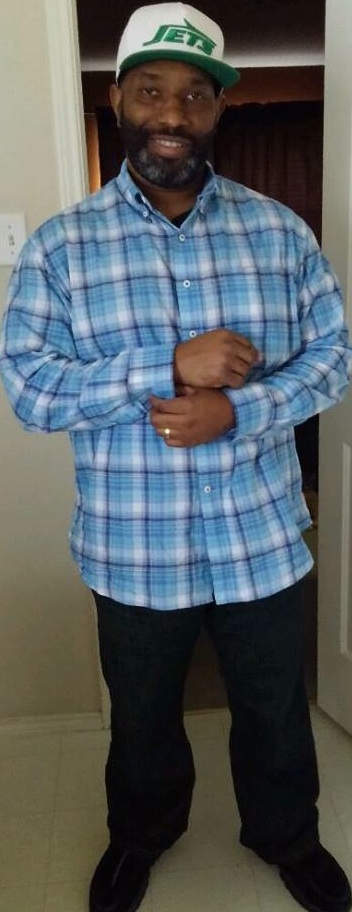
Survivors SPEAK OUT! Alisa Noah


Survivors SPEAK OUT! Alisa Ann Noah

presented

by

Donna O’Donnell Figurski


Noah, Alisa Ann L7l38moCWms-awgtIo9_70iApASPda_FVoPydfH1Eav5cCUnvpSudWfhdApNDrmPOqCkIcYbJLDfkrIxawI0Iu_D3IeGgzKZ1Whh7Lc2pmxdyJbB19_Vw114VdME3ant9vsNlq-qX9SNXn7SApjHhzoVZqU1ToqtwiFTpWcqKJ9lbUSBAV0pVh-fvnXN3tkGrsqt1hPzAODSjNBFrDOOjJ-u_iGQ547W

1. What is your name? (last name optional)

Alisa aka “El Dorado”

2. Where do you live? (city and/or state and/or country) Email (optional)

North Carolina, USA

3. On what date did you have your brain injury? At what age?

February 2012

4. How did your brain injury occur?

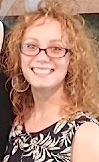
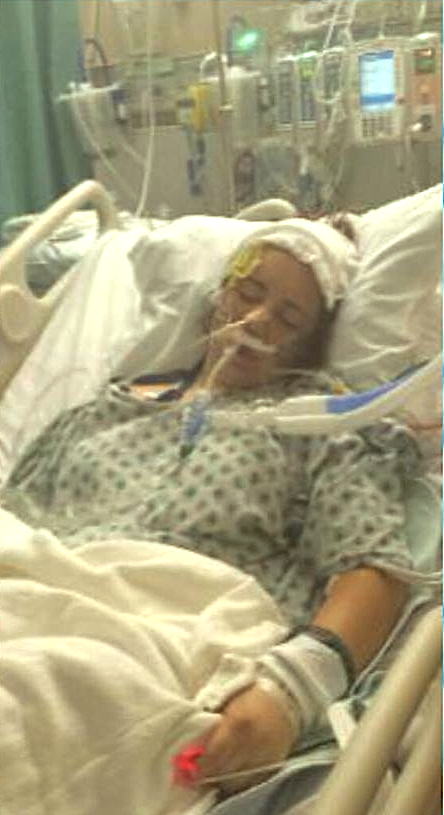
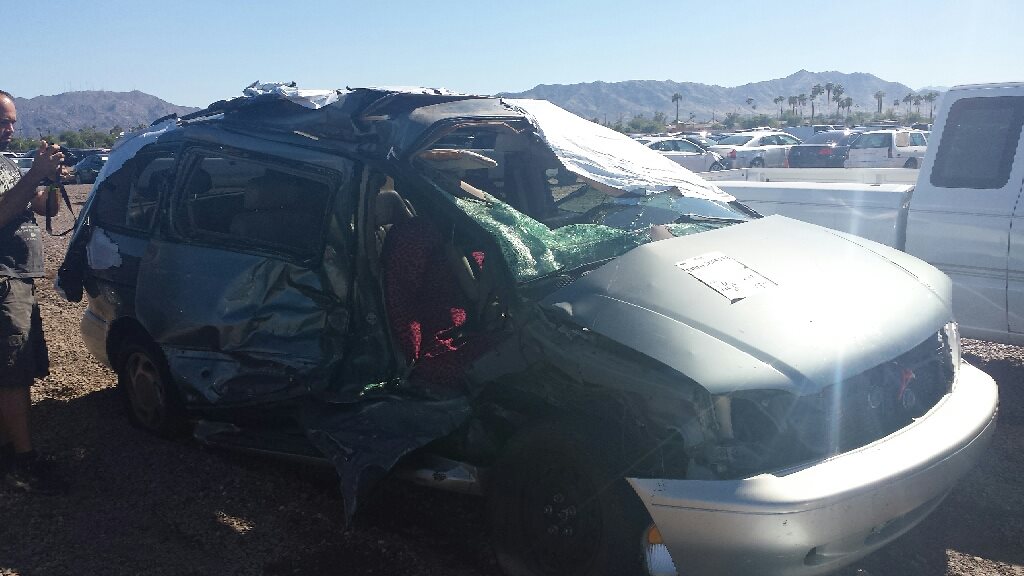
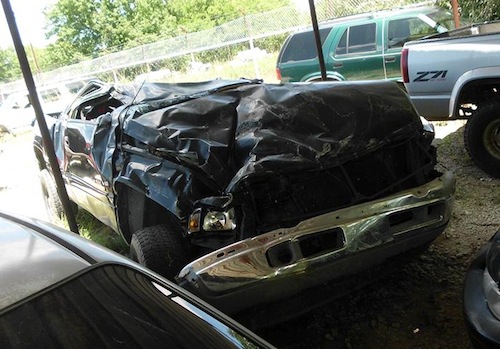
My brain injury came from a motor vehicle accident. I wasn’t at fault. My truck was rear-ended at 50+ mph. Because my truck had no headrests, my head hit the back glass.

5. When did you (or someone) first realize you had a problem?

Immediately

6. What kind of emergency treatment, if any, did you have?

I was first treated in the Emergency Room. Scans and X-rays were taken. Later I had a neck brace, cervical epidurals, other cervical injections, and physical therapy.

7. Were you in a coma? If so, how long?

No

8. Did you do rehab? What kind of rehab (i.e., inpatient or outpatient and occupational and/or physical and/or speech and/or other)?

I did physical therapy.

How long were you in rehab?

Three months of 3 days a week

9. What problems or disabilities, if any, resulted from your brain injury
(e.g., balance, perception, personality, etc.)?

I have vision loss; migraines; balance issues; sleep problems; mood problems; memory loss; anxiety; and pain, pain, pain. Unexpected loud noises send me into a panic.

10. How has your life changed? Is it better? Is it worse?

My life got worse for about three years. I have recently started to make progress with happiness and finding new ways to keep busy.

11. What do you miss the most from your pre-brain-injury life?

I miss my career as a horse trainer, and I miss college.

12. What do you enjoy most in your post-brain-injury life?

Retirement (LOL)

13. What do you like least about your brain injury?

I dislike the pain and my physical limitations.

14. Has anything helped you to accept your brain injury?

Friends and new hobbies have helped me accept my brain injury.

15. Has your injury affected your home life and relationships and, if so, how?

Yes. People don’t understand my thought process or mood swings.

16. Has your social life been altered or changed and, if so, how?

Yes. I fear driving. I don’t engage in social activities much anymore.

17. Who is your main caregiver? Do you understand what it takes to be a caregiver?

My mother and my roommate are my main caregivers.

18. What are your plans? What do you expect/hope to be doing ten years from now?

Hmmm, I’m not sure. I take things one day at a time. 🙂

19. Are you able to provide a helpful hint that may have taken you a long time to learn, but which you wished you had known earlier? If so, please state what it is to potentially help other survivors with your specific kind of brain injury.

Don’t let doctors just throw pills at you. After I had been told for almost three years that my condition is permanent, I recently learned that I can heal from it. Do your research. Some doctors are really no help.

20. What advice would you offer to other brain-injury survivors? Do you have any other comments that you would like to add?

NEVER let your “disabilities” define who you are as a person! You are and always will be just as valuable and important as anyone else. Never let anyone tell you otherwise. Stay strong!

(Disclaimer: The views or opinions in this post are solely that of the interviewee.)

If you would like to be a part of the SPEAK OUT! project, please go to TBI Survivor Interview Questionnaire for a copy of the questions and the release form.

(Clip Art compliments of Bing.)

(Photos compliments of contributor.)

As I say after each post: Please leave a comment by clicking the blue words “Leave a Commentanim0014-1_e0-1 below this post.

Feel free to follow my blog. Click on “Follow” on the upper right sidebar.

If you like my blog, share it with your friends. It’s easy! Click the “Share” buttons below.

If you don’t like my blog, “Share” it with your enemies. I don’t care!

Feel free to “Like” my post.


Survivors SPEAK OUT! Sandra Williams

Survivors SPEAK OUT! Sandra Williams

presented

by

Donna O’Donnell Figurski

12200687_895719387130278_18176772_n1. What is your name? (last name optional)

Sandra Williams

2. Where do you live? (city and/or state and/or country) Email (optional)

Athol, Idaho, USA

3. On what date did you have your brain injury? At what age?

My injury was on May 28th, 2012, at 10:00 am. I was 38.

4. How did your brain injury occur?

A drunk driver crossed the center lane as we were turning a corner in our Ford F250 Power Stroke. We were pulling a 26-foot travel trailer. There was a cliff on the other side of us. We should have gone over the cliff, but instead we crossed all lanes of traffic and ended up in a ditch. We should have jackknifed, but we didn’t. The truck that hit us also went through the length of our travel trailer. He ended up in the lane opposite to the one he was traveling in and facing in the opposite direction. We all should have died. The details of the accident are many. It sounds like a made-for-TV movie. We are all alive, but we’re not OK.

5. When did you (or someone) first realize you had a problem?

I first learned of my son’s brain injury when I took him to a neurologist. His primary care physician wanted a follow-up because my son was sleeping so much and his balance was off a bit. We made him rest all summer. When he went back to school, he went from an A-B student to one who got Ds and Fs. I was really focused on my son, but the neurologist diagnosed me too. The diagnosis shocked my primary care provider and me. I didn’t really believe her until I lost my job as a Special Education teacher.

6. What kind of emergency treatment, if any, did you have?

I lost consciousness. I was taken to the Emergency Room. I don’t remember babbling to the sky, but that is what my kids said. They told me this several weeks after the accident. They didn’t know I didn’t know. That’s when my husband knew something wasn’t right. But he thought I would get over it. We all rested that summer. I seemed to be doing well – no headaches, etc. – until I went back to work.

7. Were you in a coma? If so, how long?

No

8. Did you do rehab? What kind of rehab (i.e., inpatient or outpatient and occupational and/or physical and/or speech and/or other)? How long were you in rehab?

I have been to two ten-day sessions of speech therapy, vestibular therapy, cognitive behavioral therapy, and exposure therapy. I also attended Carrick Brain Injury Center, a multidisciplinary brain rehab center.

9. What problems or disabilities, if any, resulted from your brain injury
(e.g., balance, perception, personality, etc.)?

I am still struggling to work. My memory is still affected to the point of frustration for my family members. I struggle with headaches, dizziness, and confusion when people speak to me. I have given up being a youth group-leader. I tried to go back to work, but, due to the fact that educational systems do not accommodate, I cannot work as a teacher – not even online. I really want to run and work out like I used to, but I don’t. That is the biggest change. I never used to drink coffee or alcohol. I don’t abuse either, but now I drink both. I never used to eat chips or anything unhealthy, but I eat those things now. I used to garden, but now I don’t. I do want to return to the way it was with those things, but it is hard while I’m keeping up with my kids and their needs since the accident.

10. How has your life changed? Is it better? Is it worse?

I think my life is worse, but can get better. It is worse because I can’t work in a job where I can get full-time benefits. My health care needs have increased, and my income has decreased. I am trying to help my husband start a new business in construction. He is being patient with me, but it is not easy. Our kids are different, and we really struggled with their behavior until we went to Carrick Brain Injury Center. We still struggle with one kiddo, but I think it is a grief process that he is going through.

11. What do you miss the most from your pre-brain-injury life?

I miss running. (I ran a half marathon and was training for a full marathon when we were hit.) I miss having the energy to do anything I wanted. I miss remembering everything. I miss being able to find a job whenever I wanted. (I have been working since I was eight. I started working for my dad and got my first out-of-family job at the age of fourteen. I paid for the first four years of college by working, and I sent myself to Europe – some people in my church helped me to play basketball internationally.)

12. What do you enjoy most in your post-brain-injury life?

Nothing really. I wish I could say something different. But, my life is so limited from what it once was, and I look so normal. People expect me “to do better,” “to not give up,” or “to stop making excuses.”

13. What do you like least about your brain injury?

I dislike that I cannot be independent and that people expect more from me than I can do. If a person had a broken leg, that person would receive accommodations until it healed. Accommodations are not given when one has an invisible traumatic brain injury (TBI). It doesn’t work that way. But I will not give up.

14. Has anything helped you to accept your brain injury?

I was actually helped by the fact that I can’t work no matter how hard I try. Working came easily to me, just like sports. Now, working and sports are the hardest things for me to do. I will keep trying though. I can’t do them now, but that doesn’t mean I won’t be able to do them forever. I won’t give up. I will do them someday.

15. Has your injury affected your home life and relationships and, if so, how?

Yes, immensely. My kids get really frustrated with me, and so does my husband. I used to be unorganized and forget things, but now it is ten times worse. I really have to rely on notebooks and repeat myself several times. That is what is so frustrating for my family. They also don’t understand my need for rest or my light-sensitivity to the TV. There are many things to list, but I will keep it short!

16. Has your social life been altered or changed and, if so, how?

I don’t visit with anyone anymore. I used to go to bible studies, but they scare me now. (I am afraid I will say the wrong thing.) I can’t go see my mom because I can’t drive that long at one time (it takes two days for me to get there), and it’s just too long to be gone. Plus, I have a huge family, which is hard to be around. My sisters don’t understand my brain injury. I just stay away. It’s better for all of us.

17. Who is your main caregiver? Do you understand what it takes to be a caregiver?12202566_895719670463583_794991146_n

Me. I am my own caregiver. My husband tries, but he is focused on the business. I submit insurance claims and speak to the doctors. I am even filing claims with Disability Rights of Idaho, so I know I can be organized and I can do something!

18. What are your plans? What do you expect/hope to be doing ten years from now?

I plan to be working in construction until I put myself through college again to finish my counseling degree and/or get a certification in TBI so I can educate teachers about it. There is the need for special education to have a different evaluation process. I also plan to use online settings to sell lessons that target students with TBI in the secondary school classroom.

19. Are you able to provide a helpful hint that may have taken you a long time to learn, but which you wished you had known earlier? If so, please state what it is to potentially help other survivors with your specific kind of brain injury.

I wish I knew more about Disability Rights of Idaho and more about the complaint process for educators. (Parents are at such a loss!) The biggest tip I can give other survivors is not to listen to negative comments or to employers who tell you that you can’t do the job. Listen to your heart and your soul. Fight for yourself and others. It will keep you going.

20. What advice would you offer to other brain-injury survivors? Do you have any other comments that you would like to add?

Never, ever give up! If you can’t realize your dream one way, find another way to do it. It may take you longer, but do it. Henry Winkler (the Fonz) applied to sixty-eight different colleges before one accepted him. He was not diagnosed with dyslexia until his son was. He never gave up. We can’t either!

(Disclaimer: The views or opinions in this post are solely that of the interviewee.)

If you would like to be a part of the SPEAK OUT! project, please go to TBI Survivor Interview Questionnaire for a copy of the questions and the release form.

(Clip Art compliments of Bing.)

(Photos compliments of contributor.)

As I say after each post: Please leave a comment by clicking the blue words “Leave a Commentanim0014-1_e0-1 below this post.

Feel free to follow my blog. Click on “Follow” on the upper right sidebar.

If you like my blog, share it with your friends. It’s easy! Click the “Share” buttons below.

If you don’t like my blog, “Share” it with your enemies. I don’t care!

Feel free to “Like” my post.

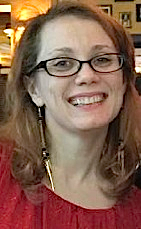
Survivors SPEAK OUT! Brandy Hunter

Survivors SPEAK OUT! Brandy Hunter

presented

by

Donna O’Donnell Figurski
1 Brandy Hunter1. What is your name? (last name optional)

Brandy (Denise) Hunter

2. Where do you live? (city and/or state and/or country)

Blountsville, Alabama, USA (about an hour north of Birmingham and an hour south of Huntsville)

Email (optional)

BrandyDHunter@Gmail.com

3. On what date did you have your brain injury?

January 13, 2004

At what age?

I had just turned 24 years old. (My 24th birthday was November 20, 2003.)

4. How did your brain injury occur?

I was driving to work to a local restaurant (Ruby Tuesday). The highway on which I was driving is a four-lane. I was in the left (“fast”) lane. (I was driving a four-door Plymouth Neon.) The driver of a full-size pickup truck moved in front of me. He then slammed on his brakes, stopping his truck abruptly in front of my car. I swerved into the right (slow) lane so I could avoid hitting his pickup truck. I assume that I panicked – I either did not see the 18-wheeler driving in the lane I was “escaping” into or I thought I would be able to “beat” the truck. The pickup-truck driver did not stop or even look behind at the devastation he had caused. Witnesses say that that he sped up and went through the next 4-way stop.

5. When did you (or someone) first realize you had a problem?

The driver of the 18-wheeler truck ​climbed out of his rig ​to check on me. I was unresponsive, so he climbed into the car with me. (I “remember” seeing him cradling me – but I’m not sure that is possible because he THANKFULLY did not move me.) ​He began praying audibly. I recall this happening. I remember seeing it from above. I refer to it as an “out of body experience.” (DISCLAIMER: I believe in God, but I am not religious.)

6. What kind of emergency treatment, if any, did you have?4 Brandy Hunter

Paramedics and fire fighters were quickly on the scene. (The accident happened close to where a volunteer firefighter lived – thankfully.) I had a chest tube inserted for a collapsed lung. A “Life-Saver” helicopter transported me to UAB Hospital in Birmingham, Alabama (at the University of Alabama). The accident occurred around an hour (driving time) away from the hospital. When I was admitted into the hospital, it was determined that I had a traumatic brain injury (TBI). (The first responders had thought I had a TBI, as we were told months later, because I had what is referred to as “doll’s eyes” at the scene.) In the Emergency Room and in the hospital, a breathing tube was inserted, and two tubes were inserted into my right frontal lobe to drain fluid. I had a C2 fracture of the spine. Therefore, I had a brace placed around my neck to keep me from breaking the vertebrae. I wore the neck-brace for about six months.

7. Were you in a coma? If so, how long?

I was medically induced into a coma, and, of course, I fell into one soon after. I remained comatose for approximately five weeks. My score on the Glasgow Coma Scale was 7 or 8, if I am recalling correctly. I know it was a dangerous score.

8. Did you do rehab? What kind of rehab (i.e., inpatient or outpatient and occupational and/or physical and/or speech and/or other)? How long were you in rehab?

As a patient, I had occupational, physical, and speech rehab for about two months. After I was released from the hospital, the therapies then continued at an outpatient facility for around two years. I also had a couple of months of voluntary speech therapy about three ​years after my outpatient therapies ended.

9. What problems or disabilities, if any, resulted from your brain injury
(e.g., balance, perception, personality, etc.)?

My memory was impaired for several years after the injury occurred. I would forget the things that happened two minutes prior. Then it was five minutes prior – then fifteen minutes – then hours – and then days. Slowly, I began to recall things more easily. I still get days mixed up. I might believe something occurred several weeks ago, when in reality it happened one or two days ago. I wasn’t able to remember much of the 3-6 years prior to the accident because my brain injury was so severe. It’s now hazy, but I can remember those incidents when my memory is triggered by a smell, a sound, or something else that is considered minor. (The brain is an amazingly complex, yet simple thing.)

Although it has been eleven years since I sustained brain damage, I still have trouble with my balance. I almost always have to hold onto a handrail when climbing and, especially, descending a set of stairs. My balance isn’t nearly as troublesome for me as it was, though. When I am shaky, when I run into things (due to a problem in spatial reasoning), when my speech is slurred, or when dysplasia occurs (saying one thing, but meaning another – usually substituting for the correct word another word that has absolutely nothing to do with what is being said), it is because I am tired. Mom says my brain is overworked and needs to rest. Dad compares my brain to a computer and says that it needs to “reboot.”

My perception is altered a bit (but not enough to hinder my ability to drive a vehicle legally).

My personality is sometimes dramatically changed. I express anger differently. I no longer find certain things humorous like I did before. However, when I do find something funny, it is difficult for me stop giggling. Before the TBI, I would cry “at the drop of a hat.” I rarely cry now. I believe it is because I unintentionally “taught” myself to hold back emotions like that because my speech is very difficult to understand if I am crying when I talk. My always-short patience seems to have been negatively affected. I would once say, “I don’t want (it) yesterday; I want (it) the day before yesterday!” Since the accident, I want (it) three days before yesterday!

10. How has your life changed? Is it better? Is it worse?

My life has changed for the better in some ways. (Maybe the reason is also due to maturing.) I have done things I never would have done before. I moved to Long Island for three years. I’ve learned who my TRUE friends are. I’ve accepted and admitted (to myself and others) romantic feelings for “old” friends. I’ve given one man “a chance” that I never did before (and now we are planning to marry one another).

My life is also worse in some ways because I have a hard time controlling my emotions. (For example, I succumb to anger much more easily.) I hate that I am able to control my once-considered “soft heart” where other people are concerned. Also, I am now much more sensitive. I take things personally more often than I once did – I no longer let things “roll off of my back.”

11. What do you miss the most from your pre-brain-injury life?5 Brandy Hunter

I miss my voice.

I miss being able to multitask.

I miss being able to work as a “deejay” and have a radio show (sort of the same as my previous answers).

I miss being able to accomplish more than one thing per day. It is tiring for me if I try to go to the store AND go see my grandparent. Add another task in there, and I am spent!

I miss the way I didn’t have such a “wild-eyed” look in photos.

12. What do you enjoy most in your post-brain-injury life?

I enjoy that I am more willing to accept that I am wrong. Honestly, I like the feeling I get when I admit that I’m wrong. I like that I’m more apt to say, “I’m sorry,” as opposed to allowing my pride to win.

I am grateful that I no longer take little things for granted.

I am grateful that I now enjoy the company of dogs. I was once a “cat person.” I still love cats, but I truly do not know how I would have gotten through the past several years (finishing my college degree, etc.) without the love of my “babies,” Coco and Whiskey. I am not as keen on having children as I once was. I used to say that I wanted a house FULL of kids. Now I am happy with my “chi-weenies” as my only children.

13. What do you like least about your brain injury?

As previously mentioned, I dislike how much my voice has changed. I do not like that, due to dexterity issues, my handwriting is sloppy. I don’t really enjoy having to wear glasses for more than reading. But, it is what it is. At least I’m here and able to complain (and understand why I am complaining).

14. Has anything helped you to accept your brain injury?

I now accept the differences in my life since the TBI. I have learned to accept the difficulties I have now (and will always experience). I finally (and regrettably) accepted that my life will never again become the life I had before the TBI. Knowing that other people (some of them, anyway) understand how my personality is NEVER going to be the same allowed me to learn to accept my new personality too. I was always a proud, strong girl and having my plans (or really “lack of plans” – remember, I expected things to just “fall into my lap”​) altered so severely fueled my desire to become a prouder, stronger WOMAN.

15. Has your injury affected your home life and relationships and, if so, how?

My home life is different, since I no longer live with my parents (partly due to an angry outburst I had). My relationship with my mom has been forever changed. My inability to have a strong hold over my reactions/words when I’m angry enabled Mom to see a side of me that I always kept to myself. I regret the reasons things have changed, but I think the ways in which they did are for the better – in BOTH our lives. I am unable to “think before I speak.” Therefore, I often say words I do not mean to people I love, so that I can be “heard.”

16. Has your social life been altered or changed and, if so, how?

Yes, my social life was altered greatly. I was once a very popular person with multiple invites to different places, often happening at the same time. I would have to turn off the ringer on my phone in order to take a nap, or even to get a little sleep. People would show up at my house unannounced at any hour.

When I got out of the hospital, people only wanted to visit me out of curiosity. They were curious as to how a brain-injured person looked. I don’t have any scars from the accident. I look exactly the same – luckily. I only have scars from the people who worked so diligently to save my life. Those scars are minor, too. My visitors assumed that, because I was home and looked the same, I was completely “normal” again or that I was the same person they so fondly remembered.

3 Brandy Hunter17. Who is your main caregiver?

My mom was my primary caregiver, with help from my (step)dad when he wasn’t at work. I have lived with a roommate since September 2006, including my current boyfriend since August 2011. The two of us traveled to England, where we lived together for three months.

Do you understand what it takes to be a caregiver?

Yes. I understand that my parents had to halt their own lives so I could have a semi-“normal” one myself. I will never be able to aptly express my gratitude to either of them for their unwavering love.

18. What are your plans? What do you expect/hope to be doing ten years from now?

I would like to begin writing on a regular basis.

I do not wish to work outside the home; I am no longer able to prioritize my time. [I have tried to disprove doctors and family and actually work with the public. At one job, I was a cashier at the busiest grocery store on Long Island. The store worked with me and allowed me to have four-hour shifts because my brain would tire out. I worked for almost one year before I was fired for my cash-register drawer coming up short a few times. I had a caseworker come in and fight for me to at least still have a job with the company. I tried working in the floral department (no cash was handled), but I had to quit after about one month. Also, while on Long Island, I worked at Macy’s. I ran a register for three days. I informed the woman who hired me that the job was far too “fast-paced” for me, and regrettably I would have to quit. (I sincerely thanked her for her giving me a chance. She understood because her husband was a TBI survivor.) She gave me a job as a “recovery specialist.” I moved items from the storage rooms to the sales floor. I would put products that were moved by customers back into the correct places. I did that for four hours a day. In both aforementioned jobs, I would work Mondays and Tuesdays for four hours a day. I would have Wednesdays off and then work four hours a day on the following Thursday and Friday. I moved back home to Alabama after I finished my degree online. (I began it while living in New York.) I got a job working as a “pizza maker” at Papa John’s. (I had that job years before the accident.) Apparently, I was not working quickly enough, so I was fired from that job. I had never been fired from a job until the grocery store in New York and later Papa John’s in Alabama. A few months later, I began to look after a 3-year-old boy while his parents worked. That little boy was rambunctious! But for some reason, I was very patient with him. For example, he would tell me he needed to go to the bathroom. So, I would get him situated and walk outside the room to give him privacy. He normally would go without a problem. One particular day, he refused to go after telling me that he needed to. I would not allow him to leave the bathroom until he used the toilet. He got so tired that I made him sit down until he decided to go. My tenacity proved to be a positive thing with this child. We also went through the same thing after he got up and I told him to wash his hands. It wasn’t nearly as difficult because he KNEW I was not giving up. I mostly despise how my brain gets focused on something, but with this child, my focus was a good thing. I also worked at Babies-R-Us for five months. Again, I worked in BOH (back of house). I would run a register occasionally. I quit that job after five months because my now-fiancé took me to Bristol, England, for three months. That was an opportunity that I could not pass up.] When we returned to the States after living in England, my boyfriend said I could be a housewife if I did not wish to work outside of our home. I once never would have imagined that sort of thing bringing me happiness. Now, I am so uberly happy and oh-so-lucky to have his love and understanding.

19. Are you able to provide a helpful hint that may have taken you a long time to learn, but which you wished you had known earlier? If so, please state what it is to potentially help other survivors with your specific kind of brain injury.

Accept the challenges you now face daily. Don’t think you will become who you were pre TBI. (As one of my doctors in the hospital would constantly say, “THIS IS NOT TV.”) Difficult as it is, strive to acknowledge that you are no longer exactly like the person you were. You have differences. Learn how it is best for you to handle them and share what you’ve learned with those who are in your everyday life. Acceptance of the “new you” is crucial to being happy in your future. Also, allow the help that people offer. At the same time, do as much independently as you are able.

20. What advice would you offer to other brain-injury survivors?

Don’t dwell on the way life WAS; make the best of the life you still have. Create what is “normal” for you – a survivor. Never accept the “normal” for other survivors. Admit it when you realize that you are wrong. “I’m sorry” is a phrase that will help you with your relationships (be they familial, romantic, or even friendly).

Do you have any other comments that you would like to add?2 Brandy Hunter

Pre TBI, I took life for granted. Even though I was grateful for the life I was given/chosen, I did not actively pursue the things that I wanted. Rather, I expected everything to just “fall into my lap.” Post TBI, it’s taken me almost ten years to realize that there’s no shame in having to work harder at something that WAS simple pre TBI. [I have since attended a traditional university – thanks to my mom and dad, who drove me to classes taught at a university that is ​25 minutes from our home. I made As and Bs studying Broadcast Communication. (Before the injury severely affected my speech, I was an on-air personality for a large-market FM radio station. I was also a producer for a popular morning-show team. My on-air name for that show was “1/2 Pint.”) I finished my degree online through Ashford University, and I obtained a Bachelor of Arts degree in Communication Studies when I finished my education online at Ashford. (I lacked one semester and an internship in order to graduate from the original university.) I made the Dean’s List each semester I was enrolled at Ashford, and I graduated college with a 3.79 GPA.​]

Read Brandy’s Guest Blog post on my blog at, “I Am Blessed.”

Click here to learn more about Brandy Hunter.

Click here to read Brandy’s blog, Brandy’s Brain.

For the sweetest video about Brandy and her Mom, click here. Because She Loved Me . . .

(Disclaimer: The views or opinions in this post are solely that of the interviewee.)

If you would like to be a part of the SPEAK OUT! project, please go to TBI Survivor Interview Questionnaire for a copy of the questions and the release form.

(Clip Art compliments of Bing.)

(Photos compliments of contributor.)

As I say after each post: Please leave a comment by clicking the blue words “Leave a Commentanim0014-1_e0-1 below this post.

Feel free to follow my blog. Click on “Follow” on the upper right sidebar.

If you like my blog, share it with your friends. It’s easy! Click the “Share” buttons below.

If you don’t like my blog, “Share” it with your enemies. I don’t care!

Feel free to “Like” my post.

SPEAK OUT! . . . . . . . . . . . . . . . . . Faces of Brain Injury . . . Alexis Turcotte

SPEAK OUT! Faces of Brain Injury – Alexis Turcotte

presented by

Donna O’Donnell Figurski

 Brain Injury is NOT Discriminating!

bigstock-cartoon-face-vector-people-25671746-e1348136261718

It can happen to anyone, anytime, . . . and anywhere.

The Brain Trauma Foundation states that there are 5.3 million people in the United States living with some form of brain injury.

On “Faces of Brain Injury,” you will meet survivors living with brain injury. I hope that their stories will help you to understand the serious implications and complications of brain injury.

The stories on SPEAK OUT! Faces of Brain Injury are published with the permission of the survivor or designated caregiver.

If you would like your story to be published, please send a short account and two photos to me at neelyf@aol.com. I’d love to publish your story and raise awareness for Brain Injury.

0092415 Alexis Turcotte Survivor 1Alexis Turcotte (survivor)

So many people ask me how I can be so positive after all that I’ve been through. Well, the answer is that I’m not going to dwell on the crash. I don’t say, “I almost died, so I’m going to sit here and be worthless.” Instead, I’m going to show that I’m better than all the labels I’ve been given. So many people have said, “Oh well, since your hospital papers say … then you can’t do ….” My response has always been, “Can I please prove you wrong before you say I can’t do it?” I make an effort to change the negative to a positive. Why? Because there’s so much to be positive about – so much to be grateful for.

092415 Alexis Turcotte Survivor 2
For crying out loud, I was given a second chance to live! The crash happened two days after my birthday. (One photo is from my birthday. I’m uninjured. The other is of me in the hospital in a coma.) I was in the passenger seat of the vehicle. The firefighters had to cut the door off to get to me, since I was unconscious at the scene. My skull was fractured in two places; my left foot was shattered; my left leg was broken in half (the bone was sticking out); and my nose, jaw, left shoulder, and pelvis were broken. The firefighters were told that I wouldn’t make it. The crash happened September 20, 2014. I awakened from the coma in late October, and I left the hospital on December 4.
I was told by doctors not to return to school, but I wanted to go back. I did return on January 5. I continued my courses, including my college-prep course and my two AP (advanced placement) courses. I earned As in all but one of my courses. I was also told that I wouldn’t graduate on time, but I pushed myself to do so with hours of online schooling to make up for the semester of school I missed. I wanted to show that, just because I have a label, I’m not a nothing.
I am good now. I’m still in pain due to the screws restricting my foot, but soon my doctor will remove them. Then I should be able to work out and run again. I also want to return to my team in girls’ flag football. (My coach will only allow me to play if I get written consent from my doctor and a parent. My doctor said I should be OK to play in six months.)

11734112_1057605137584263_505801146_oMy story shows that miracles do happen.

(Clip Art compliments of Bing.)

(Photos compliments of contributor.)

As I say after each post: Please leave a comment by clicking the blue words “Leave a Commentanim0014-1_e0-1 below this post.

Feel free to follow my blog. Click on “Follow” on the upper right sidebar.

If you like my blog, share it with your friends. It’s easy! Click the “Share” buttons below.

If you don’t like my blog, “Share” it with your enemies. I don’t care!

Feel free to “Like” my post.

SPEAK OUT! . . . . . . . . . . . . . . . . . Faces of Brain Injury . . . . . . . . . . . Tony Hernandez-Frazione

SPEAK OUT! Faces of Brain Injury – Tony Hernandez-Frazione

presented by

Donna O’Donnell Figurski

 Brain Injury is NOT Discriminating!

bigstock-cartoon-face-vector-people-25671746-e1348136261718

It can happen to anyone, anytime, . . . and anywhere.

The Brain Trauma Foundation states that there are 5.3 million people in the United States living with some form of brain injury.

On “Faces of Brain Injury,” you will meet survivors living with brain injury. I hope that their stories will help you to understand the serious implications and complications of brain injury.

The stories on SPEAK OUT! Faces of Brain Injury are published with the permission of the survivor or designated caregiver.

If you would like your story to be published, please send a short account and two photos to me at neelyf@aol.com. I’d love to publish your story and raise awareness for Brain Injury.

Hernandez,-Frazione, Tony Survivor 070715Tony Hernandez-Frazione (survivor)

This is my six-month anniversary. Here’s a bit of my story. Six months ago, I started a new job. It was my first day – I put a starter on a Ford F350 to show the bossman I knew what I was doing. I finished up and left the house where I was at, made a right onto Beach Blvd. to get to South Side Blvd. It was an ordinary day like any other. Right before I got to South Side, a school bus pulled out right in front of me and changed my life and others’ lives forever. I collided with that bus, and a bigger part of me was killed in the process. Life as I knew it was changed forever. I know some of you don’t care and won’t read all this, but my message is this: Count every day and moment like it’s your last. Hernandez,-Fragione, Tony Survivor 070715Hug and kiss your children and loved ones every day, even if you’re upset at each other, because it could be your last. I thank God every day that I see my daughter, and I breathe again. I thank God too for the few true friends that were there and still are, when so many have left because of the “new” me. But, I don’t look at “me” any differently.

(Clip Art compliments of Bing.)

(Photos compliments of contributor.)

As I say after each post: Please leave a comment by clicking the blue words “Leave a Commentanim0014-1_e0-1 below this post.

Feel free to follow my blog. Click on “Follow” on the upper right sidebar.

If you like my blog, share it with your friends. It’s easy! Click the “Share” buttons below.

If you don’t like my blog, “Share” it with your enemies. I don’t care!

Feel free to “Like” my post.

SPEAK OUT! . . . . . . . . . . . . . . . . . Faces of Brain Injury . . . Marc Tima

SPEAK OUT! Faces of Brain Injury – Marc Tima

presented by

Donna O’Donnell Figurski

 Brain Injury is NOT Discriminating!

bigstock-cartoon-face-vector-people-25671746-e1348136261718

It can happen to anyone, anytime, . . . and anywhere.

The Brain Trauma Foundation states that there are 5.3 million people in the United States living with some form of brain injury.

On “Faces of Brain Injury,” you will meet survivors living with brain injury. I hope that their stories will help you to understand the serious implications and complications of brain injury.

The stories on SPEAK OUT! Faces of Brain Injury are published with the permission of the survivor or designated caregiver.

If you would like your story to be published, please send a short account and two photos to me at neelyf@aol.com. I’d love to publish your story and raise awareness for Brain Injury.

Marc Tima (survivor)

Marc Tima 1 Survivor 090715Traumatic brain injury (TBI) is a crazy, life-changing event. When I was fourteen years old, I was in a pretty bad car accident, in which I suffered a TBI. I was life-flighted to Allegheny General Hospital in Pittsburgh. I was in a coma for about three weeks. My doctors prepared my parents for my remaining in a vegetative state. God, my family, and I had other plans. At one point, the doctor told my parents that if she were a betting woman, she would not bet on my chances. My mother was in tears and began to weep. My father, on the other hand, said, “I’ll take that bet, and my son will prove you wrong.”

I spent three months in the Rehabilitation Institute of Pittsburgh. After my rehab, I was barely able to start my tenth-grade year of high school. Instead of getting As and Bs like I used to, I scraped by with Cs and Ds. During my coma, my entire body atrophied. Instead of being a top football and basketball player, I was made a team manager for football and basketball. I spent much of high school crying because of my shortcomings. But, I cried to myself in my room. I also spent every free second I had working out and getting stronger. By my junior year, I was able to get back on the football team. My coaches were worried about my getting injured again, so they would not let me play in the varsity games. I spent my eleventh-grade football career on the scrub team. During practice, I would outplay all the seniors who were able to play varsity. My grades were still very poor, but my short-term memory was improving little by little. By the time I was a senior, I was a starter for football and a top defensive player in western Pennsylvania. My grades were still poor, but they were improving. I got recruited to play football for Duquesne University. Though my high school grades were poor, they let me into Duquesne Marc Tima 2 Survivor 090715because of my football and some heavy pleading from my mother.

Anyway, the hits in college football were too hard for my head. So, I had to give up football. I stayed at Duquesne, though, and earned my degree. I worked extremely hard in high school to earn Cs and Ds. At Duquesne, I worked just as hard, but now I was getting As and Bs. In fact, when I graduated from Duquesne on the Dean’s List, my parents contacted that doctor who bet against my father on my recovery. He showed her my academic record at Duquesne. And, she took my parents out to dinner as payment for losing the bet she made with my dad.

I now have a Master’s degree in Exercise Science, own an “Anytime Fitness” in Ohio, and am a personal trainer. Several of my clients are TBI survivors, whom I help with their recoveries.

(Clip Art compliments of Bing.)

(Photos compliments of contributor.)

As I say after each post: Please leave a comment by clicking the blue words “Leave a Commentanim0014-1_e0-1 below this post.

Feel free to follow my blog. Click on “Follow” on the upper right sidebar.

If you like my blog, share it with your friends. It’s easy! Click the “Share” buttons below.

If you don’t like my blog, “Share” it with your enemies. I don’t care!

Feel free to “Like” my post.

SPEAK OUT! . . . . . . . . . . . . . . . . . Faces of Brain Injury . . . . . . . . . Shanna Wolf Heart Powell

SPEAK OUT! Faces of Brain Injury – Shanna Wolf Heart Powell

presented by

Donna O’Donnell Figurski

 Brain Injury is NOT Discriminating!

bigstock-cartoon-face-vector-people-25671746-e1348136261718

It can happen to anyone, anytime, . . . and anywhere.

The Brain Trauma Foundation states that there are 5.3 million people in the United States living with some form of brain injury.

On “Faces of Brain Injury,” you will meet survivors living with brain injury. I hope that their stories will help you to understand the serious implications and complications of brain injury.

The stories on SPEAK OUT! Faces of Brain Injury are published with the permission of the survivor or designated caregiver.

If you would like your story to be published, please send a short account and two photos to me at neelyf@aol.com. I’d love to publish your story and raise awareness for Brain Injury.

Shanna Wolf Heart Powell (survivor)

Powell, Shanna Wolf Heart Survivor 062715 3This was me three years ago. I was in this truck when it flipped and rolled at 60 mph. I had a shattered face and a shattered shoulder. And, I spent some time in a coma. This was the final nail – the one that pushed my PTSD (post-traumatic stress disorder) into full mode and gave me a TBI (traumatic brain injury). I am not the same me. I am the “new” me. God chose me to still be here. I see it too many times – people are in wrecks and they don’t make it. Powell, Shanna Wolf Heart Survivor 062715 2My survival just makes me even more thankful. (I now make a horrible passenger, as every time the driver swerves, a car looks like it’s going to hit us, or it appears that it is not going to stop, I freak out.) I forget things a lot. I loose what I am saying in the middle of a conversation. I get flustered easily. I have many depressed days and cannot do all the things I used to. I panic for people when I see them getting flown by Care Flight (as I was a “passenger” once). All I can do is say, “God, please help them.”

One day, I had taken my boys to a hospital’s Emergency Room for something, and they wheeled a trauma patient past us. Covered in blood, she was badly hurt from an automobile accident. She was screaming, confused, and scared. They were taking her out to put her on Care Flight. I cried for her and panicked. That was one of the first-known PTSD triggers for me. I have no recollection of the wreck that almost killed me. But, I relived a horrible moment in my life through her. I could only imagine what it was like for me.

Those who care enough to read through my story will read this and then go on with life. But, I live this every day. My TBI (though not as bad as some, and for that I say, “Thank you, God”), my PTSD, and my bipolar disorder will never go away. So, I just have to live with them every day. I cannot do a simple task without issues. For example, I may not understand things when I go to places, like the cell phone store. I don’t understand how to put the airtime cards in my new phone. Instead of telling the clerk, “I have a TBI and don’t understand,” I just say, “Oh, OK.” 😦

Almost every day, something triggers my PTSD, and I fight to stay afloat. People say, “Get over it.” 😦 There is no getting over it! It’s not an easy battle, so please do not tell me to “get over it.” I have lost the memory of a lot of things in my life. I may forget things you just told me. I get confused to the point that I just say, “Forget it. If you try to explain any further, I will just get mad because I don’t get it.” And, I have no filter. I tend to say what I think. So, if I say something and it offends you, move along or unfriend me. It’s not personal.

Powell, Shanna Wolf Heart Survivor 062715 1So “Happy Three-Year Survival” to me! This is why I’m getting the “;” tattoo. And, my story is not over.

To those who think I am stupid and annoying, “Please don’t let the door hit ya where the good Lord split ya.” And, to those who stayed by my side, stayed my friends, or have become my new friends – “Thank you! Love to all!”

(Clip Art compliments of Bing.)

(Photos compliments of contributor.)

As I say after each post: Please leave a comment by clicking the blue words “Leave a Commentanim0014-1_e0-1 below this post.

Feel free to follow my blog. Click on “Follow” on the upper right sidebar.

If you like my blog, share it with your friends. It’s easy! Click the “Share” buttons below.

If you don’t like my blog, “Share” it with your enemies. I don’t care!

Feel free to “Like” my post

SPEAK OUT! Faces of Brain Injury Dale Christianson

SPEAK OUT! Faces of Brain Injury Dale Christianson

presented by

Donna O’Donnell Figurski

Brain Injury is NOT Discriminating!

bigstock-cartoon-face-vector-people-25671746-e1348136261718It can happen to anyone, anytime, . . . and anywhere. The Brain Trauma Foundation states that there are 5.3 million people in the United States living with some form of brain injury. On “Faces of Brain Injury,” you will meet survivors living with brain injury. I hope that their stories will help you to understand the serious implications and complications of brain injury. The stories on SPEAK OUT! Faces of Brain Injury are published with the permission of the survivor or designated caregiver. If you would like your story to be published, please send a short account and two photos to me at neelyf@aol.com. I’d love to publish your story and raise awareness for Brain Injury – one view at a time.

Dale Christianson (survivor) Christianson, Dale 1 050815Thirty years ago, my family was hit by a carload of drunken teens. My life slowly fell apart after that. I nearly gave up. For a long time, I thought that the guy who hit my car was the lucky one. He died in the accident, along with my stepdaughter. The only compensation that I got was $7,000. I have had a hard time holding a job or maintaining a relationship since then. My most successful relationship just ended. My fiancée of five years just gave up on me. She said it was too hard to live with me. My sisters and other family members won’t talk to me. They treat me like I don’t exist, or they wish that I didn’t. I am at another breach in my relationships, and I don’t have a job. I have anxiety and panic attacks. I take Paxil, and it helps tremendously. I understand that I’m difficult, but I haven’t given up on myself.

Disclaimer: Any views and opinions of the Contributor are purely his/her own.

(Clip Art compliments of Bing.)

(Photos compliments of contributor.)

As I say after each post: Please leave a comment by clicking the blue words “Leave a Comment” below this post.

Feel free to follow my blog. Click on “Follow” on the upper right sidebar.

If you like my blog, share it with your friends. It’s easy! Click the “Share” buttons below.

If you don’t like my blog, “Share” it with your enemies. I don’t care! Feel free to “Like” my post.
Survivors SPEAK OUT! Amanda Parten

Survivors  SPEAK OUT!  Amanda Parten

by

Donna O’Donnell Figurski


Amanda Parten - TBI Survivor

Amanda Parten – TBI Survivor

1. What is your name? (last name optional)

Amanda Parten

2. Where do you live? (city and/or state and/or country) Email (optional)

Grove Hill, Alabama, USA     amanda.parten@yahoo.com

3. When did you have your TBI? At what age?

Age 29

4. How did your TBI occur?

My Jeep was hit by a Mack Truck. I was sitting in the median, and a Brand Energy Mack Truck jackknifed me in the driver’s door.

5. When did you (or someone) first realize you had a problem?

The EMS (Emergency Medical Service) technicians realized I had a problem as soon as they were on the scene.

6. What kind of emergency treatment, if any, did you have?

I was life-flighted south to the Medical Center at The University of South Alabama in Mobile. I suffered a broken hip, a crushed pelvis, and a lacerated spleen. Transverse processes were broken off my spine. I had a “mild to moderate” parietal TBI. I was in a coma, and I remained in the hospital for a few weeks after I woke up. I was in physical therapy for six weeks after I was released from the hospital.

7. Were you in a coma? If so, how long?

Yes. I was in a coma for eleven days. Technically, I was still in my coma for an additional 4-6 months after the wreck – according to the Rancho Los Amigos coma scale.

8. Did you do rehab? What kind of rehab (i.e., inpatient or outpatient and occupational and/or physical and/or speech and/or other)?

I had physical therapy as an outpatient.

How long were you in rehab?

Six weeks

9. What problems or disabilities, if any, resulted from your TBI
(e.g., balance, perception, personality, etc.)?

I am mostly plagued by short-term memory loss. I experience hip pain, mood swings, and personality changes. I have difficulty sleeping. I had a year of depression.

10. How has your life changed? Is it better? Is it worse?

Everything about my life has changed. Sometimes I feel like my life is better; sometimes I feel like it’s worse.

11. What do you miss the most from your pre-TBI life?

I miss my awesome memory. I could remember things from every moment – no matter how long ago. I never had to write anything down.

12. What do you enjoy most in your post-TBI life?

I appreciate little things more now. For example, when I wake up and remember a dream, it’s like a gift! This has happened maybe six times in six years.

13. What do you like least about your TBI?

I dislike the fact that I really have to warm up to new people. New people tend to make me nervous.

14. Has anything helped you to accept your TBI?

Time…knowing that there is nothing that will undo the accident and that I must press on.

15. Has your injury affected your home life and relationships and, if so, how?

I feel like people don’t want to stay around for more than a few months once they see what an impact the TBI has had on me. I was living with my boyfriend at the time of the accident. We broke up two years later. I was married a couple years after that – but for only four months.

16. Has your social life been altered or changed and, if so, how?

It has. I don’t go out anymore. I’m no longer spontaneous. Everything has to be very scheduled.

17. Who is your main caregiver? Do you understand what it takes to be a caregiver?

I am my own caregiver. I also take care of my two children.

18. What are your future plans? What do you expect/hope to be doing ten years from now?

Ten years from now, I expect one daughter to be graduating from college. The other will be in middle school. I will still be a therapist.

19. Are you able to provide a helpful hint that may have taken you a long time to learn, but which you wished you had known earlier? If so, please state what it is to potentially help other TBI survivors with your specific kind of TBI.

If you cannot accept your new self, then try to compensate. When I stopped thinking that I would “wake up” and be back to normal, accepted myself, and started putting compensatory strategies into place, life stopped being such a struggle.

20. What advice would you offer to other TBI survivors? Do you have any other comments that you would like to add?

Get into a group, whether it is on Facebook or somewhere else on the Internet. Having access to others who are going through the same thing as you can be such a help. Sometimes knowing that you aren’t the only one who has ever felt a certain way or that the same thing that happened to you has happened to someone else can make a huge difference.

Amanda Parten - TBI Survivor

Amanda Parten – TBI Survivor


Thank you, Amanda, for taking part in this interview. I hope that your experience will offer some hope, comfort, and inspiration to my readers.

(Disclaimer: The views or opinions in this post are solely that of the interviewee.)

If you would like to be a part of the SPEAK OUT! project, please go to TBI Survivor Interview Questionnaire for a copy of the questions and the release form.

(Photos compliments of Amanda.)

On the Air: Brain Injury Radio Another Fork in the Road . . . . . . Deb Angus – Survivor & Author

On the Air: Brain Injury Radio

Another Fork in the Road

with Mild Brain Injury Survivor & Author, Deb Angus

images-1Most rear-end collisions are caused by distracted drivers or drivers following too closely to the car ahead. In either case, it is the unsuspecting driver in the car ahead who may suffer whiplash, which may result in a variety of injuries such as problems with light sensitivity, depth-perception problems, tinnitus, memory problems, concentration, and balance.

The list goes on and on and on.Deb Angus

Deb Angus, brain injury survivor and author of “Regaining Consciousness: My Encounter with Mild Brain Injury–the Silent Epidemic,” will share her story about how she and her husband were sitting at a stoplight and how a distracted driver changed her life forever.

Deb Angus 2If you missed her interview on “Another Fork in the Road” on March 1st, you are in luck. You can listen to the archived show here.

Click the link below to listen to Deb Angus, and me.Book Cover-FINAL-6x9-web3

See you “On the Air!”

Survivor & Author of “Regaining Consciousness: My Encounter with Mild Brain Injury–the Silent Epidemic”

(Photos compliments of Deb Angus.)

Click here for a list of all “Another Fork in the Road” shows on the Brain Injury Radio Network.

diemodi jewelry

uniquely hand-crafted jewelry by donna

Welcome to Harmony Kent Online

The home of all things books

Pete Springer

Passionate Teacher and Future Children's Author

HOPE TBI

Helping Other People Excel - To Be Independent

For the Love of Books, Old and New

Katie Fischer, Writer and Reader of Stories

Charlie Bown

Children's Author

Jessica Hinrichs

“We write to taste life twice, in the moment and in retrospect.” ― Anais Nin

VIVIAN KIRKFIELD - Writer for Children

Picture Books Help Kids Soar

Mindy’s Writing Wonderland

For authors, parents, teachers & everyone who loves children’s books.

Kaitlyn Leann Sanchez

Literary Agent

Surviving Traumatic Brain Injury

TBI - Survivors, Caregivers, Family, and Friends

The Care Factor

Loving someone with a Traumatic Brain Injury

Brain Injury Support Group of Duluth-Extension

Brain Injury Information and SUPPORT

Brain Aneurysm Global Insight

Brain Aneurysm, cerebral hemorrhaging, hemorrhage stroke