TBI – Survivors, Caregivers, Family, and Friends

Posts tagged ‘http://www.blogtalkradio.com/braininjuryradio’

So, Whaddya Think? “Concussion” Now in Theaters

So, Whaddya Think?

“Concussion” Now in Theaters

by

David Figurski and Donna O’Donnell Figurski


(Note: This is our second opinion essay about Dr. Bennet Omalu and his research with brain trauma. The first was published on this blog on December 17th.)

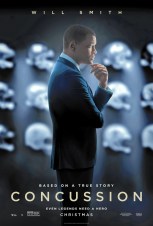
So Whaddya Think Brain th-4The much-anticipated movie, Concussion (trailer), is making current and former players of American football, their families, parents, fans, and coaches think about what is really happening in a sport that has become a large part of American culture. The movie has the same goal as we in the brain-injury community have – greater awareness of the delicate Concussion Movie 2.jpgnature of the brain and the ramifications of brain damage. The movie was released on Christmas Day, but it has made much news before its release.

The movie, which unsurprisingly is not sanctioned by the National Football League (NFL), tells the true story of the Nigerian pathologist, Dr. Bennet Omalu, and his discovery of the relationship of a neurodegenerative disease, which Dr. Omalu named “chronic traumatic encephalopathy” (CTE), and American football. Dr. Omalu studied the brain of Hall-of-Fame center, Mike Webster,

MikeWebsternfl

Mike Webster – Pittsburgh Steeler Pro Football Hall of Fame

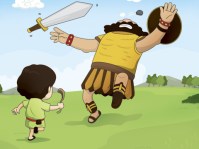
who died at age 50 homeless and with dementia. As shown in the Frontline documentary, League of Denial: The NFL’s Concussion Crisis (available free online), the movie shows how the multibillion-dollar NFL didn’t want to hear of Dr. Omalu’s discovery. The league’s questionable committee on concussions immediately attacked Dr. Omalu. It is a classic “David-vs.-Goliath” story.

David & Goliath.jpg

David & Goliath

(Dr. Omalu said in his Frontline interview, “You can’t go against the NFL. They’ll squash you.”) Former players have sued the NFL, arguing that the NFL knew of the dangers to the brain, but didn’t inform the players. In a class-action lawsuit, the NFL has recently settled for approximately $1 billion in medical expenses, but that settlement is being appealed by former players as inadequate.

Concussion Movie

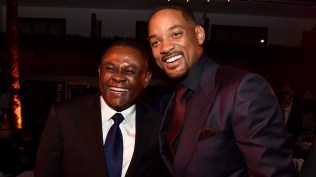
Dr. Bennet Omalu – pathologist – discovered CTE with Actor, Will Smith

Will Smith plays Dr. Omalu in Concussion. Will Smith, a former football fan whose son played high school football, recently admitted that he has not watched a full game of football since he made this movie. Peter Landesman, the movie’s director, played football into his sophomore year of college, but, knowing what he knows now, he would not let his children play the game.

The movie is a “must-see.” (video)


So, Whaddya Think?

Let’s get a dialogue going. Post your comments in the Comment Section. Directions are below.

So . . . what do you think? Is there something you are passionate about in this Brain Injury (BI) world? Do you want to be heard? Your opinion matters! You can SPEAK OUT! on “So Whaddya Think?”

Simply send me your opinion, and I will format it for publication. Posts may be short, but please send no more than 500 words. Send to Neelyf@aol.com

I hope to HEAR from you soon.

As I say after each post:

Feel free to leave a comment by clicking the blue words “Leave a Comment” below this post.

Please follow my blog. Click on “Follow Me Via eMail” on the right sidebar of your screen.anim0014-1_e0-1

If you like my blog, click the “Like” button under this post.

If you REALLY like my blog, share it intact with your friends. It’s easy! Click the “Share” buttons below.

If you don’t like my blog, “Share” it intact with your enemies. That works for me too!

(Clip Art compliments of Bing.)

SPEAK OUT! . . . . . . . . . . . . . Faces of Brain Injury Sarah Robinson

SPEAK OUT! Faces of Brain Injury – Sarah Robinson

presented by

Donna O’Donnell Figurski

 Brain Injury is NOT Discriminating!

bigstock-cartoon-face-vector-people-25671746-e1348136261718It can happen to anyone, anytime, . . . and anywhere.

The Brain Trauma Foundation states that there are 5.3 million people in the United States living with some form of brain injury.

On “Faces of Brain Injury,” you will meet survivors living with brain injury. I hope that their stories will help you to understand the serious implications and complications of brain injury.

The stories on SPEAK OUT! Faces of Brain Injury are published with the permission of the survivor or designated caregiver.

If you would like your story to be published, please send a short account and two photos to me at neelyf@aol.com. I’d love to publish your story and raise awareness for Brain Injury.

Sarah Robinson (survivor)

Robinson, Sarah Survivor

Sarah Robinson – I’m proud of how far I’ve come.

I sustained a traumatic brain injury (TBI) when I was a teenager. It drastically changed my personality as well as my life. I experienced rejection from people in my family because of my condition, and it is devastating. I have an important message for people who have a survivor in their family. Please never give up on him or her. My mother selflessly gave me so much of her time in order to help me recover. Her belief in me saw me through my traumatic experience and into adulthood, where I recovered dramatically. I have a brain injury, but it is my little secret. People don’t know if I don’t want them to. I want to share my story because I am proud of how far I have come, and I also want to inspire others.

(Clip Art compliments of Bing.)

(Photos compliments of contributor.)

As I say after each post: Please leave a comment by clicking the blue words “Leave a Commentanim0014-1_e0-1 below this post.

Feel free to follow my blog. Click on “Follow” on the upper right sidebar.

If you like my blog, share it with your friends. It’s easy! Click the “Share” buttons below.

If you don’t like my blog, “Share” it with your enemies. I don’t care!

Feel free to “Like” my post.


Brain Injury Resources . . . . . . Will Smith’s Movie, Concussion, Based on True Story

Will Smith’s Movie, Concussion, Based on True Story 

presented

by

Donna O’Donnell Figurski

Brain th-2Concussion is scheduled to be in theaters in late December, but it is already making headlines (review and trailer). The National Football League (NFL) knows that its Achilles heel is the high risk of brain injury to its players, not only from documented concussions, which are likely to be far fewer in number than actual concussions, but also from the repeated sub-concussive hits, which many neurologists believe contribute to brain injury. Former players are concerned (video of the song Final Drive by former NFL star Kyle Turley), and current players are becoming concerned. Recently a promising rookie linebacker with the San Francisco 49ers quit after one season over the fear of brain injury.

concussion-movie-nfl-20150903

Concussion

Concussion is based on the true story of the discovery of the brain disease known as chronic traumatic encephalopathy (CTE) by Dr. Bennet Omalu, a Nigerian pathologist who did the autopsy of Hall-of-Fame Pittsburgh Steelers center, Mike Webster. Dr. Omalu first saw CTE during his study of Webster’s brain. Webster was homeless, depressed, and suffering from dementia when he died at age 50. Dr. Omalu’s story, which is the basis of Concussion, is given in the PBS Frontline documentary League of Denial: The NFL’s Concussion Crisis. I urge everyone to watch the documentary before seeing Concussion. The 2-hour PBS documentary is available online at no cost. In Concussion, Will Smith plays Dr. Omalu.

Omalu & Smith

Dr. Bennet Omalu & Will Smith

This movie may change what you think about American football and the NFL. Knowing that brain disease is a major problem for the future of the game, the NFL tried to discredit Dr. Omalu and his provocative work. The NFL had previously established a questionable committee of doctors to study mild traumatic brain injuries (MTBIs), otherwise known as concussions. The NFL committee published papers claiming that MTBIs, even multiple MTBIs, were not a problem for players. (The conclusions are contradicted by current data. Also, some scientists question the validity of the published studies.)

NFL LogoDr. Omalu thought that the NFL would be very interested in his data. Instead, the NFL’s MTBI committee immediately attacked Dr. Omalu and his findings. At one point, the committee tried to get Dr. Omalu to retract the paper. Going against the multibillion dollar NFL has a steep price. Dr. Omalu has stated that he wishes he had never discovered CTE.

To date, CTE has been found in 88 of 92 autopsied NFL brains (1, 2). The currently accepted way that CTE is identified is by studying the brain postmortem. The major criticism of the postmortem analyses that were done is that the brains came from former players who already showed signs of brain disease. In other words, the claim is that the sample is biased. Dr. Ann McKee, a neuropathologist at Boston University’s CTE Center, studied most of the brains. She argues that the results would be extraordinary even in a biased sample.

AnnMcKeeMD1111

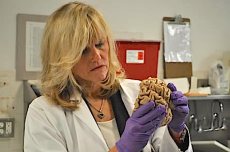
Dr. Ann McKee – neurolpathologist at Boston University

With a recent advance in technology, it seems that the bias criticism can soon be put to rest. Dr. Omalu is an author on a recent publication, in which neuroscientists from the University of California at Los Angeles (UCLA) and from the University of Chicago showed that CTE can be accurately diagnosed in a living person by a special PET (positron emission tomography) scan. If such scans were taken of all the current players, we would know if CTE is rare among players, as the NFL would like players and fans to believe, or if it’s relatively common, as Dr. Ann McKee believes.

Until that happens, we are left to decide about the risk of brain disease in players of American football on the basis of what we know. Concussion tells the little-known story of Dr. Omalu and the discovery of CTE. With this movie, we will be more informed and better able to evaluate the risk.

Omalu

Dr. Bennet Omalu – pathologist

As I say after each post:

Feel free to leave a comment by clicking the blue words “Leave a Comment” below this post.

Please follow my blog. Click on “Follow Me Via eMail” on the right sidebar of your screen.anim0014-1_e0-1

If you like my blog, click the “Like” button under this post.

If you REALLY like my blog, share it with your friends. It’s easy! Click the “Share” buttons below.

If you don’t like my blog, “Share” it with your enemies. That works for me too!


SPEAK OUT! Guest Blogger … Randy Terry “How To Make Your Life Better”

How To Make Your Life Better

by

Randy Terry

presented by

Donna O’Donnell Figurski

Boy Blogger thSo many times I hear, “I want my life back!” I’ve said it myself and made myself miserable. Now six years post stroke, I see that I will never get my old life back. It’s impossible. But the trials of my stroke and my recovery have changed my life forever – and for the good.

I am a survivor, and the things I have learned about life will Randy Terry 2 102615not allow me to return to the old life. Sure, some of the things I loved to do are no longer possible, but I have adapted to change. It wasn’t easy, but I really had no choice.

For the first few years, I played the “pity game.” I was mad at the world. I lamented, “Why me?” One day, I found that I was tired of this game. I thought that there has to be a better life after stroke. I put the wheelchair in a corner and picked up my walker. I started the hard work. Soon I was on the cane doing the same thing. It is by no means easy. Not only was I walking, but I also felt proud. That’s why you hear me say, “Stand tall and proud!”

Do not waste your time in that “pity place.” It’s very lonely there, Randy Terryand there is nothing to gain but misery. The ability to change your life is not a secret hidden from you. Instead, it’s about working to get what you want out of life.

I’m not smarter than you. You just have to get that brain thinking right, and get up and get it done. It takes time to heal, but time is on your side. You have plenty of it. Don’t think it’s all got to come at once. Work slowly and steadily. It will come.

Thank you, Randy Terry.

Disclaimer:
Any views and opinions of the Guest Blogger are purely his/her own.

(Clip Art compliments of Bing.)

(Photos compliments of Randy Terry.)

As I say after each post: Please leave a comment by clicking the blue words “Leave a Commentanim0014-1_e0-1 below this post.

Feel free to follow my blog. Click on “Follow” on the upper right sidebar.

If you like my blog, share it with your friends. It’s easy! Click the “Share” buttons below.

If you don’t like my blog, “Share” it with your enemies. I don’t care!

Feel free to “Like” my post.

SPEAK OUT! Faces of Brain Injury Alicia Theroux Williams

SPEAK OUT! Faces of Brain Injury – Alicia Theroux Williams  (caregiver)

presented by

Donna O’Donnell Figurski

 Brain Injury is NOT Discriminating!


bigstock-cartoon-face-vector-people-25671746-e1348136261718I want to introduce myself with a short story about my experience with traumatic brain injury (TBI). Last Christmas was the first Christmas in six years that my husband and I spent together. (He is a firefighter/paramedic. Therefore, he is on duty most holidays.) It was the best Christmas yet. I felt complete and whole. I never imagined that in just a couple of weeks my husband would be in a coma and sadly would not remember this glorious holiday. Williams, Eric Survivor 2 061215On the morning of January 6th, my husband was out running, and he was struck from behind by a cyclist. My husband’s first responders were his friends, since we live in the city that he works in. Williams, Alica Theroux Caregiver 061215They (I believe) were the reason that my husband survived. My husband spent fourteen days in a coma, seven days on the medical-surgical floor, and twenty-six days in an acute rehab facility. In a little more than three moWilliams, Eric Survivor 061215nths, he had three surgeries on his brain, plus many moreWilliams, Alicia Theroux Caregiver for & Husband Eric 061215 procedures for other issues. Even though we have just started on this journey, I am thankful to have a support-group to vent to and to get tips from. I feel like I am not in this alone.

Disclaimer: Any views and opinions of the Contributor are purely his/her own.

(Clip Art compliments of Bing.)

(Photos compliments of contributor.)

As I say after each post: Please leave a comment by clicking the blue words “Leave a Commentanim0014-1_e0-1 below this post.

Feel free to follow my blog. Click on “Follow” on the upper right sidebar.

If you like my blog, share it with your friends. It’s easy! Click the “Share” buttons below.

If you don’t like my blog, “Share” it with your enemies. I don’t care!

Feel free to “Like” my post.

Caregivers SPEAK OUT! . . . . . Lisabeth Mackall

Caregivers SPEAK OUT! – Lisabeth Mackall

presented

by

Donna O’Donnell Figurski

Lisabeth Mackall Caregiver 06112151. What is your name? (last name optional)

Lisabeth Mackall

2. Where do you live? (city and/or state and/or country) Email? (optional)

Cottage Grove, Minnesota, USA  info@lisabethmackall.com

3. What is the brain-injury survivor’s relationship to you? How old was the survivor when he/she had the brain injury? What caused your survivor’s brain injury?

My husband, Frank, was 39 when he had his car crash and suffered his TBI. He was a police officer responding to a call for assistance for another officer, and he lost control of his car on black ice and crashed.

4. On what date did you begin care for your brain-injury survivor? Were you the main caregiver? Are you now? How old were you when you began care?

Frank’s accident was on January 2, 2012. I brought him home on March 27, 84 days after he went to the hospital. He required Lisabeth Mackall Caregiver 06121524-hour supervision due to his cognition and safety needs. They suggested to take him to a rehab center, but I decided that it was time for him to come home.

5. Were you caring for anyone else at that time (e.g., children, parents, etc.)?

At that time, we had three children – ages 6, 9, and 15. We now have a fourth child – my husband’s half-brother’s child whom we took custody of one and a half years ago.

6. Were you employed at the time of your survivor’s brain injury? If so, were you able to continue working?

I was employed full-time. I was working as Rehab Director for nine buildings here in Minnesota. I worked the shift opposite to Frank’s, so we had very little time together. When he was allowed to come home from the hospital, I quit my job. I attempted to go back about a year after he was injured and had to quit. I just recently (November) went back to work full-time, but we had to hire a nanny for the morning to help get the kids to school after I leave for work.

7. Did you have any help? If so, what kind and for how long?

I had no help with Frank, although my mom did move in with us immediately after the crash and stayed for four months. We did not allow caregivers into the house since Frank was a police officer – we had family and friend support.

8. When did your support of the survivor begin (e.g., immediately – in the hospital; when the survivor returned home; etc.)?

Our support started the minute Frank was injured and continued for about two years. If we needed help now, we could call on law enforcement, but it is not in my nature to ask for help.

9. Was your survivor in a coma? If so, what did you do during that time?

Frank was in a true coma (minimally responsive) for about two weeks. He started to respond with a thumbs-up sign and by fighting against his restraint. He continued to improve from there. I spent that time talking with Frank, and talking with the cops and visitors as well. We were usually swamped with visitors, so I did not get a lot of time without people there. But, when I did speak with Frank, I told him over and over what had happened and that he was safe.

10. Did your survivor have rehab? If so, what kind of rehab (i.e., inpatient and/or outpatient and occupational, physical, speech, and/or other)? How long was the rehab? Where were you when your survivor was getting therapy?

Frank was in the hospital for 84 days. Once he left the medical unit and went to rehab, he was in for the full time until he was discharged. He then started outpatient rehab three times a week. That continued for a month. Frank had all three disciplines, although he was eventually weaned off occupational therapy. He continued to have physical therapy and speech therapy on and off for a long time. Right now, Frank can still go back to speech therapy if he wants, but he is taking a break. I would attend some of his sessions, but I tried to stay out of the speech therapy sessions. (They were too hard for me to watch, since I am a speech therapist, and I knew Frank thought the sessions were irritating.)

Lisabeth and Frank

Lisabeth and Frank

11. What problems or disabilities of your brain-injury survivor required your care, if any?

Frank has a hard time learning new things about technology. He has a problem with short-term memory. He also has a very short fuse, so kids arguing or chaos in the house is very difficult for him. We do finances together. Otherwise, he manages his own schedule about 75% of the time. I manage most of the other aspects of the house and the kids, with help from Frank if I leave lists and tasks.

12. How has your life changed since you became a caregiver? Is it better? Is it worse?

Life is different. I have to work very hard to be a wife and not a caregiver. Caregiving is easier and not sad. When I step into the wife role on some days, it is heartbreaking to know what we have lost.

13. What do you miss the most from pre-brain-injury life?

I miss having a highly intelligent partner in life who would debate with me and who is solid in his understanding of the world around him.

14. What do you enjoy most in post-brain-injury life?

Frank and I have more time together. Our family is more important now that we know how precious life is and how fast it can change.

15. What do you like least about brain injury?

I dislike Frank’s irritability and his lack of trust in the decisions that are made.

16. Has anything helped you to accept your survivor’s brain injury?

Being a speech therapist has given me a huge advantage with this recovery, although sometimes I wish I didn’t know so much.

17. Has your survivor’s injury affected your home life and relationships and, if so, how?

Frank’s brain injury has changed many things. In fact, we are moving. Our wood floors bother him when the dog walks across it. Frank also needs to have more space for himself, so we are trying to find a bigger house for all of us.

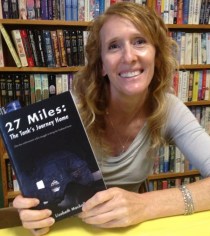
18. Has your social life been altered or changed and, if so, how?Lisabeth Mackall Book 061215
We have very little social life at this point. Most of our friends from before the accident have drifted away. The people we are closest with are those we met after the crash. We have busy kid schedules, and with Frank’s fatigue, it is often just easier to hang out at home.

19. What are your plans? What do you expect/hope to be doing ten years from now?

We have a child with behavior struggles. That doesn’t mix well with a TBI. Puberty and life-changes are going to be challenging. My goal is to hold our family together by thinking ahead, finding the right space for all of us, and consciously talking about the problems that we have together as a family.

20. What advice would you offer other caregivers of brain-injury survivors? Do you have any other comments that you would like to add?

We are all in the same ocean, but in separate sinking ships. We can help one another stay afloat if we ask for help. I truly feel that trying to navigate this world without help is too hard. Even knowing what I know about brain injuries as a professional, I was in no way prepared to deal with things that I live through each day. No one is. We all just have to find a way to make the best decisions we can for ourselves and for our loved ones. That doesn’t mean that we all stay together as a family – sometimes families break apart. That is the devastating part of this journey. A brain injury can destroy a family. Sometimes there is no choice but to separate a survivor from the family due to the injury. Being a therapist, my goal is to help people navigate the world as best as they can and to hopefully keep the family together.

Learn more about Lisabeth Mackall:

On the Air: Brain Injury Radio “Another Fork in the Road” with Lisabeth Mackall, Caregiver, Therapist, Author

Lisabeth Mackall Website

27 Miles: The Tank’s Journey Home

Disclaimer: Any views and opinions of the Contributor are purely his/her own.

(Clip Art compliments of Bing.)

(Photos compliments of contributor.)

As I say after each post: Please leave a comment by clicking the blue words “Leave a Commentanim0014-1_e0-1 below this post.

Feel free to follow my blog. Click on “Follow” on the upper right sidebar.

If you like my blog, share it with your friends. It’s easy! Click the “Share” buttons below.

If you don’t like my blog, “Share” it with your enemies. I don’t care!

Feel free to “Like” my post

SPEAK OUT! NewsBit . . . . . . . . . . . . Comedian Tracy Morgan: Exclusive Interview One Year After Accident

Comedian Tracy Morgan: Exclusive Interview One Year After Accident

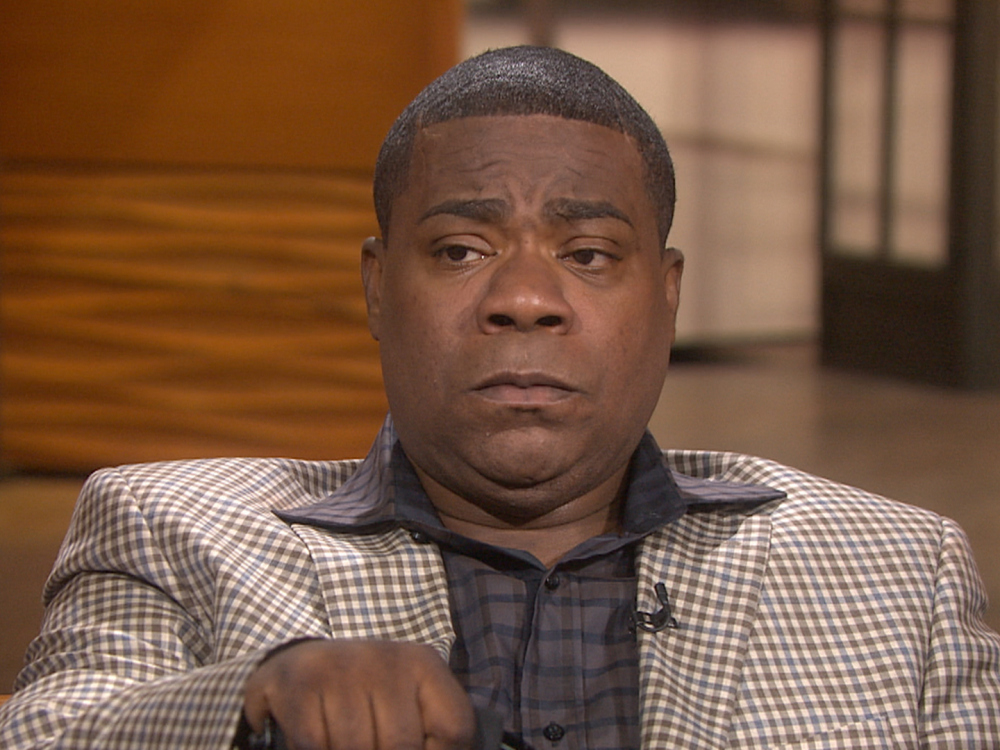
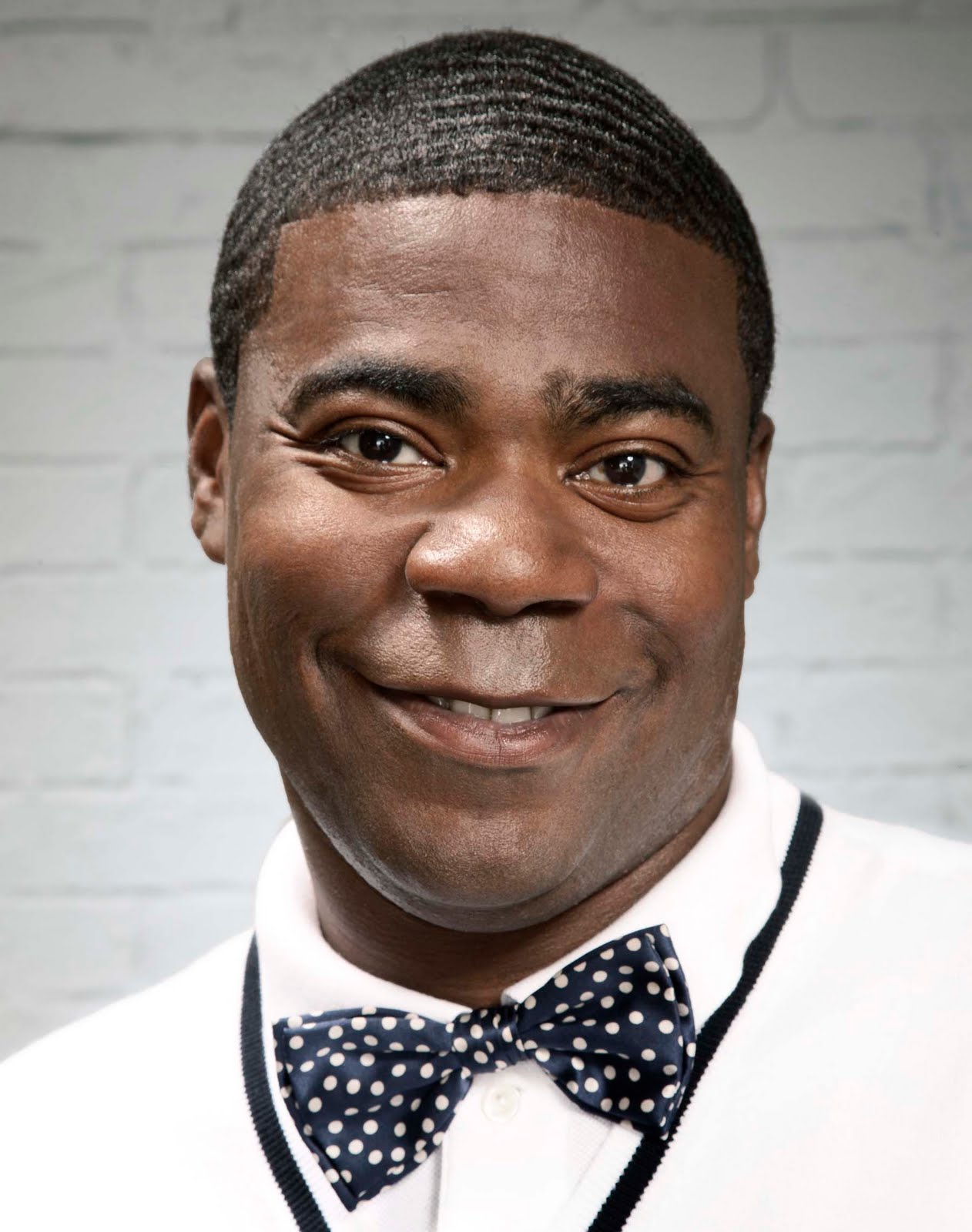
tracy-morgan-crashJune 7th was the one-year anniversary of the horrific motor vehicle accident that gave comedian Tracy Morgan broken bones and a serious brain injury and also claimed the life of Morgan’s close friend, James “Jimmy Mac” McNair. Matt Lauer Shot_3-10863spoke with Morgan in a two-part exclusive interview on the Today show and on the set of Saturday Night Live (part 1 with video, part 2 with video).

Morgan, who at times was tearful, said, “I love comedy, and I wonder how I’m going to be funny again.”

(Clip Art compliments of Bing.)

As I say after each post:

Please leave a comment by clicking the blue words “Leave a Comment” below this post.anim0014-1_e0-1

Feel free to follow my blog. Click on “Follow” on the upper right sidebar.

If you like my blog, share it with your friends. It’s easy! Click the “Share” buttons below.

If you don’t like my blog, “Share” it with your enemies. I don’t care!

Feel free to “Like” my post.

SPEAK OUT! Faces of Brain Injury Tony Giglio

SPEAK OUT! Faces of Brain Injury – Tony Giglio

presented by

Donna O’Donnell Figurski

 Brain Injury is NOT Discriminating!


bigstock-cartoon-face-vector-people-25671746-e1348136261718I suffered my traumatic brain injury (TBI) in a near-fatal car accident back in 2004. I live in the eastern Pennsylvania region. I have come a long way throughout the course of my recovery. (I’ve always been in healthy-athletic shape; I played sports up until my second year of college in Florida; I had a few serious relationships in the past; I graduated high school, Prep school, and college on time; I picked up driving fast again, etc.) Giglio, Tony

I still find myself facing the following challenges: balancing money in the best way every so often and seeking romance relationships with women. I’m a truly caring gentleman, and I live independently – in my own apartment. In the coming years, I’m looking to get married, while living a great life. I have recovered well, but I have also made mistakes in the past where I lost certain friends. But, the fact is that I learn and always move forward in a positive direction. I’m always happy and carefree. I learn better from my mistakes, even with my having a brain injury, than do non-brain-injured people.

Giglio, Tony 2Disclaimer: Any views and opinions of the Contributor are purely his/her own.

(Clip Art compliments of Bing.)

(Photos compliments of contributor.)

As I say after each post: Please leave a comment by clicking the blue words “Leave a Commentanim0014-1_e0-1 below this post.

Feel free to follow my blog. Click on “Follow” on the upper right sidebar.

If you like my blog, share it with your friends. It’s easy! Click the “Share” buttons below.

If you don’t like my blog, “Share” it with your enemies. I don’t care!

Feel free to “Like” my post
SPEAK OUT! NewsBit . . . . . . . . . . . . Domestic Violence in Women May Result in Brain Injury

Domestic Violence in Women May Result in Brain Injury

presented by

Donna O’Donnell Figurski

Estimate: Every year, domestic violence gives 20 million women a TBI

Maria Garay Sojourner Center 060315

Maria Garay, CEO Sojourner Center Phoenix, Az

Newsboy thThe news media have made people aware of traumatic brain injury (TBI) in soldiers returning from war and in sports, especially football. But, no one has been tracking TBIs in domestic violence cases. Maria Garay, CEO of the Sojourner Center in Phoenix, Arizona, which is responsible for a new program to identify TBIs in victims of domestic violence, said of the failure to identify TBIs in abuse cases, “The fact that no one is tracking this is, to me, a crime.”

The number of victims of domestic violence with a TBI will dwarf military and sports-related TBIs combined. One estimate says 20 million abused women a year in the US will get a TBI. The Sojourner Center is initiating a program to identify TBIs in women and children who are victims of domestic violence.

Sojourner Center Maria Garay 060315

Sojourner Center Phoenix, Az

One issue is that shelters do not routinely test for a TBI, so one objective is to develop tools that allow shelter workers to routinely screen for TBIs. Another objective is to provide every victim who has a TBI with a treatment plan. Soldiers and athletes are often directed to a rehab center. Victims of domestic abuse with a TBI are not currently helped. The TBI may actually make it more difficult for a woman to leave because it may be difficult to find a job. Kim Gandy, president of the National Network To End Domestic Violence, warns that women who are known to have a TBI may be at a disadvantage in child custody cases. But, Kerri Walker, a coordinator for a women’s shelter and herself a victim of domestic violence said, “The one thing that abusers tell us over and over is that we are stupid. The relief factor for so many women is going to be unmeasurable.” (Full story)stop-domestic-violence

(Clip Art compliments of Bing.)

As I say after each post:

Please leave a comment by clicking the blue words “Leave a Comment” below this post.anim0014-1_e0-1

Feel free to follow my blog. Click on “Follow” on the upper right sidebar.

If you like my blog, share it with your friends. It’s easy! Click the “Share” buttons below.

If you don’t like my blog, “Share” it with your enemies. I don’t care!

Feel free to “Like” my post.

Survivors SPEAK OUT! Susan Shacka

Survivors  SPEAK OUT!  Susan Shacka

presented by

Donna O’Donnell Figurski

Shacka, Susan1. What is your name? (last name optional)

Susan Shacka

2. Where do you live? (city and/or state and/or country) Email (optional)

Sioux City, Iowa, USA

3. On what date did you have your brain injury? At what age?

I acquired a brain injury in 2009 at age 51.

4. How did your brain injury occur?

My brain injury occurred after the removal of a lap-band procedure that caused complications. I couldn’t keep anything down – not even food or water.

5. When did you (or someone) first realize you had a problem?

My stomach felt numb for a few days after the removal. I couldn’t eat for two months, and I lost 80 pounds in that period. I was so weak. The first angel in my life was Suzanne. We just met.

6. What kind of emergency treatment, if any, did you have?

Within fourteen days, I couldn’t walk. I went to the hospital via ambulance, not knowing that I would never come home; lose my apartment, car, and cat of ten years; and lose a lot memories and collectibles. I had double vision within two weeks of the lap-band removal. Prior to removing the band, my potassium was so low that I had to take it straight (three times a day in the hospital – Ugh!). They immediately ordered a CT (computerized tomography) scan, a spinal tap, Xrays, etc. First, I was given cortisone shots and IVs because I was dehydrated. I requested “Ensure” to bump up my vitamin levels, but it made my blood sugar high. Then they realized the cortisone was making it high, so they stopped. Just to let everyone know, I never went back to that surgeon or that hospital ever again. I was treated at another hospital. I was all alone and scared. All the tests were done during the first week. Doctor after doctor came, and they still didn’t know what the cause was. They thought it might have been Multiple Sclerosis at some point. I was given IVIg (intravenous immunoglobulin), and I had insurance people and neurologists coming in and out. The head neurologist – bless Dr. Shen! – found out that I had Guillain-Barré syndrome (named after two French doctors). It is both a neurological and an autoimmune disease. One can be paralyzed, which I was from waist down. (That numbness on my waist and the tripping were clues.) Dr. Shen immediately ordered eight hours a day of IVIg to neutralize the antibodies attacking my system.

7.Were you in a coma? If so, how long?Shacka, Susan Survivor 053015

No

8. Did you do rehab? What kind of rehab (i.e., inpatient or outpatient and occupational and/or physical and/or speech and/or other)? How long were you in rehab?

I was in rehab for eight months. While in the hospital, I had to do baby steps and learn how to sit, move, and touch hands with the occupational therapist. It was hard, as I had to take Benadryl during each session to help with symptoms. The medication worked so well that it sometimes knocked me out. The ultimate indignity occurred before I left the hospital. It is clear in my mind to this day. I had to use the sliding-board to get into the wheelchair. Eventually I went to an acute rehab facility. I am still getting occupational and physical therapies twice a week through a government program called PACE (Programs for All-inclusive Care for the Elderly). Everything is paid for through them: a bath aide who cleans while I shower, meals at home, occupational and physical therapies, my learning how to write, glasses, etc.

9. What problems or disabilities, if any, resulted from your brain injury
(e.g., balance, perception, personality, etc.)?

My personality toward my family has changed – I just want to be part of them. I use my “Cadillac” a lot – my walker! But, I risk my safety when I walk the dog. I have residuals from Guillain-Barré syndrome – neuropathy pain and pins and needles in my hands. I have a special type of shoes, as I don’t have flexibility in my feet. And, I have use of only my left hand. After being a secretary for top doctors, a marketing director, vice presidents, etc., I now type with one finger. To top things off, and there is no connection, I acquired another neurological/autoimmune disease (ataxia) in 2013. There are over 60 types. I guess I have Cerebellum Ataxia. This is a movement disorder similar to Parkinson’s Disease. (It’s Michael J. Fox who will help find a cure!) I knew something else was wrong – I was dropping things, I had a problem with balance, I was slurring my words, and my fine-motor skills deteriorated. By this time, I had moved back to my hometown, where my aunt and cousins live. But, it turned out they rejected me – it was hurtful knowing that something was wrong with me. The local contact at Brain Alliance knew I needed to see neurophysicist. I was diagnosed with PTSD (post-traumatic stress disorder). My neurologist did blood test after blood test (over 15 vials one time). He wasn’t about to give up. Luckily, my neurologist knows the neurophysicist, and they conferred about me. I did have to go in for emergency IVIg treatments for my ataxia. My anti-GAD (glutamic acid decarboxylase, an enzyme) antibody titer (a marker for cerebellar ataxia) was high. It was over 250; normal is 0.10.

10. How has your life changed? Is it better? Is it worse?

I moved closer to my sister and her brother-in-law, which helps so much. I am going to church and meeting new people. I changed my Medical Power of Attorney to someone who gets me and my problems; goes to my church; understands about depression and, more importantly, disability, as her husband had a stroke. Bless both!

11. What do you miss the most from your pre-brain-injury life?

I miss driving and working.

12. What do you enjoy most in your post-brain-injury life?

I would still be living in California.

13. What do you like least about your brain injury?

I’m homebound a lot!

14. Has anything helped you to accept your brain injury?

I spend time at MPOA once a month and do bible study. I live in a place with older people (80s), but I want to spend more time with people my age. I am 57.

15. Has your injury affected your home life and relationships and, if so, how?

I find it hard to meet people.

16. Has your social life been altered or changed and, if so, how?

Meeting people is difficult, as it costs money for the handicap bus.

17. Who is your main caregiver? Do you understand what it takes to be a caregiver?

I have a bath aide twice a week – no other caregiver. My family says they’ll take me grocery shopping.

18. What are your plans? What do you expect/hope to be doing ten years from now?

I hope to pay off my bills and move to another place.

19. Are you able to provide a helpful hint that may have taken you a long time to learn, but which you wished you had known earlier? If so, please state what it is to potentially help other survivors with your specific kind of brain injury.

Get involved; find a church. For me, getting a pet has been wonderful for my mood. Medication has been important. Don’t be embarrassed about seeing a counselor. It has helped me so much.

20. What advice would you offer to other brain-injury survivors? Do you have any other comments that you would like to add?

Understand that it’s not your fault. For me, I did the lap-band upon the suggestion of a doctor. I also did it because I didn’t want to be like my mother, who was extremely overweight. I eventually lost 150 pounds – half of me!

You can still find your passion. I am administrator for my disease support-group on Facebook, called “Ataxians Helping Other Ataxians,” which in about eight months has over 860 members. This is my passion. I still have the need to help people. I was in the local newspaper and on TV and radio. Now I am working on a petition to get a spokesperson. It is listed “Spokesperson needed….” Please vote!

Bless you all for reading this! Love each other more. Say it more, as life is short!


Susan Shacka Survivor 053015Thank you, Susan, for taking part in this interview. I hope that your experience will offer some hope, comfort, and inspiration to my readers.

(Disclaimer: The views or opinions in this post are solely that of the interviewee.)

If you would like to be a part of the SPEAK OUT! project, please go to TBI Survivor Interview Questionnaire for a copy of the questions and the release form.

(Photos compliments of Susan.)

As I say after each post: Please leave a comment by clicking the blue words “Leave a Commentanim0014-1_e0-1 below this post.

Feel free to follow my blog. Click on “Follow” on the upper right sidebar.

If you like my blog, share it with your friends. It’s easy! Click the “Share” buttons below.

If you don’t like my blog, “Share” it with your enemies. I don’t care! Feel free to “Like” my post.

diemodi jewelry

uniquely hand-crafted jewelry by donna

Welcome to Harmony Kent Online

The home of all things books

Pete Springer

Passionate Teacher and Future Children's Author

HOPE TBI

Helping Other People Excel - To Be Independent

For the Love of Books, Old and New

Katie Fischer, Writer and Reader of Stories

Charlie Bown

Children's Author

Jessica Hinrichs

“We write to taste life twice, in the moment and in retrospect.” ― Anais Nin

VIVIAN KIRKFIELD - Writer for Children

Picture Books Help Kids Soar

Mindy’s Writing Wonderland

For authors, parents, teachers & everyone who loves children’s books.

Kaitlyn Leann Sanchez

Literary Agent

Surviving Traumatic Brain Injury

TBI - Survivors, Caregivers, Family, and Friends

The Care Factor

Loving someone with a Traumatic Brain Injury

Brain Injury Support Group of Duluth-Extension

Brain Injury Information and SUPPORT

Brain Aneurysm Global Insight

Brain Aneurysm, cerebral hemorrhaging, hemorrhage stroke