TBI – Survivors, Caregivers, Family, and Friends

Posts tagged ‘Traumatic Brain Injury Survivor’

Survivors SPEAK OUT! Shelly Millsap

Survivors SPEAK OUT! Shelly Millsap

presented

by

Donna O’Donnell Figurski

Shelly Rupert Millsap - Brain Injury Survivor

Shelly Rupert Millsap – Brain Injury Survivor

1. What is your name? (last name optional)

Shelly Millsap

2. Where do you live? (city and/or state and/or country) Email (optional)

Glendale, Arizona, USA

3. On what date did you have your brain injury? At what age?

My brain injury happened on January 17, 2013. I was 46.

4. How did your brain injury occur?

I was in a freak accident at home – a bottle of homemade ginger ale exploded in my face.dcredykoi

5. When did you (or someone) first realize you had a problem?

I realized I had a problem approximately 1-2 weeks after my accident.

6. What kind of emergency treatment, if any, did you have?

I was taken to the Emergency Room for CT (computerized tomography) scan.

7. Were you in a coma? If so, how long?

I was knocked unconscious for about twenty minutes.

8. Did you do rehab? What kind of rehab (i.e., inpatient or outpatient and occupational and/or physical and/or speech and/or other)?

I had to do rehab to relearn to walk correctly and talk correctly. I still do home therapy – I’m trying to regain abilities for a lot of things that I once could do easily and now cannot.

How long were you in rehab?

A few months

9. What problems or disabilities, if any, resulted from your brain injury (e.g., balance, perception, personality, etc.)?

gg61447820I have severe PTSD (post-traumatic stress disorder) and cannot be around loud noises or big crowds. I have issues with being in new environments. I tire very easily. I don’t understand people when they talk too quickly. I can’t remember new information very easily. I get lost easily or become disoriented. I have balance issues. I have a bit of anger inside that wasn’t there before … the list goes on and on.

10. How has your life changed? Is it better? Is it worse?

I can’t say that my life is better, but I refuse to say that it is worse. It is a work in progress. Life is full of ups and downs. I have always been a person who likes to take care of people. It is hard for me to let anyone take care of me. My life has changed in the mere fact that I need help with certain things … I used to be very independent. I still am, but I know that I have limitations now.

11. What do you miss the most from your pre-brain-injury life?

I miss being out-and-about without worrying that the noise will be too much or that I’ll be in a situation that will mentally paralyze me. I miss the ability to get into my car and know that I can drive myself anywhere I want to go.

12. What do you enjoy most in your post-brain-injury life?

I enjoy seeing the changes that have happened to my immediate family. They have become more compassionate.large_familylovetitle

13. What do you like least about your brain injury?

I dislike my new limitations and the loss of who I once was intellectually.

14. Has anything helped you to accept your brain injury?

God. I’ve always had a strong faith, and I know that God isn’t looking down and laughing at me. This didn’t happen because of some sick joke. God is going to use me and my experience to help someone else. I believe that we all have the choice to have a good day or a bad day. When I wake up, I choose to have a good one. There are things that come into my path at times that aren’t always pleasant, but I try to not focus too much on that and move on.

15. Has your injury affected your home life and relationships and, if so, how?

Yes. I have friends who have a hard time with this and really don’t call or communicate much anymore. I understand. It’s hard for some people. I don’t worry myself too much about what is out of my control with people who don’t understand. I just try to focus on the people who are still around and cherish them.

16. Has your social life been altered or changed and, if so, how?

I can’t go out a lot because of the noise. I don’t handle situations very well when I don’t know what is going to happen. I can’t be spontaneous. I have a hard time going to movies because of the noise. It’s hard going out to eat at times. But I do get together with my good friends a lot.

17. Who is your main caregiver? Do you understand what it takes to be a caregiver?

Shelly Rupert Millsap - Brain Injury Survivor Bob Millsap - Caregiver

Shelly Rupert Millsap – Brain Injury Survivor
Bob Millsap – Caregiver

My main caregiver is ME … with some help from my husband.

18. What are your plans? What do you expect/hope to be doing ten years from now?

I’m not sure. It’s hard for me to look that far into the future. So many things have changed in my life that I kind of take it day to day. My main goal in life is to help people, and I plan on continuing to do that. I think that we should all give more than we take from this world. That is how I live my life. I’m not a “people-pleaser.” I could care less sometimes if I please someone. I hate that term. I do things because they need to be done. I just try to treat people the way that I want to be treated.

19. Are you able to provide a helpful hint that may have taken you a long time to learn, but which you wished you had known earlier? If so, please state what it is to potentially help other survivors with your specific kind of brain injury.

Gosh, that is a hard one. I am tired and can’t think of anything right now.

20. What advice would you offer to other brain-injury survivors? Do you have any other comments that you would like to add?

No matter what your circumstance, there is always someone else out there who probably has it worse. If you are having a bad day and are feeling hopeless, remember that tomorrow is just around the corner and that most likely it will be a better day. You can pick yourself up and make the most out of what you still have. Life is a precious thing. Live it, love it, and be around people who love you as you are.

NOTE:surviving-brain-injury-stories-of-strength-and-inspiration

Shelly is a contributing author on”Surviving Brain Injury: Stories of Strength and Inspiration,” which will be available in mid November 2016. You can order the book by clicking the title. The book includes stories from about 80 brain injury survivors or caregivers.


If you would like to be a part of the SPEAK OUT! project, please go to TBI Survivor Interview Questionnaire for a copy of the questions and the release form.

(Clip Art compliments of Bing.)

(Photos compliments of contributor.)

As I say after each post:

Feel free to leave a comment by clicking the blue words “Leave a Comment” below this post.

Please follow my blog. Click on “Follow Me Via eMail” on the right sidebar of your screen.anim0014-1_e0-1

If you like my blog, click the “Like” button under this post.

If you REALLY like my blog, share it intact with your friends. It’s easy! Click the “Share” buttons below.

If you don’t like my blog, “Share” it intact with your enemies. That works for me too!

SPEAK OUT! . . . . . . . . . . . . . Guest Blogger . . . . . . . . . . . . . . . Deb Angus – Just Blew Me Away

Just Blew Me Away …

by

Deb Angus

presented

by

Donna O’Donnell Figurski


Girl Blogger cartoon_picture_of_girl_writingMy husband and I used to be avid bicyclists all throughout the trail system here in Calgary (in Alberta, Canada). Sometimes we would be out and about for the whole day, putting on as much as 50 km (31 miles). Mostly this was back in ‘83 to ‘88. Then we bought a house. The trail system wasn’t as good in that neighbourhood. As a result, we only went sporadically over the following years.

Even that came to an end in 2001, when I sustained a TBI (traumatic brain injury) at the hands of a distracted driver who hit us while we were stopped at a red light. Because of ongoing balance issues, I no longer had the desire to ride my bike again. (So sad the things we lose because of TBI.)

Deb Angus - brain injury survivor and author of “Regaining Consciousness: My Encounter with Mild Brain Injury--the Silent Epidemic"

Deb Angus – brain injury survivor and author of “Regaining Consciousness: My Encounter with Mild Brain Injury–the Silent Epidemic”

Then in 2006, I had an idea about someday getting myself an adult tricycle. That way I would not have to worry about my lack of balancing skills – especially when you have to do a shoulder check (scanning over your shoulder without making the bike swerve). But because we were then living in apartments, storage was an issue. My dream of getting a trike never came to fruition … until this year!

My husband was diagnosed with stage IV colorectal cancer in March 2015. He died April 1, 2016. It has been pretty rough. We had been together for 37 years. I have also been dealing with my own kidney failure since August 2013, and I do peritoneal dialysis every night for 8-9 hours. The waiting list for a transplant in our province is 6-8 years, so I have a ways to go yet. With my husband’s passing, I wanted to start doing things that would get me outside more often and be more active. I also wanted to do something to keep me busy for our wedding anniversary and my birthday, which were coming up on June 30. So I came up with a grand idea that if I could find a “folding” trike, I could then store it in the back of my car. And that is exactly what I’ve done. I wasn’t able to find such a trike locally, so I had to mail-order one and put it together.

Deb Angus - Brain Injury Survivor and her Trike

Deb Angus – Brain Injury Survivor and her Trike

On my very first ride, I drove down to the area of the city where my husband and I used to live back in ‘86 and ‘87. Talk about a trip down memory lane! Within seconds of riding my trike, I felt like I was 32 years old again – whizzing down the tails we used to ride with wind blowing through my helmet and hearing the birds singing and chirping along the way. The freedom I felt at being able to ride again … was fantastic! Then tears came to my eyes because my husband wasn’t here to enjoy this with me …. But as I was heading back to the car after about an hour of riding, I noticed in big letters written in chalk on the asphalt trails the words Love U. I knew then that my husband was there in spirit. I felt that he was so proud and happy that I had finally managed to get my trike and that I will enjoy many more great rides.


Thank you, Deb Angus.

Disclaimer:
Any views and opinions of the Guest Blogger are purely his/her own.

(Clip Art compliments of Bing.)

(Photos compliments of Deb Angus.)

As I say after each post: Please leave a comment by clicking the blue words “Leave a Commentanim0014-1_e0-1 below this post.

Feel free to follow my blog. Click on “Follow” on the upper right sidebar.

If you like my blog, share it (intact) with your friends. It’s easy! Click the “Share” buttons below.

If you don’t like my blog, “Share” it (intact) with your enemies. I don’t care!

Feel free to “Like” my post.

Survivors SPEAK OUT! . . . Gretchen

Survivors SPEAK OUT! Gretchen

presented

by

Donna O’Donnell Figurski

Gretchen - Brain Injury Survivor

Gretchen – Brain Injury Survivor

1. What is your name? (last name optional)

Gretchen

2. Where do you live? (city and/or state and/or country) Email (optional)

Louisiana, USA

3. On what date did you have your brain injury? At what age?

I had just turned 20.

4. How did your brain injury occur?

My brain injury is from a car accident. My best friend was driving. I was sitting on the console and flew into the backseat. The driver was ejected, and she was killed instantly. Another friend with us, who was sitting in passenger’s seat, just had stitches.

5. When did you (or someone) first realize you had a problem?

I was medevacked to a hospital right away and stabilized. I was then flown to a larger hospital. I knew one of the emergency responders, and he said he recognized my brain injury from the way I was breathing. I was also erratic and trying to move and fight and get up, but I had a head injury. Another responder told me that he had to almost lie on me to keep me still.

6. What kind of emergency treatment, if any, did you have?

I had a PEG (percutaneous endoscopic gastrostomy) tube (to add nutrition directly into the stomach), a halo brace (a metal ring attached to the head and shoulders to immobilize the spine) because I had a broken neck (fracture of the C2 vertebra), a tracheotomy, and the usual IVs and ports.

Gretchen with Halo Brace

Gretchen with Halo Brace

7. Were you in a coma? If so, how long?

Yes. I was in a coma for three and a half weeks.

8. Did you do rehab? What kind of rehab (i.e., inpatient or outpatient and occupational and/or physical and/or speech and/or other)?

Yes. I had some physical therapy, but mostly I had cognitive therapy. I had both inpatient and outpatient rehab.

How long were you in rehab?

Inpatient rehab was about a week. Outpatient rehab was for several weeks (a couple of times a week).

9. What problems or disabilities, if any, resulted from your brain injury
(e.g., balance, perception, personality, etc.)?

I have no physical problems; they’re mostly cognitive. I have some personality changes. My family has voiced this to me. I have no control over it, but I do feel it, and I feel so uncomfortable with it. I’m not happy and confident and wonderful. That doesn’t come naturally to me anymore.

10. How has your life changed? Is it better? Is it worse?

Worse. I am almost always anxious and uncomfortable.

11. What do you miss the most from your pre-brain-injury life?

I miss my friend and my carefree and happy self.

12. What do you enjoy most in your post-brain-injury life?

I guess I just have to enjoy living life. That’s all I have. I take it one day at a time.

13. What do you like least about your brain injury?

My brain injury took a part of me that I was happy with – my confidence and my peace. I hate that about it.

14. Has anything helped you to accept your brain injury?

I just do. I have to accept it.

15. Has your injury affected your home life and relationships and, if so, how?

My relationships have definitely been affected – both romantic and friendship. I fought the change with my boyfriend at the time, but he recognized it. We ended up breaking up after several years. My friendships are also different. I find it difficult to talk and keep in conversation. It’s hard to find stuff to say to people I was so close to before. It makes me so uncomfortable, although it could also be from our drifting apart naturally. It’s like I feel cold to them, but I don’t intentionally try to act that way.

16. Has your social life been altered or changed and, if so, how?

Yes. I’m so anxious all the time. I’m very uncomfortable with myself.

17. Who is your main caregiver? Do you understand what it takes to be a caregiver?

My aunt was my caregiver right after I got out of the coma. I am my own caregiver now. I live on my own. My dad has to work, and my mom didn’t feel comfortable doing it. We live right next door to each other, though.

18. What are your plans? What do you expect/hope to be doing ten years from now?

I want to be happy. I have a degree in English. I hope to write more. I have been published twice, but I haven’t gotten back an email or a response. I was a French major, but I lost it all after the accident. I was heartbroken.

Gretchen - Brain Injury Survivor

Gretchen – Brain Injury Survivor

19. Are you able to provide a helpful hint that may have taken you a long time to learn, but which you wished you had known earlier? If so, please state what it is to potentially help other survivors with your specific kind of brain injury.

Nothing I can think of

20. What advice would you offer to other brain-injury survivors? Do you have any other comments that you would like to add?

Take it one day at a time, and don’t be hard on yourself. Love yourself. Again – don’t be hard on yourself!

If you would like to be a part of the SPEAK OUT! project, please go to TBI Survivor Interview Questionnaire for a copy of the questions and the release form.

(Clip Art compliments of Bing.)

(Photos compliments of contributor.)

As I say after each post:

Feel free to leave a comment by clicking the blue words “Leave a Comment” below this post.

Please follow my blog. Click on “Follow Me Via eMail” on the right sidebar of your screen.anim0014-1_e0-1

If you like my blog, click the “Like” button under this post.

If you REALLY like my blog, share it intact with your friends. It’s easy! Click the “Share” buttons below.

If you don’t like my blog, “Share” it intact with your enemies. That works for me too!

SPEAK OUT! . . . . . . . . . . . . . Faces of Brain Injury . . . . . . . . . Terry Davis (survivor)

SPEAK OUT! Faces of Brain Injury –  Terry Davis (survivor)

presented

by

Donna O’Donnell Figurski

Brain Injury is NOT Discriminating!

bigstock-cartoon-face-vector-people-25671746-e1348136261718It can happen to anyone, anytime, . . . and anywhere.
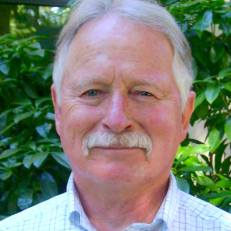
The Brain Trauma Foundation states that there are 5.3 million people in the United States living with some form of brain injury.

On “Faces of Brain Injury,” you will meet survivors living with brain injury. I hope that their stories will help you to understand the serious implications and complications of brain injury.

The stories on SPEAK OUT! Faces of Brain Injury are published with the permission of the survivor or designated caregiver.

If you would like your story to be published, please send a short account and two photos to me at neelyf@aol.com. I’d love to publish your story and raise awareness for Brain Injury.


terry-davis-1

Terry Davis – Brain Injury Survivor

Terry Davis (survivor)

I have a traumatic brain injury from a motorcycle accident back in 2006. I’ve been thinking about what I went through during my recovery. I was taken to the Center for Neuro Skills located in Bakersfield, California for six months. I went through some intense exercises to get back my memory and my cognitive thinking. I was totally delusional and made things up that were total fabrications. Anyway, I finally started coming back to reality, and in recognizing that I had recovered, they released me to back to the world I used to know. It was very hard. It’s been ten years since then, and I can honestly say that I’m doing much better now.

terry-davis

Terry Davis – Brain Injury Survivor

I’m slowly realizing who I used to be and what I agreed with and had opinions about. My psychologist told me to forget the “old” Terry and find out who the “new” Terry is and improve on that. It made life so much easier.


Thank you Terry Davis for sharing your story.

(Clip Art compliments of Bing.)

(Photos compliments of contributor.)

As I say after each post: Please leave a comment by clicking the blue words “Leave a Commentanim0014-1_e0-1 below this post.

Feel free to follow my blog. Click on “Follow” on the upper right sidebar.

If you like my blog, share it intact with your friends. It’s easy! Click the “Share” buttons below.

If you don’t like my blog, “Share” it intact with your enemies. I don’t care!

Feel free to “Like” my post.


Survivors SPEAK OUT! Natalie Collins

Survivors SPEAK OUT! Natalie Collins

presented

by

Donna O’Donnell Figurski


Natalie Collins - Brain Injury Survivor

Natalie Collins – Brain Injury Survivor

1. What is your name? (last name optional)

Natalie Collins

2. Where do you live? (city and/or state and/or country) Email (optional)

Shreveport, Louisiana, USA

3. On what date did you have your brain injury? At what age?

I was 34.

4. How did your brain injury occur?

In a car accident

5. When did you (or someone) first realize you had a problem?

Immediately after the accident

6. What kind of emergency treatment, if any, did you have?

None

7. Were you in a coma? If so, how long?

I wasn’t in one.

8. Did you do rehab? What kind of rehab (i.e., inpatient or outpatient and occupational and/or physical and/or speech and/or other)? How long were you in rehab?

I had outpatient physical therapy for six months.

9. What problems or disabilities, if any, resulted from your brain injury
(e.g., balance, perception, personality, etc.)?

I have problems with balance, perception, and personality, and I suffer from mood changes.

10. How has your life changed? Is it better? Is it worse?

My outlook on life is better, but I still grieve the “old” me. The worst is knowing I will be forever changed.

11. What do you miss the most from your pre-brain-injury life?

I miss being able to read a book.

12. What do you enjoy most in your post-brain-injury life?

I enjoy people more and “stopping to smell the roses,” as that old cliché goes.

13. What do you like least about your brain injury?

I dislike needing constant assistance because of my memory.

14. Has anything helped you to accept your brain injury?

I found it helpful to take Sticky Notes everywhere.

15. Has your injury affected your home life and relationships and, if so, how?

Yes. My current husband didn’t understand how big of a job it is to take care of me. As a result, I hide a lot of my disability. I also have to stay in the kitchen while cooking.

16. Has your social life been altered or changed and, if so, how?

Absolutely. I really don’t have a social life now. Before the accident, I had all sorts of people to hang out with.

17.  Who is your main caregiver? Do you understand what it takes to be a caregiver?

My mom has been a great help teaching me how to do stuff and not doing it all for me.

18. What are your plans? What do you expect/hope to be doing ten years from now?

I honestly don’t know what I’ll be doing in the future. It depends on if this head injury allows me to continue my education in counseling.

Natalie Collins - Brain Injury Survivor

Natalie Collins – Brain Injury Survivor

19. Are you able to provide a helpful hint that may have taken you a long time to learn, but which you wished you had known earlier? If so, please state what it is to potentially help other survivors with your specific kind of brain injury.

My advice is to take notes everywhere, especially doctors’ offices. (I had a friend who made me make a daily list, so I would remember even to take a bath. If you’re like me, you won’t remember why the stove is dinging.) Keep a set routine. Stay in the kitchen when cooking.

20. What advice would you offer to other brain-injury survivors? Do you have any other comments that you would like to add?

All I can say is “Notes everywhere.” Sticky Notes are fairly cheap in comparison to forgetting really important stuff.


If you would like to be a part of the SPEAK OUT! project, please go to TBI Survivor Interview Questionnaire for a copy of the questions and the release form.

(Clip Art compliments of Bing.)

(Photos compliments of contributor.)


As I say after each post:

Feel free to leave a comment by clicking the blue words “Leave a Comment” below this post.

Please follow my blog. Click on “Follow Me Via eMail” on the right sidebar of your screen.anim0014-1_e0-1

If you like my blog, click the “Like” button under this post.

If you REALLY like my blog, share it intact with your friends. It’s easy! Click the “Share” buttons below.

If you don’t like my blog, “Share” it intact with your enemies. That works for me too!

SPEAK OUT! . . . . . . . . . . . . . Guest Blogger . . . . . . . . . . . . . . . Ed Steeves – Standing Still

Standing Still

by

Ed Steeves

presented

by

Donna O’Donnell Figurski


Boy Blogger thNo matter how great it sounds, we can’t go back. No matter how much we may want to, that bridge has burned. The past has passed for a reason. We need to accept that it is over. We can only take the lessons we’ve learned.

Now we have a choice, since we can’t change the past or return to it. We can’t get the past back and never will. So, the decision that we have to make is Will we move on into the future, or will we simply stand still?k20874676

I, for one, will go forward with my life. I have decided that, somewhere ahead, there is something better to find. Because, if we just stand there and stare at what’s dead and gone, we will surely lose our mind.

The thing we fail to notice at times is that, no matter how amazing the past was, the future is better. The past, sadly, is occupied only with our memories, and it’s our prison. Only in the future can we all be free.

Ed Steeves - Survivor

Ed Steeves – Survivor

It’s OK to take some time to reflect – to forgive and move on. I’ve finally given up on all that’s there in the past.

But remember that life is still alive in the future, and we are never certain how long it will last.

Thank you, Ed Steeves.

Disclaimer:
Any views and opinions of the Guest Blogger are purely his/her own.

(Clip Art compliments of Bing.)

(Photos compliments of Ed Steeves.)


As I say after each post: Please leave a comment by clicking the blue words “Leave a Commentanim0014-1_e0-1 below this post.

Feel free to follow my blog. Click on “Follow” on the upper right sidebar.

If you like my blog, share it (intact) with your friends. It’s easy! Click the “Share” buttons below.

If you don’t like my blog, “Share” it (intact) with your enemies. I don’t care!

Feel free to “Like” my post.


SPEAK OUT! . . . . . . . . . . . . . Faces of Brain Injury . . . . . . . . . Bob Bernardi (survivor)

SPEAK OUT! Faces of Brain Injury –  Bob Bernardi (survivor)

presented

by

Donna O’Donnell Figurski

Brain Injury is NOT Discriminating!

bigstock-cartoon-face-vector-people-25671746-e1348136261718It can happen to anyone, anytime, . . . and anywhere.

The Brain Trauma Foundation states that there are 5.3 million people in the United States living with some form of brain injury.

On “Faces of Brain Injury,” you will meet survivors living with brain injury. I hope that their stories will help you to understand the serious implications and complications of brain injury.

The stories on SPEAK OUT! Faces of Brain Injury are published with the permission of the survivor or designated caregiver.

If you would like your story to be published, please send a short account and two photos to me at neelyf@aol.com. I’d love to publish your story and raise awareness for Brain Injury.


Bob Bernardi - survivor

Bob Bernardi – survivor

Bob Bernardi (survivor)

Recently was an anniversary. It’s been 24 years since that terrible day back in 1992, when I lost control of my car and suffered my traumatic brain injury. Needless to say, I have experienced a lot of life’s lessons – both good and bad. I am still here, and I have accepted my standing in life, but that is not to say that I am not a fighter. If I feel that something is not right with my care or if I have questions, then believe me when I say I am going to express my concerns or ask my questions! I have had the very best in medical care and some of the worst, and, for that reason, I will not just “go with the flow.” I am sure that most of you know that, when the human brain is hurt and damaged, that alteration is an alteration to “us.” Our brain is “us.” Just trying to get back to our original selves is what we strive for. I know I can be a pain to many of my friends outside of the brain-injury community with how I view everyday life. But all that we have shared in the brain-injury community make us friends. I know that I depend on their views. I would be lost without the brain-injury community, and for that I am thankful!


Thank you Bob Bernardi for sharing your story.


(Clip Art compliments of Bing.)

(Photos compliments of contributor.)

As I say after each post: Please leave a comment by clicking the blue words “Leave a Commentanim0014-1_e0-1 below this post.

Feel free to follow my blog. Click on “Follow” on the upper right sidebar.

If you like my blog, share it intact with your friends. It’s easy! Click the “Share” buttons below.

If you don’t like my blog, “Share” it intact with your enemies. I don’t care!

Feel free to “Like” my post.


SPEAK OUT! . . . . . . . . . . Itty-Bitty GIANT Steps

SPEAK OUT! Itty-Bitty GIANT Steps

presented by

Donna O’Donnell Figurski


Itty-Bitty GIant Steps for BlogSPEAK OUT! Itty-Bitty Giant Steps will provide a venue for brain-injury survivors and caregivers to shout out their accomplishments of the week.

If you have an Itty-Bitty Giant Step and you would like to share it, just send an email to me at neelyf@aol.com.

If you are on Facebook, you can simply send a Private Message to me. It need only be a sentence or two. I’ll gather the accomplishments and post them with your name on my blog approximately once a week. (If you do not want your lastname to be posted, please tell me in your email or Private Message.)

I hope we have millions of Itty-Bitty Giant Steps.


Here is this week’s Itty-Bitty GIANT Steps

georgeanna-bell-survivor-091016GeorgeAnna Bell (survivor) … For the first time, I took a shower sanding up! Normally, I use a shower-chair because of dizziness, but I was fine standing. I was supposed to get a Disability Room. I guess what I had was one to some degree. gg57881072I was looking forward to a walk-in shower, so I could place my walker into the shower and use it as a chair, but my room had a tub. I was extremely cautious, but I did it! I am so happy!


cat-brubaker-survivor-090916Cat Brubaker (survivor) … Today I used the oven – TWICE – all by myself! And I didn’t burn anything down. I got a little “fancy” (I added my own thing). I kept the timer with me at ALL TIMES.

cats-quiche

crustless, veggie butternut quicheTIMES.


sallie-stewartSallie Stewart (survivor) … Big win in life for me! (It may sound small and trivial to many.) I have said it before – I have this swallowing challenge. Nerve damage is some of it; synching of the epiglottis and trachea is also a problem. Then there is this crushed-disk issue with my jaw. Orthodontic braces were put on two years ago in hopes that things might change. They did. There are still challenges, but today was a great day! I ate ALL of my Eggs Benedict, ALL of my lunch, and ALL of my dinner. thAnd several snacks in between. I can chew – on BOTH sides of my jaw. It’s a giant win in life for me! I feel strong. It’s been a true challenge to try to find the majority of my nutrition in a blender. It was so nice to really be able to chow-down food. These braces come off soon. And for that, I am happy. But I’m not nearly as grateful for that as I am for being able to chew pain-free. My heart is full! A strong full!


YOU did it!

Congratulations to contributors!

(Clip Art compliments of Bing.)

(Photos compliments of contributors.)


As I say after each post:anim0014-1_e0-1

Please leave a comment by clicking the blue words “Leave a Comment” below this post.

Feel free to follow my blog. Click on “Follow” on the upper right sidebar.

If you like my blog, share it intact with your friends. It’s easy! Click the “Share” buttons below.

If you don’t like my blog, “Share” it intact with your enemies. I don’t care!

Feel free to “Like” my post.

SPEAK OUT! . . . . . . . . . . . . . Faces of Brain Injury . . . . . . . . Lisa Wickenden, Survivor

SPEAK OUT! Faces of Brain Injury – Lisa Wickenden (survivor)

presented

by

Donna O’Donnell Figurski

Brain Injury is NOT Discriminating!

bigstock-cartoon-face-vector-people-25671746-e1348136261718It can happen to anyone, anytime, . . . and anywhere.

The Brain Trauma Foundation states that there are 5.3 million people in the United States living with some form of brain injury.

On “Faces of Brain Injury,” you will meet survivors living with brain injury. I hope that their stories will help you to understand the serious implications and complications of brain injury.

The stories on SPEAK OUT! Faces of Brain Injury are published with the permission of the survivor or designated caregiver.

If you would like your story to be published, please send a short account and two photos to me at neelyf@aol.com. I’d love to publish your story and raise awareness for Brain Injury.


Lisa Wickenden (survivor)

Lisa Wickenden

Lisa Wickenden – Brain Injury Survivor

Three years ago, my life changed forever. I now have some challenges that no one can see, but I am reminded of them every day. Three years ago, I had my accident. I will forever have a TBI (traumatic brain injury). You cannot tell I have one by looking at me. Three years ago, relationships changed between friends and me. Some friends stuck around and are still a very, very big part of my life. Some friends faded away. gg66084897Three years ago, I had to start loving a new me. It’s still a struggle. But with all the support I have from family and friends, I know it’s possible.
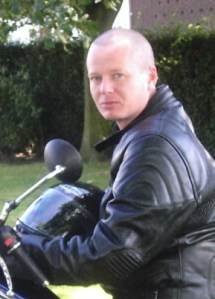
 

Thank you Lisa Wickenden for sharing your story.


(Clip Art compliments of Bing.)

(Photos compliments of contributor.)

As I say after each post: Please leave a comment by clicking the blue words “Leave a Commentanim0014-1_e0-1 below this post.

Feel free to follow my blog. Click on “Follow” on the upper right sidebar.

If you like my blog, share it intact with your friends. It’s easy! Click the “Share” buttons below.

If you don’t like my blog, “Share” it intact with your enemies. I don’t care!

Feel free to “Like” my post.

Survivors SPEAK OUT! . . . . . . Rogan Grant

Survivors SPEAK OUT! Rogan Grant

presented

by

Donna O’Donnell Figurski


Rogan Grant - Brain Injury Survivor

Rogan Grant – Brain Injury Survivor

1. What is your name? (last name optional)

Rogan Grant

2. Where do you live? (city and/or state and/or country) Email (optional)

Edinburgh, Scotland     rogan_g@hotmail.com

3. On what date did you have your brain injury? At what age?

I acquired my brain injury in 2006. I was 35.

4. How did your brain injury occur?

I was attacked outside a nightclub by some customers I had thrown out of my pub the previous week.

5. When did you (or someone) first realize you had a problem?

I knew something was wrong when I woke up the next day. I was admitted to the hospital and then released the next morning. A friend found me unconscious and in a pool of blood and vomit. I was rushed back to the hospital. A few weeks later when I was released, I thought I was OK, but I kept forgetting things. I set the kitchen on fire three times in one week because I forgot I was cooking. Once I even went to bed and left a full meal cooking. I knew then I needed to be around family “for a week or two, until I cleared my head.”

Rogan Grant – Survivor of brain injury

6. What kind of emergency treatment, if any, did you have?

In the first hospital, I theoretically had a CT (computerized tomography) scan. After I was released from that hospital and went to stay with family, I had an X-ray. That’s when I was told of the multiple fractures of my skull and around my face. So I don’t think I had a scan done.

7. Were you in a coma? If so, how long?

I was lucky – I didn’t go into a coma. I just went in and out of consciousness for a few hours.

8. Did you do rehab? What kind of rehab (i.e., inpatient or outpatient and occupational and/or physical and/or speech and/or other)?

I went to a head-injury service and to the Neurology Department at a hospital. Rehab just seemed to be a social event. But it became more useful as time went on and I struggled more and more.

How long were you in rehab?

Six years

9. What problems or disabilities, if any, resulted from your brain injury
(e.g., balance, perception, personality, etc.)?

I had no sense of smell or taste for two-three years. For about three years, I dreamt every night that I died. My balance went all to hell. My vision had a problem with focus. My hearing became strange. (I hear everything at once and can’t isolate specifics, so I struggle to hear people with a lot of noise around.) I lost family contact and friends because I was emotional and aggressive, I couldn’t focus mentally, and my memory was erratic. I still have no concept of time in regards to the memory of anything since the injury. Facial recognition is gone, unless the person speaks or is where I would expect that person to be. I have to work every day to keep calm and controlled. My panic attacks and anxiety are now under control (my agoraphobia was the result of anxiety). My self-confidence was shot – I doubted everything I said and what I remembered, and I wondered whether or not I had done things I shouldn’t have. My personality went from being the life and soul and centre of every party (and there were a few) to sitting on a sofa with a blanket trying to avoid anybody and everybody. Self-loathing and a feeling of hopelessness and loss were incredibly strong. I felt people would be better off without me around. My mood was so low that I had very, very dark thoughts. Now I work on my mood. I use my techniques to stay “normal.”

10. How has your life changed? Is it better? Is it worse?

I was happy with work, I was back at University doing a double degree (I had completed three years in two), I was working full-time, I had great friends, and I was always busy. Now, after a lot of work, I realize I can’t work for other people because I can’t keep their schedules. So I am trying to work for myself. I also have a new partner; we have a baby and a nice home.

Rogan Grant – Survivor of brain injury

My life’s not “better” or “worse,” but it is different. I always try to remember it is important not to compare my current life to what it was before. Life changes day to day, and, yes, my brain injury caused a major change with massive problems. But I am here, and I have things I didn’t before.

11. What do you miss the most from your pre-brain-injury life?

I miss the self-confidence and the feeling of self-assurance I had. I knew what I was doing, what I had done, and where I wanted to go. People could come along for the ride or not. I was me, and I did well.

12. What do you enjoy most in your post-brain-injury life?

I learned from mistakes I didn’t know I was making. I am much more aware of others, and I can now help them because I trained as a therapist to do just that. I have a new family, and we are happy.

13. What do you like least about your brain injury?

I dislike the loss of memory and recognition. I hate having to fake that I remember someone or that I remember things he or she told me. But, if I say I had a head injury, people often treat me like I lost 80 points off my IQ. And the headache … the constant headache … never left; it just eased a bit. At least the sudden “brain-freeze” attacks are down to every couple of months and only last a day. They used to be three days long and twice a week.

14. Has anything helped you to accept your brain injury?Hypnotherapy

Yes. I was helped by hypnotherapy. After years of being pumped full of drugs, I got more results in six weeks with hypnotherapy. It made a massive difference. I can now focus, stay calm, recall information, and even read books again.

15. Has your injury affected your home life and relationships and, if so, how?

I lost a lot of my old friends. Family are only just now coming around to understanding that I have a problem. It took a decade, but at least it has started. Of course, they are there now that I no longer need their help or their understanding. It has been very hard not to throw that back at them, but it is their issue, not mine. I got through my problems; they still have theirs.

16. Has your social life been altered or changed and, if so, how?

I was always out. I was the one people called when they wanted things to get lively and fun. I ran pubs. It was my job to make people enjoy themselves, and I enjoyed doing it. I loved being in a crowd – laughing, singing, music pumping – everything busy. Now I don’t like going into a supermarket at peak times. Although I am generally better, I still have my moments. I don’t get anxious, but I am wary of how I could react.

17. Who is your main caregiver? Do you understand what it takes to be a caregiver?

My main caregiver is my partner, Jane. She understands a lot, but not everything. We try to have a “normal” relationship, but she knows I can react differently – and quickly. Now, instead of getting angry with myself and blowing things out of proportion, I can take a moment, calm down, apologize for acting out, and start again. She reminds me of pretty much everything. She also has to keep pushing me on those days when it all gets to be too much.

18. What are your plans? What do you expect/hope to be doing ten years from now?

I hope that in ten years’ time, I will have a business running that pays the bills. Jane and I will have moved to a bigger house because there will be another baby or two. I will have found a way to fix my remaining problems and will have shared the solutions with those who are trying to regain control of their own lives.

19. Are you able to provide a helpful hint that may have taken you a long time to learn, but which you wished you had known earlier? If so, please state what it is to potentially help other survivors with your specific kind of brain injury.

Sudden change is very hard to deal with or understand, but, if you spend your time comparing yourself to who you were or to what you could do, you will never move forward. We ALWAYS change; it is the only constant. Look back before your injury – were you the same person every year then? No, of course not. So look forward; find what you want to do with who you are now and go ahead. All human beings compare themselves to others, and we hate ourselves for it! Why do we do it? If someone has wavy hair, he or she looks at someone with straight hair and feels jealous. If we are big, we want to be smaller; those who are small want to be bigger. It is never ending! With a head injury – no matter how you got it or how it affected you – look forward and stay away from comparing yourself to the past.

20. What advice would you offer to other brain-injury survivors? Do you have any other comments that you would like to add?

Rogan Grant - Brain Injury Survivor

Rogan Grant – Brain Injury Survivor

As I said before, look forward, stay away from comparisons, and be honest to those around you. No one will ever understand your feelings, unless that person has been there. (I know none of us would wish that knowledge on anyone.) When it gets too much, say so, and when you feel that frustration and anger build, find a way to let it out sensibly. Let it out any way you can, but let it out before you hurt those whom you care for and love.


If you would like to be a part of the SPEAK OUT! project, please go to TBI Survivor Interview Questionnaire for a copy of the questions and the release form.

(Clip Art compliments of Bing.)

(Photos compliments of contributor.)


As I say after each post:

Feel free to leave a comment by clicking the blue words “Leave a Comment” below this post.

Please follow my blog. Click on “Follow Me Via eMail” on the right sidebar of your screen.anim0014-1_e0-1

If you like my blog, click the “Like” button under this post.

If you REALLY like my blog, share it intact with your friends. It’s easy! Click the “Share” buttons below.

If you don’t like my blog, “Share” it intact with your enemies. That works for me too!


diemodi jewelry

uniquely hand-crafted jewelry by donna

Welcome to Harmony Kent Online

The home of all things books

Pete Springer

Passionate Teacher and Future Children's Author

HOPE TBI

Helping Other People Excel - To Be Independent

For the Love of Books, Old and New

Katie Fischer, Writer and Reader of Stories

Charlie Bown

Children's Author

Jessica Hinrichs

“We write to taste life twice, in the moment and in retrospect.” ― Anais Nin

VIVIAN KIRKFIELD - Writer for Children

Picture Books Help Kids Soar

Mindy’s Writing Wonderland

For authors, parents, teachers & everyone who loves children’s books.

Kaitlyn Leann Sanchez

Literary Agent

Surviving Traumatic Brain Injury

TBI - Survivors, Caregivers, Family, and Friends

The Care Factor

Loving someone with a Traumatic Brain Injury

Brain Injury Support Group of Duluth-Extension

Brain Injury Information and SUPPORT

Brain Aneurysm Global Insight

Brain Aneurysm, cerebral hemorrhaging, hemorrhage stroke