TBI – Survivors, Caregivers, Family, and Friends

Posts tagged ‘motor vehicle accident’

“Another Fork in the Road” . . . Brain Injury Radio Network . . . Interview with Deb Angus

YOU ARE INVITED!

putthis_on_calendar_clip_art


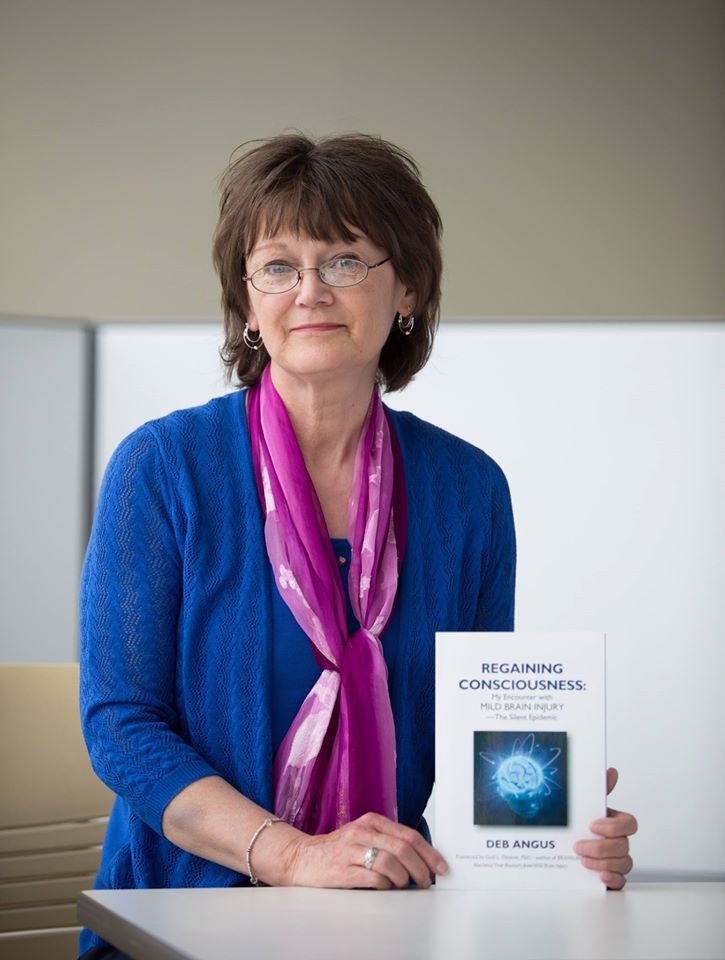
Deb Angus, brain injury survivor and author of “Regaining Consciousness: My Encounter with Mild Brain Injury–the Silent Epidemic,” will share her story about how she and her husband were sitting at a stoplight and how a distracted driver changed her life forever.

Come One! Come ALL!

What:        Interview with Deb Angus, brain injury survivor and author

Why:        Deb will talk about her life with brain injury.

Where:     Brain Injury Radio Network

When:       Sunday, March 1st, 2015

Time:         5:00p PT (6:00p MT, 7:00p CT, and 8:00p ET) 90 minute show

How:         Click: Brain Injury Radio Network

Deb Angus BI Survivor  Author of Regaining Consciousness

Deb Angus
BI Survivor
Author of Regaining Consciousness

Call In:    424-243-9540

Call In:     855-473-3711 toll free in USA

Call In:    202-559-7907 free outside US

or SKYPE

If you miss the show, but would like to still hear the interview, you can access the archive on On Demand listening. The archived show will be available after the show both on the Brain Injury Radio Network site and on my blog in “On the Air.”

(Clip Art compliments of Bing.)

(Photo compliments of Deb Angus.)

Survivors SPEAK OUT! Justin Phillips

Survivors  SPEAK OUT!  Justin Phillips

by

Donna O’Donnell Figurski


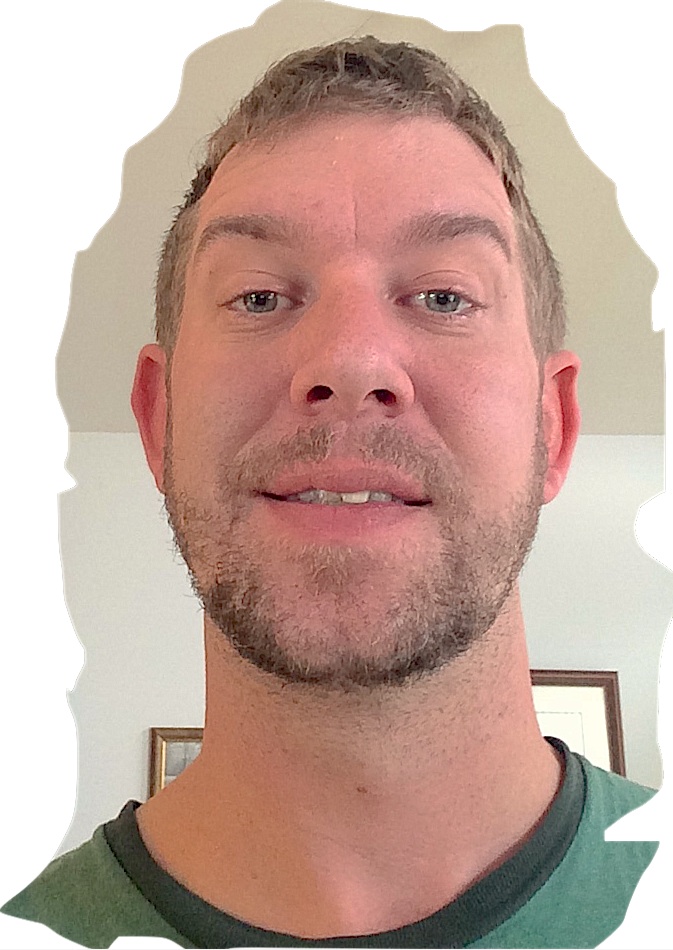
Justin Phillips - TBI Survivor

Justin Phillips – TBI Survivor

1. What is your name? (last name optional)

Justin Phillips

2. Where do you live? (city and/or state and/or country) Email (optional)

Annapolis, Maryland, USA

3. When did you have your TBI? At what age?

My TBI happened on November 11, 2010. I was 30 years old.

4. How did your TBI occur?

My TBI occurred because I was in a bad car accident on my way to work one morning.

5. When did you (or someone) first realize you had a problem?

Immediately

6. What kind of emergency treatment, if any, did you have?

I was given a tracheotomy. I had a feeding tube. A DVT (deep vein thrombosis) filter was put into my vena cava.

7. Were you in a coma? If so, how long?

Yes. I was in a coma ten days.

8. Did you do rehab? What kind of rehab (i.e., inpatient or outpatient and occupational and/or physical and/or speech and/or other)? How long were you in rehab?

Yes. I was given five months of therapy as an inpatient and another five months as an outpatient. I had physical, occupational, and speech therapies.

9. What problems or disabilities, if any, resulted from your TBI
(e.g., balance, perception, personality, etc.)?

My balance/equilibrium was thrown off for two to three years. My temper is worse. I lost my sense of smell. I also make poor decisions.

10. How has your life changed? Is it better? Is it worse?

My life is better than it was immediately post accident. I appreciate family and life much more. Small, insignificant issues don’t bother me or my family as much. What my family went through was awful. When something stressful is bothering us, we like to say, “We’ve been through worse.” Life is different now. I wouldn’t say “worse” because I’m still alive, but it’s definitely been changed.

11. What do you miss the most from your pre-TBI life?

Before my TBI, I felt young. I feel a lot older now. I miss not questioning EVERY activity I do to see if I can handle it.

12. What do you enjoy most in your post-TBI life?

I like how much more I appreciate everything.

13. What do you like least about your TBI?

I dislike questioning almost every activity I do to see if I can handle it or if it’s dangerous.

14. Has anything helped you to accept your TBI?

Time has helped me. It took almost two years before the injury wasn’t my first thought after waking up and wasn’t constantly in my thoughts until I went to bed. It’s nice not living in the past.

15. Has your injury affected your home life and relationships and, if so, how?

My son was only seven when the accident happened, so it was really tough on him. But, he handled it all like a champion. I’m married, and my wife had to be my caregiver after I moved home for five months, as I couldn’t drive and was still “off.” We pushed through it all and are still together.

16. Has your social life been altered or changed and, if so, how?

I still have friends, but I don’t go out much to visit or anything. I had social anxiety for about a year. I would rather just spend my time with my family.

17. Who is your main caregiver? Do you understand what it takes to be a caregiver?

I am my caregiver now, but I still need my wife for lots of things. For example, I make poor decisions. My wife was my caregiver for about five months after I moved home. It was hard on her. Rehab was two hours from home. She and my son would come up to visit every weekend. My accident was in November, so my wife spent all winter driving through snow to come visit.

18. What are your future plans? What do you expect/hope to be doing ten years from now?

I plan on opening a kitchen-remodeling company within the next few months. I would like for that to be successful, and in ten years, to be well established.

19. Are you able to provide a helpful hint that may have taken you a long time to learn, but which you wished you had known earlier? If so, please state what it is to potentially help other TBI survivors with your specific kind of TBI.

Time is your friend. A lot of my issues took a long time to heal. Brain injuries are terrible to overcome. You might choose to apply the adjective “blessed,” “lucky,” or “fortunate.” I’m actually all of them.

20. What advice would you offer to other TBI survivors? Do you have any other comments that you would like to add?

TBI is the hardest thing I’ve ever been through. Having my son to focus on was a HUGE motivator for my recovery. Time was essential for me, as many of the issues took a long time to heal. I’m blessed, lucky, and fortunate that everything turned out so well. Positive thoughts are also a great help. Being down emotionally makes everything seem more difficult. Take breaks; get plenty of sleep; and eat well.

Justin Phillips – 6 months pre-TBI


Thank you, Justin, for taking part in this interview. I hope that your experience will offer some hope, comfort, and inspiration to my readers.

(Disclaimer: The views or opinions in this post are solely that of the interviewee.)

If you would like to be a part of the SPEAK OUT! project, please go to TBI Survivor Interview Questionnaire for a copy of the questions and the release form.

(Photos compliments of Justin.)


SPEAK OUT! . . . . . . . . . . . . . . . . . Guest Blogger: Melissa Cronin Stages of Forgiveness

Stages of Forgiveness

by

Melissa Cronin


Girl Blogger cartoon_picture_of_girl_writingMore than eleven years ago, eighty-six-year-old George Russell Weller confused the gas pedal for the brake and sped through the Santa Monica Farmers’ Market. He struck seventy-three pedestrians. Ten people died.

I sustained life-threatening injuries, including a ruptured spleen and multiple fractures. Due to the nature of my traumatic brain injury, it wouldn’t be until three years after the accident when a neuropsychiatrist diagnosed me with a TBI.

During the early days and weeks of my recovery, weighed down by pain and the unthinkable – that others died while I survived – my brain lacked space for anything heady like the notion of forgiveness. Years later, when I possessed enough emotional fortitude to unearth the new articles I had collected about the accident, I decided I needed to find a way to forgive Russell Weller. I’ve been told that forgiveness is overrated, that you don’t have to forgive to heal. While that might very well be true, my want to forgive others for any wrong committed is part of my constitution. So I had to at least make an attempt to forgive Russell Weller. Otherwise, I’d be infected with a case of chronic bitterness and cynicism and worried I’d be contagious. Who wants to hang out with someone with a transmittable illness she has the capacity to heal?

To forgive, one must first assign blame. But, as in Russell Weller’s case, if there is no act of intentional harm, where do you place blame and, therefore, how do you forgive? To add an additional elusive layer, how do you forgive someone you’ve never met? Is it even possible to forgive someone you don’t know? I reached out to Russell Weller’s family years after the accident, but they refused my request to visit him. In 2010 he died.

The following year, I enrolled in an MFA program. During my third semester, still befuddled as to how to forgive Russell Weller, I wrote my critical thesis on the topic: The Face of Forgiveness. I examined how a particular writer, who had sustained life-threatening injuries after a car struck him, navigated the indeterminate nature of forgiveness on the page. Because each circumstance varies, forgiveness cannot be defined in absolute terms. *Since forgiveness is a process, I arrived at the conclusion that it can be charted in stages:

1) Understanding of the accident/incident

2) Transference of anger and other emotions

3) Self-pity

4) Awareness of others’ suffering

5) Avoidance

6) Surrender

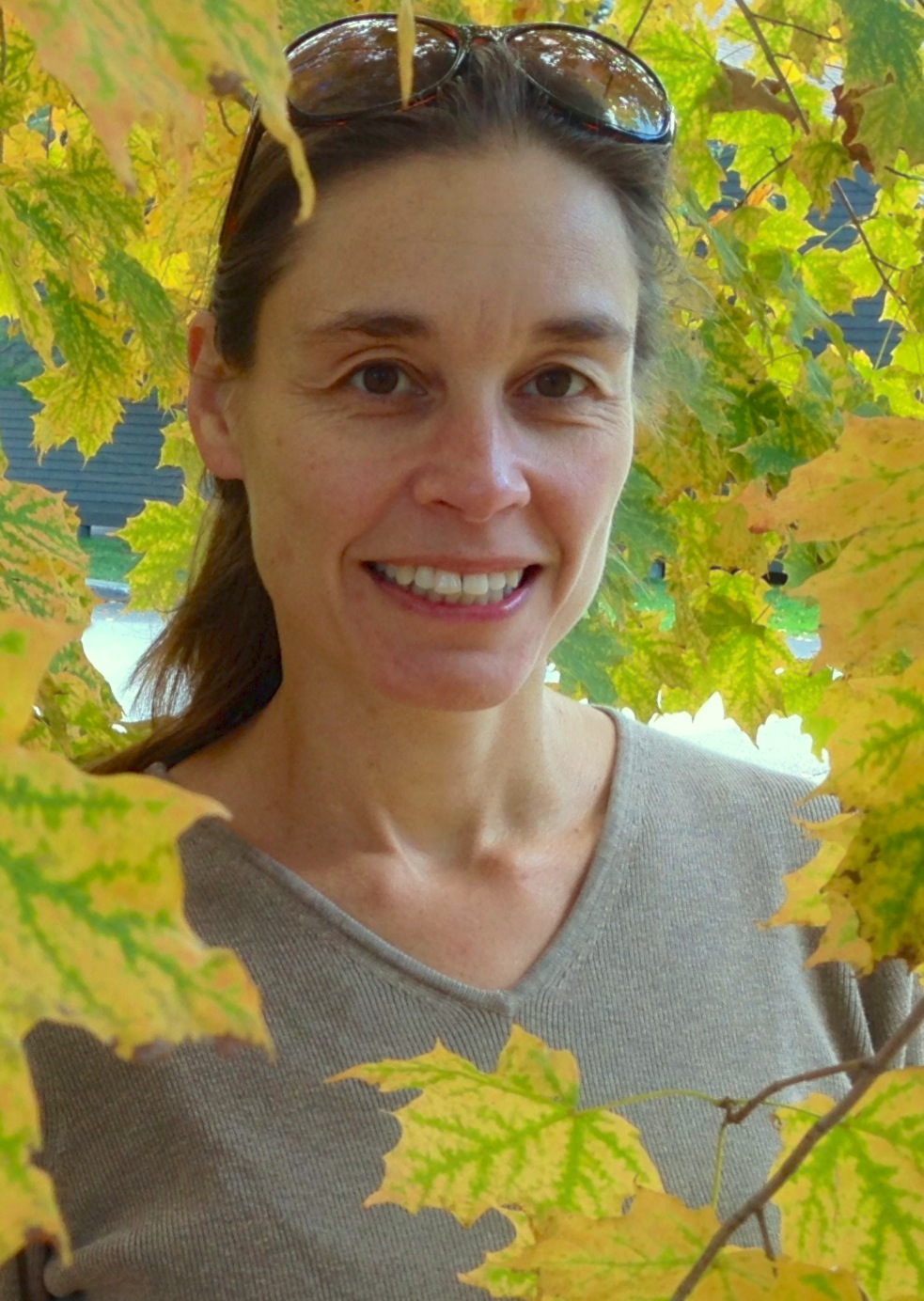
Melissa Cronin leaves

Melissa Cronin

These stages don’t necessarily occur sequentially. Like Elisabeth Kübler-Ross’ stages of grief – denial/isolation, anger, bargaining, depression, acceptance – the stages of forgiveness may overlap, or one may become stuck in a particular stage. For me, I became stuck in one or two and skipped another one or two altogether. It’s also worth noting that the stages of forgiveness may not occur in a defined timeframe.

Stage 1: Understanding of the accident/incident

I dedicated months to reading news articles and investigative reports, parsing out the details of the accident: What Russell Weller was doing in the moments before he sped through the market, his medical history, his driving history, what bystanders witnessed at the scene of the crash. Somehow, I believed by reading those articles I would get to know Russell Weller and, therefore, be able to forgive him, or not. But written words weren’t enough – they seemed static on the page. Even though some articles included his apology – “I’m deeply sorry for any pain that everyone went through” – I could not hear his voice, hear his remorse, anger, or fear. And with all the contradicting statements about Russell Weller’s character and what people saw or didn’t see, I only became more confused. I felt like a pendulum – swaying dizzily between sadness and anger.

Stage 2: Transference of anger

As I read articles about the role the local entities had to play in running the market, any anger I harbored for Russell Weller quickly transferred to city officials who were responsible for ensuring the safety of pedestrians. I wondered why they didn’t have sturdy barriers in place, rather than wooden sawhorses. But, similar to my confusion regarding how to feel about Russell Weller, my feelings and emotions swayed – from judgment to understanding, from contempt to submission.

Stages 3 and 5: Self-pity and Avoidance

I did not become victim to self-pity – perhaps the perpetual warring dialogue in my head thrust self-pity aside. For the same reason, I skipped avoidance.

Stage 4: Awareness of others’ suffering

As I continued my dogged search to find meaning within the chaos, I could not help but be lured into an awareness of others’ suffering.  I imagined the physical and emotional pain the other injured pedestrians endured and the rage and anguish that tore into the families of the deceased. I viewed Russell Weller as injured, too – emotionally, mentally, psychically. I imagined Russell Weller’s grief: plagued by nightmares, isolated behind drawn window shades, sallow from regret.

The judge who presided over Russell Weller’s trial said he “lacked remorse” Because he didn’t cry? Why is it that we have a tendency to forgive others only if they exhibit unequivocal remorse: falling to their knees, drooping, sobbing? But a display, or physical showing, of remorse is not necessarily what matters to those harmed. Of course, a sincere apology does not negate the harm done, but sincerely spoken words of remorse are what matter. The quality of the voice matters: is it harsh, tense, creaky?

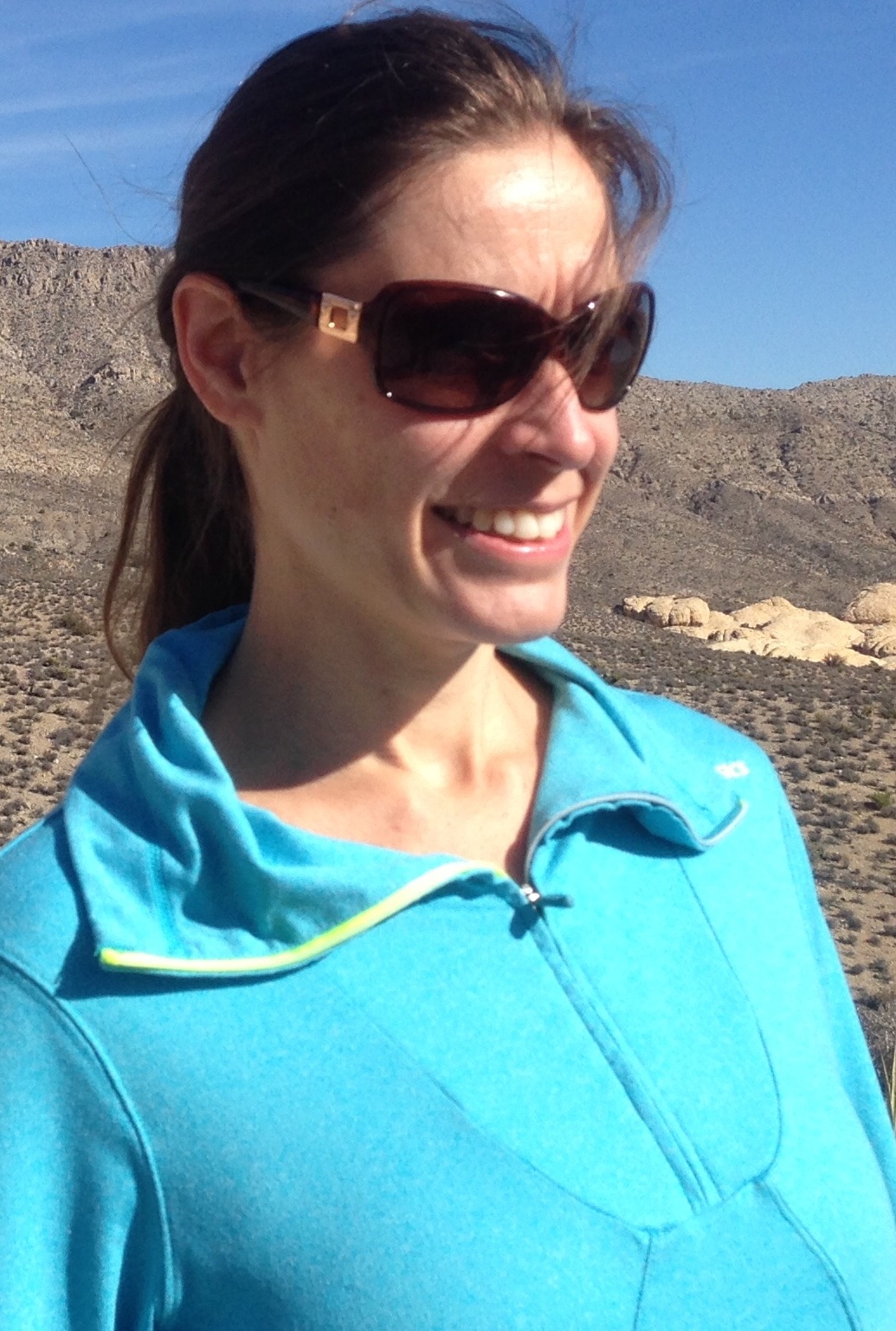
Melissa Cronin desert

Melissa Cronin

In 2011, I finally obtained and viewed a copy of the videotape of Russell Weller speaking with police officers soon after the accident. I slid the video into the CD player, inched close to the television screen, so close I felt as if he and I were together in the same room. Though he did not cry, his full-toned voice quivered as he said, “I’m in trouble with my heart and soul.” His voice then quieted to a whisper, as if he were in church mourning over the dead: “God almighty, those poor, poor people.”

That’s when I forgave Russell Weller. That’s when I surrendered – to Russell Weller’s remorse.

*Stages of forgiveness conceived by Melissa Cronin


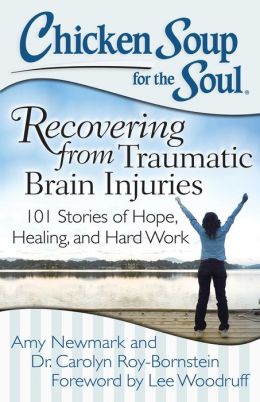
9781611592399_p0_v3_s260x420Melissa is the author of “Invisible Bruise,” published in Chicken Soup for the Soul: Recovering from Traumatic Brain Injuries

forgiveness


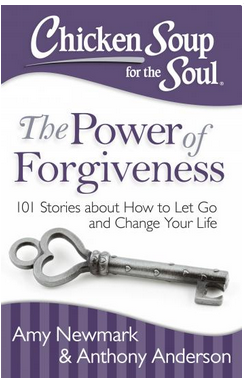
Melissa also penned the essay, “Silencing the Boom,” which is published in Chicken Soup for the Soul: The Power of Forgiveness


To learn more about Melissa, please visit her website/blog at Melissa Cronin.

Thank you, Melissa Cronin.

Disclaimer:
Any views and opinions of the Guest Blogger are purely her own.

(Clip Art compliments of Bing.)

(Photos compliments of Melissa Cronin)

Survivors SPEAK OUT! . . . . . Tracy Johnson

SPEAK OUT! – Tracy Johnson

by

Donna O’Donnell Figurski

Tracy Johnson Pre-TBI

Tracy Johnson
Pre-TBI

1. What is your name? (last name optional)

Tracy Johnson

2. Where do you live? (city and/or state and/or country) Email (optional)

Hogansville, Georgia, USA    lacigurl1@gmail.com

3. When did you have your TBI? At what age?

November 18, 1990    Age 20

4. How did your TBI occur?

Motor vehicle accident

5. When did you (or someone) first realize you had a problem?

It was noticed that I had a problem as I was slowly coming out of my coma. From then on, it was noticed daily.

6. What kind of emergency treatment, if any, did you have?

I was life-flighted to the trauma center at Georgia Baptist Medical Hospital, which is now Atlanta Medical Center. The life-flight EMTs (emergency medical technicians) performed a tracheostomy. As they arrived, I was hanging outside the driver’s door having seizures, with lots of blood coming out of my mouth due to a busted spleen and a lacerated liver. At the trauma center, I received 37 pints of blood. Mom stopped asking about me after this because the situation looked grim. I even had docs (twelve of them) telling my mom there was nothing else they could do. They even made her sign some documents to this effect. On top of all the blood loss and trauma, I developed a bleeding stomach ulcer and required a PPI drip (proton-pump inhibitor). I had severely bruised my heart. My brain swelled to where my ears were set two inches deep within the swelling. The steering wheel had broken and jammed my front teeth up into my gums. My top teeth bit through my lower gums, so stitches were required. I had emergency surgery to my legs. I had broken my left hip. Three screws were required. (It healed, but at 23, I had to have a left hip replacement due to the dying of the blood vessel to the femur head.) My left femur was repaired (a rod was put in). It had also ripped through the skin. I had a left pelvic fracture. My left knee was broken in three places and required three screws. My left tibia and fibula were broken, but they’re okay now. My right knee was broken in four places. It was thought it may have been crushed, but an Emory specialist was able to save it. However, right knee arthroscopy a year ago yielded no good results, so I’m waiting for right knee replacement.

7. Were you in a coma? If so, how long?

Yes. I was in a coma for five and a half weeks. I was on a breathing machine for four weeks. My heart stopped at the scene of the accident due to all the trauma my body was already in, but drugs were used to restart it.

8. Did you do rehab? What kind of rehab (i.e., inpatient or outpatient and occupational and/or physical and/or speech and/or other)? How long were you in rehab?

I had rehab as an outpatient because my mother refused to let me go and stay at the Shepherd Center in Atlanta. I can’t remember how long I was at Georgia Baptist’s physical therapy. I know my mother was busy working at the time. This rehabilitation was for my multiple lower broken extremities, pelvis, and left hip. Nobody cared about the injury to my brain, except for me. And, I have just found my fellow sister and brother survivors via the Brain Injury Network. Praise God! 😉

Tracy Johnson - TBI Survivor

Tracy Johnson – TBI Survivor

9. What problems or disabilities, if any, resulted from your TBI
(e.g., balance, perception, personality, etc.)?

I had a problem with all my memory at first, but the doctors said I would remember as my life took place. I had just given birth to my one and only child not even a month before my accident, and I know he belonged to me because this is what my family told me. Today he is 24, and I am 43. Our relationship has always been as “best friends” since my accident. My family often spoke of my deficits and of my inability to raise a child. My memory has greatly improved over the years. I repeated myself continuously, and I still do to this day. My emotions are all out of whack – I feel too happy, too sad, or too mad. I’ve been told by physicians that I am called a cycling bipolar manic depressive. But, I never knew a day of depression until I started being prescribed drugs. My anger goes to extremes. I guess it has something to do with growing up with a violent, alcoholic father and two brothers older than I. Hence, it was suggested that I was suffering from being left behind and of being deprived of parental love. My dad chased us around with shotguns. He beat my mom and brothers. He would point and shoot guns all the time. Oh yeah, I would be noticed and would be told to run and hide. My dad was always damaging things, causing me to have PTSD (post-traumatic stress disorder) along with the PTSD I already had from the auto accident. I also have PTSD from a carjacking and kidnapping/rape back in 2005, due to my being too trusting. Now it leads me not to trust anyone and to be very suspicious. I walk with a limp, due to one hip replacement and worn out right knee. I’m beginning to be aphasic in speech and can’t deliver my thoughts into the proper wording.

10. How has your life changed? Is it better? Is it worse?

I feel my life is better because I was very judgmental. Having this injury occur and being out of this world for that length of time made me realize that the world keeps spinning around and people go on with their lives whether you’re here or not. Jeez, I was naïve. I now know that one’s life and recovery is what that person makes of it – NO ONE else. After the accident, I was, by the grace of God, very compassionate, nonjudgmental, and indeed touched by an Angel.

11. What do you miss the most from your pre-TBI life?

I miss the ability to think cognitively. I miss my memory. I only remember bits and pieces from my early childhood and preteen years. I don’t have much memory of my high school years – I guess because those memories were made so close to my coma days. (I was in high school from ages 16 to 19.) I guess as I’m thinking this through now, my traumatic dysfunctional childhood explains my issues with anger.

12. What do you enjoy most in your post-TBI life?

I like having the ability of not staying angry at someone for long, having the ability to forgive easily, and being able to experience things (always) as though they are the first experiences. Some of the learned knowledge of first experiences can lead to better outcomes, like relationships.

13. What do you like least about your TBI?

I can no longer think cognitively or remember as I did before. Oh, and almost all people have trouble relating. For example, people sometimes say I am making up my injury and symptoms, or I use it as an excuse.

14. Has anything helped you to accept your TBI?

I have been helped by my belief that Jesus Christ died on the cross for me. That is the gift of Grace from my heavenly Father above.

15. Has your injury affected your home life and relationships and, if so, how?

Yes, oh yes! It has caused distrust, dishonesty, and fighting. It has broken some of my most meaningful, close family relations to where I know they still love me, but they feel they have to love me from a distance.

16. Has your social life been altered or changed and, if so, how?

I had friends, but they could not cope with such a tragic event happening so close to them, so they are not around anymore. I try to isolate myself now because I am rather paranoid of people and their motives.

17. Who is your main caregiver? Do you understand what it takes to be a caregiver?

My caregiver is my fiancé. I have been engaged for 7 years. Please don’t laugh – I just find it hard to trust anyone after being hurt by people time and time again, including my own mother. I know what is entailed in being the caregiver of someone with Alzheimer’s, as I, just this week, have made arrangements for my dad to go to a nursing home. I cared and assisted him for three years.

18. What are your future plans? What do you expect/hope to be doing ten years from now?

I stopped chemical prescription drug therapy, except for 1200 mg of a medicine for mental seizures until I can become part of protein therapy at Emory University Hospital in Atlanta, 53 miles from where I live. I would like to help others. I want to devote my time to helping motivate others by decreasing the negativity in their lives, even if it is just one person. I want to find a way to counsel young folks. I want to transform their lives if their parents feel they are too busy with work or if their parents just didn’t have anyone in their lives to show or explain to them.

19. Are you able to provide a helpful hint that may have taken you a long time to learn, but which you wished you had known earlier? If so, please state what it is to potentially help other TBI survivors with your specific kind of TBI.

To control my emotions, I had to learn, study, and meditate on the Word of God. In doing so, I realized there are no set rules for being a child of God or to be loved by God. We all walk different paths with different hurdles, and all sins are different because of such. Therefore, our Father in Heaven does not judge each of us to the same measure or degree. We are CHILDREN of God, and we are learning each and every day. So, unlike the legal system, we shall not be punished for NOT knowing something.

20. What advice would you offer to other TBI survivors? Do you have any other comments that you would like to add?

Be your own unique, strong self – the one who made you a survivor. Do not be too hard on yourself. Take each step in stride knowing Jesus walks right there beside you. Know that family and friends do not intentionally mean to shift blame by calling you names or cutting you down – it’s just their way, however, of dealing with an injury of such scope and magnitude to their loved one. Learn to laugh it off, and if you can’t laugh it off, well then, smile it off. Humor and inner peace are always the best medicine. Sorry, docs. 🙂

Tracy Johnson, Tbi-Survivor

Tracy Johnson, Tbi-Survivor


Thank you, Tracy, for taking part in this interview. I hope that your experience will offer some hope, comfort, and inspiration to my readers.

(Disclaimer: The views or opinions in this post are solely that of the interviewee.)

If you would like to be a part of the SPEAK OUT! project, please go to TBI Survivor Interview Questionnaire for a copy of the questions and the release form.

(Clip Art compliments of Tracy.)

Survivors SPEAK OUT! . . . . . . . Anthony Vigil Jr.

SPEAK OUT! – Anthony Vigil Jr.

by

Donna O’Donnell Figurski

About a week after waking from the coma.  I had dropped down to 76 lbs!  Both legs were amputated, btw.-11. What is your name? (last name optional)

Anthony Vigil, Jr.

2. Where do you live? (city and/or state and/or country) Email (optional)

Guam

3. When did you have your TBI? At what age?

July 2011    I was 31 years old.

4. How did your TBI occur?

I was in a traumatic car accident while on my way to train for my 2nd half-marathon.  I was an avid long-distance runner, had completed my first in 1:39, and was training to come in under 1:30 for my 2nd.  The accident also resulted in the loss of both legs above the knees.

5. When did you (or someone) first realize you had a problem?

I realized I had a problem when I started studying for the LSAT (law school admission test) during the summer of 2013.

6. What kind of emergency treatment, if any, did you have?

I was in bad shape – both lungs were collapsed, and my kidneys, liver, and gallbladder failed.  There was much more that I don’t remember.  I was lucky that my accident was less than a mile from the US Naval Hospital, where many doctors there were previously stationed in Iraq and Afghanistan and had experience with the kind of trauma I suffered.  I was eventually transported to St. Luke’s Hospital in the Philippines, where they had a brain drug that is not approved by the FDA (Food and Drug Administration), but is used in Europe and Asia.

7. Were you in a coma? If so, how long?

I was in a medically induced coma for one month.

8. Did you do rehab? What kind of rehab (i.e., inpatient or outpatient and occupational and/or physical and/or speech and/or other)? How long were you in rehab?

I was in physical rehab, both as an inpatient and an outpatient, for about two months. Then I decided to complete it at home. It took two years to fully recover physically. I’m still working on the cognitive aspect.

9. What problems or disabilities, if any, resulted from your TBI
(e.g., balance, perception, personality, etc.)?

The doctors told my parents that I would have the mind of a child, but luckily that didn’t happen.  When I was being tested in the Philippines, I couldn’t even draw a clock, my speech was slurred, and I didn’t know what year it was or how old I was.  I did know who all my family was, though.  I still have trouble reading dense passages and have to reread them just to comprehend.  Because my short-term memory was affected, I have trouble keeping track of concepts in dense passages.

10. How has your life changed? Is it better? Is it worse?

For the better – my relationship with my parents is so much better.

For worse – it has quashed (or at least delayed) my aspirations for a professional degree (law or MBA).

11. What do you miss the most from your pre-TBI life?

I greatly miss my processing speed.  I used to be very quick to pick up new concepts, and many people thought I was smart. (I guess they still do.)

12. What do you enjoy most in your post-TBI life?

I enjoy relationships with people.  I’ve realized that relationships are more important than money.  I also try to enjoy life in every little thing I do.

13. What do you like least about your TBI?

I dislike knowing that I’m not as capable as before, but I’ve finally arrived at peace with that.Vigil Jr., Anthony Relay Race Pre TBI

14. Has anything helped you to accept your TBI?

I’ve been helped by reading other people’s stories and by learning how people were able to succeed despite the TBI.

15. Has your injury affected your home life and relationships and, if so, how?

For the first two years, I hated being stuck at home with my parents again, after I had been living on my own since 19.  I’ve finally come to enjoy and appreciate my parents.

16. Has your social life been altered or changed and, if so, how?

I didn’t have much of a social life before the accident, so not much has changed.

17. Who is your main caregiver? Do you understand what it takes to be a caregiver?

During the first year of my recovery, my mom was my caregiver.  Yes, I understand that it takes a lot of love, even though you may not understand why things happened that way and even if the other person fights you the whole time.  =)

18. What are your future plans? What do you expect/hope to be doing ten years from now?

I was approved for a business loan a week before my accident, so I hope to resume that plan and maybe get a professional degree.  That’s a big maybe.

19. Are you able to provide a helpful hint that may have taken you a long time to learn, but which you wished you had known earlier? If so, please state what it is to potentially help other TBI survivors with your specific kind of TBI.

Try working or really exerting your mind.  You won’t really know your capabilities until you try.

20. What advice would you offer to other TBI survivors? Do you have any other comments that you would like to add?

Research, research, research.  Reach out to other survivors, for no one else knows what you are experiencing.  I tried explaining it to my coworkers and parents, and it was impossible for them to understand!Vigil, Jr., Anthony


Thank you, Anthony, for taking part in this interview. I hope that your experience will offer some hope, comfort, and inspiration to my readers.

(Disclaimer: The views or opinions in this post are solely that of the interviewee.)

If you would like to be a part of the SPEAK OUT! project, please go to TBI Survivor Interview Questionnaire for a copy of the questions and the release form.

(Photos compliments of Anthony.)


Survivors SPEAK OUT! . . . . . . . . . . Lisa Parker McGreggor

SPEAK OUT! – Lisa Parker McGreggor

by

Donna O’Donnell Figurski

McGreggor, Lisa Parker1. What is your name? (last name optional)

Lisa Parker McGreggor

2. Where do you live? (city and/or state and/or country) Email (optional)

Tampa Bay, Florida, USA    parkermcgreggor@yahoo.com

3. When did you have your TBI? At what age?

July 24, 2000     I was 15 – only two weeks shy of 16.

4. How did your TBI occur?

Car accident

5. When did you (or someone) first realize you had a problem?

When I didn’t get up at the scene

6. What kind of emergency treatment, if any, did you have?

I had a G (gastrostomy) peg (feeding tube). My spleen was removed.

7. Were you in a coma? If so, how long?

Yes. I was in a coma for three months.

8. Did you do rehab? What kind of rehab (i.e., inpatient or outpatient and occupational and/or physical and/or speech and/or other)? How long were you in rehab?

Yes. I had rehab at the hospital for six months. Afterwards, I was still going, but insurance would only pay every three months.

9. What problems or disabilities, if any, resulted from your TBI
(e.g., balance, perception, personality, etc.)?

I have a problem with my balance. My mood is an issue. My right arm is drawn up.

10. How has your life changed? Is it better? Is it worse?

My life may be better, but it’s lonelier.

11. What do you miss the most from your pre-TBI life?

My freedom

12. What do you enjoy most in your post-TBI life?

Food

13. What do you like least about your TBI?

The fact that it exists

14. Has anything helped you to accept your TBI?

Reality

15. Has your injury affected your home life and relationships and, if so, how?

Yes. It made me reliant on my parents. I hardly ever go out, so I don’t have a boyfriend.

16. Has your social life been altered or changed and, if so, how?

Most of my friends left.

17. Who is your main caregiver? Do you understand what it takes to be a caregiver?

My mom is my main caregiver. Yes, I understand what it takes.

18. What are your future plans? What do you expect/hope to be doing ten years from now?

I don’t have any plans.

19. Are you able to provide a helpful hint that may have taken you a long time to learn, but which you wished you had known earlier? If so, please state what it is to potentially help other TBI survivors with your specific kind of TBI.

You can never “quit.”

20. What advice would you offer to other TBI survivors? Do you have any other comments that you would like to add?

Be strong.

Enjoy the ride. Life is shorter than you think!McGreggor, Lisa Parker 2

Thank you, Lisa, for taking part in this interview. I hope that your experience will offer some hope, comfort, and inspiration to my readers.

(Disclaimer: The views or opinions in this post are solely that of the interviewee.)

(Photos compliments of Lisa.)

If you would like to be a part of the SPEAK OUT! project, please go to TBI Survivor Interview Questionnaire for a copy of the questions and the release form.

Caregivers SPEAK OUT! . . . . . Trisha

SPEAK OUT! – Trisha

by

Donna O’Donnell Figurski


Trisha

1. What is your name? (last name optional)

Trisha

2. Where do you live? (city and/or state and/or country)    Email? (optional)

Rural western Oklahoma, USA

3. What is the TBI survivor’s relationship to you? How old was the survivor when he/she had the TBI? What caused your survivor’s TBI?

My son fell asleep while driving to work. The pickup left the roadway and rolled several times, and he was thrown through the window. It was ten days after his 20th birthday.

4. On what date did you begin care for your TBI survivor? Were you the main caregiver? Are you now? How old were you when you began care?

I began immediately – the morning of November 3, 2011 – as soon as I got the phone call from the Highway Patrol telling us what had happened and that my son was being medevacked to a hospital in Oklahoma City. I called my husband; he left work, and we headed that way. I stayed in Oklahoma City the entire four months. I am still his main caregiver, but my husband, my son’s girlfriend, and my other sons help.

5. Were you caring for anyone else at that time (e.g., children, parents, etc.)?

I had two younger sons, ages 16 and 11, at home. (They’re still at home.) My stepdaughter, her husband, and their four children had just moved in with us about three weeks before the wreck. They moved out about three weeks after we came home from the hospitals. And I was about six months pregnant.

6. Were you employed at the time of your survivor’s TBI? If so, were you able to continue working?

I was running my own photography business, and I still am.

7. Did you have any help? If so, what kind and for how long?

Every church, countless people in our area, and family not only prayed, but also made it financially possible for me and my sister to stay in Oklahoma City the entire time my son was in the hospitals and also for my husband to be there whenever he had time off work. My husband’s bosses also were also able to get him extra time when it first happened, so he was able to stay for several weeks before he had to go back to work.

8. When did your support of the survivor begin (e.g., immediately – in hospital, when the survivor returned home, etc.)?

Immediately, at all the hospitals

9. Was your survivor in a coma? If so, what did you do at that time?

Yes. My son was in an induced coma. We stayed by his side and prayed, until they’d make us leave at night. Then we’d be right back in the morning.

10. Did your survivor have rehab? If so, what kind of rehab (i.e., inpatient and/or outpatient and occupational, physical, speech, and/or other)? How long was the rehab? Where were you when this was happening?

My son was at Oklahoma University Medical Center first. Then he went to Select Specialty Hospital for a few weeks. From there, he was at Valir Rehabilitation Hospital from the middle of December until we came home in February. He had about 8 weeks of therapy at Elk City Hospital as an outpatient after we came home. Since then, we’ve continued doing therapy ourselves at home. I was with him the entire time, except at night, when we’d go to the motel.

11. What problems or disabilities of your TBI survivor required your care, if any?

Trisha's Son after TBI

Trisha’s Son after TBI

My son suffers from short-term memory problems, lack of balance and coordination, problems with fine-motor skills, and incontinence. One of our biggest battles has been depression. He is in a wheelchair, but he is able to use a walker for short periods of time.

12. How has your life changed since you became a caregiver? Is it better? Is it worse?

Everything is pretty much centered around my son. He can be home alone, but only for a couple hours at a time. If I have to leave, I need to make sure either someone else is here or will be here.

13. What do you miss the most from pre-TBI life?

The active and outdoor lifestyle we had

14. What do you enjoy most in post-TBI life?

This is actually a difficult question to answer. Post-TBI for us is also the start of our daughter’s life. She was born one week after my son and I got home from Valir.

15. What do you like least about TBI?

Even though it is going on three years, there are still times that I feel like it’s a bad dream, and I’m waiting to wake up. I’m distressed by the fact that my son had a ton of friends before, and now he will go weeks, sometimes months, at a time without seeing or hearing from any of them.

16. Has anything helped you to accept your survivor’s TBI?

I honestly don’t know if I have actually accepted it yet. To me, acceptance pretty much means we give up, and he hasn’t given up. In fact, this week, for the first time ever, he has walked on a treadmill. For the first time since the day before his wreck, I saw him make full strides with both feet! He didn’t do his normal “step with one foot, catch up with the other” like he does when he uses his walker.

17. Has your survivor’s injury affected your home life and relationships and, if so, how?

Yes. We had to remodel one of our bathrooms to make it accessible for a wheelchair. His younger brothers help out with some of his needs.

18. Has your social life been altered or changed and, if so, how?

My son and I both have friends who no longer come around. People, including his own grandfather, get upset with us because he refuses to go to their houses. Yet, their homes don’t have access for a wheelchair – let alone have a bathroom that he could get into if needed.

19. What are your plans? What do you expect/hope to be doing ten years from now?

I take things day-by-day, with a lot of prayers going up.

Trisha's Son before TBI

Trisha’s Son before TBI

20. What advice would you offer other TBI survivor caregivers? Do you have any other comments that you would like to add?

Fight for answers from all doctors or “teams.” Insist on seeing each one. When the accident first happened, my son had “teams” of doctors for his different injuries. We never saw the neurology team. They always came through before we were allowed into his room. His brain injury was made out to us like it was a secondary injury – not that bad. In reality, it was his worst injury, but that’s not what we were told.


Thank you, Trisha, for taking part in this interview. I hope that your experience will offer some hope, comfort, and inspiration to my readers.

If you would like to be a part of this project, please go to TBI Caregiver Interview Questionnaire for a copy of the questions and the release form.

(Photo compliments of Trisha.)

Disclaimer: The views or opinions in this post are solely that of the interviewee.

Survivors SPEAK OUT! . . . . . . Michelle

SPEAK OUT! – Michelle

by

Donna O’Donnell Figurski

Lawson, Michelle Shell 2

Michelle

1. What is your name? (last name optional)

Michelle

2. Where do you live? (city and/or state and/or country) Email (optional)

Indiana, USA

3. When did you have your TBI? At what age?

February 16, 1999.  I was 16 (my sophomore year in high school).

4. How did your TBI occur?

I was in a vehicle going south. The driver passed a vehicle at a stop sign. He was going 90 mph in a 30 mph zone. An eastbound vehicle T-boned us on my side. I was ejected from the vehicle, thrown 60 ft., and came within inches of a loading dock. I was dead on the scene, and the paramedics had to revive me. In the process, they punctured my vocal cords. I still talk low, and it takes a lot to speak up.

5. When did you (or someone) first realize you had a problem?

I think right away. The doctors actually told my mother that I would pretty much be a vegetable.

6. What kind of emergency treatment, if any, did you have?

I didn’t have to have any surgery.

7. Were you in a coma? If so, how long?

Yes. I was in a coma for 2 1/2 weeks.

8. Did you do rehab? What kind of rehab (i.e., inpatient or outpatient and occupational, physical, speech, and/or other)?
How long were you in rehab?

I had to do a year of speech therapy and physical therapy as an outpatient.

9. What problems or disabilities, if any, resulted from your TBI
(e.g., balance, perception, personality, etc.)?

I have a balance problem and short/long-term memory loss. I have developed fibromyalgia, which the doctor thinks is a result of the accident. I also have arthritis.

10. How has your life changed? Is it better? Is it worse?

Since the age of 2, I wanted to be a police officer or go into the military. I can’t do either because of the memory loss and the risk of getting hit in the head. I had a lot of anger towards the driver for a few years after the accident, but I learned to forgive him. I realized that everything happens for a reason. Sometimes I don’t like having TBI, but I wouldn’t go back and change it. It’s part of who I am today, and God only knows who I would have become if the accident didn’t happen. It may have been worse. I don’t remember who I was before (personality, etc.).

11. What do you miss the most from your pre-TBI life?

Refer to the answer above.

12. What do you enjoy most in your post-TBI life?

Refer to the answer above.

13. What do you like least about your TBI?

My memory loss, the fear of having Alzheimer’s or dementia, and dying before I get old because of having a brain injury.

14. Has anything helped you to accept your TBI?

No. Just about everything that I have had to relearn, I have done on my own.

15. Has your injury affected your home life and relationships and, if so, how?

(No Answer)

16. Has your social life been altered or changed and, if so, how?

Yes. I lost all my friends, but I gained new ones. I tend not to have any close/best friends though. I do wish very badly that I did have a best friend – sometimes it’s hard to accept that I don’t anymore.  I stay to myself, due to my being extremely paranoid about saying something wrong, being put down, or not being accepted.

17. Who is your main caregiver? Do you understand what it takes to be a caregiver?

Mainly myself, but my mother, as well as my husband, helps me on remembering things.

18. What are your future plans? What do you expect/hope to be doing ten years from now?

To have completed college and to be a teacher with my own classroom.

19. Are you able to provide a helpful hint that may have taken you a long time to learn, but which you wished you had known earlier? If so, please state what it is to potentially help other TBI survivors with your specific kind of TBI.

(No answer)

20. What advice would you offer to other TBI survivors? Do you have any other comments that you would like to add?

Lawson, Michelle Shell

Michelle

Be patient, forgive, keep God in your life at all times, and remember to always love. Also NEVER forget how short life can be.

Thank you, Michelle, for taking part in this interview. I hope that your experience will offer some hope, comfort, and inspiration to my readers.

(Disclaimer: The views or opinions in this post are solely that of the interviewee.)

(Photos compliments of Michelle.)

If you would like to be a part of the SPEAK OUT! project, please go to TBI Survivor Interview Questionnaire for a copy of the questions and the release form.

Survivors SPEAK OUT! Julie Kintz

                                                        SPEAK OUT! – Julie Kintz

                                                       by

Julie Kintz

Donna O’Donnell Figurski


1. What is your name? (last name optional)

Julie Kintz

2. Where do you live? (city and/or state and/or country) Email (optional)

Fort Wayne, Indiana, USA     juliekintz@gmail.com

3. When did you have your TBI? At what age?

1991     Age 21

4. How did your TBI occur?

Car accident

5. When did you (or someone) first realize you had a problem?

My car went off a cliff in California. There was a house being built, and the construction workers saw it happen as they sat on the roof eating their lunches. They are the reason I am alive today. I doubt that I would have ever been found. I never did get to thank them.

6. What kind of emergency treatment, if any, did you have (e.g., surgery, tracheotomy, G-peg)?

I had surgery to relieve the swelling in my brain.

7. Were you in a coma? If so, how long?

Yes.     One week

8. Did you do rehab? What kind of rehab (i.e., In-patient or Out-patient and Occupational, Physical, Speech, Other)?

I did not have any rehab, although I really needed it.

How long were you in rehab?

I never had the opportunity to attend a rehab center.

9. What problems or disabilities, if any, resulted from your TBI?
(e.g., balance, perception, personality, etc.)

I find it funny that this question is difficult to answer. I do not see them as “disabilities” as much as I see them just as the realities of my life. My condition has become the way it is. I normally do not think about it very much. For instance, the left side of my body is weaker than my right. My left leg is three inches bigger than my right leg and has little muscle tone. My legs look like the “before” and “after” pictures for when someone begins to work out. I used to think of myself more like “the elephant man.” Then I learned to accept me with all my flaws because I have so many positives going for me. The effects of my injury that cannot be seen are frontal lobe damage (both on the right and left sides) and damage to my hypothalamus/pituitary axis. I have learned great coping skills, but I still struggle with ADHD (attention deficit hyperactivity disorder) and other frontal lobe issues, including memory issues.

10. How has your life changed? Is it better? Is it worse?

I do not remember my life before the accident. I lost the memory of my life previous to the accident. I still struggle with both long- and short-term memory issues. I have learned to accept where I am at the moment. Doing this helps to empower my future. At any second, we can decide if we are going to be a victim or a survivor. I may struggle with an issue for a bit. Then I decide that the only way to go is forward and determine what will help my goals become reality.

11. What do you miss the most from your pre-TBI life?

I wonder what I would have been capable of doing if not for this brain injury.

12. What do you enjoy most in your post-TBI life?

I have the ability to understand the shortcomings of others, even if they do not want to understand mine. I also have embraced the idea that this is my journey, and I try to make the best out of what is in front of me.

13. What do you like least about your TBI?

The struggle of living with chaos in my head can be overwhelming. The lack of understanding about brain injury by our society makes everyday life a bit tougher than it needs to be. It is the reason why I am working on starting a brain injury center – so one could say “I found my purpose by having these struggles.”

14. Has anything helped you to accept your TBI?

The more I understand who I am outside of my injury, the more I have learned to love myself unconditionally. By doing this, I am not afraid to try new things.

15. Has your injury affected your home life and relationships and, if so, how?

Yes. Emotional dis-regulation was not understood when I had my accident, like it is now. My family did not know how to deal with it, so I was left to fend for myself.

16. Has your social life been altered or changed and, if so, how?

Absolutely! I really need a lot of downtime, even 23 years post brain injury. I enjoy being with people, but eventually I need time in a quiet place. I do spend a great amount of time alone.

17. Who is your main caregiver? Do you understand what it takes to be a caregiver?

I have been my main caregiver since the accident.

18. What are your future plans?

I will be starting graduate school in the fall in a Purdue University program: Interpersonal and Organizational Communication Theory. By attaining this degree, I hope to help those with brain injury live a fuller and more productive life.

What do you expect/hope to be doing ten years from now?

I am currently working with some wonderful professionals to open a not-for-profit brain injury center where I live. My dream is to build centers all over to educate survivors, their families, and professionals about brain injury. The center will also focus on the unmet needs of those with brain injury. These are considered secondary to the original problems. These would include, but not be limited to, the following: low self-esteem, making and keeping friends, and learning to communicate effectively.

19. Are you able to provide a helpful hint that may have taken you a long time to learn, but which you wished you had known earlier? If so, please state what it is to potentially help other TBI survivors with your specific kind of TBI.

Come to terms with where you are in life. Instead of spending time wishing the injury did not happen, accept it and figure out what you can do to get you to where you want to be. Accepting that your brain injury cannot be changed frees your mind to figure out how to get you to where you want to go. If you do not know where you want to go, then try new things. Finding your passion will help you heal both your body and your mind. What we think really does affect how well we heal. You will get what you look for. If you are looking for how bad life is, you will find things to verify it. If you look for the good, you will find that as well. Finding who you are will help put you on a better path.

20. What advice would you offer to other TBI survivors?

Find who you are – not who people say you are, but who you truly are. Let your struggle build you to be the best you can be. Look at it as if you were writing a book. Every day, when you wake up, ask yourself, “What do I want to write in my book today?” You can choose to write about how you overcame a struggle just to get out of bed. When you conquer that struggle, it will fuel you to set a new goal. Everyone climbs a mountain one step at a time.

Do you have any other comments that you would like to add?

It is important that you find a support group in your area. Support group members can be a great deal of help in figuring out what doctors and professionals in the area will be good, or not so good, for you to see.

Also there are a ton of Facebook support groups; find some that you feel comfortable in. They can be a huge source of support and knowledge. Please keep in mind that people can use these groups to prey on people who are desperate for a cure. A red flag should go up if they, or people they know, are making money off what you are sharing with them. Ask for research. If the research is not from a reputable source (for example, the Mayo Clinic), then research it some more. Ask others on the site if they have heard of it. There are others on the site who will help with the research. If it sounds to good to be true, it normally is.

Educate yourself about brain injury.  Make sure you know what your MRIs (magnetic resonance imaging) and other tests tell you about your injury. You will need to learn to be your own advocate. But, getting an advocate can be of great help when you are too fatigued to advocate for yourself. A great place to start is at the Kintz, JulieBrain Injury Association of America (BIAA).

I also have a talk show, Quantum Leap, on the Brain Injury Radio Network. On it, I discuss current research, as well as interview professionals who work in the brain injury world. The network has shows seven nights a week. Volunteers who either have a brain injury or are caregivers run the Brain Injury Network. Just as brain injury is different in everyone, the hosts have different approaches to their shows. Everyone should be able to find a show that he or she enjoys.


Thank you, Julie, for taking part in this interview. I hope that your experience will offer some hope, comfort, and inspiration to my readers.

(Disclaimer: The views or opinions in this post are solely that of the interviewee.)

(Photos compliments of Julie.)

If you would like to be a part of this project, please go to TBI Survivor Interview Questionnaire for a copy of the questions and the release form.

Survivors SPEAK OUT! Jodi Jizmejian

SPEAK OUT! – Jodi Jizmejian

by

Donna O’Donnell Figurski

Jizmejian, Jodi Pre- Accident 2

Jodi Jezmejian – Pre-TBI


1. What is your name? (last name optional)

Jodi Jizmejian

2. Where do you live? (city and/or state and/or country) Email (optional)

Fresno, California, USA

3. When did you have your TBI? At what age?

September 8, 2011   I was 47, almost 48.

4. How did your TBI occur?

Roof crush due to a single vehicle roll-over

5. When did you (or someone) first realize you had a problem?

A woman in a house by the road heard the accident. My 16-year-old daughter was in the accident also, but she was ejected from the vehicle and landed in the dirt on the side of the road. She was coherent and gave the lady my husband’s cell-phone number. He was called after a 9-1-1 call.

6. What kind of emergency treatment, if any, did you have (e.g., surgery,

tracheotomy, G-peg)?

I was told (because I don’t remember anything) that I had a craniotomy. I did have a tracheotomy and a g-tube (gastrostomy tube). I’m sure I had multiple surgeries because I have scars that I didn’t have before. I was told that I had multiple facial breaks and other broken bones. My husband told me that the doctors were happy that they could say – after 7 days – that they saved my life.

7. Were you in a coma? If so, how long?

Yes, I was in a coma. I was told it was for 30 days, but my current memory starts December 1, so I think I was in some sort of coma from September 8 to December 1.

8. Did you do rehab? What kind of rehab (i.e., In-patient or Out-patient and Occupational, Physical, Speech, Other)?
How long were you in rehab?

I’m still doing physical therapy. I did physical, occupational, speech, and recreational therapy when I was in Santa Clara Valley Medical Center. I was there from December 1, 2011, until I came home on December 29. I did physical, occupational, and speech therapy as an Out-patient for a few months after I returned home.

9. What problems or disabilities, if any, resulted from your TBI
(e.g., balance, perception, personality, etc.)?

My balance was affected for sure. I also have several other issues: vision, hearing, fine-motor skills, slower (speed), reasoning, and personality.

10. How has your life changed? Is it better? Is it worse?

I think my life is better. Pre-accident, I worked all the time. My husband and I owned our own business, so I worked all the time. After my accident, he said he “fired” me because I didn’t show up for work. I abandoned my “job.” He is being funny, but I really don’t work anymore because there is no way I could have returned to what I was doing.

Jizmejian, Jodi Accident

Jodi Jezmejian – 2011 Accident

11. What do you miss the most from your pre-TBI life?

I miss being able to play tennis.

12. What do you enjoy most in your post-TBI life?

I have more time to do things that I’m physically capable of doing.

13. What do you like least about your TBI?

I don’t like my balance issues. I also dislike that my head feels “big/heavy/muffled,” and there is a “numbness/heavy/big” feeling of my right arm and leg.

14. Has anything helped you to accept your TBI?

Jesus. I’m a positive person, so having the mentality of “It is what it is” helps me accept that “_ _ _ _” happens.

15. Has your injury affected your home life and relationships and, if so, how?

Yes.

Home life – I’m now home most of the time.

Relationships – I now have time to develop friendships.

16. Has your social life been altered or changed and, if so, how?

I don’t drive right now and don’t know if I’ll ever be ready to drive. My social life is pretty much reliant on my husband to drive me around, so if I want to do something and he doesn’t or he is busy, I don’t/can’t do it. I’m also reliant on friends to take me places.

17. Who is your main caregiver? Do you understand what it takes to be a caregiver?

My husband is my main caregiver. I do understand what it takes to be a caregiver, but there’s nothing that I or he can do to change that. Hence the marriage commitment, “Until death do us part.”

18. What are your future plans? What do you expect/hope to be doing ten years from now?

I hope someday to be able to drive again and to play tennis. I want to write and speak to help other TBI survivors.

19. Are you able to provide a helpful hint that may have taken you a long time to learn, but which you wished you had known earlier? If so, please state what it is to potentially help other TBI survivors with your specific kind of TBI.

Accept that you have a “new” normal and that you will never be the person you were pre-TBI. Learn to like the new you and make friends with the new you. Realize you weren’t “picked” out to have a TBI. There is always someone else who has it “worse.” Research Nick Vujicic, Life Without Limbs. When I started to have a pity party or a “woe is me” or a “life isn’t fair” attitude, I think of Nick.  I also tell myself that we all have a cross to bear, meaning an unpleasant situation or responsibility that you must accept because you cannot change it.

20. What advice would you offer to other TBI survivors? Do you have any other comments that you would like to add?

Never give up, but never expect things or you to get back to “normal,” i.e., the way they were pre-TBI. Learn to like yourself in your “new” normal. Realize you survived for a purpose. Do that purpose. If you don’t believe in Jesus, then start there and do whatever research you need to. Publicly and verbally accept Jesus as your personal Lord and Savior. Then I’ll see you in Eternity. God bless. Thank you for letting me participate.

Jodi Jezmejian - Post-accident

Jodi Jezmejian – Post-accident


Thank you, Jodi, for taking part in this interview. I hope that your experience will offer some hope, comfort, and inspiration to my readers.

(Disclaimer: The views or opinions in this post are solely that of the interviewee.)

(Photos compliments of Jodi.)

If you would like to be a part of this project, please go to TBI Survivor Interview Questionnaire for a copy of the questions and the release form.


diemodi jewelry

uniquely hand-crafted jewelry by donna

Welcome to Harmony Kent Online

The home of all things books

Pete Springer

Passionate Teacher and Future Children's Author

HOPE TBI

Helping Other People Excel - To Be Independent

For the Love of Books, Old and New

Katie Fischer, Writer and Reader of Stories

Charlie Bown

Children's Author

Jessica Hinrichs

“We write to taste life twice, in the moment and in retrospect.” ― Anais Nin

VIVIAN KIRKFIELD - Writer for Children

Picture Books Help Kids Soar

Mindy’s Writing Wonderland

For authors, parents, teachers & everyone who loves children’s books.

Kaitlyn Leann Sanchez

Literary Agent

Surviving Traumatic Brain Injury

TBI - Survivors, Caregivers, Family, and Friends

The Care Factor

Loving someone with a Traumatic Brain Injury

Brain Injury Support Group of Duluth-Extension

Brain Injury Information and SUPPORT

Brain Aneurysm Global Insight

Brain Aneurysm, cerebral hemorrhaging, hemorrhage stroke