TBI – Survivors, Caregivers, Family, and Friends

Posts tagged ‘Brain Injury Radio Network’

SPEAK OUT! . . . . . . . . . . . . . . . . . Itty-Bitty GIANT Steps

SPEAK OUT! Itty-Bitty GIANT Steps
Itty-Bitty GIant Steps for Blog

SPEAK OUT! Itty-Bitty Giant Steps will provide a venue for brain-injury survivors and caregivers to shout out their accomplishments of the week.

If you have an Itty-Bitty Giant Step and you would like to share it, just send an email to me at donnaodonnellfigurski@gmail.com.

If you are on Facebook, you can simply send a Private Message to me. It need only be a sentence or two. I’ll gather the accomplishments and post them with your name on my blog approximately once a week. (If you do not want your last name to be posted, please tell me in your email or Private Message.)

I hope we have millions of Itty-Bitty Giant Steps.


Here are this week’s Itty-Bitty Giant Steps.

Scott M. Chapman (survivor)…I walked almost a mile without my walker or a cane.One Mile Sign th

Michele Dempsey (survivor)…Sometimes doctors tell you that you will never walk, talk, or do other things again. They told me that when I was first injured seven years ago. I think they don’t want to give anyone false hope or something. In my case, I believed what they said. I came home in a wheelchair, and I couldn’t speak well. They said that I wouldn’t walk or talk. Now I do both! Some days, I don’t do either well. If I am tired, it is worse, but I walk with a cane, and I can talk pretty well. When I was tested, I did poorly on everything four years in a row. They said I that I would not be able to handle my own money, have a checking account, or shop on my own. It took time, but I slowly got better at the things they said I couldn’t do.

I shop and pay my own bills, and I recently got a checking account! Checkbook2I was excited, but scared, to do it, but I finally did it. I wrote my first checks yesterday. This morning, my nurse went over everything, and I did it right! I know it is a small thing, but it feels good to be able to do this on my own. I guess what I am learning over all these years is that, if people – even doctors – and testing say you can’t, keep trying. Try again and again and don’t give up! I am proud of myself today over something that might be a little thing to others, and I like it.

Megan Erikson (survivor)…I found a support group! I had to put my pride aside and say, “I do need help and support.” 🙂

Sue R. Hannah (survivor)…I went back to physical therapy today. Not only did I have an awesome session, but I also learned a very valuable lesson. My most recent acupuncturists and my vision therapist assumed that they knew what was best for me. I believe their heart was in the right place, but not so much, their awareness. Emily, my physical therapist, recognized that I needed to work towards MY level of functioning – not anyone else’s. Giving me skills that I’ve never had is a pretty silly goal. I have been impaired since I was so young that I have adapted and developed lots of work-arounds. What the other practitioners didn’t realize is that I didn’t lose skills. I NEVER had them! I guess part of this occurred because I didn’t stress how early my trauma happened, and they assumed that I fit in a box, which I don’t. It’s hard for me to tell people how I got hurt because often they are traumatized by hearing my story. I’ve learned that I need to be careful about whose advice to take, regardless of what their training has been. Can anyone relate?

Michael Lee Savage (survivor)…My wife, Patty, “threw me under the bus” this morning by sayinTreadmill1-483-x-600g I would walk “cane-free” into my therapist’s office. Well, I’m never one to back down from a challenge, so I walked from the outside deck, over the threshold, and up and down the hallway in front of my physical therapist. He said, “Looks like we have a new starting point.” Back at home, I hit the treadmill for 35 minutes and then looped the downstairs hallway four times “cane-free.” For the first time in six years, I felt human again.

Susan Shacka (survivor)…My Itty-Bitty Giant Step is trying to be calmer.

Damian Sill (survivor)…I am a person who has overcome TBI. Almost eighteen years ago, I was nearly dead. Today I am fully alive. I am living a wonderful life. I have a great job as a nurse. I own my own home. I am in a beautiful relationship with a great future ahead of me. I look forward to life today. Initially, I was so confused. My life was difficult. But, I kept working away one day at a time, and today I reap the rewards. Thanks to all who helped me along my way.   – Feeling Blessed

if_you_need_someone_to_shovel_snow_flyer-r830f727a107247489fac6587395693ab_vgvyf_8byvr_324Laurinda A. Sousa (survivor)…I got my car out of a giant snowdrift in my parking lot. I did it all with my right arm because I have a frozen left shoulder right now.

Dana Wiedenmann (survivor)…I flew to San Diego at Christmas.

Sandra Williams (survivor)…I am able to maintain my job. Huge! Absolutely huge! I attended an early morning DAC (Disability Action Center) meeting, and I am helping my husband start a business. I am ditzy, but I will press on. I can’t find words; my ears ring; I am seeing double; and I cry a lot, but I will not stop. I will not be beaten!

YOU did it!

Congratulations to all contributors!

(Clip Art compliments of Bing.)

Survivors SPEAK OUT! Lee Staniland

Survivors SPEAK OUT!  . . . . . Lee Staniland

by

Donna O’Donnell Figurski

Lee Staniland -  TBI Survivor

Lee Staniland –
TBI Survivor

1. What is your name? (last name optional)

Lee (Liana) Staniland

2. Where do you live? (city and/or state and/or country) Email (optional)

Oxnard, California, USA     leechar101@gmail.com

3. When did you have your TBI? At what age?

Age 25

4. How did your TBI occur?

A horse took me under a tree.

5. When did you (or someone) first realize you had a problem?

My husband came home and found me unconscious under the tree in our pasture.

6. What kind of emergency treatment, if any, did you have?

My husband took me to the Emergency Room. They sent me to another hospital.

7. Were you in a coma?

Yes

If so, how long?

I was in a coma six weeks.

8. Did you do rehab?

Yes. I did rehab for a while.

What kind of rehab (i.e., inpatient or outpatient and occupational and/or physical and/or speech and/or other)?

I did rehab both as an inpatient and an outpatient.

How long were you in rehab?

I had rehab for a month. Then I got impatient with the drive to get there, so I quit and did my own rehab.

9. What problems or disabilities, if any, resulted from your TBI
(e.g., balance, perception, personality, etc.)?

I have issues with balance and memory.

10. How has your life changed? Is it better? Is it worse?

I think my life mostly changed for the better. I’m a better and nicer person.

11. What do you miss the most from your pre-TBI life?

Nothing

12. What do you enjoy most in your post-TBI life?

I got back most of my old self, so I can do most everything.

13. What do you like least about your TBI?

The fatigue

14. Has anything helped you to accept your TBI?

I was blessed that my mind just let me accept the new me.

15. Has your injury affected your home life and relationships and, if so, how?

I don’t let people push me around. I divorced my husband whom I was married to when the accident happened, and I married a more accepting man.

16. Has your social life been altered or changed and, if so, how?

I am a morning person, so when it starts getting dark, I fade.

17. Who is your main caregiver?

I am my own caregiver.

Do you understand what it takes to be a caregiver?

Yes

18. What are your future plans? What do you expect/hope to be doing ten years from now?

I’m 62 now, and I am just going to take life easy.

19. Are you able to provide a helpful hint that may have taken you a long time to learn, but which you wished you had known earlier? If so, please state what it is to potentially help other TBI survivors with your specific kind of TBI.

NEVER, NEVER GIVE UP!

20. What advice would you offer to other TBI survivors? Do you have any other comments that you would like to add?

I’m adding my story to this so that you can understand better. Over 20 years ago, six other couples started the Brain Injury Support Group. It is now a non-profit organization called The Brain Injury Center of Ventura County. I was even the president for a while. I drew our logo, and I have taken many photos for them. My message is to get involved. Thanks!

You can learn more about Lee in her Guest Blog article called, “What I Remember” on my blog, Surviving Traumatic Brain Injury.


Thank you, Lee, for taking part in this interview. I hope that your experience will offer some

Lee Staniland  TBI Survivor

Lee Staniland
TBI Survivor

hope, comfort, and inspiration to my readers.

(Disclaimer: The views or opinions in this post are solely that of the interviewee.)

If you would like to be a part of the SPEAK OUT! project, please go to TBI Survivor Interview Questionnaire for a copy of the questions and the release form.

(Photos compliments of Lee.)


On the Air: Brain Injury Radio Another Fork in the Road . . . . . . Bob Calvert, Jeannette Davidson-Mayer, and Juliet Madsen

On the Air: Brain Injury Radio

Another Fork in the Road

Helping Veterans & Troops Return From War

with

Bob Calvert, Jeannette Davidson-Mayer, and Juliet Madsen

images-1Meet my guests.

Bob Calvert, host of “Talking With Heroes” on Blogtalk Radio, will be my guest this evening. Bob has made numerous trips to Iraq and Afghanistan, where he talks with and brings hope to the troops serving in our military. As some of you know, TBI (traumatic brain injury) is the signature injury of the Iraq and Afghanistan wars.

Bob Calvert - Host of

Bob Calvert –
Host of “Talking with Heroes”

It is estimated that there are more than 11,000 troops who are affected with brain injury because of explosions from IEDs (improvised explosive devices), and many more troops experience concussions from the blasts. Often troops exhibit no obvious effects of brain injury until much later. So what happens to those troops while in the field? How can a commanding officer identify a troop who has a concussion? What happens to troops when they come home with these injuries? Those are a bunch of questions that I have. Bob and I will talk about how his show helps troops in the field and at home. We’ll also discuss the kinds of problems troops face when they return. Jeannette Davidson-Mayer, caregiver of her husband, a returned troop, and retired troop and brain injury survivor, Juliet Madsen will be joining Bob and me.

Jeannette Davidson-Mayer

Jeannette Davidson-Mayer Caregiver

Wife, mother, and caregiver, Jeannette Davidson-Mayer’s life took a new turn when her husband, DeWayne had his 5th accident in the service of the US Military. When in 2006, DeWayne was diagnosed with traumatic brain injury, post traumatic stress disorder, spinal injuries, as well as other medical problems, Jeannette stood up to help him. She became his advocate. Jeannette believes that both love and humor are vital to strengthening family relationships. I agree with her.

Juliet Madsen copy

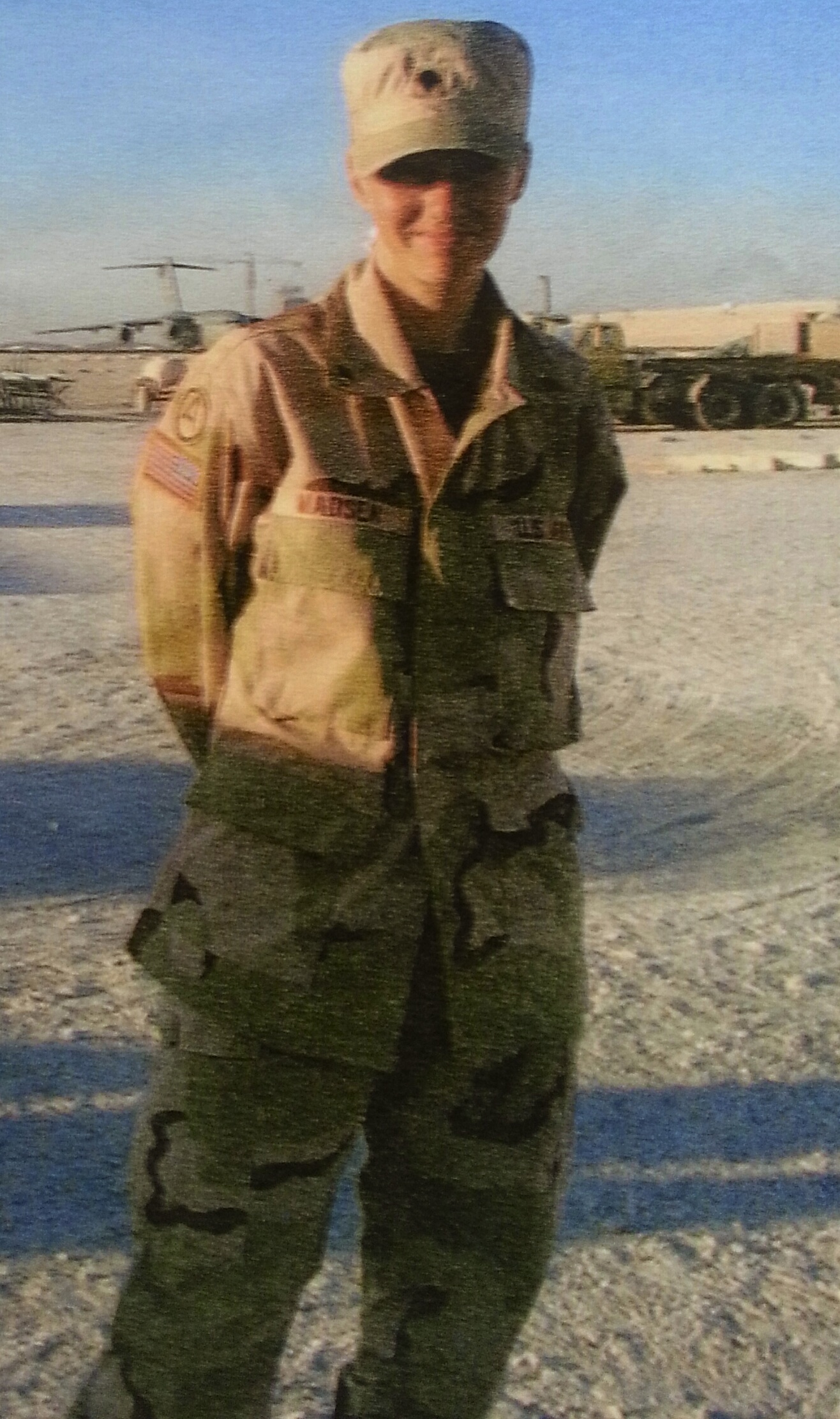
Juliet Madsen TBI Survivor & USA Veteran

Juliet Madsen was a member of the United States Army for more than 17 years before she was retired from the Army due to medical conditions. Juliet is not only actively involved in her own recovery, but she is an advocate for other veterans. Juliet strongly believes in helping brain-injured troops and their families have a better quality of life and she tries to make a difference in the lives of those who were injured in the line of duty while serving our country.

Jeannette and Juliet both hold positions on the Board of Directors for R4Alliance. R4Alliance is an organization whose goal is to support military families through therapeutic and recreational activities. I love that concept. As a teacher of young children I believe that learning through play is key to success. So why wouldn’t fun through therapeutic and recreational activities also be a good way to approach healing with brain injury survivors? Sounds good to me.

Thank you, Bob, Jeannette, and Juliet, for sharing such wonderful information about what you each do to help veterans, troops, and their families cope with returning home from the wars with me and my listeners on “Another Fork in the Road” on the Brain Injury Radio Network.

Click the link below to listen to Bob, Jeannette, Juliet, and me.

See you “On the Air!”

Helping Veterans & Troops Return From War

Click here for a list of all “Another Fork in the Road” shows on the Brain Injury Radio Network.

“Another Fork in the Road” . . . Brain Injury Radio Network . . . Bob Calvert, Host of “Talking with Heroes”

YOU ARE INVITED!

putthis_on_calendar_clip_artDid you know that there are more than 11,000 troops who are affected with brain injury because of explosions from IEDs (improvised explosive devices), and many more troops experience concussions from blasts? We NEED to know more about brain injury and how we can avoid it.

Bob Calvert of “Talking With Heroes,” TBI caregiver, Jeannette Davidson-Mayer, and TBI survivor, Juliet Madsen join me on “Another Fork in the Road” to discuss the plight of brain-injured troops returning home from the wars in Iraq and Afghanistan.

                                   Come One! Come ALL!

What:        Interview with Bob Calvert of “Talking With Heroes,” with TBI caregiver, Jeannette Davidson-Mayer, and TBI survivor, Juliet Madsen (Jeannette and Juliet of r4alliance)

Why:        Bob, Jeannette, Juliet, and I will discuss the difficulties troops face as they return home with brain injuries.

Where:     Brain Injury Radio Network

When:       Sunday, February 1st, 2015

Time:         5:00p PT (6:00p MT, 7:00p CT, and 8:00p ET) 90 minute show

How:         Click: Brain Injury Radio Network

Call In:    424-243-9540

Call In:     855-473-3711 toll free in USA

Call In:    202-559-7907 free outside US

or SKYPE

If you miss the show, but would like to still hear the interview, you can access the archive on On Demand listening. The archived show will be available after the show both on the Brain Injury Radio Network site and on my blog in “On the Air.”

(Clip Art compliments of Bing.)

(Photo compliments of Bob Calvert.)

SPEAK OUT! . . . . . . . . . . . . . . . . . Itty-Bitty GIANT Steps

SPEAK OUT! Itty-Bitty GIANT Steps

Itty-Bitty GIant Steps for Blog

SPEAK OUT! Itty-Bitty Giant Steps will provide a venue for brain-injury survivors and caregivers to shout out their accomplishments of the week.

If you have an Itty-Bitty Giant Step and you would like to share it, just send an email to me at donnaodonnellfigurski@gmail.com.

If you are on Facebook, you can simply send a Private Message to me. It need only be a sentence or two. I’ll gather the accomplishments and post them with your name on my blog approximately once a week. (If you do not want your last name to be posted, please tell me in your email or Private Message.)

I hope we have millions of Itty-Bitty Giant Steps.


Here are this week’s Itty-Bitty Giant Steps.

Darlene Strickland Bartlett (survivor)…I was able to cook supper twice last week. Chef_Laura_CartoonIt was my first successful try in over twenty years! I also made biscuits from scratch for the first time in twenty years.

Sara Catherine Birch  (caregiver)…Two years ago today, I insisted that my husband see a doctor regarding his severe headache and vomiting. This day two years ago, the doctor saved his life by realizing that there was something more seriously wrong than just a headache and then referring my husband to the neurologist at the local hospital. Our son was five weeks old at the time, and our daughter, only four years old. It was a very stressful time for us, but I’m so proud of my children for taking everything that the last two years have thrown at us. They are still happy, (reasonably) easy-going, and loving children. I’m so proud of my husband for his recovery. He is starting to feel like he is on his way with his recovery. He is feeling a bit more normal, if you ignore the fatigue, the head-pain, and all the medication he has to take. I’m feeling a very lucky girl today.

shovel-snowBob Clydesdale (survivor)…Three hours of snow-removal cleared my headache pretty well. Sometimes I find that, regardless of how bad the day is, I need to make an effort to do something physical. Good for the mind and body.1194985265532141363ragazza_rossa.svg.hi

Tonisha Ryan (survivor)…My tiny success was at the grocery store a while ago. I didn’t have my list with me (my memory isn’t great, post TBI), but I remembered everything! Happy dancing!


YOU did it!

Congratulations to all contributors!

(Clip Art compliments of Bing.)

Survivors SPEAK OUT! . . . . . DeWayne Banner

Survivors SPEAK OUT! . . . . . DeWayne Banner

by

Donna O’Donnell Figurski

DeWayne Banner  TBI Survivor

DeWayne Banner
TBI Survivor


1. What is your name? (last name optional)

DeWayne Banner

2. Where do you live? (city and/or state and/or country) Email (optional)

Morganton, Georgia, USA

3. When did you have your TBI? At what age?

Age 42

4. How did your TBI occur?

My head was crushed between the rear of a tractor-trailer and a concrete wall.

5. When did you (or someone) first realize you had a problem?

Immediately

6. What kind of emergency treatment, if any, did you have?

I was life-flighted to Grady Memorial Hospital in Atlanta, Georgia, where I was placed on life-support. I cannot really give a great number of details about these days because my mind was in another place. After I was declared stable, I was moved to The Shepherd Center to begin rehab, which continued for about four years.

7. Were you in a coma? If so, how long?

I was in a coma for two weeks.

8. Did you do rehab? What kind of rehab (i.e., inpatient or outpatient and occupational and/or physical and/or speech and/or other)? How long were you in rehab?

I did every kind of rehab in the books. In the beginning, I dealt with a lot of problems, and I worked with a whole team of therapists. Also, I had a counselor, and I participated in a group-therapy session.

9. What problems or disabilities, if any, resulted from your TBI
(e.g., balance, perception, personality, etc.)?

I am almost blind in my right eye. I am deaf in my right ear. My left side is partially paralyzed. I have completely lost sensation on the right side of my face. My balance was bad in the beginning, but it has gotten better over time. My short-term memory is poor; my long-term memory is like Swiss cheese (i.e., full of holes). I also have fatigue and sleep issues.

10. How has your life changed? Is it better? Is it worse?

Tough question. I cannot say that my life is better or worse – just much different. My life is not what I had planned, but I have adapted to create the best life I possibly can.

11. What do you miss the most from your pre-TBI life?

I miss my friends. It’s no secret that, in most cases, friends, and sometimes family, disappear from your life. I believe that after a catastrophic injury, such as a TBI, a person has to face his or her own mortality. (This may have happened to me!) It is very scary, and most people pull away from this constant reminder.

12. What do you enjoy most in your post-TBI life?

I like that I get to decide what my days will be. I get to choose my direction.

13. What do you like least about your TBI?

I dislike the things that have become difficult for me to do alone. I was once very independent and loved the great outdoors.

14. Has anything helped you to accept your TBI?

I did not die! I will never give up!

15. Has your injury affected your home life and relationships and, if so, how?

I have lost friends, but I feel fortunate that my wife and I still have a great relationship. So many families that are faced with TBI end up broken and divorced.

16. Has your social life been altered or changed and, if so, how?

I still like to spend time with friends and family, but it is a little difficult to do long stretches. I have many, many new friends.

17. Who is your main caregiver? Do you understand what it takes to be a caregiver?

My wife is my main caregiver, but I do my best to take good care of her too!

18. What are your future plans? What do you expect/hope to be doing ten years from now?

It is hard to say. I plan to travel a little. I help others like myself when I can. I hope to continue to improve my quality of life.

19. Are you able to provide a helpful hint that may have taken you a long time to learn, but which you wished you had known earlier? If so, please state what it is to potentially help other TBI survivors with your specific kind of TBI.

I want people to know that time does heal. Also, TBI is a journey that we have to travel one step at a time.

20. What advice would you offer to other TBI survivors? Do you have any other comments that you would like to add?

NEVER GIVE UP!! Get out of bed every day, put your feet on the ground, and take a step down the path to a better life. IT can happen if you want it to.

DeWayne Banner  TBI Survivor

DeWayne Banner
TBI Survivor


Thank you, DeWayne, for taking part in this interview. I hope that your experience will offer some hope, comfort, and inspiration to my readers.

(Disclaimer: The views or opinions in this post are solely that of the interviewee.)

If you would like to be a part of the SPEAK OUT! project, please go to TBI Survivor Interview Questionnaire for a copy of the questions and the release form.

(Photos compliments of DeWayne.)


Survivors SPEAK OUT! . . . . . Joshua Puckett

Survivors SPEAK OUT! . . . . . Joshua Puckett

by

Donna O’Donnell Figurski


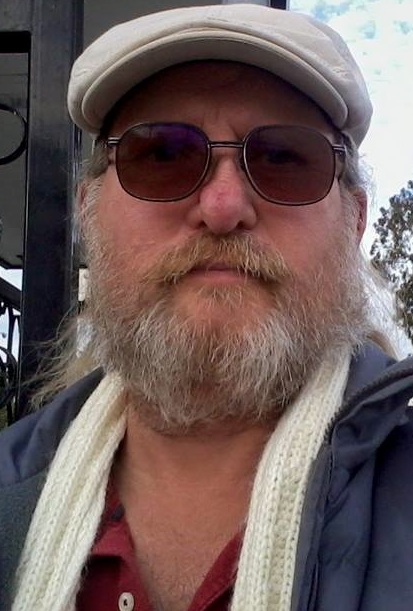
Joshua Puckett TBI Survivor - 2013

Joshua Puckett
TBI Survivor – 2013

1. What is your name? (last name optional)

Joshua Puckett

2. Where do you live? (city and/or state and/or country) Email (optional)

Los Angeles, California, USA

3. When did you have your TBI? At what age?

April 1, 2013     I was 31 years old.

4. How did your TBI occur?

At 2:00 am, I went outside to have a cigarette to calm a Tourette’s attack. Apparently I offended a random drunk person because he then beat what should have been the last drop of life out of me.

5. When did you (or someone) first realize you had a problem?

My wife got up wondering where I was. I was face down in the grass with the sprinklers on.

6. What kind of emergency treatment, if any, did you have?

I was in an induced coma for a few days; I had my periorbita (the area around the eye socket) replaced; and I spent a lot of time at Rancho Los Amigos, a rehab center here.

7. Were you in a coma? If so, how long?

I was in a medically induced coma for three days.

8. Did you do rehab? What kind of rehab (i.e., inpatient or outpatient and occupational and/or physical and/or speech and/or other)? How long were you in rehab?

I had physical therapy and speech therapy.

9. What problems or disabilities, if any, resulted from your TBI
(e.g., balance, perception, personality, etc.)?

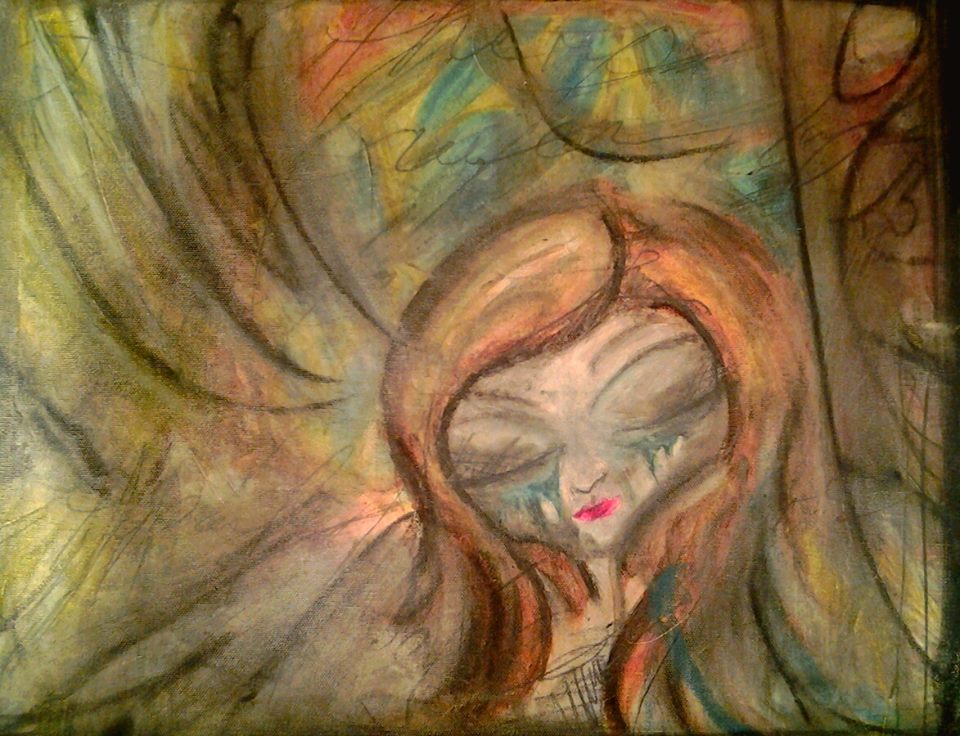
Artwork by Joshua Puckett TBI Survivor - 2013

Artwork by Joshua Puckett
TBI Survivor – 2013

My balance is bad – I use a cane now for that. I can’t seem to eat no matter how hungry I am. I can exhibit confusion or anger. I have the memory of a fish!

10. How has your life changed? Is it better? Is it worse?

I changed every aspect of my life. Only very recently have I started seeing the gifts that came with my TBI. I have become so much more understanding to the struggles of all people. At the same time, I also feel more isolated and alone than ever.

11. What do you miss the most from your pre-TBI life?

I miss everything and, simultaneously, nothing. I was and am now an even more complex person. But, eating without my TBI would be like getting a tooth pulled.

12. What do you enjoy most in your post-TBI life?

Artwork by Joshua Pucket TBI Survivor - 2013

Artwork by Joshua Puckett
TBI Survivor – 2013

I love that my TBI gave me the clarity to know what is actually important in life.

13. What do you like least about your TBI?

Food is still the biggest culprit.

14. Has anything helped you to accept your TBI?

I did a lot of talking in the mirror. Also I became an alcoholic. Once I stopped that stupid show, things really started to open up for me.

15. Has your injury affected your home life and relationships and, if so, how?

At first, it was very tough. Two of my sons are severely autistic, and I was their full-time caregiver and nurse. Raising them was no longer in my hands. But recently, I have gotten insight about them that I wouldn’t have had before, and we are closer than ever. My marriage is trying. We are getting to a place where we are ready to part ways. Too much is different now – as much as we do not want it to be.

16. Has your social life been altered or changed and, if so, how?

I was as social a butterfly as you could be. Now people and crowds terrify me. I was a night owl, which sucks now because I am afraid of the night too. PTSD (post-traumatic stress disorder) simply sucks.

17. Who is your main caregiver? Do you understand what it takes to be a caregiver?

I am able to care for myself, but I require some help – specifically with memory, eating, emotional swings, and childcare.

18. What are your future plans? What do you expect/hope to be doing ten years from now?

Honestly? I would like to change the world, helping everyone who wants or needs it.

19. Are you able to provide a helpful hint that may have taken you a long time to learn, but which you wished you had known earlier? If so, please state what it is to potentially help other TBI survivors with your specific kind of TBI.

Best hint? Be honest with yourself. Other people are important, but the one you have to spend your life talking to all the time is you. I also choose not to judge myself anymore.

I judged and hated myself for so long because of my TBI. But at the same time, I wanted to be there and to understand myself. Other people can’t. And that is good. I don’t want others to feel like this. But I can be honest with myself.

20. What advice would you offer to other TBI survivors? Do you have any other comments that you would like to add?

TBI sucks. But let’s be honest, was your brain a well oiled machine before? This is a hurdle, but it can also be an opportunity to become the strongest, the happiest, and the most potential-fulfilling self you can – in ways that you can only do now with this wisdom, albeit possibly with a cane and some other assistance. 🙂

To learn more about Joshua Puckett, a very talented musician and artist, check out his You Tube videos. Here are some to get you started.

Viary: TBI

Viary: TBI and I (my “accident”)

TBI and I: The documentary

Joshua Puckett TBI Survivor - 2013

Joshua Puckett
TBI Survivor – 2013

Thank you, Joshua, for taking part in this interview. I hope that your experience will offer some hope, comfort, and inspiration to my readers.

(Disclaimer: The views or opinions in this post are solely that of the interviewee.)

If you would like to be a part of the SPEAK OUT! project, please go to TBI Survivor Interview Questionnaire for a copy of the questions and the release form.

(Photos compliments of Joshua.)


TBI Tales . . . . . . . . . . . . . . . . . . . . Global Head Shots Unique

Global Head Shots Unique

 by

Timothy Guetling

(presented by Donna O’Donnell Figurski)


Timothy Guetling  TBI Survivor

Timothy Guetling
TBI Survivor

My TBI occurred in 1972. At that time, neurologists were known as “neurosurgeons.” The only test that was available for testing at that time was an X-ray. The neurosurgeon told my mother, “I won’t give a dime for his recovery!”

After being unconscious for nineteen days, which included thirteen days of right-side paralysis, and forty-six days in the hospital, including twice-a-day intensive physical therapy, I came home to a new world. After about one year, I was deemed “100% recovered.” I knew better, but each time I tried to speak of it, I was shut down with “You are using that as an excuse.”

I missed a semester of my junior year in high school, but I graduated with my class in 1974. I then entered the world of work and college. I was successful. I worked many positions, and I graduated college. There was always the knowledge that something inside was not right, but I kept up in the world.

In 1998, due to recurring accidents at my place of employment, I was sent to be checked by a neurologist. X-rays, an EEG (electroencephalogram), an EKG (electrocardiogram), a CT scan (computerized tomography), and an MRI (magnetic resonance imaging) revealed “pressed plates” in my neck at vertebrae C4-C5, C5-C6, and C6-C7. These vertebrae deal with hand-eye coordination and balance/dizziness. My vision, my cognitive reflex/response from my brain to spinal cord, and my equilibrium were deemed 85% on a good day.

My work and recreation patterns changed. In 2011, due to recurring repercussions from my injury, I stopped working. SSDI (Social Security Disability Insurance) was approved in 2013. Now my equilibrium is at best 75%. My success is right here on this site and other sites related to TBI, brain injury, addiction/abuse, PTSD (post-traumatic stress disorder), etc. I offer my knowledge from my experience of over 42 years of “recovery evolution.” It is with a smile on my face and tears in my eyes that I can say, with no sadness or fear, that you and I are Global Head Shots Unique. We know more than anyone about us. Lets talk!


(Disclaimer: The views or opinions in this post are solely that of the author.)

If you have a story to share and would like to be a part of the SPEAK OUT! project, please submit your TBI Tale to me at donnaodonnellfigurski@gmail.com. I will publish as many stories as I can.


As I say after each post:

Please leave a comment by clicking the blue words “Leave a Comment” below this post.anim0014-1_e0-1

Please follow my blog. Click on “Follow” on the top right sidebar. (It’s nice to know there are readers out there.)

If you like my blog, share it with your friends. It’s easy! Click the “Share” buttons below.

If you don’t like my blog, “Share” it with your enemies. I don’t care!

Feel free to “Like” my post.

(Clip Art compliments of Bing.)

SPEAK OUT! . . . . . . . . . . . . . . . . . Itty-Bitty GIANT Steps

SPEAK OUT! Itty-Bitty GIANT Steps

Itty-Bitty GIant Steps for Blog

SPEAK OUT! Itty-Bitty Giant Steps will provide a venue for brain-injury survivors and caregivers to shout out their accomplishments of the week.

If you have an Itty-Bitty Giant Step and you would like to share it, just send an email to me at donnaodonnellfigurski@gmail.com.

If you are on Facebook, you can simply send a Private Message to me. It need only be a sentence or two. I’ll gather the accomplishments and post them with your name on my blog approximately once a week. (If you do not want your last name to be posted, please tell me in your email or Private Message.)

I hope we have millions of Itty-Bitty Giant Steps.


Here are this week’s Itty-Bitty Giant Steps.

Dan Gregory  (caregiver)…I want to share some wonderful news. My wife, Nichole Gregory, after suffering a TBI due to a motorcycle accident in 2010, has just finished an accelerated course in drug and alcohol counseling and behavioral science. She was able to make the Dean’s List and graduate after only eighteen months of school. huge.61.305531She now has her Bachelor’s Degree, and she is getting a job with the State of Nebraska. She will be working with high-risk, troubled youth in a crossover youth position. (The program is designed to keep young people from “crossing over” into the judicial system.) I am so very proud of her. She does what she can in spite of her TBI. She is an amazing woman and an inspiration, not just to me, but also to everyone around her. Unfortunately, long hours at school leave her emotionally and physically drained, but I am proud of her for not giving up the fight.

Timothy Guetling (survivor)…I want to tell you about my greatest TBI survival success. I had my TBI at 16. Next was acceptance; the fog lifted at 25. I adopted the vegan/vegetarian lifestyle at that time, and I was receptive to what that did to keep me healthy and to be alert to compassion for myself and all life. At 32, I was given the opportunity to realize the Master/Soul/God/Self-Inside through daily meditation of the Light/Sound principle. Since my acceptance, receptivity, and realization, though I have the repercussive effects of my TBI and always will, my life has been nothing but blissful “recovery evolution,” and it continues.

Sophia Hill Kusderci  (caregiver)…I have an incredible, happy moment I want to share. Anyone who knows us 11954302561011212002liftarn_Pillows.svg.hiunderstands that pillow-arranging was a huge thing in our marriage. It was our nightly ritual. My husband, Ahmet, did it to show me that he cared, even when he was angry. For twelve years, he did it. It stopped after the accident, and I just accepted it as another change about Ahmet. I simply thought that it was something I couldn’t have anymore. But…in the past couple of weeks, he’s been randomly doing it. It’s become a habit again – arranging my pillows only for ME to show me HIS love. I’m blessed by life’s small gifts. This, I believe, is a huge part of the lesson from his accident. Thank you.

YOU did it!

Congratulations to all contributors!

(Clip Art compliments of Bing.)


On the Air: Brain Injury Radio Another Fork in the Road . . . . . . Rosemary Rawlins, Author & Caregiver

On the Air: Brain Injury Radio Interview –

Another Fork in the Road

with

 Rosemary Rawlins, Author & Caregiver

images-1

When I closed down the studio last night after spending 90 minutes talking to Rosemary Rawlins about her life as a caregiver, I popped into my husband’s office. He had listened to the interview on his computer. He smiled and said, “Great interview! I wish it wasn’t over. I could have listened for another hour.” I knew exactly what he meant. I could have talked with Rosemary forever. Our stories, though different, run parallel to each other.

david-running-in-hall

David Figurski 3 weeks before his TBI

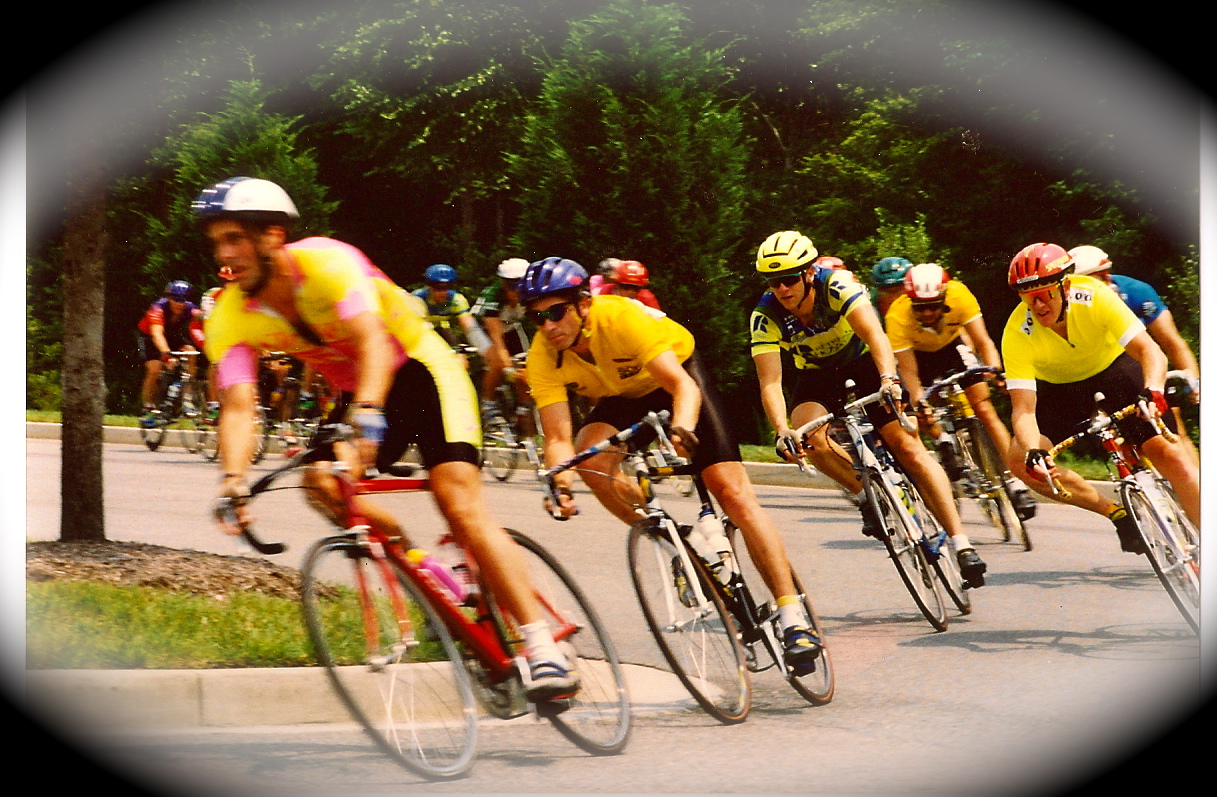
Both of our husbands were in the prime of their careers – doing what they loved best in their office/lab and after hours too. Hugh loved to ride his bicycle. David loved to run and exercise. Both Hugh and David exercised to relieve their daily stress. It was that exercise that caused their brain injuries.

Hugh Rawlins - racing

Hugh Rawlins – racing

Talking with Rosemary was refreshing. She really KNOWS what I went through, and I REALLY know what she went through. We GET IT!

Anyone who has “lost” a spouse to brain injury will totally understand and completely relate to Rosemary’s and my conversation. Please, go ahead! Eavesdrop on our tête-à-tête. We’d love you to.


Thank you, Rosemary, for sharing your story with me and my listeners on “Another Fork in the Road” on the Brain Injury Radio Network.

Rosemary & Hugh Rawlins 2

Rosemary & Hugh Rawlins – after TBI


Click the link below to listen to caregiver, Rosemary Rawlins (author of “Learning by Accident: A Caregiver’s True Story of Fear, Family, and Hope”), share her story of how she and Hugh pulled the pieces of their lives together.


See you “On the Air!”

 Rosemary Rawlins, Author & Caregiver

Click here for a list of all “Another Fork in the Road” shows on the Brain Injury Radio Network.

diemodi jewelry

uniquely hand-crafted jewelry by donna

Welcome to Harmony Kent Online

The home of all things books

Pete Springer

Passionate Teacher and Future Children's Author

HOPE TBI

Helping Other People Excel - To Be Independent

For the Love of Books, Old and New

Katie Fischer, Writer and Reader of Stories

Charlie Bown

Children's Author

Jessica Hinrichs

“We write to taste life twice, in the moment and in retrospect.” ― Anais Nin

VIVIAN KIRKFIELD - Writer for Children

Picture Books Help Kids Soar

Mindy’s Writing Wonderland

For authors, parents, teachers & everyone who loves children’s books.

Kaitlyn Leann Sanchez

Literary Agent

Surviving Traumatic Brain Injury

TBI - Survivors, Caregivers, Family, and Friends

The Care Factor

Loving someone with a Traumatic Brain Injury

Brain Injury Support Group of Duluth-Extension

Brain Injury Information and SUPPORT

Brain Aneurysm Global Insight

Brain Aneurysm, cerebral hemorrhaging, hemorrhage stroke