TBI – Survivors, Caregivers, Family, and Friends

Posts tagged ‘blogtalkradio.com’

Survivors SPEAK OUT! Justin Phillips

Survivors  SPEAK OUT!  Justin Phillips

by

Donna O’Donnell Figurski
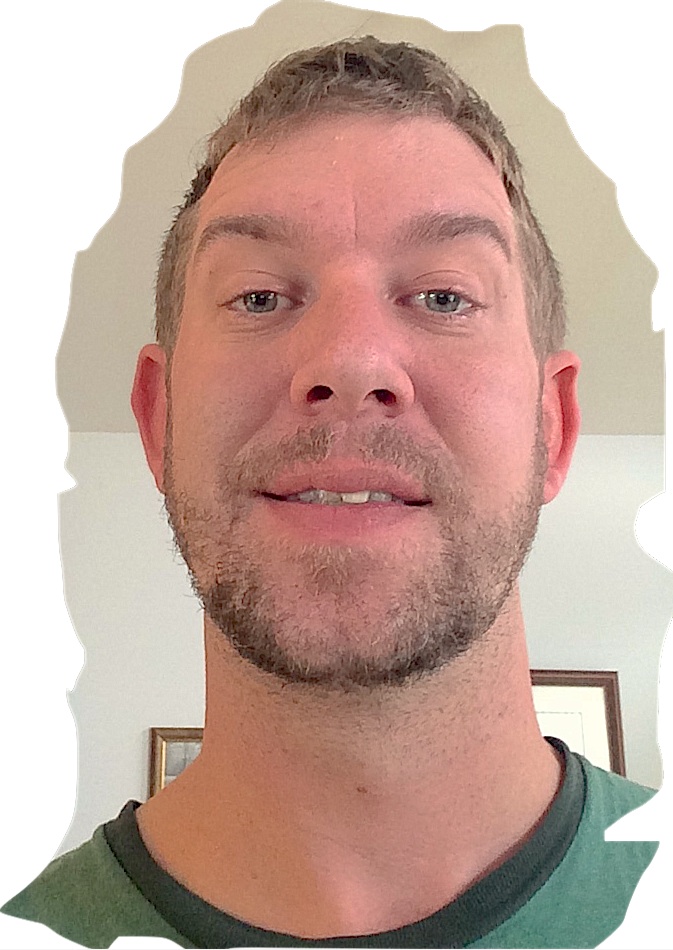
 

Justin Phillips - TBI Survivor

Justin Phillips – TBI Survivor

1. What is your name? (last name optional)

Justin Phillips

2. Where do you live? (city and/or state and/or country) Email (optional)

Annapolis, Maryland, USA

3. When did you have your TBI? At what age?

My TBI happened on November 11, 2010. I was 30 years old.

4. How did your TBI occur?

My TBI occurred because I was in a bad car accident on my way to work one morning.

5. When did you (or someone) first realize you had a problem?

Immediately

6. What kind of emergency treatment, if any, did you have?

I was given a tracheotomy. I had a feeding tube. A DVT (deep vein thrombosis) filter was put into my vena cava.

7. Were you in a coma? If so, how long?

Yes. I was in a coma ten days.

8. Did you do rehab? What kind of rehab (i.e., inpatient or outpatient and occupational and/or physical and/or speech and/or other)? How long were you in rehab?

Yes. I was given five months of therapy as an inpatient and another five months as an outpatient. I had physical, occupational, and speech therapies.

9. What problems or disabilities, if any, resulted from your TBI
(e.g., balance, perception, personality, etc.)?

My balance/equilibrium was thrown off for two to three years. My temper is worse. I lost my sense of smell. I also make poor decisions.

10. How has your life changed? Is it better? Is it worse?

My life is better than it was immediately post accident. I appreciate family and life much more. Small, insignificant issues don’t bother me or my family as much. What my family went through was awful. When something stressful is bothering us, we like to say, “We’ve been through worse.” Life is different now. I wouldn’t say “worse” because I’m still alive, but it’s definitely been changed.

11. What do you miss the most from your pre-TBI life?

Before my TBI, I felt young. I feel a lot older now. I miss not questioning EVERY activity I do to see if I can handle it.

12. What do you enjoy most in your post-TBI life?

I like how much more I appreciate everything.

13. What do you like least about your TBI?

I dislike questioning almost every activity I do to see if I can handle it or if it’s dangerous.

14. Has anything helped you to accept your TBI?

Time has helped me. It took almost two years before the injury wasn’t my first thought after waking up and wasn’t constantly in my thoughts until I went to bed. It’s nice not living in the past.

15. Has your injury affected your home life and relationships and, if so, how?

My son was only seven when the accident happened, so it was really tough on him. But, he handled it all like a champion. I’m married, and my wife had to be my caregiver after I moved home for five months, as I couldn’t drive and was still “off.” We pushed through it all and are still together.

16. Has your social life been altered or changed and, if so, how?

I still have friends, but I don’t go out much to visit or anything. I had social anxiety for about a year. I would rather just spend my time with my family.

17. Who is your main caregiver? Do you understand what it takes to be a caregiver?

I am my caregiver now, but I still need my wife for lots of things. For example, I make poor decisions. My wife was my caregiver for about five months after I moved home. It was hard on her. Rehab was two hours from home. She and my son would come up to visit every weekend. My accident was in November, so my wife spent all winter driving through snow to come visit.

18. What are your future plans? What do you expect/hope to be doing ten years from now?

I plan on opening a kitchen-remodeling company within the next few months. I would like for that to be successful, and in ten years, to be well established.

19. Are you able to provide a helpful hint that may have taken you a long time to learn, but which you wished you had known earlier? If so, please state what it is to potentially help other TBI survivors with your specific kind of TBI.

Time is your friend. A lot of my issues took a long time to heal. Brain injuries are terrible to overcome. You might choose to apply the adjective “blessed,” “lucky,” or “fortunate.” I’m actually all of them.

20. What advice would you offer to other TBI survivors? Do you have any other comments that you would like to add?

TBI is the hardest thing I’ve ever been through. Having my son to focus on was a HUGE motivator for my recovery. Time was essential for me, as many of the issues took a long time to heal. I’m blessed, lucky, and fortunate that everything turned out so well. Positive thoughts are also a great help. Being down emotionally makes everything seem more difficult. Take breaks; get plenty of sleep; and eat well.

Justin Phillips – 6 months pre-TBI


Thank you, Justin, for taking part in this interview. I hope that your experience will offer some hope, comfort, and inspiration to my readers.

(Disclaimer: The views or opinions in this post are solely that of the interviewee.)

If you would like to be a part of the SPEAK OUT! project, please go to TBI Survivor Interview Questionnaire for a copy of the questions and the release form.

(Photos compliments of Justin.)
 

SPEAK OUT! . . . . . . . . . . . . . . . . . Itty-Bitty GIANT Steps

SPEAK OUT! Itty-Bitty GIANT Steps


Itty-Bitty GIant Steps for BlogSPEAK OUT! Itty-Bitty Giant Steps will provide a venue for brain-injury survivors and caregivers to shout out their accomplishments of the week.

If you have an Itty-Bitty Giant Step and you would like to share it, just send an email to me at donnaodonnellfigurski@gmail.com.

If you are on Facebook, you can simply send a Private Message to me. It need only be a sentence or two. I’ll gather the accomplishments and post them with your name on my blog approximately once a week. (If you do not want your last name to be posted, please tell me in your email or Private Message.)

I hope we have millions of Itty-Bitty Giant Steps.


Here are this week’s Itty-Bitty Giant Steps.

Debra Cody (survivor)…I am so grateful to have my husband Phil by my side. I know that his life has been forever holding_hands_1changed by my injury and that he could walk away and have a much easier life, but he chooses to stay. I thank God for giving Phil the love in his heart and the strength of character to continue to hold my hand every day!

Karie Jacobson Collins (caregiver)…It has been a busy weekend here. On Friday night, we attended the service-awards banquet for my hubby’s work. He received an award for 25 years of service. Award 515wwJCwmXLWhile we were there, he repeatedly told me to be quiet – loudly. It was a bit embarrassing. Fortunately, we sat with people whom we are close to, and they helped to smooth things over. It still hurt, though. Then today, we went to a local event, called “The Crystal Classic,” with our daughters and grandsons. Then we washed his truck and vacuumed it out. (It has been unseasonably warm here, so he has been wanting to do that for a week now.) Then we went to dinner with our youngest daughter and her family before going to watch our oldest grandson ride mini-broncs in a rodeo. As we were leaving the restaurant after dinner, my husband apologized for being rude to me the night before. I almost passed out! This is the first acknowledgement of his bad behavior. Miracles never cease! It may never happen again, but I will take it for today. It was a great day.

Erica Renee Gilliam-Chiles (caregiver)…Today I saw my husband run. Fourteen months ago, he couldn’t move his left side. Being an active duty Marine, he had as one of his top goals to be able to run again, and he did!

15278739Kayla Bradberry Knight (caregiver)…Last year on February 13, my husband, Wyatt, took me out for a Valentine’s Day dinner. He and the kids gave me cards that morning. I was on cloud nine. Who would have thought that five days later my husband would be fighting for his life and our families would be turned upside down? God has taught me many lessons this year. Most of all, I’ve learned that earthly possessions mean nothing. Sure, they make one happy for a while. But no gift, flower bouquet, or box of chocolates could take the place of what I have today. My husband is still here! Oh, how happy it makes me to be able to say that! He may not realize that it’s even Valentine’s Day. Nor will he walk through the door with a gift, BUT I still get to hug him. The kids and I still get to tell him how much we love him. That, my friends, is irreplaceable. Don’t just sign that sweet card or have those beautiful flowers delivered. Show that person how much he or she means…not just today, but every day!

Sophia Hill Kusderci (caregiver)…My husband knows that I’m sad a lot living isolated in Germany. This past week, he said to me, “I try to talk to you. It’s why I ask you, ‘What are you doing?’ and ‘What are you reading?’ ” It was such a surreal moment that he “got it,” and I realized he’s trying very hard to make me happy. It’s nearly fourteen months, and I’m thankful for where we are right now. It’s not perfect, but it’s so far from where we were last year. It seems so small in real life, but for me, it is huge.cartoon-love-u-187615

Shelley Lawrence (caregiver)…My husband and I were in a shop today, and we walked past a huge Valentine’s Day stand. He stopped, looked at it, turned to me, and said, “I’d forgotten, but do you know that I love you so very much anyway?” I just grinned and said, “Yes!” How simply AWESOME is that!

Darcy Clarkson Leslie (caregiver)…Valentine’s Day – another gift-giving holiday with my brain-injured husband. I’m getting to hate this day because either he forgets or gives me a gift that his former wife would have liked. Last year at Christmas, he picked out a very large and bulky bracelet and watch set that was full of rhinestones. “You need a heart_&_key_2watch because you’re a nurse,” he said. I don’t do big. I don’t do bling. I am not a nurse. Today he gave me a necklace – a heart with a small key. “Now you really have the key to my heart,” he said. He picked this out himself. This is the first sign that my husband is really starting to get to know me again, and that is the best gift of all! Thanks for listening.

Lynn Sandoval (caregiver)…Today was a great Valentine’s Day for us! I had run to the gas station to get gas to mow the lawn, and I left my husband at home with his sister. When I returned home, I went into the kitchen and there was my husband – walking all by himself without his walker! It was the first time. thHe hadn’t realized that he did it at first. He just turned to walk over and try the chili that his sister had just made. When he got to the sink, he realized what he had done. He started walking back the other way, and that’s when I walked in. I began crying, and he walked over and hugged me. It was amazing!!! Best Valentine gift I’ve ever gotten!


YOU did it!

Congratulations to all contributors!

(Clip Art compliments of Bing.)

TBI TALES . . . . . . . . . . . . . . . . . . . . What’s Really Important

What’s Really Important

 by

 Kayla Bradberry Knight

(presented by Donna O’Donnell Figurski)


Kayla Bradberry KnightLast year on February 13, my husband, Wyatt, took me out for a Valentine’s Day dinner. He and the kids gave me cards that morning. I was on cloud nine. Who would have thought that five days later my husband would be fighting for his life and our families would be turned upside down?valentine-s-day-clip-art

God has taught me many lessons this year. Most of all, I’ve learned that earthly possessions mean nothing. Sure, they make one happy for a while. But no gift, flower bouquet, or box of chocolates could take the place of what I have today. My husband is still here! Oh, how happy it makes me to be able to say that!

He may not realize that it’s even Valentine’s Day. Nor will he walk through the door with a gift, BUT I still get to hug him. The kids and I still get to tell him how much we love him. That, my friends, is irreplaceable. Don’t just sign that sweet card or have those beautiful flowers delivered. Show that person how much he or she means…not just today, but every day!Love Every Day


(Disclaimer: The views or opinions in this post are solely that of the author.)

If you have a story to share and would like to be a part of the SPEAK OUT! project, please submit your TBI Tale to me at donnaodonnellfigurski@gmail.com. I will publish as many stories as I can.


As I say after each post:

Please leave a comment by clicking the blue words “Leave a Comment” below this post.anim0014-1_e0-1

Please follow my blog. Click on “Follow” on the top right sidebar. (It’s nice to know there are readers out there.)

If you like my blog, share it with your friends. It’s easy! Click the “Share” buttons below.

If you don’t like my blog, “Share” it with your enemies. I don’t care!

Feel free to “Like” my post.

(Clip Art compliments of Bing.)

SPEAK OUT! . . . . . . . . . . . . . . . . . Itty-Bitty GIANT Steps

SPEAK OUT! Itty-Bitty GIANT Steps

Itty-Bitty GIant Steps for Blog

SPEAK OUT! Itty-Bitty Giant Steps will provide a venue for brain-injury survivors and caregivers to shout out their accomplishments of the week.

If you have an Itty-Bitty Giant Step and you would like to share it, just send an email to me at donnaodonnellfigurski@gmail.com.

If you are on Facebook, you can simply send a Private Message to me. It need only be a sentence or two. I’ll gather the accomplishments and post them with your name on my blog approximately once a week. (If you do not want your last name to be posted, please tell me in your email or Private Message.)

I hope we have millions of Itty-Bitty Giant Steps.


Here are this week’s Itty-Bitty Giant Steps.

Scott M. Chapman (survivor)…I walked almost a mile without my walker or a cane.One Mile Sign th

Michele Dempsey (survivor)…Sometimes doctors tell you that you will never walk, talk, or do other things again. They told me that when I was first injured seven years ago. I think they don’t want to give anyone false hope or something. In my case, I believed what they said. I came home in a wheelchair, and I couldn’t speak well. They said that I wouldn’t walk or talk. Now I do both! Some days, I don’t do either well. If I am tired, it is worse, but I walk with a cane, and I can talk pretty well. When I was tested, I did poorly on everything four years in a row. They said I that I would not be able to handle my own money, have a checking account, or shop on my own. It took time, but I slowly got better at the things they said I couldn’t do.

I shop and pay my own bills, and I recently got a checking account! Checkbook2I was excited, but scared, to do it, but I finally did it. I wrote my first checks yesterday. This morning, my nurse went over everything, and I did it right! I know it is a small thing, but it feels good to be able to do this on my own. I guess what I am learning over all these years is that, if people – even doctors – and testing say you can’t, keep trying. Try again and again and don’t give up! I am proud of myself today over something that might be a little thing to others, and I like it.

Megan Erikson (survivor)…I found a support group! I had to put my pride aside and say, “I do need help and support.” 🙂

Sue R. Hannah (survivor)…I went back to physical therapy today. Not only did I have an awesome session, but I also learned a very valuable lesson. My most recent acupuncturists and my vision therapist assumed that they knew what was best for me. I believe their heart was in the right place, but not so much, their awareness. Emily, my physical therapist, recognized that I needed to work towards MY level of functioning – not anyone else’s. Giving me skills that I’ve never had is a pretty silly goal. I have been impaired since I was so young that I have adapted and developed lots of work-arounds. What the other practitioners didn’t realize is that I didn’t lose skills. I NEVER had them! I guess part of this occurred because I didn’t stress how early my trauma happened, and they assumed that I fit in a box, which I don’t. It’s hard for me to tell people how I got hurt because often they are traumatized by hearing my story. I’ve learned that I need to be careful about whose advice to take, regardless of what their training has been. Can anyone relate?

Michael Lee Savage (survivor)…My wife, Patty, “threw me under the bus” this morning by sayinTreadmill1-483-x-600g I would walk “cane-free” into my therapist’s office. Well, I’m never one to back down from a challenge, so I walked from the outside deck, over the threshold, and up and down the hallway in front of my physical therapist. He said, “Looks like we have a new starting point.” Back at home, I hit the treadmill for 35 minutes and then looped the downstairs hallway four times “cane-free.” For the first time in six years, I felt human again.

Susan Shacka (survivor)…My Itty-Bitty Giant Step is trying to be calmer.

Damian Sill (survivor)…I am a person who has overcome TBI. Almost eighteen years ago, I was nearly dead. Today I am fully alive. I am living a wonderful life. I have a great job as a nurse. I own my own home. I am in a beautiful relationship with a great future ahead of me. I look forward to life today. Initially, I was so confused. My life was difficult. But, I kept working away one day at a time, and today I reap the rewards. Thanks to all who helped me along my way.   – Feeling Blessed

if_you_need_someone_to_shovel_snow_flyer-r830f727a107247489fac6587395693ab_vgvyf_8byvr_324Laurinda A. Sousa (survivor)…I got my car out of a giant snowdrift in my parking lot. I did it all with my right arm because I have a frozen left shoulder right now.

Dana Wiedenmann (survivor)…I flew to San Diego at Christmas.

Sandra Williams (survivor)…I am able to maintain my job. Huge! Absolutely huge! I attended an early morning DAC (Disability Action Center) meeting, and I am helping my husband start a business. I am ditzy, but I will press on. I can’t find words; my ears ring; I am seeing double; and I cry a lot, but I will not stop. I will not be beaten!

YOU did it!

Congratulations to all contributors!

(Clip Art compliments of Bing.)

Survivors SPEAK OUT! . . . . Michelle

Survivors  SPEAK OUT!  . . . . . Michelle

by

Donna O’Donnell Figurski


cartoon-hospital1. What is your name? (last name optional)

Michelle

2. Where do you live? (city and/or state and/or country) Email (optional)

Goldsboro, North Carolina, USA

3. When did you have your TBI? At what age?

A stroke occurred on March 31, 2011. I was 39 years old.

4. How did your TBI occur?

I had a stroke from a ruptured brain aneurysm on the right internal carotid artery.

5. When did you (or someone) first realize you had a problem?

I had been battling a persistent migraine for days. I knew that something wasn’t right that morning. I woke up with a stiff neck that I attributed to tension. I later learned that this is actually a symptom of a ruptured aneurysm. At any rate, I was taken to the hospital when I felt something “pop” in my head. This was just prior to lunchtime that day.

6. What kind of emergency treatment, if any, did you have?

After a CAT scan (CT scan, computerized tomography), I was transferred by ambulance to the larger hospital at the University of North Carolina. In total, while I was hospitalized, I had two arteriograms; the aneurysm was treated by endovascular coiling; a drainage tube was placed in my head; and I was given various IVs.th

7. Were you in a coma? If so, how long?

No

8. Did you do rehab? What kind of rehab (i.e., inpatient or outpatient and occupational and/or physical and/or speech and/or other)? How long were you in rehab?

I had three weeks of inpatient rehab, consisting of physical, occupational, speech, and recreational therapies. I also had three weeks of occupational, physical, and speech therapies as an outpatient.

9. What problems or disabilities, if any, resulted from your TBI
(e.g., balance, perception, personality, etc.)?

I have several issues – balance, personality changes, extreme short-term memory loss, weakness in my right arm, weakness in both legs, mood swings, insomnia, anxiety (especially socially), chronic fatigue, and an increased frequency of headaches and migraines. I have also lost my verbal filter. I say whatever comes to my mind – good, bad, or indifferent.

10. How has your life changed? Is it better? Is it worse?

I hesitate to call my life better or worse. It’s different. My judgment depends on my mood. I would say worse, but there’s a part of me that feels and believes genuine goodness will come from this struggle. My station in life is worse. I’ve lost my job, my home, and a number of my friends, and I ended up selling everything I own to live with family in another city. At the same time, I have developed such a genuine appreciation for the things in life that really matter. I have a level of compassion that was totally absent before. This is better than old me.

11. What do you miss the most from your pre-TBI life?

I miss being able to socialize or to join in with a crowd and have no problems. In my pre-TBI life, I was in a position of authority and respect in my company. I worked directly with the VP and department heads. I was respected and well-liked. I felt a great sense of pride in the work I did and in supporting the mission of my company. I miss that feeling of importance and respect.

12. What do you enjoy most in your post-TBI life?

I enjoy sharing my story with others. Many people tell me that I inspire them, which I always find surprising, as all I did was manage to live. But knowing that others are inspired because of something I said or did – that is my joy now.

13. What do you like least about your TBI?

I hate how dumb I feel sometimes – like when I just had something in my hand, set it down, and then can’t find it. I hate the short-term memory problems and the fatigue. The fatigue interrupts my ability to live a rewarding life on a large scale.

14. Has anything helped you to accept your TBI?

Going back to the early days of my recovery, I remember that thousands of people were praying for me even though I, myself, had lost my faith years earlier. Knowing in my heart that it was the intercessory prayers of all those believers that pulled me through – that is what has helped me accept the TBI.

15. Has your injury affected your home life and relationships and, if so, how?

The romantic relationship I was in at the time of the incident ended shortly after by his choice. I have dated since then, but I find it challenging – probably mostly because I’m self-conscious. Also, if the person didn’t know me before, then I appear to be pretty air-headed. I sometimes found myself becoming irritated with the person in general and needing a lot more alone-time. I am not living with family for the first time in over twenty years. My relationship with my oldest daughter is strained, due to conflicts we had early on in which I told her, “I should have just died,” and she screamed, “Fuck you!” at me. So I kicked her out of my house at 18 years old. We are still not on regular speaking terms.

16. Has your social life been altered or changed and, if so, how?

My social life has been altered in a big way. I lost probably half of the friends I socialized with. They kind of just bowed out because I wasn’t too much fun anymore. When I do socialize now, it’s with a few close friends, usually at someone’s home for dinner. I’m almost always the first one to leave because I can only stand so much socializing before I have to shut down.

17. Who is your main caregiver? Do you understand what it takes to be a caregiver?

I am my own caregiver. In the initial days, my caregiver was a sister. However, she lives in a different state. She stayed with me for six weeks, and then she headed home. It seemed all was fine for a few months with me as my own caregiver. But slowly, over time, I began to realize that I was flailing (for lack of a better term). Today I live with my mom and dad, and we take care of each other. Mom is aging, so she can’t do a lot, but she does try. And it’s helpful just to have someone else writing the checks to pay the bills.

18. What are your future plans? What do you expect/hope to be doing ten years from now?

In the future, I would really like to be a patient advocate. I don’t even know how to go about getting into that type of field, but I found that I NEEDED that, and it wasn’t available to me. Nobody should have to navigate the quagmire of doctor appointments, insurance claims, insurance denials, applying for charity to help pay for long hospital stays, etc. without an advocate – especially not someone with brain damage.

19. Are you able to provide a helpful hint that may have taken you a long time to learn, but which you wished you had known earlier? If so, please state what it is to potentially help other TBI survivors with your specific kind of TBI.

Be kind to yourself. Resist the urge to make everything go back to normal. “Normal” is wherever you are at right now. Give time a chance to work its magic, and it will.

20. What advice would you offer to other TBI survivors? smartphone7Do you have any other comments that you would like to add?

See above. And get a smartphone if you can. =)


Thank you, Michelle, for taking part in this interview. I hope that your experience will offer some

hope, comfort, and inspiration to my readers.

(Disclaimer: The views or opinions in this post are solely that of the interviewee.)

If you would like to be a part of the SPEAK OUT! project, please go to TBI Survivor Interview Questionnaire for a copy of the questions and the release form.

(Clip Art compliments of Bing.)

Survivors SPEAK OUT! Lee Staniland

Survivors SPEAK OUT!  . . . . . Lee Staniland

by

Donna O’Donnell Figurski

Lee Staniland -  TBI Survivor

Lee Staniland –
TBI Survivor

1. What is your name? (last name optional)

Lee (Liana) Staniland

2. Where do you live? (city and/or state and/or country) Email (optional)

Oxnard, California, USA     leechar101@gmail.com

3. When did you have your TBI? At what age?

Age 25

4. How did your TBI occur?

A horse took me under a tree.

5. When did you (or someone) first realize you had a problem?

My husband came home and found me unconscious under the tree in our pasture.

6. What kind of emergency treatment, if any, did you have?

My husband took me to the Emergency Room. They sent me to another hospital.

7. Were you in a coma?

Yes

If so, how long?

I was in a coma six weeks.

8. Did you do rehab?

Yes. I did rehab for a while.

What kind of rehab (i.e., inpatient or outpatient and occupational and/or physical and/or speech and/or other)?

I did rehab both as an inpatient and an outpatient.

How long were you in rehab?

I had rehab for a month. Then I got impatient with the drive to get there, so I quit and did my own rehab.

9. What problems or disabilities, if any, resulted from your TBI
(e.g., balance, perception, personality, etc.)?

I have issues with balance and memory.

10. How has your life changed? Is it better? Is it worse?

I think my life mostly changed for the better. I’m a better and nicer person.

11. What do you miss the most from your pre-TBI life?

Nothing

12. What do you enjoy most in your post-TBI life?

I got back most of my old self, so I can do most everything.

13. What do you like least about your TBI?

The fatigue

14. Has anything helped you to accept your TBI?

I was blessed that my mind just let me accept the new me.

15. Has your injury affected your home life and relationships and, if so, how?

I don’t let people push me around. I divorced my husband whom I was married to when the accident happened, and I married a more accepting man.

16. Has your social life been altered or changed and, if so, how?

I am a morning person, so when it starts getting dark, I fade.

17. Who is your main caregiver?

I am my own caregiver.

Do you understand what it takes to be a caregiver?

Yes

18. What are your future plans? What do you expect/hope to be doing ten years from now?

I’m 62 now, and I am just going to take life easy.

19. Are you able to provide a helpful hint that may have taken you a long time to learn, but which you wished you had known earlier? If so, please state what it is to potentially help other TBI survivors with your specific kind of TBI.

NEVER, NEVER GIVE UP!

20. What advice would you offer to other TBI survivors? Do you have any other comments that you would like to add?

I’m adding my story to this so that you can understand better. Over 20 years ago, six other couples started the Brain Injury Support Group. It is now a non-profit organization called The Brain Injury Center of Ventura County. I was even the president for a while. I drew our logo, and I have taken many photos for them. My message is to get involved. Thanks!

You can learn more about Lee in her Guest Blog article called, “What I Remember” on my blog, Surviving Traumatic Brain Injury.


Thank you, Lee, for taking part in this interview. I hope that your experience will offer some

Lee Staniland  TBI Survivor

Lee Staniland
TBI Survivor

hope, comfort, and inspiration to my readers.

(Disclaimer: The views or opinions in this post are solely that of the interviewee.)

If you would like to be a part of the SPEAK OUT! project, please go to TBI Survivor Interview Questionnaire for a copy of the questions and the release form.

(Photos compliments of Lee.)


Caregivers SPEAK OUT! . . . . . Kristina Hopkins

Caregivers SPEAK OUT! – Kristina Hopkins

by

Donna O’Donnell Figurski


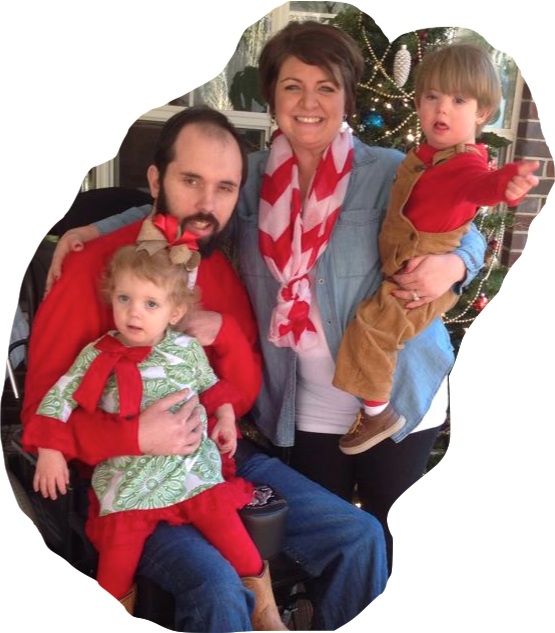
Kristina Hopkins - Caregiver Tom Hopkins- TBI Survivor

Kristina Hopkins – Caregiver
Tom Hopkins- TBI Survivor

1. What is your name? (last name optional)

Kristina Hopkins

2. Where do you live? (city and/or state and/or country)     Email? (optional)

Blum, Texas, USA

3. What is the TBI survivor’s relationship to you? How old was the survivor when he/she had the TBI? What caused your survivor’s TBI?

The survivor, Tom, is my husband. He was 25 years old when he got a moderate to severe TBI.

Tom was on his last of four deployments to Iraq. His camp came under attack, and the building he was working in shook because it was hit. He got hit in the head, we believe, and they found him on the floor. He has damage to the occipital and frontal lobes of his brain. His autonomic and limbic systems were also damaged. Those are the systems that make the body feel and move. Tom does not feel over 60% of his body, and he is losing the use of his legs.

4. On what date did you begin care for your TBI survivor? Were you the main caregiver? Are you now? How old were you when you began care?

I began taking care of Tom in early 2008. I am the main and only caregiver. I believe I was 31.

5. Were you caring for anyone else at that time (e.g., children, parents, etc.)?

I was caring for two daughters, one with Asperger’s Syndrome.

6. Were you employed at the time of your survivor’s TBI? If so, were you able to continue working?

I was working, but that changed.

7. Did you have any help? If so, what kind and for how long?

I didn’t have any help. Tom does have a TBI service-dog. The dog, Duke, let’s him know every morning whether he will be walking or rolling in his wheelchair.

8. When did your support of the survivor begin (e.g., immediately – in hospital, when the survivor returned home, etc.)?

Tom started receiving partial help in 2008, and then he received full-time medical help in 2009.

9. Was your survivor in a coma? If so, what did you do at that time?

No

10. Did your survivor have rehab? If so, what kind of rehab (i.e., inpatient and/or outpatient and occupational, physical, speech, and/or other)? How long was the rehab? Where were you when this was happening?

Tom received physical therapy, memory therapy, and occupational therapy. All therapies were outpatient, except for the physical therapy. For that therapy, the therapists came into our home. Since moving to Texas two and a half years ago, I have taken over all of Tom’s therapy.

11. What problems or disabilities of your TBI survivor required your care, if any?

I assist Tom on all his ADLs (Activities of Daily Living). Tom cannot cook, so I do that. I handle the finances, with Tom’s help. I am the main driver. I am his therapist, whether it is physical or occupational therapy. I handle all appointments, i.e., I’m Tom’s “personal assistant.” (LOL)

12. How has your life changed since you became a caregiver? Is it better? Is it worse?

My life has changed. I cannot say if it’s for the better or for the worse. We have learned to overcome Tom’s injuries and to adapt to them. It’s a lonely life at times, but I would not change my life. I am truly honored to be married to my husband.

13. What do you miss the most from pre-TBI life?

I miss making plans a month or more into the future. We can’t do that now.

14. What do you enjoy most in post-TBI life?

EVERY day is different. It can be exciting. Case in point – our Thanksgiving this year.

15. What do you like least about TBI?

I don’t like that people look at Tom as if nothing is wrong. They need to walk a day in his shoes or mine. Then they can decide.

16. Has anything helped you to accept your survivor’s TBI?

I had to accept Tom’s TBI right away. There was no time not to.

17. Has your survivor’s injury affected your home life and relationships and, if so, how?

Yes. We don’t go “out” as much. We cannot make plans for the distant future. We just take one day at a time.

18. Has your social life been altered or changed and, if so, how?

What’s a “social life”? (LOL) We do get out now and then, but not often.

19. What are your plans? What do you expect/hope to be doing ten years from now?

I cannot answer this question about my plans for ten years from now. I have no clue. We don’t plan that far in advance. In ten years, hopefully our daughters will be in college or in the military or just getting out. As for the two of us, my hope is to be where we are at now – taking it one day at a time.

20.What advice would you offer other TBI survivor caregivers? Do you have any other comments that you would like to add? 

Good question. I guess to answer that question would depend upon whom I am talking with. Not every caregiver is at the same stage. So my advice varies. I guess all I can say now is this: YOU ARE NOT ALONE.


Kristina Hopkins - Caregiver

Kristina Hopkins – Caregiver

Thank you, Kristina, for taking part in this interview. I hope that your experience will offer some hope, comfort, and inspiration to my readers.

If you would like to be a part of this project, please go to TBI Caregiver Interview Questionnaire for a copy of the questions and the release form.

(Photo compliments of Kristina.)

Disclaimer: The views or opinions in this post are solely that of the interviewee.

On the Air: Brain Injury Radio Another Fork in the Road . . . . . . Bob Calvert, Jeannette Davidson-Mayer, and Juliet Madsen

On the Air: Brain Injury Radio

Another Fork in the Road

Helping Veterans & Troops Return From War

with

Bob Calvert, Jeannette Davidson-Mayer, and Juliet Madsen

images-1Meet my guests.

Bob Calvert, host of “Talking With Heroes” on Blogtalk Radio, will be my guest this evening. Bob has made numerous trips to Iraq and Afghanistan, where he talks with and brings hope to the troops serving in our military. As some of you know, TBI (traumatic brain injury) is the signature injury of the Iraq and Afghanistan wars.

Bob Calvert - Host of

Bob Calvert –
Host of “Talking with Heroes”

It is estimated that there are more than 11,000 troops who are affected with brain injury because of explosions from IEDs (improvised explosive devices), and many more troops experience concussions from the blasts. Often troops exhibit no obvious effects of brain injury until much later. So what happens to those troops while in the field? How can a commanding officer identify a troop who has a concussion? What happens to troops when they come home with these injuries? Those are a bunch of questions that I have. Bob and I will talk about how his show helps troops in the field and at home. We’ll also discuss the kinds of problems troops face when they return. Jeannette Davidson-Mayer, caregiver of her husband, a returned troop, and retired troop and brain injury survivor, Juliet Madsen will be joining Bob and me.

Jeannette Davidson-Mayer

Jeannette Davidson-Mayer Caregiver

Wife, mother, and caregiver, Jeannette Davidson-Mayer’s life took a new turn when her husband, DeWayne had his 5th accident in the service of the US Military. When in 2006, DeWayne was diagnosed with traumatic brain injury, post traumatic stress disorder, spinal injuries, as well as other medical problems, Jeannette stood up to help him. She became his advocate. Jeannette believes that both love and humor are vital to strengthening family relationships. I agree with her.

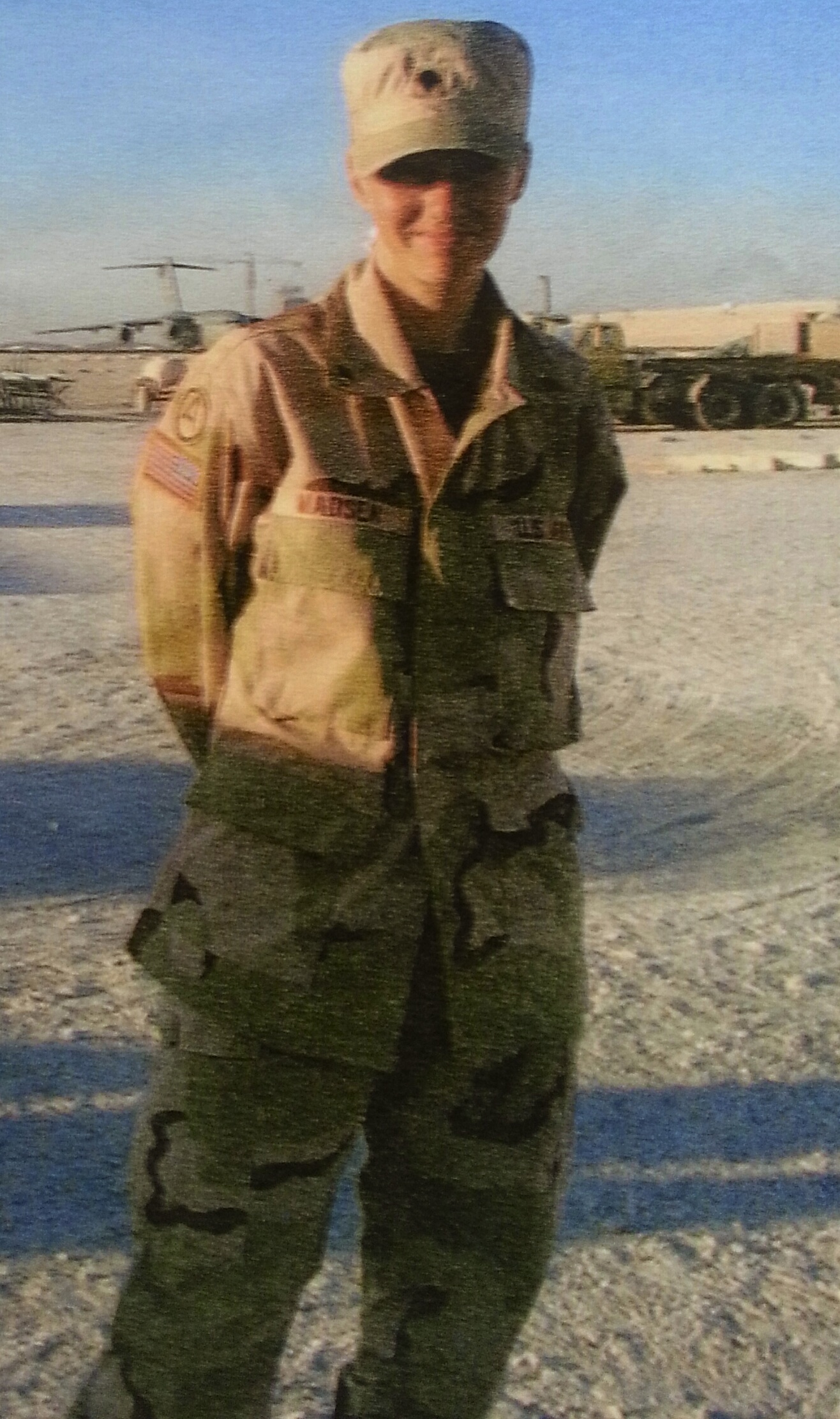
Juliet Madsen copy

Juliet Madsen TBI Survivor & USA Veteran

Juliet Madsen was a member of the United States Army for more than 17 years before she was retired from the Army due to medical conditions. Juliet is not only actively involved in her own recovery, but she is an advocate for other veterans. Juliet strongly believes in helping brain-injured troops and their families have a better quality of life and she tries to make a difference in the lives of those who were injured in the line of duty while serving our country.

Jeannette and Juliet both hold positions on the Board of Directors for R4Alliance. R4Alliance is an organization whose goal is to support military families through therapeutic and recreational activities. I love that concept. As a teacher of young children I believe that learning through play is key to success. So why wouldn’t fun through therapeutic and recreational activities also be a good way to approach healing with brain injury survivors? Sounds good to me.

Thank you, Bob, Jeannette, and Juliet, for sharing such wonderful information about what you each do to help veterans, troops, and their families cope with returning home from the wars with me and my listeners on “Another Fork in the Road” on the Brain Injury Radio Network.

Click the link below to listen to Bob, Jeannette, Juliet, and me.

See you “On the Air!”

Helping Veterans & Troops Return From War

Click here for a list of all “Another Fork in the Road” shows on the Brain Injury Radio Network.

Survivors SPEAK OUT! . . . . . Joshua Puckett

Survivors SPEAK OUT! . . . . . Joshua Puckett

by

Donna O’Donnell Figurski


Joshua Puckett TBI Survivor - 2013

Joshua Puckett
TBI Survivor – 2013

1. What is your name? (last name optional)

Joshua Puckett

2. Where do you live? (city and/or state and/or country) Email (optional)

Los Angeles, California, USA

3. When did you have your TBI? At what age?

April 1, 2013     I was 31 years old.

4. How did your TBI occur?

At 2:00 am, I went outside to have a cigarette to calm a Tourette’s attack. Apparently I offended a random drunk person because he then beat what should have been the last drop of life out of me.

5. When did you (or someone) first realize you had a problem?

My wife got up wondering where I was. I was face down in the grass with the sprinklers on.

6. What kind of emergency treatment, if any, did you have?

I was in an induced coma for a few days; I had my periorbita (the area around the eye socket) replaced; and I spent a lot of time at Rancho Los Amigos, a rehab center here.

7. Were you in a coma? If so, how long?

I was in a medically induced coma for three days.

8. Did you do rehab? What kind of rehab (i.e., inpatient or outpatient and occupational and/or physical and/or speech and/or other)? How long were you in rehab?

I had physical therapy and speech therapy.

9. What problems or disabilities, if any, resulted from your TBI
(e.g., balance, perception, personality, etc.)?

Artwork by Joshua Puckett TBI Survivor - 2013

Artwork by Joshua Puckett
TBI Survivor – 2013

My balance is bad – I use a cane now for that. I can’t seem to eat no matter how hungry I am. I can exhibit confusion or anger. I have the memory of a fish!

10. How has your life changed? Is it better? Is it worse?

I changed every aspect of my life. Only very recently have I started seeing the gifts that came with my TBI. I have become so much more understanding to the struggles of all people. At the same time, I also feel more isolated and alone than ever.

11. What do you miss the most from your pre-TBI life?

I miss everything and, simultaneously, nothing. I was and am now an even more complex person. But, eating without my TBI would be like getting a tooth pulled.

12. What do you enjoy most in your post-TBI life?

Artwork by Joshua Pucket TBI Survivor - 2013

Artwork by Joshua Puckett
TBI Survivor – 2013

I love that my TBI gave me the clarity to know what is actually important in life.

13. What do you like least about your TBI?

Food is still the biggest culprit.

14. Has anything helped you to accept your TBI?

I did a lot of talking in the mirror. Also I became an alcoholic. Once I stopped that stupid show, things really started to open up for me.

15. Has your injury affected your home life and relationships and, if so, how?

At first, it was very tough. Two of my sons are severely autistic, and I was their full-time caregiver and nurse. Raising them was no longer in my hands. But recently, I have gotten insight about them that I wouldn’t have had before, and we are closer than ever. My marriage is trying. We are getting to a place where we are ready to part ways. Too much is different now – as much as we do not want it to be.

16. Has your social life been altered or changed and, if so, how?

I was as social a butterfly as you could be. Now people and crowds terrify me. I was a night owl, which sucks now because I am afraid of the night too. PTSD (post-traumatic stress disorder) simply sucks.

17. Who is your main caregiver? Do you understand what it takes to be a caregiver?

I am able to care for myself, but I require some help – specifically with memory, eating, emotional swings, and childcare.

18. What are your future plans? What do you expect/hope to be doing ten years from now?

Honestly? I would like to change the world, helping everyone who wants or needs it.

19. Are you able to provide a helpful hint that may have taken you a long time to learn, but which you wished you had known earlier? If so, please state what it is to potentially help other TBI survivors with your specific kind of TBI.

Best hint? Be honest with yourself. Other people are important, but the one you have to spend your life talking to all the time is you. I also choose not to judge myself anymore.

I judged and hated myself for so long because of my TBI. But at the same time, I wanted to be there and to understand myself. Other people can’t. And that is good. I don’t want others to feel like this. But I can be honest with myself.

20. What advice would you offer to other TBI survivors? Do you have any other comments that you would like to add?

TBI sucks. But let’s be honest, was your brain a well oiled machine before? This is a hurdle, but it can also be an opportunity to become the strongest, the happiest, and the most potential-fulfilling self you can – in ways that you can only do now with this wisdom, albeit possibly with a cane and some other assistance. 🙂

To learn more about Joshua Puckett, a very talented musician and artist, check out his You Tube videos. Here are some to get you started.

Viary: TBI

Viary: TBI and I (my “accident”)

TBI and I: The documentary

Joshua Puckett TBI Survivor - 2013

Joshua Puckett
TBI Survivor – 2013

Thank you, Joshua, for taking part in this interview. I hope that your experience will offer some hope, comfort, and inspiration to my readers.

(Disclaimer: The views or opinions in this post are solely that of the interviewee.)

If you would like to be a part of the SPEAK OUT! project, please go to TBI Survivor Interview Questionnaire for a copy of the questions and the release form.

(Photos compliments of Joshua.)


“Another Fork in the Road” . . . Brain Injury Radio Network . . . Rosemary Rawlins: Caregiver & Author

YOU ARE INVITED!

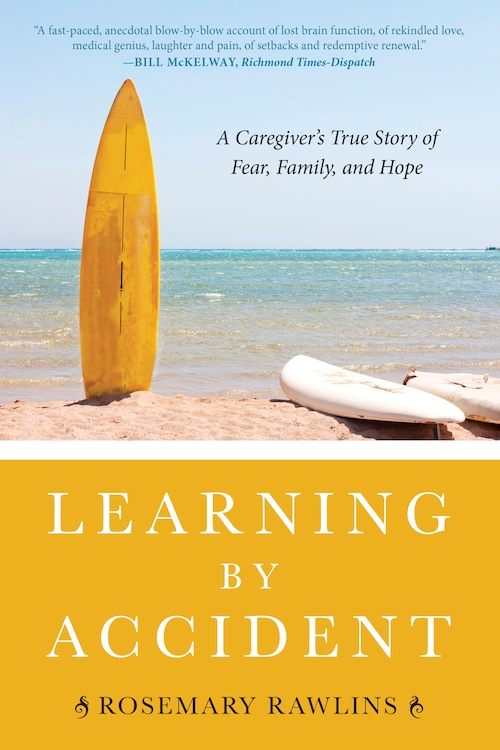
putthis_on_calendar_clip_artIt only takes a split second for lives to change forever. Rosemary and Hugh Rawlins lives were turned upside down when Hugh was struck by a car during an afternoon bike ride. Rosemary was immediately thrust into caregiver mode as Hugh was reduced to helplessness. Rosemary’s book, “Learning by Accident: A Caregiver’s True Story of Fear, Family, and Hope,” details, in an easy-to-read story, how she and Hugh, with their two daughters, picked up the broken pieces of their lives and glued them back together.

          Come One! Come ALL!

What:        Interview with Rosemary Rawlins, caregiver of her husband, Hugh Rawlins, and Author of “Learning by Accident: A Caregiver’s True Story of Fear, Family, and Hope”

Rosemary & Hugh Rawlins after TBI

Rosemary & Hugh Rawlins after TBI

Why:        Rosemary will talk about how her life and those of her family changed forever and how they are picking up the pieces and rebuilding new lives after TBI.

Where:     Brain Injury Radio Network

When:       Sunday, January 18th, 2015

Time:         5:00p PT (6:00p MT, 7:00p CT, and 8:00p ET) 90 minute show

How:         Click: Brain Injury Radio Network

Call In:    424-243-9540

Call In:     855-473-3711 toll free in USA

Call In:    202-559-7907 free outside US

or SKYPE

Learning by Accident: A Caregiver’s True Story of Fear, Family, and Hope

Learning by Accident: A Caregiver’s True Story of Fear, Family, and Hope


If you miss the show, but would like to still hear the interview, you can access the archive on On Demand listening. The archived show will be available after the show both on the Brain Injury Radio Network site and on my blog in “On the Air.”

(Clip Art compliments of Bing.)

(Photos compliments of Rosemary Rawlins.)

diemodi jewelry

uniquely hand-crafted jewelry by donna

Welcome to Harmony Kent Online

The home of all things books

Pete Springer

Passionate Teacher and Future Children's Author

HOPE TBI

Helping Other People Excel - To Be Independent

For the Love of Books, Old and New

Katie Fischer, Writer and Reader of Stories

Charlie Bown

Children's Author

Jessica Hinrichs

“We write to taste life twice, in the moment and in retrospect.” ― Anais Nin

VIVIAN KIRKFIELD - Writer for Children

Picture Books Help Kids Soar

Mindy’s Writing Wonderland

For authors, parents, teachers & everyone who loves children’s books.

Kaitlyn Leann Sanchez

Literary Agent

Surviving Traumatic Brain Injury

TBI - Survivors, Caregivers, Family, and Friends

The Care Factor

Loving someone with a Traumatic Brain Injury

Brain Injury Support Group of Duluth-Extension

Brain Injury Information and SUPPORT

Brain Aneurysm Global Insight

Brain Aneurysm, cerebral hemorrhaging, hemorrhage stroke