SPEAK OUT! . . . . . . . . . . . . . Guest Blogger: Ric Johnson
Meditation After a Brain Injury
by
Ric Johnson
presented
by
Donna O’Donnell Figurski
 I didn’t meditate before my injury, and I don’t remember what caused me to start meditation. Whatever it was, I’m glad meditation and I became friends.
Many people tend to think that meditation is a “religious” practice. Meditation is actually a broad variety of practices, and the most commonly heard practice is called “mindfulness.” Do I have to get into a yoga pose? Do I have to start saying “Om”? No, I don’t. Nobody needs to.
For me, meditation is actually the practice of focusing on the moment. After my traumatic brain injury, staying focused was (and still is) the hardest part of daily life. Meditation helps me to continue moving forward. I don’t need to clear my mind or empty my thoughts when starting a session – that seems to happen by itself. The longer meditation becomes part of your life, the easier it becomes.
I try to meditate twice a day, especially during a “hard” day. Most of the time, thoug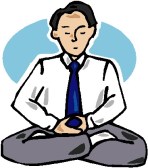 h, I meditate only once – other things seem to get in the way. I try to carve out 30 minutes for each session, but 15-20 minutes is pretty much the normal length I’m able to use. Not sure if 30 minutes would give me better results. Results are really based on the ability to continue to meditate.
I use the breathing-meditation method. We all breathe, so no equipment is necessary. I can do it anywhere and anytime. I only need 15-30 minutes. After waking up, the first thing I do is look at my calendar to see what the day brings. After eating breakfast, I set the kitchen alarm for 30 minutes, sit down and relax in a comfy chair, close my eyes, and listen to  my breathing. My breath is the object of my attention. I begin to feel and hear my breath flowing in and out of my body. I use my normal breathing pace. Breathe in – breathe out; breathe in – breathe out; and on and on until the alarm sounds. Like everybody else in the world, I can get distracted by anything. Or, my mind just wanders off (by itself). When that happens, my breathing can bring me back to meditation. Yes, I have start all over again. But that only takes a few seconds, and I’ll be back in the groove.
My second meditation of the day is between lunch and dinner. I actually do the same routine as before, but most times there’s no alarm involved, so I just do it as long as time permits. Those two sessions really help break the day into manageable pieces. I have even meditated in my doctor’s office while waiting to be called for my appointment. I have found that playing music or a white-noise CD just distracts me, so I need to be in a quiet room.
What does meditation give me? I think awareness is the gift meditation gives me. Awareness of the present moment and awareness of my body and mind. When I began meditation, I thought I had to count my breaths to succeed, but that’s not true. 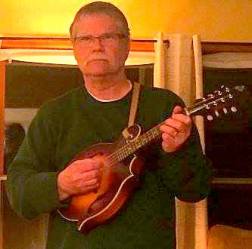 Meditation really takes being aware and focusing on your breathing – focusing on feeling the air going in and out of my nose, feeling my lungs expand and contract. My mind opens up to let those feelings become positive thoughts and to block negative thoughts.
If you would like to see if meditation is your cup of tea, find a good place and a good time to give meditation a chance. There are also many websites to get more information – just Google “breathing meditation.” It is not a miracle drug – it’s a place for your mind to open and relax. Meditation hasn’t cured my brain injury, but it does make most days good days.
Ric Johnson
13+ years TBI survivor
Facilitator for the Courage Kenny Brain Injury Support Group
Member of the Speaker Bureau for the Mn. Brain Injury Alliance
Thank you, Ric Johnson
Disclaimer:
Any views and opinions of the Guest Blogger are purely his/her own.
(Clip Art compliments of Bing.)
(Photos compliments of Ric Johnson.)
As I say after each post: Please leave a comment by clicking the blue words “Leave a Comment” below this post.
Feel free to follow my blog. Click on “Follow” on the upper right sidebar.
If you like my blog, share it (intact) with your friends. It’s easy! Click the “Share” buttons below.
If you don’t like my blog, “Share” it (intact) with your enemies. I don’t care!
Feel free to “Like” my post.
 Clemson Safety Jadar Johnson was undrafted in the 2017 draft. As a Free Agent, though, he was signed by the New York Giants of the NFL (National Football League). Many thought he was a diamond-in-the-rough.
  Jadar himself was excited and said he would do “whatever” it takes to become part of the team that the Giants field on Sundays. But, before he played a single regular-season game,
  Journal of the American Medical Association.
  Is American football a dying sport? With football’s prominence in American culture, it seems safe to assume no one would predict that its days are numbered. But, there is a growing undercurrent that may eventually lead to the demise of football as we know it. There is more and more evidence that the constant subconcussive hits experienced by football players lead to a high risk of the brain disease
  depression, suicidal thoughts, or problems with cognition, memory, or impulsive behavior.
 The results have important implications for players. Many players feel they’ve been left ignorant of the risks of brain injury by the NFL, or worse, assured by the league that there is minimal risk. [Some players have quit or retired early (
 famous Pittsburgh Steeler Center, wrote an
  It can happen to anyone, anytime, . . . and anywhere.

 I was told medication might help. I would rather avoid medication, but I am so tired of this. It has been years, and it gets worse when I have more stress. I am a college professor, and my job is very stressful at


 19. What are your plans? What do you expect/hope to be doing ten years from now?

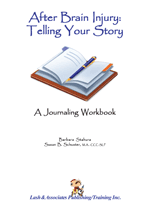 This workbook by Barbara Stahura and Susan B. Schuster guides survivors of brain injury and blast injury through the powerful healing experience of telling their own stories with simple journaling techniques.

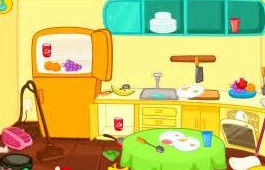
 Maria asked me a few days ago where the Kitchen Aid mixer was. I told her it was in the pantry. The next day – there it was on the counter. Maria asked daughter Samantha to pick up the ingredients to make fruit salad. I told her we would make fruit salad over the weekend, but there never was time to do it.


 SPEAK OUT! Itty-Bitty Giant Steps will provide a venue for brain-injury survivors and caregivers to shout out their accomplishments of the week.


 Originally, she was going to drive us back when it became dark. However, when we left the venue, I said I could drive – and I did! All the huzzahs!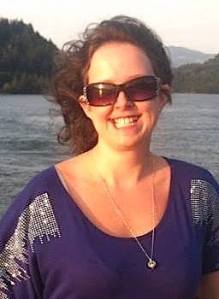
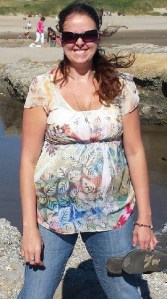

 Yes! I lost my home, my job, and my independence. I live with family now. I do have my own room with space, but I’m not used to cooking for others or depending on others to provide for me when I did everything before. I feel like my family tiptoes around me and treats me like a fragile bird. I’m not! I can still do most things. Let me prove myself. If I don’t succeed, then maybe you can help me the next time.
 It will take time to accept the new you. Find something you like, and keep doing it. Or, try something you’ve never done before, like work out regularly. I was not a fan of the gym, but I made myself go three days a week. After a month, it became routine, and now I look forward to it. My personal trainer pushes me, and I find myself looking for ways to improve to show her the next time. I have more energy, and I am happy when I accomplish things I couldn’t do six weeks ago. That’s a great feeling! Even if it takes me longer to do it, the satisfaction is still there.


 Raising Awareness of Traumatic Brain Injury - one view at a time. Thanks for visiting my blog
 Surviving Traumatic Brain Injury
Recent Comments