TBI – Survivors, Caregivers, Family, and Friends

Posts tagged ‘Traumatic Brain Injury Survivor’

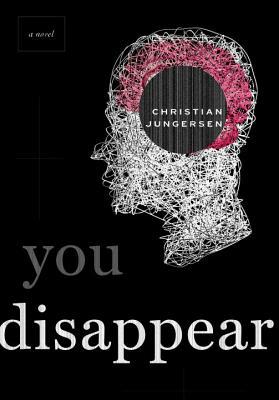
On the Air: Brain Injury Radio Interview with Christian Jungersen author of “You Disappear”

On the Air: Brain Injury Radio

Interview with Christian Jungersen

author of “You Disappear”

images-1IMPORTANT NOTE: Because of technical difficulties with sound, the interview starts at 14:20. Just drag the audio to that spot and start listening.

0385537255

You Disappear by Christian Jungersen

Folks, I had an amazing interview with Christian Jungersen, author of “You Disappear.” Christian’s story jumps on the rollercoaster life of a man who has a brain injury. Frederik’s slow-growing tumor is wreaking havoc in his and his family’s life. The book is a great read. The interview is a great listen. Don’t miss out on either.

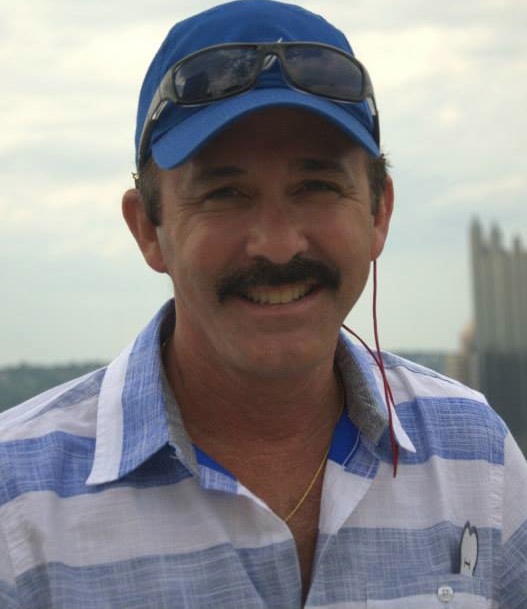
Christian’s very poised and professional interview was conducted at 2:00 to 3:30 am from his home in Malta, an island in the Mediterranean Sea.

24931_e13be44dc211492a88f946bf5f05c3bb_500

Christian Jungersen

You can get to the interview by clicking the link. (Wait a few seconds for the audio to start.) Because of technical difficulties with sound, the interview starts at 14:20. Just drag the audio to that spot and start listening.

If you missed the show, don’t fret. You can always listen to the archived show. I’ve included the link below.

Please SHARE!

I hope you’ll tune in to my show, “Another Fork in the Road,” which airs the 1st and 3rd Sunday evenings of every month. The show starts at 5:00p Pacific Time and runs for 90 minutes. On the fifth Sunday in a month, Julie Kintz, Host of “Quantum Leap,” and I team up to cohost a show called “Another Quantum Leap in the Road.”

REMEMBER: Because of technical difficulties with sound, the interview starts at 14:20. Just drag the audio to that spot and start listening.

See you “On the Air!”

Interview with Christian Jungersen

Click here for a list of all “Another Fork in the Road” shows on the Brain Injury Radio Network.

“Another Fork in the Road” . . . Brain Injury Radio Network Interview with Christian Jungersen, author of “You Disappear”

YOU ARE INVITED!

putthis_on_calendar_clip_art

Christian Jungersen, author of “You Disappear” takes his readers on the twisted journey of Frederick, a headmaster at a prestigious school; Mia, his wife and a reputable schoolteacher; and their teenage son, Niklas as they are caught in the web of brain injury.


Come One! Come ALL!

What:        Interview with Christian Jungersen, author of “You Disappear”

Why:        Hear Christian talk about his book, “You Disappear” and take a glimpse into the life of a TBI Survivor and his family as they maneuver through the TBI maze.

You Disappear by Christian Jungersen

You Disappear
by
Christian Jungersen

Where:     Brain Injury Radio Network

When:       Sunday, December 7, 2014 (Special Announcement: It’s my birthday. Bring thumbnail-1

Time:         5:00p PT (6:00p MT, 7:00p CT, and 8:00p ET) 90 minute show

How:         Click: Brain Injury Radio Network

Call In:    424-243-9540

Call In:     855-473-3711 toll free in USA

Call In:    202-559-7907 free outside US

or SKYPE

If you miss the show, but would like to still hear the interview, you can access the archive on On Demand listening. The archived show will be available after the show both on the Brain Injury Radio Network site and on my blog in “On the Air.”

(Clip Art compliments of Bing.)

Survivors SPEAK OUT! – Bob Bernardi

SPEAK OUT! – Bob Bernardi

by

Donna O’Donnell Figurski


Bob Bernardi

Bob Bernardi

1. What is your name? (last name optional)

Bob

2. Where do you live? (city and/or state and/or country) Email (optional)

Wheeling, West Virginia, USA

3. When did you have your TBI? At what age?

My TBI happened in 1992 at the age of 35.

4. How did your TBI occur?

Car accident

5. When did you (or someone) first realize you had a problem?

It was first realized while I was in the ICU (Intensive Care Unit).

6. What kind of emergency treatment, if any, did you have?

I was put on a respirator at the scene of the accident because I stopped breathing. My chest was crushed, and my back was broken in half at my T6 vertebra. My spine was bruised, and I had a traumatic brain injury. My lung collapsed three days later.

7. Were you in a coma? If so, how long?

I was in a semi-coma for about six days.

8. Did you do rehab? What kind of rehab (i.e., inpatient or outpatient and occupational and/or physical and/or speech and/or other)? How long were you in rehab?

I was in the hospital for almost 7 weeks. Then I was in outpatient rehab from May until February. In that time, I had physical, work, and speech therapies.

9. What problems or disabilities, if any, resulted from your TBI
(e.g., balance, perception, personality, etc.)?

My whole life changed on that terrible morning. I had to relearn all of my simple math skills and redevelop my short-term memory. I slowly regained my ability to walk. My attention span has been diminished, and I go into a deep depression at times.

10. How has your life changed? Is it better? Is it worse?

Bob Bernardi

Bob Bernardi

My life is much worse. I was never able to regain my executive skills or my position as a Regional Human Resources Manager. I am 100% disabled today and feel as if I am a warehoused individual. A diabetic hypoglycemic reaction caused my car accident, and since my accident, my condition has worsened to the point that I am now very brittle. In 2009, I applied for 100% disability, and, in 2010, it was granted. I now depend on a small Social Security check and my wife’s pay. Our whole lifestyle has changed because my earning potential was eliminated. Seven years ago, I was diagnosed with celiac disease and also with brain meningiomas. In May of 2014, it was determined that I needed Gamma Knife brain surgery to stop the growth of the meningioma. So far, the surgery has been deemed a success. I now live day-to-day and do my best to enjoy life the best way that I can. I feel that my best therapy is talking to friends on the Brain Injury Awareness Group on Facebook and giving and taking advice on making our lives more bearable. I try as often as I can to inform and educate people on Traumatic Brain Injuries, how best to avoid them, and, if they do occur, how to deal with this tragic occurrence in life.

11. What do you miss the most from your pre-TBI life?

Work. I was diagnosed with having a Type 1 personality, and so my mind is always trying to work at accomplishing things.

12. What do you enjoy most in your post-TBI life?

I enjoy helping others cope and giving encouragement to others who have injured their brains.

13. What do you like least about your TBI?

I dislike the stigma attached to me that I am slow or stupid.

14. Has anything helped you to accept your TBI?

Not really, but, when I look at others who have suffered this terrible happening in their lives, I feel lucky at times because I came out better than a lot of my survivor friends.

15. Has your injury affected your home life and relationships and, if so, how?

My injury has put all of our financial burden on my wife, who is in constant worry both for me and in handling her “management” position. She is stressed to the maximum.

16. Has your social life been altered or changed and, if so, how?

My social life is not too bad because when others look at me, they really do not know. I have some scars on my forehead, but you really have to look, and I have no problems with speech. I may repeat myself at times, but I know how to keep my conversations in check. I have no problems today walking or doing physical activities, but I will tire more easily. Many have no idea what my physical body has gone through. I have always kept a small circle of friends. Probably the worse aspect of my TBI is that many have left me because they all want the “Old Bob” back. I would love for the “Old Bob” to come back, but he is gone forever.

17. Who is your main caregiver? Do you understand what it takes to be a caregiver?

My wife has always been there for me. After 22 years, she is worn out, and her health is beginning to fail.

18. What are your future plans? What do you expect/hope to be doing ten years from now?

I do not plan ahead anymore. I do one day at a time. Ten years from now is just too far away. I keep getting all of these health challenges, and that keeps me busy enough.

19. Are you able to provide a helpful hint that may have taken you a long time to learn, but which you wished you had known earlier? If so, please state what it is to potentially help other TBI survivors with your specific kind of TBI.

I have learned that, if I need to remember something, then I must tell myself to remember it. I almost curse myself to remember and not to forget. So far it has worked. I also would like for people who have suffered with TBI, or BI in general, to not always write in stone what the doctors tell you. The human brain is more capable than even they know, and the healing process never really stops. I just had cognitive tests done, and I only scored “fair” on almost all of them. I was somewhat down, but I started thinking how I handle things in real life situations, and I can do a lot. I even do our own taxes every year. I am an avid reader, and I do word puzzles to keep my brain active. I refuse to give up. The bottom line is DO NOT GIVE UP ON YOURSELF!

20. What advice would you offer to other TBI survivors? Do you have any other comments that you would like to add?

I honestly think that TBI is one of most evil happenings that a person can go through because it alters how one thinks, one’s personality, and his or her life in general. I would suggest for anyone who has gone through this personal hell to hook up with others – either online or in personal groups – so as to talk about your different problems and to share feelings – both negative and positive – so as to help one another cope.

Bob Bernardi

Bob Bernardi


Thank you, Bob, for taking part in this interview. I hope that your experience will offer some hope, comfort, and inspiration to my readers.

(Disclaimer: The views or opinions in this post are solely that of the interviewee.)

If you would like to be a part of the SPEAK OUT! project, please go to TBI Survivor Interview Questionnaire for a copy of the questions and the release form.

(Photos compliments of Bob.)

SPEAK OUT! . . . . . . . . . . . . . . . Itty-Bitty GIANT Steps

SPEAK OUT! Itty-Bitty GIANT Steps

Itty-Bitty GIant Steps for Blog


SPEAK OUT! Itty-Bitty Giant Steps will provide a venue for brain-injury survivors and caregivers to shout out their accomplishments of the week.

If you have an Itty-Bitty Giant Step and you would like to share it, just send an email to me at donnaodonnellfigurski@gmail.com.

If you are on Facebook, you can simply send a Private Message to me. It need only be a sentence or two. I’ll gather the accomplishments and post them with your name on my blog approximately once a week. (If you do not want your last name to be posted, please tell me in your email or Private Message.)

I hope we have millions of Itty-Bitty Giant Steps.


Here are this week’s Itty-Bitty Giant Steps.

Beckie (caregiver) and Jerry…An Itty-Bitty Giant Step from a spouse’s viewpoint:

I’m learning to ease off. He is still a man. He can do and think for himself – just differently. And when I do NOT micromanage, we both are better. (P.S. TBI still sucks.)

Joyce Benavidez (survivor)…Today was the anniversary of my twin birth/death. Thanks to the wonderful support and encouragement I have on Facebook, I made it through my first year without a seizure.

Sara Catherine Birch (caregiver)…My husband managed several days last week without a daytime nap. Yesterday our daughter kept him from sleeping after a shopping trip, but he still managed to make it to bedtime without shouting at any of us. Very happy.

Joey Buchanan (survivor)…I’m getting the leaves out of the pool.

Joy Cameron (survivor)…I survived (LOL). It was a hell of a week, and I am still here, fighting and putting one foot in front of the other.

Natalie Elliott (survivor)…Here’s my Itty-Bitty Giant Step: I survived Thanksgiving with family. I put the tree up, but I had to put it together four times because following a sequence is taxing and very difficult.

Debbie Madison (survivor)…I survived Thanksgiving without killing my brother! And I had a great time!

Gena Marie (survivor)…I flew on an airplane for the first time and did OK. I never thought I would make it safely, but I did.

Joshua Puckett (survivor)…Despite being engulfed by a lot of the flooding feelings this week, I was able to maintain calm throughout. I never went St. Helens. So progress. That’s my Itty-Bitty Giant Step.

Kimberly June West (survivor)…I went on a trip and didn’t have a panic-attack!!

Sandra Williams (survivor/caregiver)…I had a successful IEP (Individualized Education Program) meeting. I fought back so many flashbacks and tears. When it was over, the staff said they couldn’t even tell if I was nervous. I still battle negative thoughts, but I ate two meals today – so huge for me since I wasn’t eating but a few times a week!

YOU did it!

Congratulations to all contributors!

(Clip Art compliments of Bing.)


On the Air: Brain Injury Radio Holiday Stressors

On the Air: Brain Injury Radio – Holiday Stressors

Holiday-stressMany people suffer with stress brought on by the holidays. But holiday stress can be exaggerated when someone is living with a brain injury. Julie Kintz and Donna O’Donnell Figurski hosts of “Another Quantum Leap in the Road” talked about how to get through the holidays. They examined possible stressors and suggested ways to overcome many problems that result.

Here are some sites that offer more information.

Brain Injury – Surviving Holiday Stress by Marilyn Lash of Lash & Associates

Enjoying the Holidays After Brain Injury

15 Tips for Surviving — and Enjoying — the Holidays with TBI

If you missed the show, don’t fret. You can always listen to the archived show. I’ve included the link th-1below.

Please SHARE!

I hope you’ll tune in to my show, “Another Fork in the Road,” which airs the 1st and 3rd Sunday evenings of every month. The show starts at 5:00p Pacific Time and runs for 90 minutes. On the fifth Sunday in a month, Julie Kintz, Host of “Quantum Leap,” and I team up to cohost a show called “Another Quantum Leap in the Road.”

See you “On the Air!”

On the Air: Brain Injury Radio – Holiday Stressors

Click here for a list of all “Another Fork in the Road” shows on the Brain Injury Radio Network.

SPEAK OUT! . . . . . . . . . . . . . . . Itty-Bitty GIANT Steps

SPEAK OUT! Itty-Bitty GIANT Steps

Itty-Bitty GIant Steps for Blog


SPEAK OUT! Itty-Bitty Giant Steps will provide a venue for brain-injury survivors and caregivers to shout out their accomplishments of the week.

If you have an Itty-Bitty Giant Step and you would like to share it, just send an email to me at donnaodonnellfigurski@gmail.com.

If you are on Facebook, you can simply send a Private Message to me. It need only be a sentence or two. I’ll gather the accomplishments and post them with your name on my blog approximately once a week. (If you do not want your last name to be posted, please tell me in your email or Private Message.)

I hope we have millions of Itty-Bitty Giant Steps.


Here are this week’s Itty-Bitty Giant Steps.

Roy Anthony (survivor)…I broke off a toxic relationship that has taken a good part of me. Now is the start of gaining my life back.

Wendy Coulter (survivor)…I went outside into my front yard without a cane! First time since the accident in March!

Sherrie Crusha (survivor)…I put in a back door with only hand tools.

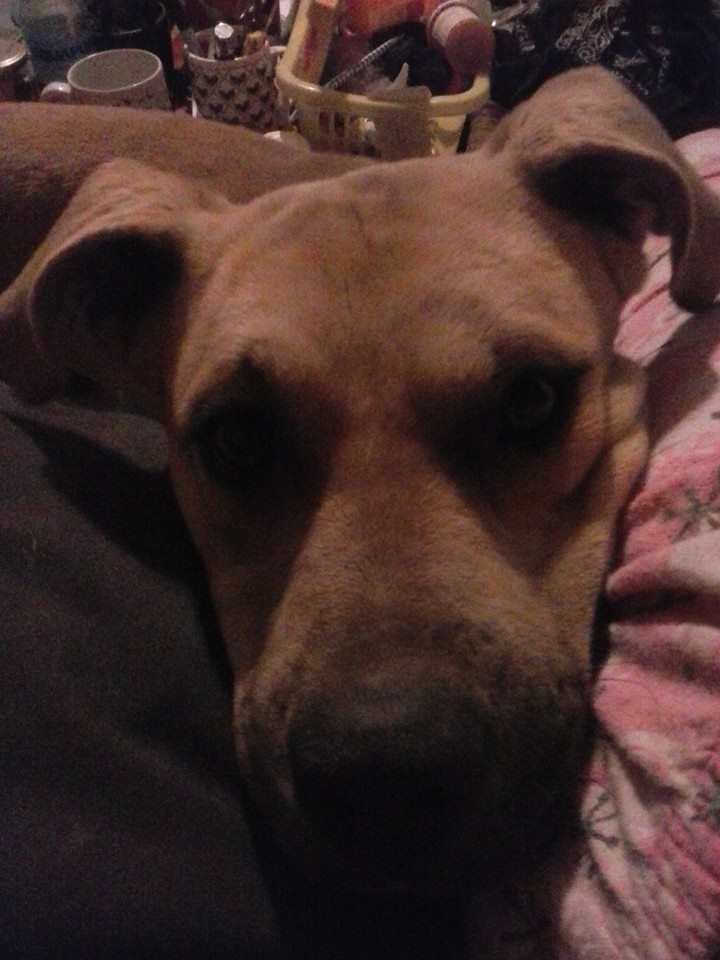
10678844_389594007862776_6836148097400106876_nLaura Doughty (survivor)…Saved a dog. He is a stray. Really cut up. Scares really easily. No doubt he has been abused. He needs love and care. It was the right thing to do. He is a boxer – named after the boxer, Jack Dempsy. Dempsy is happy here.

Dunton IV, George FrederickGeorge Frederick Dunton IV (survivor)…My big accomplishment for the week was being able to babysit three very young kids for 3 hours.

John Hatten (survivor)…Well, Donna, I’ve been working with HOPE Beyond Trauma (www.HOPEBeyondTrauma.com) to build a new service for Survivors of Brain Injury, an online teleconference/teleseminar/support group. We plan on starting before February (the gods being willing). It’s a pretty big step for a survivor of a serious brain injury.

Kelley (survivor)…My big step is helping others. We all were snatched from death for a reason. My reason is to help others. My estranged, alone father needed to be put into a home and get care. I found him one of the best in our area that takes a couple of Medicaid patients. He gets the best care, and I can visit him almost every day, since I put him so close to me. He has dementia, and so do I (but not as bad as he does). I am able to give him cognitive exercises, since I had rehab for over a year and know them very well. His nurses say he’s getting better all the time. I forgave him and am his only guest and caregiver. What I’m accomplishing makes me feel good.

Carmen Gaarder Kumm (survivor)…Today’s test – I passed with flying colors. My car slipped into a ditch. I didn’t panic, couldn’t get out, didn’t panic. I called my husband. He got me out! I didn’t cry; I didn’t yell; I kept my head! Yay!

Susie Farrell Mayowski (caregiver)…My daughter actually wanted a hug and had a smile on her face tonight. I was almost in tears with that.

Grant Mealey (survivor)…Hi, Donna. OK, so I learned this week that when my voice escalates, it causes heck to break loose. So, it’s apparently up to me to keep things calm by leaving for a while before a problem happens. I’m a little nervous, since I am neither quiet nor mellow. I have been working on this for a few days and seem to be doing well. I have learned I can voice concerns over things, as long as I remain calm. OK, it’s a big step forward, and I can do this. No one deserves to be yelled at.

Michael Montepara (survivor)…My Itty-Bitty Giant Step for today was actually waking up, getting dressed, and having at least one cup of coffee. For me, that small accomplishment is a lot harder than one would imagine.

Michael Montepara (survivor)…My Itty-Bitty Giant Step accomplishment is getting outdoors in bitter 16-degree cold, starting and de-thawing my poor truck, and taking my friend to his uncle’s house a few towns away. For me, movement in cold mornings is extremely difficult! Stay warm, be well, and smile a little smile today.

Shanna Wolf Heart Powell (survivor)…Last week I went Christmas shopping – first time since my TBI (approximately two and a half years ago)!!! I forgot what I was doing once, but I didn’t panic, and I didn’t stress!! I dominated the situation!!! But, I do have to do a return/exchange tomorrow!!! I got one item wrong!!! Not bad, considering, I guess!!

Scott Sheehan (survivor)…Eighty-four hours of world peace. No hate or anger, and I will play any song for anyone in the world during my record-breaker. Ambitious? Thanks to you, even more so now. As support grows, so does the ambition. Got my first sponsor. The focus it takes makes me a blithering idiot. My speech and vision are affected. Learned to play blindfolded. Been called a retard thousands of times. And I open up to you now because “it’s time” (the name I always wanted to call a band). But it’s time, to make Ma and Dad proud. And save the world. And no better time than my 50th birthday. Hahaha. An old guy. Doing the impossible. With a traumatic brain injury, no less. I know this is long. Understand this is huge. And now, you are a part of it. Hour 85, I will probably die. But not until then. For Ma, Dad, Milo, and you and to save the world! A lot of work to do in the next 13 months.

Laurie Whyte (survivor)…I realize what depersonalization means! I’ve been a chameleon since my injury – just doing what everyone else does or asking for advice all the time. Or over-sharing. Not really knowing my own mind. It’s been 9 years, and I’m starting to think for myself.

YOU did it!

Congratulations to all contributors!

(Clip Art compliments of Bing.)

Survivors SPEAK OUT! – Ali Stretmater

  SPEAK OUT! – Ali Stretmater

by

Donna O’Donnell Figurski

Ali Stretmater1. What is your name? (last name optional)

Ali Stretmater

2. Where do you live? (city and/or state and/or country) Email (optional)

Rockville, Maryland, USA     alicat012003@yahoo.com

3. When did you have your TBI? At what age?

I’ve had four TBIs: the first was at age 3; the second, at age 4; the third, at age 30; and the fourth, at age 37.

4. How did your TBI occur?

All four of my TBIs were due to blunt-force trauma. TBI #1 occurred when a friend went to hug me. I fell back against the hard wooden arm of a recliner and cracked my skull open. TBI #2 occurred when I fell from the monkey bars while playing on them. The details of TBI #3 are still sketchy to this day. Just before surgery, I fainted in the hospital from debilitating pain due to a spinal cord issue. I struck my head on the corner of a filing cabinet and then again on the floor. TBI #4 was due to an assault. I was unknowingly drugged in my own home. It’s believed that I passed out and struck my head on the bathroom sink. The details surrounding TBI #4 are still unclear. The only witness isn’t an especially reliable source, as that witness is also the assailant.

5. When did you (or someone) first realize you had a problem?

I was 32 years old and had sustained three TBIs by the time I was finally told I had a TBI!! My neurosurgeon and neuropsychologist were the ones who finally explained to me that I wasn’t crazy and that my behavior(s) was perfectly normal for a TBI survivor. Until then, I had no clue that I had a TBI. When I was growing up, it was common for doctors to “spare” the parents of a TBI-child by not telling them anything at all about it. I wish I knew I had a TBI when I was growing up. It could’ve saved me a lot of difficulties with school, work, life, etc.

6. What kind of emergency treatment, if any, did you have?

For the first two TBIs, I was taken to the hospital. For TBI #3, I was already in the hospital. For TBI #4, I had no treatment for at least a week. I wasn’t able to schedule a visit with my neurologist until then. That appointment was at the insistence of another doctor whom I ran into a few days after I had TBI #4. That doctor was alarmed by my behavior. (I was in a complete blackout from TBI #4 and unaware that I’d had yet another TBI.) The doctor called my neurologist and made an appointment for me.

7. Were you in a coma? If so, how long?

Thankfully I never went into a coma from my TBIs. After TBI #3, I was in a medically induced coma for a few days. That was due to a spinal cord surgery. Because of the risk of paralysis, I had to stay completely immobilized. (The paralysis thankfully didn’t happen.)

8. Did you do rehab? What kind of rehab (i.e., inpatient or outpatient and occupational and/or physical and/or speech and/or other)? How long were you in rehab?

I had physical, occupational, and speech therapies after TBI #3. I had rehab as an inpatient for a month and as an outpatient for the next 3–6 months. (It’s hard to remember exactly how long I was an outpatient.)

9. What problems or disabilities, if any, resulted from your TBI
(e.g., balance, perception, personality, etc.)?

I have vertigo, depth-perception issues, impulse control issues, moodiness, word-searching issues, insomnia, severe short-term-memory issues, overstimulation, etc. TBI #4 made all the symptoms worse, and it wiped out my short-term memory as well. It’s even hard to remember all the symptoms and issues I have from the TBIs.

10. How has your life changed? Is it better? Is it worse?

Being a 4-time survivor is my greatest blessing and also my biggest curse – all at the same time! I almost died twice. That and knowing that TBI is about “forever” really changes your perspective. Forever is a very long time!

11. What do you miss the most from your pre-TBI life?

That’s hard to answer. I can only vaguely recall a time when I didn’t have a TBI. I guess I miss my career. I loved my job and my colleagues. It was devastating for me when I was told that I would have to retire and that I wasn’t ever going to be medically cleared to return.

12. What do you enjoy most in your post-TBI life?

I appreciate being given a second chance at life and love. By rights, I’m not supposed to be alive to begin with.

13. What do you like least about your TBI?

I dislike being exhausted all the time, the insomnia, not being able to return to work, and the stigma that comes with having a TBI. I often tell people, “I have a TBI; I’m not simple. There’s a HUGE difference!!”

14. Has anything helped you to accept your TBI?

I have been helped by talking to other TBI survivors and by knowing that what we go through is normal – that I’m not alone in this.

15. Has your injury affected your home life and relationships and, if so, how?

Yes!! I can’t begin to explain how it’s changed everything!! Family members treat me very differently. They don’t understand, since they haven’t lived it.

16. Has your social life been altered or changed and, if so, how?

Yes!! You name it. For a long time, I was very isolated. Old friends didn’t understand how much my world had changed. It was (still is) hard to get out sometimes because I’m always so tired. I’ve had romantic relationships break up. My current boyfriend is always harping on how it was before I had TBI #4.

17. Who is your main caregiver? Do you understand what it takes to be a caregiver?

As an adult, I’m my own caretaker. When I was a child, my main caregiver was my mother. But, she didn’t realize the lifelong impact that the first TBI had (and still has) on me.

18, What are your future plans? What do you expect/hope to be doing ten years from now?

Good question. I just want to live a peaceful life and help other TBI survivors when I can, especially new people. I’m in the process of realizing a lifelong dream of moving to Miami Beach, and I’m working (slowly, but that’s okay) on a new career path of fitness- and nutrition-coaching. I’d love to work with other TBI survivors, since we have a statistically higher risk of getting diseases like Alzheimer’s, etc. as a result of having a TBI. Studies seem to show that being healthy can lower this risk. I’d love to re-marry again too, but any future husband would have to understand (as best he can) that I have a TBI and that he is aware of what that entails.

19. Are you able to provide a helpful hint that may have taken you a long time to learn, but which you wished you had known earlier? If so, please state what it is to potentially help other TBI survivors with your specific kind of TBI.

I’ve had both front and back TBIs, as well as open-head and closed-head injuries. One thing I’ve learned is that, when it comes to remembering things, develop strategies to make it easier (like reminder apps on your phone or putting things like keys in the same place each time, so they’re readily visible and you’ll have a starting point to look for them when you need them).

20. What advice would you offer to other TBI survivors? Do you have any other comments that you would like to add?

YOU ARE NOT ALONE!! The biggest key – and the best therapy – is talking to other TBI survivors. Just knowing that someone else understands what it’s like without a lengthy explanation is priceless. Reach out to others, and remember that, by sharing your story, you’re also helping someone else who’s struggling.Ali


Thank you, Ali, for taking part in this interview. I hope that your experience will offer some hope, comfort, and inspiration to my readers.

(Disclaimer: The views or opinions in this post are solely that of the interviewee.)

If you would like to be a part of the SPEAK OUT! project, please go to TBI Survivor Interview Questionnaire for a copy of the questions and the release form.

(Photos compliments of Ali.)


Survivors SPEAK OUT! – GeorgeAnna Bell

  SPEAK OUT! – GeorgeAnna Bell

by

Donna O’Donnell Figurski

10570970_836853459658124_752128615_n1. What is your name? (last name optional)

GeorgeAnna

2. Where do you live? (city and/or state and/or country) Email (optional)

San Tan Valley, Arizona, USA

3. When did you have your TBI? At what age?

My first was at the age of 6 years old. I have had multiple concussions as a child. I had yet another head injury in 2001 and another concussion from another car accident on June 25, 2014. I am now 40 years old.

4. How did your TBI occur?

My first brain injury was from a bicycle accident – I lost control of my bike. I flipped over the handlebars and landed on the right side of my head, cracking my skull. The concussions were from falls; sports; an ATV (all terrain vehicle); motor vehicle accidents; rapes; abuse; falls; and being young, foolish, and idiotic.

5. When did you (or someone) first realize you had a problem?

My parents realized I was a different child the day they brought me home from the hospital.

6. What kind of emergency treatment, if any, did you have?

I’ve been treated by the ICU (intensive care unit). I’ve had eye/vision therapy and cognitive behavior therapy. I attended specialized schools – junior high school and senior high school – that were for children with mental, emotional, physical, and developmental disabilities.

7. Were you in a coma? If so, how long?

Yes     72 hours

8. Did you do rehab? What kind of rehab (i.e., inpatient or outpatient and occupational and/or physical and/or speech and/or other)? How long were you in rehab?

I did not go to a rehab center. I got everything from schools, specialized doctors, etc.

9. What problems or disabilities, if any, resulted from your TBI
(e.g., balance, perception, personality, etc.)?

I have a balance problem, dizziness, seizures, short- and long-term memory loss, mental illness (anxiety, depression, mood disorder, personality disorder), cognitive issues, social issues and social anxiety, headaches and migraines, numbness and tingling in my extremities, ringing in my ears (the ear, nose, and throat specialist calls it tinnitus), insomnia, vision and hearing issues (optic and audio nerve damage), and blurred vision (on and off). I am easily confused and distracted. (For example, I cannot multitask. I have to do one thing at a time. Otherwise, I get flustered and stressed out.) I am sensitive to lights, sounds, or distractions. I developed fibromyalgia, tremors, and speech issues, all of which the doctor thinks are the result of my head injury. I also have arthritis (rheumatoid arthritis and osteoarthritis). I have a developmental disability (due to the age at which I sustained my first head injury) and learning disabilities. I attended a special educational school from 7th grade until my senior year because I could not stay mainstream in a public school.

10. How has your life changed? Is it better? Is it worse?

I honestly do not know because I was so young when my first head injury occurred. However, over the years, I have sustained multiple head injuries. (For example, because of a short-term coma and concussions, I have increased mental, emotional, and physical issues.)

11. What do you miss the most from your pre-TBI life?

I wouldn’t remember what it was like before because I was only 6 years old when I sustained my first head injury.

12. What do you enjoy most in your post-TBI life?

I am grateful for my Significant Other – the ONLY person I personally know who is supportive of me and tries to be understanding.

13. What do you like least about your TBI?

I dislike how people treat me. People act as if I am some kind of idiot because I am slower than others, and then they look at me as if I have serious issues. I hate being judged. I want people to treat me as I would treat them. I don’t want them to judge me and look at me and say, “Well, you look fine.”

14. Has anything helped you to accept your TBI?

People’s ignorant behaviors and idiosyncrasies

15. Has your injury affected your home life and relationships and, if so, how?

My parents did not want to deal with my issues. They did not allow me to speak of my issues to anyone because it embarrassed them that they had a child with a disability. They still do not like my talking about my disabilities and TBI. However, I tell them I am a full-grown adult now, and I say to them, “If you do not like it, do not listen.”

16. Has your social life been altered or changed and, if so, how?

I have issues keeping friends. People tend to easily get annoyed with me. I tend to get frustrated easily, too. As for relationship with guys, I was always told I am a very taxing person – annoying, weird, and psychotic. I have had nicknames given to me by guys over the years: pain-in-my-ass, crack baby, wacko, weirdo, dumbass, stupid, idiot, retarded, sensitive bitch, nagging bitch, crazy, worthless.

17. Who is your main caregiver? Do you understand what it takes to be a caregiver?

My main caregiver is my boyfriend. No, I do not understand what it takes to be a caregiver.

18. What are your future plans? What do you expect/hope to be doing ten years from now?

I would love to open a 501c3 animal shelter and help unwanted animals – mainly dogs. I would like to extend the knowledge I currently have on animal studies and have better knowledge and understanding of the animal behavior.

19. Are you able to provide a helpful hint that may have taken you a long time to learn, but which you wished you had known earlier? If so, please state what it is to potentially help other TBI survivors with your specific kind of TBI.

Do not stop trying. Eventually it will work out.

20. What advice would you offer to other TBI survivors? Do you have any other comments that you would like to add?

I encourage you to just try your best and keep trying. Do not give up. Once you give up, you lose everything, and it is not easy to get everything back again – even if you are able to get things back again.10695279_836854542991349_1216029697_n


Thank you, GeorgeAnna, for taking part in this interview. I hope that your experience will offer some hope, comfort, and inspiration to my readers.

(Disclaimer: The views or opinions in this post are solely that of the interviewee.)

If you would like to be a part of the SPEAK OUT! project, please go to TBI Survivor Interview Questionnaire for a copy of the questions and the release form.

(Photos compliments of GeorgeAnna.)

On the Air: Brain Injury Radio Interview with Melissa Cronin

On the Air – Brain Injury Radio

Interview with Melissa Cronin, author of “Invisible Bruise”

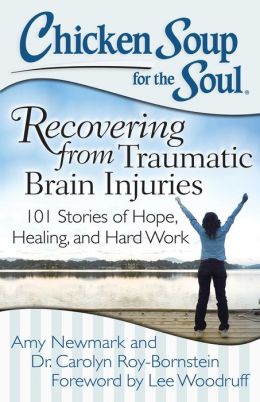
in “Chicken Soup for the Soul: Recovering From Traumatic Brain Injuries”

Melissa CroninMelissa shares her life both before and after her TBI. She said she was an energetic child who loved to run and play. In college she became a serious student as she pursued her career as a pediatric and a neonatal nurse, a career she loved. But, Melissa’s nursing career ended on that fateful day when a car went rogue careening through 2 1/2 blocks of the Santa Monica, California Farmer’s Market leaving Melissa with not only broken bones and a ruptured spleen, but also with a Traumatic Brain Injury.Melissa playing fiddle

Melissa has picked up the pieces and has found new loves. Her Irish fiddle; her husband, John; and her new career as a writer are just some of her newly adopted loves (NOT in that order).

If you missed Melissa’s interview, don’t fret. You can always listen to the archived show. I’ve included the link below.9781611592399_p0_v3_s260x420

Please SHARE!

I hope you’ll tune in to my show, “Another Fork in the Road,” which airs the 1st and 3rd Sunday evenings of every month. The show starts at 5:00p Pacific Time and runs for 90 minutes. On the fifth Sunday in a month, Julie Kintz, Host of “Quantum Leap,” and I team up to cohost a show called “Another Quantum Leap in the Road.”

See you “On the Air!”

Interview with Melissa Cronin, Author of “Invisible Bruise”

Click here for a list of all “Another Fork in the Road” shows on the Brain Injury Radio Network.

Survivors SPEAK OUT! Judy F.

SPEAK OUT! – Judy F.

by

Donna O’Donnell Figurski

Judy

Judy F.

 1. What is your name? (last name optional)

Judy F.

2. Where do you live? (city and/or state and/or country) Email (optional)

Welland, Ontario, Canada

3. When did you have your TBI? At what age?

I was born with hydrocephalus, and I have had several TBIs in my life.

4. How did your TBI occur?

In 2013, I had a problem from a mini-stroke and/or low blood flow during one.

5. When did you (or someone) first realize you had a problem?

We realized there was a problem about a month after the stroke occurred.

6. What kind of emergency treatment, if any, did you have?

I had surgery due to high intercranial pressure on May 15, 2013.

7. Were you in a coma? If so, how long?

No

8. Did you do rehab? What kind of rehab (i.e., inpatient or outpatient and occupational and/or physical and/or speech and/or other)? How long were you in rehab?

I receive medical support from a team of experts on an outpatient basis (neurologist, family doctor, occupational therapist, massage therapist, osteopath, pharmacist, social worker, and psychologist). I am still doing what is known as “work hardening”  (an individualized treatment program designed to maximize a person’s ability to return to work).

9. What problems or disabilities, if any, resulted from your TBI
(e.g., balance, perception, personality, etc.)?

I am unable to work at this time due to balance, short-term memory, and processing issues.  I also have mental fatigue (i.e., I need a daily afternoon nap).

10. How has your life changed? Is it better? Is it worse?

Better – slower day   Worse – my TBI-caused problems

11. What do you miss the most from your pre-TBI life?

I miss working.

12. What do you enjoy most in your post-TBI life?

I can now relax, and I don’t feel like I’m rushing through my day.

13. What do you like least about your TBI?

Besides not working, I also dislike the headaches.

14. Has anything helped you to accept your TBI?

It took time to process how my life and the people around me have changed since my TBI.

15. Has your injury affected your home life and relationships and, if so, how?

My relationships on the whole have gotten better.  Everyone is patient with me and very encouraging.  They help me celebrate any achievements and progress.

16. Has your social life been altered or changed and, if so, how?

My social life has taken a bit of a hit, as it’s hard to commit to a date and time. Every day is different, and I don’t know how I’ll feel.  It’s hard to explain this to people who haven’t been through it.

17. Who is your main caregiver? Do you understand what it takes to be a caregiver?

My main caregiver is my husband.  He helps me be the best I can be and is my cheering section.

18. What are your future plans? What do you expect/hope to be doing ten years from now?

I hope to improve, to be the best I can in our “new normal,” and to be a contributing member of my community in whatever capacity I am able to.

19. Are you able to provide a helpful hint that may have taken you a long time to learn, but which you wished you had known earlier? If so, please state what it is to potentially help other TBI survivors with your specific kind of TBI.

I have learned to make daily reminder-notes. This helps me prioritize important things to do on a daily basis.

20. What advice would you offer to other TBI survivors? Do you have any other comments that you would like to add?

Judy Awards

Judy receives a volunteer appreciation award from the Spina Bifida & Hydrocephalus Association of Ontario.

Assemble a good support team to help you on your journey.  Post-TBI survivors belong in the “car pool lane of life.”


Thank you, Judy, for taking part in this interview. I hope that your experience will offer some hope, comfort, and inspiration to my readers.

(Disclaimer: The views or opinions in this post are solely that of the interviewee.)

If you would like to be a part of the SPEAK OUT! project, please go to TBI Survivor Interview Questionnaire for a copy of the questions and the release form.

(Clip Art compliments of Bing.)

diemodi jewelry

uniquely hand-crafted jewelry by donna

Welcome to Harmony Kent Online

The home of all things books

Pete Springer

Passionate Teacher and Future Children's Author

HOPE TBI

Helping Other People Excel - To Be Independent

For the Love of Books, Old and New

Katie Fischer, Writer and Reader of Stories

Charlie Bown

Children's Author

Jessica Hinrichs

“We write to taste life twice, in the moment and in retrospect.” ― Anais Nin

VIVIAN KIRKFIELD - Writer for Children

Picture Books Help Kids Soar

Mindy’s Writing Wonderland

For authors, parents, teachers & everyone who loves children’s books.

Kaitlyn Leann Sanchez

Literary Agent

Surviving Traumatic Brain Injury

TBI - Survivors, Caregivers, Family, and Friends

The Care Factor

Loving someone with a Traumatic Brain Injury

Brain Injury Support Group of Duluth-Extension

Brain Injury Information and SUPPORT

Brain Aneurysm Global Insight

Brain Aneurysm, cerebral hemorrhaging, hemorrhage stroke