TBI – Survivors, Caregivers, Family, and Friends

Posts tagged ‘TBI Survivor’

SPEAK OUT! . . . . . . . . . . . . . Guest Blogger: Ric Johnson

Meditation After a Brain Injury

by

Ric Johnson

presented

by

Donna O’Donnell Figurski


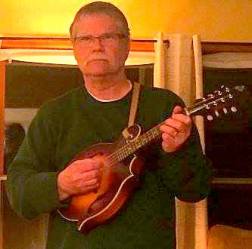
Boy Blogger thI didn’t meditate before my injury, and I don’t remember what caused me to start meditation. Whatever it was, I’m glad meditation and I became friends.

Many people tend to think that meditation is a “religious” practice. Meditation is actually a broad variety of practices, and the most commonly heard practice is called “mindfulness.” Do I have to get into a yoga pose? Do I have to start saying “Om”? No, I don’t. Nobody needs to.

For me, meditation is actually the practice of focusing on the moment. After my traumatic brain injury, staying focused was (and still is) the hardest part of daily life. Meditation helps me to continue moving forward. I don’t need to clear my mind or empty my thoughts when starting a session – that seems to happen by itself. The longer meditation becomes part of your life, the easier it becomes.

I try to meditate twice a day, especially during a “hard” day. Most of the time, though, I meditate only once – other things seem to get in the way. I try to carve out 30 minutes for each session, but 15-20 minutes is pretty much the normal length I’m able to use. Not sure if 30 minutes would give me better results. Results are really based on the ability to continue to meditate.

I use the breathing-meditation method. We all breathe, so no equipment is necessary. I can do it anywhere and anytime. I only need 15-30 minutes. After waking up, the first thing I do is look at my calendar to see what the day brings. After eating breakfast, I set the kitchen alarm for 30 minutes, sit down and relax in a comfy chair, close my eyes, and listen to my breathing. My breath is the object of my attention. I begin to feel and hear my breath flowing in and out of my body. I use my normal breathing pace. Breathe in – breathe out; breathe in – breathe out; and on and on until the alarm sounds. Like everybody else in the world, I can get distracted by anything. Or, my mind just wanders off (by itself). When that happens, my breathing can bring me back to meditation. Yes, I have start all over again. But that only takes a few seconds, and I’ll be back in the groove.

My second meditation of the day is between lunch and dinner. I actually do the same routine as before, but most times there’s no alarm involved, so I just do it as long as time permits. Those two sessions really help break the day into manageable pieces. I have even meditated in my doctor’s office while waiting to be called for my appointment. I have found that playing music or a white-noise CD just distracts me, so I need to be in a quiet room.

What does meditation give me? I think awareness is the gift meditation gives me. Awareness of the present moment and awareness of my body and mind. When I began meditation, I thought I had to count my breaths to succeed, but that’s not true. Meditation really takes being aware and focusing on your breathing – focusing on feeling the air going in and out of my nose, feeling my lungs expand and contract. My mind opens up to let those feelings become positive thoughts and to block negative thoughts.

If you would like to see if meditation is your cup of tea, find a good place and a good time to give meditation a chance. There are also many websites to get more information – just Google “breathing meditation.” It is not a miracle drug – it’s a place for your mind to open and relax. Meditation hasn’t cured my brain injury, but it does make most days good days.


Ric Johnson
13+ years TBI survivor
Facilitator for the Courage Kenny Brain Injury Support Group
Member of the Speaker Bureau for the Mn. Brain Injury Alliance


Thank you, Ric Johnson


Disclaimer:
Any views and opinions of the Guest Blogger are purely his/her own.

(Clip Art compliments of Bing.)

(Photos compliments of Ric Johnson.)

As I say after each post: Please leave a comment by clicking the blue words “Leave a Commentanim0014-1_e0-1 below this post.

Feel free to follow my blog. Click on “Follow” on the upper right sidebar.

If you like my blog, share it (intact) with your friends. It’s easy! Click the “Share” buttons below.

If you don’t like my blog, “Share” it (intact) with your enemies. I don’t care!

Feel free to “Like” my post.


SPEAK OUT! . . . . . . . . . . . . . . . Faces of Brain Injury . . . . . . . . Jason Holcomb (survivor)

SPEAK OUT! Faces of Brain Injury

Jason Holcomb (survivor)

presented by

Donna O’Donnell Figurski

Brain Injury is NOT Discriminating!

bigstock-cartoon-face-vector-people-25671746-e1348136261718It can happen to anyone, anytime, . . . and anywhere.

The Brain Trauma Foundation states that there are 5.3 million people in the United States living with some form of brain injury.

On “Faces of Brain Injury,” you will meet survivors living with brain injury. I hope that their stories will help you to understand the serious implications and complications of brain injury.

The stories on SPEAK OUT! Faces of Brain Injury are published with the permission of the survivor or designated caregiver.

If you would like your story to be published, please send a short account and two photos to me at neelyf@aol.com. I’d love to publish your story and raise awareness for Brain Injury.


Jason Holcomb (survivor)

Jason Holcomb Survivor

Jason Holcomb – Survivor

In 2005, I was walking a dog (somebody else’s), and a woman’s dog ran out her front door and caused my dog to go nuts. I tripped over the leash and fell backward, and I hit my head on the sidewalk. My brain swelled, I had a craniotomy, and I was in an induced coma for about six weeks. (I don’t remember anything from that day.) I had a trach tube and a feeding tube, and the doctors couldn’t say how I would be if I lived.man Waalking Dog

I went through years of depression and back-pain, which was caused by PTSD (post-traumatic stress disorder) turning my muscles into knots. My back-pain also caused years of poor sleep. I took antidepressants for a couple years. When I stopped completely, I had what I call “racing-mind syndrome.” My back is finally good, I sleep well, and I pretty much feel everything is back to normal except this racing mind. I figured it would go away after enough time, but it has not.

Professor3I was told medication might help. I would rather avoid medication, but I am so tired of this. It has been years, and it gets worse when I have more stress. I am a college professor, and my job is very stressful at

Jason Holcomb 2

Jason Holcomb – Survivor

times. If anyone has experience with this and knows what medication might help, I would be very grateful for that information.

Cheers to all my fellow brain injury survivors!


(Clip Art compliments of Bing.)

(Photos compliments of contributor.)

As I say after each post: Please leave a comment by clicking the blue words “Leave a Commentanim0014-1_e0-1 below this post.

Feel free to follow my blog. Click on “Follow” on the upper right sidebar.

If you like my blog, share it intact with your friends. It’s easy! Click the “Share” buttons below.

If you don’t like my blog, “Share” it intact with your enemies. I don’t care!

Feel free to “Like” my post.

Caregivers SPEAK OUT! . . . . . Charity Hamilton (caregiver for momma)

Caregivers  SPEAK OUT!  Charity Hamilton

(caregiver for her momma)

presented by

Donna O’Donnell Figurski


Charity Hamilton – Caregiver for her Momma

1. What is your name? (last name optional)

Charity Hamilton

2. Where do you live? (city and/or state and/or country) Email? (optional)

Shippensburg, Pennsylvania, USA

3. What is the brain-injury survivor’s relationship to you?

The survivor is my momma. 🙂

How old was the survivor when he/she had the brain injury? What caused your survivor’s brain injury?

My mother’s affliction is brain cancer and seizures. It was diagnosed in 2012 when she was seen after a car accident. (She didn’t remember what happened.) The hospital was going to let her leave, but we demanded a CT (computerized tomography) scan and an MRI (magnetic resonance imaging), as her husband (now deceased) knew something was wrong. That’s when the cancer was found. It had apparently started as a child!

4. On what date did you begin care for your brain-injury survivor? Were you the main caregiver? Are you now? How old were you when you began care?

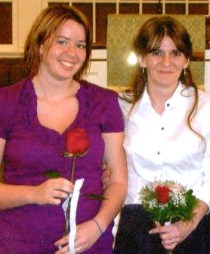
I became my mother’s only caregiver in 2016, as her husband helped care for her, but he recently passed due to bad health. I am now her full-time caregiver. I am 24.

5. Were you caring for anyone else at that time (e.g., children, parents, etc.)?

I have three beautiful children of my own, whom I care for.

6. Were you employed at the time of your survivor’s brain injury? If so, were you able to continue working?

I was then and am now a full-time employee.

7. Did you have any help? If so, what kind and for how long?

I had no help after my mother’s husband passed.

8. When did your support of the survivor begin (e.g., immediately – in the hospital; when the survivor returned home; etc.)?

I began care immediately after my mother was diagnosed.

9. Was your survivor in a coma? If so, what did you do during that time?

No

10. Did your survivor have rehab? If so, what kind of rehab (i.e., inpatient and/or outpatient and occupational, physical, speech, and/or other)? How long was the rehab? Where were you when your survivor was getting therapy?

My mother had no rehab.

11. What problems or disabilities of your brain-injury survivor required your care, if any?

My care was needed whenever my mother had seizures. I also helped her deal with memory loss. I assisted her with medications, and I helped her with showers.

12. How has your life changed since you became a caregiver? Is it better? Is it worse?

With everything I have on my plate, my life is complicated and very busy. Only brain-injury-caregivers truly understand.

13. What do you miss the most from pre-brain-injury life?

I miss not being so busy!

14. What do you enjoy most in p

Charity Hamilton – Caregiver for Mom, Jean Jones

ost-brain-injury life?

I enjoy talking to mom and going out and about with her.

15. What do you like least about brain injury?

I don’t like the tons of errands and feeling like the parent.

16. Has anything helped you to accept your survivor’s brain injury?

Caregiving came naturally because she’s my mother and I would never let her be alone.

17. Has your survivor’s injury affected your home life and relationships and, if so, how?

Yes. My mother’s brain injury has made home-life and relationships tough and stressful sometimes, as they don’t understand I HAVE to care for my mother – no one else will.

18. Has your social life been altered or changed and, if so, how?

Not really. I didn’t have a social life before my mother’s diagnosis.

19. What are your plans? What do you expect/hope to be doing ten years from now?

My future is nursing.

20. What advice would you offer other caregivers of brain-injury survivors? Do you have any other comments that you would like to add?

Have patience!!


(Disclaimer: The views or opinions in this post are solely that of the interviewee.)

If you would like to be a part of the SPEAK OUT! project, please go to TBI SPEAK OUT! Caregiver Interview Questionnaire for a copy of the questions and the release form.

(Clip Art compliments of Bing.)

As I say after each post: Please leave a comment by clicking the blue words “Leave a Commentanim0014-1_e0-1 below this post.

Feel free to follow my blog. Click on “Follow” on the upper right sidebar.

If you like my blog, share it with your friends. It’s easy! Click the “Share” buttons below.

If you don’t like my blog, “Share” it with your enemies. I don’t care!

Feel free to “Like” my post.

TBI Tales: . . . . . . . . . . . . . . . . . . . A Messy Kitchen & Fruit Salad


A Messy Kitchen
by
Michael Puffer (caregiver for his wife, Maria)
presented by
Donna O’Donnell Figurski


Puffer. Michael & Mari a

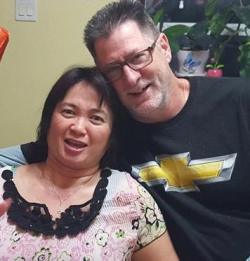
Maria Puffer – Brain Injury Survivor Michael Puffer – Caregiver for Maria

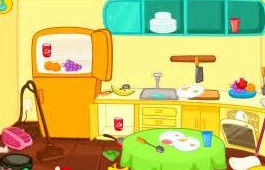
I came home after a long day and found what looked like a mess in the kitchen. I sat down and put my face in my hands and cried. I couldn’t believe what I came home to. I wasn’t angry, but I couldn’t stop the tears.

Twenty-three months ago, the state of the kitchen would not have been a remarkable finding. Tonight, it was truly unbelievable, and I was blown away!Messy Kitchen

Just under two years ago, I thought I had lost the most important person in my life. My loving wife, Maria Puffer, was in a horrific car accident. She suffered a severe traumatic brain injury and a spinal cord contusion, and she was in a coma at North Memorial Hospital near Minneapolis.

Ever since that day, Maria has fought to show us she is still with us and she is ever-determined to recover and get her life back. Week by week, day by day, hour by hour – she never quits, complains, or feels sorry for herself. Maria practices walking with a walker an hour a day, sometimes nearly falling asleep because she always wants to push herself. She thanks me every night for taking care of her. She shows all of us what true grit and love is.

Fruit_salad_clipartMaria asked me a few days ago where the Kitchen Aid mixer was. I told her it was in the pantry. The next day – there it was on the counter. Maria asked daughter Samantha to pick up the ingredients to make fruit salad. I told her we would make fruit salad over the weekend, but there never was time to do it.

Maria didn’t wait. She made the fruit salad by herself.

My tears were tears of joy and wonder. When she came into the kitchen, I reached out, gave her a huge hug, and said, “You are awesome!” (Maria is absolutely the strongest person I’ll ever know. I can’t believe how lucky I am to be in her life!)Man & Woman Hugging

We had dinner together and enjoyed the very best fruit salad in the world for desert.

I will try forever to be the best husband that I can be. I know I have the best wife, and she deserves the best from me.

14449717_1157500687641271_6923286480652057034_n


14358883_1157501060974567_1502463441729171801_n


14344307_1157501104307896_5377028616340304482_n


As I say after each post: Please leave a comment by clicking the blue words “Leave a Commentanim0014-1_e0-1 below this post.

Feel free to follow my blog. Click on “Follow” on the upper right sidebar.

If you like my blog, share intact it with your friends. It’s easy! Click the “Share” buttons below.

If you don’t like my blog, “Share” it intact with your enemies. I don’t care!

Feel free to “Like” my post

SPEAK OUT! . . . . . . . . . . . . . Itty-Bitty Giant Steps

SPEAK OUT! Itty-Bitty Giant Steps

presented by

Donna O’Donnell Figurski


Itty-Bitty GIant Steps for BlogSPEAK OUT! Itty-Bitty Giant Steps will provide a venue for brain-injury survivors and caregivers to shout out their accomplishments of the week.

If you have an Itty-Bitty Giant Step and you would like to share it, just send an email to me at neelyf@aol.com.

If you are on Facebook, you can simply send a Private Message to me. It need only be a sentence or two. I’ll gather the accomplishments and post them with your name on my blog approximately once a week. (If you do not want your last name to be posted, please tell me in your email or Private Message.)

I hope we have millions of Itty-Bitty Giant Steps.

Donna O'Donnell Figurski

Donna O’Donnell Figurski – author, caregiver, teacher, actor


Donna O’Donnell Figurski (caregiver) … I’m excited that BrainLine, a major brain-injury organization, accepted my article! It was the first time I published with them. The article, titled “Life Goes On: Finding a Purpose After Brain Injury,” was published on their site Monday.350x350_The_Best_Traumatic_Brain_Injury_Blogs_of_2016_BrainLine


Jennifer Lynn (survivor) … I am legally blind in my right eye due to a relapse post-TBI (traumatic brain injury). Nevertheless, I successfully drove to and from a concert about twenty-five miles away. Originally, a friend was going to drive us, but she found she couldn’t go. I really wanted to see Mandisa for her “Overcomer” song. Mandisa

(It could be the theme song for survivors.) I was able to convince my mom to come with me. race-car-driver-clipart-driving-clip-art1Originally, she was going to drive us back when it became dark. However, when we left the venue, I said I could drive – and I did! All the huzzahs!


YOU did it!

Congratulations to contributors!

(Clip Art compliments of Bing.)

(Photos compliments of contributors.)

As I say after each post:anim0014-1_e0-1

Please leave a comment by clicking the blue words “Leave a Comment” below this post.

Feel free to follow my blog. Click on “Follow” on the upper right sidebar.

If you like my blog, share it intact with your friends. It’s easy! Click the “Share” buttons below.

If you don’t like my blog, “Share” it intact with your enemies. I don’t care!

Feel free to “Like” my post.

Survivors SPEAK OUT! Shauna Farmer

Survivors SPEAK OUT! Shauna Farmer

presented 

by

Donna O’Donnell Figurski

Shauna Farmer – Brain Injury Survivor

1. What is your name? (last name optional)

Shauna Farmer

2. Where do you live? (city and/or state and/or country)

I currently live in Thermopolis, Wyoming, USA, with my family. I’m originally from Portland, Oregon.

Email (optional)

sfarme0@yahoo.com

3. On what date did you have your brain injury?

August 8, 2015

At what age? 37 years old

4. How did your brain injury occur?

While not wearing a helmet, I rolled an ATV. My head hit a tree or a pile of rocks. I continued to roll, crushing more bones. Then I stopped unconscious.

5. When did you (or someone) first realize you had a problem?

I didn’t return to camp, and, after twenty minutes, my sister came looking for me.

6. What kind of emergency treatment, if any, did you have?

I was taken to the hospital by ambulance. Then I was life-flighted to a larger hospital. I spent three weeks in the ICU (intensive care unit). I had surgery to reinflate my lung, and I had a drain tube put in. Then I was sent back to the ICU.

7. Were you in a coma? If so, how long?

Shauna Farmer – Brain Injury Survivor

For roughly two weeks, I was in and out. They needed me to be awake, but when I woke up, I was lashing out at the nurses, doctors, and my family. I pulled out my tubes and detached monitors. I climbed onto a wheelchair with my head bandaged. I tried to persuade the other patients to get out of there.

8. Did you do rehab? What kind of rehab (i.e., inpatient or outpatient and occupational and/or physical and/or speech and/or other)? How long were you in rehab?

Yes. I was in an inpatient rehab facility for two weeks. I had speech, occupational, and physical therapies and some cognitive therapy. Now I do most things at home, and I go to the gym three days a week.

9. What problems or disabilities, if any, resulted from your brain injury
(e.g., balance, perception, personality, etc.)?

I have a diffuse axonal injury (DAI, shaken-baby syndrome). I have chronic back pain from the crushed vertebrae. I suffer from fatigue, dizziness, and vertigo. My personality has been affected. I sometimes misconstrue what others say. Also, my temper is not what it was, nor is my patience.

10. How has your life changed?

I live with family now, which I don’t like. I love my family, but I don’t love when others have to do things for me that I can no longer do. For example, I depend on others to drive me to the store, as I’m not allowed to drive yet. I have to limit my exercise routine because of injury – no running, no jogging, no skydiving, no heavy lifting. My balance is off due to BPPV (benign paroxysmal positional vertigo; one of the most common causes of vertigo; will cause brief episodes of mild to intense dizziness), so I have to be careful with quick movements, stairs, heights, and foreign places.

Is it better? Is it worse?

No answer

11. What do you miss the most from your pre-brain-injury life?

I miss living close to the beach in my own home and being so damn independent.

12. What do you enjoy most in your post-brain-injury life?

I enjoy the sunny weather.

Shauna Farmer – Brain Injury Survivor

13. What do you like least about your brain injury?

I dislike not being able to go hiking in the forest or to go on the beach.

14. Has anything helped you to accept your brain injury?

I became editor of three Facebook online support-groups for TBI (traumatic brain injury). That helps me a lot. I feel I can give something of value to others living the same journey I am. I’m also in the works to create my own Facebook support-group, specifically for DAI (diffuse axonal injury), the injury I have. DAI is the most common and also the most devastating brain injury out there.

15. Has your injury affected your home life and relationships and, if so, how?

Yes! I lost my home, my job, and my independence. I live with family now. I do have my own room with space, but I’m not used to cooking for others or depending on others to provide for me when I did everything before. I feel like my family tiptoes around me and treats me like a fragile bird. I’m not! I can still do most things. Let me prove myself. If I don’t succeed, then maybe you can help me the next time.

16. Has your social life been altered or changed and, if so, how?

I have no friends here. The few I have are 1400 miles away, and they haven’t seen me since before the accident. I don’t know how they will feel or react when they see I’m still pretty much the same person, just a little slower when running.

17. Who is your main caregiver?

My sister was my caregiver, but after a week, she knew I could take care of myself, and I do.

Do you understand what it takes to be a caregiver?

Yes, I know it’s hard, especially if the survivor is family.

18. What are your plans?

I plan to move back to Oregon and return to school.

What do you expect/hope to be doing ten years from now?

I aspire to become a paralegal, or maybe I’ll become something with occupational therapy and assist those with brain injury.

19. Are you able to provide a helpful hint that may have taken you a long time to learn, but which you wished you had known earlier? If so, please state what it is to potentially help other survivors with your specific kind of brain injury.

My advice: (1) Water is so important, and being tired is your new normal. (2) Find something positive that you like to do, and stick with it so you can move forward.

20. What advice would you offer to other brain-injury survivors? Do you have any other comments that you would like to add?

positive-thinking-clipart-positive-thinking-world-Ng196D-clipartIt will take time to accept the new you. Find something you like, and keep doing it. Or, try something you’ve never done before, like work out regularly. I was not a fan of the gym, but I made myself go three days a week. After a month, it became routine, and now I look forward to it. My personal trainer pushes me, and I find myself looking for ways to improve to show her the next time. I have more energy, and I am happy when I accomplish things I couldn’t do six weeks ago. That’s a great feeling! Even if it takes me longer to do it, the satisfaction is still there.


If you would like to be a part of the SPEAK OUT! project, please go to TBI SPEAK OUT! Survivors Interview Questionnaire for a copy of the questions and the release form.

(Clip Art compliments of Bing.)

As I say after each post: Please leave a comment by clicking the blue words “Leave a Commentanim0014-1_e0-1 below this post.

Feel free to follow my blog. Click on “Follow” on the upper right sidebar.

If you like my blog, share it with your friends. It’s easy! Click the “Share” buttons below.

If you don’t like my blog, “Share” it with your enemies. I don’t care!

Feel free to “Like” my post.


Survivors SPEAK OUT! Barbara Asby

Survivors SPEAK OUT!  Barbara Asby

presented by

Donna O’Donnell Figurski

Barbara Wilson Asby

Barbara Wilson Asby – TBI Survivor


1. What is your name? (last name optional)

Barbara Asby

2. Where do you live? (city and/or state and/or country) Email (optional)

Norfolk, Virginia, USA

3. On what date did you have your brain injury? At what age?

My brain injury happened over seven years ago. I was 41 years old.

4. How did your brain injury occur?

Pesticide Toxic Exposure

5. When did you (or someone) first realize you had a problem?

Some symptoms occurred during the first couple of days during the exposure. Symptoms gradually got worse after the following two weeks and beyond.

6. What kind of emergency treatment, if any, did you have?

hospital5I went to the Emergency Room after a week, because of shortness of breath and cognitive issues. They found an enlarged lymph node in my lung. This finding was followed up by other specialists. I had MRIs (magnetic resonance imaging), an EEG (electroencephalogram), a SPECT (single-photon emission computed tomography) scan (a test that uses a radioactive substance and a special camera to determine how an organ is functioning), and other tests, to name a few.

6. Were you in a coma? If so, how long?

No

7. Did you do rehab? What kind of rehab (i.e., inpatient or outpatient and occupational and/or physical and/or speech and/or other)?

Yes. I had occupational, speech, and vestibular therapies.

How long were you in rehab?

My therapy has been on and off from 2010 to the present.

8. What problems or disabilities, if any, resulted from your brain injury
(e.g., balance, perception, personality, etc.)?

I have problems with balance, perception, cognitive abilities, memory, organizational skills, and word retrieval. I am plagued with fatigue, headaches, and partial seizures.tired-woman

9. How has your life changed? Is it better? Is it worse?

I am now disabled and unable to work in my former job as an IRS (Internal Revenue Service) agent.  (This injury happened on the job.) My life is better because I realize how important life really is. It’s worse because I realize what I took for granted.

10. What do you miss the most from your pre-brain-injury life?

I miss the ability to work and have a career. I really miss not having a better memory, more energy, and the organizational and multitasking skills that I once had.

11. What do you enjoy most in your post-brain-injury life?

I am aware of the beauty that life has to offer. I see the good in life and in people.

12. What do you like least about your brain injury?

I dislike the fact that others aren’t willing to educate themselves about TBI (traumatic brain injury) or try to understand what others go through. People lose interest over time – they do not want to hear about your problems or your pain anymore. I think this is the greatest suffering from my TBI.education-clipart-9c4y5zycE-1

13. Has anything helped you to accept your brain injury?

It’s been over seven years, and I am still trying to accept my brain injury. It still changes – it’s hard to accept when it does not stay stable. Therefore, I can’t accept something when each day is different.

14. Has your injury affected your home life and relationships and, if so, how?

Yes. It has ended my marriage.

15. Has your social life been altered or changed and, if so, how?

Yes. Due to the balance and sensory issues, my social life has been greatly affected.

16. Who is your main caregiver? Do you understand what it takes to be a caregiver?

I am my caregiver.

17. What are your plans? What do you expect/hope to be doing ten years from now?

My future plan is to write a memoir. I also want to volunteer to help others who have a brain injury.

18. Are you able to provide a helpful hint that may have taken you a long time HistoryMissionusewhereveriStock_000017322294Smallto learn, but which you wished you had known earlier? If so, please state what it is to potentially help other survivors with your specific kind of brain injury.

My advice is to look for support-groups and to try to reach out to others. Also, educate yourself with brain injury material.

20. What advice would you offer to other brain-injury survivors? Do you have any other comments that you would like to add?

Just reach out to other survivors – we are a big family. We understand – when others do not. TBI survivors – like other survivors – are strong. God kept you on this earth for a reason. Keep your chin up. Look to others for strength, and give others strength when it’s needed. BIG HUGS.

If you would like to be a part of the SPEAK OUT! project, please go to TBI SPEAK OUT! Survivors Interview Questionnaire for a copy of the questions and the release form.

(Clip Art compliments of Bing.)

As I say after each post: Please leave a comment by clicking the blue words “Leave a Commentanim0014-1_e0-1 below this post.

Feel free to follow my blog. Click on “Follow” on the upper right sidebar.

If you like my blog, share it with your friends. It’s easy! Click the “Share” buttons below.

If you don’t like my blog, “Share” it with your enemies. I don’t care!

Feel free to “Like” my post.

SPEAK OUT! . . . . . . . . . . . . . . . Faces of Brain Injury . . . . . . . . Jennifer Stokley (survivor)

SPEAK OUT! Faces of Brain Injury Jennifer Stokley (survivor)

presented by

Donna O’Donnell Figurski

Brain Injury is NOT Discriminating!

bigstock-cartoon-face-vector-people-25671746-e1348136261718It can happen to anyone, anytime, . . . and anywhere.

The Brain Trauma Foundation states that there are 5.3 million people in the United States living with some form of brain injury.

On “Faces of Brain Injury,” you will meet survivors living with brain injury. I hope that their stories will help you to understand the serious implications and complications of brain injury.

The stories on SPEAK OUT! Faces of Brain Injury are published with the permission of the survivor or designated caregiver.

If you would like your story to be published, please send a short account and two photos to me at neelyf@aol.com. I’d love to publish your story and raise awareness for Brain Injury.

Jennifer Stokley – Brain Injury Survivor

Jennifer Stokley (survivor)

On May 10, 2007, I fell out of a second story window of my home to the sidewalk below. I broke nine major bones (including my neck), I ruptured my bladder, I punctured my lung, I went into two cardiac arrests, and I had a severe TBI (traumatic brain injury) that sent me into a three-week coma. And yet I survived! They didn’t think I would. Then they didn’t think I would have any cognitive abilities at all. Then they thought I would be paralyzed from the neck down.

I now live independently on my own. I take care of everything except driving. I walk with a cane only when I leave the house. The rest of the time, I am mobile just fine. It’s been nine years of “Think I can’t? I know I can. Just watch me!” Don’t get me wrong -these have been the hardest years I’ve ever experienced. But, they were totally worth every moment!

Making MemoriesI did lose my pre-TBI long-term memory, but that’s all in the past anyway. I’m not going backward – I’m only going forward. I’m making new memories – I’m not worried about lost memories.


Thank you, Jennifer Stokley, for sharing your story.

(Clip Art compliments of Bing.)

(Photos compliments of contributor.)

As I say after each post: Please leave a comment by clicking the blue words “Leave a Commentanim0014-1_e0-1 below this post.

Feel free to follow my blog. Click on “Follow” on the upper right sidebar.

If you like my blog, share it intact with your friends. It’s easy! Click the “Share” buttons below.

If you don’t like my blog, “Share” it intact with your enemies. I don’t care!

Feel free to “Like” my post.

Survivors SPEAK OUT! Rodney Smith

Survivors SPEAK OUT!  Rodney Smith

presented by

Donna O’Donnell Figurski

1 Rodney Smith

Rodney Smith – Brain Injury Survivor

1. What is your name? (last name optional)

Rodney Smith

2. Where do you live? (city and/or state and/or country) Email (optional)

Ravenswood, West Virginia, USA

3. On what date did you have your brain injury? At what age?

It happened on May 14, 2008. I was 52.

4. How did your brain injury occur?

It was just another day – Wednesday, May 14th, 2008. Really, it was just another day – in the middle of the week, in the middle of the month, and almost in the middle of the year. It was beautiful weather, a little cool maybe, but a great morning for a quiet ride to work. Little did anyone know it could have been my last

I showered, shaved, and got ready for a day at the office like I had for the last eight years. I got on my motorcycle like I did most days for the last four years. I chose the Yamaha TW200 this day for reasons I will probably never remember. (I actually hope I never do.) I rode to the end of our dirt road and then headed west on Georgia 16. My wife left about the same time or shortly after, but she headed east on Georgia 16.th

About 10 miles down the road, my wife saw a Georgia State Police car speeding west with its blue lights flashing. Immediately, she felt sick in the pit of her stomach. She resisted a strong urge to turn around and follow the trooper. She said to herself that she had no way of knowing where the police car was going, but she felt deep in her heart that she was sure what had happened. The only question was “How bad was it?” My wife kept driving, and less than a mile down the road, a Spalding County sheriff’s car in front of her flipped on its blue lights, pulled a U-turn, and flew past her, going west on 16. The sickness in my wife’s stomach got worse, but once again, she fought the urge to turn around. She didn’t know anything for sure, and cops do that all the time, so she kept driving.

Shortly after, my wife’s cell phone rang. She looked at the number, and it all but confirmed her worst fears. It was from my cell phone, and I never used my phone while I was riding. Since I had left the house less than 20 minutes earlier and since it is at least a 30-minute ride to my office, this couldn’t be good. Still she had hope that maybe I forgot something or just broke down and was calling to let her know. But, as soon as she heard the voice on the other end, she knew. A man’s voice confirmed what she suspected when he asked, “Do you know an older gentleman who rides a motorcycle?” All she could say was “How bad is it? Is he alive?”

He told her I was alive. My wife said she was on her way there, but he told her not to come out 16 because the whole road was blocked. He told her to head for downtown Atlanta because they were life-flighting me there. He didn’t know which hospital yet, but he would call and let her know as soon as he found out.

This all seemed to be happening in slow motion, but the next few hours were a blur. My wife doesn’t remember stopping to turn around, but she found herself headed back to the house to get things she knew she would need – like the phone numbers of family and my office. She was not a person who prayed much, but she took time to ask God to help and keep me alive if He could. My wife did not give much more thought to that prayer, but God apparently did.

The only thing resembling a clear memory between the Sunday before the accident and the first week of August is of a canyon I was looking into. I was about to step in or float in or something when I felt a beautiful and powerful presence surround me and pull me back from the edge. I don’t know how I knew, but I knew it was my wife, Bonnie, pulling me back from wherever I was headed.

I believe with all my heart that that happened when I was in the life-flight helicopter. The medical reports say they had to revive me twice while flying me to Atlanta. I feel that, during that time, God heard my wife’s simple and sincere prayer and sent her spirit to the edge of the Valley of the Shadow of Death to bring me back because He was not finished with me yet. He wasn’t finished with either one of us.

5. When did you (or someone) first realize you had a problem?

I didn’t fully realize anything for about two and a half months. On the second or third day I was in the hospital, my wife, Bonnie, knew something was not right. She told the kids, “He’s not in there.”

2 Rodney Smith ICU

Rodney Smith – Brain Injury Survivor

6. What kind of emergency treatment, if any, did you have?

I was treated at Grady Memorial Hospital in Atlanta, Georgia. Grady is a very good trauma center. It’s staffed with Emory University doctors. They did a great job with my broken jaw and broken wrist, fixing those with titanium plates and screws. They did a CT (computerized tomography) scan and found some bleeding on the brain. Since I could talk and tell them a birth date (actually, a wrong one), they didn’t refer me for any kind of rehab. Bonnie kept telling them that something was wrong. On the day of my discharge, they had an evaluation done and decided to refer us to a neurologist.

7. Were you in a coma? If so, how long?

Maybe 36 hours

8. Did you do rehab? What kind of rehab (i.e., inpatient or outpatient and occupational and/or physical and/or speech and/or other)?

After working our way around the medical system for two and a half months, we finally got to a neurologist who at least knew she couldn’t effectively evaluate me. We were referred to Shepherd Center in Atlanta. This was the turning point in my recovery. Shepherd Center is one of the top ten rehabilitation hospitals in the country. They specialize in spinal cord and brain injury rehab.

3 Rodney in HospitalHow long were you in rehab?

I spent about three months in the Shepherd Pathways Day Program, which is their outpatient brain injury rehab. I had sessions three times a week in speech therapy, occupational therapy, and physical therapy.

9. What problems or disabilities, if any, resulted from your brain injury
(e.g., balance, perception, personality, etc.)?

I have short-term and working memory problems. I lost most of my ability to multitask. I have problems with balance. Problem-solving takes much longer than it did pre accident. I have issues with dyslexia. I tend to cry more easily.

10. How has your life changed?

Is it better?

My life is better in that I appreciate things more and care more about things that really matter. I care less about things that don’t matter. My attention to detail is better when it comes to the one detail I can focus on (see how my life is worse).

Is it worse?

My life could be considered worse because I can only focus on one thing at a time. Because of this, people around me can’t depend on me the way they used to. But, there’s a flip side to that. When I work on a project, my single-mindedness allows me to focus on what I am doing and be more precise than before the injury. Those days, my mind was often on many things at the same time.

11. What do you miss the most from your pre-brain-injury life?

I miss being able to solve problems quickly.Decisions

12. What do you enjoy most in your post-brain-injury life?

I enjoy spending quality time with my wife, Bonnie, and my kids and grandkids. I also enjoy building things and working at my own pace.

13. What do you like least about your brain injury?

I don’t like that it is still very difficult to make decisions. It takes me what seems like forever to weigh options and decide on anything. Bonnie makes a game of it, sometimes continuing to give me options. That’s frustrating, but amusing.

14. Has anything helped you to accept your brain injury?

I accept it because I see that God has a plan, and I’m still part of it.

15. Has your injury affected your home life and relationships and, if so, how?

Yes. Bonnie and I are closer now. But, her life is more difficult because she doesn’t know what I will remember and what I won’t, so she has to remember everything just in case.

16. Has your social life been altered or changed and, if so, how?

Not really. My social life is not much different, since I was kind of a loner and spent most of my time with family anyway.

17. Who is your main caregiver? Do you understand what it takes to be a caregiver?

Bonnie is my main caregiver and my angel. I know it is a very difficult task. I am very thankful every day for what she does.4 Rodney Smith Sideboard

18. What are your plans? What do you expect/hope to be doing ten years from now?

I hope to be building furniture and fixing things for many years to come.

19. Are you able to provide a helpful hint that may have taken you a long time to learn, but which you wished you had known earlier? If so, please state what it is to potentially help other survivors with your specific kind of brain injury.

One thing Bonnie and I have discovered is that, since my memory can’t be relied upon, I now use my camera phone and take pictures of everything I might need to refer to later.

20. What advice would you offer to other brain-injury survivors? Do you have any other comments that you would like to add?

There is hope and purpose after brain injury.


Thank you, Rodney for taking part in the SPEAK OUT! project

To learn more about Rodney Smith, visit his website, Hope After Traumatic Brain Injury

Take a few moments and pop over to Lash & Associates Publishing to read Rodney Smith’s article, “Brain Injury Adjustments: Self-Reinvention.”

**********

If you would like to be a part of the SPEAK OUT! project, please go to TBI SPEAK OUT! Survivors Interview Questionnaire for a copy of the questions and the release form.

(Clip Art compliments of Bing.)

As I say after each post: Please leave a comment by clicking the blue words “Leave a Commentanim0014-1_e0-1 below this post.

Feel free to follow my blog. Click on “Follow” on the upper right sidebar.

If you like my blog, share it with your friends. It’s easy! Click the “Share” buttons below.

If you don’t like my blog, “Share” it with your enemies. I don’t care!

Feel free to “Like” my post.

SPEAK OUT! . . . . . . . . . . . . . Itty-Bitty GIANT Steps!

SPEAK OUT! Itty-Bitty Giant Steps

presented by

Donna O’Donnell Figurski

Itty-Bitty GIant Steps for BlogSPEAK OUT! Itty-Bitty Giant Steps will provide a venue for brain-injury survivors and caregivers to shout out their accomplishments of the week.

If you have an Itty-Bitty Giant Step and you would like to share it, just send an email to me at neelyf@aol.com.

If you are on Facebook, you can simply send a Private Message to me. It need only be a sentence or two. I’ll gather the accomplishments and post them with your name on my blog approximately once a week. (If you do not want your last name to be posted, please tell me in your email or Private Message.)

I hope we have millions of Itty-Bitty Giant Steps.

Donna-David-1 copy

David Figurski – Brain Injury Survivor & Donna O’Donnell Figurski

Trash

Donna O’Donnell Figurski (caregiver)I came home from Drama Club ready to take the garbage out.  I was shocked to find that it had already been taken out.  David had done it!  First time since his TBI (traumatic brain injury) twelve years ago! YAY! Can you see my happy dance?Happy Dance

David Grant

David A. Grant – Brain Injury Survivor

David Grant (survivor) It was around two years ago this month that my ability to read returned. Last night, I again fell asleep with a book in my hands. Sure,Mann Reading in Bed my pace is a bit slower, but I’m doing it. Just passed the 300-page mark in an awesome book. (Thanks again, Nick!) I marvel at the fact that I can actually remember a long and complicated plot line, something I was incapable of for years after my accident. How can I not be profoundly grateful?

Note: David is the editor for the e-zine, “TBI Hope & Inspiration.” He is also the author of several books about brain injury. “Metamorphosis, Surviving Brain Injury” and “Slices of Life after Brain Injury

Metamorphosis

Metamorphosis, Surviving Brain Injury

Slices of Life

Slices of Life after Brain Injury

YOU did it!

Congratulations to contributors!

(Clip Art compliments of Bing.)

(Photos compliments of contributors.)

As I say after each post:anim0014-1_e0-1

Please leave a comment by clicking the blue words “Leave a Comment” below this post.

Feel free to follow my blog. Click on “Follow” on the upper right sidebar.

If you like my blog, share it intact with your friends. It’s easy! Click the “Share” buttons below.

If you don’t like my blog, “Share” it intact with your enemies. I don’t care!

Feel free to “Like” my post.

diemodi jewelry

uniquely hand-crafted jewelry by donna

Welcome to Harmony Kent Online

The home of all things books

Pete Springer

Passionate Teacher and Future Children's Author

HOPE TBI

Helping Other People Excel - To Be Independent

For the Love of Books, Old and New

Katie Fischer, Writer and Reader of Stories

Charlie Bown

Children's Author

Jessica Hinrichs

“We write to taste life twice, in the moment and in retrospect.” ― Anais Nin

VIVIAN KIRKFIELD - Writer for Children

Picture Books Help Kids Soar

Mindy’s Writing Wonderland

For authors, parents, teachers & everyone who loves children’s books.

Kaitlyn Leann Sanchez

Literary Agent

Surviving Traumatic Brain Injury

TBI - Survivors, Caregivers, Family, and Friends

The Care Factor

Loving someone with a Traumatic Brain Injury

Brain Injury Support Group of Duluth-Extension

Brain Injury Information and SUPPORT

Brain Aneurysm Global Insight

Brain Aneurysm, cerebral hemorrhaging, hemorrhage stroke