TBI – Survivors, Caregivers, Family, and Friends

Archive for the ‘Caregivers SPEAK OUT!’ Category

Caregivers SPEAK OUT! . . . . . Christina WIlliams

Caregivers SPEAK OUT! – Christina Williams

by

Donna O’Donnell Figurski

Christina WIlliams1. What is your name? (last name optional)

Christina Williams

2. Where do you live? (city and/or state and/or country) Email? (optional)

Pine, Colorado, USA

3. What is the TBI survivor’s relationship to you? How old was the survivor when he/she had the TBI? What caused your survivor’s TBI?

The TBI survivor was my fiancé. His TBI was caused by a motor vehicle accident. He was 37. I want to add that it was in 2008, so it happened more than six years ago.

4. On what date did you begin care for your TBI survivor? Were you the main caregiver? Are you now? How old were you when you began care?

I was at the scene of the accident. I was his main caregiver; I still am now. I began care as soon as I could. I was 47 when the accident happened.

5. Were you caring for anyone else at that time (e.g., children, parents, etc.)?

No

6. Were you employed at the time of your survivor’s TBI? If so, were you able to continue working?

I worked with my fiancé in our own business – building custom homes, decks, basements, bars, etc. We also designed and created log furnishings on the side. When he got hurt, I was unable to continue working. I lost my job because I assisted him. We lost both businesses.

7. Did you have any help? If so, what kind and for how long?

No

8. When did your support of the survivor begin (e.g., immediately – in hospital, when the survivor returned home, etc.)?

Never.

9. Was your survivor in a coma? If so, what did you do at that time?

Yes, my fiancé was in a coma. I sat at his bedside, cried, and prayed a lot. I NEVER left the hospital for 72 days. I finally did after he was transferred to the rehab hospital.

10. Did your survivor have rehab? If so, what kind of rehab (i.e., inpatient and/or outpatient and occupational, physical, speech, and/or other)? How long was the rehab? Where were you when this was happening?

My fiancé was accepted to Craig Hospital in Denver, Colorado, (one of the top ten rehabilitation facilities in the US for spinal cord and brain injuries) for intensive physical, occupational, and speech therapies. He also had group therapy, recreational therapy, and swim therapy. I was with him every day. I had to be there before breakfast to help dress and feed him and to get him to his daily “classes.” He remained an inpatient for three and a half months. He then became an outpatient. I took him to therapy three times a week at first. Over time, it decreased to one or two times a week. After about sixteen months, we no longer went. We still continue to go back to Craig Hospital for specialized therapies for issues he has had since the accident. The last one was vestibular therapy for vertigo symptoms. But, they couldn’t treat it, so they worked on his balance issues.

11. What problems or disabilities of your TBI survivor required your care, if any?

He has epilepsy due to his TBI, so he requires supervision 24/7. He can never be left alone. Because of seizures and balance issues, he has frequent falls and injuries that require medical attention and trips to the Emergency Room. He can’t drive or work. He requires prompting for many of daily living skills, including hygiene, which is a huge issue.

12. How has your life changed since you became a caregiver? Is it better? Is it worse?

Both our lives have changed drastically. Our lives are worse, since we can’t have the “normal” life together that we expected. We now realize that we took our lives for granted. Buying a home or a new car and taking vacations are no longer possibilities in our lives.

13.  What do you miss the most from pre-TBI life?

I miss the freedom and having hope for the future.

14. What do you enjoy most in post-TBI life?

I enjoy spending time with him every day. Every day is NOT “sunshine and roses,” but we make the best that we can out of every day. He is simply amazing. I look at him and watch him in awe, as he does whatever he does. I have a saying: “Let’s just hope today is better than yesterday.” It helps us focus on the positives in every day.

15. What do you like least about TBI?

I dislike that the TBI has destroyed such a good person and his future. We also lack the money and the ability to do whatever we want.

16. Has anything helped you to accept your survivor’s TBI?

Yes. God.

17. Has your survivor’s injury affected your home life and relationships and, if so, how?

We were officially engaged two days before the accident. We were SO in love and excited to be planning our future. Since his injury, his emotions (or I should say “ his lack of emotions”) and his poor judgment have caused us many, many problems.

18. Has your social life been altered or changed and, if so, how?

We have no social life. ALL our “friends” vanished after he was hurt. Our social life is whatever we do in our day. When he has a doctor or therapy appointment, we plan a whole day in the city together.

19. What are your plans? What do you expect/hope to be doing ten years from now?

I don’t have any hopes or plans anymore. We just take it a day at a time. In ten years, I imagine that we will still be doing what we’re doing now, but perhaps in a different house.

20. What advice would you offer other TBI survivor caregivers? Do you have any other comments that you would like to add?

Turn to Facebook for support, especially the TBI pages. You may not know the people, but they have been a constant and great support not only to me, but also to so many others – survivors, caregivers, and their families and friends. It’s nice to read the stories of others and to share comments and advice. When my fiancé was hurt, I wasn’t using Facebook. It would have been so nice just to know that I wasn’t alone in my journey. Facebook is my “human” outlet for support. I have also come to find out that I can help others. That is more rewarding to me than I can say.

I think what I would want people to know that they aren’t prepared for is that it is VERY common for TBI survivors to start having seizures a year or so after the injury. It was something we weren’t prepared for, or even thought could happen. He was on anti-seizure meds while in rehab, but there was “no seizure activity.” So, they took him off the medication, and I thought it would never be a concern. Boy, was I wrong!Christina Williams 2012

Thank you, Christina, for taking part in this interview. I hope that your experience will offer some hope, comfort, and inspiration to my readers.

If you would like to be a part of this project, please go to TBI Caregiver Interview Questionnaire for a copy of the questions and the release form.

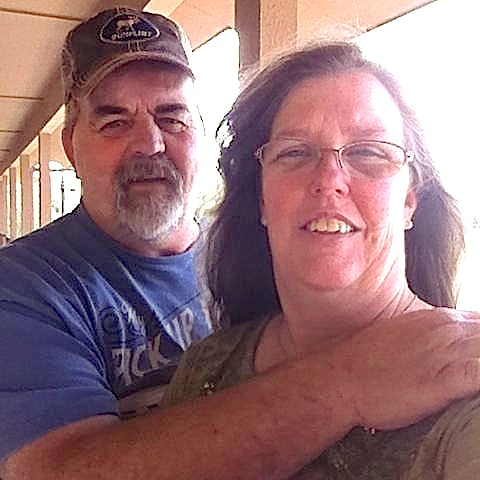
(Photo compliments of Christina.)

Disclaimer: The views or opinions in this post are solely that of the interviewee.

Caregivers SPEAK OUT! . . . . . Karie Collins

Caregivers SPEAK OUT! – Karie Collins

by

Donna O’Donnell Figurski


Karie Collins - Caregiver

Karie Collins – Caregiver

1. What is your name? (last name optional)

Karie Collins

2. Where do you live? (city and/or state and/or country)     Email? (optional)

Green River, Wyoming, USA     mrskarie@q.com

3. What is the TBI survivor’s relationship to you?

The TBI survivor is my husband, Danny.

How old was the survivor when he/she had the TBI?

He was 50.

What caused your survivor’s TBI?

Danny was in a golf cart accident. The foursome he was in had finished golfing, and they were racing each other back to the truck. The wind blew the driver’s hat off, and the driver made a sharp U Turn to go get it. Danny was the passenger. He hit his head on the cart and fell out. Danny landed on his feet, but he instantly fell face-first onto the pavement. They had been drinking all day.

4. On what date did you begin care for your TBI survivor?

Karie Collins - Caregiver Danny Collins - TBI Survivor

Karie Collins – Caregiver
Danny Collins – TBI Survivor

Danny’s accident was on August 16, 2014. He was taken to our local hospital by ambulance. He was then airlifted to Salt Lake City, Utah. He came home from the hospital/rehab on September 24. I was with him from the beginning, but I took on the role of sole caregiver on the 24th, when we came home from the University of Utah Hospital/rehab.

Were you the main caregiver?

Yes

Are you now?

Danny is high-functioning now. He has returned to driving and working, so the need for a full-time caregiver has mostly passed. I still help him manage and remember things as needed. We remain a team and have been for over 30 years.

How old were you when you began care?

I was 50.

5. Were you caring for anyone else at that time (e.g., children, parents, etc.)?

Our children are all grown now. They are on their own, except for our youngest son. However, Danny’s mother had to be placed in a care center at the beginning of September – while we were still in the hospital. So, we began caring for her, as Danny is her only living biological child.

6. Were you employed at the time of your survivor’s TBI? If so, were you able to continue working?

I was in the process of making a job change – certifying to be a substitute teacher. I opted to put that on the back burner to be able to care for the love of my life. Now that Danny is doing so well, I am updating my résumé so that I can return to work. We need additional steady income to get our financial security back.

7. Did you have any help? If so, what kind and for how long?

I did have some help off and on – from our children and from some friends as well. They were good about giving me breaks. They came to be with Danny or even sometimes to take Danny “out” so I could get things done at home. (Danny always wanted me to be right by him or to be playing cards with him.)

8. When did your support of the survivor begin (e.g., immediately – in hospital, when the survivor returned home, etc.)?

My support began immediately. Actually, you could say that my support of Danny began on April 7, 1985, when we married. 😉

9. Was your survivor in a coma? If so, what did you do at that time?

Danny was in a coma for several days and in a state of confusion for several weeks after. Overall, Danny spent two weeks in the Neuro Critical Care unit. He then spent another three and a half weeks in the rehab unit. The first few days were low to no contact days, so I mostly hung out in the waiting room with family and friends and prayed. After that, I was pretty much in his room with him. I continued to pray. Also I asked questions and learned all I could to support and assist him.

Karie Collins - Caregiver Danny Collins - TBI Survivor

Karie Collins – Caregiver
Danny Collins – TBI Survivor

10. Did your survivor have rehab? If so, what kind of rehab (i.e., inpatient and/or outpatient and occupational, physical, speech, and/or other)?

In addition to the three and a half weeks of physical, occupational, and speech therapies in the hospital, Danny continued with all three therapies on an outpatient basis at our local hospital after we came home. He finished with physical therapy in December. He “graduated” (that’s how he puts it) from speech and occupational therapies on February 23rd.

How long was the rehab? Where were you when this was happening?

During outpatient therapies, I would drive Danny to and from his appointments. I did this until the end of January, when Danny’s driving privileges were restored. Usually I sat and waited for him, but on some days, I took advantage of the three hour sessions to go run errands or do other tasks. Occasionally, I would go visit the teachers and students at the school I used to work at. It was my “therapy.”

11. What problems or disabilities of your TBI survivor required your care, if any?

Well, Danny couldn’t drive, so I drove him. I handled and organized his medications, and initially I gave them to him. Now I load his pill organizer, and he takes them. Danny was diagnosed with diabetes during all of this, so monitoring his blood sugar was my task at first. He now takes care of it. Other difficulties Danny has are looping, fixation, frustration, outbursts, over-stimulation, anger, anxiety, etc. He has no filter; he has difficulties with memory loss; and he is easily tired. I/we deal with it as it comes along. Through therapy, we have learned some new coping skills and some strategies to use to compensate for what was damaged and lost. Danny has always been very independent and determined, so while in the beginning these qualities caused great stress, once the corner was turned to where Danny began to understand he had had a serious injury, they became the driving force to his recovery. He HAD to drive, and he HAD to go back to work. If that meant therapy, meds, and no drinking, then that’s what had to be done – even if he didn’t think he needed it.

12. How has your life changed since you became a caregiver? Is it better? Is it worse?

Our life changed dramatically. We went from being spontaneous and outgoing to being very routine-oriented. Danny is not as affectionate as he once was, nor is his tolerance for things and people what it was. He says what he thinks, no matter whom it hurts. Some things are better, as we have a new appreciation for life, our family and friends, and the blessings of greater faith. For a while, things were bad, but thankfully, they improved. While I don’t wish this on anyone, I wouldn’t trade what we have gained for anything.

13. What do you miss the most from pre-TBI life?

I miss Danny’s affection. In April, we will have been married 30 years, and I miss my affectionate man. Fortunately, more and more now, he is showing affection to our grandsons, so I am hopeful his affection will come back to the kids and me with time. Somethings, I think, are a matter of relearning them.

14. What do you enjoy most in post-TBI life?

I enjoy how much closer my family has become. I also enjoy how my faith and testimony have grown. I have become calmer and more tolerant of things because in the big picture WHAT REALLY MATTERS?

15. What do you like least about TBI?

I dislike how one moment things seem fine/normal, and then, out of the blue and for no real explainable reason, it all gets turned upside down and inside out.

16. Has anything helped you to accept your survivor’s TBI?

Yes. Love, faith, and reality. I mean, it is what it is. You either accept it, move on, and make the best of it, or you don’t. If it were cancer or some other disease, you would do all you could to overcome it. No different here.

17. Has your survivor’s injury affected your home life and relationships and, if so, how?

How can it not? Some struggles exist because of Danny’s difficulties, so we have learned to choose our battles. We also choose to accept that life changes and people change, and so we choose to accept Danny’s injury and to try to understand all that we can. Overall it has brought us closer together and has given us a new respect for life and how truly fragile it is.

18. Has your social life been altered or changed and, if so, how?

This all changed Danny in ways he doesn’t understand. He acknowledges that he has a brain injury. But, he thinks he is the same as he was before the accident, so he thinks life should be as it was before. You see, Danny was very social and what I would call a “social alcoholic.” So much of what we did socially was tied to drinking – drinking to get fall-down drunk. So, while we have still socialize with our friends, it is different because Danny cannot drink (or at least shouldn’t). So far, he hasn’t, but he says that it isn’t as much fun because he cannot drink.

19. What are your plans? What do you expect/hope to be doing ten years from now?

Wow! Ten years from now…I hope that Danny has better clarity, that he can show affection again, that he can again filter what not to say in certain situations, and that financially we are again back to where we were headed, so we can travel and enjoy time with each other and with our family and friends.

20. What advice would you offer other TBI survivor caregivers? Do you have any other comments that you would like to add? 

First, take time for you – no matter what. Even ten minutes a day can make a huge difference.

Ask for help. On some of the worst days, I reached out to say I need help. I was never let down. Someone always came through. Even if it was just a phone call, it helped.

Find and join a support-group for yourself. They will get it when no one else does.

Cut yourself some slack. It’s okay to be mad, cry, grieve, and mourn. We always think we have to be brave or strong, but sometimes we NEED to let it out and let go.

Try to stay positive.

Choose your battles wisely. At the end of the day, this is what will be most important.

You can only control so much. Give your survivor information and your opinion or reason, and then let him or her decide things as much as you can. Where respect is given, respect will be returned.

Karie Collins - Caregiver

Karie Collins – Caregivers

Lastly, never give up. There is always HOPE.


Thank you, Karie, for taking part in this interview. I hope that your experience will offer some hope, comfort, and inspiration to my readers.

If you would like to be a part of this project, please go to TBI Caregiver Interview Questionnaire for a copy of the questions and the release form.

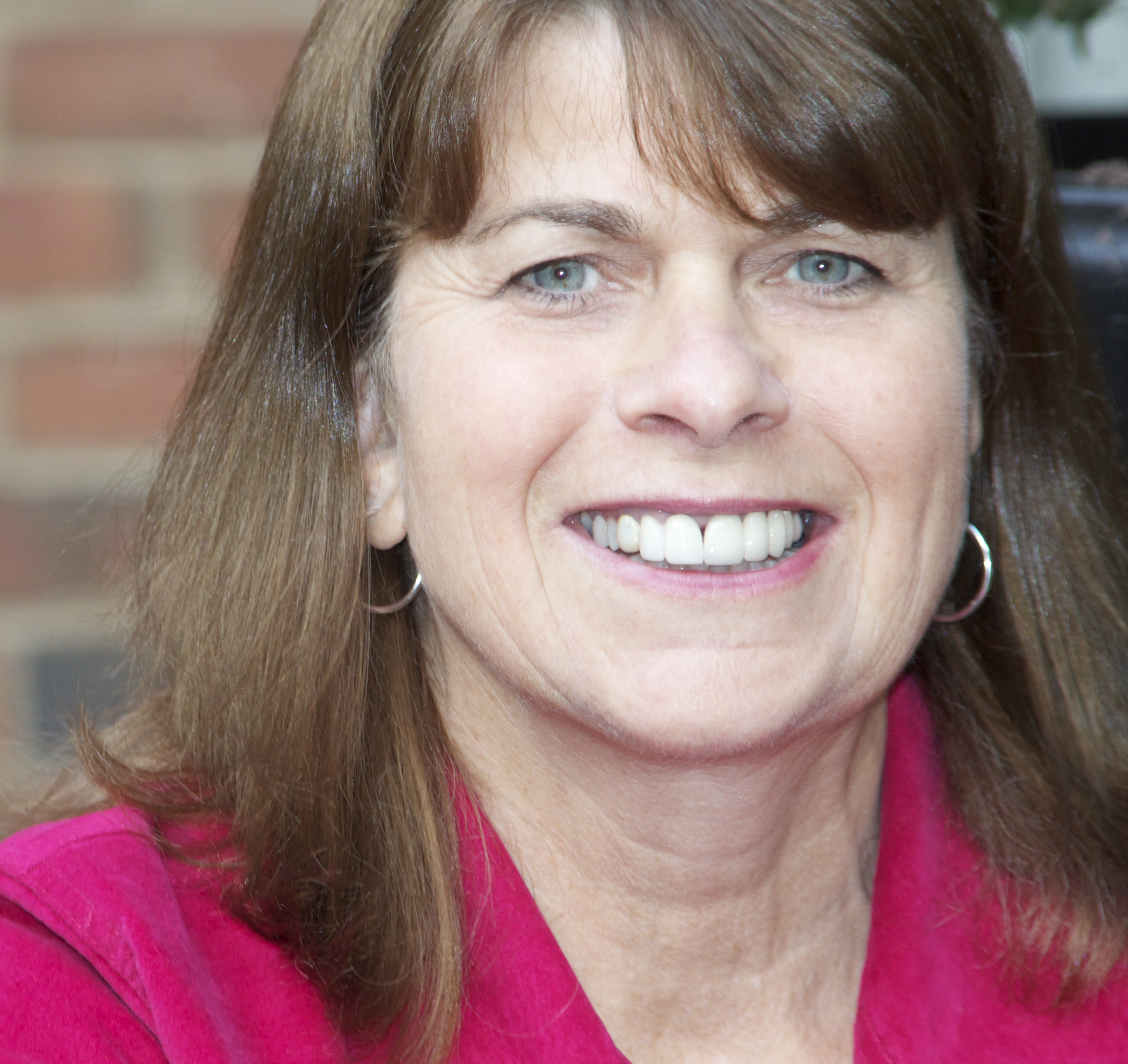
(Photo compliments of Karie.)

Disclaimer: The views or opinions in this post are solely that of the interviewee.

Caregivers SPEAK OUT! . . . . . Jessica Fell

Caregivers SPEAK OUT! – Jessica Fell

by

Donna O’Donnell Figurski


Jessica Fell – Caregiver

1. What is your name? (last name optional)

Jessica Fell

2. Where do you live? (city and/or state and/or country)     Email? (optional)

Mobile, Alabama, USA     chrissmomi05@gmail.com

3. What is the TBI survivor’s relationship to you? How old was the survivor when he/she had the TBI? What caused your survivor’s TBI?

The survivor was my boyfriend of four years, now my husband. We just got married on New Year’s Eve, his birthday.
 Daniel was 29 when he got his TBI. He was driving to work on his motorcycle, and a truck turned into a driveway without yielding. Daniel had no time to stop, slow down, or swerve. He collided with the truck.

4. On what date did you begin care for your TBI survivor? Were you the main caregiver? Are you now? How old were you when you began care?

I never left the hospital. There wasn’t a single day in the two months Daniel was in the hospital that I didn’t stay the night with him. Initially I was waiting for him to “wake up” from his coma. I am, and have been, Daniel’s only caregiver. We lived together with my two little girls. I stopped working to take care of him at home, instead of having him go to a rehab hospital. I was 27 when he was injured. I turned 28 while he was in the hospital.

5. Were you caring for anyone else at that time (e.g., children, parents, etc.)?

I was caring for my two children. I still do now.

6. Were you employed at the time of your survivor’s TBI? If so, were you able to continue working?

I continued to work until a few days before Daniel was released from the hospital. I do not work now.

7. Did you have any help? If so, what kind and for how long?

I had no help at all. Daniel’s family came into town every weekend, but they did not stay at our home.

8. When did your support of the survivor begin (e.g., immediately – in hospital, when the survivor returned home, etc.)?

Immediately

9. Was your survivor in a coma? If so, what did you do at that time?

Daniel was in a coma for nineteen days. I stayed by his side constantly waiting for him to wake up.

10. Did your survivor have rehab? If so, what kind of rehab (i.e., inpatient and/or outpatient and occupational, physical, speech, and/or other)? How long was the rehab? Where were you when this was happening?

Daniel had rehab in the two-month period that he was in the hospital. He only had physical therapy afterwards – once a week. He has not yet started any other therapy.

11. What problems or disabilities of your TBI survivor required your care, if any?

The only thing Daniel needs me for now is driving. I did have to help with his walking, showering, and getting dressed. But, he’s fully capable of those things now.

12. How has your life changed since you became a caregiver? Is it better? Is it worse?

I have had to grow up a lot and learn to be more patient. It’s not better because I would like to be working now and to still be doing outgoing things with him. But, I am hopeful that he’ll get back there soon. It’s not worse because our relationship is so much better than it’s ever been.

13. What do you miss the most from pre-TBI life?

I miss Daniel’s crazy, spontaneous personality. I miss his being so full of life. He’s still very funny, and he loves to laugh. But, he can’t hang for long, and he gets very anxious and worried so easily.

14. What do you enjoy most in post-TBI life?

I enjoy that our loyalty to each other is so much stronger. I am happy that Daniel has calmed down some.

15. What do you like least about TBI?

I dislike the anxiety Daniel has, his memory’s not being as good, and sometimes his temperament.

16. Has anything helped you to accept your survivor’s TBI?

I believe I have come to accept Daniel’s TBI through God and family and by trusting each other. I’ve come a long way.

17. Has your survivor’s injury affected your home life and relationships and, if so, how?

Daniel and my mom no longer speak because she doesn’t understand. It makes it difficult for me to balance their time together and ours.

18. Has your social life been altered or changed and, if so, how?

I can’t leave the house without worrying that Daniel is going to be OK or wants me to come home. I feel guilty that he’s not with me.

19. What are your plans? What do you expect/hope to be doing ten years from now?

I hope that we are both back at work and in our own home, which we hope to purchase one day. I hope we have a child together.

20. What advice would you offer other TBI survivor caregivers? Do you have any other comments that you would like to add? 

Jessica Fell

Jessica Fell – Caregiver

My main advice is to never, ever give up. Don’t let TBI take away your life. Don’t let it destroy your relationship. It shouldn’t just be the survivors who are forced to change. The survivors might not have control, but you can change how you handle yourself when it comes to certain things. We have to adapt to this new person and learn to love him or her again. The survivor deserves love and needs it. Be dedicated. Be a believer in yourself and in your survivor because spirituality does take you a long way in this journey. God puts you in situations for a reason – to learn from them. Find out your reason; learn from it; let go and let God. He will get you through any situation he places you in. Trust and believe in that and in yourself.


Thank you, Jessica, for taking part in this interview. I hope that your experience will offer some hope, comfort, and inspiration to my readers.

If you would like to be a part of this project, please go to TBI Caregiver Interview Questionnaire for a copy of the questions and the release form.

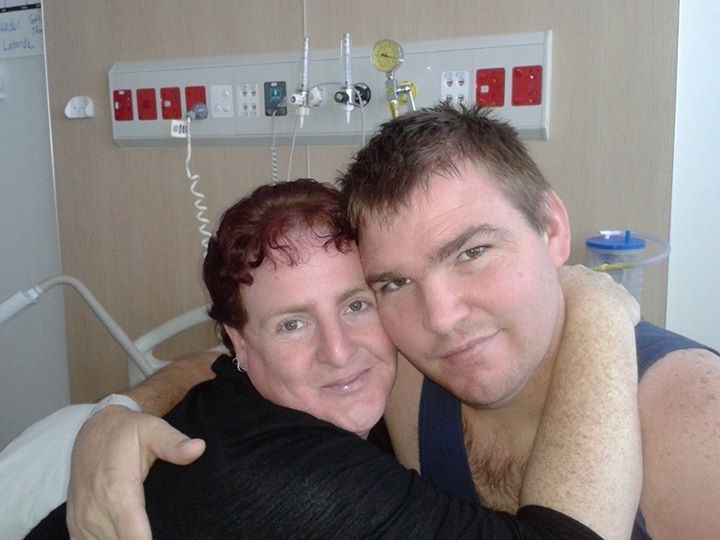
(Photo compliments of Jessica.)

Disclaimer: The views or opinions in this post are solely that of the interviewee.


Caregivers SPEAK OUT! . . . . . Kristina Hopkins

Caregivers SPEAK OUT! – Kristina Hopkins

by

Donna O’Donnell Figurski


Kristina Hopkins - Caregiver Tom Hopkins- TBI Survivor

Kristina Hopkins – Caregiver
Tom Hopkins- TBI Survivor

1. What is your name? (last name optional)

Kristina Hopkins

2. Where do you live? (city and/or state and/or country)     Email? (optional)

Blum, Texas, USA

3. What is the TBI survivor’s relationship to you? How old was the survivor when he/she had the TBI? What caused your survivor’s TBI?

The survivor, Tom, is my husband. He was 25 years old when he got a moderate to severe TBI.

Tom was on his last of four deployments to Iraq. His camp came under attack, and the building he was working in shook because it was hit. He got hit in the head, we believe, and they found him on the floor. He has damage to the occipital and frontal lobes of his brain. His autonomic and limbic systems were also damaged. Those are the systems that make the body feel and move. Tom does not feel over 60% of his body, and he is losing the use of his legs.

4. On what date did you begin care for your TBI survivor? Were you the main caregiver? Are you now? How old were you when you began care?

I began taking care of Tom in early 2008. I am the main and only caregiver. I believe I was 31.

5. Were you caring for anyone else at that time (e.g., children, parents, etc.)?

I was caring for two daughters, one with Asperger’s Syndrome.

6. Were you employed at the time of your survivor’s TBI? If so, were you able to continue working?

I was working, but that changed.

7. Did you have any help? If so, what kind and for how long?

I didn’t have any help. Tom does have a TBI service-dog. The dog, Duke, let’s him know every morning whether he will be walking or rolling in his wheelchair.

8. When did your support of the survivor begin (e.g., immediately – in hospital, when the survivor returned home, etc.)?

Tom started receiving partial help in 2008, and then he received full-time medical help in 2009.

9. Was your survivor in a coma? If so, what did you do at that time?

No

10. Did your survivor have rehab? If so, what kind of rehab (i.e., inpatient and/or outpatient and occupational, physical, speech, and/or other)? How long was the rehab? Where were you when this was happening?

Tom received physical therapy, memory therapy, and occupational therapy. All therapies were outpatient, except for the physical therapy. For that therapy, the therapists came into our home. Since moving to Texas two and a half years ago, I have taken over all of Tom’s therapy.

11. What problems or disabilities of your TBI survivor required your care, if any?

I assist Tom on all his ADLs (Activities of Daily Living). Tom cannot cook, so I do that. I handle the finances, with Tom’s help. I am the main driver. I am his therapist, whether it is physical or occupational therapy. I handle all appointments, i.e., I’m Tom’s “personal assistant.” (LOL)

12. How has your life changed since you became a caregiver? Is it better? Is it worse?

My life has changed. I cannot say if it’s for the better or for the worse. We have learned to overcome Tom’s injuries and to adapt to them. It’s a lonely life at times, but I would not change my life. I am truly honored to be married to my husband.

13. What do you miss the most from pre-TBI life?

I miss making plans a month or more into the future. We can’t do that now.

14. What do you enjoy most in post-TBI life?

EVERY day is different. It can be exciting. Case in point – our Thanksgiving this year.

15. What do you like least about TBI?

I don’t like that people look at Tom as if nothing is wrong. They need to walk a day in his shoes or mine. Then they can decide.

16. Has anything helped you to accept your survivor’s TBI?

I had to accept Tom’s TBI right away. There was no time not to.

17. Has your survivor’s injury affected your home life and relationships and, if so, how?

Yes. We don’t go “out” as much. We cannot make plans for the distant future. We just take one day at a time.

18. Has your social life been altered or changed and, if so, how?

What’s a “social life”? (LOL) We do get out now and then, but not often.

19. What are your plans? What do you expect/hope to be doing ten years from now?

I cannot answer this question about my plans for ten years from now. I have no clue. We don’t plan that far in advance. In ten years, hopefully our daughters will be in college or in the military or just getting out. As for the two of us, my hope is to be where we are at now – taking it one day at a time.

20.What advice would you offer other TBI survivor caregivers? Do you have any other comments that you would like to add? 

Good question. I guess to answer that question would depend upon whom I am talking with. Not every caregiver is at the same stage. So my advice varies. I guess all I can say now is this: YOU ARE NOT ALONE.


Kristina Hopkins - Caregiver

Kristina Hopkins – Caregiver

Thank you, Kristina, for taking part in this interview. I hope that your experience will offer some hope, comfort, and inspiration to my readers.

If you would like to be a part of this project, please go to TBI Caregiver Interview Questionnaire for a copy of the questions and the release form.

(Photo compliments of Kristina.)

Disclaimer: The views or opinions in this post are solely that of the interviewee.
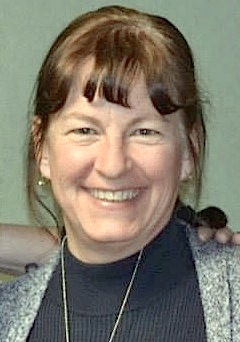
Caregivers SPEAK OUT! . . . . . Gill Evans

SPEAK OUT! – Gill Evans

by

Donna O’Donnell Figurski


Evans, Gill Caregiver with Flamingoes

Gill Evans – Caregiver for her Husband

1. What is your name? (last name optional)

Gill Evans

2. Where do you live? (city and/or state and/or country)     Email? (optional)

Birmingham, England     gce46@hotmail.co.uk

3. What is the TBI survivor’s relationship to you? How old was the survivor when he/she had the TBI? What caused your survivor’s TBI?

The TBI survivor is my husband. He had his TBI in 1984 at age 23. The TBI was originally due to a motorcycle accident, but he has been reinjured three times since then, the last being 11 years ago. He has had one work-related injury and two motorcycle-related head injuries.

4. On what date did you begin care for your TBI survivor? Were you the main caregiver? Are you now? How old were you when you began care?

I was 22 and in full-time work. He was living with his mom. We decided to split up due to his being violent, but we continued seeing each other as friends. We got back together when I was 40 and he was 41. We married 2 years later. I have looked after him since because the last injury left him unable to work.

5. Were you caring for anyone else at that time (e.g., children, parents, etc.)?

When we got back together, I had two teenage boys.

6. Were you employed at the time of your survivor’s TBI? If so, were you able to continue working?

I work full-time, but I have 13-hour shifts, so I’m home 4 days each week. I no longer work night shifts, as he struggles with the change that causes.

7. Did you have any help? If so, what kind and for how long?

No

8. When did your support of the survivor begin (e.g., immediately – in hospital, when the survivor returned home, etc.)?

My husband finally accepted help three weeks ago. When he had his TBI 30 years ago, there was nothing in place for him. He got speech therapy, and that was it.

9. Was your survivor in a coma? If so, what did you do at that time?

No

10. Did your survivor have rehab? If so, what kind of rehab (i.e., inpatient and/or outpatient and occupational, physical, speech, and/or other)? How long was the rehab? Where were you when this was happening?

He got speech therapy at home.

11. What problems or disabilities of your TBI survivor required your care, if any?

He required constant prompting of his memory and calming down due to temper. He had a broken leg, so he was wheelchair-bound for a couple of weeks until he was able to have crutches.

12. How has your life changed since you became a caregiver? Is it better? Is it worse?

I’m not really sure that I can answer this. My response probably wouldn’t make sense, as it would be “better than what, and worse than what?”

13. What do you miss the most from pre-TBI life?

I miss my independence – not having to worry about my husband when I’m out or not having to walk on eggshells because he’s in a bad mood. But, as much as I miss my independence, I regret that over the last couple of years he has stopped going out unless he has to. So, I go everywhere on my own. Sometimes I wish I didn’t have to.

Evans, Gill Caregiver IMG_1130

Gill Evans

14. What do you enjoy most in post-TBI life?

On reflection, not a lot

15. What do you like least about TBI?

I dislike that my husband’s last injury took him away from me and that he is like a stranger sometimes. He can forget who I am, and he will talk to me like I’m his ex-wife.

16. Has anything helped you to accept your survivor’s TBI?

I’m helped by the fact that I have loved my husband since I was 17 years old. (So, I have known him with the TBI most of my life.)

17. Has your survivor’s injury affected your home life and relationships and, if so, how?

When we married, I had two teenage sons living at home, and this became really difficult. There were lots of arguments. After two years of our fighting, my sons decided it was better if they moved out. I have spent the last eight years trying to rebuild my relationship with them, and thankfully we are much closer. Also they, to an extent, get on with my husband.

18. Has your social life been altered or changed and, if so, how?

Not really. My husband doesn’t go out much, and I go out with my sons or with colleagues from work. The one rule I have when I am out is that, unless it’s an emergency, he is only allowed to phone me once and the rest has to be text messages. Also he is not to bombard me with texts if I don’t reply.

19. What are your plans? What do you expect/hope to be doing ten years from now?

I’m hoping to be retired (or at least to be coming up to retirement) and spending some quality time with my family.

20. What advice would you offer other TBI survivor caregivers? Do you have any other comments that you would like to add? 

Evans, Gill Caregiver IMG_1129

Gill Evans – Caregiver for her Husband

Have boundaries, boundaries, and boundaries – to protect your own sanity. Remember to keep time for yourself. Don’t tolerate violence. It’s okay for you to get mad occasionally, but walk away. You won’t win a fight (verbal) with him or her. Grow a thick skin – he or she doesn’t always mean what is said. If you take everything personally, you won’t survive. Remember most of all, regardless of the effects of the TBI, your partner is still in there, so don’t give up hope of ever seeing him or her again – even if it’s only for a fraction of a second that he or she shines through. That’s why at the end of the day you are still there.


Thank you, Gill, for taking part in this interview. I hope that your experience will offer some hope, comfort, and inspiration to my readers.

If you would like to be a part of this project, please go to TBI Caregiver Interview Questionnaire for a copy of the questions and the release form.

(Photo compliments of Gill.)

Disclaimer: The views or opinions in this post are solely that of the interviewee.
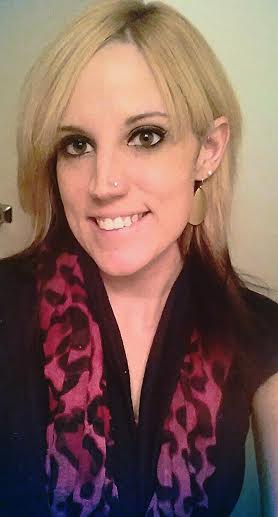
Caregivers SPEAK OUT! . . . . . Trisha

SPEAK OUT! – Trisha

by

Donna O’Donnell Figurski


Trisha

1. What is your name? (last name optional)

Trisha

2. Where do you live? (city and/or state and/or country)    Email? (optional)

Rural western Oklahoma, USA

3. What is the TBI survivor’s relationship to you? How old was the survivor when he/she had the TBI? What caused your survivor’s TBI?

My son fell asleep while driving to work. The pickup left the roadway and rolled several times, and he was thrown through the window. It was ten days after his 20th birthday.

4. On what date did you begin care for your TBI survivor? Were you the main caregiver? Are you now? How old were you when you began care?

I began immediately – the morning of November 3, 2011 – as soon as I got the phone call from the Highway Patrol telling us what had happened and that my son was being medevacked to a hospital in Oklahoma City. I called my husband; he left work, and we headed that way. I stayed in Oklahoma City the entire four months. I am still his main caregiver, but my husband, my son’s girlfriend, and my other sons help.

5. Were you caring for anyone else at that time (e.g., children, parents, etc.)?

I had two younger sons, ages 16 and 11, at home. (They’re still at home.) My stepdaughter, her husband, and their four children had just moved in with us about three weeks before the wreck. They moved out about three weeks after we came home from the hospitals. And I was about six months pregnant.

6. Were you employed at the time of your survivor’s TBI? If so, were you able to continue working?

I was running my own photography business, and I still am.

7. Did you have any help? If so, what kind and for how long?

Every church, countless people in our area, and family not only prayed, but also made it financially possible for me and my sister to stay in Oklahoma City the entire time my son was in the hospitals and also for my husband to be there whenever he had time off work. My husband’s bosses also were also able to get him extra time when it first happened, so he was able to stay for several weeks before he had to go back to work.

8. When did your support of the survivor begin (e.g., immediately – in hospital, when the survivor returned home, etc.)?

Immediately, at all the hospitals

9. Was your survivor in a coma? If so, what did you do at that time?

Yes. My son was in an induced coma. We stayed by his side and prayed, until they’d make us leave at night. Then we’d be right back in the morning.

10. Did your survivor have rehab? If so, what kind of rehab (i.e., inpatient and/or outpatient and occupational, physical, speech, and/or other)? How long was the rehab? Where were you when this was happening?

My son was at Oklahoma University Medical Center first. Then he went to Select Specialty Hospital for a few weeks. From there, he was at Valir Rehabilitation Hospital from the middle of December until we came home in February. He had about 8 weeks of therapy at Elk City Hospital as an outpatient after we came home. Since then, we’ve continued doing therapy ourselves at home. I was with him the entire time, except at night, when we’d go to the motel.

11. What problems or disabilities of your TBI survivor required your care, if any?

Trisha's Son after TBI

Trisha’s Son after TBI

My son suffers from short-term memory problems, lack of balance and coordination, problems with fine-motor skills, and incontinence. One of our biggest battles has been depression. He is in a wheelchair, but he is able to use a walker for short periods of time.

12. How has your life changed since you became a caregiver? Is it better? Is it worse?

Everything is pretty much centered around my son. He can be home alone, but only for a couple hours at a time. If I have to leave, I need to make sure either someone else is here or will be here.

13. What do you miss the most from pre-TBI life?

The active and outdoor lifestyle we had

14. What do you enjoy most in post-TBI life?

This is actually a difficult question to answer. Post-TBI for us is also the start of our daughter’s life. She was born one week after my son and I got home from Valir.

15. What do you like least about TBI?

Even though it is going on three years, there are still times that I feel like it’s a bad dream, and I’m waiting to wake up. I’m distressed by the fact that my son had a ton of friends before, and now he will go weeks, sometimes months, at a time without seeing or hearing from any of them.

16. Has anything helped you to accept your survivor’s TBI?

I honestly don’t know if I have actually accepted it yet. To me, acceptance pretty much means we give up, and he hasn’t given up. In fact, this week, for the first time ever, he has walked on a treadmill. For the first time since the day before his wreck, I saw him make full strides with both feet! He didn’t do his normal “step with one foot, catch up with the other” like he does when he uses his walker.

17. Has your survivor’s injury affected your home life and relationships and, if so, how?

Yes. We had to remodel one of our bathrooms to make it accessible for a wheelchair. His younger brothers help out with some of his needs.

18. Has your social life been altered or changed and, if so, how?

My son and I both have friends who no longer come around. People, including his own grandfather, get upset with us because he refuses to go to their houses. Yet, their homes don’t have access for a wheelchair – let alone have a bathroom that he could get into if needed.

19. What are your plans? What do you expect/hope to be doing ten years from now?

I take things day-by-day, with a lot of prayers going up.

Trisha's Son before TBI

Trisha’s Son before TBI

20. What advice would you offer other TBI survivor caregivers? Do you have any other comments that you would like to add?

Fight for answers from all doctors or “teams.” Insist on seeing each one. When the accident first happened, my son had “teams” of doctors for his different injuries. We never saw the neurology team. They always came through before we were allowed into his room. His brain injury was made out to us like it was a secondary injury – not that bad. In reality, it was his worst injury, but that’s not what we were told.


Thank you, Trisha, for taking part in this interview. I hope that your experience will offer some hope, comfort, and inspiration to my readers.

If you would like to be a part of this project, please go to TBI Caregiver Interview Questionnaire for a copy of the questions and the release form.

(Photo compliments of Trisha.)

Disclaimer: The views or opinions in this post are solely that of the interviewee.

Caregivers SPEAK OUT! . . . Charline

SPEAK OUT! – Charline

by

Donna O’Donnell Figurski


Charline

Charline & Rick April 2012


1. What is your name? (last name optional)

Charline

2. Where do you live? (city and/or state and/or country)     Email? (optional)

Abilene, Texas, USA

3. What is the TBI survivor’s relationship to you?

He (Rick) is my husband.

How old was the survivor when he/she had the TBI?

52

What caused your survivor’s TBI?

The TBI was caused by an aneurysm that started to hemorrhage. Two days after the surgery to repair the aneurysm, he had a major stroke.

4. On what date did you begin care for your TBI survivor?

September 2013

Were you the main caregiver?

No

Are you now?

Yes

How old were you when you began care?

49

5. Were you caring for anyone else at that time (e.g., children, parents, etc.)?

No

6. Were you employed at the time of your survivor’s TBI?

Yes

If so, were you able to continue working?

No. My husband and I were snowbirds at the time of the TBI. We worked on the Gunflint Trail in Minnesota during the summer and at an antique store in Texas during the winter. Rick is a Minnesota native, and I am a Texan. He was flown to Minneapolis, so I was not able to continue my summer job. We came back to Texas in June 2014.

7. Did you have any help?

Yes

If so, what kind and for how long?

My two daughters and their families live here and are able to come and relieve me for a few hours a week.

8. When did your support of the survivor begin (e.g., immediately – in hospital, when the survivor returned home, etc.)?

Immediately

9. Was your survivor in a coma?

Yes. Rick was in a medically induced coma.

If so, what did you do at that time?

I spent every day in the Intensive Care Unit talking and reading to Rick. He had family that came daily to visit as well.

10. Did your survivor have rehab?

Yes

If so, what kind of rehab (i.e., inpatient and/or outpatient and occupational, physical, speech, and/or other)?

Rick was in a nursing home between the hospital and rehab. He had to relearn everything. He had physical therapy, occupational therapy, and speech therapy when he was moved to the rehab facility.

How long was the rehab?

3 months

Where were you when this was happening?

I attended most of every therapy session and doctor visits. Rick responded better to me than to anyone else.

11. What problems or disabilities of your TBI survivor required your care, if any?

His memory was severely damaged. He can never be left alone. He is also incontinent. (I have him on a bathroom schedule. If I ask him if he needs to go, he always says no; but if I tell him it’s time to go, he does.) His appetite is great.

12. How has your life changed since you became a caregiver? Is it better? Is it worse?

I can’t say that my life is better or worse. I can say that it’s different.

13. What do you miss the most from pre-TBI life?

I miss the freedom to be able to just “go.” My husband and I were very active. We hiked, canoed, fished, shopped, and worked. I miss my jobs and the people I worked with.

14. What do you enjoy most in post-TBI life?

I enjoy the brief moments of lucidity.

15. What do you like least about TBI?

The lack of “me time.” I hit the floor running every day – taking care of his needs and taking care of all the household duties.

16. Has anything helped you to accept your survivor’s TBI?

I am still learning how to accept my new life.

17. Has your survivor’s injury affected your home life and relationships and, if so, how?

Yes. I sometimes feel like a prisoner. I can’t just go shopping for groceries anymore. If I take him with me, he gets distracted and puts everything in the basket or tries to eat it before buying. I usually have to get one of my kids to come and sit with him so I can do any errands.

18. Has your social life been altered or changed and, if so, how?

Yes. I don’t have a social life anymore.

19. What are your plans? What do you expect/hope to be doing ten years from now?

I hope and pray that in ten years we will be a little more active.

20. What advice would you offer other TBI survivor caregivers? Do you have any other comments that you would like to add? 

Charline image

Charline & Rick July 2014

My advice is to stay strong. Take time to care for yourself.


Thank you, Charline, for taking part in this interview. I hope that your experience will offer some hope, comfort, and inspiration to my readers.

If you would like to be a part of this project, please go to TBI Caregiver Interview Questionnaire for a copy of the questions and the release form.

(Photo compliments of Charline.)

Disclaimer: The views or opinions in this post are solely that of the interviewee.

Caregivers SPEAK OUT! Rosemary Rawlins

SPEAK OUT! – Rosemary Rawlins

by

Donna O’Donnell Figurski


Rawlins, Rosemary

Rosemary Rawlins – TBI Caregiver, Author, Blogger, Speaker

1. What is your name? (last name optional)

Rosemary Rawlins

2. Where do you live? (city and/or state and/or country)     Email? (optional)

Glen Allen, Virginia, USA

3. What is the TBI survivor’s relationship to you?

Husband – Hugh Rawlins (We had been married 24 years at the time of his injury.)

How old was the survivor when he/she had the TBI?

46

What caused your survivor’s TBI?

A car (driving nearly 50 mph) hit him directly from behind as he was riding his bicycle home from an afternoon workout.

4. On what date did you begin care for your TBI survivor?

Immediately. I stayed in the Intensive Care Unit, and I visited him every day in Acute Brain Rehab. Hugh was in the hospital 33 days.

Were you the main caregiver?

Yes

Are you now?

I don’t consider myself his caregiver anymore.

How old were you when you began care?

46

5. Were you caring for anyone else at that time (e.g., children, parents, etc.)?

Yes – twin daughters, age 14. My daughters, Anna and Mary, are wonderful. They were the reason Hugh and I were able to go on.

6. Were you employed at the time of your survivor’s TBI? If so, were you able to continue working?

I was a self-employed résumé writer and consultant. I continued working, but I drastically cut down on work to care for Hugh.

7. Did you have any help? If so, what kind and for how long?

All of my immediate family lived out of state, but people visited periodically, and that helped. Neighbors and friends helped with driving and food, but caring for Hugh was mainly my full-time responsibility. I hired a night nurse so my daughters and I could sleep. That went on for several weeks, until we were able to get Hugh on a day/night sleep schedule. I was exhausted all the time.

8. When did your support of the survivor begin (e.g., immediately – in hospital, when the survivor returned home, etc.)?

Immediately

9. Was your survivor in a coma? If so, what did you do at that time?

Yes – for a week. I sat by Hugh’s bed for most of it. I kept a journal. My daughters were there a lot too. We simply waited and read notes to him from friends and family far away. We talked to him and waited.

10. Did your survivor have rehab?

Yes

If so, what kind of rehab (i.e., inpatient and/or outpatient and occupational, physical, speech, and/or other)?

Hugh was put into the inpatient hospital acute brain rehab for two weeks. He was then released to Day Rehab at a nearby facility for daily outpatient recreational, occupational, physical, speech, and other therapies. (He was in a group therapy and did Interactive Metronome therapy.)

How long was the rehab?

He was released from physical therapy first after a few months, then occupational therapy, and finally speech/cognitive therapy after about 14 months.

Where were you when this was happening?

I was usually at home trying to work, but went in with Hugh from time to time. I wanted to know his therapists, and they worked with me on ways to supplement therapy at home. It was a great help to learn from them. I also hired a personal trainer to cross-train Hugh after he was released from physical therapy, and that helped him make strides in his progress. He swam and did exercises that would use both sides of the brain. Physical exercise helps the brain; at least in his case it made a huge difference.

11. What problems or disabilities of your TBI survivor required your care, if any?

For three months, Hugh required a helmet and gait belt every time he stood up because he had a chunk of his skull cut out to relieve brain swelling. After three months, he had that bone replaced, and his balance improved. Hugh required help and prompting with everything – grooming, eating, dressing, and walking. He had swallowing problems and lost most of the use of his left side. By four months, he was more independent, but he had some short-term memory and judgment issues. By two years out, he was in very good shape and started working again.

12. How has your life changed since you became a caregiver?

I don’t consider myself a caregiver anymore in the regular sense of the word, at least not for my husband. Life was miserable in the beginning because there were so many questions without answers. I suffered ambiguous loss because Hugh sat and stared into space, and I missed him. He was with me, but radically changed. I felt grateful and ungrateful at the same time.

Is it better? Is it worse?

I see my life as “just life” with all its ups and downs, and I try to live it day-to-day as it unfolds. It’s the only thing that’s kept me sane. Life right now is good. I work and Hugh works. He made an amazing recovery.

13. What do you miss the most from pre-TBI life?

Feeling safe in the world and feeling a full sense of joy. TBI has made me more neurotic, and I find I get stressed easier now. I work on trying to minimize this every day.

14. What do you enjoy most in post-TBI life?

The love we rekindled and share. Also the work we do together to help others going through what we went through. Hugh speaks with me at some conferences, and we now have a shared mission in life – we didn’t have that before.

15. What do you like least about TBI?

How it robs a person of his or her identity. How it hijacks a family and takes over your lives for a very long time. TBI is full of cruel surprises popping out of nowhere, new deficits that surface, drugs and side effects, seizures and personality changes.

16. Has anything helped you to accept your survivor’s TBI?

Yes. Loving him, plain and simple.

17. Has your survivor’s injury affected your home life and relationships and, if so, how?

I’m sure it has affected my home life in ways I never imagined. My children became caregivers early in life to help me, and they had stresses of their own. In many ways, they missed out on doing a lot of things because their father was very sick, and I was completely focused on Hugh, when I used to be focused on them. But we are all very close today and know that things could have turned out much worse than they did. We’re thankful he achieved the level of recovery he did.

18. Has your social life been altered or changed and, if so, how?

Yes. Friends come and go, but I see that as part of modern life too. We have one set of friends in school, then another when we start work, then they change as we marry and have children. It’s a part of life. We love our friends, and some have stuck by us through all of it – we cherish those friendships immensely. I have no hard feelings for friends that drift away; it’s just the natural ebb and flow. I love it when I see someone I haven’t seen in years and we pick up where we left off. Friends mean a lot to me. On positive note, I’ve met some of the best friends of my life through Hugh’s TBI. I feel very close to several people I’ve met because of brain injury, including a few doctors and therapists.

19. What are your plans?

To keep being a writer, a job I love. TBI started my book writing and speaking career, and I love working from my home and connecting with others.

What do you expect/hope to be doing ten years from now?

I hope to be semi-retired and living in Nags Head, North Carolina, at the beach. Hugh loves to surf, and I love the ocean and the serenity it brings. I’ll always keep reading and writing, though, for the love of it.

20. What advice would you offer other TBI survivor caregivers?

Wow, there’s so much I’ve learned in the past twelve years. Here are some I consider most important for caregivers:

  • Pace yourself – TBI is definitely a marathon, so be sure to keep some space in your life for you at all times
  • Keep up with friends, and ask them how they are. Try to do things that are not TBI-focused all the time. Go to a movie, or go for a walk and talk about your girlfriend’s new job. Friendship is a two-way street. Being isolated can lead to depression.
  • Watch your own health. I came down with shingles 15 months after Hugh’s injury because I didn’t manage my stress. I love guided-imagery tapes. They helped me sleep and relax.
  • Seek counseling or join a support group for times you want to vent, instead of using your family and friends to vent to all the time. You will be redirected toward more healthy outlets, and talking to someone “neutral” has a healing effect.
  • Right after Hugh’s TBI, I kept working toward returning to our “old” life. It took me a very long time to realize that the changes that occurred made that impossible. We had to start over. Counseling helped with this.
  • Be honest with yourself about what to expect, and try to celebrate each advance.
  • Advocate, vote, stay informed of your rights and let your voice be heard. Support your local Brain Injury Association and WETA, who produces BrainLine.org.

Do you have any other comments that you would like to add?

I have great respect for TBI caregivers. I can’t think of a harder job on this earth. Hugh got better, much better than most people do, and for that I am humbled and grateful, but I pray every single day for people who struggle a lifetime with TBI in ways that drastically limit them – especially when they cannot find the resources they need. These are the families that keep me motivated to advocate for the rights and support of TBI individuals and their caregivers. So much more research and funding needs to happen to make life more manageable and enjoyable for all families affected by TBI. We need awareness, education, support, research, treatments, and many people need ongoing rehab to maximize their potential. If we join together, we can all make a difference.

Rosemary’s BIO:

100_1987

Rosemary and Hugh Rawlins

Rosemary Rawlins is the author of Learning by Accident: A Caregiver’s True Story of Fear, Family, and Hope, and a regular blogger for BrainLine.org. She also writes the Family Matters column for Brain Injury Journey Magazine. Rosemary speaks nationally at libraries, TBI events, and conferences. You can learn more about her at www.rosemaryrawlins.com


You can also watch a very informative video about how Rosemary and Hugh pieced their lives together again with the help of some very special counselors. Brain Injury Resources – Couples and Traumatic Brain Injury


Thank you, Rosemary, for taking part in this interview. I hope that your experience will offer some hope, comfort, and inspiration to my readers.

If you would like to be a part of this project, please go to TBI Caregiver Interview Questionnaire for a copy of the questions and the release form.

(Photo compliments of Rosemary.)

Disclaimer: The views or opinions in this post are solely that of the interviewee.

Caregivers SPEAK OUT! . . . . . . . . Kelly Reader

SPEAK OUT! – Kelly Reader

by

Donna O’Donnell Figurski


Reader Eric & Reader, Kelly Spouse1. What is your name? (last name optional)

 Kelly Reader

 2. Where do you live? (city and/or state and/or country)     Email? (optional)

 Railton, Tasmania     kelly.reader@gmail.com

3. What is the TBI survivor’s relationship to you? How old was the survivor when he/she had the TBI? What caused your survivor’s TBI?

My TBI survivor is my husband, Eric. He was 29 when he has his accident seven months ago on Boxing Day 2013. He was sitting on the back of a trailer, tavelling along a gravel road, when they hit a bump. He fell off – hitting his head.

4. On what date did you begin care for your TBI survivor? Were you the main caregiver? Are you now? How old were you when you began care?

I began my caring role when Eric was released from the hospital on the 6th of February 2014. I was 33, and I was his main caregiver throughout his recovery.

5. Were you caring for anyone else at that time (e.g., children, parents, etc.)?

No. I used to be a full-time caregiver for my mum, but she passed away last May.

6. Were you employed at the time of your survivor’s TBI? If so, were you able to continue working?

I was studying to become a vet nurse when Eric had his accident. Because of the stress, I could not concentrate on my studies and had to ask for a deferment.

7. Did you have any help? If so, what kind and for how long?

Eric has had an Occupational Therapist since he came home, and she has been amazing. She helped us with whatever we needed, and she is still continuing today.

8. When did your support of the survivor begin (e.g., immediately – in hospital, when survivor returned home, etc.)?

As soon as Eric was hurt, he was flown to a hospital four hours away from our hometown. My sister Sally and I spent six weeks at Eric’s bedside every day, until he was released from the hospital. Being away from home for so long was hard.

9. Was your survivor in a coma? If so, what did you do at that time?

Eric was in an induced coma for two days, before they allowed him to wake up. They told me that he might not pull through, so this time was very hard. I stayed by his side hoping he would make it.

10. Did your survivor have rehab? If so, what kind of rehab (i.e., In-patient and/or Out-patient and Occupational, Physical, Speech, and/or Other)? How long was the rehab? Where were you when this was happening?

Eric spent four weeks in a rehab unit at the hospital, where he did physiotherapy and brain activities. When he came home, he went to physiotherapy twice a week. He is now going once a fortnight.

11. What problems or disabilities of your TBI survivor required your care, if any?

When Eric first came home, he required 24-hour supervision because he was not safe to be left alone. He has memory problems, so forgetting to take tablets or turn the stove off was a real problem. He suffered tremors in his hand and legs. Also his balance when walking was not safe.

12. How has your life changed since you became a caregiver? Is it better? Is it worse?

I was a caregiver for my mum since I was 16 years old, so my whole life has revolved around caring for someone I love. If I had to do it all over again, I would. To see how much progress Eric has made since his accident has been so rewarding. To know that I helped him get there makes every heartbreaking moment worth it.

13. What do you miss the most from pre-TBI life?

Eric has always been the strong one in our marriage. When he had his accident, the roles were reversed, and I had to take over doing a lot of the bill management, etc. He was always my protector when things went wrong. After his accident, I didn’t have that anymore. Things are better now. He is becoming that same person again.

14. What do you enjoy most in post-TBI life?

Eric has become sensitive since his accident – something he never showed before. He always had a wall up and wouldn’t let anyone inside. Now, if he watches a sad movie, he will cry. I love this new sensitive side of him, as I feel I can talk to him more. He will let me be a part of his life he never shared before.

15. What do you like least about TBI?

The mood swings are not so bad these days, but in the beginning, they were a nightmare. His moods would change so dramatically it put a real strain on our marriage.

16. Has anything helped you to accept your survivor’s TBI?

When I feel down, I tell myself that he was one of the lucky ones to survive and that I’m lucky to still have him in my life.

17. Has your survivor’s injury affected your home life and relationships and, if so, how?

It put a strain on our marriage because I had to be his caregiver – something he never wanted to happen. I had to be by his side 24/7 for the first four months after he was released from the hospital. That was really hard for him, as he was so used to going to work and having his freedom. Some days he would lash out at me for something that he was in the wrong for, but because of his memory problems, he didn’t remember what he had done.

18. Has your social life been altered or changed and, if so, how?

Our social life has changed for the better, as we spend more time with family and friends now because we realise that life is too short to waste.

19. What are your plans? What do you expect/hope to be doing ten years from now?

I would like to have a family – something that we were working on before his accident. I feel it would make our lives complete.

20. What advice would you offer other TBI survivor caregivers? Do you have any other comments that you would like to add?

Just be there for them when they need a shoulder to cry on. Don’t take anything they say to you in the heat of the moment to heart, as it’s not what they feel about you. It’s just the frustration coming out.Reader Eric & Reader, Kelly Spouse gchjcbfd


Thank you, Kelly, for taking part in this interview. I hope that your experience will offer some hope, comfort, and inspiration to my readers.

If you would like to be a part of this project, please go to TBI Caregiver Interview Questionnaire for a copy of the questions and the release form.

(Photo compliments of Kelly.)

Disclaimer: The views or opinions in this post are solely that of the interviewee.



Caregivers SPEAK OUT! . . . . . . . . . Kristin Olliney

 SPEAK OUT! – Kristin Olliney

by

Donna O’Donnell Figurski

Kristin Olliney with her daughter, Isabella, (age 4 1/2) on the day Isabella woke up from her coma. Kristin says, “It was the happiest and best day of my life.”


1. What is your name? (last name optional)

Kristin Olliney

2. Where do you live? (city and/or state and/or country)     Email? (optional)

Just south of Boston, Massachusetts, USA

3. What caused your survivor’s TBI?

Sudden acute encephalitis of unknown etiology

4. On what date did you begin care for your TBI survivor? Are you the main caregiver?

Our journey began on November 25, 2010 (Thanksgiving night).

How old were you when you began care?

I was 31 years old, and Isabella was 4.5 years old

5. Were you caring for anyone else at that time (e.g., children, parents, etc.)?

No, I was a single parent to Isabella.

6. Were you employed at the time of your survivor’s TBI?

No, I was laid off about 18 months before Isabella got sick.

If so, were you able to continue working?

N/A

7. Did you have any help? If so, what kind and for how long?

I was a single parent from the day Isabella was born. I have always been her sole caregiver.

8. When did your support of the survivor begin (e.g., immediately – in hospital, when survivor returned home, etc.)?

Isabella was 4.5 years old at the time, so I was already supporting her.

9. Was your survivor in a coma?

Yes, Isabella was in a drug-induced coma and then her own coma. The total time was 6 days. On the 7th day, she woke up. That was the best day of my entire life.

If so, what did you do at that time?

I never left Isabella’s side. I spent the first 73 hours without sleep because, if she was going to die (which she was supposed to), I didn’t want to miss a single second. I eventually collapsed, and I was forced to sleep. After that, I lived off coffee, and I took sporadic naps.

10. Did your survivor have rehab? If so, what kind of rehab? (i.e., In-patient and/or Out-patient and Occupational, Physical, Speech, and/or Other) How long was the rehab? Where were you when this was happening?

Yes, Isabella went to In-patient rehab [occupational therapy (OT), physical therapy (PT), and speech therapy (ST)] for 15 days post brain injury. She was there for only 13 days, due to my insurance. I was with her the entire time. Isabella is currently still receiving Out-patient rehab for OT and ST. Her PT ended last summer. Isabella also did aquatics therapy for a few months.

11. What problems or disabilities of your TBI survivor required your care, if any?

Isabella requires 24/7 care due to her extensive medical needs. She has a cognitive disorder due to her brain injury. Isabella has debilitating hallucinations (not psychotic) and anxiety, which causes multiple panic attacks every single day. She has migraines and tics. Isabella has sensory issues and Obsessive-Compulsive Disorder (OCD). She has learning difficulties. Isabella has aggression due to her inability to control or regulate her mood, emotions, and behavior. Isabella has speech difficulties, especially in word retrieval and expressing herself. Isabella also needs help with daily living skills, such as using the bathroom, getting dressed, showering, using the stairs, teeth brushing, etc. Isabella also suffers from various types of seizures and many other things that require around-the-clock care.

12. How has your life changed since you became a caregiver?

I was already Isabella’s caregiver. Prior to her brain injury, she had some medical issues, including life-threatening allergies to food, an immune deficiency (and another more serious one diagnosed post brain injury), and a few other conditions. Once Isabella got sick though, everything changed because I was parenting and caring for an entirely different child. It was like completely starting over.

Is it better? Is it worse?

It is different. It is challenging. It is amazing. It is heartbreaking. I wouldn’t want to be anywhere else. I want to be the one caring for my child. She needs me more now than ever before.

13. What do you miss the most from pre-TBI life?

I miss the Isabella that I used to have, although I love the Isabella I have now more than I ever knew was possible. I miss our carefree, social, active life. Isabella is worth it though.

14. What do you enjoy most in post-TBI life?

I have learned the value of life and how in an instant it can all change. It is both a blessing and a curse to know how fragile life really is. I appreciate the small things that most can’t value unless they have come close to losing it all. I cherish each laugh, each silly joke, the smiles, hugs, and kisses, and hearing Isabella say “Mommy,” and I notice things like the sunset (or, in our case, the sunrise too), the way flowers smell, etc.

15. What do you like least about TBI?

It’s the one of the most rewarding, yet most heartbreaking, journeys that you can go on. I hate that it has robbed Isabella of the life she was meant to have. This journey is also extremely isolating. I chose to focus on the positive and the blessing that I have, which is Isabella’s still being here.

16. Has anything helped you to accept your survivor’s TBI?

I have always been a single parent, so I had no choice but to accept it from the start. I think that was a blessing. Writing my bi-monthly blog, “Mommy of a Miracle,” for the Brain Injury Association of Massachusetts has helped me give a voice to our journey. I also started a Facebook support group, “Parents of Children with Brain Injuries,” which has helped me know that I am not alone. I knew statistically speaking that I was not the only parent with a child who has a brain injury, and yet I couldn’t find anyone.  This group has been the most amazing support for me.

17. Has your survivor’s injury affected your home life and relationships and, if so, how?

Yes, how could it not? Brain injury changes not only the survivor but also the caregiver as well. Our home life is very structured and centered completely around what helps Isabella be successful. It has changed my relationships tremendously. In the face of a life-altering event, you learn quickly who is going to be there and who isn’t. I would rather have a few people whom I know I can count on than a whole lot of people who will just disappoint.

18. Has your social life been altered or changed and, if so, how?

Yes. Isabella and I had a very active social life. We were never home. Friends and family were always a huge part of our life. Now it is not possible, due to the extensive care that she requires and her instability. I no longer have the time to invest in one-sided friendships. We are not able to attend parties, get-togethers, events, and the like. Phone conversations are no longer possible. I only get to see a friend or a family member if he or she comes by at night when Isabella is asleep in bed.

19. What are your plans?

I live day-by-day. I take each day as it comes. Looking beyond that is too difficult.

What do you expect/hope to be doing ten years from now?

I hope that Isabella is doing better and stable. I hope that we are able to enjoy more things in life. Personally, I want to have a nonprofit organization to specifically help parents of children with brain injuries. I hope to be on the floor of congress advocating for change, for funding for research, and for additional resources for brain injury survivors and their caregivers.

20. What advice would you offer other TBI survivor caregivers?

Always follow your gut-instinct. You are your survivor’s biggest advocate. Stand your ground. Your survivor is not ever going to be who he or she once was. The faster you are able to come to that realization, the better off you will be. This is a journey, not a race. Take life one day at a time.  You are not alone.

Do you have any other comments that you would like to add?

Kristin Olliney with her lovely daughter, Isabella – 8 years old. 2014

Thank you for this amazing opportunity to tell people a little bit more about our journey.


Check out my blog: In An Instant Your Life Can Change Forever: Brain Injury Association of Massachusetts Blog – Mommy of a Miracle

Check out this video for Brain Injury Awareness.


Thank you, Kristin, for taking part in this interview. I hope that your experience will offer some hope, comfort, and inspiration to my readers.

If you would like to be a part of this project, please go to TBI Caregiver Interview Questionnaire for a copy of the questions and the release form.

(Photo compliments of Kristin.)

Disclaimer: The views or opinions in this post are solely that of the interviewee.

diemodi jewelry

uniquely hand-crafted jewelry by donna

Welcome to Harmony Kent Online

The home of all things books

Pete Springer

Passionate Teacher and Future Children's Author

HOPE TBI

Helping Other People Excel - To Be Independent

For the Love of Books, Old and New

Katie Fischer, Writer and Reader of Stories

Charlie Bown

Children's Author

Jessica Hinrichs

“We write to taste life twice, in the moment and in retrospect.” ― Anais Nin

VIVIAN KIRKFIELD - Writer for Children

Picture Books Help Kids Soar

Mindy’s Writing Wonderland

For authors, parents, teachers & everyone who loves children’s books.

Kaitlyn Leann Sanchez

Literary Agent

Surviving Traumatic Brain Injury

TBI - Survivors, Caregivers, Family, and Friends

The Care Factor

Loving someone with a Traumatic Brain Injury

Brain Injury Support Group of Duluth-Extension

Brain Injury Information and SUPPORT

Brain Aneurysm Global Insight

Brain Aneurysm, cerebral hemorrhaging, hemorrhage stroke