TBI – Survivors, Caregivers, Family, and Friends

Archive for January, 2015

SPEAK OUT! . . . . . . . . . . . . . . . . . Guest Blogger: Melissa Cronin Stages of Forgiveness

Stages of Forgiveness

by

Melissa Cronin


Girl Blogger cartoon_picture_of_girl_writingMore than eleven years ago, eighty-six-year-old George Russell Weller confused the gas pedal for the brake and sped through the Santa Monica Farmers’ Market. He struck seventy-three pedestrians. Ten people died.

I sustained life-threatening injuries, including a ruptured spleen and multiple fractures. Due to the nature of my traumatic brain injury, it wouldn’t be until three years after the accident when a neuropsychiatrist diagnosed me with a TBI.

During the early days and weeks of my recovery, weighed down by pain and the unthinkable – that others died while I survived – my brain lacked space for anything heady like the notion of forgiveness. Years later, when I possessed enough emotional fortitude to unearth the new articles I had collected about the accident, I decided I needed to find a way to forgive Russell Weller. I’ve been told that forgiveness is overrated, that you don’t have to forgive to heal. While that might very well be true, my want to forgive others for any wrong committed is part of my constitution. So I had to at least make an attempt to forgive Russell Weller. Otherwise, I’d be infected with a case of chronic bitterness and cynicism and worried I’d be contagious. Who wants to hang out with someone with a transmittable illness she has the capacity to heal?

To forgive, one must first assign blame. But, as in Russell Weller’s case, if there is no act of intentional harm, where do you place blame and, therefore, how do you forgive? To add an additional elusive layer, how do you forgive someone you’ve never met? Is it even possible to forgive someone you don’t know? I reached out to Russell Weller’s family years after the accident, but they refused my request to visit him. In 2010 he died.

The following year, I enrolled in an MFA program. During my third semester, still befuddled as to how to forgive Russell Weller, I wrote my critical thesis on the topic: The Face of Forgiveness. I examined how a particular writer, who had sustained life-threatening injuries after a car struck him, navigated the indeterminate nature of forgiveness on the page. Because each circumstance varies, forgiveness cannot be defined in absolute terms. *Since forgiveness is a process, I arrived at the conclusion that it can be charted in stages:

1) Understanding of the accident/incident

2) Transference of anger and other emotions

3) Self-pity

4) Awareness of others’ suffering

5) Avoidance

6) Surrender

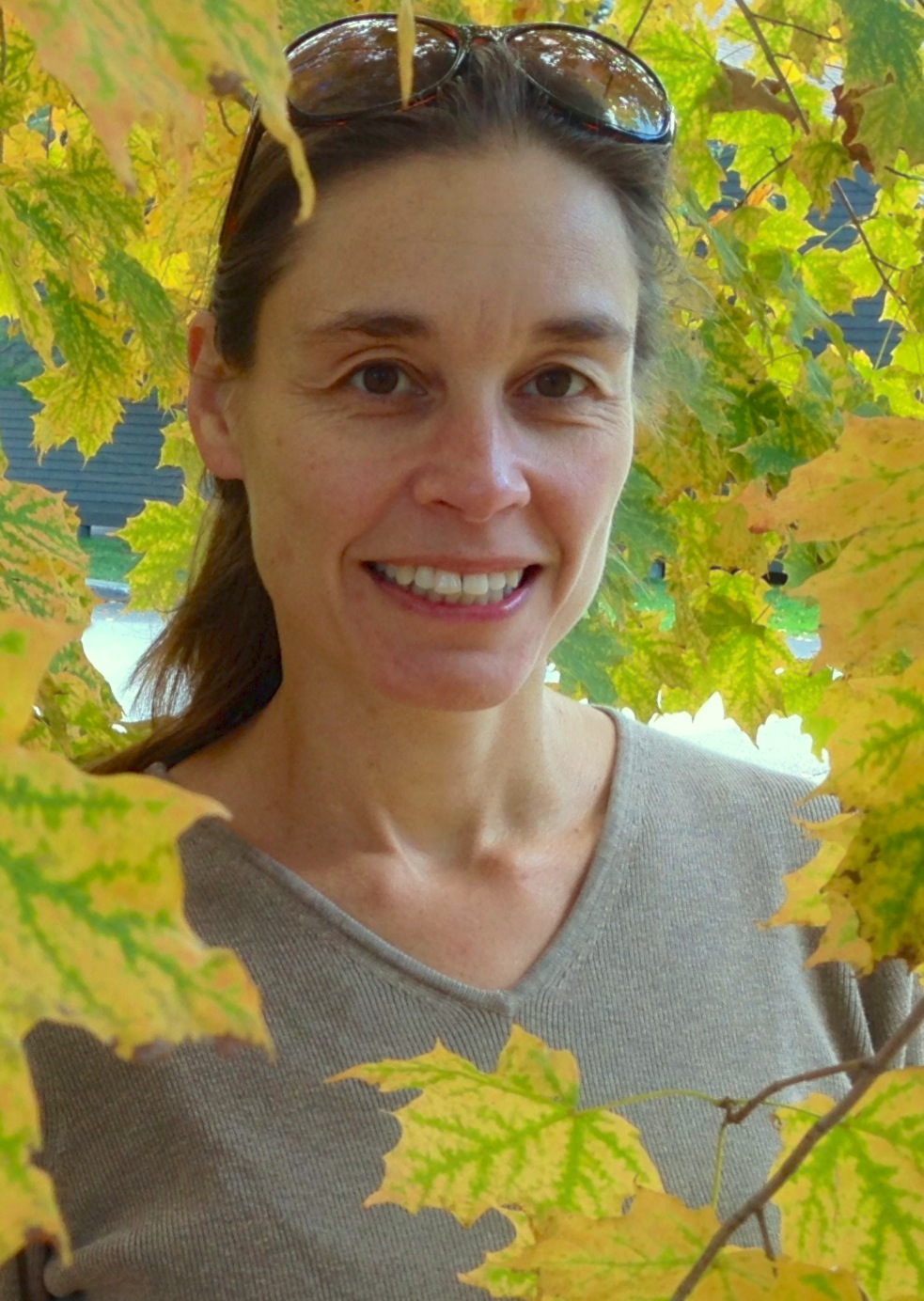
Melissa Cronin leaves

Melissa Cronin

These stages don’t necessarily occur sequentially. Like Elisabeth Kübler-Ross’ stages of grief – denial/isolation, anger, bargaining, depression, acceptance – the stages of forgiveness may overlap, or one may become stuck in a particular stage. For me, I became stuck in one or two and skipped another one or two altogether. It’s also worth noting that the stages of forgiveness may not occur in a defined timeframe.

Stage 1: Understanding of the accident/incident

I dedicated months to reading news articles and investigative reports, parsing out the details of the accident: What Russell Weller was doing in the moments before he sped through the market, his medical history, his driving history, what bystanders witnessed at the scene of the crash. Somehow, I believed by reading those articles I would get to know Russell Weller and, therefore, be able to forgive him, or not. But written words weren’t enough – they seemed static on the page. Even though some articles included his apology – “I’m deeply sorry for any pain that everyone went through” – I could not hear his voice, hear his remorse, anger, or fear. And with all the contradicting statements about Russell Weller’s character and what people saw or didn’t see, I only became more confused. I felt like a pendulum – swaying dizzily between sadness and anger.

Stage 2: Transference of anger

As I read articles about the role the local entities had to play in running the market, any anger I harbored for Russell Weller quickly transferred to city officials who were responsible for ensuring the safety of pedestrians. I wondered why they didn’t have sturdy barriers in place, rather than wooden sawhorses. But, similar to my confusion regarding how to feel about Russell Weller, my feelings and emotions swayed – from judgment to understanding, from contempt to submission.

Stages 3 and 5: Self-pity and Avoidance

I did not become victim to self-pity – perhaps the perpetual warring dialogue in my head thrust self-pity aside. For the same reason, I skipped avoidance.

Stage 4: Awareness of others’ suffering

As I continued my dogged search to find meaning within the chaos, I could not help but be lured into an awareness of others’ suffering.  I imagined the physical and emotional pain the other injured pedestrians endured and the rage and anguish that tore into the families of the deceased. I viewed Russell Weller as injured, too – emotionally, mentally, psychically. I imagined Russell Weller’s grief: plagued by nightmares, isolated behind drawn window shades, sallow from regret.

The judge who presided over Russell Weller’s trial said he “lacked remorse” Because he didn’t cry? Why is it that we have a tendency to forgive others only if they exhibit unequivocal remorse: falling to their knees, drooping, sobbing? But a display, or physical showing, of remorse is not necessarily what matters to those harmed. Of course, a sincere apology does not negate the harm done, but sincerely spoken words of remorse are what matter. The quality of the voice matters: is it harsh, tense, creaky?

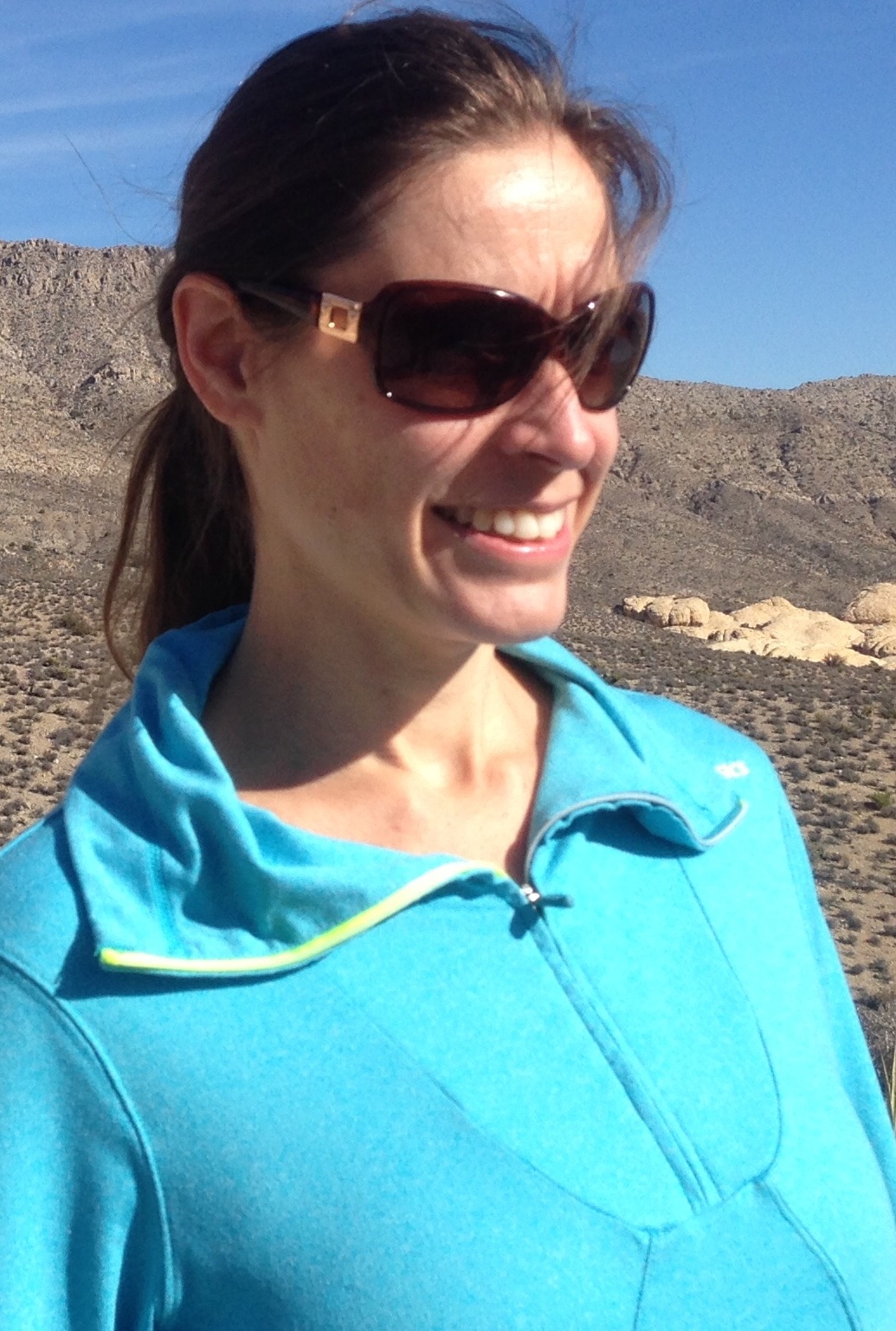
Melissa Cronin desert

Melissa Cronin

In 2011, I finally obtained and viewed a copy of the videotape of Russell Weller speaking with police officers soon after the accident. I slid the video into the CD player, inched close to the television screen, so close I felt as if he and I were together in the same room. Though he did not cry, his full-toned voice quivered as he said, “I’m in trouble with my heart and soul.” His voice then quieted to a whisper, as if he were in church mourning over the dead: “God almighty, those poor, poor people.”

That’s when I forgave Russell Weller. That’s when I surrendered – to Russell Weller’s remorse.

*Stages of forgiveness conceived by Melissa Cronin


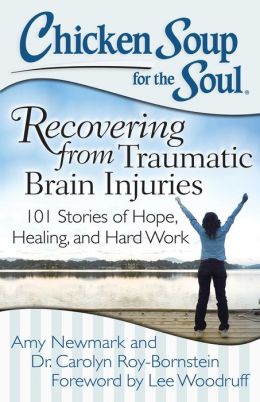
9781611592399_p0_v3_s260x420Melissa is the author of “Invisible Bruise,” published in Chicken Soup for the Soul: Recovering from Traumatic Brain Injuries

forgiveness


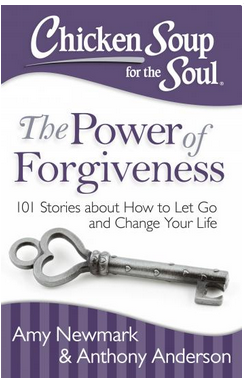
Melissa also penned the essay, “Silencing the Boom,” which is published in Chicken Soup for the Soul: The Power of Forgiveness


To learn more about Melissa, please visit her website/blog at Melissa Cronin.

Thank you, Melissa Cronin.

Disclaimer:
Any views and opinions of the Guest Blogger are purely her own.

(Clip Art compliments of Bing.)

(Photos compliments of Melissa Cronin)

Survivors SPEAK OUT! . . . Doris

Survivors SPEAK OUT! . . . . . Doris

by

Donna O’Donnell Figurski

Doris 1 year after TBI 2007

Doris 1 year after TBI 2007

1. What is your name? (last name optional)

Doris F.

2. Where do you live? (city and/or state and/or country) Email (optional)

Tampa, Florida, USA

3. When did you have your TBI? At what age?

October 31, 2006     Age 46

4. How did your TBI occur?

I was parking my vehicle in the post office parking lot, and I passed out.

5. When did you (or someone) first realize you had a problem?

Post office employees found me unconscious behind the steering wheel.

6. What kind of emergency treatment, if any, did you have?

Doris - 1 day after the craniotomy - 2006

Doris – 1 day after the craniotomy – 2006

Craniotomy; clipping and coiling of a ruptured brain aneurysm

7. Were you in a coma? If so, how long?

Yes. 5 days

8. Did you do rehab? What kind of rehab (i.e., inpatient or outpatient and occupational and/or physical and/or speech and/or other)? How long were you in rehab?

I did not do rehab, but I saw a neuropsychologist after a few months of recovery.

9. What problems or disabilities, if any, resulted from your TBI
(e.g., balance, perception, personality, etc.)?

I am afflicted with anxiety, a severely bad memory, dizziness, and headaches, but I mostly have psychological problems
(e.g., balance, perception, personality, etc.).

10. How has your life changed? Is it better? Is it worse?

It’s worse. I lost my job as a veterinary manager; I lost my home; I lost my husband of 26 years (he wanted a divorce); and I lost many friends. My daughter has turned her back on me and does not associate with me – because, according to her, I am “weird” and “boring.”

11. What do you miss the most from your pre-TBI life?

I miss the ability to be productive and to socialize. I miss feeling healthy and strong.

12. What do you enjoy most in your post-TBI life?

I enjoy my pets – it seems like they understand. I feel close to them. I’ve also learned to play the guitar and sing. It brings me great pleasure and a feeling of accomplishment, especially when I practice a new song and it sounds good. (At least my animals think so! LOL.)

13. What do you like least about your TBI?

I hate what my brain injury has done to my life.

14. Has anything helped you to accept your TBI?

My friend, a neuropsychologist, has helped a great deal. He talked to me twice a week for almost a year. I am also grateful to my two long-time girlfriends. They were there through it all and still love me today.

15. Has your injury affected your home life and relationships and, if so, how?

Basically I lost all the people I thought were closest to me.

16. Has your social life been altered or changed and, if so, how?

I don’t really feel comfortable socializing. I feel like most people are fake.

17. Who is your main caregiver? Do you understand what it takes to be a caregiver?

I’m my own caregiver. Being a caregiver takes a lot of effort and discipline.

18. What are your future plans? What do you expect/hope to be doing ten years from now?

I would like to be married again. I miss a man in my life. I’ve always enjoyed taking care of him, keeping a lovely home, cooking, and having a close relationship.

19. Are you able to provide a helpful hint that may have taken you a long time to learn, but which you wished you had known earlier? If so, please state what it is to potentially help other TBI survivors with your specific kind of TBI.

I wish it would not have taken years for me to accept my TBI and my altered abilities. I wasted a lot of time being angry and depressed.

20. What advice would you offer to other TBI survivors? Do you have any other comments that you would like to add?

My advice to other survivors follows. 1. Take it easy – one step at a time. 2. Don’t disconnect from the world – you are not alone. Find a support group. 3. Do something that you feel passionate about (e.g., helping others, animal activism, crafting, volunteering, performing or visual arts, etc.). 4. Find a fun activity that requires repetition (e.g., learning to play an instrument, knitting, gardening, etc.). This will help in the recovery process and will improve the brain. 5. Be kind to yourself, and be a little selfish. You have survived a major trauma. There is a reason you are still here on this earth. God bless you all!Hope

Thank you, Doris, for taking part in this interview. I hope that your experience will offer some hope, comfort, and inspiration to my readers.

(Disclaimer: The views or opinions in this post are solely that of the interviewee.)

If you would like to be a part of the SPEAK OUT! project, please go to TBI Survivor Interview Questionnaire for a copy of the questions and the release form.

(Photos compliments of Doris.)

(Clip Art compliments of Bing.)

Survivors SPEAK OUT! . . . . . Rainbow Artist, Orlando L. . . . (Kevin Orlando Lau)

SPEAK OUT! – Rainbow Artist, Orlando L.

(Kevin Orlando Lau)

by

Donna O’Donnell Figurski


Rainbow Artist Orlando L. (Kevin Orlando Lau)  Brain Injury Survivor

Rainbow Artist Orlando L. (Kevin Orlando Lau)
Brain Injury Survivor

1. What is your name? (last name optional)

My name is Kevin Orlando Lau.

(I’m also known as the Rainbow Artist, Orlando L., in the art community.)

2. Where do you live? (city and/or state and/or country) Email (optional)

Currently I live in Vancouver, British Columbia, Canada, as a Canadian.

I was born and raised in Hong Kong, China, as a Chinese.

My art website is http://rainbowartistorlando-l.pixels.com

My art page on Facebook is https://www.facebook.com/RainbowArtistOrlando.

3. When did you have your brain injury? At what age?

I had my brain injury back in 1996 when I was age 24. I don’t think my injury is a TBI. I am guessing it is an ABI (acquired brain injury). The doctor at the ICU (intensive care unit) mentioned a medical term to me, but I couldn’t understand it back then, nor do I remember it now. She translated it to me as “partial brain damage.”

4. How did your brain injury occur?

My injury was caused by severe poisoning. I was committing suicide by swallowing a whole jar of an extra-strength painkiller. I wanted to end my hellish life on earth once and for all. I was a heavily abused child – physical, verbal, sexual/molestation, emotional, and psychological. I observed lots of chaos with my relatives, like gang relations, violence, prostitution, excessive gambling, sex addition, and hardcore drug addiction. I had watched my mother’s brother sexually molest my sister and all my female cousins, individually and multiple times. They were only 2-6 years old. I was around 10. I was raped in 1993 by a trusted man twice my age. I attracted a possessive and abusive boyfriend in 1996. He constantly threatened to kill me and my cats if I left him. I worked in the family business of my parents seven days per week, 10+ hours each day, for many months in a row without a break. (All day-off requests were denied.) I was completely stressed out and exhausted!! Death was the only way out….

5. When did you (or someone) first realize you had a problem?

I first realized I had a problem when I started vomiting neon-green liquid non-stop after I had those pills. I vomited at least eighteen times within a 24-hour period. Then when I woke up in the ICU, the doctor told me that I suffered a brain injury. She said she didn’t expect that I would have any memory. She hadn’t expected me to wake up and to be talking to her. She hadn’t expected that I would survive at all, due to the overwhelming amount of poison I had consumed. She explained that 99% of the people who had the same experience as me did not survive and that 99% of the 1% who survived stayed in a coma for the rest of their lives. So, she found it a miracle that I was alive and talking. She said I must have an important mission in life that I have not yet fulfilled – that I was not ready to go.

6. What kind of emergency treatment, if any, did you have?

Kevin Orlando Lau  Brain Injury Survivor Rainbow Artist Orlando L.

Kevin Orlando Lau
Brain Injury Survivor
Rainbow Artist Orlando L.

I honestly have no idea. I think I never asked, and they never told me.

7. Were you in a coma? If so, how long?

I am assuming I wasn’t in a coma. Even if I had been, it must have been a very short one. I never asked, and I don’t recall anyone ever saying that I had been in one. I only remember being brought to the hospital unwillingly. The next thing I remember was waking up in ICU, thinking to myself Is this what heaven looks like? – because I was so sure I would be dead.

8. Did you do rehab? What kind of rehab (i.e., inpatient or outpatient and occupational and/or physical and/or speech and/or other)? How long were you in rehab?

Although the brain doctor at the ICU suggested to me that I see her at least three times per week, I never had the luxury of seeing her again. I also didn’t have any kind of treatment or rehab after I got out of the hospital. I WISH I had had some rehab because it would have made my life so much easier. But, rehab of any kind was forbidden. My family said my injury was a disgrace to them and would create negative publicity for their social status/circle. (My mom was the district president of a major charity organization that same year.) I was strictly instructed to just act “normal” in public. I was not allowed to see any doctors, nor have any treatment or rehab. I was also not allowed to ever talk to anyone about my brain injury because I only had “food poisoning” and nothing more. They put me back to work ten days after I got out of the hospital! All these years, I have dealt with my brain injury by myself – in the dark and with endless confusion. I never talked about it until after my mom retired in 2012. I am planning to seek help now. I just need to figure out how.

9. What problems or disabilities, if any, resulted from your brain injury
(e.g., balance, perception, personality, etc.)?

Oh, there are so many problems…. Here are a few. My personality and self-image changed. (I don’t recognize myself. When I look in the mirror, I might ask, “Is that me?” – as if I am just meeting that person in the reflection for the first time.) I can’t tell the difference between reality or imagination or dreams. Time, space, people, and dates – nothing makes sense. My short-term and long-term memories are affected. I have a huge problem with faces, names, locations, passwords, spellings, and numbers. I have difficulties translating thoughts into verbal words, which are often spoken with a delay. I lost body awareness. I have a low energy level. I am very underweight (5 ft. 10 in. and 110 lbs.). Time always seems to be “missing,” and I have no idea what I do during the “missing” hours. Being late and missing appointments is the norm. Plus, I have other stuff, like depression, a mood disorder, a food disorder, insomnia, allergies of all kinds (from food to smell to chemicals), and many new fears and strange phobias of all types (e.g., fears of small flying objects; of oceans, lakes, and rivers; of doorbells; of telephone rings; etc.)…SIGH!

10. How has your life changed? Is it better? Is it worse?

I guess the answer depends on one’s perspective and point of view. My life is both worse and better!

My life is worse because I feel like I am a stupid, walking zombie – incapable of paying for and supporting my own life. I am forever stuck in my own invisible jail, being misunderstood by society.

My life is better because I got the chance to know my true self so much deeper and to live a brand new life with more kindness and compassion to myself and to others. I can appreciate everything in this universe in a whole new light. I have learned to see good in the bad and to see beauty in everything. I have learned how not to take life and ordinary things for granted. I feel more connected with nature and all lives in creation. Having the time and opportunity to learn who I really am as a soul is truly the greatest gift of my injury. It makes all my life changes worthwhile.

11. What do you miss the most from your pre-brain-injury life?

Actually I miss several things. I miss being self-sufficient and independent. I miss life without debts. I miss the ability to learn new things without forgetting them. (I mean I still can learn, but the knowledge simply won’t stay for long. I can watch the same movie or read the same book or email repeatedly, and the content will still feel new.) I miss the freedom of travelling around without panic and stress. I used to love taking flights and driving cars, but now I don’t enjoy them anymore. I miss tasting the rich flavours of good food too. Nowadays everything tastes like cardboard – kind of boring.

12. What do you enjoy most in your post-brain-injury life?

Artwork by Rainbow Artist Orlando L.

Artwork by Rainbow Artist Orlando L.

Creating art!! I never knew I could paint at all. I suddenly started watercolour-painting in 2012 during a 16-week neurofeedback brain treatment. As a gift, I got a used brush and some watercolours from my therapists. The next thing I know, I just picked up that brush and started painting! It was the first time in my life. Watercolour-painting quickly became a new hobby, and now it’s part of who I am. I have no training in painting at all. I still don’t have any today. I don’t know how I paint my own art because I cannot remember how the paintings were created. I just keep creating them to make myself feel happy. Art became my new life! I enjoyed very much the discovery of this new side of me and of this new artistic experience. It’s a most pleasant surprise!

13. What do you like least about your brain injury?

I dislike seeing me as being slow, indecisive, forgetful, withdrawn, over-sensitive, and super-dependent. I really dislike being so dependent on my loved ones. It’s my heart’s desire to give financial support to them (particularly to my parents and relatives as they get older) and to make sure they all have a good life. But now, I rely and depend on them. I can’t function without them. It makes me feel horrible and useless – as if I am human garbage and a burden forced upon them. It breaks my heart because I am the one who committed the “crime” of turning me into a brain-injured person. Only I should be in “prison,” not them!! It’s not fair.

14. Has anything helped you to accept your brain injury?

Spirituality, meditation, and my cats have helped me to accept my brain injury big time! My cats are my best friends and my life-support. They stayed with me regardless of what condition I had. Their unconditional love, company, and loyalty to me gave me lots of strength, support, comfort, and growth. They taught me to be myself and to accept myself exactly the way I am. Spirituality changed my outlook towards life positively, helped me to realize life has bigger and deeper meanings, and showed me that my injury is only a spiritual learning experience to expand my consciousness. Meditation gave me inner peace, higher knowledge, and the wisdom to accept what happened, instead of victimizing me with guilt, shame, and resentment.

15. Has your injury affected your home life and relationships and, if so, how?

My brain injury changed everything immediately. My life was like living in a painful hell. Everyone took advantage of me. I became easily used, controlled, and manipulated because I lost the ability and the willingness to confront or to fight back. I was like a living puppet, like a slave. People were free to toy with my emotions and to undress me anytime without concern for my feelings. I was lied to all the time because people knew I would accept all information without the ability to judge them. All relationships at all levels fell apart. No one cared about my injury, except me! It took me another twelve years after my injury before I could move out of my parents’ house and to be strong enough to end the abusive relationship with my boyfriend. He had stalked and harassed me for years after our breakup in 2008. I ended up moving to another city in 2012.

16. Has your social life been altered or changed and, if so, how?

Gradually all my friends stayed away from me (literally no more contact) when they realized I was “different,” and I do mean ALL, including my best friends! I suddenly had many social anxieties that I never had before. I became very afraid of human beings – I developed a phobia of mankind. The anxieties made me feel very uncomfortable in public, crowded, or noisy places. Interacting with people face-to-face (including one-on-one, even in private) or on phones gave me intense panic. In fact, seeing people is enough to trigger me. I feel as if I am an alien creature living among the human race and everyone out there is trying to hurt me in some way. I avoid social interactions as much as I can. I stopped trying to fit into the world.

17. Who is your main caregiver? Do you understand what it takes to be a caregiver?

My answer depends on the definition of “caregiver.” If it means financially, like giving me shelter, food, rides, etc., then my “caregiver” is my family and relatives. If it means giving me brain health and assisting me in my life physically, mentally, emotionally, and spiritually, then my “caregiver” is me and my spirit-guides. Ever since my injury, I can clearly get telepathic directions from invisible entities to help me cope with my daily life and activities – much like a 24-hour nurse – which I appreciate very much. No, I don’t fully understand what it takes to be a caregiver because I have no experience in that. I can only imagine that it might be similar to my caring for my cats with lots of unconditional love. I really only know what it means to be a brain-injury survivor.

18. What are your future plans? What do you expect/hope to be doing ten years from now?

I have no future plans really…because I can only handle one day at a time. So, I just do my best to stay in the present moment. I do fantasize that I will have my own art exhibition around the world one day – to share my stories and my art. I would like to teach people what brain-injury survivors can achieve and to let other survivors be proud, be inspired, and get motivated to excel and reach their potential. I guess I wish I could do something to give other survivors hope and fuel their inner fire for continuing on bravely to conquer their battle. I believe ALL survivors are warriors. They are still capable of doing great things for themselves and the world. Survivors are not lesser or weaker – we are simply more unique and special! Survivors are strong souls and great teachers. We understand our strengths and that peace comes from within.

19. Are you able to provide a helpful hint that may have taken you a long time to learn, but which you wished you had known earlier? If so, please state what it is to potentially help other survivors with your specific kind of brain injury.

My advice is to be kind to yourself and to stop comparing the post-injury you to the pre-injury you because you will never be that person again. Release the idea, and let it go. Instead, start loving, accepting, and embracing the “new” you like you have a brand new life in the same body. Relearn your boundaries, abilities, and potential. You are absolutely perfect the way you are now. Be open and receptive to all kinds of alternative non-medical healing-methods because they are excellent tools to help you and your new life. Neurofeedback is the best thing that happened to me. It completely flipped my life upside-down for the better. I am eternally grateful for that. You might want to do your own research on that. Always have faith in yourself and in your capability. Your body’s ability to heal itself is far greater than anyone has permitted you to believe. Your soul always knows what to do to heal itself. The challenge is to silence the mind. Meditation can help with quieting it.

20. What advice would you offer to other brain-injured survivors? Do you have any other comments that you would like to add?

Art has been very healing for me. If you have never tried art or using creativity as a form of home-based therapy, I highly encourage you to try it now! You don’t need to know how or to be good at it. You just need to do it. Let it be a fun game for your inner child to play! The point is to allow yourself to express and release “something” that needs to be out of your system – that needs to set you free! I gained a lot of self-worth, self-esteem, and confidence since I started painting. Nothing is impossible! Miracles happen to those who believe. Faith is the key to a universe full of blessings. You are way STRONGER than you can imagine. That’s why you have this life. Truly FORGIVE yourself for your injury. Blame will not bring you any healing – only unconditional love and inner peace will. Be the biggest supporter of yourself. You deserve it. Love, Light, and Strength to you all.

You can learn more about Kevin at Rainbow Artist Orlando L. You can also see more of Rainbow Artist Orlando l.’s work and an article by him in “Disabled Magazine,” titled, “Peace, Love, and Neurofeedback.”

Kevin Orland Lau Rainbow Artist

Kevin Orland Lau Rainbow Artist 2013 after Brain Injury

Thank you, Kevin, for taking part in this interview. I know that it was a painful journey for you as you examined and faced the wounds of your brain injury. I am grateful to you for your courage and hopeful that by sharing your story you will be offering hope, comfort, and inspiration to my readers.

(Disclaimer: The views or opinions in this post are solely that of the interviewee.)

If you would like to be a part of the SPEAK OUT! project, please go to TBI Survivor Interview Questionnaire for a copy of the questions and the release form.

(Photos compliments of Kevin.)

SPEAK OUT! Itty-Bitty GIANT Steps

SPEAK OUT! Itty-Bitty GIANT Steps

Itty-Bitty GIant Steps for Blog


SPEAK OUT! Itty-Bitty Giant Steps will provide a venue for brain-injury survivors and caregivers to shout out their accomplishments of the week.

If you have an Itty-Bitty Giant Step and you would like to share it, just send an email to me at donnaodonnellfigurski@gmail.com.

If you are on Facebook, you can simply send a Private Message to me. It need only be a sentence or two. I’ll gather the accomplishments and post them with your name on my blog approximately once a week. (If you do not want your last name to be posted, please tell me in your email or Private Message.)

I hope we have millions of Itty-Bitty Giant Steps.


Here are this week’s Itty-Bitty Giant Steps.

Sara Catherine Birch (caregiver)…An Itty-Bitty Giant Step this week – hubby is going back to his old job on Thursday. He will try a short shift to see if he could build up his hours slowly and get back his deputy title. Fingers crossed. His boss is keeping his hours low for the first couple of weeks so that his schedule won’t affect our benefits and he won’t have to worry about money.

Sara Catherine Birch (caregiver)…I’m very proud of hubby. I came home from work yesterday to find out how hubby’s looking after both kids (for the first time) went. As I walked in the door, I could hear the washing machine going. He had gotten both kids to bed, emptied and refilled the dishwasher, emptied the tumble-dryer, and put a wash on. Yeah, he definitely deserved the Domino’s pizza I was carrying.

Michelle Lee Bonnenfant (survivor)…Today I went to Walmart with my daughter and husband, despite the setbacks caused by my PTSD (post-traumatic stress disorder). I only panicked once! I got separated and forgot where I was in the store. Thank god, I had my cell phone! Small step, but I’m trying. Any store is bad for me. I can’t believe that I did a big, busy store! Needless to say, I’m exhausted and have a pounding headache. No pain, no gain!

Sidney Chronister (survivor)…I’m feeling super PROUD of myself. Today has been the first time ever (since my TBI four years ago) that I managed to cook all by myself. I even read a recipe all by myself (LOL)! I’m progressing very slowly. Let’s just hope I can do the same thing tomorrow – or in a week. Let’s pray for that. Thank you all once again for all the ENCOURAGING words you give me DAILY (especially in the days of bad weather). May God give us all more strength (He knows we have it), more patience (we NEED IT), and less crazy anger-outbursts. God bless you all, and have a blessed New Year’s. Happy 2015!!!

Ellie K. Payton (caregiver)…Today Claus Nowell, my 20-year-old, 10-months-post son, took his first steps in a walking frame. There were nurses and therapists “acheerin’.”

This is a huge Itty-Bitty Giant Step – one I’ve been waiting for with so much hope.

YOU did it!

Congratulations to all contributors!

(Clip Art compliments of Bing.)

TBI Tales . . . . It’s OK to Say “OK”

It’s OK to Say “OK”

by

Barbara Wilson Asby

(presented by Donna O’Donnell Figurski)

Barbara Wilson Asby - TBI Survivor

Barbara Wilson Asby – TBI Survivor

For the first time in over five years, I finally broke down and reached out to my husband for help today when I was having a seizure.

Why in the world do we have to be so darn strong all of the time?? For those who don’t really know me, I am going through a change right now – my seizures have gotten worse for the past few weeks or so. Today was no different. I don’t know if it was caused by the traveling, the holidays, or the stress of the Redskins versus the Cowboys game (LMAO), but I started having the seizure just after noon.

I began watching the game and started feeling worse – no, not Redskinsdue to the game (LOL). “We” (the ‘skins, that is – LOL) were looking pretty good at this point. I started going downhill quickly, and hubby watched this. He kept asking what to do. There really isn’t anything a spouse can do. I am the type that likes to be alone when these things are happening.

Then I started to feel like I was going to faint. I personally think there is no worse feeling than when your body puts you through this, especially when the feeling stays right there – not making up its mind what to do. I call it a “brown out.” For 30 minutes or so, I fought the brown out.

David Asby - husband of Barbara Wilson Asby

David Asby – husband of Barbara Wilson Asby

Then I looked at my husband and said, “Now don’t freak out, but I am going to faint. Don’t freak out, OK?”

He came over to me and said, “OK. Baby, is there anything I can do?” OMG, how nice it felt for him to be there with me.

I said, “No. Just don’t freak out! OK? Just don’t freak out!”

Meanwhile, I was the one freaking out because he was there. I normally handle things so much better when no one is around (LOL). Then I just gave in and had my hubby hold me. I was so wiped out – too tired even to cry. He put his arms around me and said, “Breathe, Baby. I am here. Just breathe – calm down.”

So for once, I did breathe. Dang it! Why do people with a TBI have to be so STRONG!!!!!

(Disclaimer: The views or opinions in this post are solely that of the author.)

If you have a story to share and would like to be a part of the SPEAK OUT! project, please submit your TBI Tale to me at donnaodonnellfigurski@gmail.com. I will publish as many stories as I can.

(Clip Art compliments of Bing.)

As I say after each post:

Please leave a comment by clicking the blue words “Leave a Comment” below this post.anim0014-1_e0-1

Please follow my blog. Click on “Follow” on the top right sidebar. (It’s nice to know there are readers out there.)

If you like my blog, share it with your friends. It’s easy! Click the “Share” buttons below.

If you don’t like my blog, “Share” it with your enemies. I don’t care!

Feel free to “Like” my post.

On the Air: Brain Injury Radio Another Fork in the Road . . . . . . Allan Bateman – Preventive & Rehabilitative Therapist

On the Air: Brain Injury Radio Interview –

Another Fork in the Road

with

Allan Bateman – Preventive and Rehabilitative Therapist

images-1Therapy should be gentle. That is what Preventive and Rehabilitative Therapist, Allan Bateman, touts. He does not buy into the “No pain! No gain!” train of thought. He also believes that therapy is not one-size-fits-all. When he meets with a client, he searches for methods that will best help his client, and those methods

Allan Bateman - Preventive & Rehabilitative Therapist

Allan Bateman – Preventive & Rehabilitative Therapist

are ever-changing as the needs of the client change. Allan incorporates a lot of Eastern philosophy into his therapy like Qigong and martial arts. He uses their gentle movements to retrain the muscles to accomplish his goals.

Allan Bateman, PRT, was my husband, David’s, therapist for nearly seven years.

Allan Bateman & TBI Survivor, David Figurski - sometimes Allan even came to our home

Allan Bateman & TBI Survivor, David Figurski

Thank you, Allan, for sharing your knowledge and expertise with me and my listeners on “Another Fork in the Road” on the Brain Injury Radio Network.

Click the link below to listen to New York City-based Allan Bateman discuss how he approaches therapy with his clients.

See you “On the Air!”

Allan Bateman – Preventive Rehabilitative Therapist

Click here for a list of all “Another Fork in the Road” shows on the Brain Injury Radio Network.

“Another Fork in the Road” . . . Brain Injury Radio Network . . . Allan Bateman: Preventive and Rehabilitative Therapist

YOU ARE INVITED!

putthis_on_calendar_clip_art

If you have a TBI (Traumatic Brain Injury) it’s most likely you will enter the world of therapy. Sometimes it is only for a few months. Sometimes it lasts for years. Therapies can include Physical Therapy, Occupational Therapy, Activities of Daily Living, Speech Therapy, and Cognitive

Allan Bateman - Preventive & Rehabilitative Therapist

Allan Bateman – Preventive & Rehabilitative Therapist

Therapy to name a few. Because of the duration and intimacy of therapies, often survivors develop strong relationships with their therapists. That’s what happened when Preventive and Rehabilitative Therapist, Allan Bateman entered my husband’s (and my life). Allan sees his client as a whole person and individualizes each client’s therapy to fit his or her needs. Allan will share his ideas with my listeners.


               Come One! Come ALL!

What:        Interview with New York City, Preventive and Rehabilitative Therapist, Allan Bateman

Why:        Allan will discuss his progressive ways of therapy.

Where:     Brain Injury Radio Network

When:       Sunday, January 4th, 2015

Time:         5:00p PT (6:00p MT, 7:00p CT, and 8:00p ET) 90 minute show

How:         Click: Brain Injury Radio Network

Call In:    424-243-9540

Call In:     855-473-3711 toll free in USA

Call In:    202-559-7907 free outside US

or SKYPE

Allan Bateman & TBI Survivor, David Figurski - sometimes Allan even came to our home

Allan Bateman & TBI Survivor, David Figurski – sometimes Allan even came to our home


If you miss the show, but would like to still hear the interview, you can access the archive on On Demand listening. The archived show will be available after the show both on the Brain Injury Radio Network site and on my blog in “On the Air.”

(Clip Art compliments of Bing.)

(Photos compliments of Allan Bateman.)

Survivors SPEAK OUT! . . . . . Tracy Johnson

SPEAK OUT! – Tracy Johnson

by

Donna O’Donnell Figurski

Tracy Johnson Pre-TBI

Tracy Johnson
Pre-TBI

1. What is your name? (last name optional)

Tracy Johnson

2. Where do you live? (city and/or state and/or country) Email (optional)

Hogansville, Georgia, USA    lacigurl1@gmail.com

3. When did you have your TBI? At what age?

November 18, 1990    Age 20

4. How did your TBI occur?

Motor vehicle accident

5. When did you (or someone) first realize you had a problem?

It was noticed that I had a problem as I was slowly coming out of my coma. From then on, it was noticed daily.

6. What kind of emergency treatment, if any, did you have?

I was life-flighted to the trauma center at Georgia Baptist Medical Hospital, which is now Atlanta Medical Center. The life-flight EMTs (emergency medical technicians) performed a tracheostomy. As they arrived, I was hanging outside the driver’s door having seizures, with lots of blood coming out of my mouth due to a busted spleen and a lacerated liver. At the trauma center, I received 37 pints of blood. Mom stopped asking about me after this because the situation looked grim. I even had docs (twelve of them) telling my mom there was nothing else they could do. They even made her sign some documents to this effect. On top of all the blood loss and trauma, I developed a bleeding stomach ulcer and required a PPI drip (proton-pump inhibitor). I had severely bruised my heart. My brain swelled to where my ears were set two inches deep within the swelling. The steering wheel had broken and jammed my front teeth up into my gums. My top teeth bit through my lower gums, so stitches were required. I had emergency surgery to my legs. I had broken my left hip. Three screws were required. (It healed, but at 23, I had to have a left hip replacement due to the dying of the blood vessel to the femur head.) My left femur was repaired (a rod was put in). It had also ripped through the skin. I had a left pelvic fracture. My left knee was broken in three places and required three screws. My left tibia and fibula were broken, but they’re okay now. My right knee was broken in four places. It was thought it may have been crushed, but an Emory specialist was able to save it. However, right knee arthroscopy a year ago yielded no good results, so I’m waiting for right knee replacement.

7. Were you in a coma? If so, how long?

Yes. I was in a coma for five and a half weeks. I was on a breathing machine for four weeks. My heart stopped at the scene of the accident due to all the trauma my body was already in, but drugs were used to restart it.

8. Did you do rehab? What kind of rehab (i.e., inpatient or outpatient and occupational and/or physical and/or speech and/or other)? How long were you in rehab?

I had rehab as an outpatient because my mother refused to let me go and stay at the Shepherd Center in Atlanta. I can’t remember how long I was at Georgia Baptist’s physical therapy. I know my mother was busy working at the time. This rehabilitation was for my multiple lower broken extremities, pelvis, and left hip. Nobody cared about the injury to my brain, except for me. And, I have just found my fellow sister and brother survivors via the Brain Injury Network. Praise God! 😉

Tracy Johnson - TBI Survivor

Tracy Johnson – TBI Survivor

9. What problems or disabilities, if any, resulted from your TBI
(e.g., balance, perception, personality, etc.)?

I had a problem with all my memory at first, but the doctors said I would remember as my life took place. I had just given birth to my one and only child not even a month before my accident, and I know he belonged to me because this is what my family told me. Today he is 24, and I am 43. Our relationship has always been as “best friends” since my accident. My family often spoke of my deficits and of my inability to raise a child. My memory has greatly improved over the years. I repeated myself continuously, and I still do to this day. My emotions are all out of whack – I feel too happy, too sad, or too mad. I’ve been told by physicians that I am called a cycling bipolar manic depressive. But, I never knew a day of depression until I started being prescribed drugs. My anger goes to extremes. I guess it has something to do with growing up with a violent, alcoholic father and two brothers older than I. Hence, it was suggested that I was suffering from being left behind and of being deprived of parental love. My dad chased us around with shotguns. He beat my mom and brothers. He would point and shoot guns all the time. Oh yeah, I would be noticed and would be told to run and hide. My dad was always damaging things, causing me to have PTSD (post-traumatic stress disorder) along with the PTSD I already had from the auto accident. I also have PTSD from a carjacking and kidnapping/rape back in 2005, due to my being too trusting. Now it leads me not to trust anyone and to be very suspicious. I walk with a limp, due to one hip replacement and worn out right knee. I’m beginning to be aphasic in speech and can’t deliver my thoughts into the proper wording.

10. How has your life changed? Is it better? Is it worse?

I feel my life is better because I was very judgmental. Having this injury occur and being out of this world for that length of time made me realize that the world keeps spinning around and people go on with their lives whether you’re here or not. Jeez, I was naïve. I now know that one’s life and recovery is what that person makes of it – NO ONE else. After the accident, I was, by the grace of God, very compassionate, nonjudgmental, and indeed touched by an Angel.

11. What do you miss the most from your pre-TBI life?

I miss the ability to think cognitively. I miss my memory. I only remember bits and pieces from my early childhood and preteen years. I don’t have much memory of my high school years – I guess because those memories were made so close to my coma days. (I was in high school from ages 16 to 19.) I guess as I’m thinking this through now, my traumatic dysfunctional childhood explains my issues with anger.

12. What do you enjoy most in your post-TBI life?

I like having the ability of not staying angry at someone for long, having the ability to forgive easily, and being able to experience things (always) as though they are the first experiences. Some of the learned knowledge of first experiences can lead to better outcomes, like relationships.

13. What do you like least about your TBI?

I can no longer think cognitively or remember as I did before. Oh, and almost all people have trouble relating. For example, people sometimes say I am making up my injury and symptoms, or I use it as an excuse.

14. Has anything helped you to accept your TBI?

I have been helped by my belief that Jesus Christ died on the cross for me. That is the gift of Grace from my heavenly Father above.

15. Has your injury affected your home life and relationships and, if so, how?

Yes, oh yes! It has caused distrust, dishonesty, and fighting. It has broken some of my most meaningful, close family relations to where I know they still love me, but they feel they have to love me from a distance.

16. Has your social life been altered or changed and, if so, how?

I had friends, but they could not cope with such a tragic event happening so close to them, so they are not around anymore. I try to isolate myself now because I am rather paranoid of people and their motives.

17. Who is your main caregiver? Do you understand what it takes to be a caregiver?

My caregiver is my fiancé. I have been engaged for 7 years. Please don’t laugh – I just find it hard to trust anyone after being hurt by people time and time again, including my own mother. I know what is entailed in being the caregiver of someone with Alzheimer’s, as I, just this week, have made arrangements for my dad to go to a nursing home. I cared and assisted him for three years.

18. What are your future plans? What do you expect/hope to be doing ten years from now?

I stopped chemical prescription drug therapy, except for 1200 mg of a medicine for mental seizures until I can become part of protein therapy at Emory University Hospital in Atlanta, 53 miles from where I live. I would like to help others. I want to devote my time to helping motivate others by decreasing the negativity in their lives, even if it is just one person. I want to find a way to counsel young folks. I want to transform their lives if their parents feel they are too busy with work or if their parents just didn’t have anyone in their lives to show or explain to them.

19. Are you able to provide a helpful hint that may have taken you a long time to learn, but which you wished you had known earlier? If so, please state what it is to potentially help other TBI survivors with your specific kind of TBI.

To control my emotions, I had to learn, study, and meditate on the Word of God. In doing so, I realized there are no set rules for being a child of God or to be loved by God. We all walk different paths with different hurdles, and all sins are different because of such. Therefore, our Father in Heaven does not judge each of us to the same measure or degree. We are CHILDREN of God, and we are learning each and every day. So, unlike the legal system, we shall not be punished for NOT knowing something.

20. What advice would you offer to other TBI survivors? Do you have any other comments that you would like to add?

Be your own unique, strong self – the one who made you a survivor. Do not be too hard on yourself. Take each step in stride knowing Jesus walks right there beside you. Know that family and friends do not intentionally mean to shift blame by calling you names or cutting you down – it’s just their way, however, of dealing with an injury of such scope and magnitude to their loved one. Learn to laugh it off, and if you can’t laugh it off, well then, smile it off. Humor and inner peace are always the best medicine. Sorry, docs. 🙂

Tracy Johnson, Tbi-Survivor

Tracy Johnson, Tbi-Survivor


Thank you, Tracy, for taking part in this interview. I hope that your experience will offer some hope, comfort, and inspiration to my readers.

(Disclaimer: The views or opinions in this post are solely that of the interviewee.)

If you would like to be a part of the SPEAK OUT! project, please go to TBI Survivor Interview Questionnaire for a copy of the questions and the release form.

(Clip Art compliments of Tracy.)

diemodi jewelry

uniquely hand-crafted jewelry by donna

Welcome to Harmony Kent Online

The home of all things books

Pete Springer

Passionate Teacher and Future Children's Author

HOPE TBI

Helping Other People Excel - To Be Independent

For the Love of Books, Old and New

Katie Fischer, Writer and Reader of Stories

Charlie Bown

Children's Author

Jessica Hinrichs

“We write to taste life twice, in the moment and in retrospect.” ― Anais Nin

VIVIAN KIRKFIELD - Writer for Children

Picture Books Help Kids Soar

Mindy’s Writing Wonderland

For authors, parents, teachers & everyone who loves children’s books.

Kaitlyn Leann Sanchez

Literary Agent

Surviving Traumatic Brain Injury

TBI - Survivors, Caregivers, Family, and Friends

The Care Factor

Loving someone with a Traumatic Brain Injury

Brain Injury Support Group of Duluth-Extension

Brain Injury Information and SUPPORT

Brain Aneurysm Global Insight

Brain Aneurysm, cerebral hemorrhaging, hemorrhage stroke