TBI – Survivors, Caregivers, Family, and Friends

Archive for September, 2014

SPEAK OUT! . . . . . . . . . . . . . . . Itty-Bitty GIANT Steps

SPEAK OUT! Itty-Bitty GIANT Steps

Itty-Bitty GIant Steps for Blog

SPEAK OUT! Itty-Bitty Giant Steps will provide a venue for brain-injury survivors and caregivers to shout out their accomplishments of the week.

If you have an Itty-Bitty Giant Step and you would like to share it, just send an email to me at donnaodonnellfigurski@gmail.com. If you are on Facebook, you can simply send a Private Message to me. It need only be a sentence or two. I’ll gather the accomplishments and post them with your name on my blog approximately once a week. (If you do not want your last name to be posted, please tell me in your email or Private Message.)

I hope we have millions of Itty-Bitty Giant Steps.


Here are this week’s Itty-Bitty Giant Steps.

Tim Short…After four years, I started back in physical therapy to work on my balance. My condition was from a 42-foot fall from a roof on October 24, 2009. The fall led to a two-month coma, a shattered left wrist, a broken pelvis, and vision problems. I had two eye operations on my optical nerves to change a 45-degree world to one that was almost normal. After 4 ½ years, I was able to drive again. Now I volunteer at Mercy Hospital and get to help the TBI/MS/stroke people at the start of their journey. And the best part of my own long journey is now knowing Jesus is my personal savior. When I came off that roof, I knew him by words only. Now he lives in me. Though I often fail daily…I strive to do things that are pleasing to him.

DemItra Manna Dema…I can lose my temper without going into a full-blown seizure within two days or feeling a very serious migraine coming on. I still do have migraines, but they’re not as severe.

Cheri Hicks…My Itty-Bitty Giant Step is that every time I go to therapy night, I take the stairs up instead of taking the elevator. (I take the elevator to go down when I leave.) I figured it’s good practice and a good feeling of accomplishment.

Carmen Gaarder Kumm…I am visiting my parents, who live 10 hours from my house, for the second time this month. So far, I haven’t had any meltdowns. That’s my Itty-Bitty Giant Step.

Melinda Murphy…Okay, so for the very first time, I did all my own coupons and my grocery list without my wonderful mentor. I still managed to save 45%. I’m no Mandy yet, but I’m getting there. Love that my therapist is working with me to help me learn grocery shopping and meal planning and just being a huge blessing in this area. I love learning how to accomplish things on my own again and how to do them right. I love taking that load off of those who have become my caregivers as much as possible. (Love you, Manders!) And I love saving money. Win, win, win!

YOU did it!

Congratulations to all contributors!

(Clip Art compliments of Bing.)

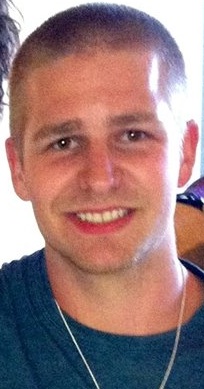
Survivors SPEAK OUT! Kyle Reynolds

SPEAK OUT! – Kyle Reynolds

by

Donna O’Donnell Figurski


Reynolds, Kyle car1. What is your name? (last name optional)

Kyle Reynolds

2. Where do you live? (city and/or state and/or country) Email (optional)

Minneapolis, Minnesota, USA

3. When did you have your TBI? At what age?

I suffered a stroke on January 21, 2003. I was 17 years old.

4. How did your TBI occur?

My stroke occurred during a varsity basketball game. (You can watch my stroke occur on my blog, FightStroke.com.)

5. When did you (or someone) first realize you had a problem?

They realized it almost immediately – while I was on the court. A teammate’s parent recognized the early signs of stroke by the facial droop cue.

6. What kind of emergency treatment, if any, did you have?

I was rushed to the Emergency Room, and tPA (tissue plasminogen activator) was introduced directly into an artery, a cutting-edge procedure.

7. Were you in a coma? If so, how long?

I was never in a coma, but I remained in the hospital for many weeks.

8. Did you do rehab? What kind of rehab (i.e., inpatient or outpatient and occupational and/or physical and/or speech and/or other)?
How long were you in rehab?

I began inpatient rehab within 48 hours of my stroke. My rehab consisted of occupational therapy, physical therapy, and speech therapy. Because of my age and being an athlete in top physical condition, I was fortunate to be able to bounce back relatively quickly. Physically, I progressed pretty well. My first steps were within a few days, but I have always struggled with occupational therapy, particularly with the use of my left hand, wrist, and fingers. Also, because of my age, I had to make a trade-off between focusing on my physical rehabilitation and focusing on my cognitive rehabilitation. After I lost all hope of still receiving a Division I college basketball scholarship, I neglected most parts of my physical rehabilitation and became depressed. Many of my friends and teammates went on to play Division I college basketball, and some went to the NBA (National Basketball Association), including my high school teammate and friend, Kris Humphries.

9. What problems or disabilities, if any, resulted from your TBI
(e.g., balance, perception, personality, etc.)?

Many things changed as a result of the stroke. First, my left side was completely paralyzed. Therefore, I had to learn to do everything all over again. This included learning how to smile again so that my lips appeared symmetrical, learning how to walk again, learning how to enunciate certain vowels and consonants, and learning how to put on my clothes and tie my shoes. Unlike the case for many stroke survivors, these tasks were relatively easy compared to other domains. One of the largest initial challenges that many brain injury patients complain about is the factor of fatigue. I was constantly tired. I could have maybe an hour of stimulation – tops – before needing a nap. Eventually I learned to push the limits of my fatigue. But the next challenges were impulsivity and trouble with attention. Needless to say, I struggled cognitively. I had problems with memory, planning, executive functioning, and left-sided neglect. For these reasons, I could not drive at that time.

10. How has your life changed? Is it better? Is it worse?

I think most people who have had a near-death experience try to find a reason for it. In my case, I have become a much happier person. Before, I was very narcissistic and self-centered. I was only concerned with my own goals. Having that taken away forces one to reevaluate Life from a different perspective. This calamity has forced me to look outside myself and hopefully be an inspiration to other people.

11. What do you miss the most from your pre-TBI life?Reynolds, Kyle Magazine Cover

What I missed the most about my life prior to my TBI was the ability to play basketball. I was just about to receive a Division I scholarship. Had the TBI not occurred, I would be playing professional basketball in Europe. Since my stroke in 2003, nothing has been able to replace the pleasure I once received from playing basketball.

12. What do you enjoy most in your post-TBI life?

The greatest satisfaction I have received since my stroke was the day I graduated from college. I guess you could say I take pleasure in proving people wrong. The doctors said I would never be able to function at that high of a level. Socially, I was impulsive and had a hard time processing social cues, but eventually I adapted.

13. What do you like least about your TBI?

There isn’t one thing that I like least about having a TBI. It all sucks – from the cognitive problems to the physical and emotional ones. There’s no way around it – having a TBI sucks, but we all try to make the best of it.

14. Has anything helped you to accept your TBI?

The biggest factor that has helped my personal situation with my TBI was the fact that I was young (17) when it happened. I don’t believe I will ever accept the TBI because they never knew why my carotid artery tore. I was healthy and didn’t deserve it. However, time heals all wounds. I was lucky to have some very amazing people in my life. They helped me get through some tough times.

15. Has your injury affected your home life and relationships and, if so, how?

Socially, I was impulsive and had a hard time processing social cues, but eventually I adapted. At the time of my injury, I was 17, and all my friends were planning for college. My neurologists said that college wasn’t a feasible goal for someone with such significant brain damage. Thus, I became depressed and socially withdrawn.

16. Has your social life been altered or changed and, if so, how?

See question 15 for response.

17. Who is your main caregiver? Do you understand what it takes to be a caregiver?

I never had one. I had to learn to figure things out on my own.

18. What are your future plans? What do you expect/hope to be doing ten years from now?

I want to inspire others who have had a stroke or TBI to push the limits of their recovery. I want to raise awareness for stroke and TBI so more dollars will be allocated towards studies that facilitate recovery.

19. Are you able to provide a helpful hint that may have taken you a long time to learn, but which you wished you had known earlier? If so, please state what it is to potentially help other TBI survivors with your specific kind of TBI.

I would say don’t trust the doctors. You ultimately decide your own fate.

20. What advice would you offer to other TBI survivors? Do you have any other comments that you would like to add?

The advice I would give to my fellow TBI survivors would be to try to find a balance between continuing your rehabilitation to improve the quality of your life and finding acceptance with your limitations. It is a fine line to walk, and your feelings may change daily.


Reynolds, KyleThank you, Kyle, for taking part in this interview. I hope that your experience will offer some hope, comfort, and inspiration to my readers.

(Disclaimer: The views or opinions in this post are solely that of the interviewee.)

(Photos compliments of Kyle.)

If you would like to be a part of the SPEAK OUT! project, please go to TBI Survivor Interview Questionnaire for a copy of the questions and the release form.

Caregivers SPEAK OUT! . . . Charline

SPEAK OUT! – Charline

by

Donna O’Donnell Figurski


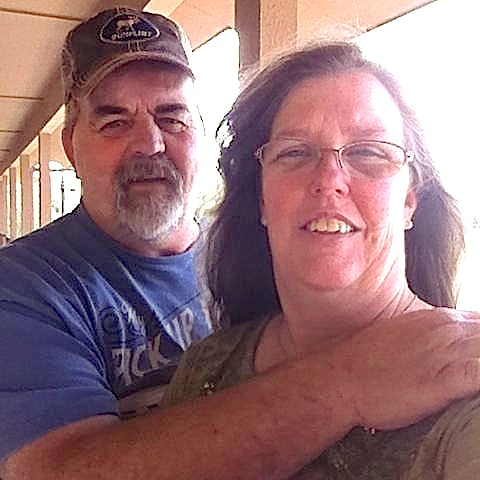
Charline

Charline & Rick April 2012


1. What is your name? (last name optional)

Charline

2. Where do you live? (city and/or state and/or country)     Email? (optional)

Abilene, Texas, USA

3. What is the TBI survivor’s relationship to you?

He (Rick) is my husband.

How old was the survivor when he/she had the TBI?

52

What caused your survivor’s TBI?

The TBI was caused by an aneurysm that started to hemorrhage. Two days after the surgery to repair the aneurysm, he had a major stroke.

4. On what date did you begin care for your TBI survivor?

September 2013

Were you the main caregiver?

No

Are you now?

Yes

How old were you when you began care?

49

5. Were you caring for anyone else at that time (e.g., children, parents, etc.)?

No

6. Were you employed at the time of your survivor’s TBI?

Yes

If so, were you able to continue working?

No. My husband and I were snowbirds at the time of the TBI. We worked on the Gunflint Trail in Minnesota during the summer and at an antique store in Texas during the winter. Rick is a Minnesota native, and I am a Texan. He was flown to Minneapolis, so I was not able to continue my summer job. We came back to Texas in June 2014.

7. Did you have any help?

Yes

If so, what kind and for how long?

My two daughters and their families live here and are able to come and relieve me for a few hours a week.

8. When did your support of the survivor begin (e.g., immediately – in hospital, when the survivor returned home, etc.)?

Immediately

9. Was your survivor in a coma?

Yes. Rick was in a medically induced coma.

If so, what did you do at that time?

I spent every day in the Intensive Care Unit talking and reading to Rick. He had family that came daily to visit as well.

10. Did your survivor have rehab?

Yes

If so, what kind of rehab (i.e., inpatient and/or outpatient and occupational, physical, speech, and/or other)?

Rick was in a nursing home between the hospital and rehab. He had to relearn everything. He had physical therapy, occupational therapy, and speech therapy when he was moved to the rehab facility.

How long was the rehab?

3 months

Where were you when this was happening?

I attended most of every therapy session and doctor visits. Rick responded better to me than to anyone else.

11. What problems or disabilities of your TBI survivor required your care, if any?

His memory was severely damaged. He can never be left alone. He is also incontinent. (I have him on a bathroom schedule. If I ask him if he needs to go, he always says no; but if I tell him it’s time to go, he does.) His appetite is great.

12. How has your life changed since you became a caregiver? Is it better? Is it worse?

I can’t say that my life is better or worse. I can say that it’s different.

13. What do you miss the most from pre-TBI life?

I miss the freedom to be able to just “go.” My husband and I were very active. We hiked, canoed, fished, shopped, and worked. I miss my jobs and the people I worked with.

14. What do you enjoy most in post-TBI life?

I enjoy the brief moments of lucidity.

15. What do you like least about TBI?

The lack of “me time.” I hit the floor running every day – taking care of his needs and taking care of all the household duties.

16. Has anything helped you to accept your survivor’s TBI?

I am still learning how to accept my new life.

17. Has your survivor’s injury affected your home life and relationships and, if so, how?

Yes. I sometimes feel like a prisoner. I can’t just go shopping for groceries anymore. If I take him with me, he gets distracted and puts everything in the basket or tries to eat it before buying. I usually have to get one of my kids to come and sit with him so I can do any errands.

18. Has your social life been altered or changed and, if so, how?

Yes. I don’t have a social life anymore.

19. What are your plans? What do you expect/hope to be doing ten years from now?

I hope and pray that in ten years we will be a little more active.

20. What advice would you offer other TBI survivor caregivers? Do you have any other comments that you would like to add? 

Charline image

Charline & Rick July 2014

My advice is to stay strong. Take time to care for yourself.


Thank you, Charline, for taking part in this interview. I hope that your experience will offer some hope, comfort, and inspiration to my readers.

If you would like to be a part of this project, please go to TBI Caregiver Interview Questionnaire for a copy of the questions and the release form.

(Photo compliments of Charline.)

Disclaimer: The views or opinions in this post are solely that of the interviewee.

Survivors SPEAK OUT! Joey Buchanan

SPEAK OUT! – Joey Buchanan

by

Donna O’Donnell Figurski


Buchanan, Joey Injuries1. What is your name? (last name optional)

Joey Buchanan

2. Where do you live? (city and/or state and/or country) Email (optional)

Flovilla, Georgia, USA     Dekalbfd19@yahoo.com

3. When did you have your TBI? At what age?

Date of accident – July 18, 2012     Age at the time – 46

4. How did your TBI occur?

We were overhauling at a house fire (which means searching for hidden fire). I was standing against a wall, when a full sheet of sheetrock (4 ft. x 8 ft.) fell from a vaulted ceiling, striking me on top of the head.

5. When did you (or someone) first realize you had a problem?

Immediately. I was told that I fell into the wall, then onto the floor. I was asked twice if I was okay.  I don’t remember any of that.  It broke and cut my nose, and I could feel the blood running down my face.

6. What kind of emergency treatment, if any, did you have?

Nothing major – just a routine X-ray and a cat (CT) scan

7. Were you in a coma? If so, how long?

No

8. Did you do rehab? What kind of rehab (i.e., inpatient or outpatient and occupational and/or physical and/or speech and/or other)?
How long were you in rehab?

Yes – cognitive therapy, emotional therapy, physical therapy, and vestibular therapy.  I am waiting on a driving exam and endocrinology testing.  I am currently in therapy.

9. What problems or disabilities, if any, resulted from your TBI
(e.g., balance, perception, personality, etc.)?

I have difficulties with balance, decision-making, and reading and comprehension. I’m more emotional (crying and anxiety). I have headaches, dizziness, and tinnitus. My sorting skills and my ability to multitask (very important for a firefighter) have been affected. I experience depression, fatigue, and pains in my neck, hands, and feet. My motivation is a problem.

10. How has your life changed? Is it better? Is it worse?

The mental and physical issues have been difficult. I went from working two fire-department jobs, homeschooling our daughter, and building a pool house to spending most of my time in bed, due to fatigue, depression, pain, and lack of motivation. My wife and daughter both say that I am much more easy-going. I tell them, “Well, yes. I am not working 120-plus hours per week.” (LOL)

11. What do you miss the most from your pre-TBI life?Buchana, Joey & Fire Truck

My other family at the fire department

12. What do you enjoy most in your post-TBI life?

To be able (when I am able) to be home with my daughter, and the chance of starting a new chapter of my life

13. What do you like least about your TBI?

The fatigue, the lack of motivation, and the pain

14. Has anything helped you to accept your TBI?

My faith in God and the support of family and friends

15. Has your injury affected your home life and relationships and, if so, how?

It has been a mixed bag in my home life. Although I am home, the majority of my time is spent in bed.

16. Has your social life been altered or changed and, if so, how?

Yes. We don’t go to concerts, and we don’t go out to eat. I try to avoid crowds. This is all due to overstimulation and anxiety.

17. Who is your main caregiver? Do you understand what it takes to be a caregiver?

My wife is my main caregiver. In some respects, I became her caregiver when she became ill in 2005.

18. What are your future plans? What do you expect/hope to be doing ten years from now?

I hope to recover as much as possible and to start a group that goes out and assists other first responders when they are injured and have to be home. In 10 years, I would like to be able to travel.

19. Are you able to provide a helpful hint that may have taken you a long time to learn, but which you wished you had known earlier? If so, please state what it is to potentially help other TBI survivors with your specific kind of TBI.

I want people to know that this injury will take much longer to recover from than they could ever imagine.

20. What advice would you offer to other TBI survivors? Do you have any other comments that you would like to add?

Try to keep emotions and stimulation to a minimum in the beginning – it will help in the long run. Find a support group – they have valuable knowledge.  Doctors are not always as educated on TBI as they need to be. The sooner you can accept the “new normal,” the easier it will be. Don’t ever give up or stop trying. Find an advocate who will help you in your journey.Buchanan, Joey


Thank you, Joey, for taking part in this interview. I hope that your experience will offer some hope, comfort, and inspiration to my readers.

(Disclaimer: The views or opinions in this post are solely that of the interviewee.)

(Photos compliments of Joey.)

If you would like to be a part of the SPEAK OUT! project, please go to TBI Survivor Interview Questionnaire for a copy of the questions and the release form.


SPEAK OUT! . . . . . . . . . . . . . . . Itty-Bitty GIANT Steps

SPEAK OUT! Itty-Bitty GIANT Steps

Itty-Bitty GIant Steps for Blog

SPEAK OUT! Itty-Bitty Giant Steps will provide a venue for brain-injury survivors and caregivers to shout out their accomplishments of the week.

If you have an Itty-Bitty Giant Step and you would like to share it, just send an email to me at donnaodonnellfigurski@gmail.com. If you are on Facebook, you can simply send a Private Message to me. It need only be a sentence or two. I’ll gather the accomplishments and post them with your name on my blog approximately once a week. (If you do not want your last name to be posted, please tell me in your email or Private Message.)

I hope we have millions of Itty-Bitty Giant Steps.


Here are this week’s Itty-Bitty Giant Steps.

Jodi Jizmejian…I did this today, August 30, 2014,  for the first time since my accident and TBI on September 8, 2011.

Jizmejian, Jodi ibGs Holding 3 glasses of water


Amanda Spencer (caregiver)…My boyfriend, Ed, rode his bike tonight for the first time since his car accident. He tried right after relearning to walk, but he just couldn’t master it and gave up. (He used to do BMX competitions.)

YOU did it!

Congratulations to all contributors!

(Clip Art compliments of Bing.)

On the Air – Brain Injury Radio “Prisoner Without Bars” (segment 2)

On the Air – Brain Injury Radio

“Prisoner Without Bars” (segment 2)

images-1This show takes David bouncing across the George Washington Bridge in an ambulance blaring rap music to his rehabilitation hospital where he would spend the next two months of recovery.

Listen to stories about life in the lockdown unit, of strange roommates, staff being fired, and Hasidic chanting in this second segment of “Prisoner Without Bars: Conquering Traumatic Brain Injury.” There’s never a dull moment when living with TBI.

“Your show will start in 5, 4, 3, 2, 1 second. ‘You’re On the Air.’” There was a second of dead air time before the Brain Injury Radio logo music began. Then there was no turning back…

“We lived a normal life…until we didn’t….”

I hope you’ll tune into my show the 1st and 3rd Sunday evenings of every month. The show airs at 5:00p Pacific time and runs for 90 minutes.

“See you “On the Air!”

Survivors SPEAK OUT! DuWayne Hall

SPEAK OUT! – DuWayne Hall

by

Donna O’Donnell Figurski


Hall, DuWayne 1

DuWayne Hall

1. What is your name? (last name optional)

DuWayne Hall

2. Where do you live? (city and/or state and/or country) Email (optional)

Colorado Springs, Colorado, USA    Braindamagedguy@gmail.com

3. When did you have your TBI? At what age?

August 16, 1992 – I was 32 years old.

4. How did your TBI occur?

It was a single vehicle motorcycle accident. (For complete story see Guest Blog.)

5. When did you (or someone) first realize you had a problem?

As soon as I became aware in the hospital!

6. What kind of emergency treatment, if any, did you have?

I was on total life support, so they did whatever was necessary for that. My arm was tied around my neck because they expected me to die.

I was not wearing my helmet at the time of the accident. I had my right ear torn off; they sewed it back on. My right cheek was crushed from my shoulder’s smacking my face as I face-planted the road. They put a titanium cheekbone in to fix my face. My right eye was hanging out of its socket; it had to be placed back into my skull. I sustained a closed-head injury. My right frontal lobe and the pons portion of my brain sustained what they refer to as a “contracoup” injury (that is, the brain is damaged exactly opposite to the impact point). They implanted a shunt on the top of my head. I’ve got a metal plate in the top of my head.

I had road rash from being dragged 100 or so feet before the motorcycle stopped sliding. My arm was shattered at the elbow. My collarbone was broken in two places. I had knee surgery.

7. Were you in a coma? If so, how long?

I was in a coma 24 days. On the 25th day, my living will was going to become effective, and they were going to unplug me from life support.

8. Did you do rehab? What kind of rehab (i.e., inpatient or outpatient and occupational, physical, speech, and/or other)?
How long were you in rehab?

I was in rehab three years. I relearned everything from how to go to the bathroom to how to eat again, talk again, and interact again. I was just like a child relearning how to do everything – dress myself, cook, shower, stand upright, etc.

9. What problems or disabilities, if any, resulted from your TBI
(e.g., balance, perception, personality, etc.)?

As a result of my TBI, I became increasingly more isolated, until Facebook came into the picture about ten years ago. I walk with an uneven gait. I have problems seeing just one of something. I’m partially deaf. My face is partially paralyzed. Over the years, I’ve developed PTSD (post-traumatic stress disorder) as a result of multiple TBI’s. I get frustrated very easily, but it is perceived as anger by others.

10. How has your life changed? Is it better? Is it worse?

It became more burdensome and unfulfilled.

11. What do you miss the most from your pre-TBI life?

I miss friends, family, social relationships, and camping. Any exercise is burdensome. Personal relationships ended. I can’t defend myself. I lost my hospital job of 8 years.

12. What do you enjoy most in your post-TBI life?

Nothing!

13. What do you like least about your TBI?
It gave me PTSD. Anybody diagnosed with it understands what I am talking about! It is hell!

14. Has anything helped you to accept your TBI?

It is hard to define “accept.” I know that it has happened and that I can’t do anything about it. I believe all things happen for a reason, but I cannot find any good being returned because I am disabled. So, if I can help keep one soul from going through the hell I’ve been through these last 24 years, then that would be worth it to me!

15. Has your injury affected your home life and relationships and, if so, how?

I have been married two times since my TBI. No lady wants me because I’m broken, not only physically, but also emotionally and mentally.

16. Has your social life been altered or changed and, if so, how?

I have no social life! At first, people seemed happy that I did not die. However, after time, I no longer had the number of friends that I had before my accident. The example would be that I receive a get-well card at the hospital with approximately 825 signatures of people wishing me well during recovery. If only 25 percent were sincere, I would have 207 friends. I have two – one who lives out-of-state and one who lives out-of-town. I am constantly lonely and feeling rejected!

17. Who is your main caregiver? Do you understand what it takes to be a caregiver?

I don’t have one. I am my own caregiver!

18. What are your future plans? What do you expect/hope to be doing ten years from now?

I don’t have any plans. I believe that life has ended for me! I am just waiting to die.

19. Are you able to provide a helpful hint that may have taken you a long time to learn, but which you wished you had known earlier? If so, please state what it is to potentially help other TBI survivors with your specific kind of TBI.

I’m too gullible. Most TBIers are.

20. What advice would you offer to other TBI survivors? Do you have any other comments that you would like to add?

Hall, DuWayne 2

DuWayne Hall

Be patient with yourself. Recovery takes a long time!


Thank you, DuWayne, for taking part in this interview. I hope that your experience will offer some hope, comfort, and inspiration to my readers.

(Disclaimer: The views or opinions in this post are solely that of the interviewee.)

(Photos compliments of DuWayne.)

If you would like to be a part of the SPEAK OUT! project, please go to TBI Survivor Interview Questionnaire for a copy of the questions and the release form.


“Another Fork in the Road” . . . Brain Injury Radio Network: “Prisoner Without Bars” (part 2)

                  Come one! Come ALL!putthis_on_calendar_clip_art

(NOTE: New Day, Sunday – Same Time)

What:        “Another Fork in the Road” on Brain Injury Radio Network:                               “Prisoner Without Bars” (part 2)

(This show was originally scheduled for August 18th, but was aborted due to technical difficulties in the studio.)

Why:         Donna continues her story of David’s Traumatic Brain Injury and their life together after TBI.

Where:     Brain Injury Radio Network

When:       Sunday, September 7th, 2014

Time:         5:00p PDT (6:00p MDT, 7:00p CDT, and 8:00p EDT) 90 minute show

How:         Click: Brain Injury Radio Network.

Call In:    424-243-9540

Call In:     855-473-3711 toll free in USA

Call In:    202-559-7907 free outside US

or SKYPE

If you miss the show, but would like to still hear the interview, you can access the archive on On Demand listening (Archived show) will be available after the show both on the Brain Injury radio Network site and on my blog in “On the Air.”

(Clip Art compliments of Bing.)

So, Whaddya Think? . . . . . . . . Football, Brain Injury, and Steve Almond

So . . . what do you think? Is there something you are passionate about in this TBI world? Do you want to be heard? Your opinion matters! You can SPEAK OUT! on “So Whaddya Think?”

Simply send me your opinion, and I will format it for publication. Posts may be short, but please send no more than 1,000 words. Send to donnaodonnellfigurski@gmail.com

I hope to HEAR from you soon.

Football, Brain Injury, and Steve Almond

 by

 David Figurski

presented by

Donna O’Donnell Figurski

So Whaddya Think Brain th-4

The National Football League (NFL) starts its season today. I’ve written before about American football and the likelihood of a player getting a life-altering brain injury. Incontrovertible evidence is building that playing football is dangerous for the brain. The evidence is particularly dismaying when it comes to our youth.

I admit to liking the game. But as author Steve Almond points out, I am one of the many fans who are feeling “queasy” about enjoying a game that has so much baggage. I am certainly happy that none of my nephews who played football in high school thought about playing in college, even though each one excelled in the game. I also have a traumatic brain injury. I know what my brain injury has done to Donna’s and my life. I have also read the interviews and guest blogs. The amount of chaos and stress that visits not only the afflicted person, but also his or her family, is unimaginable.

Steve Almond, a former rabid fan, has been questioning the U.S. society’s love of football. He has written a bestselling book, Against Football: One Fan’s Reluctant Manifesto. I think his essay, an article written about his ideas, and an audio are food for thought for us and completely appropriate for this category.

Disclaimer:
Any views and opinions of the author are purely his/her own.

As I say after each post:

Feel free to leave a comment by clicking the blue words “Leave a Comment” below this post.

Please follow my blog. Click on “Follow Me Via eMail” on the right sidebar of your screen.anim0014-1_e0-1

If you like my blog, click the “Like” button under this post.

If you REALLY like my blog, share it with your friends. It’s easy! Click the “Share” buttons below.

If you don’t like my blog, “Share” it with your enemies. That works for me too!

(Clip Art compliments of Bing.)

Caregivers SPEAK OUT! Rosemary Rawlins

SPEAK OUT! – Rosemary Rawlins

by

Donna O’Donnell Figurski


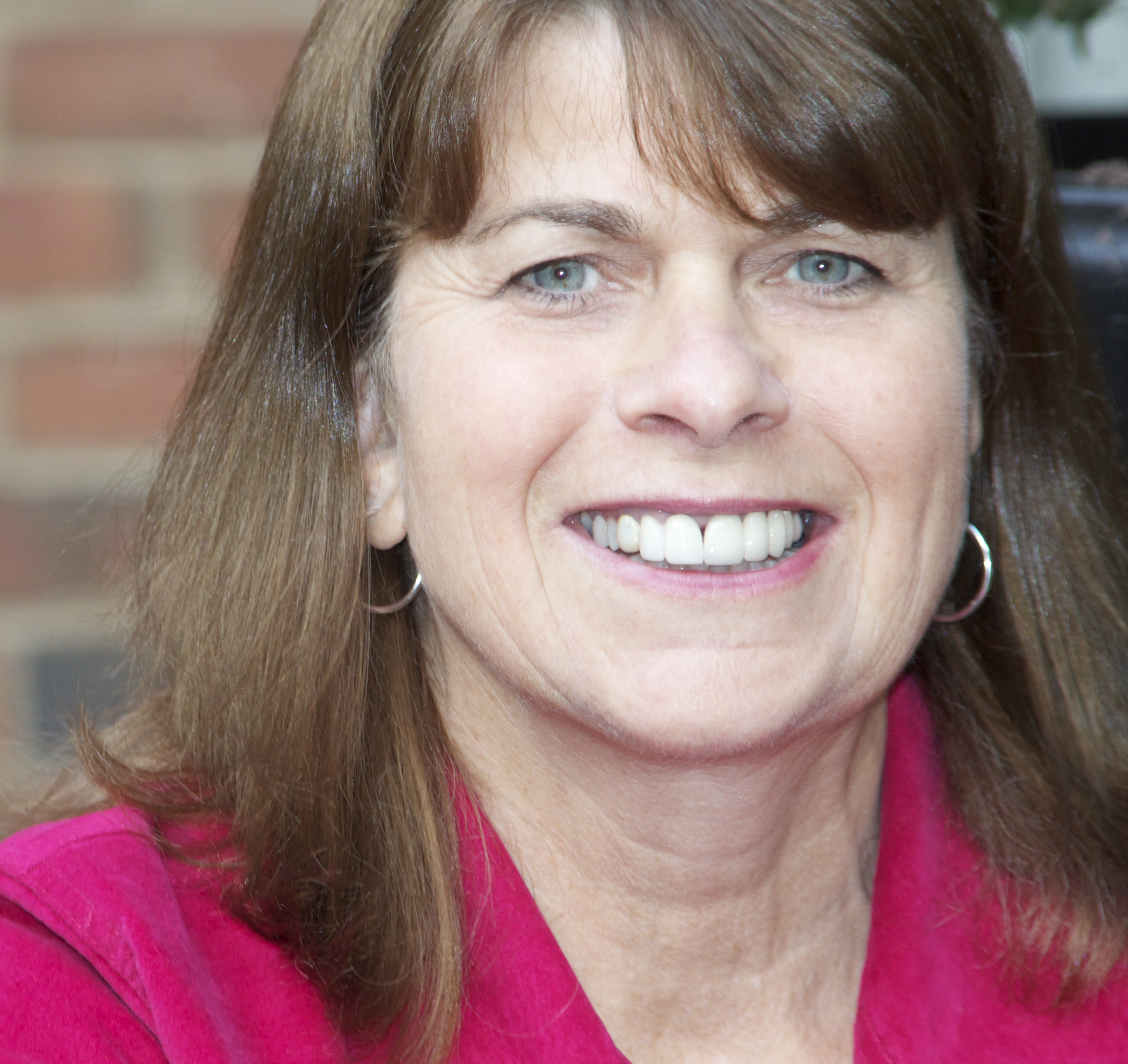
Rawlins, Rosemary

Rosemary Rawlins – TBI Caregiver, Author, Blogger, Speaker

1. What is your name? (last name optional)

Rosemary Rawlins

2. Where do you live? (city and/or state and/or country)     Email? (optional)

Glen Allen, Virginia, USA

3. What is the TBI survivor’s relationship to you?

Husband – Hugh Rawlins (We had been married 24 years at the time of his injury.)

How old was the survivor when he/she had the TBI?

46

What caused your survivor’s TBI?

A car (driving nearly 50 mph) hit him directly from behind as he was riding his bicycle home from an afternoon workout.

4. On what date did you begin care for your TBI survivor?

Immediately. I stayed in the Intensive Care Unit, and I visited him every day in Acute Brain Rehab. Hugh was in the hospital 33 days.

Were you the main caregiver?

Yes

Are you now?

I don’t consider myself his caregiver anymore.

How old were you when you began care?

46

5. Were you caring for anyone else at that time (e.g., children, parents, etc.)?

Yes – twin daughters, age 14. My daughters, Anna and Mary, are wonderful. They were the reason Hugh and I were able to go on.

6. Were you employed at the time of your survivor’s TBI? If so, were you able to continue working?

I was a self-employed résumé writer and consultant. I continued working, but I drastically cut down on work to care for Hugh.

7. Did you have any help? If so, what kind and for how long?

All of my immediate family lived out of state, but people visited periodically, and that helped. Neighbors and friends helped with driving and food, but caring for Hugh was mainly my full-time responsibility. I hired a night nurse so my daughters and I could sleep. That went on for several weeks, until we were able to get Hugh on a day/night sleep schedule. I was exhausted all the time.

8. When did your support of the survivor begin (e.g., immediately – in hospital, when the survivor returned home, etc.)?

Immediately

9. Was your survivor in a coma? If so, what did you do at that time?

Yes – for a week. I sat by Hugh’s bed for most of it. I kept a journal. My daughters were there a lot too. We simply waited and read notes to him from friends and family far away. We talked to him and waited.

10. Did your survivor have rehab?

Yes

If so, what kind of rehab (i.e., inpatient and/or outpatient and occupational, physical, speech, and/or other)?

Hugh was put into the inpatient hospital acute brain rehab for two weeks. He was then released to Day Rehab at a nearby facility for daily outpatient recreational, occupational, physical, speech, and other therapies. (He was in a group therapy and did Interactive Metronome therapy.)

How long was the rehab?

He was released from physical therapy first after a few months, then occupational therapy, and finally speech/cognitive therapy after about 14 months.

Where were you when this was happening?

I was usually at home trying to work, but went in with Hugh from time to time. I wanted to know his therapists, and they worked with me on ways to supplement therapy at home. It was a great help to learn from them. I also hired a personal trainer to cross-train Hugh after he was released from physical therapy, and that helped him make strides in his progress. He swam and did exercises that would use both sides of the brain. Physical exercise helps the brain; at least in his case it made a huge difference.

11. What problems or disabilities of your TBI survivor required your care, if any?

For three months, Hugh required a helmet and gait belt every time he stood up because he had a chunk of his skull cut out to relieve brain swelling. After three months, he had that bone replaced, and his balance improved. Hugh required help and prompting with everything – grooming, eating, dressing, and walking. He had swallowing problems and lost most of the use of his left side. By four months, he was more independent, but he had some short-term memory and judgment issues. By two years out, he was in very good shape and started working again.

12. How has your life changed since you became a caregiver?

I don’t consider myself a caregiver anymore in the regular sense of the word, at least not for my husband. Life was miserable in the beginning because there were so many questions without answers. I suffered ambiguous loss because Hugh sat and stared into space, and I missed him. He was with me, but radically changed. I felt grateful and ungrateful at the same time.

Is it better? Is it worse?

I see my life as “just life” with all its ups and downs, and I try to live it day-to-day as it unfolds. It’s the only thing that’s kept me sane. Life right now is good. I work and Hugh works. He made an amazing recovery.

13. What do you miss the most from pre-TBI life?

Feeling safe in the world and feeling a full sense of joy. TBI has made me more neurotic, and I find I get stressed easier now. I work on trying to minimize this every day.

14. What do you enjoy most in post-TBI life?

The love we rekindled and share. Also the work we do together to help others going through what we went through. Hugh speaks with me at some conferences, and we now have a shared mission in life – we didn’t have that before.

15. What do you like least about TBI?

How it robs a person of his or her identity. How it hijacks a family and takes over your lives for a very long time. TBI is full of cruel surprises popping out of nowhere, new deficits that surface, drugs and side effects, seizures and personality changes.

16. Has anything helped you to accept your survivor’s TBI?

Yes. Loving him, plain and simple.

17. Has your survivor’s injury affected your home life and relationships and, if so, how?

I’m sure it has affected my home life in ways I never imagined. My children became caregivers early in life to help me, and they had stresses of their own. In many ways, they missed out on doing a lot of things because their father was very sick, and I was completely focused on Hugh, when I used to be focused on them. But we are all very close today and know that things could have turned out much worse than they did. We’re thankful he achieved the level of recovery he did.

18. Has your social life been altered or changed and, if so, how?

Yes. Friends come and go, but I see that as part of modern life too. We have one set of friends in school, then another when we start work, then they change as we marry and have children. It’s a part of life. We love our friends, and some have stuck by us through all of it – we cherish those friendships immensely. I have no hard feelings for friends that drift away; it’s just the natural ebb and flow. I love it when I see someone I haven’t seen in years and we pick up where we left off. Friends mean a lot to me. On positive note, I’ve met some of the best friends of my life through Hugh’s TBI. I feel very close to several people I’ve met because of brain injury, including a few doctors and therapists.

19. What are your plans?

To keep being a writer, a job I love. TBI started my book writing and speaking career, and I love working from my home and connecting with others.

What do you expect/hope to be doing ten years from now?

I hope to be semi-retired and living in Nags Head, North Carolina, at the beach. Hugh loves to surf, and I love the ocean and the serenity it brings. I’ll always keep reading and writing, though, for the love of it.

20. What advice would you offer other TBI survivor caregivers?

Wow, there’s so much I’ve learned in the past twelve years. Here are some I consider most important for caregivers:

  • Pace yourself – TBI is definitely a marathon, so be sure to keep some space in your life for you at all times
  • Keep up with friends, and ask them how they are. Try to do things that are not TBI-focused all the time. Go to a movie, or go for a walk and talk about your girlfriend’s new job. Friendship is a two-way street. Being isolated can lead to depression.
  • Watch your own health. I came down with shingles 15 months after Hugh’s injury because I didn’t manage my stress. I love guided-imagery tapes. They helped me sleep and relax.
  • Seek counseling or join a support group for times you want to vent, instead of using your family and friends to vent to all the time. You will be redirected toward more healthy outlets, and talking to someone “neutral” has a healing effect.
  • Right after Hugh’s TBI, I kept working toward returning to our “old” life. It took me a very long time to realize that the changes that occurred made that impossible. We had to start over. Counseling helped with this.
  • Be honest with yourself about what to expect, and try to celebrate each advance.
  • Advocate, vote, stay informed of your rights and let your voice be heard. Support your local Brain Injury Association and WETA, who produces BrainLine.org.

Do you have any other comments that you would like to add?

I have great respect for TBI caregivers. I can’t think of a harder job on this earth. Hugh got better, much better than most people do, and for that I am humbled and grateful, but I pray every single day for people who struggle a lifetime with TBI in ways that drastically limit them – especially when they cannot find the resources they need. These are the families that keep me motivated to advocate for the rights and support of TBI individuals and their caregivers. So much more research and funding needs to happen to make life more manageable and enjoyable for all families affected by TBI. We need awareness, education, support, research, treatments, and many people need ongoing rehab to maximize their potential. If we join together, we can all make a difference.

Rosemary’s BIO:
100_1987

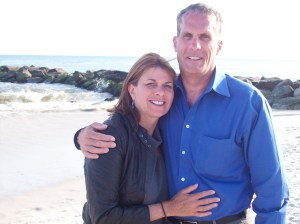
Rosemary and Hugh Rawlins

Rosemary Rawlins is the author of Learning by Accident: A Caregiver’s True Story of Fear, Family, and Hope, and a regular blogger for BrainLine.org. She also writes the Family Matters column for Brain Injury Journey Magazine. Rosemary speaks nationally at libraries, TBI events, and conferences. You can learn more about her at www.rosemaryrawlins.com


You can also watch a very informative video about how Rosemary and Hugh pieced their lives together again with the help of some very special counselors. Brain Injury Resources – Couples and Traumatic Brain Injury


Thank you, Rosemary, for taking part in this interview. I hope that your experience will offer some hope, comfort, and inspiration to my readers.

If you would like to be a part of this project, please go to TBI Caregiver Interview Questionnaire for a copy of the questions and the release form.

(Photo compliments of Rosemary.)

Disclaimer: The views or opinions in this post are solely that of the interviewee.
diemodi jewelry

uniquely hand-crafted jewelry by donna

Welcome to Harmony Kent Online

The home of all things books

Pete Springer

Passionate Teacher and Future Children's Author

HOPE TBI

Helping Other People Excel - To Be Independent

For the Love of Books, Old and New

Katie Fischer, Writer and Reader of Stories

Charlie Bown

Children's Author

Jessica Hinrichs

“We write to taste life twice, in the moment and in retrospect.” ― Anais Nin

VIVIAN KIRKFIELD - Writer for Children

Picture Books Help Kids Soar

Mindy’s Writing Wonderland

For authors, parents, teachers & everyone who loves children’s books.

Kaitlyn Leann Sanchez

Literary Agent

Surviving Traumatic Brain Injury

TBI - Survivors, Caregivers, Family, and Friends

The Care Factor

Loving someone with a Traumatic Brain Injury

Brain Injury Support Group of Duluth-Extension

Brain Injury Information and SUPPORT

Brain Aneurysm Global Insight

Brain Aneurysm, cerebral hemorrhaging, hemorrhage stroke