TBI – Survivors, Caregivers, Family, and Friends

Posts tagged ‘aneurysm’

Survivors SPEAK OUT! . . . . . David Figurski . . . . . . . . . . . . . . . 20-Year Post-Injury Anniversary

On April 8, 2014, Donna published my Survivor SPEAK OUT! interview to begin her series of interviews about the experiences and thoughts of survivors and caregivers. Since then, Donna has published over 130 written interviews in which people answer Donna’s twenty survivor- or caregiver-specific questions to let the readers know their stories, tell of their lives, and give first-hand, and often hard-earned, advice for other survivors and caregivers.

In my original interview, I kept my answers short so others wouldn’t be intimidated. I didn’t need to. Other interviewees were not reluctant at all to discuss at length many of the aspects of their brain injuries. In this interview on the 20th anniversary of my TBI (traumatic brain injury), I hope to give you a more detailed look at my past and present life.

1. What is your name? (last name optional)

David Figurski

2. Where do you live? (city and/or state and/or country) Email (optional)
Surprise, Arizona, USA                  dhfdmf@aol.com

3. On what date did you have your brain injury? At what age?

January 13, 2005          At age 57

4. How did your brain injury occur?

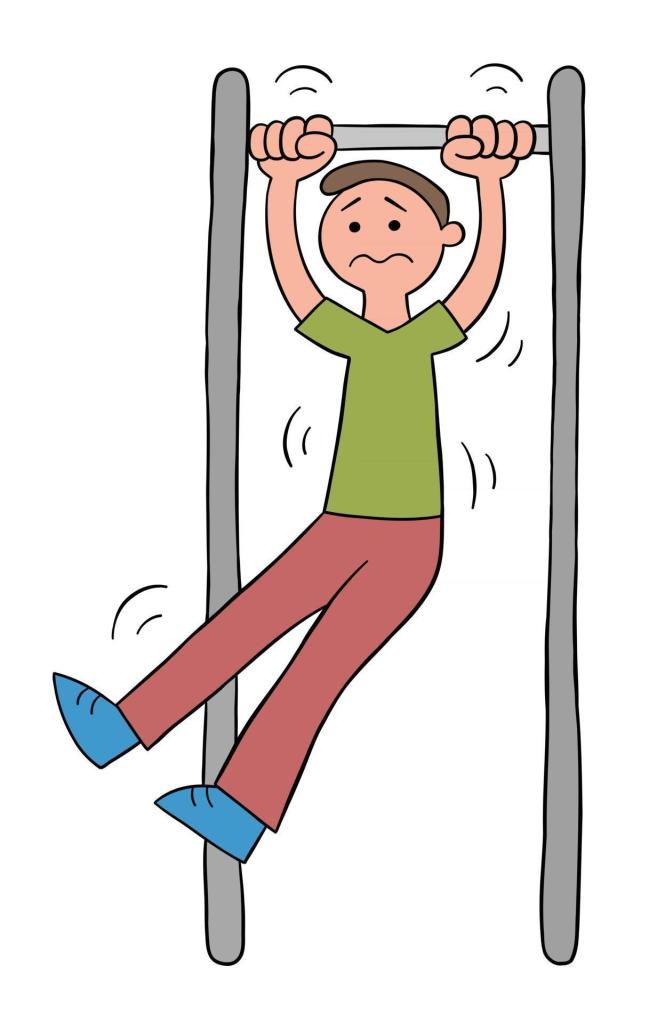
Each morning before showering, I would do Tai Chi warmup exercises and calisthenics. One day, my brain hemorrhaged on my 13th chin-up. 

5. When did you (or someone) first realize you had a problem?
I felt something happen in my head, but I didn’t have any pain, so I wasn’t concerned. I stopped exercising because I was seeing double. When my double-vision didn’t clear after a minute or so, I walked down the hall to where my wife (Donna) was getting ready for her job of teaching first-graders. I was exceptionally lucky that day – luck that gave me twenty years more (so far) of life. Normally, I got up at 4:00 am and left for my lab at Columbia University in New York City by 5:30 am. But I was planning to work at home that day to prepare a talk, so I got up later and overlapped Donna’s morning schedule. It turned out to be crucial because Donna saved my life. By the time I got to her, I was in crisis. She immediately saw that my right eye was filled with blood. Not long after, I felt something else happening in my head, and I began experiencing extreme pain. Donna dialed 9-1-1 to get emergency help. I became unintelligible because I was slurring my words. When the paramedics put an oxygen mask on me, the pain subsided, but I slipped into a coma, which lasted nearly three weeks.

6. What kind of emergency treatment, if any, did you have?

The paramedics took me to the Emergency Room of a nearby hospital where Donna made her first life-or-death decision – that I have immediate surgery instead of a CAT (computerized tomography) scan to see if the pressure from the brain-bleed had decreased. It’s clear now that the time that would been taken to do a CAT scan would have decreased my chance of survival by several hundred-fold.

But Donna’s nightmare was only beginning. Over the next two weeks, she had to give permission for two more surgeries on my brain. My chance of survival continued to be low.

After the first surgery, I was carefully transferred by ambulance to Columbia-Presbyterian Hospital in New York City. There, the neurosurgeon discovered an aneurysm that had to be removed. That was the second surgery. I survived … but the neurosurgeon had more bad news for Donna. She had to give permission for another dangerous surgery – to remove an AVM (arteriovenous malformation), a tangle of arteries and veins that can be a “time-bomb.” Miraculously, I survived that surgery too.

(The neurosurgeon at the local hospital for the first surgery was highly skilled, but he gets an F-grade for his manner. His first words after introducing himself to Donna were that I “would make a great organ-donor”!)

7. Were you in a coma? If so, how long?

Yes. I was in a coma for nearly three weeks.

8. Did you do rehab? What kind of rehab (i.e., inpatient or outpatient and occupational and/or physical and/or speech and/or other)? How long were you in rehab?

Yes. A couple of weeks after my surgeries at Columbia-Presbyterian, I was transferred to Radburn Rehabilitation Hospital, which specializes in helping patients with brain injuries. There I had inpatient therapies (physical, occupational, and speech) three days a week for three hours per day. I was discharged from Radburn after about two months, but I continued with outpatient therapies – first at Radburn for three months, and then for two of months at Dominican Hospital in Santa Cruz, California, where our son lives, and then back at Radburn for about a year. 

A year after my brain-hemorrhage, I went back to my lab at Columbia University as a volunteer to direct my research group. After I stopped going to Radburn for outpatient therapies (about eighteen months after my brain-hemorrhage), I returned to Columbia University as full-time faculty member. I had a standing appointment for two hours each week with a physical therapist, who worked with me in my office until I retired at the end of August 2013.

9. What problems or disabilities, if any, resulted from your brain injury
(e.g., balance, perception, personality, etc.)?

Fortunately, my hemorrhage was at the back of the brain, so no cognitive, memory, or major personality changes resulted from my TBI. I gave lectures, wrote and was awarded a multi-year research grant from the National Institutes of Health, mentored Ph.D. students and postdoctoral scientists, and wrote and published scientific papers. In short, I had my scientific life back – which was really important to me.

But because my cerebellum and brain-stem were primarily affected, I do have several physical disabilities.

I have double-vision from a defective nerve-muscle connection in my right eye. The right side of my face droops from being paralyzed. (The loss of my ability to smile caused me to lose an important part of my self.) My swallow has been affected. It is difficult to eat some foods, and I am always in danger of aspirating. Because the right side of my tongue is paralyzed, it’s difficult to make some sounds and pronounce certain words. (For that reason, I talk less and use fewer words. I have to be careful not to sound curt or rude.) I talk more slowly, and my voice has changed because my vocal cords were affected. (My slower speech allows me to substitute a word mid-sentence to one I can more easily pronounce.) My right arm is ataxic. I can use my left arm and hand for most things, but they are not as good as they once were. (For example, it’s difficult to use my left arm to raise a glass to my mouth, and it’s impossible to do so without shaking.) My right leg is weaker than it was, and my right ankle does not automatically flex the way it should. (I have to consciously focus on my ankle for it to bend properly.) At night, I get up to go to the bathroom about every 90 minutes because I have frequent urinary urges. (Thankfully, this is not a problem during the day.) The cerebellum, which is located at the back of the brain and controls balance, was severely damaged by my hemorrhage. Consequently, my balance is really poor. Donna and I hold each other whenever I walk outside or in a strange environment, like a restaurant. In the house, where the floors are even, I can walk short distances. I use a rollator (4-wheeled walker) for longer walks in the house and an electric scooter for airports and long distances outside.

I feel extremely fortunate that all my disabilities are physical. Of course, my life is now very limited, but I can still read, write, and communicate by using my computer – with my left hand.

10. How has your life changed? Is it better? Is it worse?

Early on, I stopped thinking about what I could no longer do. Instead, I emphasized what I could still do. I then became totally comfortable with my life, and, as a result, my life now is better than it was in many ways. Of course, I would say it’s worse if I continued to grieve what I lost, but I consider that part of my life as gone, like my youth. So I don’t think about what I lost, except to be thankful that I had the chances to do what I did.

11. What do you miss the most from your pre-brain-injury life?
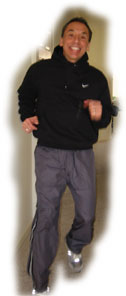
I do miss a couple of things from my pre-TBI life. I miss leaving the house on my own. I miss just doing what I wanted to do without having to carefully plan. I miss Donna’s and my dinner conversations. (Because my damaged cerebellum caused a loss of coordination between my tongue and my teeth, I have to pay close attention to chewing. So Donna and I don’t speak when I’m eating.) I was racing cars, so I desperately miss driving. While I have a device that scans a page and reads it to me, I miss having normal vision and reading books.

12. What do you enjoy most in your post-brain-injury life?

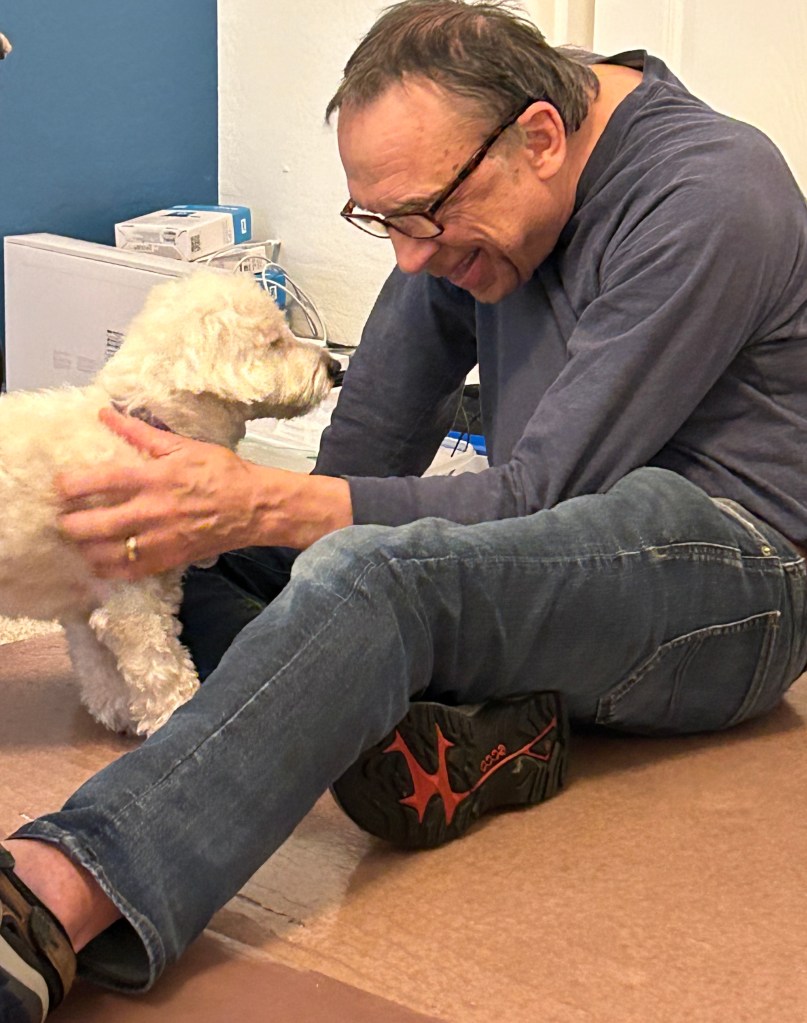
It’s hard to imagine, but my TBI caused me to improve in some areas. Things are much slower (because of my disabilities), so I can’t do as much as I once did. Because I’m slower, I’ve learned to be more efficient and more organized with the time I am able to work. Because I spend nearly all of my time at home, I have more time to be a part of Donna’s life. I have also bonded more closely with and have enjoyed more our dog, a Maltese-Poodle. Koda is a 2-year-old male rescue.
13. What do you like least about your brain injury?

I intensely dislike my loss of balance. It’s an issue that’s a burden not only for me, but also for Donna, who helps me walk whenever we go anywhere.

14. Has anything helped you to accept your brain injury?

I’ve been greatly helped by the positivity of most doctors; the nurses; the therapists; the staff; the Columbia faculty, students, and postdoctoral scientists; and many of the people I’ve come in contact with. But, by far, the greatest help has come from my wife, Donna – the most positive person I know. She cheers every gain – no matter how small. She constantly looks out for me, for example, choosing the easiest path in a restaurant, finding and researching an electric scooter, and bringing home several samples of items so I can choose.

15. Has your injury affected your home life and relationships and, if so, how?

My home life has indeed been affected. I no longer do repairs, so Donna does them. I can’t lift heavy objects, so Donna does what she can and gets help if she needs to. Donna and I do collaborate on some projects. We once had to assemble a piece of furniture. The assembly was complicated, so I laid everything out and understood the directions. I would tell Donna what tool to use and what to do. She was great – she did everything perfectly! Now we have a useful and beautiful cabinet. I used to do everything financial. Now Donna does. She pays the bills, gets everything ready for the tax preparer, and successfully negotiated the deal for our car. I am home a lot more, so we have more time to talk. Among our many conversations are talks about what she and I are feeling in our new life that resulted from my brain injury.

16. Has your social life been altered or changed and, if so, how?

Donna and I weren’t overly social. We continue to socialize in small groups of family and close friends. In the past, our focus was on our two children – and on each other at our weekly “date nights.” Now, we not only focus on our children, but also on their spouses and our grandchildren. Nothing much changed after my TBI, except that I’m always at home and we don’t go out to eat as much anymore.

17. Who is your main caregiver? Do you understand what it takes to be a caregiver?
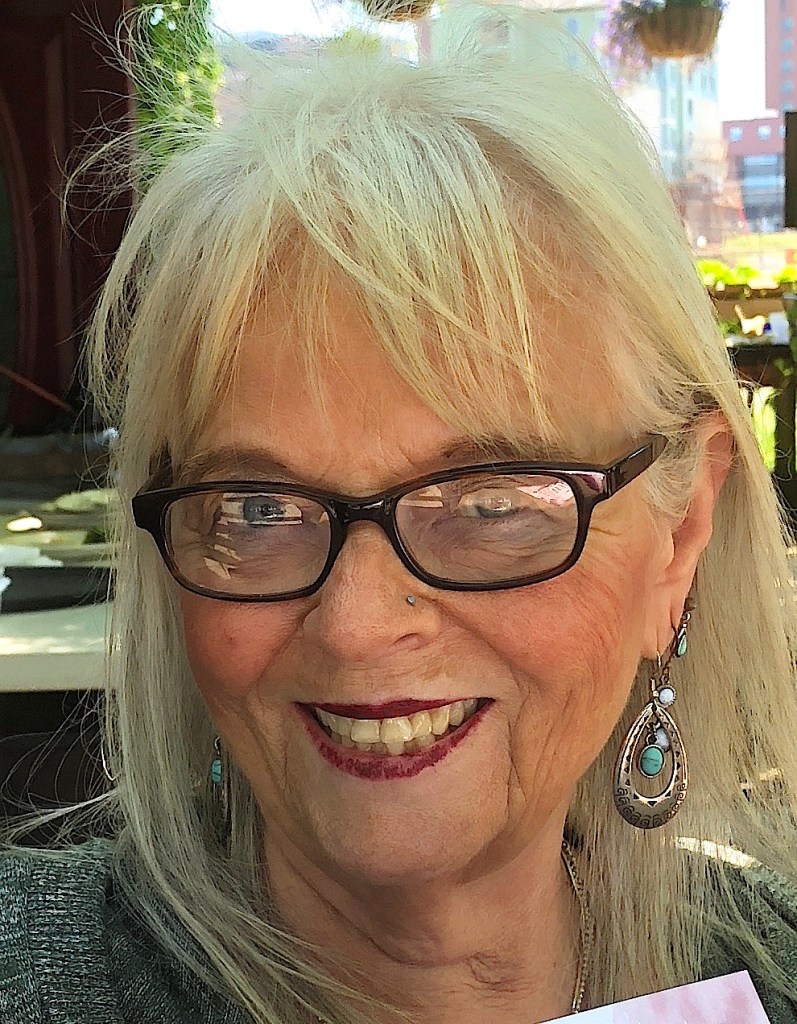
My wife, Donna, has always been my main caregiver. She was with me from the very beginning of my brain injury. Her first acts of caregiving for me were to call 9-1-1 before I slipped into a coma and to advocate for me in the hospitals. Survivors need to realize how heroic their caregivers usually are, how devoted caregivers are to caring for their survivors, how caregivers’ lives have also been severely disrupted – in these cases by brain injury, and how caregivers are often frightened by their survivors’ brain injuries and shocked by the changes to their survivors’ lives. Donna is always using her experiences and knowledge to help other caregivers with what is often an overwhelming responsibility. Donna has published an award-winning memoir (Prisoners Without Bars: A Caregiver’s Tale), which began as daily updates for family and friends around the country. In her updates, she discussed my progress or lack of progress for the day. Later, Donna wrote down what happened in a series of essays to have a record for me. About a year after my hospitalization, she began to read her essays to me. I was shocked by her horrific experience and convinced her to write a book. She did, and a publisher (WriteLife) was interested in her caregiver’s perspective on brain injury. (You can listen to the book trailer below.)
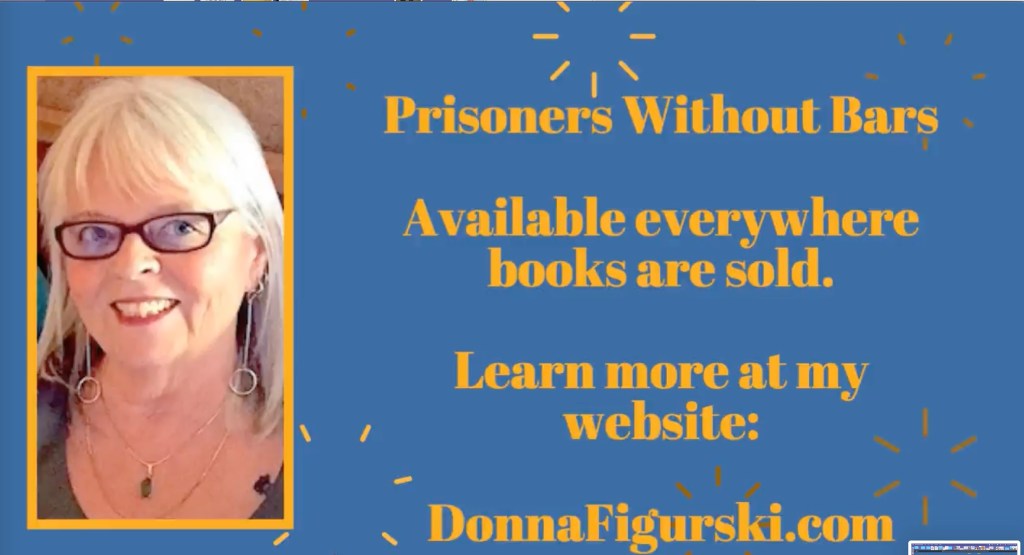
18. What are your plans? What do you expect/hope to be doing ten years from now

In ten years, I expect to continue to focus on the lives of family and friends, continue to learn about and explain science to the public, continue to discuss brain injury with other survivors and with caregivers, continue to help the public understand brain injury, and continue to make Donna’s life as easy as possible.

19. Are you able to provide a helpful hint that may have taken you a long time to learn, but which you wished you had known earlier? If so, please state what it is to potentially help other survivors with your specific kind of brain injury.

Years after my TBI, I gained a perspective that helped me. It’s typical to blame your disability when it takes far longer to accomplish something than you think it should or when you can’t do something you think you should. What helps me is to realize the body is doing the best it can. This minor change of attitude has ended much of my frustration of feeling inadequate. So go easy on yourself.

20. What advice would you offer to other brain-injury survivors? Do you have any other comments that you would like to add?

I can’t emphasize enough the importance of surrounding yourself with positive people. Such people have had a crucial and beneficial effect on my self-esteem. For example, Donna has not only been my caregiver, but she is also my cheerleader. I had an excellent neurologist for years, but then we moved across the country. I found a new neurologist, but Donna and I didn’t feel any positivity from him, so we never returned. Likewise, if a doctor or therapist tells you you can’t do something, and it’s only his or her opinion and is not based experience or data, you may want to find someone else. It’s important for you too to have a positive attitude. At the very least, consider that you survived! Your positive attitude will affect others, especially your caregiver, who is often overwhelmed and who will not be further burdened by your feeling sorry for yourself.

 ********************************************************************************************************
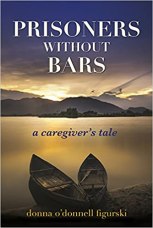
Columbia University United States of America

51r7mht63el._sx332_bo1204203200_-1

             Read It!                Listen to It!              Review It!

Click Links under Book

 PAPERBACK!   Read it Now!    

e-BOOK!   Read it Now!  

AUDIO BOOK Listen to it Now!

                                                               Stay Safe and Healthy!

Clip Art compliments of Bing.)

(Photos compliments of contributor.)

As I say after each post:

Please leave a comment by clicking the blue words “Leave a Comment” below this post.

Feel free to follow my blog. Click on “Follow” on the upper right sidebar.

If you like my blog, share it intact with your friends. It’s easy! Click the “Share” buttons below
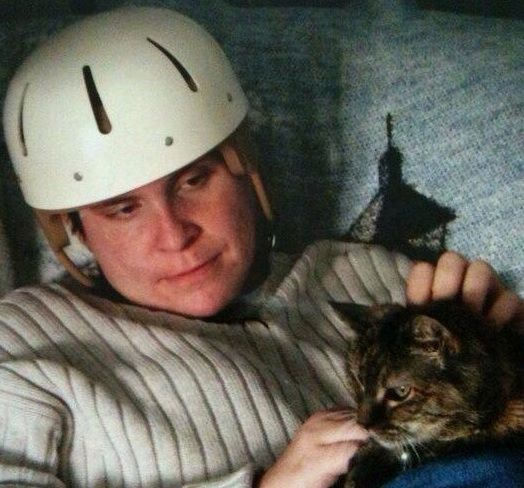
Survivors SPEAK OUT! Katey Ratz

Survivors  SPEAK OUT!  Katey Ratz

presented by

Donna O’Donnell Figurski

10887811_768025126566372_1831835211_n1. What is your name? (last name optional)

Katey Ratz

2. Where do you live? (city and/or state and/or country) Email (optional)

Milwaukee, Wisconsin, USA     KateyKat626@yahoo.com

3. On what date did you have your brain injury? At what age?

I had my first traumatic brain injury (TBI) in 2002 at age 22 and my second TBI in 2007 at age 28 (if I remember correctly).

4. How did your brain injury occur?

My first TBI occurred because I was getting electroconvulsive shock therapy. During my fifth treatment, I had a fifteen-minute seizure. I lost a lot of short-term memory. I have great long-term memory. My second TBI occurred when I thought I had epilepsy. I went to a neurologist. They did an EEG (electroencephalogram). They discovered left temporal lobe epilepsy and an aneurysm.

5. When did you (or someone) first realize you had a problem?

My fifteen-minute seizure happened January 21, 2002 – the day before my mom’s 50th birthday. As far as the second, I’m not sure.

6. What kind of emergency treatment, if any, did you have?

I’m not sure about my treatment for the emergency during electroconvulsive therapy. With the aneurysm, they removed a portion of my brain on the left side. Because they had to go through my skull, I now have a dent on my head.

7. Were you in a coma? If so, how long?

I don’t think so.

8. Did you do rehab? What kind of rehab (i.e., inpatient or outpatient and occupational and/or physical and/or speech and/or other)? How long were you in rehab?

I don’t think I officially did rehab. I am in a kind of rehab now. I go to the Milwaukee Center for Independence. It is for people with a brain injury. I go there three days a week. They have two groups a day and different groups every day.

9. What problems or disabilities, if any, resulted from your brain injury
(e.g., balance, perception, personality, etc.)?

I have a LOT of short-term memory loss. Like, I would call my mom and have a good conversation, hang up, and call her right back – forgetting that I had just spoken to her. And, my personality has been affected. I’m short-tempered – both with myself and with others.

10. How has your life changed? Is it better? Is it worse?

My life is both better and worse. I definitely don’t have the life I wanted. I have to rely on other people, which I hate. But, I am so lucky to be alive. My life is better because I am able to ask for help. I know I need it. Also, I am determined. And, my creative gift is outstanding. It’s my greatest strength. My life is worse because I can’t get the education I wanted. I cannot be a nurse or an occupational therapist. I wanted to be a labor and delivery nurse or a pediatric/adolescent occupational therapist specializing in psych.

11. What do you miss the most from your pre-brain-injury life?10872431_768025869899631_857990768_n

I miss that I had so many friends. I was very outgoing. I still am somewhat outgoing – I will talk to strangers in coffee shops. But, now my friendship is way down. I get emails, but like I call once a week, if that.

12. What do you enjoy most in your post-brain-injury life?

My creativity is strengthened. My poetry is awesome. I combine sonnets with acrostics, and away I go. Right now, I have over 1,250 fourteen-letter phrases for the acrostic part. I have them all in ABC order. I can go to a coffee shop for four hours and write several poems. It keeps me out of trouble. I listen to the church message and “take notes” by listening for a fourteen-letter phrase. Today it was “The Great Reward.”

13. What do you like least about your brain injury?

I miss the old Katey. I hate relying on others. I hate not being able to live on my own.

14. Has anything helped you to accept your brain injury?

Knowing that I am not alone has helped me accept my brain injuries. There are different levels of TBI. I mean, looking at me, you wouldn’t think I have a TBI. There are probably many more out there like me. I just have to accept that and know I am not alone.

15. Has your injury affected your home life and relationships and, if so, how?

I live in an apartment where there are caretakers, although they aren’t doing that great of a job. The caretakers are supposed to cook and help me clean, but they aren’t. They give me my allowance – I get my laundry money and $10 twice a week. As for relationships, my family is great. I love them so much! As for friends, I have a few, but only a couple really understand.

16. Has your social life been altered or changed and, if so, how?

My social life has changed. I go out, but I can’t be the old Katey. I can’t go to new places because I am afraid of getting lost. I have gotten lost a few times and had to call people for support. I want to join a bible study group, but I haven’t because of my fear of getting lost!

17. Who is your main caregiver? Do you understand what it takes to be a caregiver?

Like I said before, I live in an apartment where there are caretakers. There are a couple of them who pass out meds. At times, it frustrates me. They lay my meds out on a table at like 4 pm for bedtime, but I will forget to take them at bedtime. They need to give better care.

18. What are your plans? What do you expect/hope to be doing ten years from now?

I would so love to be back in school. If I only had all my brain! I would love to have a job helping people. I would love to be happily married and have kids.

19. Are you able to provide a helpful hint that may have taken you a long time to learn, but which you wished you had known earlier? If so, please state what it is to potentially help other survivors with your specific kind of brain injury.

I had an aneurysm. Yes, part of my brain is missing. But, I am still here and deserve to be. I deserve the help I need. And, I will gladly give back any help I can!

20. What advice would you offer to other brain-injury survivors? Do you have any other comments that you would like to add?

TBIs do take time. At times, there are great days. They may not last, but that does not equal failure. That is the TBI. The “T” in TBI stands for “traumatic” – but we still survived!Katey Ratz Survivor 061015


Thank you, Katey, for taking part in this interview. I hope that your experience will offer some hope, comfort, and inspiration to my readers.

(Disclaimer: The views or opinions in this post are solely that of the interviewee.)

If you would like to be a part of the SPEAK OUT! project, please go to TBI Survivor Interview Questionnaire for a copy of the questions and the release form.

(Photos compliments of Katey.)

As I say after each post: Please leave a comment by clicking the blue words “Leave a Commentanim0014-1_e0-1 below this post.

Feel free to follow my blog. Click on “Follow” on the upper right sidebar.

If you like my blog, share it with your friends. It’s easy! Click the “Share” buttons below.

If you don’t like my blog, “Share” it with your enemies. I don’t care!

Feel free to “Like” my post.

SPEAK OUT! Faces of Brain Injury Barrett Sturgill

SPEAK OUT! Faces of Brain Injury – Barrett Sturgill

presented by

Donna O’Donnell Figurski

 Brain Injury is NOT Discriminating!

(submitted by Barrett’s mother and caregiver, Amanda Sturgill)

 bigstock-cartoon-face-vector-people-25671746-e1348136261718We were in a motor vehicle accident on April 13, 2012. It caused Barrett to have an aneurysm and a brain hemorrhage from contrecoup (a contusion resulting from the brain contacting the skull on the sideBarrett Sturgill Survivor 0610115 opposite from where impact occurs). He was only five years old at the time.

He immediately had a frontotemporoparietal craniotomy (the frontal, temporal, and parietal bones were removed from the skull). He suffered epidural and subdural hematomas. (Both allowed the buildup of blood to impinge on the brain.) Barrett was then flown to a children’s hospital. He was in critical condition and was in the intensive care unit until May 1.

Barrett Sturgill 3 Survivor 060115On April 26, he was given a G-tube (gastric feeding tube, which allows nutrients to be introduced directly into the stomach) and trach (a small tube inserted in the trachea to keep the airway open). Barrett Sturgill 2 Survivor 060115Barrett remained in a coma until May 1. Then he only opened his eyes. We went to Cardinal Hill Rehab on May 4 and stayed there until June 30. On June 14, the trach was removed. He remained nonverbal until June 22. At that time, he also began to eat small amounts. On August 6, the feeding tube was removed.

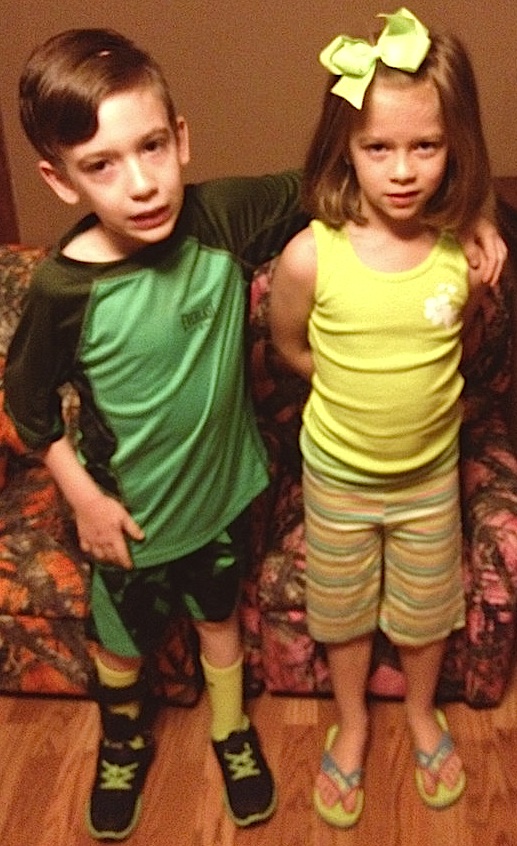
In October, he started walking with assistance. Barrett Sturgill Survivor 060115 And his SisterNow three years later, Barrett walks, runs, talks, and eats. He has muscle weakness in his right side – he uses his leg better than his arm. Barrett is in a regular first grade with his sister, and he only goes to Special Ed for two hours – for spelling and math. He loves video games.

Disclaimer: Any views and opinions of the Contributor are purely his/her own.

(Clip Art compliments of Bing.)

(Photos compliments of contributor.)

As I say after each post: Please leave a comment by clicking the blue words “Leave a Commentanim0014-1_e0-1 below this post.

Feel free to follow my blog. Click on “Follow” on the upper right sidebar.

If you like my blog, share it with your friends. It’s easy! Click the “Share” buttons below.

If you don’t like my blog, “Share” it with your enemies. I don’t care! Feel free to “Like” my post.

Caregivers SPEAK OUT! . . . Charline

SPEAK OUT! – Charline

by

Donna O’Donnell Figurski


Charline

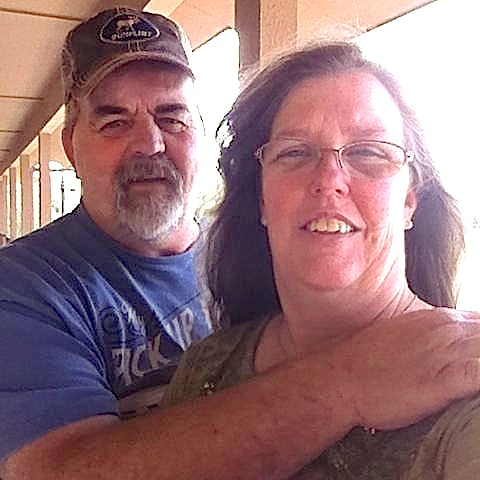
Charline & Rick April 2012


1. What is your name? (last name optional)

Charline

2. Where do you live? (city and/or state and/or country)     Email? (optional)

Abilene, Texas, USA

3. What is the TBI survivor’s relationship to you?

He (Rick) is my husband.

How old was the survivor when he/she had the TBI?

52

What caused your survivor’s TBI?

The TBI was caused by an aneurysm that started to hemorrhage. Two days after the surgery to repair the aneurysm, he had a major stroke.

4. On what date did you begin care for your TBI survivor?

September 2013

Were you the main caregiver?

No

Are you now?

Yes

How old were you when you began care?

49

5. Were you caring for anyone else at that time (e.g., children, parents, etc.)?

No

6. Were you employed at the time of your survivor’s TBI?

Yes

If so, were you able to continue working?

No. My husband and I were snowbirds at the time of the TBI. We worked on the Gunflint Trail in Minnesota during the summer and at an antique store in Texas during the winter. Rick is a Minnesota native, and I am a Texan. He was flown to Minneapolis, so I was not able to continue my summer job. We came back to Texas in June 2014.

7. Did you have any help?

Yes

If so, what kind and for how long?

My two daughters and their families live here and are able to come and relieve me for a few hours a week.

8. When did your support of the survivor begin (e.g., immediately – in hospital, when the survivor returned home, etc.)?

Immediately

9. Was your survivor in a coma?

Yes. Rick was in a medically induced coma.

If so, what did you do at that time?

I spent every day in the Intensive Care Unit talking and reading to Rick. He had family that came daily to visit as well.

10. Did your survivor have rehab?

Yes

If so, what kind of rehab (i.e., inpatient and/or outpatient and occupational, physical, speech, and/or other)?

Rick was in a nursing home between the hospital and rehab. He had to relearn everything. He had physical therapy, occupational therapy, and speech therapy when he was moved to the rehab facility.

How long was the rehab?

3 months

Where were you when this was happening?

I attended most of every therapy session and doctor visits. Rick responded better to me than to anyone else.

11. What problems or disabilities of your TBI survivor required your care, if any?

His memory was severely damaged. He can never be left alone. He is also incontinent. (I have him on a bathroom schedule. If I ask him if he needs to go, he always says no; but if I tell him it’s time to go, he does.) His appetite is great.

12. How has your life changed since you became a caregiver? Is it better? Is it worse?

I can’t say that my life is better or worse. I can say that it’s different.

13. What do you miss the most from pre-TBI life?

I miss the freedom to be able to just “go.” My husband and I were very active. We hiked, canoed, fished, shopped, and worked. I miss my jobs and the people I worked with.

14. What do you enjoy most in post-TBI life?

I enjoy the brief moments of lucidity.

15. What do you like least about TBI?

The lack of “me time.” I hit the floor running every day – taking care of his needs and taking care of all the household duties.

16. Has anything helped you to accept your survivor’s TBI?

I am still learning how to accept my new life.

17. Has your survivor’s injury affected your home life and relationships and, if so, how?

Yes. I sometimes feel like a prisoner. I can’t just go shopping for groceries anymore. If I take him with me, he gets distracted and puts everything in the basket or tries to eat it before buying. I usually have to get one of my kids to come and sit with him so I can do any errands.

18. Has your social life been altered or changed and, if so, how?

Yes. I don’t have a social life anymore.

19. What are your plans? What do you expect/hope to be doing ten years from now?

I hope and pray that in ten years we will be a little more active.

20. What advice would you offer other TBI survivor caregivers? Do you have any other comments that you would like to add? 

Charline image

Charline & Rick July 2014

My advice is to stay strong. Take time to care for yourself.


Thank you, Charline, for taking part in this interview. I hope that your experience will offer some hope, comfort, and inspiration to my readers.

If you would like to be a part of this project, please go to TBI Caregiver Interview Questionnaire for a copy of the questions and the release form.

(Photo compliments of Charline.)

Disclaimer: The views or opinions in this post are solely that of the interviewee.

Survivors SPEAK OUT! . . . . . . . . Kevin Middleton

SPEAK OUT! – Kevin Middleton

by

Donna O’Donnell Figurski

Kevin with his granddaughter

Kevin with his granddaughter


1. What is your name? (last name optional)

Kevin Middleton

2. Where do you live? (city and/or state and/or country) Email (optional)

Courtenay, British Columbia, Canada     
5gemm9@gmail.com

3. When did you have your TBI? At what age?

Circa 1973

4. How did your TBI occur?

Birth defect

5. When did you (or someone) first realize you had a problem?

1977

6. What kind of emergency treatment, if any, did you have (e.g., surgery,

tracheotomy, G-peg)?

I had 7.5 hours of surgery to remove two blood clots and to clip off several aneurysms. An AVM (arteriovenous malformation) and a haematoma were removed December 05, 1977.

7. Were you in a coma? If so, how long?

No

8. Did you do rehab? What kind of rehab (i.e., In-patient or Out-patient and Occupational, Physical, Speech, Other)?
How long were you in rehab?

No. I was just sent home and told “No school for a year.”

9. What problems or disabilities, if any, resulted from your TBI (e.g., balance, perception, personality, etc.)?

Neuropsychological tests in 1978 and 1994 showed identical results. Short-term memory and recall in the 7 percentile mean that I am disabled. Anger issues ensued, born of frustration over continually forgetting.  Editing oneself is challenging.

10. How has your life changed? Is it better? Is it worse?

Since I was quite young, the loss of a photographic memory was a challenge. I withdrew from society. I have no close friends. I have many acquaintances, but I don’t like to socialize. The plus side is that my intellect increased from the removal of the blood clots. The downside is that by then I resented school. Learning took four times longer, and it was difficult to write an exam. My greatest joys are my five children and ten grandchildren.

11. What do you miss the most from your pre-TBI life?

My memory

12. What do you enjoy most in your post-TBI life?

Family

13. What do you like least about your TBI?

I dislike the fact people say they forget too. They don’t understand the frequency or the fact you lost your kids more than once or your wallet eight times.

14. Has anything helped you to accept your TBI?

Time helped. Being involved with a brain injury society has been beneficial. Even having friends who understand is helpful.

15. Has your injury affected your home life and relationships and, if so, how?

I experienced a divorce. I attribute partial blame to my not being rehabilitated professionally.

16. Has your social life been altered or changed and, if so, how?

Yes. Though I have been married 23 years, I like being by myself with my dogs. My wife socializes without me.

17. Who is your main caregiver? Do you understand what it takes to be a caregiver?

My wife is my main caregiver. It was she who said, “There’s something wrong here.” Due to her, I sought out help, which she supported.

18. What are your future plans? What do you expect/hope to be doing ten years from now?

I’m 54, so retirement is my goal. I’m so done with my brain injury. I like to help online those who are just beginning the healing journey.

19. Are you able to provide a helpful hint that may have taken you a long time to learn, but which you wished you had known earlier? If so, please state what it is to potentially help other TBI survivors with your specific kind of TBI.

It’s not your fault that you forget…it’s the fault of the brain injury. In other words, don’t take forgetting personally. I beat myself up for this all the time. However, why am I apologizing for something I have no control of?

20. What advice would you offer to other TBI survivors? Do you have any other comments that you would like to add?

Don’t get caught in the trap of chasing your past self. Before you know it, it’s 40 years later, and still your former self is bigger than life itself. My 18-year-old self had not fathered, had not grandfathered, had not held a job for 14 years, nor owned several businesses, yet he still was bigger than what I have accomplished. How ludicrous is that? Embrace who you are…a survivor…and move forward because that is where the future lies. Leave your past self in the rear view mirror where he/she belongs.


If you’d Like to learn more about Kevin Middleton, please visit his blog at My Broken Brain.


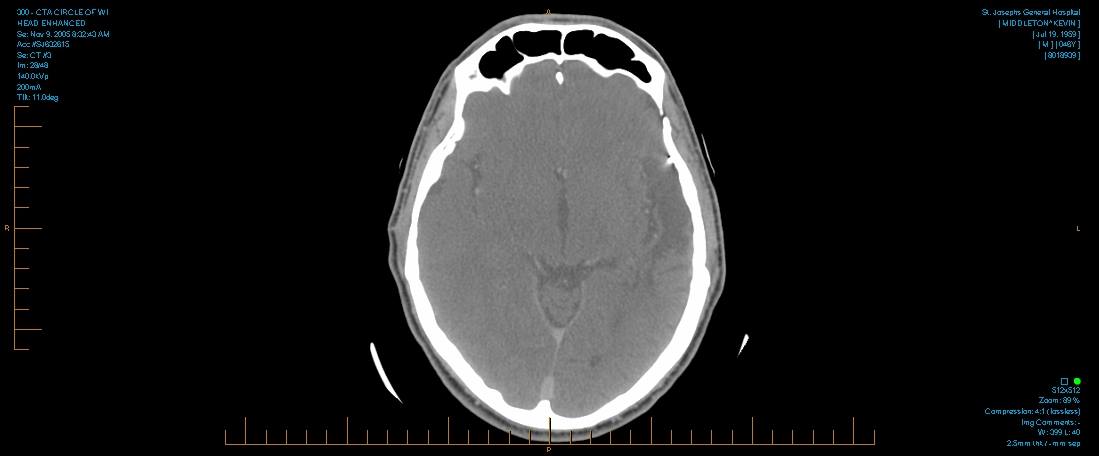
Kevin's brain.

Kevin’s brain.

Thank you, Kevin, for taking part in this interview. I hope that your experience will offer some hope, comfort, and inspiration to my readers.

(Disclaimer: The views or opinions in this post are solely that of the interviewee.)

(Photos compliments of Kevin.)

If you would like to be a part of this project, please go to TBI Survivor Interview Questionnaire for a copy of the questions and the release form.

diemodi jewelry

uniquely hand-crafted jewelry by donna

Welcome to Harmony Kent Online

The home of all things books

Pete Springer

Passionate Teacher and Future Children's Author

HOPE TBI

Helping Other People Excel - To Be Independent

For the Love of Books, Old and New

Katie Fischer, Writer and Reader of Stories

Charlie Bown

Children's Author

Jessica Hinrichs

“We write to taste life twice, in the moment and in retrospect.” ― Anais Nin

VIVIAN KIRKFIELD - Writer for Children

Picture Books Help Kids Soar

Mindy’s Writing Wonderland

For authors, parents, teachers & everyone who loves children’s books.

Kaitlyn Leann Sanchez

Literary Agent

Surviving Traumatic Brain Injury

TBI - Survivors, Caregivers, Family, and Friends

The Care Factor

Loving someone with a Traumatic Brain Injury

Brain Injury Support Group of Duluth-Extension

Brain Injury Information and SUPPORT

Brain Aneurysm Global Insight

Brain Aneurysm, cerebral hemorrhaging, hemorrhage stroke