TBI – Survivors, Caregivers, Family, and Friends

Archive for the ‘Guest Bloggers’ Category

SPEAK OUT! . . . . . . . . . . . . . . . . . Guest Blogger: Sue Hannah “Bittersweet TBI”

Bittersweet TBI

by

Sue Hannah

presented by

Donna O’Donnell Figurski

Girl Blogger cartoon_picture_of_girl_writingI once had a client whose words have stayed with me: “How could this happen? Why would God allow it?” The man who said this was very religious, and he genuinely was confused as to how such agony could affect his family. The incident he spoke of was about a cruel betrayal that a dear family member had endured. After much reflection and therapy with him, one thing became very clear. He and I believed that in order to see God’s grace, there must be challenge.

Let me take this a step further. The traumatic brain injury I have came from violence very early in my life. Throughout growing up and in school, a very clear split emerged. Verbal skills came very easily to me. I was able to do well in spelling and in any class that involved interaction or debate. Then there was the other side of my life. I struggled to learn to tie my shoes. Don’t ever ask me to tie a bow, and please don’t ever ask me to give you directions or to read any public transit schedule. While we’re at it, don’t ask me to get you one of those luggage carts at the airport either. I am also very sensitive to light, sound, and movement. In fact, I am so sensitive to light and color that party shops and fabric stores cause me to feel faint and the color to drain from my face.
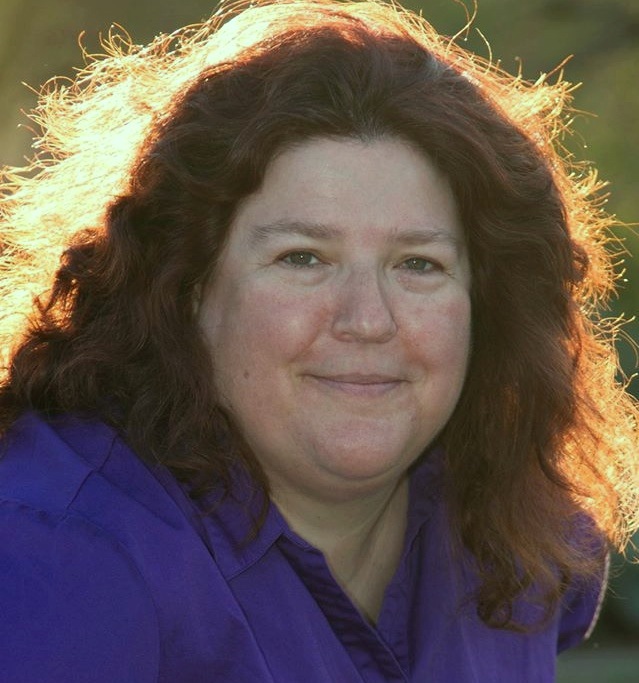
Sue Hannah

Sue Hannah – TBI Survivor

Everything that ever involved spatial processing, like horseback riding, dog sports, exercise, or any sport, was so not my thing. I struggled to get on a horse. The fear of not knowing where I was in space was so scary and then was critiqued because most people don’t have that issue. Dog sports, like agility, obedience, and herding, require you to know where you and your dog are in space, and herding involves knowing where the obstacles and livestock are as well. I participated in these things but struggled horribly with them. Aerobics, swimming, dodge ball, softball, tennis, or any other sport showed how impaired my visual and vestibular processing was. It took me years to get beyond my motion sickness in all vehicles, and please, I beg of you, don’t ask me to go to an amusement park because for me there is no enjoyment in it.

When you’re “normal-looking,” the last thing people think of is that you are disabled. Because I was bright, there was no testing in school. I was just told I was lazy, sloppy, and careless. I could learn the theory of lots of topics, but I struggled to understand the physical application of things. Until I was a middle-aged adult and my husband taught me how to do a puzzle, I was without the skills of matching and understanding how things fit together. I even had a neuropsychologist tell me that I couldn’t possibly be a therapist because I didn’t have the neurological skills to do the job. This occurred during the end of my 20-year career!

Her comment of “You can’t!” is probably the core of what I believe about traumatic brain injuries. Many experts and well-meaning people, licensed or otherwise, often mean well and want to stop those of us “disabled” not to set our hopes too high, so we, and they, don’t get disappointed. It is my very strong belief that no one can know what any of us is capable of achieving. Whether we appear outwardly disabled or not, those of us who know traumatic brain injury know what it’s like to question yourself: “Can I do it today? Will I be able to do it? I could do it yesterday! What’s wrong with me?” TBI, like all disabilities, causes us to have good days and bad. Some days our brains click along with few glitches; other days we literally cannot put a sentence together. Perhaps that’s why I am as spiritual as I am. On those days when I can be productive, I want to do as much as I can. On the days when I can’t, I work to remember that my worth is defined because I have the light of God within me. Regardless of what my struggles are, I matter. Life matters.

The stories of those whose lives have been forever changed by TBI can rock someone to his or her core. Truly my client’s words – “How could this happen?” – is exactly what so many of us feel. Personally, I don’t believe in coincidences. I believe all things have significance in our lives. Every time we survivors do what the professionals said we couldn’t, we remember. Every time a professional is caring and kind, we remember. Each moment we are blessed to feel love and gentleness in our lives, we remember. What is it that we remember, you may ask? I believe we remember that our lives matter. Les Brown, speaker and motivator, often spoke of how only we can give life and power to our dreams.

Just when we question our importance – our reason for being, God shows us how much we matter. Sometimes we are so lost in our pain that only hurt is released from our hearts and minds. Even within the deepest, darkest night of the soul, there is light. It may be small, dim, and weak, but it is there. It is up to us to remember it exists and to allow it into our lives.
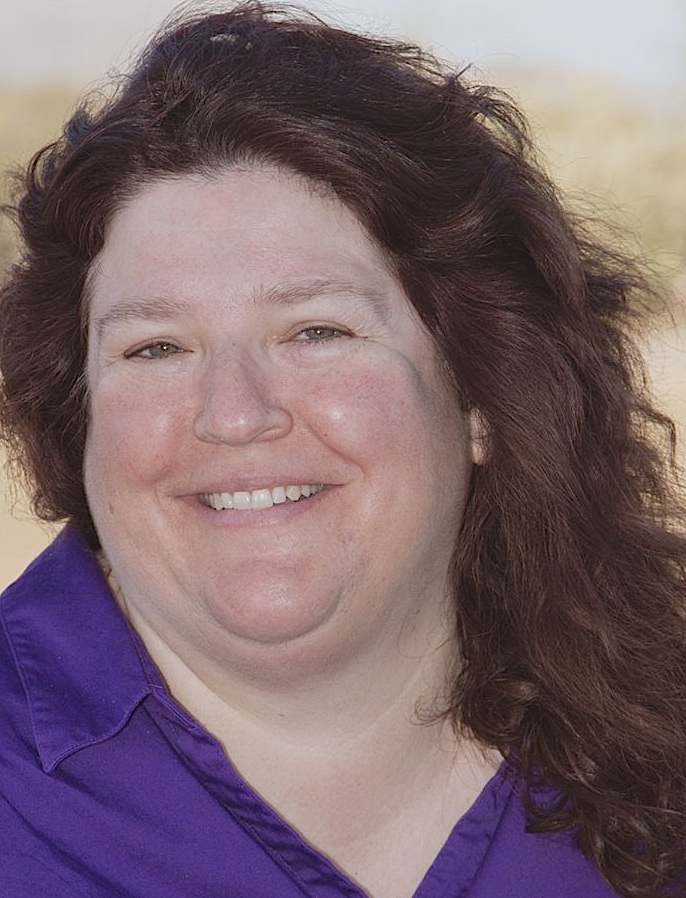
Sue Hannah - TBI Survivor

Sue Hannah – TBI Survivor

Because I have TBI: I have intuition that others do not.

Because I have TBI: I can hear what others aren’t saying.
Because I have TBI: I can “see” people and places in a bold and global way.

Because I have TBI: I can feel touch and connection in a way that is uniquely mine.
Because I have TBI: I can hold the space for others in pain in a courageous way.
Because I have TBI: I have been able to see how strong I truly am.
Because I have TBI: I have seen the suffering in others in a kind and compassionate way.
Because I have TBI: I have the opportunity to make an impression on this world that is my own.

To learn more about Sue, please visit her website/blog at Platypus Expressions.

Thank you, Sue Hannah.

Disclaimer:
Any views and opinions of the Guest Blogger are purely his/her own.

(Clip Art compliments of Bing.)
SPEAK OUT! . . . . . . . . . . . . . . . . . Guest Blogger: Melissa Cronin Stages of Forgiveness

Stages of Forgiveness

by

Melissa Cronin


Girl Blogger cartoon_picture_of_girl_writingMore than eleven years ago, eighty-six-year-old George Russell Weller confused the gas pedal for the brake and sped through the Santa Monica Farmers’ Market. He struck seventy-three pedestrians. Ten people died.

I sustained life-threatening injuries, including a ruptured spleen and multiple fractures. Due to the nature of my traumatic brain injury, it wouldn’t be until three years after the accident when a neuropsychiatrist diagnosed me with a TBI.

During the early days and weeks of my recovery, weighed down by pain and the unthinkable – that others died while I survived – my brain lacked space for anything heady like the notion of forgiveness. Years later, when I possessed enough emotional fortitude to unearth the new articles I had collected about the accident, I decided I needed to find a way to forgive Russell Weller. I’ve been told that forgiveness is overrated, that you don’t have to forgive to heal. While that might very well be true, my want to forgive others for any wrong committed is part of my constitution. So I had to at least make an attempt to forgive Russell Weller. Otherwise, I’d be infected with a case of chronic bitterness and cynicism and worried I’d be contagious. Who wants to hang out with someone with a transmittable illness she has the capacity to heal?

To forgive, one must first assign blame. But, as in Russell Weller’s case, if there is no act of intentional harm, where do you place blame and, therefore, how do you forgive? To add an additional elusive layer, how do you forgive someone you’ve never met? Is it even possible to forgive someone you don’t know? I reached out to Russell Weller’s family years after the accident, but they refused my request to visit him. In 2010 he died.

The following year, I enrolled in an MFA program. During my third semester, still befuddled as to how to forgive Russell Weller, I wrote my critical thesis on the topic: The Face of Forgiveness. I examined how a particular writer, who had sustained life-threatening injuries after a car struck him, navigated the indeterminate nature of forgiveness on the page. Because each circumstance varies, forgiveness cannot be defined in absolute terms. *Since forgiveness is a process, I arrived at the conclusion that it can be charted in stages:

1) Understanding of the accident/incident

2) Transference of anger and other emotions

3) Self-pity

4) Awareness of others’ suffering

5) Avoidance

6) Surrender

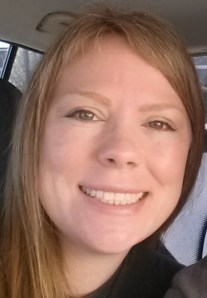
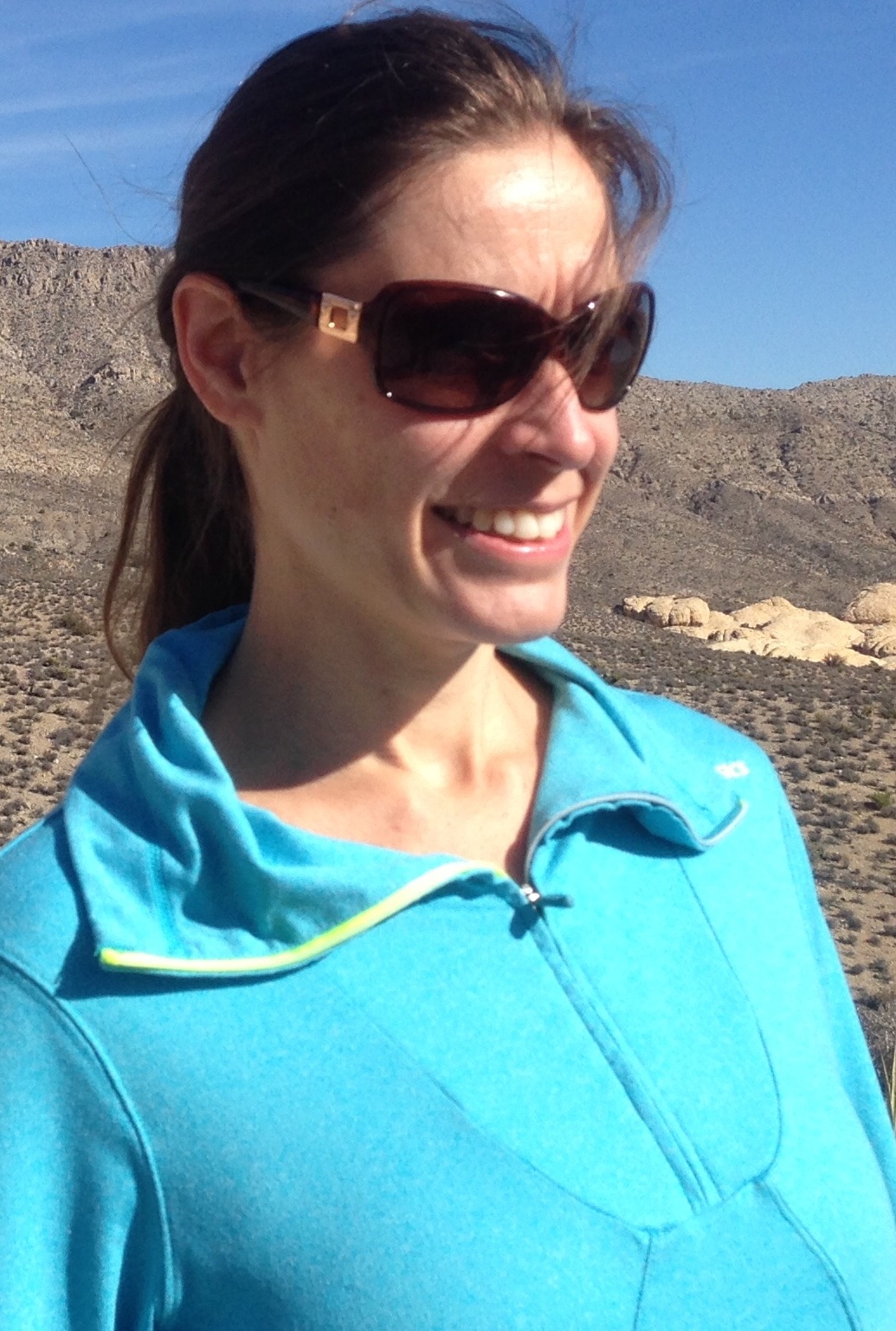
Melissa Cronin leaves

Melissa Cronin

These stages don’t necessarily occur sequentially. Like Elisabeth Kübler-Ross’ stages of grief – denial/isolation, anger, bargaining, depression, acceptance – the stages of forgiveness may overlap, or one may become stuck in a particular stage. For me, I became stuck in one or two and skipped another one or two altogether. It’s also worth noting that the stages of forgiveness may not occur in a defined timeframe.

Stage 1: Understanding of the accident/incident

I dedicated months to reading news articles and investigative reports, parsing out the details of the accident: What Russell Weller was doing in the moments before he sped through the market, his medical history, his driving history, what bystanders witnessed at the scene of the crash. Somehow, I believed by reading those articles I would get to know Russell Weller and, therefore, be able to forgive him, or not. But written words weren’t enough – they seemed static on the page. Even though some articles included his apology – “I’m deeply sorry for any pain that everyone went through” – I could not hear his voice, hear his remorse, anger, or fear. And with all the contradicting statements about Russell Weller’s character and what people saw or didn’t see, I only became more confused. I felt like a pendulum – swaying dizzily between sadness and anger.

Stage 2: Transference of anger

As I read articles about the role the local entities had to play in running the market, any anger I harbored for Russell Weller quickly transferred to city officials who were responsible for ensuring the safety of pedestrians. I wondered why they didn’t have sturdy barriers in place, rather than wooden sawhorses. But, similar to my confusion regarding how to feel about Russell Weller, my feelings and emotions swayed – from judgment to understanding, from contempt to submission.

Stages 3 and 5: Self-pity and Avoidance

I did not become victim to self-pity – perhaps the perpetual warring dialogue in my head thrust self-pity aside. For the same reason, I skipped avoidance.

Stage 4: Awareness of others’ suffering

As I continued my dogged search to find meaning within the chaos, I could not help but be lured into an awareness of others’ suffering.  I imagined the physical and emotional pain the other injured pedestrians endured and the rage and anguish that tore into the families of the deceased. I viewed Russell Weller as injured, too – emotionally, mentally, psychically. I imagined Russell Weller’s grief: plagued by nightmares, isolated behind drawn window shades, sallow from regret.

The judge who presided over Russell Weller’s trial said he “lacked remorse” Because he didn’t cry? Why is it that we have a tendency to forgive others only if they exhibit unequivocal remorse: falling to their knees, drooping, sobbing? But a display, or physical showing, of remorse is not necessarily what matters to those harmed. Of course, a sincere apology does not negate the harm done, but sincerely spoken words of remorse are what matter. The quality of the voice matters: is it harsh, tense, creaky?

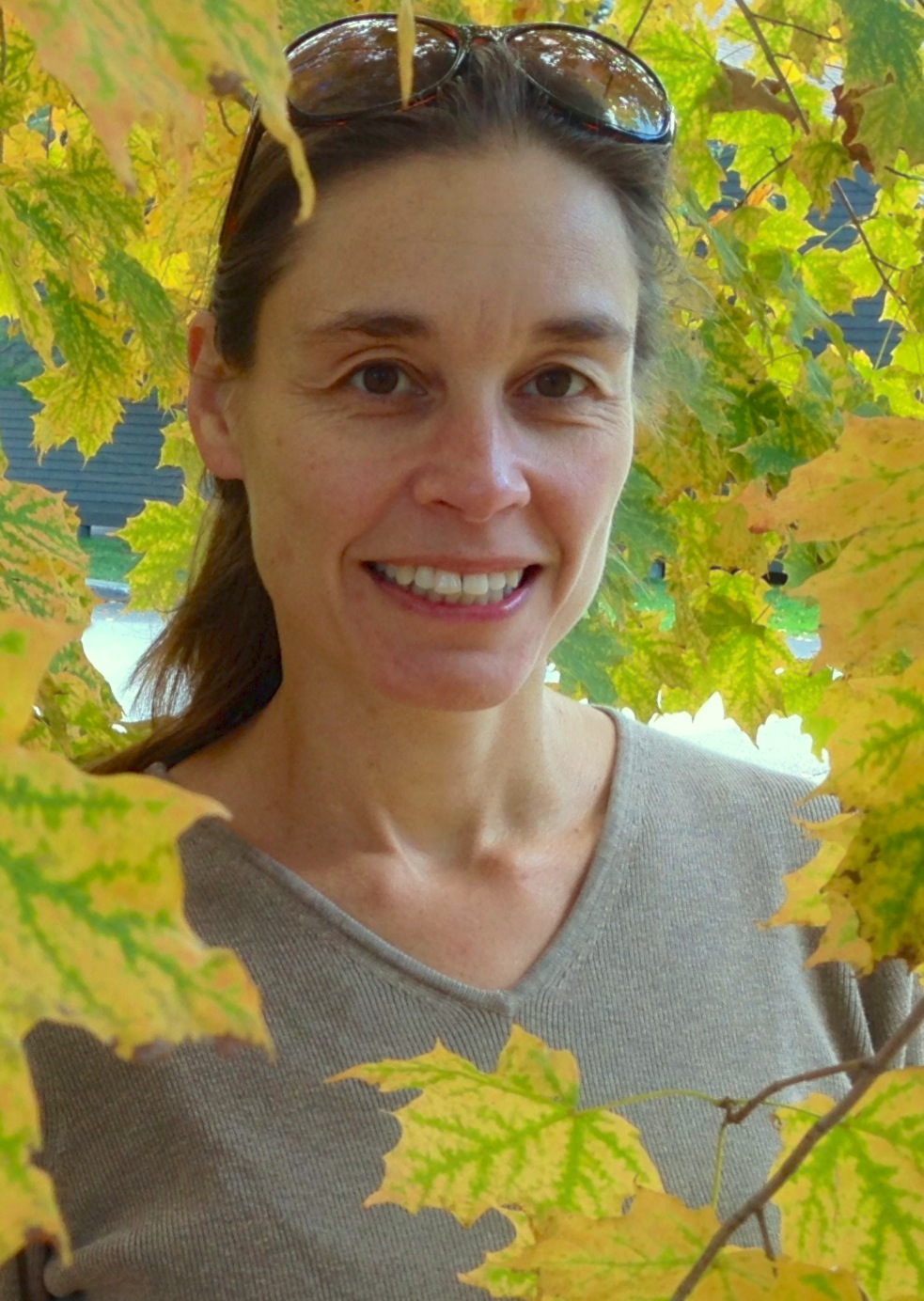
Melissa Cronin desert

Melissa Cronin

In 2011, I finally obtained and viewed a copy of the videotape of Russell Weller speaking with police officers soon after the accident. I slid the video into the CD player, inched close to the television screen, so close I felt as if he and I were together in the same room. Though he did not cry, his full-toned voice quivered as he said, “I’m in trouble with my heart and soul.” His voice then quieted to a whisper, as if he were in church mourning over the dead: “God almighty, those poor, poor people.”

That’s when I forgave Russell Weller. That’s when I surrendered – to Russell Weller’s remorse.

*Stages of forgiveness conceived by Melissa Cronin


9781611592399_p0_v3_s260x420Melissa is the author of “Invisible Bruise,” published in Chicken Soup for the Soul: Recovering from Traumatic Brain Injuries

forgiveness


Melissa also penned the essay, “Silencing the Boom,” which is published in Chicken Soup for the Soul: The Power of Forgiveness


To learn more about Melissa, please visit her website/blog at Melissa Cronin.

Thank you, Melissa Cronin.

Disclaimer:
Any views and opinions of the Guest Blogger are purely her own.

(Clip Art compliments of Bing.)

(Photos compliments of Melissa Cronin)

SPEAK OUT! . . . . . . . . . . . . . . . . . Guest Blogger: Ken Collins . . . . . . 38 Tips for Living With a Brain Injury

SPEAK OUT! Guest Blogger: Ken Collins

(Host on the Brain Injury Radio Network)

offers

38 Tips for Living With a Brain Injury


Boy Blogger thOn December 31st, I will have lived with a traumatic brain injury for 38 years. I have used several strategies for co-existing with and minimizing the effects of my TBI. I know now that the brain-injury recovery process is ongoing and that there are four major areas to work on during recovery: (1) Getting Organized, (2) Being Responsible, (3) Following Through, and (4) Moving On. I learned a lot over the years, and I want to share my experiences. I have listed 38 tips (one for each year) that could be helpful to you.


1. Regain trust in yourself and in others.

2. Try not to be critical of mistakes you make. In the early years of your recovery, there will be too many of them to count. Learn from these mistakes and move on.

3. Find purpose and meaning in your life again. This will make it easier to get out of bed in the morning. Having a sense of purpose and meaning will give you something to live for and will help you feel worthwhile, help motivate you, and improve your recovery process. You will start feeling better about yourself.

4. Keep stress and anxiety to a minimum every day. Reducing stress and anxiety will increase your self-esteem and make life easier. Stress and anxiety trigger the fight-or-flight response in the mid-brain. You don’t have any control over this response because it is part of the Emotional Nervous System. When the fight-or-flight response is activated, it increases confusion and makes it harder to process information.

5. Regain your self-confidence and self-respect.

6.Be proactive.

7. Stay focused, calm, and relaxed as much as possible. This will make it easier to think, and you become less dependent on others to remind you. Becoming more responsible for yourself will build good habits on your part and will improve your self-esteem and self-confidence in the long run.

8. Get a large calendar. Put it up on your wall and use it. Make sure it’s in a location where you will always see it. An iPad (or clone), a smart phone, or a note pad with a calendar and alarm does the same thing. A calendar will also relieve stress and anxiety by helping you stay on task and not forget.

9. Get a key-holder and put it by your door to put your keys on when you come home. Do this every night so you won’t have to look for your keys in the morning. Starting your day off on the right foot will make your day easier and help to relieve stress and anxiety.

10. Make a “To Do” list to help you stay organized. iPads, iPhones or other smart phones, and note pads work wonders with this. The list will help you and make you feel good about yourself.

11. Making a list before you go shopping will save you money by cutting down on impulse-buying. It will also help you become more responsible and less dependent on others. Being less dependent on others improves your self-esteem.

12. Get lots of rest, and slow down. Many times we try to do too many things at once, and nothing gets done. Sleeping on an issue or concern can be the best way to help you figure it out. Getting enough rest will give you valuable energy to think better and solve difficult situations. Sufficient rest will also relieve stress and anxiety.

13. Set up a routine and stick to it. A routine will make it easier for you to follow through with what you have planned for the day. By doing the same thing every day, you will start building trust in your capabilities again.

14. Eat healthy foods, and get lots of exercise. Doing these things will help you get the blood with its oxygen circulating to your brain.

15. Get a dog and take it for walks. In my case, I have nine dogs, and they take me for a walk every morning and night! They also give me the unconditional love and companionship I need to feel good about myself and be happy.

16. Find ways to relax that aren’t counterproductive to your well-being. Abusing alcohol and drugs to “relax” is counterproductive. Long walks, yoga, and Tai Chi are much better for you and will make processing and problem-solving much easier. Stress and anxiety will be reduced.

17. Be patient.

18. Pay attention and become an active listener. Actively “hearing” what people have to say is more important than passively “listening” to what they say. Watch their body language. When I get distracted, sometimes it is harder to understand what a person is saying. Stay relaxed and focus. Take deep breaths – nothing works better than getting oxygen-filled blood to your brain.

19. Be around positive people and people who care about you. Nothing is more depressing than listening to someone who’s always complaining about his or her life or about what is going wrong in the world. Become active. Don’t just sit around hoping things will get better. Quit talking about a problem, and do something about it instead.

20. Don’t take criticism personally. When people don’t understand things, they criticize them. Constructive criticism can make you a better person in the long run.

21. Keep an open mind. Remember that your family and friends want to help, but sometimes they don’t know how. Many people don’t understand what you are going through, so don’t hold them responsible for this.

22. Stay calm; stay relaxed; take deep breaths; and move on!

23. Be careful of those you hang out with because they will set the stage for how you act. Friends who judge others and criticize you aren’t “friends.”

24. Grudges will only hold you back. They will be like anchors and keep you from being able to move on.

25. Lighten up on yourself, your family, and friends who want to help you.

26. Worry less and smile more.

27. Be content with what you have. Others have it much worse than you.

28. Find ways to stay active and be less isolated. Get out of your head and into the outside world.

29. Don’t give up – embrace adversity. Have adversity give you the resolve it will take to get better and improve your life. This will be up to you and no one else. People will be there to help you, but all of the work will be up to you. Use it or lose it!

30. Take ownership of your recovery. Remove the word “can’t” from your vocabulary.

31. Life is hard for most people. Life after a brain injury will definitely be hard, but not impossible. It will get easier over time – be patient! Make the best of every day and move on.

32. Thinking too much about a problem or issue can cause depression. This will trigger the fight-or-flight response, and you will be like a dog chasing its tail.

33. Be good to yourself.

34. Don’t take life too seriously.

Ken Collins for Blog

Ken Collins – TBI Survivor Host of Brain Injury Radio Network

35. Don’t let the little things get you down. When you think about them too long, they seem bigger than they really are.

36. Don’t beat yourself up over things you can’t control. This will only increase your stress and anxiety and trigger the fight-or-flight response.

37. Be happy with yourself and don’t try to live up to others’ expectations.

38. Most importantly – don’t set unrealistic expectations for yourself. Be strong. Find hope – because with hope, anything is possible!

Stop by the Brain Injury Radio Network to hear Ken. His show airs every 1st Thursday of each month from 5:00p to 6:30p Pacific Time.

Thank you, Ken Collins.

Disclaimer:
Any views and opinions of the Guest Blogger are purely his/her own.

(Clip Art compliments of Bing.)
 

SPEAK OUT! . . . . . . . . . . . . . . . . . . Guest Blogger: Lee Staniland . . . . What I Can Remember

SPEAK OUT! Guest Blogger: Lee Staniland

What I Can Remember

Girl Blogger cartoon_picture_of_girl_writingIt was June 11, 1978, in Somis, California, so I’ve been told. Because, you see, I have no memory of what happened that day.

I know that I had just gotten back from Arizona, where I became the godparent to my young nephew. I had brought my mother back with me, and for Mother’s Day, I had taken her to Solvang for the day. I also remember taking her to the Burbank Airport for her to go home. I remember all that very clearly, but the actual day of the accident, I remember nothing.

I have been told things so many times that they now have become my memories. I was told that I had been outside washing windows when my husband left to go somewhere. I was probably upset about something or someone because that is the only time I would wash windows.

I put my dogs up in their kennel like I always did when I rode my horse. My husband came home and could not find me anywhere, until he looked out in the pasture, which was in the front of our house. He noticed my horse with her bareback blanket on and a hackamore hanging from her neck.

Our pasture has walnut trees in it, and he found me unconscious under one of the trees. He told everybody that he had always told me not to ride when I was alone.

He gathered me up and took me to Camarillo’s Emergency Room. They sent me to Ventura’s Community Hospital, where I stayed in a coma for six weeks.

I have been told stories of things that happened there, like the time they left me in front of an open window one day. I caught pneumonia as a result. Another time, they kept giving me Dilantin to control seizures, and I was allergic to it. Because of that, I was scratching myself so badly that they tied my hands to the bed so that I could not reach any part of my body.

I guess they must have done most things right, though, because I’m here today to tell you about it.

I came out of the coma six weeks later, and I was sent up to Santa Barbara Rehab, where I spent another 2 or 3 months.

That was where I got my first memory that stuck. I was in a room all by myself, and I could hear people out in the hall. I had no idea where I was or why I was there.

I have memories of little fragments of that time – like being with my family, my sister’s wheeling me around their hotel pool, another sister’s taking me for a car ride around Santa Barbara, and lunch at Micky D’s (MacDonald’s). Funny the things that you remember.

My husband took me out of the hospital to spend the day in Solvang for our first anniversary. That was a super memory. I got to be out of the hospital for a WHOLE day. Wow!

Other memories:

Trying to walk down the hall with a walker, and not doing so well.

The day my brother hid the belt that the nurses had tied around me so that I didn’t fall out of the wheelchair every time I thought that I could stand up on my own.

A great young gal who was supposed to be with me while I cooked a meal that I had chosen.  [There was no way that I could do that yet, so she and her boyfriend cooked and ate a steak dinner (or whatever it was that I had picked out to try to cook). It was so much fun just watching them enjoy it. It still puts a smile on my face whenever I think of it.]

Then there is the memory of crying and pleading with my family to take me home.  They all felt so bad and wanted to do it, but they knew I wasn’t ready, so they would leave and I would just fade out. That is the good thing about not having a good memory. You forget most things that upset you. I remember things a lot better today, but there are times, especially when I am tired, that the old memory just doesn’t work the way it used too.

Well, I finally got to go home. I was so happy.

My parents had moved down from Sacramento to help take care of me. I had to relearn to walk, talk, dress, and feed myself. My old self was a very headstrong person, but I just let everyone help me with life. It’s amazing how your mind protects you from yourself.

After awhile, it was time for my parents to leave. I love them so much, but my parents were smothering me, and I wanted MY house back.

I know my mom was so afraid to leave me to handle things on my own, but it was the best thing for me.

I want to tell all you caregivers a secret. I know that it is a lot easier if you just do everything for us, but please don’t. I believe that is how I got to be as good as I am. After my parents left, I had to do everything myself – from taking care of a big house to caring for cows, chickens, dogs, and cats and helping to run a carpet-supply warehouse. I sold my horse because I could not ride her then. Oh yeah, I just remembered that my rooster would chase me whenever I would go out to collect eggs. They always go after the weakest thing, and that was me.

I forgot to mention that we were also still in the process of finishing the house we were building and living in. Talk about crazy!

I am so thankful that the part of my brain that reasons things out was not damaged completely. Don’t get me wrong. I know that there are times when I get a little crazy about things. Maybe other people who do not have a brain injury would handle the situation a lot differently, but I do the best that I can.

I am now remarried to a man who does pretty well for someone who was not with me from the beginning. I think he has learned a lot from me. I have learned a lot from him.

When someone says to me, “Oh your head injury must not have been very serious,” I would like to shake him or her. I had to work very hard to get where I am. I had Someone looking over me, and He decided that my time was not up yet and that I have something that I’m still supposed to do. I believe my purpose in life is to be with my fellow brain injured and to give them and their families hope.

I am very satisfied with my life right now, and maybe that is because I have been given back most of my old self. And then Staniland, Lee-1maybe it is because I have some of the best people around me. So here is a big Thank You to all those wonderful people who have stuck by me through thick and thin.

I love you!


Thank you, Lee Staniland.

Disclaimer:
Any views and opinions of the Guest Blogger are purely his/her own.

(Clip Art compliments of Bing.)
SPEAK OUT! Guest Blogger: DuWayne Hall . . . My Journey

SPEAK OUT! Guest Blogger: DuWayne Hall

My Journey

Boy Blogger thIt was a day like any other day. I got ready for work. As usual, I rode my motorcycle there. I drove around the hairpin turn that lies in front of the Emergency Room at Saint Benedict’s Hospital, where I worked. I arrived 15 minutes early, as usual, and I parked in the parking spaces up in front by the Admission doors. The day was as mundane as expected. Nothing exciting or out of the ordinary had happened. This routine had been repeated daily for eight years. Every day had been painfully identical: I arrived to work at 11:00 pm, worked until 7:00 am, and then went home. I lived only 10 minutes away. As expected, my shift went painfully slowly.

At 7:00, my shift relief failed to show up and relieve me. I was required by my employer – and by law – to stay on the job for another shift.

The Psych ward was about full. Almost half of those patients were minors. I went to my shift change, learned the medical history on my patients, and then began to gather the supplies necessary for my Group Session.

The patients filed in to attend the first Group Session of the day. I handed out supplies and manuals to document the progress of the patients’ recovery from whatever crises had caused them to be admitted into the hospital in the first place.

I thought my usual shift was long, but the next shift felt longer because it was all day. At lunchtime, I clocked out to get off the hospital grounds. I drove down the road to McDonald’s. Before I drove back, I removed my helmet to place my lunch into it to shield my dinner from the wind – thus, keeping it warm during my ride back.

As I rounded that hairpin turn in front of the Emergency Room, a car pulled out right in front of me, causing me to lay the motorcycle down. The bike pinned my right leg under it and then dragged me 100 feet down the road. As a consequence, my head bounced just like a Super Ball between my shoulder and the ground. I acquired a massive amount of “road rash” on my right side, as my chaps and uniform became shredded from the grinding of the motorcycle scraping across the road. I acquired a severe Traumatic Brain Injury and a compound fracture of my right collarbone. I also shattered my right elbow. I crushed my right cheek. I almost ripped off my right ear. I broke my right leg. My right eye was hanging out of its socket. My Big Mac sandwich did much better than I did!

To control brain swelling, the doctors introduced a shunt and placed me into a prolonged coma. While I was in my coma, I did not know that I was injured. I imagined myself on a mountaintop overlooking the city I lived in. I kept thinking to myself, When are they going to start the fireworks? I was only in the mountains to observe the fireworks from up above, instead of from down below, for a better view of the show. The fireworks finally went off. The next thing I knew, I was looking through hospital bed bars. I had no idea where I was or how I got there or when I got there. The last thing I remembered was being in the mountains with friends and watching the fireworks go off.

I was in my coma for 25 days. On the 24th day, the doctors began preparations to remove me from the life-support equipment. My parents, not wanting my daughter to see me dead, had made arrangements to first bring her into my hospital room to view my body before they disconnected me. My daughter, who had not seen me in nine years, was brought into my room. The doctors, nurses, my parents, and several friends watched passively as my daughter, who was 10 at the time, walked over to me and asked, “Daddy, do you want a cup of coffee?” To everybody’s amazement, I started to laugh. I had inexplicably come out of my coma. The doctors immediately started backpedaling. Nobody could explain how it was that they thought I was going to die until I was asked if I wanted a cup of coffee!

The documentation on head injury is incomplete at best. Rehabilitation therapists only follow a standardized guideline on how to treat a head injury. Every article I’ve ever read states that head injuries are unique. So it stands to figure that if every head injury is different, then it is ludicrous to apply standardized testing. The doctors did not like the fact that I was questioning my treatment. I was transferred to three different rehabilitation hospitals over a period of five years, while I relearned to walk, talk, interact with other people, and relearn names. I was taught how to add, subtract, eat, cook for myself, shop, take a shower, wash my clothes, phone, and use the toilet. I had to brush up on my job, my family, relationships, schooling, etc.

Ten years into my disability, because of my coordination problems, I slipped and fell in my own home. I broke my neck. It was a miracle I did not paralyze myself from the neck down. Because I was brain-damaged, nobody believed that I was badly hurt. They thought I was exaggerating my symptoms. The X-rays were not interpreted by a radiologist. Instead, the Emergency Room staff sent me home with instructions to be careful. First thing the next morning, the hospital called me and informed me that I had, in fact, broken my neck. They wanted me to return for admission and treatment, even emergency surgery. I was operated on for a permanent fusion of my T1 and T2 vertebrae.

Eighteen years into my disability, I received a second severe head injury. It occurred while I was just walking across the road. A truck driver did not see me crossing the road, and he hit me in the crosswalk. That injury gave me PTSD (post-traumatic stress disorder) along with new neural deficits. At this point, I am rated by Social Security as 105% disabled. I am more than totally disabled, just because I walked across the street!

It has now been more than 23 years post-injury. I have learned so much that I cannot even begin to describe what my journey has been like. I do know that EVERY single DAY is a challenge for me as a TBI survivor. We as survivors need to negotiate trials that the average person may find overwhelming. Little things could be insurmountable – for example, deciding what to wear and what, or even if, to eat. My own body is the enemy. Just talking to people can be a challenge. People misunderstand me all the time. I am a loner, but not by choice. It hurts me inside to be alone. Obviously, it is not healthy to be alone. Yet, many TBI survivors are alone. The stats validate that fact. Most marriages attempted by someone with a TBI end in divorce. It would seem then that survivors of a TBI make poor candidates for relationships. Everything is a challenge for the TBI survivor! You can never know what it is like until you “walk a mile in another man’s shoes.”

Favorite quotations:

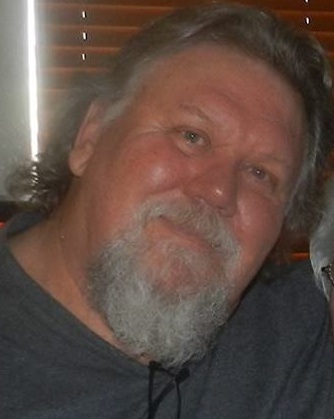
DuWayne Hall

DuWayne Hall

You’re only as old as you feel!

You only live once in life!

You won’t know unless you try!


Thank you, DuWayne Hall.

Disclaimer:
Any views and opinions of the Guest Blogger are purely his/her own.

(Clip Art compliments of Bing.)
SPEAK OUT! Guest Blogger: Broken Brain – Brilliant Mind Change . . . for the Better

SPEAK OUT! Guest Blogger:  Broken Brain – Brilliant Mind

Change . . . for the Better


Boy Blogger thWhen it comes to TBI recovery, it’s easy to feel like things are never going to change. After I fell down a flight of stairs and hit my head in 2004, my personality changed dramatically. Before my fall, I used to be very levelheaded and thorough. I was competent to an extreme. Being a Type A overachiever was a big part of my personal identity, and any time I fell short in the know-how department, I worked my butt off to make up for it. I was very funny, once upon a time, and I was fun to work with. People sought me out and asked specifically to have me assigned to high-profile, high-stakes projects at work. I could pick up new skills with little or no problem, and I was always up for a challenge.

After my fall, I basically fell apart. I lost the ability to read things and understand them. I hardly could sleep. I was always on edge, and my hot temper flared at an instant’s notice. The worst was I lost my sense of humor. I no longer thought anything was funny. Plus, I could not learn new skills . . . at all. I could never figure out for myself where to begin new tasks, and, when others told me where to begin, I could not stick with things long enough to complete them. But I could not see that something was “up” with me. It was always someone or something else’s fault.

And I thought that nothing would ever change. So did my spouse. Both of us figured the old me was gone for good.

But it hasn’t turned out that way at all.

I somehow managed to find a neuropsychologist who is a strong believer in neuroplasticity — the idea that people’s brains change and that we can get better after TBI. My “neuropsych” is convinced that the brain can rewire itself, and so am I. In fact, I have been a believer in neuroplasticity for 30 years. Back in the early 1980s, I came across a scientific report that showed the brains of rats that had been exposed to a rich learning environment versus those that had not received any stimulation. The brains of the stimulated rats were chock-full of additional connections (their wiring). The proof was in the picture, and it was undeniable. If that happened to the brains of rats, surely it happened with humans as well!

In the last 5 years, since I started my TBI rehab, I have seen so many changes for the better. I realize now that my fall in 2004 was really the most recent of a series of mild traumatic brain injuries, which started when I was a kid. I’ve had at least 9 mild TBIs since I was about 7 years old, and there could have been more that I just can’t remember. So, I’m not just recovering from a fall in 2004. I’m recovering from a lifetime of concussions — some of them worse than others, which finally culminated in my nearly catastrophic traumatic brain injury ten years ago.

To say that I’m a different person now would be an understatement. There have been many ups and downs, and some days I still wonder who the heck I am. But in the end, things are so much better now than they were just five short years ago. TBI recovery takes years and years — and even when we reach a level of decent functioning in the outside world, our inside world can still feel like utter chaos.

My life can “feel” very chaotic, when it’s actually very calm and orderly. That’s one of the weird and frustrating things about my injury — it makes many things seem far worse than they are, and I tend to react to that impression, rather than stepping back and taking a logical look at things. It’s hard to trust my brain, when it’s constantly sending me signals that something’s wrong while everything is actually pretty awesome.

But to be honest, it’s tough to believe everything is okay when you have constant issues that never seem to go away. I get overwhelmed by back and neck pain, loud ringing in my ears, sensitivities to light and noise, and feeling like I’m always playing catch-up. My memory comes and goes; I’m tired a lot and have trouble sleeping; and my energy level is unpredictable. Some days I just need to disappear into my own world — going for long walks in the woods or walks on the country roads around my home, spending time surfing the Web, working in the yard or my workshop, or just sleeping all afternoon on the weekends.

After years of trying to fix the problems, I’ve found that a better strategy is to concentrate on creating new and better experiences that eclipse the bad ones and to get my mind off my troubles. Yes, I’m in pain. Yes, I forget things. Yes, I often feel like I’m in damage-control-mode. But when I focus my attention on the good parts of my life, the troubles fade away and become part of the scenery, instead of the defining factors of my life.

My present recovery strategy is to enjoy myself as much as humanly possible. I go out of my way to slow down and really enjoy the life around me. I want to give my brain as much good to react to, as bad. I’m an expert in identifying problems that I can fix, and it gives me a lot of pleasure to fix them. At the same time, there’s more to life than constant problems. Being able to stop and enjoy an amazing day…just breathe deeply and soak it all in…really taste the food I’m eating…feel myself getting stronger when I work out in the mornings before work…and feel my body soaking up the water I drink after my workout is done. All those things are good for my spirit AND my brain. I figure the more good things I notice and dwell on, the more “wiring” for good I’m building in my brain.

Traumatic brain injury comes with a host of predicaments and issues that you’d never expect to come up in a regular life. If I’m going to have to deal with all of that, I might as well get to enjoy myself too. There’s a ton of stuff I cannot control in my life — but my attitude and my outlook are something I can control. So, I focus my energy there.

Granted, it doesn’t always work. It takes a lot of energy, and some days I just can’t manage the whole “positive” thing. So, I cut myself a break, make myself a nice steak dinner, watch a man-against-nature television show, and call it a day.

There’s always tomorrow.Broken Brain Brilliant Mind Gravatar dc1f49ad8493ea68c0c1c5e9b24d2e69


Thank you, Broken Brain – Brilliant Mind.

Disclaimer:
Any views and opinions of the Guest Blogger are purely his/her own.


You can read more about Broken Brain – Brilliant Mind on his blog.

(Clip Art compliments of Bing.)

SPEAK OUT! Guest Blogger . . . . . . George Visger (former NFL SF 49er)

SPEAK OUT! Guest Blogger George Visger (former NFL SF 49er)

Short, Choppy Steps


Boy Blogger thAnyone who has ever spent time on the gridiron will know what those words mean. But their meaning holds truth far beyond the playing field and can be applied to everything we do in life.

In football, the object of the game is to win. But to win, you must score. To score, you need to punch the ball across the goal line.

But what if the goal line is 99 yards away?

Short, choppy steps will get you there – not long strides and an occasional 50-yard run.

In football, everything starts with a good stance. You need balance. Just like in life. You need to get yourself into position to succeed before you can succeed. A bad stance, and you’re beat before the ball’s snapped. When playing defense, if you have too much weight on your right foot, you’ll never be able step with that foot, and the offensive linemen will easily be able to cut you off if the play is going that way. If you have too much weight forward, like you have during a passing situation, you can never react quickly enough if they call a run to the inside.

A good stance is a balanced stance. Try it.

No, I mean try it. Everyone who can, stand up.

Stand up tall – feet, shoulder-width apart, and toes, even. Move your dominant foot back about 10-12 inches so your right toes (if right-handed) are even with the instep of your left foot. Now push your chest out and your butt back. Slowly squat down until your elbows touch your knees. Once your elbows make contact, lean forward a bit and place your hand on the ground with your thumb directly under your nose.

That’s a balanced stance. You can easily move in any direction from that position.

#74 NFL San Francisco 49er, George Visger @ 1981

#74 NFL San Francisco 49er, George Visger @ 1981

On offense, if you don’t score, you can’t win. To score, you have to move the ball. If the offensive lineman fires out with a long stride – like you would do when sprinting, it’s very easy for the defensive player to knock him on his butt. Holding your head up and looking 90 yards down the field at the goal line is a great way to get your cranium removed. Considering the cranium is a fairly important organ, it’s best you hang on to it. You need to keep your butt down, your face up, and your neck bowed and to take short, choppy steps.

Try it.

A long stride with your head up is a narrow stride. Any pressure from the side will knock you on your butt. To maintain the most strength, you want short, choppy steps. Fire out, and keep your butt down and your face up. Stick your face into the numbers, and, with your butt under you, drive with short (12-16 inch) strides. That’s where you get your power. Not a long, narrow, unbalanced stride with your neck craned up and your head looking downfield. Focus on the short, choppy steps.

If a football team got only 4 yards every play on offense – no more, no less, they would never lose.

Think about it.

Only 4 yards a play, and you would NEVER LOSE!

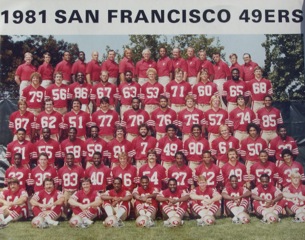
George Visger #74  4th row from bottom, 2nd from right  @ 1981

George Visger #74
4th row from bottom, 2nd from right
@ 1981

That’s a first down every 3 plays. You would score every time you had the ball. NO ONE could stop you.

Every one has a cross to bear. Some crosses are much heavier than others. I have met people on my journey, who have silently carried crosses I could never even lift. Yet they pack them – everyone.

And never complain.

If we looked downfield every day – gazing at where we want to be in life and thinking about what we have to deal with to get there, we’d never score. You need to keep that goal line in the back of your mind every day of your life – every play, but to get there, you need to focus on each step. One day at a time. One step at a time.

A single short, choppy step each day wins games.

Set a short-term goal each day, and focus on that.

In 1986, at the age of 28, I returned to school to complete my Biology degree, after an Orange Bowl, a Super Bowl, three emergency VP (ventriculoperitoneal) shunt brain surgeries, and several gran mal seizures. I needed four semesters of Chemistry (Chem 1A, Chem 1B, Organic Chem, and Bio Chem), two semesters of Physics, two semesters of Pre-Calculus, and other fun classes to complete my degree in Biological Conservation and to attain my second dream in life – to be a wildlife biologist. (My first dream was to be the greatest NFL player of all time.) At the time, I was working construction during the day, earning a Class B General Contractors license in the evenings, and bouncing at bars at night to survive. (No, all NFL players are not millionaires. I was a 6th-round pick in 1980 and signed for $35,000.)

After I returned to school in 1986, I survived five additional emergency brain surgeries during a 9-month period in ‘86-’87, while taking Organic Chem, Physics, and other classes. I was in Organic Chem three times when my shunt blew out. I had emergency brain surgery, and I dropped out of school. After the first, I came back and took the class again. Another shunt blow out and another brain surgery, and I dropped out of school again. Happened a third time. This time, I was determined not to drop out. Brain surgery on Saturday, and I left the hospital on Sunday, 23 hours later. I was sitting in Organic on Monday when I had a >50-minute gran mal seizure. I was hospitalized for a week. It seemed I had developed an infection in my shunt on that one. They sent me home with a PICC line (peripherally inserted central catheter) in my arm, with a pump taped to my bicep, and with a tube that ran directly into my heart to deliver antibiotics. I packed that around for 10 days and had to drop out of school again.

I came back the next semester, but by then I had developed dyslexia and major short-term memory issues from my surgeries and gran mal seizure meds. (I’ve been on Dilantin, Depacote, Phenobarbital, Kepra, Zonegran, and now Lamictil.) After discovering through my own investigations that each one causes short-term memory problems, I had my doctors change the meds because I didn’t like the side effects. I had to write on my notebook where I parked my truck each day, or I would spend an hour or two walking up and down each row of cars in each parking lot on each side of Sacramento State University looking for my truck.

I came back the next semester so frustrated I met with my counselor, Mr. Sterling Ebel, a man who had as much influence on my life as anyone other than my father. Mr. Ebel was a man who quietly gave me information on how best to achieve my goals and connected with me as a person and a man. He was a man who wore the same tiny tie clasp every day I knew him. It had two words:

“TRY GOD.”

“Sterling, I can’t keep doing this crap. I can’t even remember where I parked my truck, much less Organic Chemistry. I just want a degree. I don’t care what it’s in. Just find me a degree. I need to get on with my life,” I ranted one day, as I barged into his office without an appointment, ready to quit.

“You’re 12 units from a Social Science degree,” he calmly replied after studying my transcript and telling his receptionist to hold his next appointment.

“OK, I’m a Social Science major,” I said.

That semester I took 6 units towards my Social Science degree, and passed both classes. The next semester, just 6 units shy of a BA in Social Science, I decided I’d give Organic Chem one more shot. I’d never quit on anything in my life, and words of my father, Big Jack Visger, the greatest man I’ve ever known, rang in my ears:

“Shoot your best shot.”

If I didn’t make it through Organic on this one, God didn’t mean for me to be a biologist. I was shooting the last round in my chamber.

On the fourth try, I powered through Organic – a “Short, Choppy Step.”

Physics 1B – Short, Choppy Step

Pre-Calculus – Short, Choppy Step

Bio Chem – Short, Choppy Step

In 1990, at the ripe old age of 32, with 172 units completed, gran mal seizures, and eight VP shunt brain surgeries under my belt, I earned a Bachelor of Science degree in Biological Conservation. Graduating made playing in the NFL look like child’s play.Visger, George

Another Short, Choppy Step.

And I continue to take short, choppy steps each day.


Thank you, George.

Disclaimer:
Any views and opinions of the Guest Blogger are purely his/her own.


SPEAK OUT! Guest Blogger Danielle Karst

 SPEAK OUT! Guest Blogger Danielle Karst

Balls of Yarn

Girl Blogger cartoon_picture_of_girl_writing

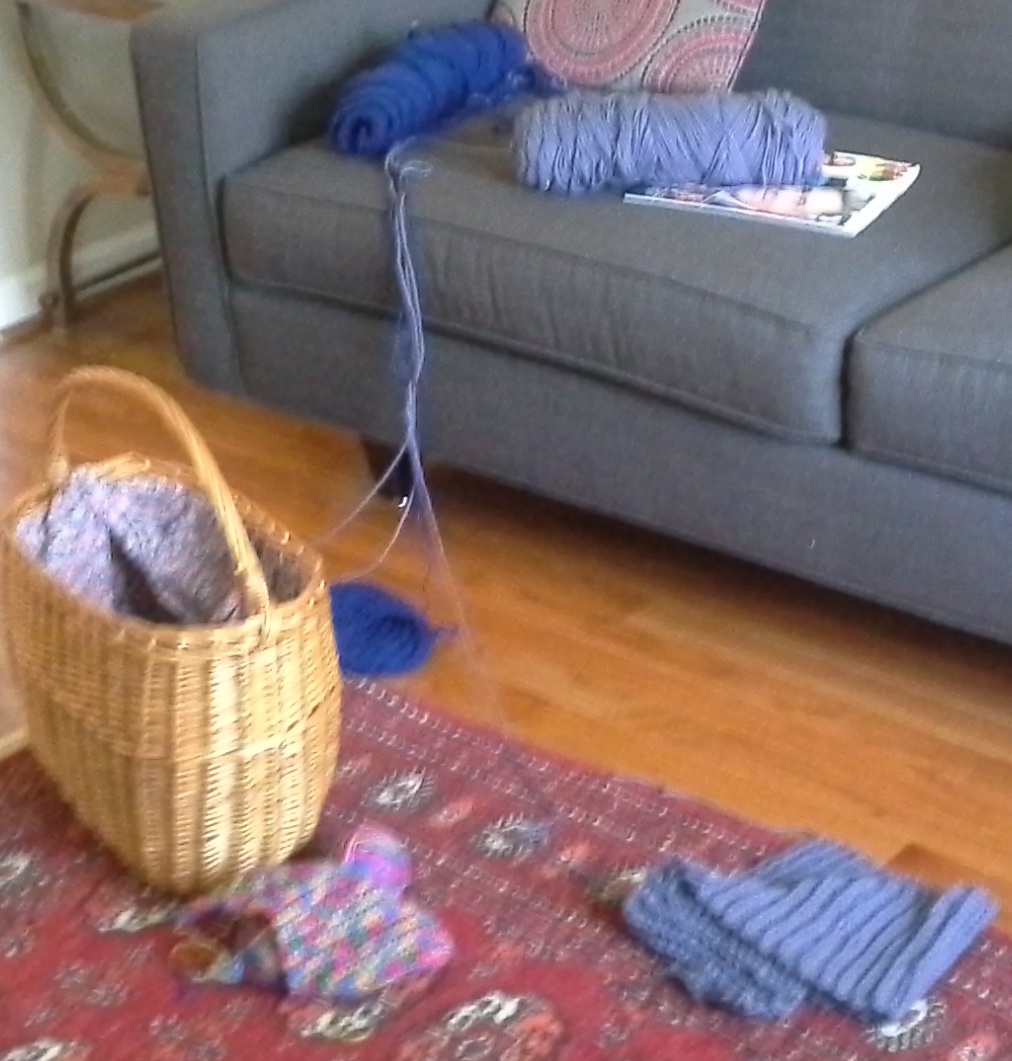
I was amazed when I finally got the first ball untangled from the mess of four different spools. First, I was surprised to see that I had two spools of the same color. After I had gotten the first two untangled, I was relieved to know that I was halfway there.

I had been a devoted crocheter a year and a half ago. Because I finally felt peace with my life, I decided to pick up crocheting again. But when I returned to crocheting, things were in a mess.

I don’t mean to dwell on the past, but the tangled yarn reminds me of my situation from long ago. After my accident, things were a mess. You can imagine how hard it was being a young athletic girl and suddenly finding out that I couldn’t walk.

Back to the yarn – once I found the end of one yarn untangled, I noticed it was the other end of the yarn that I was trying to separate! So, there I was, with only two different colors of yarn and four separate ends. I got one yarn unwound, only messily winding it on top its respective skein. The navy blue was all separated from the other colors, but it was still caught in a web of tangles. After that was finally taken care of (or I got too close to it with a pair of scissors), I vowed to sit there and wind them into balls.

Great balls of yarn – in a tangled mess

My difficulty with the yarn is a metaphor for my life after TBI. It took a while, but I eventually realized how my difficult situation was a blessing in disguise. If I had gotten the dark blue string totally unwound, I wouldn’t have had the opportunity to wind it into a ball (the other end was in the shawl that I was making), so it actually turned out to be good that I needed to cut the yarn. I could then wind the other end into a ball! The same is true about my horrible car accident. If that didn’t happen, I would not have done a lot of things that I have accomplished. My life would be completely different. I would not have chosen the field of study that I did. Being in all of that rehab helped me see that I wanted to help others in the same type of situation. I attended Longwood College because they have the best Therapeutic Recreation major. It allowed me to pursue a career. Now I work at a nursing home. If the car accident had never happened, I wouldn’t have met my husband. (We met on MySpace, the big Internet social networking site from like 10 years ago, because he had seen that we had gone to the same high school and college.) Who knows? I might have been involved with someone else, probably someone who had not gone to Longwood College. I met wonderful friends at Longwood and at my place of employment. Of course, I also became close to the older adults that I care for.

Danielle Karst pondering the complexities of living life with a Traumatic Brain Injury

Danielle Karst – pondering the complexities of living life with a Traumatic Brain Injury

So, no matter how tangled life may get, keep your mind open to see the blessings coming from the storms.

“Our real blessings often appear to us in the shape of pains, losses and disappointments; but let us have patience and we soon shall see them in their proper figures.”
Joseph Addison


Thank you, Danielle.

Disclaimer:
Any views and opinions of the Guest Blogger are purely his/her own.

SPEAK OUT! Guest Blogger . . . . . . Cheri R. Hicks

SPEAK OUT! Guest Blogger Cheri R. Hicks

My Story


Girl Blogger cartoon_picture_of_girl_writingTo say that I’m a planner would be an understatement. I plan everything in my life. I always knew I wanted a second baby – and that too was planned. On June 18, 2013, we found out we were pregnant again. I was so excited. I had visions of what life was going to look like with two babies. As my due date drew near and we found out we were having a second boy, I visualized what life would be like around my house. The craziness and chaotic atmosphere of two little boys running around elated my heart. I told my husband all the time that we truly hit the jackpot.

Fast forward to February 18, 2014. I went for my last prenatal visit. This time it was different though. My blood pressure was running slightly high. My OB-GYN told me to check into the hospital because I was having the baby that day. But wait! That’s not how the plan was supposed to go. My son was scheduled to be born February 19th via C-section. I walked out to my minivan sobbing and called my husband at work. I met him at home where I packed my bag, and we were off to meet our second son.

It was hard to wrap my brain around the way things were going to look at home. My son was coming a day early, so I wasn’t quite as prepared as I thought. I recovered quickly from my C-section, and I was home by February 21st. The first week went smoothly. He was such a happy baby – a great baby.

On Wednesday, February 26th, I woke up with a headache. I remember being in my bedroom, and I felt like a bomb was exploding in my head. I called my husband into the room. He told me to lie on the bed. I just kept repeating, “Why won’t the pain go away?” We suspected that it was from the spinal anesthesia, so we called my OB-GYN. She instructed us to get a CT scan immediately and check into the delivering hospital. The CT scan came back “unremarkable.” They pumped me full of magnesium, which is the protocol for high blood pressure. They released me on Thursday afternoon. I felt completely normal again. That night was uneventful.

Friday February 28th was the day that my life changed forever. I woke up and noticed my vision was a little blurry. I took my blood pressure, and it was high. I lay in the bed. It all started happening as it did before. I felt like there was an explosion in my head. My neck became extremely stiff. Pain radiated down my spine. It seemed like my husband was moving in slow motion, and I felt like I was dying. He rushed me to the hospital again. My last memory of that day is walking through the hospital doors. I wouldn’t have my next memory for at least a week.

My next memory was being in a hospital bed with a bunch of tubes hooked up to me. I remember it was very hard to talk, so I had to write everything. Doctors would come in and ask me random questions, like “What day is it?” and “Who is the president?” This is when I learned what happened to me – a post-hemorrhagic stroke due to post-partum eclampsia. I had had a major brain bleed, and the left side of my body was not moving. I had just had a craniectomy. Those tubes in my mouth were a breathing tube and a feeding tube. I was in the ICU.

The ICU was trying to give me enough therapy to get me transferred to a rehab hospital. After 6 days, I was transported by ambulance to an inpatient rehabilitation facility. Luckily, I was at the best rehabilitation center in the state. They had to get me in and out of the bed using a sling. I was completely helpless. Everyone kept telling me, “Cheri, look to the left.” I had severe left neglect. My brain wouldn’t allow me to see things on my left side.

The hospital started therapy immediately. Therapy became my new job. Most days were the same. They would come get me in the morning, put me in a wheelchair, and whisk me off to the gym to do therapy. I made friends quickly, and I would introduce myself with “I’m Cheri, and I should not be able to say about myself that I’m 37 and survived a stroke.” I learned at the hospital that your mindset is your “golden ticket.” I quickly changed my mantra to “I’m Cheri. I’m 37 years old. I survived a post-hemorrhagic stroke, and I will walk again one day.”

I maintained a positive attitude. Sure, it was hard. I was away from my family and could not envision what my life was going to be like. Was I going to be able to take my boys to the park like I thought? This was a hard feeling to overcome.

On day 27 of 30 at the rehab hospital, I began to take my first steps. I had outgrown my sling, and I began transferring myself out of bed and onto the wheelchair on my own. Everyone told me I was making improvements very quickly. I told them I was going to be the fastest person they had ever rehabbed. By the end of therapy, I was walking. It was a miracle. I was a miracle!

On April 4th, one week before I was to be discharged from the hospital, I got the best surprise ever. My mom and sister and two nephews drove from Texas to see me for the weekend. It was great. My sister gave me a pedicure and a manicure. On April 5th, I got the first movement in my left arm. I attribute it to their coming to town.

On April 11, 2014, it was time for me to be discharged. My husband came to pick me up, and I broke out of rehab with my husband driving the getaway car. I was on my way home to see my boys.

I was scared at how life was going to be at home. I was still in a wheelchair. I could not use my left hand. Things went surprisingly well. We began to create a new normal, but it was great to be at home. I had outpatient therapy 3 days a week. More movement came to my left arm, and I got cleared to walk at Hicks, Cheri Before Tbi 050914home with a cane. This gave me much more freedom.

Now I was right back where I belonged. I felt like I had missed out on so much. Things are definitely different than what I thought. My mom always told me life is what’s happening when you’re making plans. I intend to continue to make strides. I will settle for nothing less than who I was before. I have my family and friends to thank for that. Through all of this, I realized I became a person who lives in the NOW and not in the PAST or the FUTURE. And I now know that even the best plan can be broken.


Thank you, Cheri.

Disclaimer:
Any views and opinions of the Guest Blogger are purely his/her own.

SPEAK OUT! Guest Blogger Jeff Sebell

SPEAK OUT! Guest Blogger Jeff Sebell

TBI Disconnection


Boy Blogger th

Of all the behaviors and peculiarities I have adopted since my brain injury, one of the most infuriating is how disconnected I can become. Although I have improved substantially over time and have learned how to deal with them better when they happen, I have moments when I am just not there.

When I say “not there,” what I mean is that I am “not present” to what is going on. The end result of “not being present” is that, instead of living my life, I watch as others participate in theirs, or I stay strangely passive as things happen around me. It is the damnedest thing to be right in the middle of what is happening and yet to be so far away mentally and emotionally. Right then, I have this urge to call the phone company and tell them I have a bad connection – could they send a repairman right away?

Ah, if it were only that easy.

When I am in one of those states of either disconnection or passivity, I become accepting of what others say or do, and I nod a lot and I shrug. Afterwards, with the dust still settling around me, as I begin to recover my wits and I reflect on what just happened, I always wish I could live that little piece of life over again – this time with the wherewithal to participate or to make my wishes known.

Finding myself in a state of disconnection from what is happening around me is something that happens all too often. I feel as though I am a lamp that has had its electric cord disconnected from the socket. Where I was once shining brightly on the various conversations, activities and people in the room, I have had my juice turned off, and I am stuck in the corner as an afterthought. People I had once been speaking with move me to another corner and complain about my not being plugged in.

Being disconnected can be something that happens to me in a social situation, or it could happen to me when I’m trying to do something or accomplish something on my own. I’ve gotten used to having it happen to me in social situations, and I have gotten pretty good at being able to avert or mitigate those instances, mostly by using my nonsensical sense of humor – perfect for that kind of situation.

What throws me off most is when I am trying to perform some task and I become disconnected from a situation. This usually happens when I get confused or overwhelmed, or when I’ve done something a bunch of times and now can’t remember how to do it. Nothing seems to make any sense, and I sit dumbfounded, unable to put two and two together. Having the ability to put two and two together is a skill that enables you to understand why things happen the way they do, how one thing can lead to another, etc., and it’s important when figuring out problems on your own. Adding two and two is so easy, and that’s what makes it so infuriating when I just can’t do it – sort of like word-find problems.

You would think that by the time I reached 58 years old, I would be able to put two and two together in my sleep, but I’m not always able to. What could be causing me to be so removed from what is going on? Is it something I can control, or is that the normal way my brain behaves now?

The answer for me seems to be, as with so many other TBI-related issues, preparation. I do my best to prepare for situations that I know I’m going to find myself in, and my preparations include taking a futurist’s approach to what I am about to do by planning ahead for different conversations, outcomes and eventualities.

It takes work to not be disconnected. In addition to preparation work and getting yourself ready for different eventualities, there is the work it takes to be present in situational disconnects – doing your best to stay in the present by controlling your thoughts and emotions. One kind of work we haven’t talked about is the work it takes after a disconnection happens. Let’s face it – they are going to happen, so how do you get a grip on yourself when things seem to be slipping from you?

Sebell, Jeff, Photo CAQBARA5

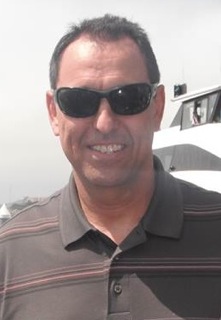
Jeff Sebell

It is both easy and tempting to get on your own case and blame yourself or laugh at yourself for something you just did or didn’t do, but it is work to just accept it as reality and move on. The only way you’re going to learn not to do things is to do the following: first, accept the reality of where you are, and second, move forward with dignity and a clear head.

You can read more about Jeff on his blog at TBI Survivor: Support for TBISurvivors. You can follow him on Twitter or at @ttbisurvivor.

Thank you, Jeff.

Disclaimer:
Any views and opinions of the Guest Blogger are purely his/her own.

diemodi jewelry

uniquely hand-crafted jewelry by donna

Welcome to Harmony Kent Online

The home of all things books

Pete Springer

Passionate Teacher and Future Children's Author

HOPE TBI

Helping Other People Excel - To Be Independent

For the Love of Books, Old and New

Katie Fischer, Writer and Reader of Stories

Charlie Bown

Children's Author

Jessica Hinrichs

“We write to taste life twice, in the moment and in retrospect.” ― Anais Nin

VIVIAN KIRKFIELD - Writer for Children

Picture Books Help Kids Soar

Mindy’s Writing Wonderland

For authors, parents, teachers & everyone who loves children’s books.

Kaitlyn Leann Sanchez

Literary Agent

Surviving Traumatic Brain Injury

TBI - Survivors, Caregivers, Family, and Friends

The Care Factor

Loving someone with a Traumatic Brain Injury

Brain Injury Support Group of Duluth-Extension

Brain Injury Information and SUPPORT

Brain Aneurysm Global Insight

Brain Aneurysm, cerebral hemorrhaging, hemorrhage stroke