TBI – Survivors, Caregivers, Family, and Friends

Archive for July, 2014

Survivors SPEAK OUT! . . . . . . . . Rick Von Linsowe


SPEAK OUT! – Rick Von Linsowe

by

Donna O’Donnell Figurski
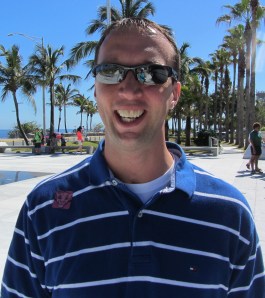
 

Rick Von Linsowe

Rick Von Linsowe


1. What is your name? (last name optional)

Rick Von Linsowe

2. Where do you live? (city and/or state and/or country) Email (optional)

I live in Goldsboro, North Carolina, USA. I had my TBI in Tucson, Arizona, USA.

3. When did you have your TBI? At what age?

My TBI happened on August 26, 1998. I was 22 years old.

4. How did your TBI occur?

I was addicted to alcohol and drugs and fell down a hill outside my apartment complex. While in a blackout from alcohol and drugs, I flopped off a retaining wall and smashed my head on the pavement below.

5. When did you (or someone) first realize you had a problem?

I believe a man found me on his way to work in the early morning hours. I was unconscious and needed immediate surgery.

Von Linsowe, Rick in Hospital

Rick Von Linsowe – in Hospital

6. What kind of emergency treatment, if any, did you have (e.g., surgery, tracheotomy, G-peg)?

I had a right frontal craniotomy to relieve a massive hematoma that was crushing my brain. My chances of surviving where very slim, and the doctor told my dad after the surgery that he didn’t believe I would make it through the night.

7. Were you in a coma? If so, how long?

I was in a coma from August 26 until late September, so it was approximately 4 weeks. I have heard other accounts from family members, but 4 weeks is my most accurate estimation.

8. Did you do rehab? What kind of rehab (i.e., In-patient or Out-patient and Occupational, Physical, Speech, Other)?
How long were you in rehab?

I had speech, occupational, and physical therapies for 1 year as an In-patient. Then I continued with physical therapy only for 2 years after the other therapies ended.

9. What problems or disabilities, if any, resulted from your TBI?
(e.g., balance, perception, personality, etc.)

I had a long list of problems, including anger issues, balancing, and right-side paralysis. I still work out and exercise on a daily basis to combat the physical problems. My anger has subsided by finding the positive in every day.

10. How has your life changed? Is it better? Is it worse?

Since having my TBI in 1998, my life has drastically improved. I am married with a 6- year-old daughter. I went to
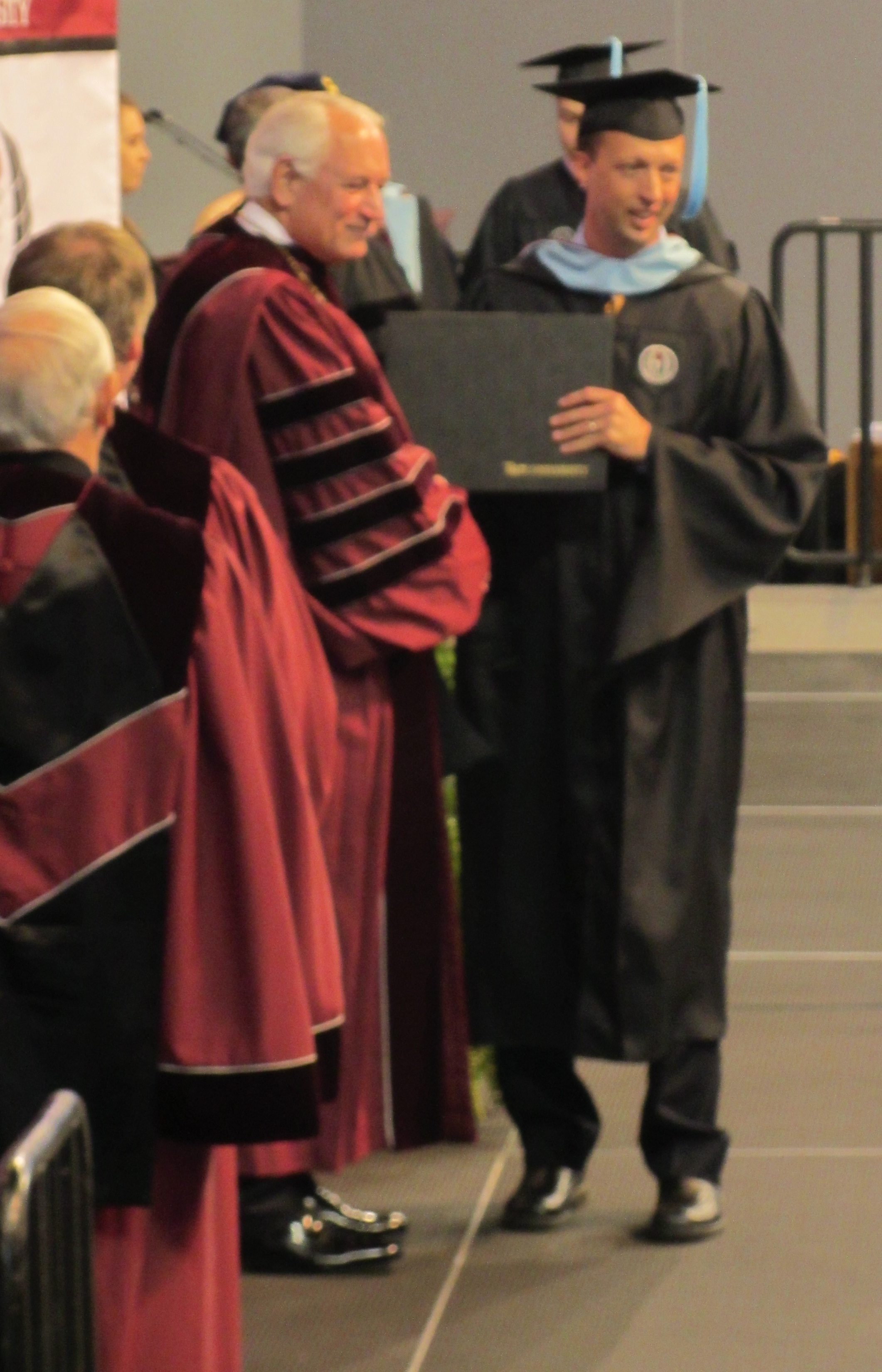
Rick Von Linsowe - Collecting Degrees - Post-TBI

Rick Von Linsowe – Collecting Degrees – Post-TBI

college and earned a Bachelor’s Degree in Psychology and a Master’s Degree in Counseling and Psychology. I am a Life Coach with my own business that helps individuals move past the obstacles that are holding them back. I am directly contracted with a brain injury rehabilitation center. I help motivate the residents to complete therapy and have lots of fun while doing it! My website is Rejuvenate Life Coaching.

11. What do you miss the most from your pre-TBI life?

Sometimes I think about the friends who I used to have and my popular social life, but most of my old friends are dead from drug- and alcohol-related injuries. I have to remember that life is about quality and not quantity. Today I want quality friends who will be there for me when I need them the most.

12. What do you enjoy most in your post-TBI life?

My life is not weighed down by the past, hurts, habits, or hang-ups! I am a new person who has created an awesome new life – drug- and alcohol-free!

13. What do you like least about your TBI?

Some people judge me before they actually get to meet me. I have a wobbly walk, and I can’t swing my right arm as well as my left, so many people ask me if I had a stroke or they want to know what is wrong with me. Sometimes it frustrates me, but I don’t let it get me down. I know what other people say about me is not a reflection of who I am, but rather, it is a mirror of how they feel about themselves.

14. Has anything helped you to accept your TBI?

I learned that only I am in control of my feelings and that nobody else can control how I feel. I learned to smile a lot and laugh often. Having a TBI is not the easiest thing in the world, and I have learned through my work in the field of mental health that many people are worse off than I am. That’s why I spend so much time giving back to the communities that I live in and helping the people around me. I started a new website for recovering addicts to tell their stories of triumph over addiction. The website is Clean and Sober Voice.

15. Has your injury affected your home life and relationships and, if so, how?

Yes. I carried anger around like an old friend. It was there to protect me when I felt attacked. My relationship with my wife was very difficult because I did not know how to treat a woman, and I had anger issues on top of it! I can’t believe she has stayed for 15 years! We still get up each day and give it another shot. She is a truly an inspiration to me.

16. Has your social life been altered or changed and, if so, how?

My social life went from a big network of party friends, who only wanted to see the fun side of me, to a small network of good people, who stand by me and my family.

17. Who is your main caregiver? Do you understand what it takes to be a caregiver?

I am 100% independent, but my wife has been my main caregiver since the beginning. She used to work in the nursing home where I was placed to live out the rest of my days. She has stayed with me on this amazing journey for 15 years.

18. What are your future plans? What do you expect/hope to be doing ten years from now?

My future plans are to grow my business of Life Coaching and Recovery Coaching and to help individuals overcome the obstacles holding them back. I am the administrator to many groups on Facebook to help give back to those who need support, so nobody ever has to go through what I did to become clean and sober. The addiction support group, Clean and Sober Voice, is designed to support recovering addicts and helps them tell their stories to the world. Telling your story is healing power! I also have a unique Brain Injury and Addiction Support Group that caters to the support of individuals recovering from brain injury and have addiction-related issues. You’re always welcome to join either or both sites.

19. Are you able to provide a helpful hint that may have taken you a long time to learn, but which you wished you had known earlier? If so, please state what it is to potentially help other TBI survivors with your specific kind of TBI.

My helpful hint is to remember how your anger can affect your whole family. You are in control of your emotions! Make the best out of each day. Start out by taking baby steps. Work into being able to gain stamina, and take bigger steps to accomplish your goals!

20. What advice would you offer to other TBI survivors? Do you have any other comments that you would like to add?


I would offer to other survivors my advice to keep moving forward and don’t look back! Find something positive in every day. Do not try to find the “old” person you once were. The “old” you is gone, and you should work on creating the “new” and awesome you! Remember, you are the only one who controls your feelings. When you are in complete control, nobody else can tell you how to feel!
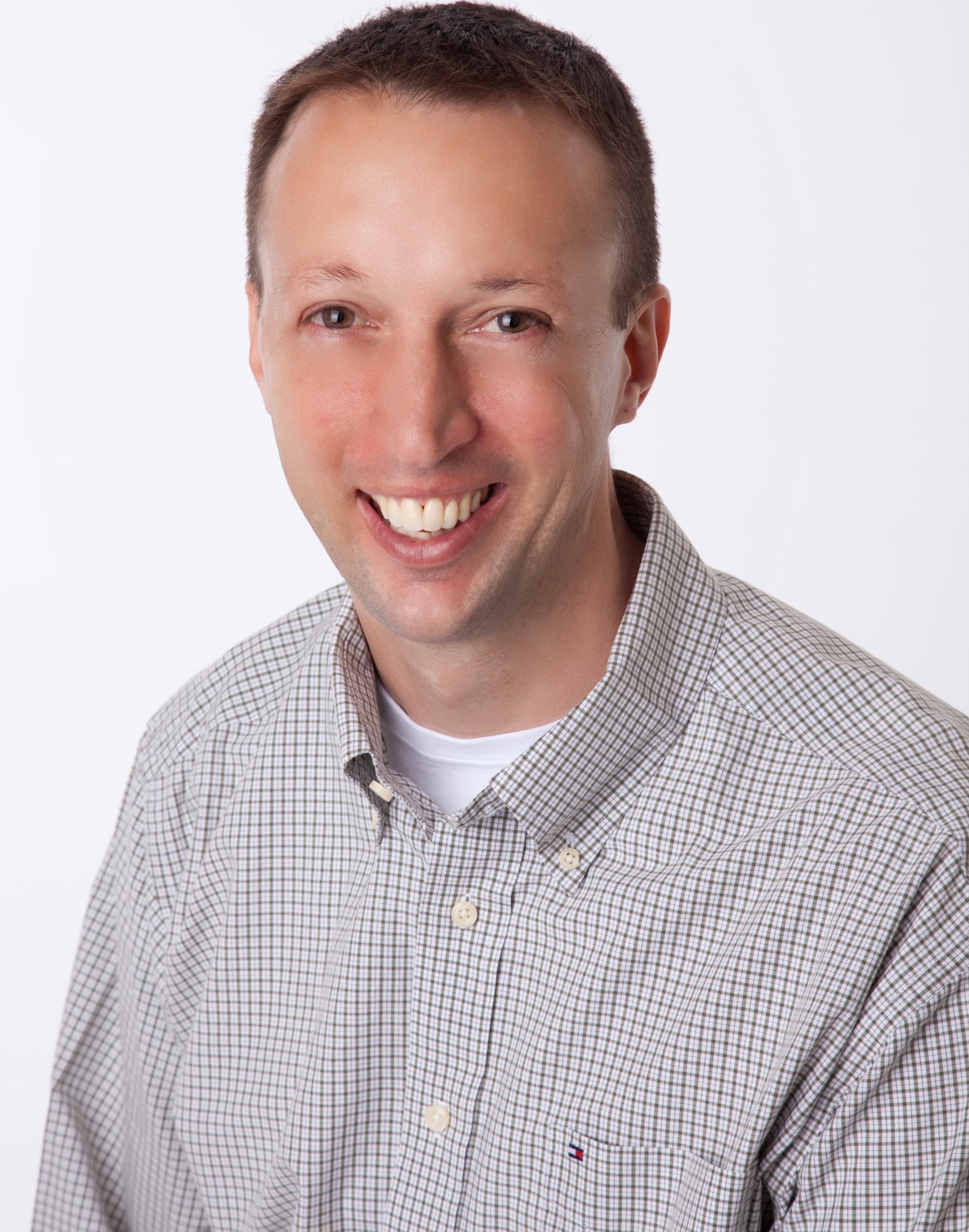
Von Linsowe, Rick 2

Rick Von Linsowe

Thank you, Rick, for taking part in this interview. I hope that your experience will offer some hope, comfort, and inspiration to my readers.

(Disclaimer: The views or opinions in this post are solely that of the interviewee.)

(Photos compliments of Rick.)

If you would like to be a part of this project, please go to TBI Survivor Interview Questionnaire for a copy of the questions and the release form.


Survivors SPEAK OUT! Jodi Jizmejian

SPEAK OUT! – Jodi Jizmejian

by

Donna O’Donnell Figurski

Jizmejian, Jodi Pre- Accident 2

Jodi Jezmejian – Pre-TBI


1. What is your name? (last name optional)

Jodi Jizmejian

2. Where do you live? (city and/or state and/or country) Email (optional)

Fresno, California, USA

3. When did you have your TBI? At what age?

September 8, 2011   I was 47, almost 48.

4. How did your TBI occur?

Roof crush due to a single vehicle roll-over

5. When did you (or someone) first realize you had a problem?

A woman in a house by the road heard the accident. My 16-year-old daughter was in the accident also, but she was ejected from the vehicle and landed in the dirt on the side of the road. She was coherent and gave the lady my husband’s cell-phone number. He was called after a 9-1-1 call.

6. What kind of emergency treatment, if any, did you have (e.g., surgery,

tracheotomy, G-peg)?

I was told (because I don’t remember anything) that I had a craniotomy. I did have a tracheotomy and a g-tube (gastrostomy tube). I’m sure I had multiple surgeries because I have scars that I didn’t have before. I was told that I had multiple facial breaks and other broken bones. My husband told me that the doctors were happy that they could say – after 7 days – that they saved my life.

7. Were you in a coma? If so, how long?

Yes, I was in a coma. I was told it was for 30 days, but my current memory starts December 1, so I think I was in some sort of coma from September 8 to December 1.

8. Did you do rehab? What kind of rehab (i.e., In-patient or Out-patient and Occupational, Physical, Speech, Other)?
How long were you in rehab?

I’m still doing physical therapy. I did physical, occupational, speech, and recreational therapy when I was in Santa Clara Valley Medical Center. I was there from December 1, 2011, until I came home on December 29. I did physical, occupational, and speech therapy as an Out-patient for a few months after I returned home.

9. What problems or disabilities, if any, resulted from your TBI
(e.g., balance, perception, personality, etc.)?

My balance was affected for sure. I also have several other issues: vision, hearing, fine-motor skills, slower (speed), reasoning, and personality.

10. How has your life changed? Is it better? Is it worse?

I think my life is better. Pre-accident, I worked all the time. My husband and I owned our own business, so I worked all the time. After my accident, he said he “fired” me because I didn’t show up for work. I abandoned my “job.” He is being funny, but I really don’t work anymore because there is no way I could have returned to what I was doing.

Jizmejian, Jodi Accident

Jodi Jezmejian – 2011 Accident

11. What do you miss the most from your pre-TBI life?

I miss being able to play tennis.

12. What do you enjoy most in your post-TBI life?

I have more time to do things that I’m physically capable of doing.

13. What do you like least about your TBI?

I don’t like my balance issues. I also dislike that my head feels “big/heavy/muffled,” and there is a “numbness/heavy/big” feeling of my right arm and leg.

14. Has anything helped you to accept your TBI?

Jesus. I’m a positive person, so having the mentality of “It is what it is” helps me accept that “_ _ _ _” happens.

15. Has your injury affected your home life and relationships and, if so, how?

Yes.

Home life – I’m now home most of the time.

Relationships – I now have time to develop friendships.

16. Has your social life been altered or changed and, if so, how?

I don’t drive right now and don’t know if I’ll ever be ready to drive. My social life is pretty much reliant on my husband to drive me around, so if I want to do something and he doesn’t or he is busy, I don’t/can’t do it. I’m also reliant on friends to take me places.

17. Who is your main caregiver? Do you understand what it takes to be a caregiver?

My husband is my main caregiver. I do understand what it takes to be a caregiver, but there’s nothing that I or he can do to change that. Hence the marriage commitment, “Until death do us part.”

18. What are your future plans? What do you expect/hope to be doing ten years from now?

I hope someday to be able to drive again and to play tennis. I want to write and speak to help other TBI survivors.

19. Are you able to provide a helpful hint that may have taken you a long time to learn, but which you wished you had known earlier? If so, please state what it is to potentially help other TBI survivors with your specific kind of TBI.

Accept that you have a “new” normal and that you will never be the person you were pre-TBI. Learn to like the new you and make friends with the new you. Realize you weren’t “picked” out to have a TBI. There is always someone else who has it “worse.” Research Nick Vujicic, Life Without Limbs. When I started to have a pity party or a “woe is me” or a “life isn’t fair” attitude, I think of Nick.  I also tell myself that we all have a cross to bear, meaning an unpleasant situation or responsibility that you must accept because you cannot change it.

20. What advice would you offer to other TBI survivors? Do you have any other comments that you would like to add?

Never give up, but never expect things or you to get back to “normal,” i.e., the way they were pre-TBI. Learn to like yourself in your “new” normal. Realize you survived for a purpose. Do that purpose. If you don’t believe in Jesus, then start there and do whatever research you need to. Publicly and verbally accept Jesus as your personal Lord and Savior. Then I’ll see you in Eternity. God bless. Thank you for letting me participate.

Jodi Jezmejian - Post-accident

Jodi Jezmejian – Post-accident


Thank you, Jodi, for taking part in this interview. I hope that your experience will offer some hope, comfort, and inspiration to my readers.

(Disclaimer: The views or opinions in this post are solely that of the interviewee.)

(Photos compliments of Jodi.)

If you would like to be a part of this project, please go to TBI Survivor Interview Questionnaire for a copy of the questions and the release form.
 

Brain Injury Resources . . . . . . . Compensating for a Disability – Guitarist Billy McLaughlin

Compensating for a Disability – Guitarist Billy McLaughlin


th-1

Right hand dominant, Billy McLaughlin, plays the guitar left-handed.

TBI survivors often have a life-long disability. The temptation, and sometimes the advice, is to submit to the disability, often causing one to stop an activity that he or she loves. This video tells the story of Billy McLaughlin’s early life. His passion for the guitar led him to develop a unique sound that made him one of best up-and-coming guitarists in the world. Then he got a neuromuscular disease (focal dystonia – see this video for details) that affected his right hand and his ability to play the guitar. This video shows that he didn’t give up. He accomplished a seemingly impossible task – he learned to play the guitar equally well with his left hand. This uplifting story shows the power of the human spirit and will affect anyone who is trying to deal with a disability.


SPEAK OUT! . . . . . . . . . . . . . . . Itty-Bitty GIANT Steps

SPEAK OUT! Itty-Bitty GIANT Steps

by

Donna O’Donnell Figurski

 What have you accomplished this week? Itty-Bitty GIant Steps for BlogHave you met any goals – BIG or small? It can be as teeny as blinking an eye – something that most of us take for granted, never think twice about. But for someone with no motion in his or her body, this would be a monumental accomplishment.

Your “giant step” may be tying a shoe, walking a few steps, not interrupting a conversation, or remembering an appointment. Or maybe you started a new job or are heading to college. All these are accomplishments.

SPEAK OUT! Itty-Bitty Giant Steps will provide a venue for brain-injury survivors and caregivers to shout out their accomplishments of the week.

If you have an Itty-Bitty Giant Step and you would like to share it, just send me an email at donnaodonnellfigurski@gmail.com. It need only be a sentence. I’ll gather the accomplishments and post them with your name on my blog approximately once a week. (If you do not want your last name to be posted, please tell me in your email.)

I hope we have millions of Itty-Bitty Giant Steps.

(Clip Art compliments of Bing.)


Survivors SPEAK OUT! . . . . . Cezar Cehan

SPEAK OUT! – Cezar Cehan

by

Donna O’Donnell Figurski

Cehan, Cezar After

1. What is your name? (last name optional)

Cezar Cehan

2. Where do you live? (city and/or state and/or country) Email (optional)

Denver, Colorado, USA

3. When did you have your TBI? At what age?

Age40

4. How did your TBI occur?

My TBI wasn’t really an “injury.” I discovered a (benign) tumor (acoustic neuroma) inside my skull, due to some “weird” sensations, balance issues, vision disturbances, etc. But they weren’t so serious, and I opted for a radiation-type of intervention (Gamma Knife). However, the tumor was already large (3.5 cm), so the radiation did not stop the growth. When it got to almost 4 cm, I had to ask for a surgical intervention. That surgical intervention was the actual “injury.” I’ve been told that the surgery lasted more than 10 hours.

5. When did you (or someone) first realize you had a problem?

I first knew I had a problem in 2004, due to some (minor, but repeated) issues with balance, walking, and vision – especially when I was tired. (Since I had quite a demanding occupation at that time, the tiredness was almost continuous.)

6. What kind of emergency treatment, if any, did you have (e.g., surgery,

tracheotomy, G-peg)?

I had Gamma Knife. (They literally screw a metal frame into the skull, but it’s not as bad as it sounds.) I also had brain surgery to remove the tumor.

7. Were you in a coma? If so, how long?

No

8. Did you do rehab? What kind of rehab (i.e., In-patient or Out-patient and Occupational, Physical, Speech, Other)?
How long were you in rehab?

Yes. I did both – In-patient and Out-patient. They kept me in the hospital for an entire month. (I actually had three brain interventions, besides the tumor removal itself. They also had to insert a shunt – a tube to help me with the hydrocephalus that developed.) Other patients left the hospital after a week. They also told me that I would not be able to walk all that much, given the state of my body. (I had taken steroids and stayed in bed without moving for about one year, so my muscles were pretty weak.) I’d been given a wheelchair and a walker (just in case I wanted to “be brave” and walk on my own). I had some great physical therapists – with huge hearts, who encouraged and challenged me to become a “walking” human being again. Fortunately enough, I didn’t have any mental impairments (at least from my perspective ☺). Also my speech was only a little bit affected, and I am actively working on that. (In the past, I studied Bel Canto, i.e., voice training.) After the “official” physical therapy ended, I continued at home on my own (since there wasn’t much I could do all day anyway!). However – being human – once I reached a level where I could function again independently, I slowed down my practice. That means that I would probably walk better (or even be able to run) and I would have improved my balance if I had continued the exercises with the same determination that I put in when I could not walk at all.

9. What problems or disabilities, if any, resulted from your TBI
(e.g., balance, perception, personality, etc.)?

Balance is an issue that I have. Fatigue also. As for personality, I would say that the change was two-fold. On one hand, I tend (sometimes) to feel embarrassed and intimidated when I have balance issues in public. My self-esteem seems to want to be lower, and I want to apologize. On the other hand, all this happening is, for me, a “rebirth,” if you wish, a “second chance.” I feel now that it is “my duty” to “be the best that I can be,” to live by my values, to go for what I feel that my purpose is. I appreciate more “what is.” I choose to be present and expanded, since I’ve been given this “second chance” to experience consciousness with which to create my reality. I feel that it’s my duty now to create it – to the best of my potential – by expanding my understanding of the world. Whining, feeling self-pity, or focusing on shortcomings – these are not options that I entertain. They would be of no help anyhow.

10. How has your life changed? Is it better? Is it worse?

Both. I could call “worse” the fact that I have less energy (so I need to take naps during the day) and I get tired easier. Also my balance is “funny.” (Sometimes I carry a walking stick – which I also find “trendy.”) Perhaps my patience with other people’s melodrama and self-imposed limitations is shorter (but I’m already better with that). I could call “better” the fact that I feel that I am now “allowed” to focus on my values, on my purpose (the way I feel it). I feel more connected with “what is.” Considering that I have already been “on the other side of the fence,” fear is just a word for me now. (For most situations, of course, I am still human.) Even the fact that I am not able to do now the previous (money-making) activity that I used to do, it’s probably a good thing, after all. This “limitation” has the gift to guide me into doing what I really love to do – assisting people to let go of the limitations of their own minds and to become extraordinary in what they are.

11. What do you miss the most from your pre-TBI life?

That’s an interesting question – because it made me think. I didn’t think of this before.

Why would I even think of “what’s missing”? I choose to focus on “what I CAN do,” on “becoming.”

12. What do you enjoy most in your post-TBI life?

Somehow, in a weird way, I feel freer – of the cultural conditionings and of the “you have to do this because that’s nice and people would like you.” I am able to think in terms of the values that I have, instead of needing other people’s approval for what I do. I feel that I am “allowed” to be more creative. (Note: It’s not that somebody stopped me from being creative and living by my values before the TBI. But, weirdly enough, suffering frees people of their ego’s limiting stories that they “should do this” or that they “could never do that”!)

13. What do you like least about your TBI?

Again, a tricky question. One rule of my life is to only do things that would help me. Somehow, I fail to see how focusing on what I “don’t like” would be of any help – for me or for anyone else reading this ☺.

14. Has anything helped you to accept your TBI?

Meditation, acceptance, and NLP (neuro-linguistic programming). Also continuous reading, studying, learning, and maintaining a live curiosity about life. Never surrender on despair. I accepted the possibility of death. I mentioned that I was immobilized in bed for almost one year. All that time, I never stopped reading, learning, or, when my eyes would hurt, listening to books or audio programs.

15. Has your injury affected your home life and relationships and, if so, how?

Yes, it did, unfortunately. My income dropped dramatically. Also, this situation put my new wife through tremendously challenging emotional turmoil. For her, besides the pressure of having moved to a new country, living in a different culture, and not knowing the language well, was my health condition. No wonder she was scared, stressed out, and pressured. She took good care of me, but her emotional state was affected. I can see why. I’m also sure that (at least at times) I wasn’t the most pleasant sick person that one could meet ☺. So, all in all, our relationship suffered.

16. Has your social life been altered or changed and, if so, how?

I hear with only one ear now. So, loud environments make me really uneasy. I cannot hear properly what people say. Since my balance is “shaky,” I have to pay attention to the surfaces that I walk on. Uneven surfaces are not fun ☺.

17. Who is your main caregiver? Do you understand what it takes to be a caregiver?

If by “caregiver” you mean someone who “takes care of me,” I don’t have one. I am alright on my own now.

18. What are your future plans? What do you expect/hope to be doing ten years from now?

I plan to get better and better at the things that I can improve – like my balance, my muscles, and speaking. Other than that, I plan to learn to live perfectly well with what I have and to be an inspiration for people who tend to let themselves down and surrender to the stories of their ego. I plan to learn from everything and everybody around me and to become the best that I can be (that is, there is no need to compare myself with others’ possibilities).

19. Are you able to provide a helpful hint that may have taken you a long time to learn, but which you wished you had known earlier? If so, please state what it is to potentially help other TBI survivors with your specific kind of TBI.

To be able to reach a destination, you need to know where you are now – and to accept that. If I want to go to Los Angeles, and it so happens that I am in New York, it makes no sense to start complaining and feeling bad about the fact that I AM in New York. It is only after I accept that fact that I am able to design a trip and to start going on that trip – towards Los Angeles. Similarly, I had a tumor. This was a fact. (Of course, I had my episodes of tears and “why me?!”) It took me a while until I took that fact as “what is.” But once I did it (experientially, not only logically or intellectually), a lot of things became clearer to me. This did not mean that I “surrendered.” Not at all – acceptance is not surrender! But I was able to “design” a path – a “trip” – in a detached manner, rather than in an emotional one (which never leads to good results – you know that!).

So, the lesson, the understanding, that I gained is this:

– if you feel and look THROUGH the life-situation you find yourself in, you’ll only create more of that.

– if you don’t want to create that, the trick is to accept that life-situation (that it does exist) and look AT it, as an observer, as a scientist of your life (that you are, actually, because you’re much more than the body you see in the mirror).

20. What advice would you offer to other TBI survivors? Do you have any other comments that you would like to add?

Besides the “lesson” above, consider this: all your life, you have experienced all sorts of emotions, sensations, situations, etc. You’ve been happy, sad, healthy, ill, energetic, and exhausted. You’ve experienced love and being out of love, etc. Beyond all that, is there a part of you that is constant among all of those things? Consider for a moment – what is constant all the way? Is it your emotions? Perhaps not. Is your energy level? Perhaps not, also. What is it for you? Get in touch with that. You may discover who you really are.

 Cehan, Cezar Before

Thank you, Cezar, for taking part in this interview. I hope that your experience will offer some hope, comfort, and inspiration to my readers.

(Disclaimer: The views or opinions in this post are solely that of the interviewee.)

(Photos compliments of Cezar.)

If you would like to be a part of this project, please go to TBI Survivor Interview Questionnaire for a copy of the questions and the release form.

Brain Injury Resources . . . . . . . Comedienne – Stella Young on Disability – View From A Wheelchair

Comedienne Stella Young on Disability – View From A Wheelchair


tumblr_n6poil0O1s1r1tezoo3_500All TBI survivors have to live with one or more disabilities. Very often this leads to depression, in part because disabilities, whether visible or invisible, are considered by almost everyone to be limitations. Even the word “disability” has a negative connotation. Stella Young, who spends her life in a wheelchair, has an interesting perspective on disability that she speaks about in this TED Talk. She talks about “social disability,” in which disabled people are thought of as being limited. Society has imposed a major hurdle on disabled people by its own definition of them. Stella hopes for a society that doesn’t see disability as a “bad thing.” To be sure, disabilities often make daily life more difficult, but Stella wishes for a society in which disabled people can be seen as normal and can flourish. (Video)


SPEAK OUT! NewsBit . . . . . . . . . Brain Implants To Restore Lost Memories?

Brain Implants To Restore Lost Memories?

newsboy-th270,000 veterans of the wars in Iraq and Afghanistan have been diagnosed with a traumatic brain injury. TBI could become the signature injury of these wars. The Military is therefore very concerned with finding treatments for vets and troops with brain injuries. A major concern is memory loss. As part of President Obama’s multimillion-dollar BRAIN (Brain Research through Advancing Innovative Technology) initiative, DARPA (the Defense Advanced Research Projects Agency) has awarded $15 million to the University of California at Los Angeles (UCLA) and $22.5 million to the University of Pennsylvania (Penn) for four years of research on brain implants that will provide electrostimulation to neurons involved in specific memories. This seems like science fiction, but the neuroscientists heading the two teams are optimistic, although they say the work will be very hard. From their research on epileptic patients, they think stimulation will help neurons retrieve memories. (Full story)


Survivors SPEAK OUT! . . . . . . . . Kevin Middleton

SPEAK OUT! – Kevin Middleton

by

Donna O’Donnell Figurski

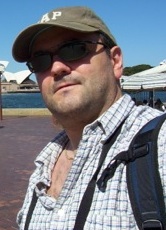
Kevin with his granddaughter

Kevin with his granddaughter


1. What is your name? (last name optional)

Kevin Middleton

2. Where do you live? (city and/or state and/or country) Email (optional)

Courtenay, British Columbia, Canada     
5gemm9@gmail.com

3. When did you have your TBI? At what age?

Circa 1973

4. How did your TBI occur?

Birth defect

5. When did you (or someone) first realize you had a problem?

1977

6. What kind of emergency treatment, if any, did you have (e.g., surgery,

tracheotomy, G-peg)?

I had 7.5 hours of surgery to remove two blood clots and to clip off several aneurysms. An AVM (arteriovenous malformation) and a haematoma were removed December 05, 1977.

7. Were you in a coma? If so, how long?

No

8. Did you do rehab? What kind of rehab (i.e., In-patient or Out-patient and Occupational, Physical, Speech, Other)?
How long were you in rehab?

No. I was just sent home and told “No school for a year.”

9. What problems or disabilities, if any, resulted from your TBI (e.g., balance, perception, personality, etc.)?

Neuropsychological tests in 1978 and 1994 showed identical results. Short-term memory and recall in the 7 percentile mean that I am disabled. Anger issues ensued, born of frustration over continually forgetting.  Editing oneself is challenging.

10. How has your life changed? Is it better? Is it worse?

Since I was quite young, the loss of a photographic memory was a challenge. I withdrew from society. I have no close friends. I have many acquaintances, but I don’t like to socialize. The plus side is that my intellect increased from the removal of the blood clots. The downside is that by then I resented school. Learning took four times longer, and it was difficult to write an exam. My greatest joys are my five children and ten grandchildren.

11. What do you miss the most from your pre-TBI life?

My memory

12. What do you enjoy most in your post-TBI life?

Family

13. What do you like least about your TBI?

I dislike the fact people say they forget too. They don’t understand the frequency or the fact you lost your kids more than once or your wallet eight times.

14. Has anything helped you to accept your TBI?

Time helped. Being involved with a brain injury society has been beneficial. Even having friends who understand is helpful.

15. Has your injury affected your home life and relationships and, if so, how?

I experienced a divorce. I attribute partial blame to my not being rehabilitated professionally.

16. Has your social life been altered or changed and, if so, how?

Yes. Though I have been married 23 years, I like being by myself with my dogs. My wife socializes without me.

17. Who is your main caregiver? Do you understand what it takes to be a caregiver?

My wife is my main caregiver. It was she who said, “There’s something wrong here.” Due to her, I sought out help, which she supported.

18. What are your future plans? What do you expect/hope to be doing ten years from now?

I’m 54, so retirement is my goal. I’m so done with my brain injury. I like to help online those who are just beginning the healing journey.

19. Are you able to provide a helpful hint that may have taken you a long time to learn, but which you wished you had known earlier? If so, please state what it is to potentially help other TBI survivors with your specific kind of TBI.

It’s not your fault that you forget…it’s the fault of the brain injury. In other words, don’t take forgetting personally. I beat myself up for this all the time. However, why am I apologizing for something I have no control of?

20. What advice would you offer to other TBI survivors? Do you have any other comments that you would like to add?

Don’t get caught in the trap of chasing your past self. Before you know it, it’s 40 years later, and still your former self is bigger than life itself. My 18-year-old self had not fathered, had not grandfathered, had not held a job for 14 years, nor owned several businesses, yet he still was bigger than what I have accomplished. How ludicrous is that? Embrace who you are…a survivor…and move forward because that is where the future lies. Leave your past self in the rear view mirror where he/she belongs.


If you’d Like to learn more about Kevin Middleton, please visit his blog at My Broken Brain.


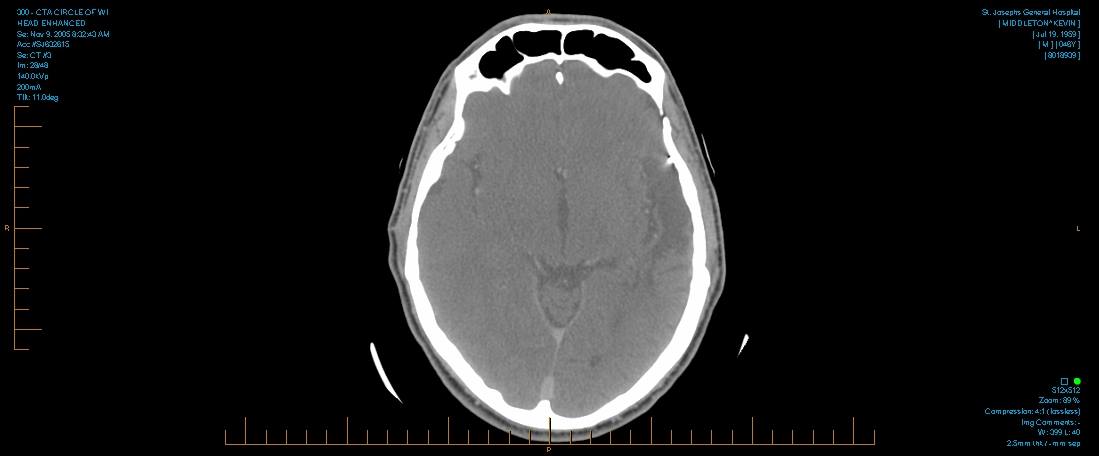
Kevin's brain.

Kevin’s brain.

Thank you, Kevin, for taking part in this interview. I hope that your experience will offer some hope, comfort, and inspiration to my readers.

(Disclaimer: The views or opinions in this post are solely that of the interviewee.)

(Photos compliments of Kevin.)

If you would like to be a part of this project, please go to TBI Survivor Interview Questionnaire for a copy of the questions and the release form.
Survivors SPEAK OUT! . . . . . . . . George Visger (former NFL 49er)

SPEAK OUT! – George Visger

(former NFL SF 49er)

by

Donna O’Donnell Figurski

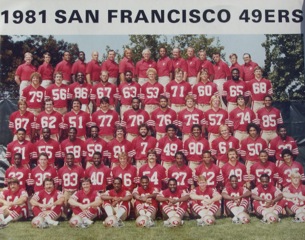
#74 NFL San Francisco 49er, George Visger @ 1981

#74 NFL San Francisco 49er, George Visger @ 1981

1. What is your name? (last name optional)

George Visger

2. Where do you live? (city and/or state and/or country) Email (optional)

Cypress, California, USA     visgergeorge@gmail.com

3. When did you have your TBI? At what age?

I was first injured – had surgery – at age 22 during the 1981 Super Bowl season with the San Francisco 49ers.

4. How did your TBI occur?

I had a number of concussions throughout my 12 years of playing organized football. My first serious concussion occurred at age 13, during my third year of Pop Warner. I was hospitalized on that one. My final, and most severe, concussion occurred in 1980 against the Dallas Cowboys. I suffered a major TBI in the first quarter, yet I never missed a play by the use of over 20 smelling salts during the game (or so I was told later in the week when my memory returned). I also never missed a practice. Several months later, early in the ‘81 season, I developed hydrocephalus (water on the brain) and underwent emergency VP (ventriculoperitoneal) shunt brain surgery at Stanford. I have since survived nine emergency VP shunt brain surgeries, including five in a nine-month period in ‘86-‘87 while completing my Biology degree. I have also had several gran mal seizures, and I have been on anti-seizure meds for over 30 years.

5. When did you (or someone) first realize you had a problem?

I realized I had a problem during the ‘81 season. I developed major headaches and projectile vomiting. I saw balls of light in front of each eye each night. The team doctors diagnosed me with high blood pressure and prescribed diuretics for over two weeks, until I suffered focal point paralysis of my right arm. The team doc diagnosed me in the locker room with a brain hemorrhage. I drove myself to the hospital, where I underwent emergency VP shunt brain surgery.

6. What kind of emergency treatment, if any, did you have (e.g., surgery,

tracheotomy, G-peg)?

I have had nine emergency VP shunt brain surgeries since then. They drilled a hole in my skull and installed a permanent drain tube, which runs to a pressure valve in the back of my head. They plumbed that to drain into my abdomen. I am also on Lamictil for seizures.

7. Were you in a coma? If so, how long?

Nine months after my first shunt surgery, the shunt failed while I was fishing in Mexico with my brother. It took him a day to get me home, and I was in a coma from the pressure on my brain. I had two more brain surgeries ten hours apart and was given last rites. I was 23 at the time.

8. Did you do rehab? What kind of rehab (i.e., In-patient or Out-patient and Occupational, Physical, Speech, Other)?

I was never offered rehab. In fact, I was forced to sue the 49ers for Work Compensation just to get my second and third brain surgeries paid for. Until now, it was brain surgery, out the door, and “See you next shunt failure.” I did use Vocational Rehabilitation Services when I returned to school in ‘86 to complete my Biology degree. But, I was on my own to rehab after each of the five brain surgeries that I had while finishing my degree. I discovered B.R.A.I.N. (Brain Rehabilitation And Injury Network) founded by Sue Rueb in Cypress, CA, last year while speaking at a TBI conference. I literally moved there last August to get daily treatments – first treatments I have ever had. I do neurocognitive therapy and Yoga therapy, and I counsel other TBI survivors, which helps me as well.

How long were you in rehab?

I’ve been rehabbing since August 2013.

9. What problems or disabilities, if any, resulted from your TBI (e.g., balance, perception, personality, etc.)?

I have gran mal seizures, MAJOR short-term memory issues, poor judgment, anger-management issues, loss of direction, poor concentration, problems getting my words out or thinking of the right word, numbness in extremities, constant headaches, vision problems when my shunt goes out, diminished hearing, personality changes, problems handling finances, and brain seizures from alcohol, to name a few.

10. How has your life changed? Is it better? Is it worse?

I completed a Biology degree in 1990 at age 32 after eight brain surgeries, and I followed my second dream to be a wildlife biologist. I have never let my injury define me, and I thank God for it. I wouldn’t be where I am now had I not been injured. But recently, things have begun to spiral out of control. I lost my environmental consulting business (Visger & Associates, Inc.) in 2009, and I lost our house in 2011. My wife of nearly 19 years, and the mother of my children, and I are going through a divorce. It’s been too much for her.

11. What do you miss the most from your pre-TBI life?Visger, George  2008-06-15 21.03.51

I miss my family. I miss being The Giant – the guy who “could do anything,” as my wife used to say. I miss being able to remember things. I literally do not remember numerous out-of-state bow-hunts, months of my life, kids’ activities, etc.

12. What do you enjoy most in your post-TBI life?

I enjoy being able to use my injuries to help others. I feel it is my God given mission in life now.

13. What do you like least about your TBI?

Loss of my marriage

14. Has anything helped you to accept your TBI?

I’ve been helped by my belief that God has a plan for me and that “something good comes out of everything.”

15. Has your injury affected your home life and relationships and, if so, how?

It has destroyed my marriage, and I lost my ability to provide for my family.

16. Has your social life been altered or changed and, if so, how?

Social activities were impacted, as I liked to drink back in the day. Now the only impact is that I will forget to attend a social outing. I have never been embarrassed about my injuries. I’m just as goofy now as I was before my injury.

17. Who is your main caregiver?

I was single until my late 30’s, and I have been my main caregiver ever since. My mom stepped in for a few days during surgeries, and my older brother, whom I worked with, kept an eye on me. My wife has done what she could over the years, but she has never been through a surgery with me.

Do you understand what it takes to be a caregiver?

I understand better than most what it takes to be a caregiver. I also understand what caregivers go through. I call it the “Ripple Effect.” My family members and caregivers have taken a worse beating from my TBI than I have. It is much harder on our loved ones than it is on ourselves.

18. What are your future plans? What do you expect/hope to be doing ten years from now?

I founded The Visger Group – Traumatic Brain Injury Consulting in 2010, and I have spoken all over the country. I coordinate directly with the NFL on rule changes to reduce TBIs in football at all levels. I have spoken at congressional hearings, conduct motivational talks at schools and businesses, and currently am working with our veterans suffering from TBI. I am also suffering from frontal lobe dementia, and I hope to kick a few butts and rattle a few cages while I can, in hopes of changing the way the medical field treats TBI survivors and families. In ten years, I expect to be working with government agencies, our military, academics, and sports leagues. I plan to be leading and speaking at TBI-recovery groups.

19. Are you able to provide a helpful hint that may have taken you a long time to learn, but which you wished you had known earlier? If so, please state what it is to potentially help other TBI survivors with your specific kind of TBI.

George Visger #74  4th row from bottom, 2nd from right  @ 1981

George Visger #74
4th row from bottom, 2nd from right
@ 1981

In football, there is a saying: “Short, Choppy Steps.” If you over-stride, it’s easy for someone to knock you on your butt. You want to keep your butt down, your head up, and take short, powerful 12-inch strides. Forget about breaking long touchdown runs. Get the little things done each day, and you will reach your goals. If a football team only got four yards each play – no more, no less – they would never lose a game. Think about it. They would get a first down every three plays, and they would score every time they had the ball. Life is no different. You need long-term goals for sure: score a touchdown, win the game, win the Super Bowl. But, you will NEVER get there if you don’t get your four yards a carry. We sell wrist bands on our website (www.thevisgergroup) that say “Short, Choppy Steps” and another one we give to coaches and players that says “Use your head, DON’T use your head.” Focus on small daily victories, and you’ll win the game.

20. What advice would you offer to other TBI survivors? Do you have any other comments that you would like to add?

Keep in mind everyone has a cross to bear. Carry your cross; don’t let it carry you. All of us TBI survivors have a lot to give to everyone. Turn your negative into a positive and touch people’s lives. Focus on your positives. Work hard, and put it in God’s hands. It will all work out.

That’s all anyone can do.


You can learn more about George Visger on his blog and these YouTube videos.

George Visger Blog – Life Before and After Football


George Visger talks about his life in these videos:

The Damage Done — George Visger’s Concussions

Battle Scars: Stagg High Alum, Former 49er Fights on Despite Brain Injuries


George Visger addresses specific topics in these very short videos:

Do Helmets Give Football Players a False Sense of Safety?Visger-275x300

Would This Retired NFL Player Do It Again?


Thank you, George, for taking part in this interview. I hope that your experience will offer some hope, comfort, and inspiration to my readers.

(Disclaimer: The views or opinions in this post are solely that of the interviewee.)

(Photo compliments of George.)

If you would like to be a part of this project, please go to TBI Survivor Interview Questionnaire for a copy of the questions and the release form.


So, Whaddya Think? . . . . . . . Contact Sports Are Not Safe for Children

So . . . what do you think? Is there something you are passionate about in this TBI world? Do you want to be heard? Your opinion matters! You can SPEAK OUT! on “So Whaddya Think?”

Simply send me your opinion, and I will format it for publication. Posts may be short, but please send no more than 1,000 words. Send to donnaodonnellfigurski@gmail.com

I hope to HEAR from you soon.

So Whaddya Think Brain th-4

Contact Sports Are Not Safe for Children

by

David Figurski

presented by

Donna O’Donnell Figurski

In 4-6 weeks, American football players will be getting ready for the 2014-2015 season. Millions of people enjoy playing the sport – from the pros in the NFL to college and high school athletes to young children in Pop Warner leagues. Millions more enjoy watching the sport and participating in pools and fantasy leagues. There is no question that football is a major part of US culture.

I admit I enjoy watching the game, but do players and spectators really know the risk involved? As a TBI survivor and someone who has learned first-hand how a brain injury can dramatically change a person and affect his or her life, as well as significantly change the lives of loved ones, I have become acutely aware of the dark side of contact sports. This revelation has been reinforced by the interviews Donna has published on this blog.

Many of the news items posted here have to do with the risk of brain injury in contact sports. Donna and I also posted an opinion about the danger of some sports to children. In fact, one of the TBI survivor interviews was by a young girl whose brain was injured during a volleyball match. On Thursday, Donna and I watched the PBS Frontline report (available online) called “League of Denial” about the NFL and its policy on concussions. The next interview will be from a former defensive lineman of the San Francisco 49ers, who had to quit because of a brain injury. A recent documentary, “Gladiators: The Uncertain Future of American Football” (trailer here), depicts the brutality of football. On the other hand, Roger Goodell, the Commissioner of the NFL, has gotten behind the Zackary Lystedt Law, which is designed to protect young players with a concussion. The PBS and Lystedt videos show contrasting sides of the NFL. I recommend watching both.

Knowing what I know now has greatly diminished my enthusiasm for contact sports, especially football. I see a crisis growing, but awareness by the public is also increasing. It is important that we make at least players, parents, coaches, and educators fully aware of the risk to the developing brains of young people. A brain injury can affect someone’s entire life. No parent wants that for his or her child. We who know need to speak out.

As I say after each post:

Feel free to leave a comment by clicking the blue words “Leave a Comment” below this post.

Please follow my blog. Click on “Follow Me Via eMail” on the right sidebar of your screen.anim0014-1_e0-1

If you like my blog, click the “Like” button under this post.

If you REALLY like my blog, share it with your friends. It’s easy! Click the “Share” buttons below.

If you don’t like my blog, “Share” it with your enemies. That works for me too!

(Clip Art compliments of Bing.)

diemodi jewelry

uniquely hand-crafted jewelry by donna

Welcome to Harmony Kent Online

The home of all things books

Pete Springer

Passionate Teacher and Future Children's Author

HOPE TBI

Helping Other People Excel - To Be Independent

For the Love of Books, Old and New

Katie Fischer, Writer and Reader of Stories

Charlie Bown

Children's Author

Jessica Hinrichs

“We write to taste life twice, in the moment and in retrospect.” ― Anais Nin

VIVIAN KIRKFIELD - Writer for Children

Picture Books Help Kids Soar

Mindy’s Writing Wonderland

For authors, parents, teachers & everyone who loves children’s books.

Kaitlyn Leann Sanchez

Literary Agent

Surviving Traumatic Brain Injury

TBI - Survivors, Caregivers, Family, and Friends

The Care Factor

Loving someone with a Traumatic Brain Injury

Brain Injury Support Group of Duluth-Extension

Brain Injury Information and SUPPORT

Brain Aneurysm Global Insight

Brain Aneurysm, cerebral hemorrhaging, hemorrhage stroke