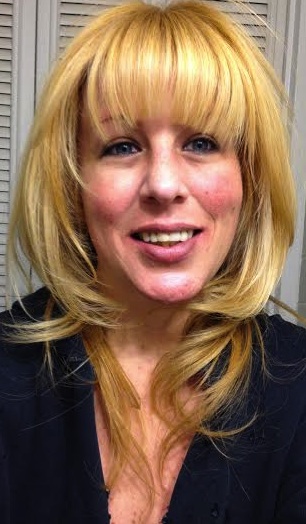
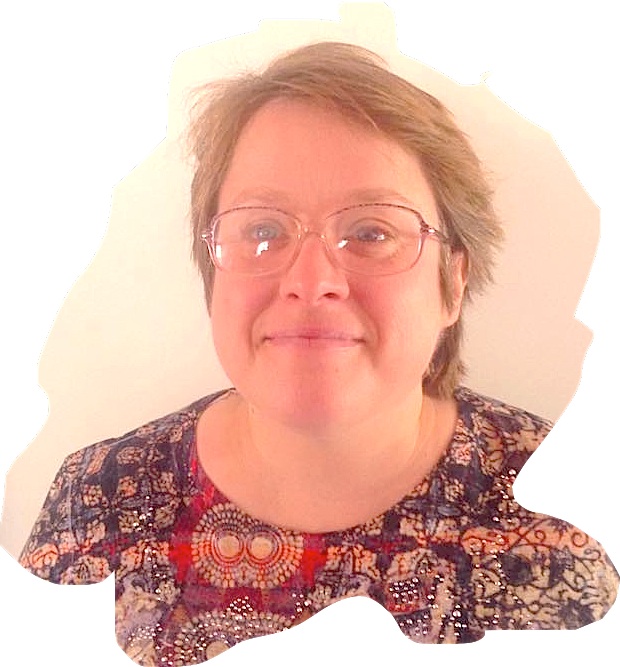
TBI – Survivors, Caregivers, Family, and Friends

Archive for the ‘Survivors SPEAK OUT!’ Category

Survivors SPEAK OUT! . . . . . Tracy Johnson

SPEAK OUT! – Tracy Johnson

by

Donna O’Donnell Figurski

Tracy Johnson Pre-TBI

Tracy Johnson
Pre-TBI

1. What is your name? (last name optional)

Tracy Johnson

2. Where do you live? (city and/or state and/or country) Email (optional)

Hogansville, Georgia, USA    lacigurl1@gmail.com

3. When did you have your TBI? At what age?

November 18, 1990    Age 20

4. How did your TBI occur?

Motor vehicle accident

5. When did you (or someone) first realize you had a problem?

It was noticed that I had a problem as I was slowly coming out of my coma. From then on, it was noticed daily.

6. What kind of emergency treatment, if any, did you have?

I was life-flighted to the trauma center at Georgia Baptist Medical Hospital, which is now Atlanta Medical Center. The life-flight EMTs (emergency medical technicians) performed a tracheostomy. As they arrived, I was hanging outside the driver’s door having seizures, with lots of blood coming out of my mouth due to a busted spleen and a lacerated liver. At the trauma center, I received 37 pints of blood. Mom stopped asking about me after this because the situation looked grim. I even had docs (twelve of them) telling my mom there was nothing else they could do. They even made her sign some documents to this effect. On top of all the blood loss and trauma, I developed a bleeding stomach ulcer and required a PPI drip (proton-pump inhibitor). I had severely bruised my heart. My brain swelled to where my ears were set two inches deep within the swelling. The steering wheel had broken and jammed my front teeth up into my gums. My top teeth bit through my lower gums, so stitches were required. I had emergency surgery to my legs. I had broken my left hip. Three screws were required. (It healed, but at 23, I had to have a left hip replacement due to the dying of the blood vessel to the femur head.) My left femur was repaired (a rod was put in). It had also ripped through the skin. I had a left pelvic fracture. My left knee was broken in three places and required three screws. My left tibia and fibula were broken, but they’re okay now. My right knee was broken in four places. It was thought it may have been crushed, but an Emory specialist was able to save it. However, right knee arthroscopy a year ago yielded no good results, so I’m waiting for right knee replacement.

7. Were you in a coma? If so, how long?

Yes. I was in a coma for five and a half weeks. I was on a breathing machine for four weeks. My heart stopped at the scene of the accident due to all the trauma my body was already in, but drugs were used to restart it.

8. Did you do rehab? What kind of rehab (i.e., inpatient or outpatient and occupational and/or physical and/or speech and/or other)? How long were you in rehab?

I had rehab as an outpatient because my mother refused to let me go and stay at the Shepherd Center in Atlanta. I can’t remember how long I was at Georgia Baptist’s physical therapy. I know my mother was busy working at the time. This rehabilitation was for my multiple lower broken extremities, pelvis, and left hip. Nobody cared about the injury to my brain, except for me. And, I have just found my fellow sister and brother survivors via the Brain Injury Network. Praise God! 😉
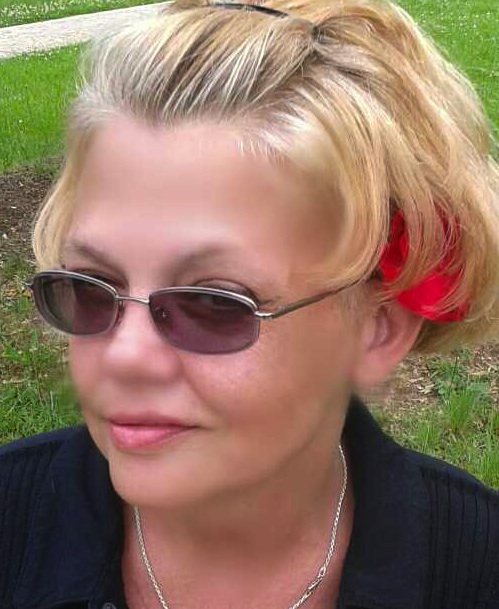
Tracy Johnson - TBI Survivor

Tracy Johnson – TBI Survivor

9. What problems or disabilities, if any, resulted from your TBI
(e.g., balance, perception, personality, etc.)?

I had a problem with all my memory at first, but the doctors said I would remember as my life took place. I had just given birth to my one and only child not even a month before my accident, and I know he belonged to me because this is what my family told me. Today he is 24, and I am 43. Our relationship has always been as “best friends” since my accident. My family often spoke of my deficits and of my inability to raise a child. My memory has greatly improved over the years. I repeated myself continuously, and I still do to this day. My emotions are all out of whack – I feel too happy, too sad, or too mad. I’ve been told by physicians that I am called a cycling bipolar manic depressive. But, I never knew a day of depression until I started being prescribed drugs. My anger goes to extremes. I guess it has something to do with growing up with a violent, alcoholic father and two brothers older than I. Hence, it was suggested that I was suffering from being left behind and of being deprived of parental love. My dad chased us around with shotguns. He beat my mom and brothers. He would point and shoot guns all the time. Oh yeah, I would be noticed and would be told to run and hide. My dad was always damaging things, causing me to have PTSD (post-traumatic stress disorder) along with the PTSD I already had from the auto accident. I also have PTSD from a carjacking and kidnapping/rape back in 2005, due to my being too trusting. Now it leads me not to trust anyone and to be very suspicious. I walk with a limp, due to one hip replacement and worn out right knee. I’m beginning to be aphasic in speech and can’t deliver my thoughts into the proper wording.

10. How has your life changed? Is it better? Is it worse?

I feel my life is better because I was very judgmental. Having this injury occur and being out of this world for that length of time made me realize that the world keeps spinning around and people go on with their lives whether you’re here or not. Jeez, I was naïve. I now know that one’s life and recovery is what that person makes of it – NO ONE else. After the accident, I was, by the grace of God, very compassionate, nonjudgmental, and indeed touched by an Angel.

11. What do you miss the most from your pre-TBI life?

I miss the ability to think cognitively. I miss my memory. I only remember bits and pieces from my early childhood and preteen years. I don’t have much memory of my high school years – I guess because those memories were made so close to my coma days. (I was in high school from ages 16 to 19.) I guess as I’m thinking this through now, my traumatic dysfunctional childhood explains my issues with anger.

12. What do you enjoy most in your post-TBI life?

I like having the ability of not staying angry at someone for long, having the ability to forgive easily, and being able to experience things (always) as though they are the first experiences. Some of the learned knowledge of first experiences can lead to better outcomes, like relationships.

13. What do you like least about your TBI?

I can no longer think cognitively or remember as I did before. Oh, and almost all people have trouble relating. For example, people sometimes say I am making up my injury and symptoms, or I use it as an excuse.

14. Has anything helped you to accept your TBI?

I have been helped by my belief that Jesus Christ died on the cross for me. That is the gift of Grace from my heavenly Father above.

15. Has your injury affected your home life and relationships and, if so, how?

Yes, oh yes! It has caused distrust, dishonesty, and fighting. It has broken some of my most meaningful, close family relations to where I know they still love me, but they feel they have to love me from a distance.

16. Has your social life been altered or changed and, if so, how?

I had friends, but they could not cope with such a tragic event happening so close to them, so they are not around anymore. I try to isolate myself now because I am rather paranoid of people and their motives.

17. Who is your main caregiver? Do you understand what it takes to be a caregiver?

My caregiver is my fiancé. I have been engaged for 7 years. Please don’t laugh – I just find it hard to trust anyone after being hurt by people time and time again, including my own mother. I know what is entailed in being the caregiver of someone with Alzheimer’s, as I, just this week, have made arrangements for my dad to go to a nursing home. I cared and assisted him for three years.

18. What are your future plans? What do you expect/hope to be doing ten years from now?

I stopped chemical prescription drug therapy, except for 1200 mg of a medicine for mental seizures until I can become part of protein therapy at Emory University Hospital in Atlanta, 53 miles from where I live. I would like to help others. I want to devote my time to helping motivate others by decreasing the negativity in their lives, even if it is just one person. I want to find a way to counsel young folks. I want to transform their lives if their parents feel they are too busy with work or if their parents just didn’t have anyone in their lives to show or explain to them.

19. Are you able to provide a helpful hint that may have taken you a long time to learn, but which you wished you had known earlier? If so, please state what it is to potentially help other TBI survivors with your specific kind of TBI.

To control my emotions, I had to learn, study, and meditate on the Word of God. In doing so, I realized there are no set rules for being a child of God or to be loved by God. We all walk different paths with different hurdles, and all sins are different because of such. Therefore, our Father in Heaven does not judge each of us to the same measure or degree. We are CHILDREN of God, and we are learning each and every day. So, unlike the legal system, we shall not be punished for NOT knowing something.

20. What advice would you offer to other TBI survivors? Do you have any other comments that you would like to add?

Be your own unique, strong self – the one who made you a survivor. Do not be too hard on yourself. Take each step in stride knowing Jesus walks right there beside you. Know that family and friends do not intentionally mean to shift blame by calling you names or cutting you down – it’s just their way, however, of dealing with an injury of such scope and magnitude to their loved one. Learn to laugh it off, and if you can’t laugh it off, well then, smile it off. Humor and inner peace are always the best medicine. Sorry, docs. 🙂

Tracy Johnson, Tbi-Survivor

Tracy Johnson, Tbi-Survivor


Thank you, Tracy, for taking part in this interview. I hope that your experience will offer some hope, comfort, and inspiration to my readers.

(Disclaimer: The views or opinions in this post are solely that of the interviewee.)

If you would like to be a part of the SPEAK OUT! project, please go to TBI Survivor Interview Questionnaire for a copy of the questions and the release form.

(Clip Art compliments of Tracy.)
Survivors SPEAK OUT! . . . . . William

SPEAK OUT! – William

by

Donna O’Donnell Figurski

th-2

1. What is your name? (last name optional)

William

2. Where do you live? (city and/or state and/or country) Email (optional)

Eastern Tennessee, USA

3. When did you have your ABI? At what age?

Age 43

4. How did your ABI occur?

I was subjected to 334 ppm (parts per million) of carbon monoxide for six days.

5. When did you (or someone) first realize you had a problem?

At 6:00 am on the seventh day, I was found unconscious outside my apartment door.

6. What kind of emergency treatment, if any, did you have?

A hyperbaric chamber was used on three occasions while I was in a coma.

7. Were you in a coma? If so, how long?

I was in a coma 32 days.

8. Did you do rehab? What kind of rehab (i.e., inpatient or outpatient and occupational and/or physical and/or speech and/or other)? How long were you in rehab?

I had physical and speech therapies for two years – first, inpatient; then outpatient.

9. What problems or disabilities, if any, resulted from your ABI
(e.g., balance, perception, personality, etc.)?marineCrop

Pre-injury, I was a retired Marine Colonel on discharge leave. After my injury, I developed a pronounced hyperkinetic motion disorder, with severe spasticity, a short-term memory disorder, and slow-awakening problems. I cannot walk, type, write, or do anything requiring either fine-motor control or large muscle use.

10. How has your life changed? Is it better? Is it worse?

I went from an active Marine to an inactive thinker. From one perspective, my life got significantly worse – about the worst it could. In another perspective, it became rather better. I have a better logical process; I am more understanding of others; and I have the dubious privilege to be unable to use any pharmaceutical drug. To combat this odd aspect of my disability, I studied to be an herbalist, and I live quite well. I cannot have many food chemicals, so I eat better too.

11. What do you miss the most from your pre-ABI life?

I miss being a Marine Corps Colonel.

What do you enjoy most in your post-ABI life?

12. I enjoy knowing how to help people who cannot yet cope with their disability. I help anyone who asks.

13. What do you like least about your ABI?

My brain injury turned me into a burden on everyone in my circle. I can do very little. Whenever I try to use my muscles, hyperkinesia starts up, followed by severe spasticity. It makes doing most things impossible.

14. Has anything helped you to accept your ABI?

I eventually realized that this was what I had left in my life. I could either mope about lost opportunity, or I could grasp any opportunity that came my way. I chose the latter – I cannot change anything, so I willingly accept it.

15. Has your injury affected your home life and relationships and, if so, how?

My life has been affected in every conceivable way. Everything is different. Relationships are far harder – people do not wish to know the twitching cripple in the fancy wheelchair. Physical relationships are completely different – I cannot be an active partner, so I must be passive. It takes a special person to be able to cope with that.

16. Has your social life been altered or changed and, if so, how?

Able-bodied people do not like to see severely disabled people. It embarrasses them. This makes socializing rather difficult. People will say “Call me” and give me the wrong number. Or, they will shudder at the thought of seeing me again. In stores, I am apparently invisible.

17. Who is your main caregiver? Do you understand what it takes to be a caregiver?

Caregivers come and go. Some are good; some are perverts; some are thieves. They are necessary, so I lose things, get humiliated, or get assaulted. I have a friend who takes time to look after me once or twice a month. My friend works away and is home infrequently.

18. What are your future plans? What do you expect/hope to be doing ten years from now?

It would be nice to still be breathing. I have lived as I do now for twenty years. I hope to live for longer.

19. Are you able to provide a helpful hint that may have taken you a long time to learn, but which you wished you had known earlier? If so, please state what it is to potentially help other ABI survivors with your specific kind of ABI.

Accept it as it develops. It takes time to reach the level you will live at. Accept that, and it will be easier.

20. What advice would you offer to other brain-injury survivors? Do you have any other comments that you would like to add?

It is easy to be angry at the condition you find yourself in. You were not supposed to get disabled in any way, and you probably think that it is horrifically unfair. That is completely true in every case, but it does not help you go on with living. To do that, you have to look at what you have been given, what you still have, and what you can do. Take that inventory slowly and carefully because it is important. When you know what you have to work with and what you can do, don’t try getting anything else. Just accept what you have and adapt to live at that level. When you have done that and you can live calmly at that level, you could try to do more, but not until you are calm with your disability. So many people spend all of their time trying to fight the un-fightable. They are constantly miserable because it does not seem fair. I know it isn’t. I lost nearly everything three months after I retired from the Marines. All my dreams, hopes, and expectations died along with some of my brain. I really do not need to make worse what I have left by being miserable about it. That is foolish. I have to go on living. I had, and still have, no alternative, so I must make the very best of what I have. You will enjoy a better standard of living if you do the same.


Thank you, William, for taking part in this interview. I hope that your experience will offer some hope, comfort, and inspiration to my readers.

(Disclaimer: The views or opinions in this post are solely that of the interviewee.)

If you would like to be a part of the SPEAK OUT! project, please go to TBI Survivor Interview Questionnaire for a copy of the questions and the release form.

(Clip Art compliments of Bing.)

Survivors SPEAK OUT! . . . . . . . Ken Collins

SPEAK OUT! – Ken Collins

Brain Injury Radio Network Host

by

Donna O’Donnell Figurski

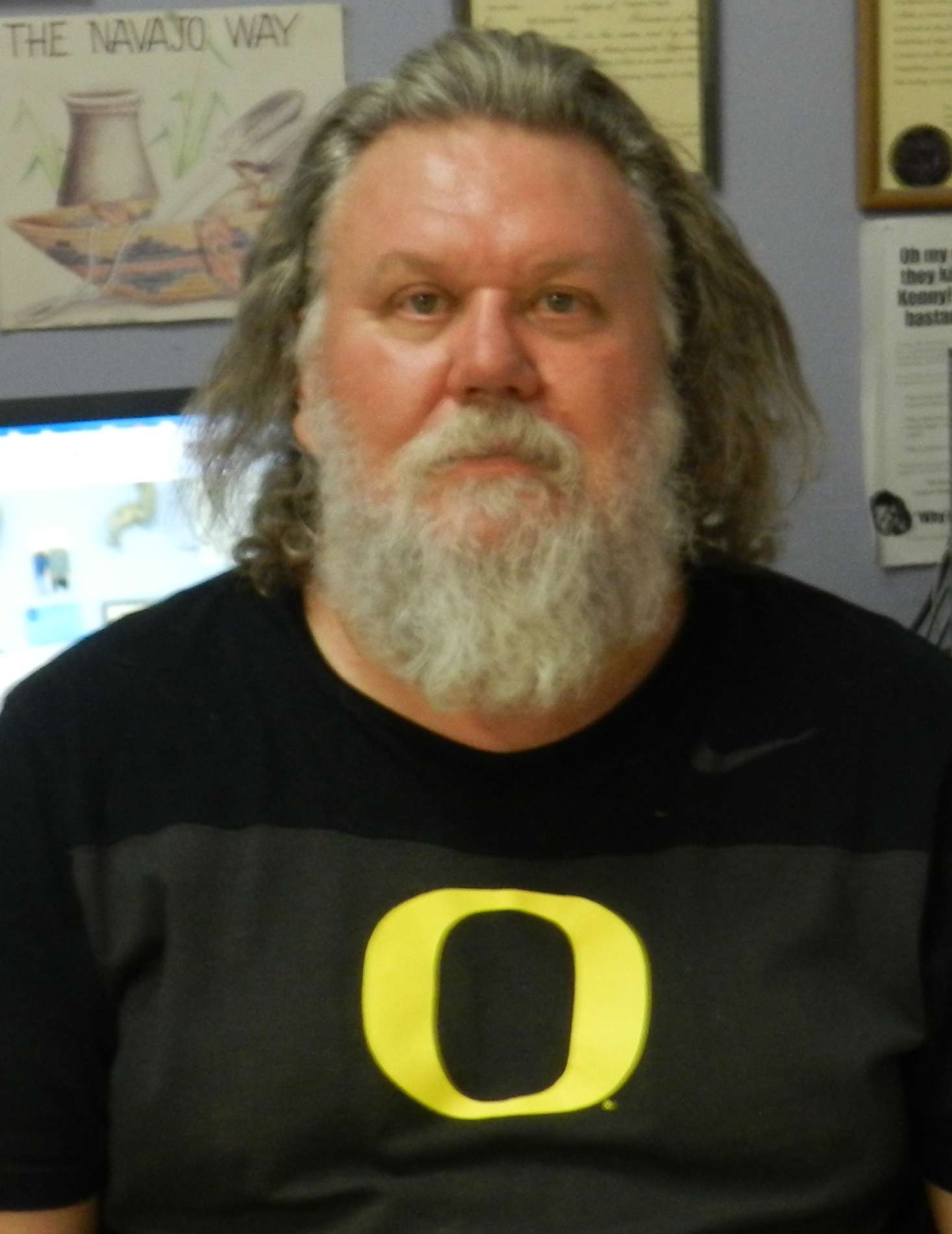
Collins, Ken 2

Ken Collins – TBI Survivor Host on the Brain Injury Radio Network

1. What is your name? (last name optional)

Ken Collins

2. Where do you live? (city and/or state and/or country) Email (optional)

Gamerco, New Mexico, USA     on3.go@live.com

3. When did you have your TBI? At what age?

December 31, 1976     Age 26

4. How did your TBI occur?

I ran into a parked car while driving a snowmobile.

5. When did you (or someone) first realize you had a problem?

I realized the seriousness of my injury after I “woke” several weeks later. I was standing in front a mirror and picking at the wires in my mouth.

6. What kind of emergency treatment, if any, did you have?

I was taken to the Emergency Room, and I had surgery. I broke my jaw below my chin on the left side and rammed my right jawbone into my right ear canal.

7. Were you in a coma? If so, how long?

I have a month missing.  My hospital records say that I was “in and out” and that I was in a Posey jacket and wrist restraints all the time I was in the hospital.  I didn’t have any insurance, and there was no insurance on the snowmobile I was on or the car I ran into.  I was in the hospital a week, and then I was released to go home with my parents because I kept getting out of the restraints and wandering the halls.  On the last day I was in the hospital, they found me untied three times.  One of those times, I was urinating on a plant in the lobby.  I remember Christmas Eve, and then I don’t remember anything until I woke up in front of the mirror in late January.

8. Did you do rehab? What kind of rehab (i.e., inpatient or outpatient and occupational and/or physical and/or speech and/or other)? How long were you in rehab?

I didn’t have any rehab because there wasn’t any rehab in 1976.  My rehab came from playing baseball and community organizing.

9. What problems or disabilities, if any, resulted from your TBI
(e.g., balance, perception, personality, etc.)?

My short-term memory problem has gotten much better over time. I have issues with balance and impulsivity.

10. How has your life changed? Is it better? Is it worse?

My brain injury has given me insights that have allowed me to become a better person.

11. What do you miss the most from your pre-TBI life?

Nothing

12. What do you enjoy most in your post-TBI life?

I have a better understanding of people and life in general.

13. What do you like least about your TBI?

Nothing

14.Has anything helped you to accept your TBI?

Time

15. Has your injury affected your home life and relationships and, if so, how?

I’ve been married three times. The relationships were hurt by my impulsivity and money-management issues.

16. Has your social life been altered or changed and, if so, how?

Not really

17. Who is your main caregiver? Do you understand what it takes to be a caregiver?

My family provided me with the love and support I needed after my brain injury.  They also gave me a place to live for a couple years until I was able to live on my own.

18. What are your future plans? What do you expect/hope to be doing ten years from now?

I plan to be retired.

19. Are you able to provide a helpful hint that may have taken you a long time to learn, but which you wished you had known earlier? If so, please state what it is to potentially help other TBI survivors with your specific kind of TBI.

Talk with other brain-injury survivors. I wish there would have been some people with brain injuries to talk to after my brain injury. I wish also that the Internet and smart phones would have existed.

20. What advice would you offer to other TBI survivors? Do you have any other comments that you would like to add?

Collins, Ken

Ken Collins – TBI Survivor Host on the Brain Injury Radio Network

Find purpose and meaning in your life again because this will make it easier to get out of bed in the morning. Having a sense of purpose and meaning will give you something to live for. This will also help you feel worthwhile, help motivate you, and improve your recovery process. Take ownership of your recovery, and get rid of the word “can’t” in your vocabulary.


To learn more about Ken, stop by the Brain Injury Radio Network to hear some of Ken’s archived shows.

Thank you, Ken, for taking part in this interview. I hope that your experience will offer some hope, comfort, and inspiration to my readers.

(Disclaimer: The views or opinions in this post are solely that of the interviewee.)

If you would like to be a part of the SPEAK OUT! project, please go to TBI Survivor Interview Questionnaire for a copy of the questions and the release form.

(Photos compliments of Ken.)

Survivors SPEAK OUT! . . . . . . . Deb Angus

SPEAK OUT! – Deb Angus

by

Donna O’Donnell Figurski


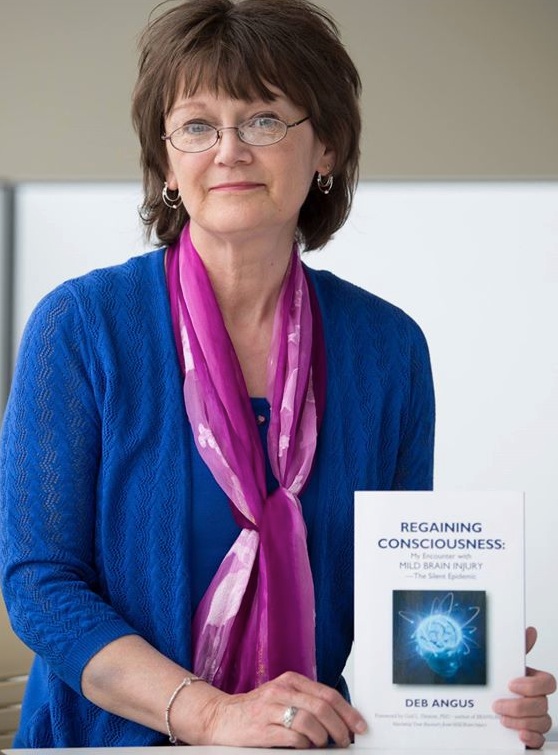
Deb Angus & her book

Deb Angus with Regaining Consciousness

1. What is your name? (last name optional)

Deb Angus

2. Where do you live? (city and/or state and/or country) Email (optional)

Alberta, Canada

3. When did you have your TBI? At what age?

July 2001   Age 44

4. How did your TBI occur?

We were rear-ended at a red light by a distracted driver.

5. When did you (or someone) first realize you had a problem?

It was realized I had a brain injury about one week afterwards.

6. What kind of emergency treatment, if any, did you have?

None

7. Were you in a coma? If so, how long?

No

8. Did you do rehab? What kind of rehab (i.e., inpatient or outpatient and occupational and/or physical and/or speech and/or other)? How long were you in rehab?

My rehab was all outpatient: physical therapy, January-March 2002; vestibular therapy, March-April 2002; occupational therapy, April-May 2003; and speech therapy, May-June 2003.

9. What problems or disabilities, if any, resulted from your TBI
(e.g., balance, perception, personality, etc.)?

I have light-sensitivity (pain from bright sunlight, photo flash, strobe lights, etc.), double vision, depth-perception problems, tinnitus, pain from loud noises, speaking problems (word-finding, stuttering, and stammering), memory problems, concentration and attention problems, a balance problem and dizziness, left-side weakness, sleeping problems, and spatial-coordination problems. I had constant debilitating head pain for the first three weeks and shooting head-pains from August 2001 until about 2010, which have dissipated quite a lot over the years. They still occur once in a while, but they’re much milder than earlier in my recovery. In 2005, I developed an extreme sensitivity to perfumes and colognes. It started as the result of olfactory and trigeminal nerve damage.

10. How has your life changed? Is it better? Is it worse?

My life is worse. I cannot do many activities anymore (e.g., riding a bicycle or ice-skating). Parties, large crowds, and loud noises are difficult or impossible. Light-sensitivity is still an ongoing issue. It affects my driving, watching certain movies and TV programs, and attending certain events.

11. What do you miss the most from your pre-TBI life?

I miss the spontaneity – just going out and doing whatever whenever.

12. What do you enjoy most in your post-TBI life?

I have more compassion and understanding. I’m more aware of concussions and their impact on brain health.

13. What do you like least about your TBI?

I realize our fragility in life.

14. Has anything helped you to accept your TBI?

I have been helped by time, a lot of inner work on acceptance, and learning about TBI.

15. Has your injury affected your home life and relationships and, if so, how?

Many people have given up on me; good friends have stood by me; many more new friends have entered my life. Only I and my husband are here – I have no contact with my family back east. It wasn’t until halfway through my rehab that I realized what a brain injury was and how much it had affected me. I was then able to recognize the symptoms in my husband when he was rear-ended at red light by a drunk driver in ’92. He was never diagnosed. He hasn’t worked outside the home in 22 years. His injury is more depressive than mine, and he dislikes being around people now.

16. Has your social life been altered or changed and, if so, how?

I don’t go out as much as I used to. A small circle of friends, who understand what I’ve gone through and what I still contend with, invite me out for lunches, etc. No more drinking; no more music events; no large-crowd events, like the Calgary Stampede or fireworks.

17. Who is your main caregiver? Do you understand what it takes to be a caregiver?

My caregiver is just me, my husband, and patience.

Book Cover-FINAL-6x9-web3

Regaining Consciousness: My Encounter with Mild Brain Injury — The Silent Epidemic

18. What are your future plans? What do you expect/hope to be doing ten years from now?

I still continue to work full-time. It took 10 years of writing and research, but I finally published my book on mild brain injury in 2014. I am now out delivering talks on concussions and brain injuries to raise awareness. I’m hoping to be able to retire in next 3-5 years and to concentrate more on promoting my book and delivering talks. I’m hoping that this work will help change the paradigms in the medical, legal, and insurance industries for recognition of these injuries, the recovery process involved, and the fact that many survivors need support for employment, housing, and medical issues that may crop up due to TBI – especially as we age.

19. Are you able to provide a helpful hint that may have taken you a long time to learn, but which you wished you had known earlier? If so, please state what it is to potentially help other TBI survivors with your specific kind of TBI.

I wish I would have known how easily concussions occurred and that repeated concussions lead to permanent brain injury. And to deal more effectively with stress, which can wear the body and spirit down to dust. I am currently dealing with kidney failure due to a rare autoimmune response to a virus. My general practitioner is convinced that this occurred because of the stress I’ve endured working through brain injury, having a job that was uncertain from year to year, and having to move six times in four years, due to problem tenants, a rodent problem, and a job transition in 2012.

20. What advice would you offer to other TBI survivors? Do you have any other comments that you would like to add?

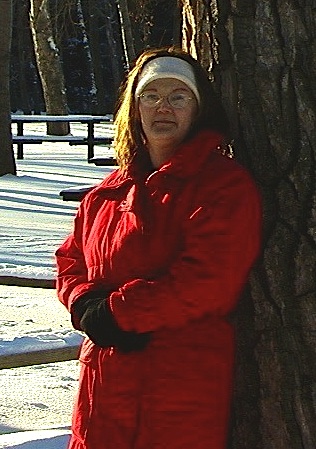
Deb Angus winter

Deb Angus

Be patient with yourself. Be gentle and nurturing with lots of self-care. Keep strong, be determined to improve, and be willing to explore all kinds of healing modalities. Keep trying to find the right doctors and the right therapists who will listen to you and help you.


Thank you, Deb, for taking part in this interview. I hope that your experience will offer some hope, comfort, and inspiration to my readers.

(Disclaimer: The views or opinions in this post are solely that of the interviewee.)

If you would like to be a part of the SPEAK OUT! project, please go to TBI Survivor Interview Questionnaire for a copy of the questions and the release form.

(Photos compliments of Deb.)

Survivors SPEAK OUT! . . . . . . . Anthony Vigil Jr.

SPEAK OUT! – Anthony Vigil Jr.

by

Donna O’Donnell Figurski

About a week after waking from the coma.  I had dropped down to 76 lbs!  Both legs were amputated, btw.-11. What is your name? (last name optional)

Anthony Vigil, Jr.

2. Where do you live? (city and/or state and/or country) Email (optional)

Guam

3. When did you have your TBI? At what age?

July 2011    I was 31 years old.

4. How did your TBI occur?

I was in a traumatic car accident while on my way to train for my 2nd half-marathon.  I was an avid long-distance runner, had completed my first in 1:39, and was training to come in under 1:30 for my 2nd.  The accident also resulted in the loss of both legs above the knees.

5. When did you (or someone) first realize you had a problem?

I realized I had a problem when I started studying for the LSAT (law school admission test) during the summer of 2013.

6. What kind of emergency treatment, if any, did you have?

I was in bad shape – both lungs were collapsed, and my kidneys, liver, and gallbladder failed.  There was much more that I don’t remember.  I was lucky that my accident was less than a mile from the US Naval Hospital, where many doctors there were previously stationed in Iraq and Afghanistan and had experience with the kind of trauma I suffered.  I was eventually transported to St. Luke’s Hospital in the Philippines, where they had a brain drug that is not approved by the FDA (Food and Drug Administration), but is used in Europe and Asia.

7. Were you in a coma? If so, how long?

I was in a medically induced coma for one month.

8. Did you do rehab? What kind of rehab (i.e., inpatient or outpatient and occupational and/or physical and/or speech and/or other)? How long were you in rehab?

I was in physical rehab, both as an inpatient and an outpatient, for about two months. Then I decided to complete it at home. It took two years to fully recover physically. I’m still working on the cognitive aspect.

9. What problems or disabilities, if any, resulted from your TBI
(e.g., balance, perception, personality, etc.)?

The doctors told my parents that I would have the mind of a child, but luckily that didn’t happen.  When I was being tested in the Philippines, I couldn’t even draw a clock, my speech was slurred, and I didn’t know what year it was or how old I was.  I did know who all my family was, though.  I still have trouble reading dense passages and have to reread them just to comprehend.  Because my short-term memory was affected, I have trouble keeping track of concepts in dense passages.

10. How has your life changed? Is it better? Is it worse?

For the better – my relationship with my parents is so much better.

For worse – it has quashed (or at least delayed) my aspirations for a professional degree (law or MBA).

11. What do you miss the most from your pre-TBI life?

I greatly miss my processing speed.  I used to be very quick to pick up new concepts, and many people thought I was smart. (I guess they still do.)

12. What do you enjoy most in your post-TBI life?

I enjoy relationships with people.  I’ve realized that relationships are more important than money.  I also try to enjoy life in every little thing I do.

13. What do you like least about your TBI?

I dislike knowing that I’m not as capable as before, but I’ve finally arrived at peace with that.Vigil Jr., Anthony Relay Race Pre TBI

14. Has anything helped you to accept your TBI?

I’ve been helped by reading other people’s stories and by learning how people were able to succeed despite the TBI.

15. Has your injury affected your home life and relationships and, if so, how?

For the first two years, I hated being stuck at home with my parents again, after I had been living on my own since 19.  I’ve finally come to enjoy and appreciate my parents.

16. Has your social life been altered or changed and, if so, how?

I didn’t have much of a social life before the accident, so not much has changed.

17. Who is your main caregiver? Do you understand what it takes to be a caregiver?

During the first year of my recovery, my mom was my caregiver.  Yes, I understand that it takes a lot of love, even though you may not understand why things happened that way and even if the other person fights you the whole time.  =)

18. What are your future plans? What do you expect/hope to be doing ten years from now?

I was approved for a business loan a week before my accident, so I hope to resume that plan and maybe get a professional degree.  That’s a big maybe.

19. Are you able to provide a helpful hint that may have taken you a long time to learn, but which you wished you had known earlier? If so, please state what it is to potentially help other TBI survivors with your specific kind of TBI.

Try working or really exerting your mind.  You won’t really know your capabilities until you try.

20. What advice would you offer to other TBI survivors? Do you have any other comments that you would like to add?

Research, research, research.  Reach out to other survivors, for no one else knows what you are experiencing.  I tried explaining it to my coworkers and parents, and it was impossible for them to understand!Vigil, Jr., Anthony


Thank you, Anthony, for taking part in this interview. I hope that your experience will offer some hope, comfort, and inspiration to my readers.

(Disclaimer: The views or opinions in this post are solely that of the interviewee.)

If you would like to be a part of the SPEAK OUT! project, please go to TBI Survivor Interview Questionnaire for a copy of the questions and the release form.

(Photos compliments of Anthony.)


Survivors SPEAK OUT! – Bob Bernardi

SPEAK OUT! – Bob Bernardi

by

Donna O’Donnell Figurski


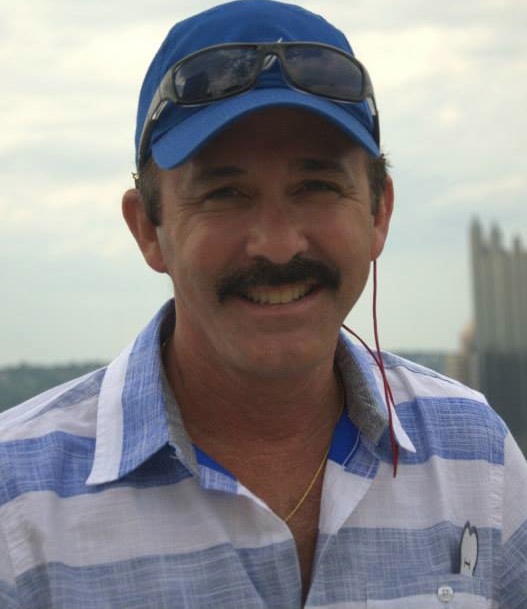
Bob Bernardi

Bob Bernardi

1. What is your name? (last name optional)

Bob

2. Where do you live? (city and/or state and/or country) Email (optional)

Wheeling, West Virginia, USA

3. When did you have your TBI? At what age?

My TBI happened in 1992 at the age of 35.

4. How did your TBI occur?

Car accident

5. When did you (or someone) first realize you had a problem?

It was first realized while I was in the ICU (Intensive Care Unit).

6. What kind of emergency treatment, if any, did you have?

I was put on a respirator at the scene of the accident because I stopped breathing. My chest was crushed, and my back was broken in half at my T6 vertebra. My spine was bruised, and I had a traumatic brain injury. My lung collapsed three days later.

7. Were you in a coma? If so, how long?

I was in a semi-coma for about six days.

8. Did you do rehab? What kind of rehab (i.e., inpatient or outpatient and occupational and/or physical and/or speech and/or other)? How long were you in rehab?

I was in the hospital for almost 7 weeks. Then I was in outpatient rehab from May until February. In that time, I had physical, work, and speech therapies.

9. What problems or disabilities, if any, resulted from your TBI
(e.g., balance, perception, personality, etc.)?

My whole life changed on that terrible morning. I had to relearn all of my simple math skills and redevelop my short-term memory. I slowly regained my ability to walk. My attention span has been diminished, and I go into a deep depression at times.

10. How has your life changed? Is it better? Is it worse?

Bob Bernardi

Bob Bernardi

My life is much worse. I was never able to regain my executive skills or my position as a Regional Human Resources Manager. I am 100% disabled today and feel as if I am a warehoused individual. A diabetic hypoglycemic reaction caused my car accident, and since my accident, my condition has worsened to the point that I am now very brittle. In 2009, I applied for 100% disability, and, in 2010, it was granted. I now depend on a small Social Security check and my wife’s pay. Our whole lifestyle has changed because my earning potential was eliminated. Seven years ago, I was diagnosed with celiac disease and also with brain meningiomas. In May of 2014, it was determined that I needed Gamma Knife brain surgery to stop the growth of the meningioma. So far, the surgery has been deemed a success. I now live day-to-day and do my best to enjoy life the best way that I can. I feel that my best therapy is talking to friends on the Brain Injury Awareness Group on Facebook and giving and taking advice on making our lives more bearable. I try as often as I can to inform and educate people on Traumatic Brain Injuries, how best to avoid them, and, if they do occur, how to deal with this tragic occurrence in life.

11. What do you miss the most from your pre-TBI life?

Work. I was diagnosed with having a Type 1 personality, and so my mind is always trying to work at accomplishing things.

12. What do you enjoy most in your post-TBI life?

I enjoy helping others cope and giving encouragement to others who have injured their brains.

13. What do you like least about your TBI?

I dislike the stigma attached to me that I am slow or stupid.

14. Has anything helped you to accept your TBI?

Not really, but, when I look at others who have suffered this terrible happening in their lives, I feel lucky at times because I came out better than a lot of my survivor friends.

15. Has your injury affected your home life and relationships and, if so, how?

My injury has put all of our financial burden on my wife, who is in constant worry both for me and in handling her “management” position. She is stressed to the maximum.

16. Has your social life been altered or changed and, if so, how?

My social life is not too bad because when others look at me, they really do not know. I have some scars on my forehead, but you really have to look, and I have no problems with speech. I may repeat myself at times, but I know how to keep my conversations in check. I have no problems today walking or doing physical activities, but I will tire more easily. Many have no idea what my physical body has gone through. I have always kept a small circle of friends. Probably the worse aspect of my TBI is that many have left me because they all want the “Old Bob” back. I would love for the “Old Bob” to come back, but he is gone forever.

17. Who is your main caregiver? Do you understand what it takes to be a caregiver?

My wife has always been there for me. After 22 years, she is worn out, and her health is beginning to fail.

18. What are your future plans? What do you expect/hope to be doing ten years from now?

I do not plan ahead anymore. I do one day at a time. Ten years from now is just too far away. I keep getting all of these health challenges, and that keeps me busy enough.

19. Are you able to provide a helpful hint that may have taken you a long time to learn, but which you wished you had known earlier? If so, please state what it is to potentially help other TBI survivors with your specific kind of TBI.

I have learned that, if I need to remember something, then I must tell myself to remember it. I almost curse myself to remember and not to forget. So far it has worked. I also would like for people who have suffered with TBI, or BI in general, to not always write in stone what the doctors tell you. The human brain is more capable than even they know, and the healing process never really stops. I just had cognitive tests done, and I only scored “fair” on almost all of them. I was somewhat down, but I started thinking how I handle things in real life situations, and I can do a lot. I even do our own taxes every year. I am an avid reader, and I do word puzzles to keep my brain active. I refuse to give up. The bottom line is DO NOT GIVE UP ON YOURSELF!

20. What advice would you offer to other TBI survivors? Do you have any other comments that you would like to add?

I honestly think that TBI is one of most evil happenings that a person can go through because it alters how one thinks, one’s personality, and his or her life in general. I would suggest for anyone who has gone through this personal hell to hook up with others – either online or in personal groups – so as to talk about your different problems and to share feelings – both negative and positive – so as to help one another cope.

Bob Bernardi

Bob Bernardi


Thank you, Bob, for taking part in this interview. I hope that your experience will offer some hope, comfort, and inspiration to my readers.

(Disclaimer: The views or opinions in this post are solely that of the interviewee.)

If you would like to be a part of the SPEAK OUT! project, please go to TBI Survivor Interview Questionnaire for a copy of the questions and the release form.

(Photos compliments of Bob.)

Survivors SPEAK OUT! – Ali Stretmater

  SPEAK OUT! – Ali Stretmater

by

Donna O’Donnell Figurski

Ali Stretmater1. What is your name? (last name optional)

Ali Stretmater

2. Where do you live? (city and/or state and/or country) Email (optional)

Rockville, Maryland, USA     alicat012003@yahoo.com

3. When did you have your TBI? At what age?

I’ve had four TBIs: the first was at age 3; the second, at age 4; the third, at age 30; and the fourth, at age 37.

4. How did your TBI occur?

All four of my TBIs were due to blunt-force trauma. TBI #1 occurred when a friend went to hug me. I fell back against the hard wooden arm of a recliner and cracked my skull open. TBI #2 occurred when I fell from the monkey bars while playing on them. The details of TBI #3 are still sketchy to this day. Just before surgery, I fainted in the hospital from debilitating pain due to a spinal cord issue. I struck my head on the corner of a filing cabinet and then again on the floor. TBI #4 was due to an assault. I was unknowingly drugged in my own home. It’s believed that I passed out and struck my head on the bathroom sink. The details surrounding TBI #4 are still unclear. The only witness isn’t an especially reliable source, as that witness is also the assailant.

5. When did you (or someone) first realize you had a problem?

I was 32 years old and had sustained three TBIs by the time I was finally told I had a TBI!! My neurosurgeon and neuropsychologist were the ones who finally explained to me that I wasn’t crazy and that my behavior(s) was perfectly normal for a TBI survivor. Until then, I had no clue that I had a TBI. When I was growing up, it was common for doctors to “spare” the parents of a TBI-child by not telling them anything at all about it. I wish I knew I had a TBI when I was growing up. It could’ve saved me a lot of difficulties with school, work, life, etc.

6. What kind of emergency treatment, if any, did you have?

For the first two TBIs, I was taken to the hospital. For TBI #3, I was already in the hospital. For TBI #4, I had no treatment for at least a week. I wasn’t able to schedule a visit with my neurologist until then. That appointment was at the insistence of another doctor whom I ran into a few days after I had TBI #4. That doctor was alarmed by my behavior. (I was in a complete blackout from TBI #4 and unaware that I’d had yet another TBI.) The doctor called my neurologist and made an appointment for me.

7. Were you in a coma? If so, how long?

Thankfully I never went into a coma from my TBIs. After TBI #3, I was in a medically induced coma for a few days. That was due to a spinal cord surgery. Because of the risk of paralysis, I had to stay completely immobilized. (The paralysis thankfully didn’t happen.)

8. Did you do rehab? What kind of rehab (i.e., inpatient or outpatient and occupational and/or physical and/or speech and/or other)? How long were you in rehab?

I had physical, occupational, and speech therapies after TBI #3. I had rehab as an inpatient for a month and as an outpatient for the next 3–6 months. (It’s hard to remember exactly how long I was an outpatient.)

9. What problems or disabilities, if any, resulted from your TBI
(e.g., balance, perception, personality, etc.)?

I have vertigo, depth-perception issues, impulse control issues, moodiness, word-searching issues, insomnia, severe short-term-memory issues, overstimulation, etc. TBI #4 made all the symptoms worse, and it wiped out my short-term memory as well. It’s even hard to remember all the symptoms and issues I have from the TBIs.

10. How has your life changed? Is it better? Is it worse?

Being a 4-time survivor is my greatest blessing and also my biggest curse – all at the same time! I almost died twice. That and knowing that TBI is about “forever” really changes your perspective. Forever is a very long time!

11. What do you miss the most from your pre-TBI life?

That’s hard to answer. I can only vaguely recall a time when I didn’t have a TBI. I guess I miss my career. I loved my job and my colleagues. It was devastating for me when I was told that I would have to retire and that I wasn’t ever going to be medically cleared to return.

12. What do you enjoy most in your post-TBI life?

I appreciate being given a second chance at life and love. By rights, I’m not supposed to be alive to begin with.

13. What do you like least about your TBI?

I dislike being exhausted all the time, the insomnia, not being able to return to work, and the stigma that comes with having a TBI. I often tell people, “I have a TBI; I’m not simple. There’s a HUGE difference!!”

14. Has anything helped you to accept your TBI?

I have been helped by talking to other TBI survivors and by knowing that what we go through is normal – that I’m not alone in this.

15. Has your injury affected your home life and relationships and, if so, how?

Yes!! I can’t begin to explain how it’s changed everything!! Family members treat me very differently. They don’t understand, since they haven’t lived it.

16. Has your social life been altered or changed and, if so, how?

Yes!! You name it. For a long time, I was very isolated. Old friends didn’t understand how much my world had changed. It was (still is) hard to get out sometimes because I’m always so tired. I’ve had romantic relationships break up. My current boyfriend is always harping on how it was before I had TBI #4.

17. Who is your main caregiver? Do you understand what it takes to be a caregiver?

As an adult, I’m my own caretaker. When I was a child, my main caregiver was my mother. But, she didn’t realize the lifelong impact that the first TBI had (and still has) on me.

18, What are your future plans? What do you expect/hope to be doing ten years from now?

Good question. I just want to live a peaceful life and help other TBI survivors when I can, especially new people. I’m in the process of realizing a lifelong dream of moving to Miami Beach, and I’m working (slowly, but that’s okay) on a new career path of fitness- and nutrition-coaching. I’d love to work with other TBI survivors, since we have a statistically higher risk of getting diseases like Alzheimer’s, etc. as a result of having a TBI. Studies seem to show that being healthy can lower this risk. I’d love to re-marry again too, but any future husband would have to understand (as best he can) that I have a TBI and that he is aware of what that entails.

19. Are you able to provide a helpful hint that may have taken you a long time to learn, but which you wished you had known earlier? If so, please state what it is to potentially help other TBI survivors with your specific kind of TBI.

I’ve had both front and back TBIs, as well as open-head and closed-head injuries. One thing I’ve learned is that, when it comes to remembering things, develop strategies to make it easier (like reminder apps on your phone or putting things like keys in the same place each time, so they’re readily visible and you’ll have a starting point to look for them when you need them).

20. What advice would you offer to other TBI survivors? Do you have any other comments that you would like to add?

YOU ARE NOT ALONE!! The biggest key – and the best therapy – is talking to other TBI survivors. Just knowing that someone else understands what it’s like without a lengthy explanation is priceless. Reach out to others, and remember that, by sharing your story, you’re also helping someone else who’s struggling.Ali


Thank you, Ali, for taking part in this interview. I hope that your experience will offer some hope, comfort, and inspiration to my readers.

(Disclaimer: The views or opinions in this post are solely that of the interviewee.)

If you would like to be a part of the SPEAK OUT! project, please go to TBI Survivor Interview Questionnaire for a copy of the questions and the release form.

(Photos compliments of Ali.)


Survivors SPEAK OUT! – GeorgeAnna Bell

  SPEAK OUT! – GeorgeAnna Bell

by

Donna O’Donnell Figurski

10570970_836853459658124_752128615_n1. What is your name? (last name optional)

GeorgeAnna

2. Where do you live? (city and/or state and/or country) Email (optional)

San Tan Valley, Arizona, USA

3. When did you have your TBI? At what age?

My first was at the age of 6 years old. I have had multiple concussions as a child. I had yet another head injury in 2001 and another concussion from another car accident on June 25, 2014. I am now 40 years old.

4. How did your TBI occur?

My first brain injury was from a bicycle accident – I lost control of my bike. I flipped over the handlebars and landed on the right side of my head, cracking my skull. The concussions were from falls; sports; an ATV (all terrain vehicle); motor vehicle accidents; rapes; abuse; falls; and being young, foolish, and idiotic.

5. When did you (or someone) first realize you had a problem?

My parents realized I was a different child the day they brought me home from the hospital.

6. What kind of emergency treatment, if any, did you have?

I’ve been treated by the ICU (intensive care unit). I’ve had eye/vision therapy and cognitive behavior therapy. I attended specialized schools – junior high school and senior high school – that were for children with mental, emotional, physical, and developmental disabilities.

7. Were you in a coma? If so, how long?

Yes     72 hours

8. Did you do rehab? What kind of rehab (i.e., inpatient or outpatient and occupational and/or physical and/or speech and/or other)? How long were you in rehab?

I did not go to a rehab center. I got everything from schools, specialized doctors, etc.

9. What problems or disabilities, if any, resulted from your TBI
(e.g., balance, perception, personality, etc.)?

I have a balance problem, dizziness, seizures, short- and long-term memory loss, mental illness (anxiety, depression, mood disorder, personality disorder), cognitive issues, social issues and social anxiety, headaches and migraines, numbness and tingling in my extremities, ringing in my ears (the ear, nose, and throat specialist calls it tinnitus), insomnia, vision and hearing issues (optic and audio nerve damage), and blurred vision (on and off). I am easily confused and distracted. (For example, I cannot multitask. I have to do one thing at a time. Otherwise, I get flustered and stressed out.) I am sensitive to lights, sounds, or distractions. I developed fibromyalgia, tremors, and speech issues, all of which the doctor thinks are the result of my head injury. I also have arthritis (rheumatoid arthritis and osteoarthritis). I have a developmental disability (due to the age at which I sustained my first head injury) and learning disabilities. I attended a special educational school from 7th grade until my senior year because I could not stay mainstream in a public school.

10. How has your life changed? Is it better? Is it worse?

I honestly do not know because I was so young when my first head injury occurred. However, over the years, I have sustained multiple head injuries. (For example, because of a short-term coma and concussions, I have increased mental, emotional, and physical issues.)

11. What do you miss the most from your pre-TBI life?

I wouldn’t remember what it was like before because I was only 6 years old when I sustained my first head injury.

12. What do you enjoy most in your post-TBI life?

I am grateful for my Significant Other – the ONLY person I personally know who is supportive of me and tries to be understanding.

13. What do you like least about your TBI?

I dislike how people treat me. People act as if I am some kind of idiot because I am slower than others, and then they look at me as if I have serious issues. I hate being judged. I want people to treat me as I would treat them. I don’t want them to judge me and look at me and say, “Well, you look fine.”

14. Has anything helped you to accept your TBI?

People’s ignorant behaviors and idiosyncrasies

15. Has your injury affected your home life and relationships and, if so, how?

My parents did not want to deal with my issues. They did not allow me to speak of my issues to anyone because it embarrassed them that they had a child with a disability. They still do not like my talking about my disabilities and TBI. However, I tell them I am a full-grown adult now, and I say to them, “If you do not like it, do not listen.”

16. Has your social life been altered or changed and, if so, how?

I have issues keeping friends. People tend to easily get annoyed with me. I tend to get frustrated easily, too. As for relationship with guys, I was always told I am a very taxing person – annoying, weird, and psychotic. I have had nicknames given to me by guys over the years: pain-in-my-ass, crack baby, wacko, weirdo, dumbass, stupid, idiot, retarded, sensitive bitch, nagging bitch, crazy, worthless.

17. Who is your main caregiver? Do you understand what it takes to be a caregiver?

My main caregiver is my boyfriend. No, I do not understand what it takes to be a caregiver.

18. What are your future plans? What do you expect/hope to be doing ten years from now?

I would love to open a 501c3 animal shelter and help unwanted animals – mainly dogs. I would like to extend the knowledge I currently have on animal studies and have better knowledge and understanding of the animal behavior.

19. Are you able to provide a helpful hint that may have taken you a long time to learn, but which you wished you had known earlier? If so, please state what it is to potentially help other TBI survivors with your specific kind of TBI.

Do not stop trying. Eventually it will work out.

20. What advice would you offer to other TBI survivors? Do you have any other comments that you would like to add?

I encourage you to just try your best and keep trying. Do not give up. Once you give up, you lose everything, and it is not easy to get everything back again – even if you are able to get things back again.10695279_836854542991349_1216029697_n


Thank you, GeorgeAnna, for taking part in this interview. I hope that your experience will offer some hope, comfort, and inspiration to my readers.

(Disclaimer: The views or opinions in this post are solely that of the interviewee.)

If you would like to be a part of the SPEAK OUT! project, please go to TBI Survivor Interview Questionnaire for a copy of the questions and the release form.

(Photos compliments of GeorgeAnna.)

Survivors SPEAK OUT! Judy F.

SPEAK OUT! – Judy F.

by

Donna O’Donnell Figurski

Judy

Judy F.

 1. What is your name? (last name optional)

Judy F.

2. Where do you live? (city and/or state and/or country) Email (optional)

Welland, Ontario, Canada

3. When did you have your TBI? At what age?

I was born with hydrocephalus, and I have had several TBIs in my life.

4. How did your TBI occur?

In 2013, I had a problem from a mini-stroke and/or low blood flow during one.

5. When did you (or someone) first realize you had a problem?

We realized there was a problem about a month after the stroke occurred.

6. What kind of emergency treatment, if any, did you have?

I had surgery due to high intercranial pressure on May 15, 2013.

7. Were you in a coma? If so, how long?

No

8. Did you do rehab? What kind of rehab (i.e., inpatient or outpatient and occupational and/or physical and/or speech and/or other)? How long were you in rehab?

I receive medical support from a team of experts on an outpatient basis (neurologist, family doctor, occupational therapist, massage therapist, osteopath, pharmacist, social worker, and psychologist). I am still doing what is known as “work hardening”  (an individualized treatment program designed to maximize a person’s ability to return to work).

9. What problems or disabilities, if any, resulted from your TBI
(e.g., balance, perception, personality, etc.)?

I am unable to work at this time due to balance, short-term memory, and processing issues.  I also have mental fatigue (i.e., I need a daily afternoon nap).

10. How has your life changed? Is it better? Is it worse?

Better – slower day   Worse – my TBI-caused problems

11. What do you miss the most from your pre-TBI life?

I miss working.

12. What do you enjoy most in your post-TBI life?

I can now relax, and I don’t feel like I’m rushing through my day.

13. What do you like least about your TBI?

Besides not working, I also dislike the headaches.

14. Has anything helped you to accept your TBI?

It took time to process how my life and the people around me have changed since my TBI.

15. Has your injury affected your home life and relationships and, if so, how?

My relationships on the whole have gotten better.  Everyone is patient with me and very encouraging.  They help me celebrate any achievements and progress.

16. Has your social life been altered or changed and, if so, how?

My social life has taken a bit of a hit, as it’s hard to commit to a date and time. Every day is different, and I don’t know how I’ll feel.  It’s hard to explain this to people who haven’t been through it.

17. Who is your main caregiver? Do you understand what it takes to be a caregiver?

My main caregiver is my husband.  He helps me be the best I can be and is my cheering section.

18. What are your future plans? What do you expect/hope to be doing ten years from now?

I hope to improve, to be the best I can in our “new normal,” and to be a contributing member of my community in whatever capacity I am able to.

19. Are you able to provide a helpful hint that may have taken you a long time to learn, but which you wished you had known earlier? If so, please state what it is to potentially help other TBI survivors with your specific kind of TBI.

I have learned to make daily reminder-notes. This helps me prioritize important things to do on a daily basis.

20. What advice would you offer to other TBI survivors? Do you have any other comments that you would like to add?

Judy Awards

Judy receives a volunteer appreciation award from the Spina Bifida & Hydrocephalus Association of Ontario.

Assemble a good support team to help you on your journey.  Post-TBI survivors belong in the “car pool lane of life.”


Thank you, Judy, for taking part in this interview. I hope that your experience will offer some hope, comfort, and inspiration to my readers.

(Disclaimer: The views or opinions in this post are solely that of the interviewee.)

If you would like to be a part of the SPEAK OUT! project, please go to TBI Survivor Interview Questionnaire for a copy of the questions and the release form.

(Clip Art compliments of Bing.)

Survivor’s SPEAK OUT! – Daniel Mollino

SPEAK OUT! – Daniel Mollino

by

Donna O’Donnell Figurski


Daniel Mollino - TBI Survivor & Cyclist

Daniel Mollino – TBI Survivor & Cyclist

1. What is your name? (last name optional)

Daniel Mollino

2. Where do you live? (city and/or state and/or country) Email (optional)

Ringwood, New Jersey, USA     Daniel@mollino.net

3. When did you have your TBI? At what age?

August 11, 2010     Age 27

4. How did your TBI occur?

At work, I fell from a ladder on a telephone pole.

5. When did you (or someone) first realize you had a problem?

Right away. The emergency response was fast.

6. What kind of emergency treatment, if any, did you have?

I was in a medically induced coma. I had a craniotomy, and a shunt was inserted.

7. Were you in a coma? If so, how long?

I was in the medically induced coma for about three weeks.

8. Did you do rehab? What kind of rehab (i.e., inpatient or outpatient and occupational and/or physical and/or speech and/or other)?

I had speech therapy as an inpatient. As an outpatient, I had physical therapy and therapy for executive skills.

How long were you in rehab?

Three months as an inpatient; a little over a year as an outpatient.

9. What problems or disabilities, if any, resulted from your TBI
(e.g., balance, perception, personality, etc.)?

I have deafness of and ringing in my right ear. I have issues with fatigue, memory, balance, personality, pain, and finding words. (See my website below for more details.)

Daniel Mollino - TBI Survivor in hospital

Daniel Mollino – TBI Survivor in hospital

10. How has your life changed? Is it better? Is it worse?

Things became harder. It is in some ways better and in others, worse.

11. What do you miss the most from your pre-TBI life?

My memory

12. What do you enjoy most in your post-TBI life?

That I got back to being able to ride

13. What do you like least about your TBI?

The problem with my memory; also the public’s understanding of how a TBI impacts a person

14. Has anything helped you to accept your TBI?

My family’s being there helped. My strong headed, never-give-in mentality stuck and resulted in the support and the joining in of larger groups in my 2015 cross country bike ride to get brain injury addressed and donations to research groups. I am also on a calling basis with the offices of federal politicians from my district trying to get them to fix a system I saw fail. Hopefully the ride will get more people calling their politicians.

15. Has your injury affected your home life and relationships and, if so, how?

My home life changed in some ways. My wife and I switched roles – but not in a bad way.

16. Has your social life been altered or changed and, if so, how?

My social life hasn’t really changed that much. But, my deafness is an issue, and I don’t like loud environments.

17. Who is your main caregiver? Do you understand what it takes to be a caregiver?

My wife is my main caregiver. Thankfully, I am not as bad off as some.

18. What are your future plans? What do you expect/hope to be doing ten years from now?

My future plans are in motion. I am biking coast to coast in hopes of getting attention for brain injury and donations flowing to research groups. I also hope I can get the media involved and possibly get more sponsors, so I can continue on that path for years to come. A book would be nice. However, my English is really bad, so I am looking for a ghostwriter. My hope is that I can keep going and prove that “disabled” does not mean that someone is incapable of great things. That aspect is aimed at all those who give up.

19. Are you able to provide a helpful hint that may have taken you a long time to learn, but which you wished you had known earlier? If so, please state what it is to potentially help other TBI survivors with your specific kind of TBI.

I have to say no, but I may be wrong. As I have said to others, when you accept “broken” as a status, you will always be broken. You need always to push for a want. Nothing is impossible, but life is a pathway of obstacles. You will at times just have to step back and find another way. For when you give up trying, that is the point in the life that you have willfully chosen to be in the broken state.

20. What advice would you offer to other TBI survivors?

Fight for what you want. Ask others for help, and keep your eyes on the goal. Never give in to defeat. My personal view is that I will do this or die trying. Not to sound morbid, but the idea is that if you try your entire life, you are living life – not letting life live you.

Do you have any other comments that you would like to add?

I hope that some of you see my ride as I post my routes and progress in 2015 and show up if you’re near. Nothing is better than seeing others involved and having the support. I will be personally calling media stations I can find numbers to, but getting calls from others, sharing photos on Facebook, etc. would be a great help. The more exposure and media I get, the more we can educate the public and force the politicians to move on fixing the issues.


You can learn more about Daniel at the following sites.

TBI to Victory

TBI Rider

Double Cross-Country Bicycle Ride Will Challenge New Jersey TBI Athlete

 Stroll ‘N Roll With Kessler Foundation at Verona Park

Daniel Mollino - TBI Survivor & Sky Diver

Daniel Mollino – TBI Survivor & Sky Diver


Thank you, Daniel, for taking part in this interview. I hope that your experience will offer some hope, comfort, and inspiration to my readers.

(Disclaimer: The views or opinions in this post are solely that of the interviewee.)

(Photos compliments of Daniel.)

If you would like to be a part of the SPEAK OUT! project, please go to TBI Survivor Interview Questionnaire for a copy of the questions and the release form.

diemodi jewelry

uniquely hand-crafted jewelry by donna

Welcome to Harmony Kent Online

The home of all things books

Pete Springer

Passionate Teacher and Future Children's Author

HOPE TBI

Helping Other People Excel - To Be Independent

For the Love of Books, Old and New

Katie Fischer, Writer and Reader of Stories

Charlie Bown

Children's Author

Jessica Hinrichs

“We write to taste life twice, in the moment and in retrospect.” ― Anais Nin

VIVIAN KIRKFIELD - Writer for Children

Picture Books Help Kids Soar

Mindy’s Writing Wonderland

For authors, parents, teachers & everyone who loves children’s books.

Kaitlyn Leann Sanchez

Literary Agent

Surviving Traumatic Brain Injury

TBI - Survivors, Caregivers, Family, and Friends

The Care Factor

Loving someone with a Traumatic Brain Injury

Brain Injury Support Group of Duluth-Extension

Brain Injury Information and SUPPORT

Brain Aneurysm Global Insight

Brain Aneurysm, cerebral hemorrhaging, hemorrhage stroke