TBI – Survivors, Caregivers, Family, and Friends

Archive for February, 2022

Long COVID . . . . . . . . . . . . . . Serious Long-term Effect of Some COVID-19 Infections

Long COVID – a Serious Long-term Effect of Some COVID-19 Infections


by


Columbia University Professor Emeritus, Dr. David Figurski

presented by

Donna O’Donnell Figurski

(Disclaimer: The World Health Organization <WHO> has officially named the new coronavirus as SARS-CoV-2 <severe acute respiratory syndrome coronavirus #2> and the disease it causes as COVID-19 <coronavirus infectious disease of 2019>.  Because the majority of people, including most of the press, commonly refer to the virus as “COVID-19” or “COVID,” to avoid confusion, I use “COVID-19” as the name of the virus.)

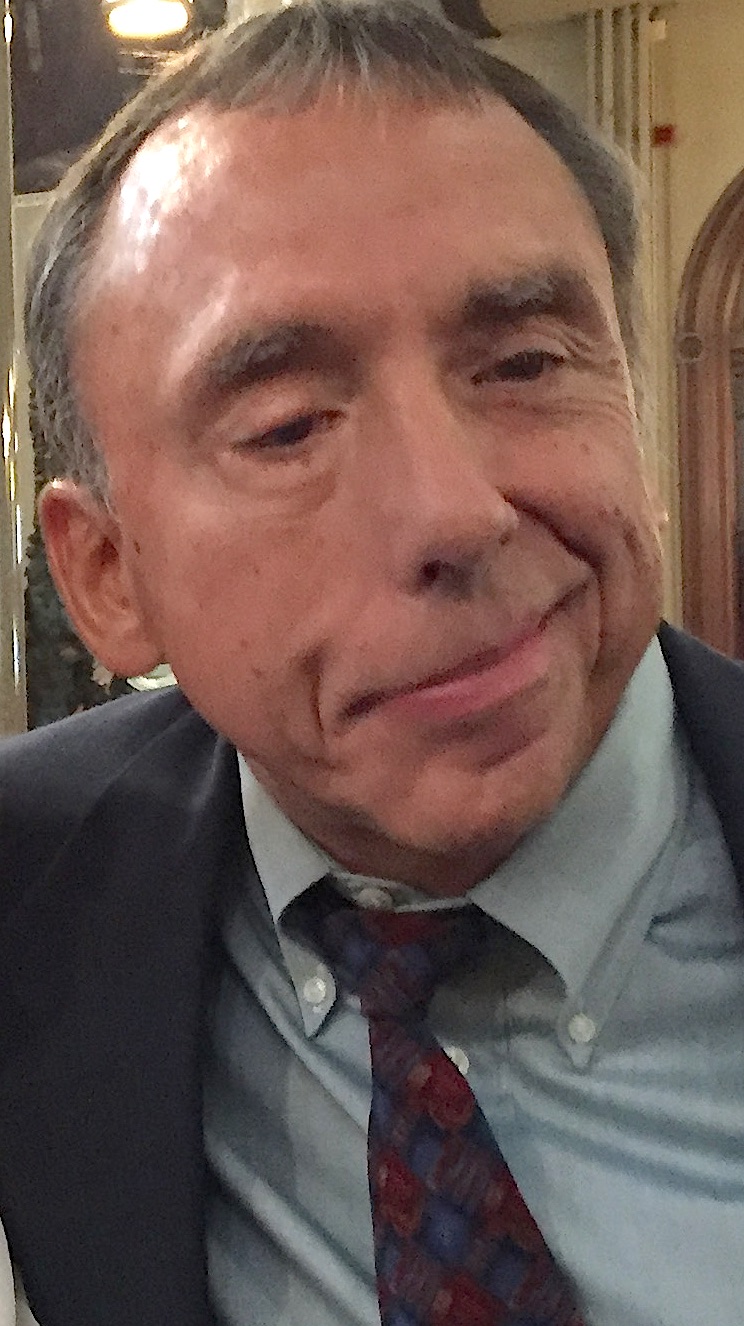
David Figurski

David H. Figurski, Ph.D & Survivor of Brain Injury

Finally – the news I’ve been waiting for!

Bottom line: The news is good … if you’re vaccinated.

Dr. Daniel Griffin, a Columbia University infectious disease physician, has said that long COVID is a public health crisis.  Several million people worldwide are living with the mysterious, often disabling, ailments of long COVID.

What is long COVID?

Everybody knows about the acute phase of COVID-19 infection. Some infections are serious and require hospitalization – and maybe intensive care. However, infected people and even the survivors of hospitalization seem to fully recover. They feel fine and test negative for the virus.coronavirus_PNG38

But weeks or months later, people who appear to have recovered from a COVID-19 infection may experience any one or several symptoms, which include fatigue, severe headaches, brain fog, anxiety, depression, muscle pain, cough, fever, cognitive impairment, joint pain, chest pain, shortness of breath, vertigo or loss of balance, memory issues, rash, heart palpitations, and sleep issues.

What’s worse – the symptoms can persist. No one knows when the symptoms will end. Some long COVID patients worry that their symptoms will be lifelong. Society needs to be ready for many more disabled people.

Scientists and doctors don’t know the cause.

Particularly worrisome is the fact that even asymptomatic and mild infections can lead to long COVID. Since vaccination still permits asymptomatic and mild infections but prevents the severe infections that require hospitalization, I have been concerned that long COVID can still occur with vaccination. Now it’s clear that vaccination prevents long COVID too.

Because long COVID occurs weeks or months after a COVID-19 infection, it took a while for the data on vaccination and long COVID to come out.

apps.31154.13510798883188545.eeff598f-9fb6-4eae-b36b-53296e4adb2eA recent paper submitted by an Israeli group showed there is a significant reduction (an appropriately conservative conclusion for data that showed 0 cases of long COVID) if a person was vaccinated before getting infected.  In contrast, with no vaccination, about half of hospitalized COVID-19 patients will get long COVID. Vaccination after getting COVID-19 helps: Vaccination within 30 days of COVID-19 infection helps reduce the incidence of long COVID significantly. Getting vaccinated 30-60 days after COVID-19 infection helped, but not as much as within 30 days. Getting vaccinated after 90 days post COVID-19 infection does not help.

You can listen to Dr. Griffin talk about long COVID in two short segments – minutes 38:25-41:30 and 47:25-50:15 – of his clinical update in the video podcast (TWiV #856 – This Week in Virology by Columbia virologist Dr. Racaniello.

   Get Your Copy Now!

                                          Read It!      Review It!

                                                                             Click Links under Book

51r7mht63el._sx332_bo1204203200_

PAPERBACK Read Now!   eBOOK Read Now!   AUDIO BOOK Listen Now!

Stay Safe and Healthy!

Clip Art compliments of Bing.com.

(Photos compliments of contributor.)

As I say after each post

Please leave a comment by clicking the blue words “Leave a Comment” below this post.

Feel free to follow my blog. Click on “Follow” on the upper right sidebar.anim0014-1_e0-1

If you like my blog, share it intact with your friends. It’s easy! Click the “Share” buttons below.
Survivors SPEAK OUT! Karina Seda

Survivors SPEAK OUT!     Karina Seda

by

Donna O’Donnell Figurski

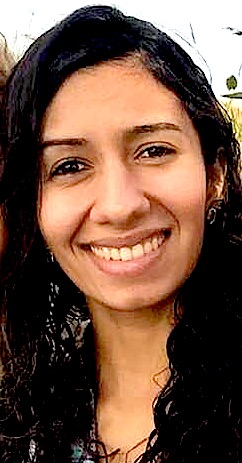
03 Karina Seda

1. What is your name? (last name optional)

Karina Seda

2. Where do you live? (city and/or state and/or country) Email (optional)

I live in Orlando, Florida, USA.     Email: livingwithoutlimitswithkarina@gmail.com

3. On what date did you have your brain injury? At what age?

My brain injury was in 2008 when I was 15 years old.

4. How did your brain injury occur?

After surgery, my intracranial pressure rose and caused a hemorrhagic stroke. (An artery popped.)

5. When did you (or someone) first realize you had a problem?

Regarding the stroke, everything happened in the hospital, so the nurses were the ones who identified it. But if we go a few years back, my journey began when I was 12 years old and was diagnosed with an aneurysm.

6. What kind of emergency treatment, if any, did you have?

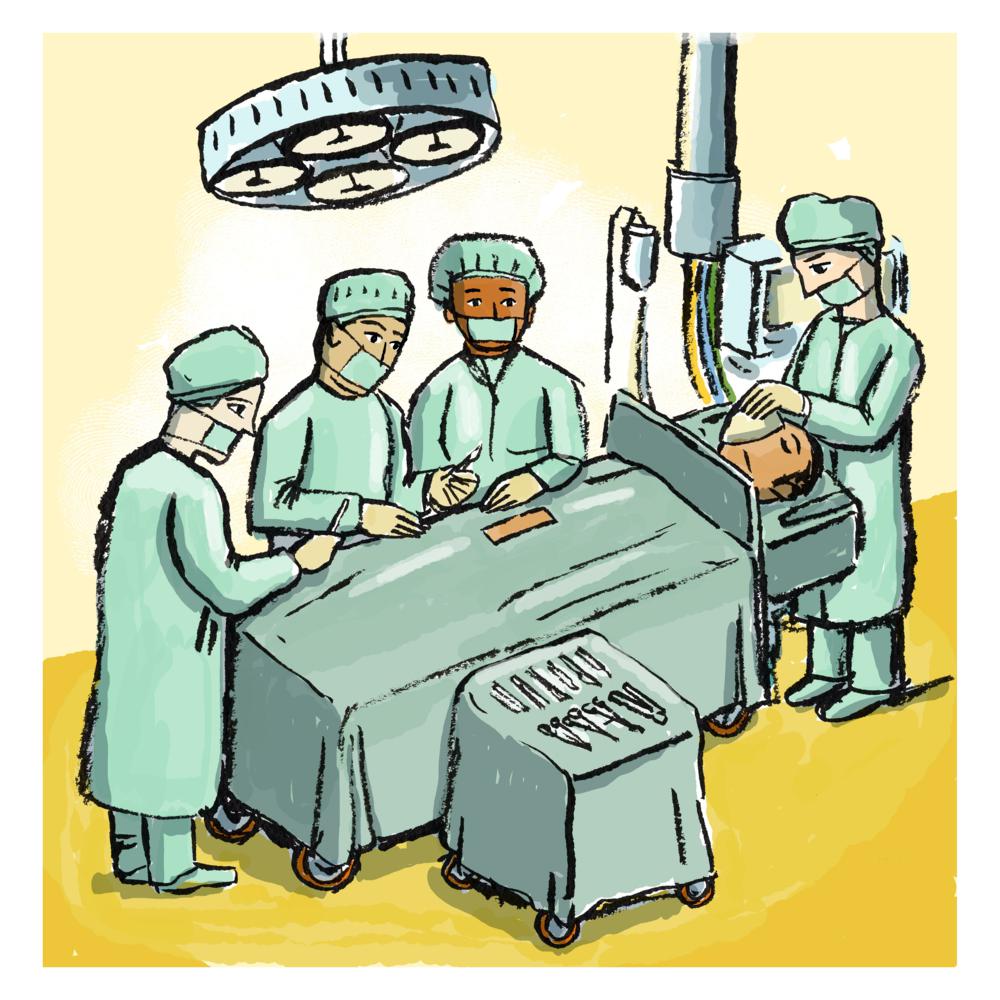
I was rushed back to the operating room, and they used the defibrillator twice to bring me back. They also opened my cranium again to stop the bleeding. R

7. Were you in a coma? If so, how long?

Yes. I was in a coma for two weeks.

8. Did you do rehab? What kind of rehab (i.e., inpatient or outpatient and occupational and/or physical and/or speech and/or other)? How long were you in rehab?

I took in-patient rehab for one month and out-patient rehab (occupational therapy, physical therapy, speech therapy, and health guidance) for around four years – until my insurance reached its limits.

9. What problems or disabilities, if any, resulted from your brain injury
(e.g., balance, perception, personality, etc.)?

I had lost all movements of the left side of my body, including speech, and my eyes were stuck facing a single direction.

10. How has your life changed? Is it better? Is it worse?

Everything changed, including career, eating habits, social activities, and desires. However, everything changed for the better: I am living with a purpose, married with my soul mate, and helping others to be the best version of themselves.

11. What do you miss the most from your pre-brain-injury life?

I miss my social life and my friends.

12. What do you enjoy most in your post-brain-injury life?

I enjoy being able to see life at a young age with a completely different point of view. I like living with gratitude, admiration, compassion, and wisdom.

13. What do you like least about your brain injury?

I don’t like the headaches.144-1447424_migraine-cartoon

14. Has anything helped you to accept your brain injury?

I realized that everything happened with a purpose.

15. Has your injury affected your home life and relationships and, if so, how?

I’ve been affected by seeing how my situation changed the people around me and by how they treated me.

16. Has your social life been altered or changed and, if so, how?

24 Karina SedaYes. In the past, if anyone called up to do something or to go somewhere, I could easily say “Yes.” It was hard to adjust to a life where I could not. Also, I try to do everything myself, but it is a bit hard whenever people try to help when I really don’t need it.

17. Who is your main caregiver? Do you understand what it takes to be a caregiver?

At the beginning, my mother was my caregiver. But now, I am my own caregiver. Yes, it takes a lot of passion, patience, and dedication to help some who, at the time, cannot help themselves.

18. What are your plans? What do you expect/hope to be doing ten years from now?

I hope to keep living in the best version of myself and to be living my purpose. And I expect to keep working on my recovery. I also want to be helping others in a transformational way so they also can do the same.

19. Are you able to provide a helpful hint that may have taken you a long time to learn, but which you wished you had known earlier? If so, please state what it is to potentially help other survivors with your specific kind of brain injury.

It was very frustrating to be living in suffering for a long period of time by myself. Having the right support, accountability, and system can be a tremendous help in working towards recovery.

15 Karina Seda Banner Living Without Limits20. What advice would you offer to other brain-injury survivors? Do you have any other comments that you would like to add?

Never give up! It is never too late to reintegrate into life in a healthy way and work towards recovery.

Get Your Copy Now

Read It! Review It! Listen to It!


Click Links under Book

  PAPERBACK!   Read it Now!     e-BOOK!   Read it Now!   AUDIO BOOK Listen to it Now!

Stay Safe and Healthy!

Clip Art compliments of Bing.)

(Photos compliments of contributor.)

As I say after each post:

Please leave a comment by clicking the blue words “Leave a Comment” below this post.

anim0014-1_e0-1

Feel free to follow my blog. Click on “Follow” on the upper right sidebar.

If you like my blog, share it intact with your friends. It’s easy! Click the “Share” buttons below.


COVID-19 Omicron Variant is Not Less Severe

COVID-19 Omicron Variant is Not Less Severe

by
Columbia University Professor Emeritus, Dr. David Figurski
presented by
Donna O’Donnell Figurski


(Disclaimer: The World Health Organization <WHO> has officially named the new coronavirus as SARS-CoV-2 <severe acute respiratory syndrome coronavirus #2> and the disease it causes as COVID-19 <coronavirus infectious disease of 2019>.  Because the majority of people, including much of the press, commonly refer to the virus as “COVID-19” or “COVID,” to avoid confusion, I use COVID-19 as the name of the virus.)

David Figurski

David H. Figurski, Ph.D Survivor of Brain Injury

The omicron COVID-19 variant should be respected as much as any other form of the virus. U.S. deaths are higher than from the delta variant at its peak.

I’ve heard it suggested that letting yourself get infected with the omicron variant is a way to become immune to COVID-19.

RColumbia virologist Dr. Vincent Racaniello discusses the “mildness” of the    omicron  variant with Dr. Daniel Griffin, a New York physician in Columbia’ s Department of Infectious Diseases. Listen to minute 15:00-16:10 of Dr. Racaniello’s TWiV (This Week in Virology) podcast #859, which is also Dr. Griffin’s clinical update #99.

Get Your Copy Now

Read It!               Review It!

Click Links under Book

51r7mht63el._sx332_bo1204203200_

  PAPERBACK!        Read it Now!                              e-BOOK!      Read it Now!

Stay Safe and Healthy!

Clip Art compliments of Bing.com.

(Photos compliments of contributor.)

As I say after each post:

Please leave a comment by clicking the blue words “Leave a Comment” below this post.

Feel free to follow my blog. Click on “Follow” on the upper right sidebar.anim0014-1_e0-1

If you like my blog, share it intact with your friends. It’s easy! Click the “Share” buttons below.

diemodi jewelry

uniquely hand-crafted jewelry by donna

Welcome to Harmony Kent Online

The home of all things books

Pete Springer

Passionate Teacher and Future Children's Author

HOPE TBI

Helping Other People Excel - To Be Independent

For the Love of Books, Old and New

Katie Fischer, Writer and Reader of Stories

Charlie Bown

Children's Author

Jessica Hinrichs

“We write to taste life twice, in the moment and in retrospect.” ― Anais Nin

VIVIAN KIRKFIELD - Writer for Children

Picture Books Help Kids Soar

Mindy’s Writing Wonderland

For authors, parents, teachers & everyone who loves children’s books.

Kaitlyn Leann Sanchez

Literary Agent

Surviving Traumatic Brain Injury

TBI - Survivors, Caregivers, Family, and Friends

The Care Factor

Loving someone with a Traumatic Brain Injury

Brain Injury Support Group of Duluth-Extension

Brain Injury Information and SUPPORT

Brain Aneurysm Global Insight

Brain Aneurysm, cerebral hemorrhaging, hemorrhage stroke