TBI – Survivors, Caregivers, Family, and Friends

Posts tagged ‘TBI’

Survivors SPEAK OUT! Amy Rankin

SPEAK OUT! – Amy Rankin

by

Donna O’Donnell Figurski

Rankin, Amy Book

1. What is your name? (last name optional)

Amy Rankin

2. Where do you live? (city and/or state and/or country) Email (optional)

Auburn, New York, USA

3. When did you have your TBI? At what age?

October 30, 2004           Age 23

4. How did your TBI occur?

While walking home, I was hit by a drunk driver in a pickup.

5. When did you (or someone) first realize you had a problem?

The driver of a passing car saw the truck flipping and called 9-1-1. They found my roommate dead a ways from myself and the truck.

6. What kind of emergency treatment, if any, did you have (e.g., surgery, tracheotomy, G-peg)?

Wonderful doctors removed half my skull to relieve swelling. I had a tracheotomy and a G-tube (gastrostomy tube).

7. Were you in a coma? If so, how long?

Yes, 33 days

8. Did you do rehab? What kind of rehab (i.e., In-patient or Out-patient and Occupational, Physical, Speech, Other)?
 How long were you in rehab?

I did rehab in Baltimore (but it wasn’t great) at Kernan Hospital. After they put my skull back together, I went to St. Camillus, where I did wonderful speech, physical, and occupational therapies both as an In-patient and an Out-patient. I did other therapies after my discharge from St. Camillus as an Out-patient. I continue to work with a language pathologist.

9. What problems or disabilities, if any, resulted from your TBI 
(e.g., balance, perception, personality, etc.)?

I’ve worked very hard to overcome many of my disabilities. I’ve run a couple of 5Ks and wrote a book about never giving up – Nobody Thought I Could Do It, But I Showed Them, and So Can You! (Amazon.com). My vision continues to be trouble. I cannot recognize people. It gets embarrassing.

10. How has your life changed? Is it better? Is it worse?

Better – My faith in God has grown. I’ve met and worked with absolutely wonderful people.

Worse – I don’t like the loss of independence, the embarrassing moments, and not being with my friends as often as I’d like.

11. What do you miss the most from your pre-TBI life?

I greatly miss driving and being with friends.

12. What do you enjoy most in your post-TBI life?

I love to volunteer and to help other TBI victims or any victim. I wrote my book to help others. I met my great boyfriend, who is also a TBI survivor.

13. What do you like least about your TBI?

I don’t like being unable to drive and see friends. I’m sad that I can no longer teach Special Ed. I miss teaching very much, but I believe my book can do some teaching for me.

14. Has anything helped you to accept your TBI?

I’ve been helped by God and by the positive attitudes and support of my family and all my doctors and therapists.

15. Has your injury affected your home life and relationships and, if so, how?

We moved to a beautiful new house. I met my wonderful boyfriend. I don’t communicate with my girlfriends from college as much as I used to.

16. Has your social life been altered or changed and, if so, how?

My boyfriend also survived a TBI. We don’t see each other as much as we’d like to. When we do, it’s magical.

17. Who is your main caregiver? Do you understand what it takes to be a caregiver?

My father is my main caregiver. I dedicated my book to him. I know both my parents have given up a lot and changed dramatically. A good caregiver is caring and has love and respect for you.

18. What are your future plans? What do you expect/hope to be doing ten years from now?

I’m hoping to go back to school to become a recreational therapist and to have my book help even more people.

19. What advice would you offer to other TBI survivors

Have a positive attitude.

Be aware of the love of other people.

Do what you can.

Find something to smile about daily.

20. Do you have any other comments that you would like to add?

A TBI changes your life forever, but don’t feel disabled. Work out of it! Believe you’re a survivor!


Thank you, Amy, for taking part in this interview. I hope that your experience will offer some hope, comfort, and inspiration to my readers.

(Disclaimer: The views or opinions in this post are solely that of the interviewee.)

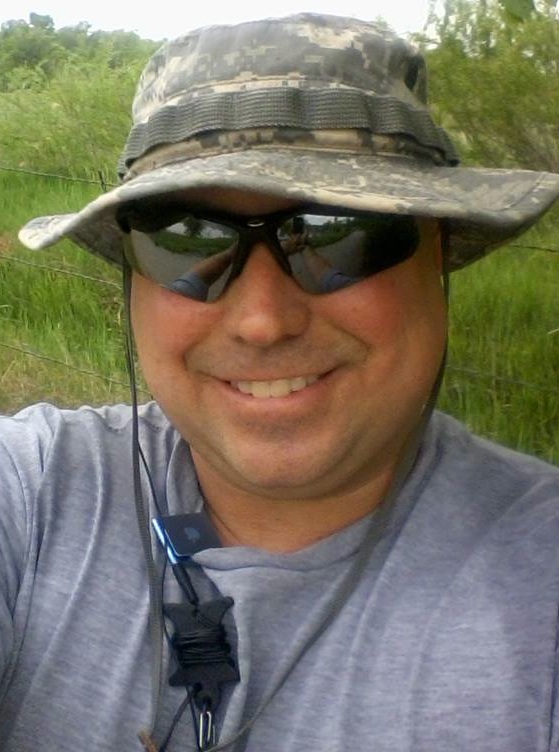
(Photo compliments of Amy.)


If you would like to be a part of this project, please go to TBI Survivor Interview Questionnaire for a copy of the questions and the release form.

 

SPEAK OUT! NewsBit . . . . . . . . . . . Public Release of the First Comprehensive Guidelines on Concussions in Children

Public Release of the First Comprehensive Guidelines

on Concussions in Children


newsboy-thChildren’s Hospital of Eastern Ontario, the Ontario Neurotrauma Foundation, and a panel of 30 experts from the US and Canada established and released guidelines meant to standardize the identification and management of concussions in 5- to 18-year-old children. Dr. Roger Zemek, who headed the panel, said, “We’ve developed a reliable resource that is valuable for everyone affected by pediatric concussion: from children and their families, to healthcare providers, and to schools and recreational organizations. This is so important because children get more concussions than adults do, with increased risk because their brains are still developing.” The group read over 4,000 publications and considered current technology. In one example, a pocket-sized device will allow a coach to determine on the sideline whether a player has a concussion or not. There are explicit guidelines for the diagnosis and care of concussions in children, as well as for determining when a child should return to school or play a sport again. The guidelines have been posted on a website and are freely available to anyone, especially parents, educators, coaches, and heathcare providers. (Full story)


SPEAK OUT! NewsBit . . . . . . . Implanted Microchip Allows Paralyzed Man to Move His Fingers by Thought

Implanted Microchip Allows Paralyzed Man

to Move His Fingers by Thought

newsboy-th


Paralysis can be a serious outcome of a traumatic brain injury. Research by scientists and physicians at Battelle Memorial Institute and Ohio State University resulted in the ability of a paralyzed man to flex his fingers. In a first, a microchip implanted into the man’s brain allowed him to curl his fingers simply by thinking about moving them. The result was simple – moving fingers – but the significance of the result is enormous. This small success will eventually lead to huge gains in the thought control of prostheses and in the quality of life for many TBI survivors. (Full story)


Survivors SPEAK OUT! . . . . . . . . . Drew Carter

SPEAK OUT! – Drew Carter

by

Donna O’Donnell Figurski

Carter, Drew Rehab


1. What is your name? (last name optional)

Drew Carter

2. Where do you live? (city and/or state and/or country) Email (optional)

Asheville, North Carolina, USA

3. When did you have your TBI? At what age?

My TBI happened 13 years ago. I was 20 or about 21.

4. How did your TBI occur?

I was in the second semester of my first year at Western Carolina University. I was attending a party and fell off a retaining wall. I hit my head on the concrete.

5. When did you (or someone) first realize you had a problem?

I was diagnosed with ADHD (attention deficit hyperactive disorder) and a learning disability before my accident. After my TBI, they got much worse. My accident put me in a coma for five weeks. I slowly woke up from the coma, and my injuries were obvious.

6. What kind of emergency treatment, if any, did you have (e.g., surgery, tracheotomy, G-peg)?

I had a tracheotomy and a belly tube for food. When I came out of my coma at Mission Hospital, they sent me to Shepherd Center in Atlanta and then to Thomas Rehabilitation Center.  

7. Were you in a coma? If so, how long?

I was in a coma for five weeks at Mission Hospital in Asheville.

8. Did you do rehab? What kind of rehab (i.e., In-patient or Out-patient and Occupational, Physical, Speech, Other)?
How long were you in rehab?

I don’t do rehab anymore. I do exercise regularly, and I practice speaking.

9. What problems or disabilities, if any, resulted from your TBI (e.g., balance, perception, personality, etc.)?


At first, I had a lot of problems. I had to learn to swallow. My physical ability came back first, and then my mental ability returned. I’m about at a level people might say is normal. I believe that, as TBI survivors, we can continue to grow and pass what we think our limits are. It’s the TRUTH.

10. How has your life changed? Is it better? Is it worse?

For me, I would say my life is far better. Going through the ordeal made me a stronger person. After the accident, I was forced to grow up faster.

Drew Carter - before TBI with his family

Drew Carter – before TBI with his family

11. What do you miss the most from your pre-TBI life?

I miss my young, carefree life, but with more responsibility comes more freedom.

12. What do you enjoy most in your post-TBI life?

I like the idea that I might be able to help and support other survivors.

13. What do you like least about your TBI?

They call me bipolar now.

14. Has anything helped you to accept your TBI?

I was helped by my faith as a Christian.

15. Has your injury affected your home life and relationships and, if so, how?

I became closer with my mother.

16. Has your social life been altered or changed and, if so, how?

I lost lots of friends because my personality changed, and I had to relearn almost all my life-skills.

17. Who is your main caregiver? Do you understand what it takes to be a caregiver?

My main caregiver is my mother. I know that being a caregiver can be hard for a parent or loved one. I have seen lots of caregivers who believe that a survivor will not or cannot progress anymore. Sometimes the TBI recovery seems impossible to caregivers because they are watching the situation from the outside. This can affect the TBI survivor. I imagine it can be very hard for the caregiver. My recovery has caused a lot of stress for my mother.

18. What are your future plans? What do you expect/hope to be doing ten years from now?

I would like to be a successful artist. I hope to produce my own ceramics and clothing. I also want to help other TBI survivors.

19. Are you able to provide a helpful hint that may have taken you a long time to learn, but which you wished you had known earlier? If so, please state what it is to potentially help other TBI survivors with your specific kind of TBI.

Always set your goals beyond what you think is possible. Don’t just accept other people’s opinion of how much you can recover.

20. What advice would you offer to other TBI survivors? Do you have any other comments that you would like to add?

Drew Carter - after TBI

Drew Carter – after TBI

Stay strong and embrace your life.


Thank you, Drew, for taking part in this interview. I hope that your experience will offer some hope, comfort, and inspiration to my readers.


(Disclaimer: The views or opinions in this post are solely that of the interviewee.)

If you would like to be a part of this project, please go to TBI Survivor Interview Questionnaire for a copy of the questions and the release form.
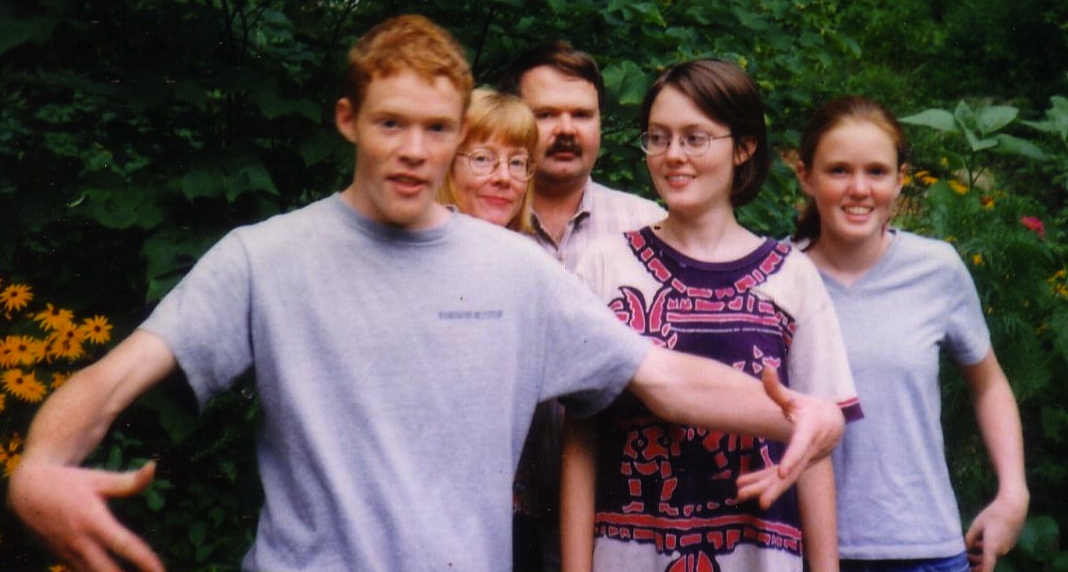
(Photos compliments of Drew.)

SPEAK OUT! NewsBit . . . . . . . . . World Cup Matches Highlight Great Soccer, But Danger is Not Erased

World Cup Matches Highlight Great Soccer, But Danger is Not Erased

newsboy-th


World Cup soccer is exciting, but anyone who knows what a brain injury can do sees the violence in the sport. This article describes the danger of contact with objects or other players. Heading causes the most brain injuries, as expected, but counterintuitively not from contact with the ball. Going up for a header greatly increases the probability of other kinds of contact. Simply playing soccer can result in brain injury. Goalkeepers are at most risk for injury. Some players have begun to wear protective gear, but soccer leagues for adults have not gotten behind this welcome safety trend. (Full story)


SPEAK OUT! NewsBit . . . . . . . Research Helps to Explain Depression

Research Helps to Explain Depression


newsboy-thDepression affects many TBI survivors, but, until now, no one knew why a person became depressed. Basic research at the Wiezmann Institute of Science in Israel has resulted in revealing an important part of the pathway that regulates a key chemical (serotonin) responsible for depression and anxiety. The scientists identified a small RNA molecule (microRNA miR135) that determines whether a person becomes depressed or not.

MicroRNAs were recently discovered. In this case, microRNA miR135 regulates the level of serotonin. The regulation of serotonin by miR135 was proven in mice genetically engineered to have high or low levels of miR135. As a result, the level of serotonin was affected. Too little serotonin resulted in signs of depression and anxiety in mice. Humans who were depressed had unusually low levels of miR135. Higher miR135 levels were observed in people who were not depressed. Such people are known to have higher levels of serotonin. The ability to measure the level of miR135 in people means better diagnosis of depression. It also means it will be possible to screen for therapeutic drugs that can boost the miR135 level (and therefore serotonin level). (Full story)


Brain Injury Resources . . . . . . . Flooding – Definition and Coping Strategies

Flooding – Definition and Coping Strategies

th-3

Many TBI survivors have difficulty filtering lots of stimuli. At times when several things are happening at once, some TBI survivors may feel overwhelmed and less able to do things. This video by the Northern Brain Injury Association explains what flooding is, what causes it, and how to avoid, minimize, and cope with it. (Video)

(Clip Art compliments of Bing.)

Survivors SPEAK OUT! . . . . . . . . . Randy Davis

Survivors SPEAK OUT! – Randy Davis

by

Donna O’Donnell Figurski

Davis, Randy


1. What is your name? (last name optional)

Randy

2. Where do you live? (city and/or state and/or country) Email (optional)

Longmont, CO, USA         bikn4u@hotmail.com

3. When did you have your TBI? At what age?

November 3, 1984         age 16

4. How did your TBI occur?

I was in a target-shooting accident. I was shot in the head.

5. When did you (or someone) first realize you had a problem?

I realized I had a problem the moment the bullet impacted my head.

6. What kind of emergency treatment, if any, did you have (e.g., surgery,

tracheotomy, G-peg)?

I had emergency brain surgery to remove the bullet that penetrated into my brain and an emergency right temporal lobectomy.

7. Were you in a coma? If so, how long?

No

8. Did you do rehab? What kind of rehab (i.e., In-patient or Out-patient and Occupational, Physical, Speech, Other)?
How long were you in rehab?

I didn’t have formal therapy to learn to walk and talk again, but I had psychological and neuropsych/speech therapy on and off over a period of several years.

9. What problems or disabilities, if any, resulted from your TBI (e.g., balance, perception, personality, etc.)?

I dealt with massive PTSD (post-traumatic stress disorder) and right temporal mood-swing seizures, which were more mental than physical.

10. How has your life changed? Is it better? Is it worse?

My life has been a progression from post-TBI teenage-hood into adulthood. It took many years of trial and error to make a living and to get my TBI in order so I could move forward in life. I was eventually able to heal and to make a career in Law Enforcement and to have an 8-year career in the US Army Reserves.

11. What do you miss the most from your pre-TBI life?

I miss the innocence and vitality for living without worrying that I’d be injured again.

12. What do you enjoy most in your post-TBI life?

I’ve discovered how resilient I am to adversity and challenge.

13. What do you like least about your TBI?

I have terrible tinnitus and head pains.

14. Has anything helped you to accept your TBI?

Time

15. Has your injury affected your home life and relationships and, if so, how?

It’s been hard. I’ve let my guard down and been through three horrible marriages.

16. Has your social life been altered or changed and, if so, how?

I’m more cautious and tend not to go out and “party.” I don’t like crowds anymore.

17. Who is your main caregiver? Do you understand what it takes to be a caregiver?

N/A

18. What are your future plans? What do you expect/hope to be doing ten years from now?

I want to get into public speaking about TBI and triumphing over tragedy. I want to help our veterans from Iraq and Afghanistan deal with brain injuries. I’m also pursuing becoming an NRA Firearms Instructor, in hopes of using my story of surviving a near fatal shooting to spread safety.

19. Are you able to provide a helpful hint that may have taken you a long time to learn, but which you wished you had known earlier? If so, please state what it is to potentially help other TBI survivors with your specific kind of TBI.

It takes time to heal. Healing won’t happen overnight or even in a few weeks. It’s a lifelong journey.Davis, Randy Army Jeep

20. What advice would you offer to other TBI survivors? Do you have any other comments that you would like to add?

Never accept defeat; never quit. Things can be hard. People usually don’t understand what you’re dealing with, but if you survived the injury, you’re a survivor – a fighter.


Thank you, Randy, for taking part in this interview. I hope that your experience will offer some hope, comfort, and inspiration to my readers.

(Disclaimer: The views or opinions in this post are solely that of the interviewee.)

(Photos compliments of Randy.)

If you would like to be a part of the SPEAK OUT! project, please go to TBI Survivor Interview Questionnaire for a copy of the questions and the release form.

SPEAK OUT! NewsBit . . . . . . . . Michael Schumacher, F1 Champion, Leaves Hospital

Michael Schumacher, F1 Champion, Leaves Hospital


Record-setting seven-time Formula 1 racecar champion, Michael Schumacher, had a harrowing skiing accident in the French Alps in December. The accident was so severe that his helmet split. He was placed into a medically induced comanewsboy-th to protect his brain as much as possible. He took considerably longer than expected to awaken, causing much concern. The last news report was in April, and he was not fully awake then. He did eventually awaken and was recently discharged from the hospital. He faces what will certainly be a long period of rehabilitation, which his family hopes to keep private. (Full story)


Survivors SPEAK OUT! . . . . . . . . . . Ruby Taylor

Survivors SPEAK OUT! – Ruby Taylor

by

Donna O’Donnell Figurski

Taylor, Ruby Survivor 061814


1. What is your name? (last name optional)

Ruby

2. Where do you live? (city and/or state and/or country) Email (optional)

Lancaster, Pennsylvania, but I was born and raised in The Bronx, New York. Go GIANTS! (Yes, I am a football fan.)

3. When did you have your TBI?

I had my TBI in December 2012.

4. How did your TBI occur?

I was in car accident. (My car was totaled, and the airbags went off.)

5. When did you (or someone) first realize you had a problem?

When I returned to work, my supervisor was worried. She said I was not acting like myself, and she directed me to see my doctor. I went to my doctor, and I have not been able to return to work since.

6. What kind of emergency treatment, if any, did you have?
(e.g., surgery, tracheotomy, G-peg)

I went to the Emergency Room and was released the same day.

7. Were you in a coma? If so, how long?

I did not have a coma, to my memory, but I do not remember the impact.

8. Did you do rehab? What kind of rehab (i.e., In-patient or Out-patient and Occupational, Physical, Speech, Other)?
How long were you in rehab?

I have Out-patient rehab, and I still see a neuropsychologist weekly.

9. What problems or disabilities, if any, resulted from your TBI
(e.g., balance, perception, personality, etc.)?

My personality changed. My voice changed. I have a very short fuse. I am unable to deal with excessive noise and bright lights. I become confused easily. I have balance problems, attention and impulsivity issues, fatigue, and an inability to tolerate crowds.

Also, my TBI made me curse – every other word was a curse word. There are other things that I can’t think of now. The funny thing is that my stuttering stopped.

10. How has your life changed? Is it better? Is it worse?

I am no longer able to drive long distances. I can’t work as a school social worker.

My family life is suffering because my TBI overwhelms me. I can’t spend time with my family, like I once did. My life is not worse or better. It’s just different, and I am learning to live with the differences.

11. What do you miss the most from your pre-TBI life?

I miss jumping in my car and going to visit my family or taking a trip for the weekend. I also miss having my dog live with me. My fatigue and short fuse made it impossible for me to care for my dog, so my dog is now living with my parents in another state.

12. What do you enjoy most in your post-TBI life?

It is giving me an opportunity to slow down, to think about me, and to consider how great and awesome God is.

13. What do you like least about your TBI?

It stopped my career, and I can’t drive wherever I want to anymore.

14. Has anything helped you to accept your TBI?

Yes. Therapy, medicine, prayer, faith, and God through Christ Jesus

15. Has your injury affected your home life and relationships and, if so, how?

Yes. Sometimes my family becomes upset because I go off, but they are trying to understand and work with me. No matter how tired I am, my nieces and nephew still think I am the same Aunt Ruby, but it’s hard to see their disappointment when I can’t do what they want me to do.

16. Has your social life been altered or changed and, if so, how?

Dating is on hold for now. I realized who my true friends really are, and those relationships became stronger. Other relationships ended.

17. Who is your main caregiver? Do you understand what it takes to be a caregiver?

My mother would make my meals, freeze them for me, and bring them to me. My parents also took my dog off my hands. My caregivers were myself, my neighbors, my friends, and God. It takes a huge dose of love, patience, and compassion to care for a TBI survivor.

18. What are your future plans? What do you expect/hope to be doing ten years from now?

I plan to continue healing and to make films. I created Compassion Pictures (http://CompassionPictures.net) to help change the way brain-injury survivors are viewed and treated, one film at a time. Ten years from now, I hope to be an award-winning filmmaker and a brain-injury advocate.

19. Are you able to provide a helpful hint that may have taken you a long time to learn, but which you wished you had known earlier? If so, please state what it is to potentially help other TBI survivors with your specific kind of TBI.

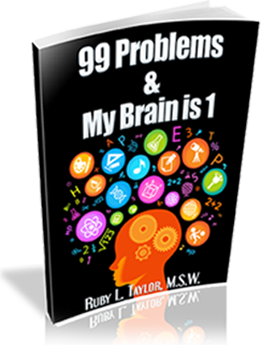
bookcover

Get Ruby’s free book here. http://compassionpictures.net/ourstory/

Grieve the old Ruby, and stop fighting to get her to return. It was very stressful not being who I used to be prior to my TBI and who I strived to go back to. If I could do things differently, I would have grieved earlier and released myself from being someone I was no more, and I would embrace who I am.

20. What advice would you offer to other TBI survivors? Do you have any other comments that you would like to add?

Ask for help. Keep asking until you receive the help you need.

Don’t be afraid of “NO.” A “NO” means you are one step closer to a “YES.”

Life gets better. It takes a very long time, but it will get better. You will be able to smile, laugh, and enjoy the simple things in life. Just keep living.


Thank you, Ruby, for taking part in this interview. I hope that your experience will offer some hope, comfort, and inspiration to my readers.

(Disclaimer: The views or opinions in this post are solely that of the interviewee.)

(Photos compliments of Ruby.)

If you would like to be a part of the SPEAK OUT! project, please go to TBI Survivor Interview Questionnaire for a copy of the questions and the release form.


diemodi jewelry

uniquely hand-crafted jewelry by donna

Welcome to Harmony Kent Online

The home of all things books

Pete Springer

Passionate Teacher and Future Children's Author

HOPE TBI

Helping Other People Excel - To Be Independent

For the Love of Books, Old and New

Katie Fischer, Writer and Reader of Stories

Charlie Bown

Children's Author

Jessica Hinrichs

“We write to taste life twice, in the moment and in retrospect.” ― Anais Nin

VIVIAN KIRKFIELD - Writer for Children

Picture Books Help Kids Soar

Mindy’s Writing Wonderland

For authors, parents, teachers & everyone who loves children’s books.

Kaitlyn Leann Sanchez

Literary Agent

Surviving Traumatic Brain Injury

TBI - Survivors, Caregivers, Family, and Friends

The Care Factor

Loving someone with a Traumatic Brain Injury

Brain Injury Support Group of Duluth-Extension

Brain Injury Information and SUPPORT

Brain Aneurysm Global Insight

Brain Aneurysm, cerebral hemorrhaging, hemorrhage stroke